
Our readers keep the lights on and my morning glass full of iced black tea. As an Amazon Associate, I earn from qualifying purchases.
Specs are compiled from manufacturer listings and verified buyer reviews and can change over time — please confirm the key details on the product page before buying.
When your wetsuit tears or a boat seat pops off, you need a bond that won’t peel under water or when the fabric flexes—a weak glue just fails. The right adhesive for neoprene rubber holds tight, so you can get back to using your gear instead of worrying. This guide covers nine proven adhesives for neoprene, from fast-setting contact cements to heavy-duty rubber-to-metal bonds.
I’m Min — the founder and writer behind Gadgets Feed. This guide is built by comparing the manufacturers’ published specifications and the patterns across verified customer reviews, so you get each pick’s real strengths and trade-offs instead of marketing spin.
Match the adhesive’s formulation and cure time to your specific repair—a wetsuit tear needs flexible, waterproof cement, while rubber-to-metal bonds demand a stronger, heat-resistant formula.
Our Picks at a Glance

How To Choose The Best Adhesive For Neoprene Rubber
To pick the right adhesive, think about three things: the rubber type, the conditions the bond will face, and how long you can wait for it to set. A quick, flexible fix for a wetsuit tear is very different from a permanent, heat-resistant bond for a gasket.
What kind of rubber are you bonding?
Neoprene, also called polychloroprene, is common in wetsuits, gaskets, and seat foam. If you are bonding neoprene to metal or plastic, a general-purpose contact cement made from neoprene itself works well. For smooth wetsuit skins, a specialized wetsuit cement gives the flexibility you need; for shoe soles or rubber-to-metal bonds, you want a stronger, thicker formula.
How fast does it need to set?
Contact cement works by letting both surfaces dry until tacky, then pressing them together. Some formulas cure in just a few hours, which is great if you need the gear tomorrow. Others need a full 24 hours for complete curing, which is fine for projects you can leave overnight. Fast-curing formulas save time but often sacrifice the flexibility and toughness of 24-hour cures.
What will the bond face?
Water resistance matters for wetsuits and marine gear, while heat resistance is critical for gaskets and dryer seals. For shoe soles that flex with every step, you need a bond that stays flexible after curing, not one that hardens to a stiff, brittle layer. Choosing a glue that matches the rubber type, exposure conditions, and cure time ensures a durable bond.
Quick Comparison
| Model | Best For | Full Cure Time | Container Size | Form | Amazon |
|---|---|---|---|---|---|
| DAP Weldwood★ Best Overall | Fast-setting general jobs | 2.5 hours | 1 pt. | Liquid | Amazon |
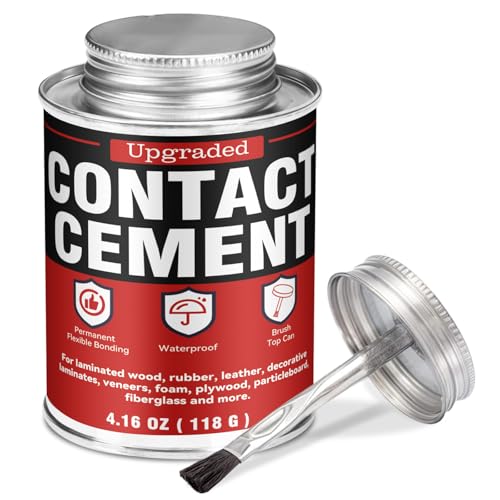
| Wonshine (4.15oz)Precision Pick | Brushed, heavy-duty hold | 24 hours | 4.15 oz | Liquid | Amazon |
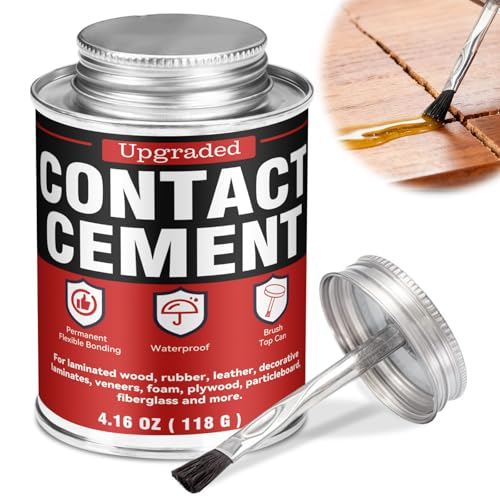
| Wonshine (LDXJ-W01)Versatile Value | Multi-surface DIY | 24 hours | 4.16 oz | Liquid | Amazon |
| Bondtech | High-strength repairs | 24 hours | 4.16 oz | Liquid | Amazon |
| O’Neill Cement | Black wetsuit repairs | Quick set | 4 oz | Liquid | Amazon |
| Trident Black | Dive and kayak gear | — | 4 oz | Liquid | Amazon |
| GEAR AID Kit | Patches and tears | 30 minutes | 1.5 oz + patch | Liquid + fabric | Amazon |
| RH S-18 | Rubber to metal | 24 hours | 32 oz | Liquid | Amazon |
| 3M 1300 | Heat and moisture | — | 5 oz tube | Gel | Amazon |
In‑Depth Reviews
1. DAP Weldwood High Strength Rubber Contact Cement
Our pick — over 4.5★ from 100+ verified ratings; the strongest balance of quality and price.
A neoprene-based contact cement that cures in 2.5 hours, ideal for fast laminate and rubber-to-wood bonding.
If you need to bond countertop laminate or attach rubber to wood and keep working, this adhesive cures fully in 2.5 hours—far faster than the Wonshine below, which needs 24 hours. That is a 9.6x gap in waiting time, so this is the pick for anyone on a deadline.
This is a neoprene-based contact cement that is water resistant and meets all CPSC requirements, so it is built for serious, long-term adhesion rather than a quick household patch. It comes in a familiar liquid form and is the brand that seasoned DIYers repeatedly reach for when applying Formica to tables.
The repeated praise for this cement is its “short waiting time for application” with a “strong bond” — the formula lets you move fast between steps. That said, buyers report it “wasn’t strong enough to reattach shoe soles,” so heavy-flex, load-bearing repairs like a boot sole are not this cement’s strong suit.
Fast-Track Perks
- Full cure in 2.5 hours — fastest in this guide
- Neoprene-based and water resistant for lasting bonds
- The trusted brand for laminate and countertop work
Where It Gives Ground
- Owners mention it falls short on high-flex shoe sole repair
- Best for bonding flat surfaces, not gap-filling
Reach for this if: you need a dependable, fast-curing bond for flat panel laminates or rubber-to-wood jobs where waiting 24 hours would stall the project.
Look elsewhere if: your repair involves a flexible joint like a peeling sneaker sole — the bond needs more flex than this fast-drying formula delivers.
2. Wonshine Neoprene Contact Adhesive (4.15 oz)
A brush-tip applicator delivers precise, drip-free coverage for clean repairs on rubber, foam, and leather.
This cement’s defining trick is the integrated brush tip that lets you reach tight spots and keep the glue exactly where you want it — no more drips across the workbench. It is a chloroprene formula that stays flexible after curing, so it flexes with the material instead of cracking, and it is both waterproof and heat resistant.
The application rhythm is simple: coat two clean, dry surfaces, wait 10-15 minutes until the glue turns tacky and glossy, press them together, then give it the full 24 hours to cure. For a stubborn door stop that kept falling off the wall, customers note that after about 15 minutes of pressing, “I doubt it will ever come off.”
Versatility is a major win here — it bonds leather, wood, rubber, foam, plywood, particleboard, and fiberglass. One shopper fixed a loose furniture part and said the brush made it easy to apply “just where you need it,” and once dried, everything stayed firmly in place.
Why It Wins People Over
- Brush applicator keeps application clean and controlled
- Bonds a wide range of materials including rubber and foam
- Stays flexible after curing — great for flexing repairs
The Waiting Game
- Needs the full 24 hours for a complete cure
- Tacky stage requires a 10-15 minute wait before joining
Grab it for: craft and furniture fixes where a precise, mess-free application in tight corners is more important than breakneck speed.
skip it if: you are in a hurry — unlike the DAP pick, this one demands a 24-hour wait for full strength.
3. Wonshine Contact Cement (LDXJ-W01)
A synthetic-rubber formula that bonds foam to heavy surfaces like tractor seats, staying flexible and waterproof.
At 4.16 ounces with a white color and a built-in brush tip, this glue is the same family as the other Wonshine pick but with a track record that leans heavily into durable, everyday repairs. Its synthetic rubber material type is waterproof and heat resistant, making it a sensible choice for projects that face the elements.
The standout real-world story is the owner who used it to glue foam back onto a John Deere tractor seat — “Worked well” — which speaks to how it handles heavier materials than just craft paper. The built-in brush keeps the white liquid on target, and the flexible bond is ideal for leatherwork and furniture repair.
Strong scented is the honest caveat: owners note you will want to use it outside or in a well-ventilated room, and it is clearly marked for that. It handles wood, leather, rubber, laminate, foam, plywood, particleboard, fiberglass, decorative laminates, and veneers.
Straightforward strength: this is a dependable, brushable contact cement that holds up to real-world wear — one owner even reattached a furniture leg with it and praised how it dried and held firmly in place.
The ventilation check: it works well but smells strongly of solvent, so plan to apply it somewhere with good airflow.
Best for: the DIYer who wants one glue that covers leather, foam, and laminate repairs without hunting for a specialty tube.
Think twice if: you dislike strong solvent odors — this one is potent until it dries.
4. Bondtech Contact Cement Adhesive
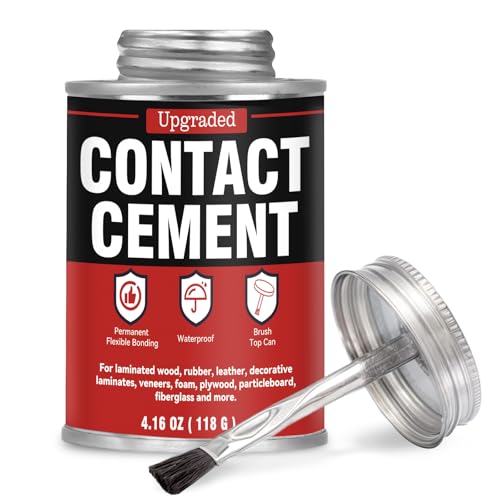
A clear-drying neoprene cement with 3500-pound tensile strength for high-stress repairs on rubber, leather, and foam.
For repairs that need real holding power, the 3500-pound tensile strength is the headline number here — this is a glue engineered for bonds that take serious stress, not just surface tack. The clear color is a bonus for visible repairs where a tan or white glue line would look out of place.
Bonding to wood, leather, rubber, foam, and fiberglass, this “professional” neoprene contact adhesive stays flexible after drying, which matters for repairs that move and flex. The built-in brush gets you precision in tight or delicate areas, and it is fast drying on top of the strong bond.
Reviewers are emphatic about its holding power — one summarized it as “it sticks to pretty much anything and is a solid bond,” and a parent mentioned it is a favorite for craft projects. The 24-hour cure time is the standard wait for this family of glues.
Solid as advertised: the sheer tensile rating, combined with the clear finish, makes this a go-to for repairs where both strength and appearance matter.
Patience required: like the Wonshine options, expect to wait a full 24 hours before the bond reaches maximum strength.
Choose it when: you need a strong, clear, flexible bond on rubber, leather, or foam and want the reassurance of a documented tensile strength.
Not the pick if: you need a quick fix — you will be waiting a day for this one to fully cure.
5. O’Neill Wetsuits Neoprene Cement

The thick black goop that makes wetsuit tears disappear into the rubber.
This is a specialty product for a specific job: fixing tears and holes in neoprene wetsuits. It comes in a four-ounce can with a brush in the cap, and since the cement is black, it blends right into a black wetsuit — no ugly tan patch line. It sets up very quickly for repairs.
The method is precise: shake well, apply cement to both edges of the damaged area, let the first coat dry for 5 minutes, apply a second coat and let it dry for 10 minutes, then press firmly together. One owner repaired several small tears and got a “water-tight permanent seal,” while another reported the bond flexed fine 15 minutes after pressing.
Honest fit warnings apply here: this is far more at home on smooth wetsuit skins than on rough areas. A veteran diver who has trusted it “for over 40 years” calls it “tried and true,” but a few owners found their jars arrived too thick from solvent evaporation. It also works on smoothskin coatings.
Why It Rules The Water
- Black formula blends invisibly into black wetsuits
- Dries and presses for a water-tight, flexible seal
- Brush in the cap means no extra tools needed
Know Before You Buy
- Effectiveness varies by wetsuit area — smooth skins are the balance
- Solvent can evaporate, leaving thick or hardened cement
Reach for it if: you own wetsuits, booties, or smoothskin gear and want a fast, invisible repair that holds up in the water.
Look elsewhere if: your repair is on rough or interior glued tabs of a suit — this cement performs best on smooth, flat skin.
6. Trident Black Neoprene Cement

The flexible sealer that fixes kayak skirts without hardening to a sharp edge.
This black neoprene cement is made for dive and water-sports gear repairs. Reviewers point out it seals tears and snags without hardening to a sharp edge—a comfort feature for gear pressed against your body. It is made in the US, which appeals to buyers who prefer to know their materials’ origin.
While wetsuit repair is the obvious use, this one shines on kayak spray skirts and similar items. One paddler uses it regularly on kayak gear and also on camping gear like tent bases and ground cloths, calling the sealing action effective. Its “waterproofs” special feature confirms it is meant for gear that lives in wet conditions.
The main variable is batch freshness: happy owners praise the adhesion, but a few received cans that were old and thin, requiring multiple coats. The regular buyers, though, keep coming back for the flexibility and sealing power it brings to neoprene repairs.
Flex-first formula: owners count on this for spray skirts because it seals snags while staying soft — unlike other repair glues that cure to a stiff, chafing ridge.
Freshness check: occasionally a can arrives old and thin, so inspect the consistency when it lands.
Best for: paddlers and divers who need a flexible, waterproof seal on spray skirts, gloves, and camping gear rather than a rock-hard patch.
pass on it if: you want a single reliable purchase — this one is great when fresh but hit-or-miss on delivery quality.
7. GEAR AID Wetsuit Repair Kit

The two-part kit that patches tears permanently with a household iron.
This is the only true “kit” in the lineup, pairing a heat-activated Tenacious Tape Neoprene Patch with a tube of Aquaseal NEO Contact Cement (1.5 fl oz). The patch is a 10″x6″ black fabric sheet you cut to size, and a household iron activates the adhesive for fixing tears or reinforcing high-wear areas like elbows and knees.
The glue cures to a black, flexible rubber that bonds to latex and repairs torn neoprene in just 30 minutes — dramatically faster than the 24-hour cures elsewhere. It is marketed as a permanent fix for wetsuits, gloves, and waders, and is also compatible with stretch fabrics like spandex and Lycra.
Shoppers say the glue is thin-running and works best in two layers, and the patches need more heat than the instructions suggest — using a hard surface like a cookie sheet helps. One diver sealed small BCD holes with the patch plus two coats and logged 20 dives to 80 feet with no leaks.
The Complete Package
- Patch + glue means you have everything in one box
- 30-minute cure is the fastest way to a solid repair
- Iron-on patch works on stretch fabrics too
Fiddly Bits
- Patches need more heat than the label says
- Glue is thin — expect to apply two coats
Choose it when: a wetsuit has an actual tear or hole that needs a structural patch, not just a seam seal.
Not for: invisible seam repairs — the patch is a visible fabric piece, so this works best where a patch is acceptable.
8. RH Adhesives S-18 All-Purpose Adhesive
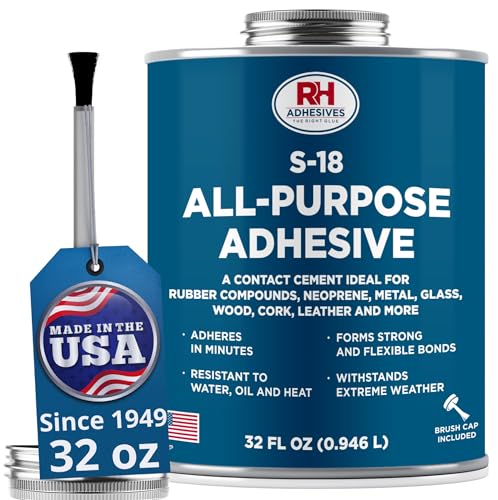
The industrial-grade 32-ounce can that bonds neoprene to metal or anything else.
If you have a big project or a car headliner to redo, the 32-ounce size is the story here — this is a commercial-grade amount of contact cement. As a neoprene contact cement from a US maker with roots since 1949, its specific talent is affixing SBR rubber and neoprene to metal, plus bonding plastics to other materials.
Its water-resistant solvent formula is designed for marine applications and difficult temperatures, and it creates strong films with excellent peel strength, aging properties, and resistance to oil. That combination means boot soles, garage door seals, and headliner jobs are all fair game.
Boot-sole repairs surface again in the reviews, but this time as a success: an owner reattached detached soles and the “strong rubber-to-rubber bond” held after multiple wears. Others used it to glue foam rubber to bed legs and seal a garage door gap, with the reminder that prepping with acetone for clean surfaces makes a real difference.
Commercial-grade clout: the sheer 32-ounce volume plus its rubber-to-metal specialty makes this the value pick for anyone with multiple repairs or auto upholstery work.
Give it time: a full 24-hour cure is required, so do not plan to use the bonded item the same day.
Reach for it if: you have large surfaces or repeated jobs — headliners, upholstery, or bonding rubber to metal — where the 32-ounce can pays for itself quickly.
it’s not for you if: you only need a tube-sized amount for a single wetsuit tear; this is a lot of glue to store.
9. 3M Neoprene Rubber and Gasket Adhesive 1300
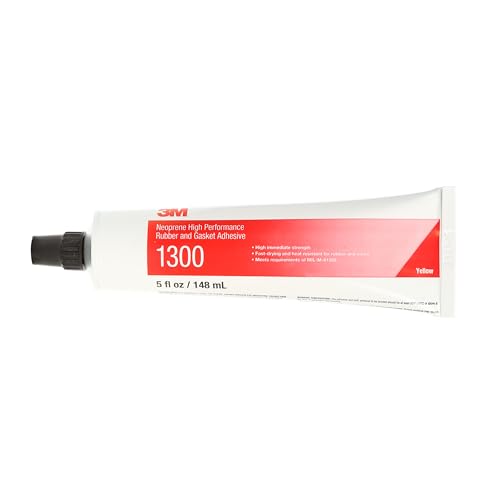
The heat-rated 3M gel that takes a dryer gasket without complaining.
For heat and moisture, this is the pick—it performs up to 300°F/148°C, a rating no other adhesive in this guide matches. The 3M 1300 bonds neoprene, SBR, butyl, and other rubbers to various surfaces, and its yellow gel in a 5-ounce tube is easy to control.
It can be used as a contact or wet-bond adhesive, meaning you can adapt your technique to the job. Buyers used it to attach a dryer door gasket, where it “cures right and handles the heat,” and one transmission rebuilder fixed a leaking powerwasher soap dispenser with the same tube.
This is the adhesive you want when the environment is the enemy: a hot dryer seal or a gasket facing moisture. Its EPA-approved status was even cited by one owner who relies on it for bonding rubber belts on a heat-pressing roller.
Why It’s The Heat King
- Performance rated up to 300°F for hot environments
- Works as contact or wet-bond adhesive
- Trusted 3M brand with high immediate strength
Honest Trade-offs
- One owner found it doesn’t hold up against gasoline exposure
- Premium pricing for the brand and capability
Grab it when: the bond has to survive heat and moisture — dryer gaskets, heat-press rollers, or any rubber part near an engine.
Look elsewhere if: you are patching a wetsuit, where you want the black, flexible flexibility of a wetsuit-specific cement.
Understanding the Specs
Cure Time
This is how long you wait before the bond reaches full strength. Fast-curing options like the DAP Weldwood are done in 2.5 hours, while most brush-on neoprene cements need a full 24 hours. If you need gear tomorrow, a fast cure is a lifesaver; if you can leave a project overnight, the 24-hour options tend to build a tougher, more flexible bond. The GEAR AID kit cures in just 30 minutes, making it the speediest route to a functional repair.
Contact Cement vs. Wet-Bond
Contact cement is the standard for neoprene: you coat both surfaces, let them dry until tacky, then press them together for an instant strong grab. The 3M 1300 can also be used as a “wet-bond” adhesive where pieces are joined while the glue is still wet. The key difference is flex — a true contact bond stays flexible, which is essential for wetsuits and shoe soles that bend with every movement.
FAQ
How long does neoprene adhesive take to fully cure?
Can I use the same adhesive for wetsuits and shoe soles?
Will contact cement bond neoprene to metal?
Does the glue dry to a flexible or rigid finish?
Why is the cement black in some brands?
How do I apply neoprene cement for the strongest bond?
Is this adhesive waterproof when cured?
Can I paint patches over the glue?
Final Thoughts: The Verdict
Across the board, the best overall choice is the DAP Weldwood, because it delivers a fast 2.5-hour cure with water resistance and trusted neoprene-based bonding. If you want a versatile, brush-applied glue for crafts and furniture, grab the Wonshine. And for a wetsuit that needs an invisible, flexible repair, the O’Neill Neoprene Cement is the one to reach for.
How We Picked
We do not accept paid placement. Every pick is matched to a real buyer and a real use-case; we do not hands-on test units.
Sources & Methodology
Specifications: manufacturer listings and product documentation. Review insights: verified customer reviews, as of August 2026. Pricing: not shown on this page (it changes often); check the current price via the retailer link.
As an Amazon Associate, Gadgets Feed earns from qualifying purchases. This does not affect which products we feature.