
Bonding plastic to concrete is one of the trickiest fastening challenges in any DIY or construction project. The smooth, non-porous surface of most plastics repels adhesives that grip concrete perfectly, leaving you with a joint that fails under the first sign of load or weather exposure. The right adhesive must bridge these two chemically different worlds without shrinking, cracking, or losing hold over time.
I’m Min — the co-founder and writer behind Gadgets Feed. I’ve spent hundreds of hours researching adhesives, analyzing their chemical compositions, peel strengths, cure times, and real-world performance data to find the ones that actually deliver a permanent bond between plastic and concrete.
After deep-diving through thousands of user reports and technical spec sheets, I’ve narrowed the field to the seven formulas that consistently outperform the competition. This guide breaks down exactly how to choose the right adhesive for plastic to concrete for your specific project without wasting money on a tube that won’t hold.
How To Choose The Best Adhesive For Plastic To Concrete
The perfect adhesive for plastic-to-concrete bonding must solve a fundamental material mismatch. Plastic is slick and non-porous, while concrete is rough, alkaline, and porous. A successful bond requires a formula that chemically bites into the plastic while mechanically locking into the concrete’s microscopic pores. Here are the three most critical factors to evaluate before buying.
Chemical Compatibility With Plastic
The most common mistake is grabbing any construction adhesive and assuming it will stick to plastic. Many polyurethane and silicone-based adhesives simply peel off polyethylene, polypropylene, or PVC. Look for adhesives that explicitly list plastic as a compatible material on the label. Epoxy resins and modified silane polymers generally offer the best chemical grip on the plastic side of the joint. Check for methyl methacrylate or acrylic copolymer content if you need maximum adhesion to difficult plastics.
Tensile Strength and Flexibility
Tensile strength, measured in PSI, tells you how much pulling force the adhesive can withstand before breaking. For structural bonds like mounting plastic brackets to concrete walls, look for at least 1,000 PSI. But raw strength isn’t everything — concrete expands and contracts with temperature changes, and plastic flexes differently. A rigid adhesive will crack under thermal cycling. Flexible-toughened epoxies and hybrid polymer construction adhesives absorb that movement while maintaining their grip over years of outdoor exposure.
Cure Time and Working Conditions
Some projects require immediate grab strength so you don’t have to brace the plastic piece for hours. Others give you the luxury of clamping overnight. Quick-set formulas (5-10 minute cure) are ideal for anchoring fasteners or small brackets. Slower-curing construction adhesives (24-hour full cure) give you time to align larger panels but need bracing or tape. Also consider temperature range — many standard adhesives fail below 40°F, while premium options remain workable down to 0°F for outdoor winter repairs.
Quick Comparison
On smaller screens, swipe sideways to see the full table.
| Model | Category | Best For | Key Spec | Amazon |
|---|---|---|---|---|
| 3M Max Strength 90 | Spray Adhesive | Large surface bonding | 10-minute bond strength | Amazon |
| Loctite Power Grab Crystal Clear | Construction Adhesive | Invisible finished repairs | Crystal clear after cure | Amazon |
| Gorilla Construction Adhesive | Construction Adhesive | Gap filling on rough surfaces | 100% waterproof formula | Amazon |
| SIKA SikaLatex R | Concrete Admixture | Bonding fresh concrete to old | 500 PSI bond strength | Amazon |
| Professional Soma Fix Concrete Anchor | Anchoring Adhesive | Heavy-duty fastener anchoring | Polyester resin formula | Amazon |
| STARBOND 5 Minute Epoxy Pro Kit | Epoxy System | Small repairs with vibration | 2,600 PSI shear strength | Amazon |
| Gorilla Epoxy Ultimate 6-Pack | Epoxy Syringe | Submerged or outdoor repairs | 4,250 PSI, waterproof | Amazon |
In‑Depth Reviews
1. 3M Max Strength 90 Multi-Surface Contact Adhesive
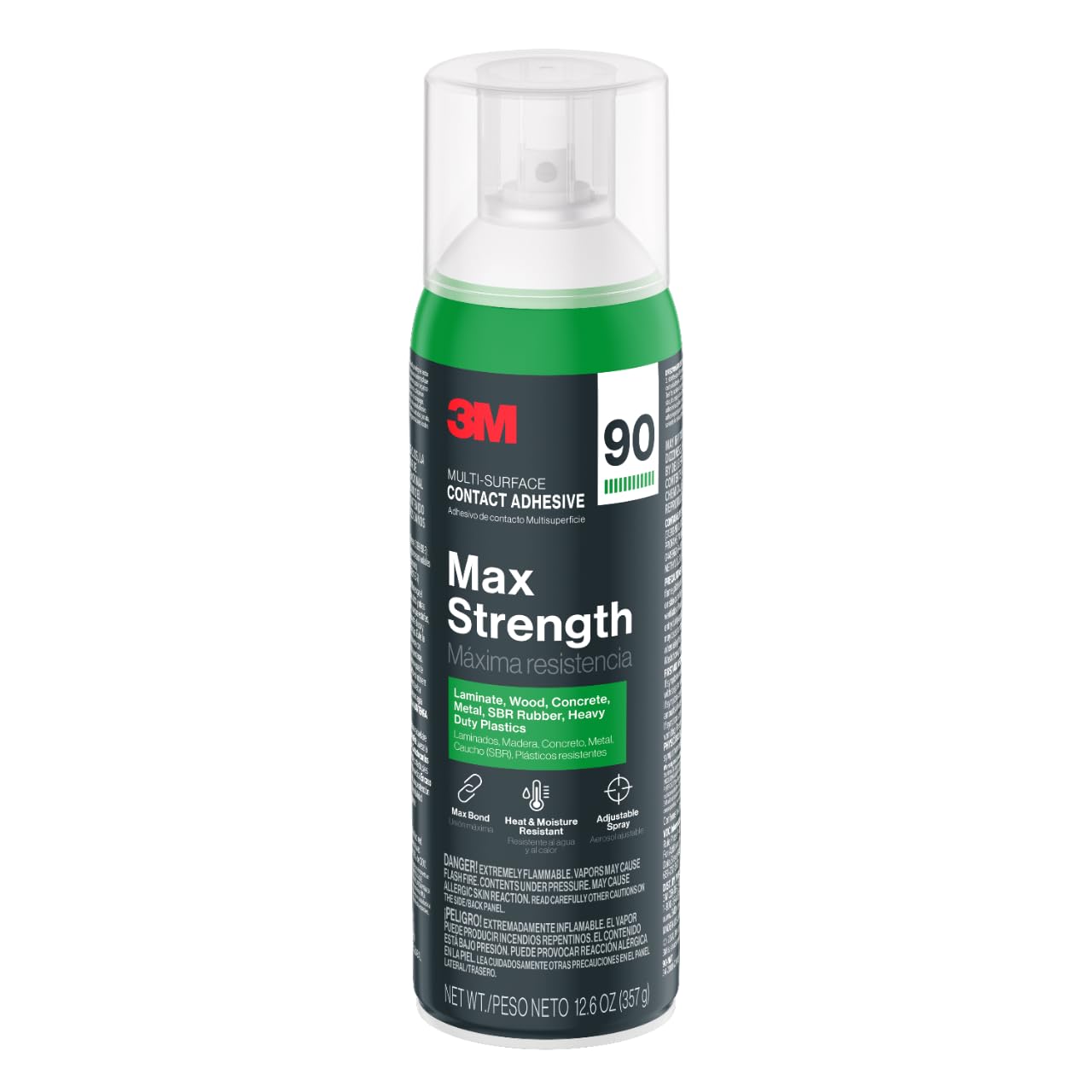
The 3M Max Strength 90 delivers a max bond in just 10 minutes, making it the fastest path to a permanent plastic-to-concrete joint among all seven products. Its spray format is a strategic advantage for covering large plastic panels or sheets intended for concrete walls — you get an even, consistent layer without the ridges and bubbles that plague tube-applied construction adhesives. The adjustable nozzle lets you switch from a wide fan pattern for surface prep to a precision stream for edges.
This is a solvent-based contact adhesive with methyl acetate as its active ingredient, which means it aggressively bites into heavy-duty plastics while forming a strong mechanical bond with concrete’s porous surface. The heat and moisture resistance rating is critical for outdoor applications like mounting plastic skirting boards to concrete foundations or attaching soundproofing panels in a garage. Users in high-humidity and marine environments report the bond holds reliably even when exposed to direct sunlight and rain cycling.
One note for first-time users: contact adhesives require you to spray both surfaces, let them become tacky (about 2-5 minutes depending on temperature), and then press them together. You get one chance to position correctly because the bond is immediate and aggressive. The low-VOC formulation meets California CARB requirements, so it’s safer for indoor use than older solvent-heavy spray adhesives. The 12.6-ounce can provides excellent coverage for large projects, making it the most cost-effective option when bonding large plastic areas to concrete.
Why it’s great
- 10-minute max bond saves hours of bracing time
- Spray format ensures even coverage without gaps on large plastic sheets
- Heat and moisture resistant for demanding outdoor environments
Good to know
- Requires precise positioning during application — no repositioning after bonding
- Solvent fumes require adequate ventilation during spray application
2. Loctite Power Grab Ultimate Crystal Clear Construction Adhesive

The Loctite Power Grab Ultimate Crystal Clear is the go-to choice when the adhesive line will be visible in the finished project. Its formula dries completely transparent, making it ideal for attaching clear acrylic panels to concrete walls or bonding plastic trim pieces where a white or gray glue line would ruin the aesthetic. The 9-ounce cartridge format requires a standard caulking gun and delivers a consistent bead with good sag resistance on vertical surfaces.
This construction adhesive is engineered to work on wet surfaces and can even bond two non-porous materials together, which is rare in this category. The weatherproof and waterproof rating combined with an operating range from 0°F to 140°F means it handles exterior plastic-to-concrete applications like mounting junction boxes, decorative plastic elements, or gutter components. Users report the initial tack is strong enough to reduce or eliminate nailing and bracing for lightweight plastic pieces.
The medium viscosity works well as a gap filler for rough concrete surfaces where the plastic doesn’t sit perfectly flush. Full cure takes 24 hours, but the initial grab holds most lightweight plastic items in place almost immediately. Easy cleanup with mineral spirits before the adhesive cures is a practical advantage over polyurethane-based competitors that require acetone. Keep in mind that the tube tip can harden quickly if not properly capped, and the formula struggles in sustained freezing temperatures below 0°F where cure time extends significantly.
Why it’s great
- Dries crystal clear for invisible bonds on transparent or light-colored plastics
- Works on wet surfaces and can bond two non-porous materials together
- Strong initial tack reduces need for bracing on lightweight plastic panels
Good to know
- Full 24-hour cure required before applying significant load
- Below-freezing temperatures dramatically slow the curing process
3. Gorilla Construction Adhesive 9oz
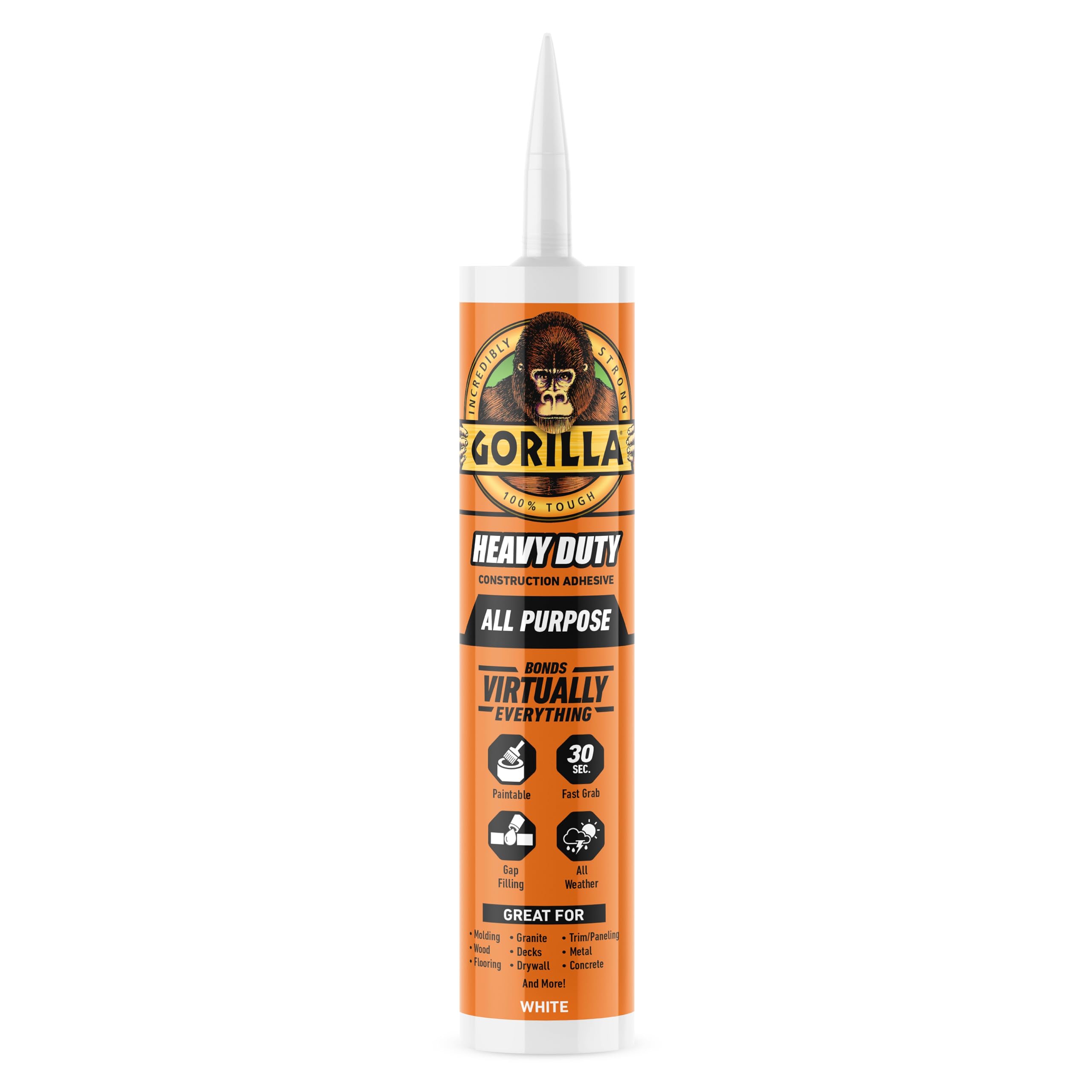
The Gorilla Construction Adhesive earns its spot for its aggressive gap-filling capability when bonding irregular plastic shapes to rough concrete. Its thick paste formula stays in place on vertical surfaces without slumping, filling voids up to 1/4 inch between a warped plastic panel and an uneven concrete wall. The 100% waterproof rating makes this a reliable choice for basement walls, exterior foundation bonding, or any area exposed to standing water or heavy rain.
Users report successful bonds mounting plywood to concrete basement walls, though the initial grab requires more patience than some competitors — one user noted the plywood fell off once before the adhesive finally set overnight. The formula is based on epoxy resin and claims to adhere to “virtually anything,” including foam, marble, and most plastics. The 24-hour full cure time is standard for this category, but you’ll want to use mechanical bracing or tape for the first few hours on vertical applications.
The tube format works with a standard caulking gun, but a small percentage of users report receiving units that were too stiff to extrude even with a power caulk gun. Inspect the tube before purchase if possible. The white color cures to a visible residue, so this isn’t the choice for clear or aesthetic bonds. For structural applications like mounting plastic shelving brackets or heavy storage systems to concrete garage walls, this adhesive provides the brute-force grip you need once fully cured.
Why it’s great
- Exceptional gap-filling ability for rough or uneven concrete surfaces
- 100% waterproof formula for permanent outdoor and basement use
- Adheres to virtually any plastic type including difficult foam materials
Good to know
- Initial tack is weak — requires bracing or tape for several hours on vertical applications
- Some batches arrive with frozen or stiff consistency that is difficult to extrude
4. SIKA SikaLatex R Concrete Bonding Adhesive

The SIKA SikaLatex R is a fundamentally different product from the others on this list — it’s an acrylic-polymer latex admixture designed to be mixed into Portland-cement mortar or concrete rather than applied as a standalone adhesive. Its primary use case is bonding new concrete to old concrete, but it also serves as an effective primer coating for plastic-to-concrete bonds where the plastic will later be embedded in a concrete pour. This is the professional-grade solution for structural repairs where long-term durability matters more than speed.
The technical advantage here is the 500 PSI bond strength achieved when the admixed concrete cures. The acrylic polymer creates a denser, tougher surface that resists freeze-thaw damage far better than standard concrete alone. Users have successfully used it to bond replacement brick steps, attach ceramic fixtures to concrete with quickset, and patch concrete pillars before applying finish coatings. The 1-gallon container goes a long way — it mixes with a full bag of cement or mortar mix.
The 30-day full cure time is the longest on this list, so this is not a quick-fix solution. Freshly applied surfaces need protection from rain and freezing for at least the first 24-48 hours. The product has a 1-year shelf life from manufacture date, so always check the expiration on the pail before mixing. For DIYers looking for a simple tube-applied adhesive, this is overkill. But for anyone repairing concrete steps, foundations, or driveways where plastic elements need to be locked into fresh concrete, the SikaLatex R is the only correct choice.
Why it’s great
- Delivers 500 PSI structural bond strength when mixed with concrete mortar
- Superior freeze-thaw resistance for outdoor concrete repairs in cold climates
- Denser, tougher surface finish compared to standard concrete alone
Good to know
- 30-day full cure time is extremely long — not suitable for quick repairs
- Requires mixing with cement or mortar — not a ready-to-use tube adhesive
5. Professional Soma Fix Fast Curing Anchoring Adhesive
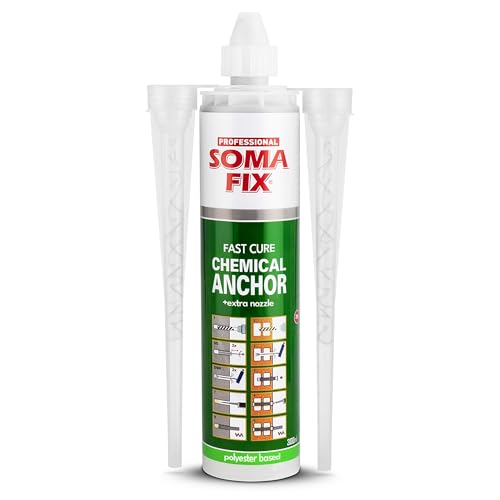
The Professional Soma Fix anchoring adhesive is the specialized solution for bonding plastic fasteners, threaded rods, and brackets directly into drilled holes in concrete. Its polyester resin formula cures quickly and expands slightly within the hole to create a mechanical interlock that outperforms mechanical expansion anchors in many applications. The 300ml cartridge includes an extra mixing nozzle, allowing you to complete multiple anchoring jobs without downtime between applications.
This adhesive is designed for high-load scenarios like attaching plastic cable trays, mounting plastic electrical boxes, or securing heavy plastic equipment to concrete floors and walls. The fast-curing formulation sets within minutes, dramatically speeding up installation compared to standard construction adhesives. Users report successful repairs on loose outdoor railings and heavy-duty fasteners that needed immediate load-bearing capacity. The gray color blends well with concrete for a professional finished appearance.
Application requires drilling a clean hole, cleaning out the dust, injecting the resin, and inserting the fastener before the cure begins — you need to work fast once the resin is mixed. For hollow materials like cinder blocks, a mesh sleeve must be inserted into the hole first to create a containment chamber for the resin. The price point is mid-range, but the value proposition is high because one anchor can replace four mechanical fasteners in many applications. The strong chemical smell requires good ventilation during use.
Why it’s great
- Fast-curing polyester resin sets in minutes for rapid project completion
- Creates stronger hold than mechanical expansion anchors in concrete
- Extra nozzle included for multiple application sessions without cleanup
Good to know
- Requires fast, precise work — resin hardens quickly once mixed
- Mesh sleeve required for use in hollow block or brick materials
6. STARBOND 5 Minute Epoxy Pro Kit 8 oz

The STARBOND 5 Minute Epoxy Pro Kit stands out because it’s the only product on this list engineered with a flexible-toughened formula that absorbs vibration without brittle cracking. This makes it the top choice for bonding plastic components to concrete in high-vibration environments — think garage door tracks, laundry room brackets, or workshop equipment mounts. The 2,600 PSI shear strength rating provides structural integrity while the slight flexibility prevents stress fractures from concrete expansion and contraction.
The 1:1 mix ratio by volume is straightforward, and the included screw-cap bottles, reusable mixing trays, and spatula make this the most user-friendly epoxy kit in the lineup. The 5-minute set time gives you just enough working window to position plastic parts precisely before the epoxy hardens, with full cure reaching maximum strength at 24 hours. The clear cure finish is another advantage for visible repairs where the bond line should remain unobtrusive.
Users report excellent results sealing basement cracks, repairing plastic furniture components attached to concrete floors, and bonding ABS and PVC plastic fittings to concrete walls. The epoxy’s ability to bond over cured UV resin makes it versatile for mixed-material projects that involve 3D-printed plastic parts anchored to concrete bases. The flexible nature means it’s less suitable for pure shear-load applications like supporting heavy shelves — for those, a rigid epoxy would perform better. The moderate price reflects the quality of the complete kit rather than just the adhesive volume.
Why it’s great
- Flexible-toughened formula absorbs vibration without cracking the bond
- Complete kit with mixing trays and tools for precise, waste-free application
- Cures clear for invisible repairs on visible plastic-to-concrete joints
Good to know
- Not ideal for high shear-load applications like heavy shelf brackets
- 5-minute working window requires advance preparation of parts
7. Gorilla Epoxy Ultimate 0.85oz Syringe 6-Pack

The Gorilla Epoxy Ultimate brings the highest tensile strength rating of any product in this roundup — 4,250 PSI — in a convenient syringe format that’s perfect for smaller plastic-to-concrete repairs where precision matters. The 10-minute set time provides a comfortable working window for positioning parts, and the black cure color is ideal for bonding dark plastic fittings or components where a visible bond line won’t matter. The 6-pack provides excellent value for anyone with multiple small repairs or ongoing projects.
The two-component methyl methacrylate formula bonds explicitly to plastic and concrete, and the waterproof rating means it handles submerged applications without degradation. Users have successfully repaired resin fountains where the plastic components mount directly to concrete bases, with the bond holding underwater for months. The 3D printing community has adopted this as the go-to adhesive for assembling large PLA and ABS prints that need to be anchored to concrete surfaces — the high PSI rating handles the stress that causes other epoxies to fail.
The syringe format makes dispensing clean and controlled, but the plunger can be extremely stiff initially — you need to remove the internal separator between the two barrels before squeezing. The formula cures to a rubbery texture rather than rock-hard, which provides the flexibility needed for thermal cycling but may feel unusual if you’re expecting a rigid bond. The strong chemical odor requires outdoor application or excellent ventilation. Each syringe is small (0.85 oz), so large projects will consume multiple units from the pack.
Why it’s great
- Highest tensile strength at 4,250 PSI for demanding structural bonds
- Waterproof formula holds reliably in submerged or wet environments
- 6-pack provides excellent value for multiple small repairs
Good to know
- Cures to a flexible rubbery texture rather than a rigid bond
- Very strong chemical odor requires ample ventilation during application
FAQ
What type of adhesive works best on smooth plastic like polyethylene or polypropylene bonded to concrete?
How long should I wait before putting weight on a plastic-to-concrete bond?
Can I use construction adhesive to attach plastic to concrete outdoors in winter?
What’s the difference between construction adhesive and epoxy for plastic-to-concrete bonding?
Do I need to roughen the plastic surface before applying adhesive to concrete?
Final Thoughts: The Verdict
For most users, the adhesive for plastic to concrete winner is the 3M Max Strength 90 because its spray format delivers a fast, even bond across large plastic surfaces while resisting heat and moisture better than tube adhesives. If you need an invisible bond line for clear or finished plastic, grab the Loctite Power Grab Crystal Clear. And for anchoring plastic fasteners into concrete with immediate structural strength, nothing beats the Professional Soma Fix anchoring adhesive.