
Nothing spoils a clean rain guard install faster than a corner peeling loose after the first car wash or a hot afternoon in the sun. The adhesive bond between the guard and your vehicle’s paint or trim faces constant assault from UV rays, temperature swings, road vibration, and moisture. Choosing the wrong adhesive means re-buying guards, scraping off failed residue, and wasting an afternoon on a job that should have been one-and-done.
I’m Min — the co-founder and writer behind Gadgets Feed. I’ve spent dozens of hours analyzing acrylic foam chemistries, peel adhesion ratings in ounces per inch, temperature tolerance curves, and real-world customer feedback to separate the tapes that truly hold from the ones that fail after a single season.
Shortlisting the right tape comes down to understanding a few critical specs: thickness in mils, operating temperature range, and shear strength under continuous load. This guide cuts through the noise to help you pick the best adhesive for rain guards — one that bonds permanently and weathers every condition your car faces.
How To Choose The Best Adhesive For Rain Guards
A rain guard’s adhesive must resist peeling forces from wind at highway speeds, thermal expansion as the car heats and cools, and moisture creeping in from rain and car washes. The wrong adhesive fails silently, often days or weeks after installation. Here’s what separates a permanent bond from a temporary headache.
Adhesive Chemistry: Acrylic Foam Is Non-Negotiable
General-purpose double-sided tape uses rubber-based adhesives that degrade under UV exposure and lose grip when wet. Acrylic foam tape — specifically Very High Bond (VHB) technology — provides a closed-cell foam core that conforms to micro-contours on the rain guard and the vehicle’s paint, distributing stress evenly. The acrylic adhesive itself resists UV breakdown and maintains elasticity across temperature swings from sub-zero winters to 200°F+ summer dashboards. For rain guards, anything less than acrylic foam is a gamble.
Peel Adhesion and Shear Strength: The Numbers That Matter
Peel adhesion, measured in ounces per inch of width on a stainless steel test panel, tells you how aggressively the tape grabs on contact. Look for values above 300 oz/in — the 3M 5952 VHB tape delivers 320 oz/in. Tensile strength in pounds per inch indicates how much pulling force the tape can withstand before the foam core splits. For a typical rain guard measuring 24 inches long, a tensile strength of 90 lb/in means the tape itself will outlast the plastic guard. Lower-spec tapes around 40–60 lb/in may allow the guard to separate under wind load at highway speeds.
Thickness and Conformability
Rain guards and vehicle body panels are rarely perfectly flat. A tape thickness between 30 and 60 mils (0.03 to 0.06 inches) provides enough foam compressibility to bridge small gaps and curve around compound radii. Thinner tapes (15–20 mils) lack the gap-filling ability and may lose contact on textured trim pieces. Thicker tapes above 70 mils can leave a visible gap between the guard and the window frame, creating a pathway for water and noise. The 45-mil thickness of most VHB-class tapes hits the sweet spot for rain guard applications.
Temperature and Weather Resistance
Rain guards sit on the exterior — directly exposed to sun, rain, snow, and thermal cycling. The adhesive must maintain bond integrity from -20°F to at least 200°F. Standard automotive-grade VHB tape is rated for continuous service up to 250°F and survives short excursions beyond that. The PHIXBEAR tape advertises short-term tolerance up to 300°F, which is overkill for most climates but reassuring for cars parked in direct desert sun. Waterproofing is a function of the closed-cell foam — water cannot wick through the tape itself, provided the bond is fully compressed during installation.
Quick Comparison
On smaller screens, swipe sideways to see the full table.
| Model | Category | Best For | Key Spec | Amazon |
|---|---|---|---|---|
| 3M 5952 VHB Tape (1/2 in.) | Mid-Range | All-around rain guard mounting | 320 oz/in peel adhesion | Amazon |
| 3M 5952 VHB Tape (1 in.) | Mid-Range | Wider guards needing more surface area | 1-inch width for 640 oz/in total grip | Amazon |
| PHIXBEAR Double Sided Tape | Premium | High-heat climates | 300°F short-term tolerance | Amazon |
| HitLights Heavy Duty Tape | Value | Budget-friendly with strong tack | 3 lbs per 2 inches of tape | Amazon |
| Bulina Clear Double Sided Tape | Budget | Invisible bond on clear guards | Clear acrylic foam, 2-pack | Amazon |
In‑Depth Reviews
1. 3M Scotch 5952 VHB Tape: 1/2 in. x 15 ft.
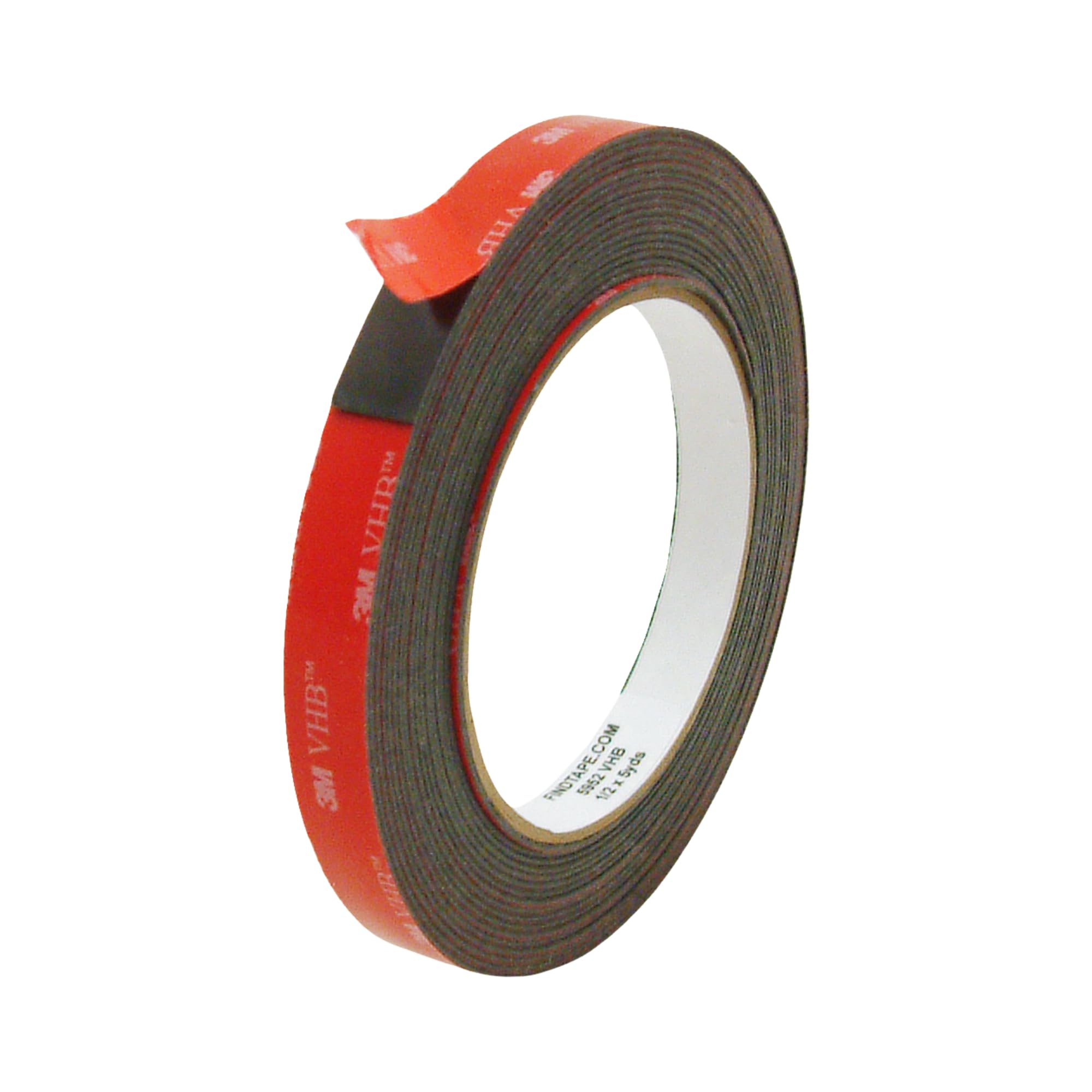
This is the benchmark every other automotive trim tape is measured against. The 3M 5952 VHB tape uses a modified acrylic adhesive on a closed-cell acrylic foam core that delivers an industry-standard 320 ounces of peel adhesion per inch of width. At 45 mils thick, it compresses just enough to conform to the subtle curve between a rain guard and the A-pillar without leaving a visible gap. The rated tensile strength of 90 pounds per inch means the foam core itself is stronger than most plastic rain guards — the guard will crack before the tape lets go.
Real-world reviews confirm this tape holds solar panel arrays on RV roofs at 75 mph for five years and supports heavy GoPro mounts through summer heat and winter cold without degradation. For rain guards specifically, the 1/2-inch width is ideal for narrow contact surfaces typical on sedan window frames. The red PE film release liner is easy to peel in one piece, and the tape bonds on contact — you get one shot at positioning, so measure twice. The operating temperature range up to 250°F ensures no softening or creep even on dark-colored vehicles parked in direct sun.
The only downside is the 15-foot length — it’s enough for two or three rain guard sets depending on guard length, but a single roll won’t cover a full SUV with four large guards. The black color blends seamlessly with most dark trim pieces but may show a faint edge on lighter-colored guards if not perfectly aligned. Despite being a mid-range pick in price, the performance per linear foot justifies the premium over generic foam tapes from hardware stores.
Why it’s great
- Industry-leading 320 oz/in peel adhesion for permanent bond
- Closed-cell acrylic foam resists water wicking and UV degradation
- 45-mil thickness balances gap-filling with low profile
Good to know
- One roll may not cover all four guards on larger vehicles
- Black color can show against lighter rain guard plastic
2. 3M Scotch 5952 VHB Tape: 1 in. x 15 ft.

This is the same 3M 5952 VHB chemistry as the half-inch version but doubled in width to one inch. The identical 45-mil closed-cell acrylic foam core and modified acrylic adhesive deliver the same 320 oz/in peel adhesion per inch — meaning a one-inch strip provides 640 ounces of total edge grip. This wider format is purpose-built for rain guards with broad mounting flanges, such as those found on trucks, SUVs, or aftermarket in-channel guards that sit inside the window channel rather than on the exterior surface.
Customer reviews highlight the tape’s ability to reattach trim on vehicles over 20 years old with the original paint still intact after half a decade outdoors in all seasons. One reviewer reported using it as a wood strip guide to precisely align the tape before committing to the bond — smart advice given the VHB’s instant tack leaves no room for sliding. The tensile strength remains 90 lb/in, so a one-inch strip can theoretically suspend 90 pounds without the foam tearing, though the practical limit for rain guards is far lower. The wider width also means you get fewer total linear feet of coverage per roll, so plan accordingly for large vehicles.
The trade-off is cost per project — this roll is slightly more expensive than the half-inch variant, and for narrow rain guard mounting surfaces, the extra width is wasted overhang that could collect debris. If your rain guard’s contact patch measures 3/4 inch or less, stick with the 1/2-inch version. For guards with a full inch or more of flat bonding surface, the wider tape provides redundancy against edge failure and a more forgiving margin for slight misalignment during installation. The application temperature window of 50°F to 100°F means winter installations require warming the tape and surface with a hair dryer before pressing.
Why it’s great
- One-inch width doubles peel resistance for wide guards
- Same proven VHB chemistry as the half-inch version
- Ideal for truck and SUV rain guards with broad flanges
Good to know
- Overkill for narrow sedan rain guard contact surfaces
- Fewer total feet per roll compared to the half-inch variant
3. PHIXBEAR Double Sided Tape, 2 Rolls
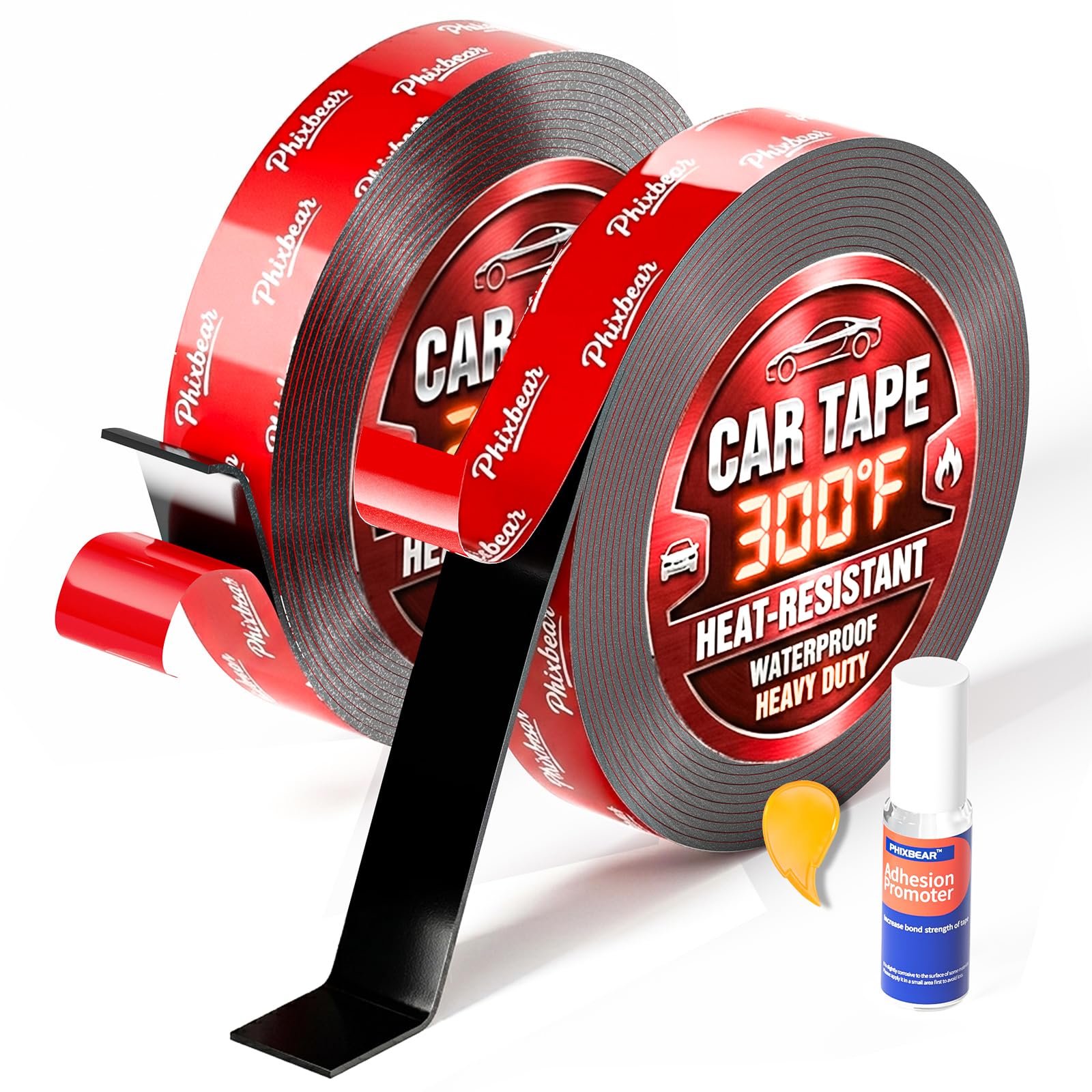
The PHIXBEAR tape sets itself apart with an aggressive temperature tolerance spec: short-term resistance up to 300°F and continuous service at 199°F. For context, a dark-colored vehicle with rain guards parked in direct desert summer sun can see surface temperatures exceeding 180°F on the window frame. Standard VHB tape handles this fine at its 250°F max, but the PHIXBEAR provides an extra thermal buffer for extreme microclimates — think Arizona summers or black trucks in asphalt parking lots. The acrylic adhesive formulation uses pressure-sensitive technology that bonds on contact and reaches full cure within 48 hours, at which point it matches the shear and peel performance of 3M’s VHB series.
The two-roll pack provides 19.7 feet per roll at 0.6 inches wide — a useful width that splits the difference between the 3M half-inch and one-inch offerings. For rain guards with mounting surfaces around 0.5 to 0.75 inches wide, this width eliminates the need to trim wider tape or stack narrow strips. The included adhesion promoter in the package is a thoughtful addition for porous or repainted surfaces where bare acrylic struggles to grip. One reviewer noted using it to seal polycarbonate greenhouse panels with success, indicating the waterproof seal is genuinely effective when the tape is fully compressed during installation.
However, a small subset of customer reviews report the tape failing in rainy conditions — likely a result of insufficient surface preparation or incomplete compression during install. Acrylic foam tape requires a clean, dry, oil-free surface at application temperature above 50°F to achieve full bond. Skipping the alcohol wipe or applying in cool, damp weather will compromise any tape’s performance, including this one. The red release liner is manageable but requires a fingernail or knife tip to start peeling. Overall, for buyers in hot climates or those who want extra temperature headroom, this is the most thermally capable option tested.
Why it’s great
- 300°F short-term heat tolerance for extreme climates
- Two-roll pack offers good value for multiple guard sets
- Includes adhesion promoter for difficult surfaces
Good to know
- Inconsistent outdoor reports — prep is critical for this tape
- 0.6-inch width may not suit every guard’s contact patch
4. HitLights Heavy Duty Double Sided Tape

The HitLights tape delivers surprising strength for a budget-friendly price point, advertising a hold capacity of 3 pounds per 2 inches of tape. At 0.94 inches wide and 16.4 feet long, a single roll covers a full set of four rain guards with plenty to spare for test placements. The grey acrylic foam measures 0.03 inches thick — slightly thinner than the 45-mil VHB standard but still enough to conform to moderate surface irregularities on aftermarket rain guards. Real-world customer reports confirm it holds heavy power strips under desks for months and supports tool racks on concrete walls, suggesting the 3 lb/2 in rating is conservative for static loads.
Owners have successfully used this tape for automotive trim work, noting that it bonds aggressively on contact and requires firm, sustained pressure for 30 seconds per section to ensure the foam fully wets out onto the substrate. The waterproofing is rated for outdoor use, but the manufacturer explicitly recommends allowing a full 24-hour cure before exposing the bond to moisture — a critical detail for rain guard installation where the tape will face water within hours of application. One reviewer stored a battery bank in a 100°F+ UPS enclosure for two years without failure, indicating the acrylic chemistry holds up under sustained thermal stress.
The most common complaint across dozens of reviews is the difficulty of peeling the red release liner. The liner is thicker and more tightly bonded than premium VHB tape, requiring fingernails, tweezers, or a craft knife to start the peel — a minor annoyance when precision-taping rain guards. The grey foam color is less discreet than black or clear options, potentially showing as a faint line between the guard and the vehicle on close inspection. For budget-conscious buyers who don’t mind spending an extra minute on liner removal, this tape offers 90% of the holding power of 3M VHB at a fraction of the cost per foot.
Why it’s great
- Excellent value per foot for covering multiple guard sets
- Holds 3 lbs per 2 inches — verified by customer reports
- Grey foam blends with most trim surfaces
Good to know
- Red liner is notoriously difficult to start peeling
- Requires 24-hour cure before water exposure
5. Bulina Clear Double Sided Tape 2-Pack
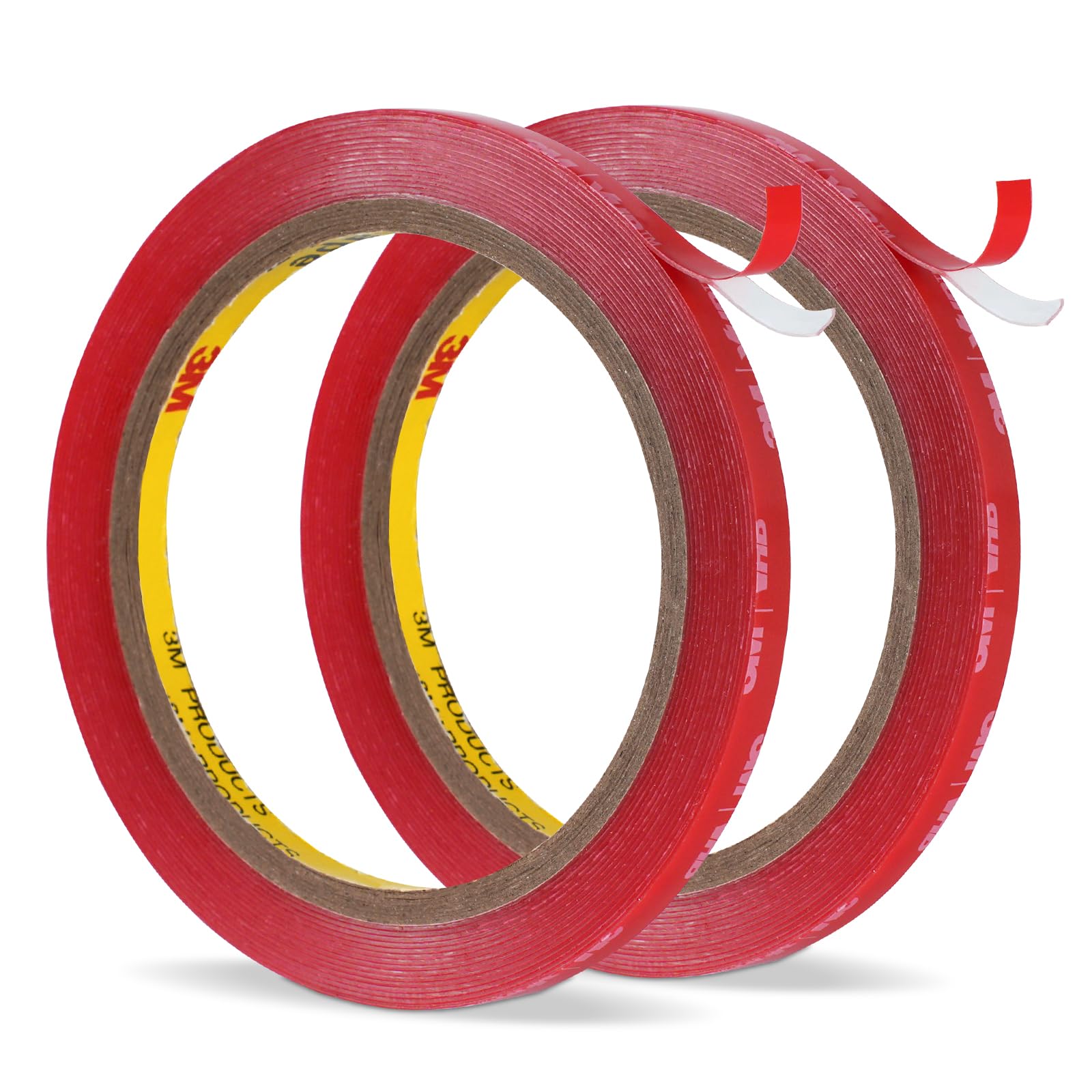
Clear double-sided tape solves a specific aesthetic problem: black or grey foam tape edges are visible behind transparent or translucent rain guards. The Bulina tape uses a clear acrylic foam core that virtually disappears when sandwiched between clear plastic guards and the vehicle’s painted surface. Each roll in the 2-pack measures 15.4 feet long and 1/4 inch wide — narrow, but effective for the thin contact surfaces of in-channel or slim-profile rain guards. The 0.25-inch width is notably narrow, so you’ll need to run multiple parallel strips on wider guards to achieve adequate surface coverage.
The adhesive formulation is strong enough for heavy-duty automotive use according to customer reviews, with one user reporting it held power packs to IEM equipment under continuous thermal and mechanical stress without failure. Another reviewer used it to reattach a gasket on a shower door where water exposure is constant, confirming the waterproof seal works when properly installed. The tape reaches full bond strength after 72 hours, which is longer than the typical 48-hour cure window of VHB-class adhesives — plan your installation accordingly and avoid washing the car for three days after mounting.
The 1/4-inch width is the primary limitation for rain guard use. Most rain guards have a mounting flange between 3/8 and 3/4 inches wide, meaning you’ll need at least two parallel strips per guard to cover the contact patch. This consumes tape faster and introduces the risk of uneven pressure distribution. The clear foam also has slightly less viscoelastic damping than black VHB foam, so it transmits more road vibration through the guard in theory, though no customer reviews report audible rattling. The 2-pack pricing offers strong value compared to single-roll competitors, making it a practical choice for owners of multiple vehicles or those who need both clear and general-purpose tape.
Why it’s great
- Clear foam disappears behind transparent rain guards
- Waterproof seal holds up in shower door applications
- 2-pack provides excellent total length for the cost
Good to know
- 1/4-inch width requires multiple strips for full coverage
- 72-hour cure window is longer than VHB-class tapes
FAQ
Can I use standard double-sided tape from a hardware store for rain guards?
How do I prepare the surface before applying rain guard tape?
What happens if I need to remove the adhesive later?
Final Thoughts: The Verdict
For most users, the adhesive for rain guards winner is the 3M 5952 VHB Tape (1/2 in.) because it delivers the gold-standard 320 oz/in peel adhesion and 250°F temperature tolerance in a width optimized for typical rain guard contact patches. If you need wider coverage for truck or SUV guards, grab the 3M 5952 VHB Tape (1 in.). And for extreme heat climates where surface temperatures push past 180°F, nothing beats the PHIXBEAR Double Sided Tape with its 300°F short-term tolerance. Choose the Bulina clear 2-pack if you’re mounting transparent guards and want the adhesive to disappear entirely.