
There are few things more frustrating than stripping a beautiful piece of wood only to find a sticky, gooey patch of adhesive residue laughing at your sandpaper. Standard cleaners often smear the glue into a bigger mess, and aggressive solvents can strip the stain or raise the grain. The right formula targets the molecular bond of the adhesive without destroying the wood’s finish beneath it.
I’m Min — the co-founder and writer behind Gadgets Feed. I have spent countless hours researching solvent chemistry, reading hundreds of user reports on surface compatibility, and cross-referencing technical data sheets to find which removers truly spare wood while annihilating sticker gunk.
After analyzing dozens of options for performance and safety, I assembled a tight list of seven contenders that can handle everything from price-tag goo to construction adhesive. This is your complete guide to finding the best adhesive remover for wood that won’t ruin your project.
How To Choose The Best Adhesive Remover For Wood
Picking a bad remover for wood is worse than picking none at all. An aggressive solvent can dissolve your wood’s stain, varnish, or paint before it even touches the glue. You need to match the solvent strength to the adhesive type and the condition of your wood surface.
Solvent Type: Citrus vs. Petroleum vs. Soy
Citrus-based removers (like d-limonene) are popular for their pleasant smell and lower toxicity, but they can leave an oily residue that requires a second cleaning step. Petroleum-based solvents (like naphtha or mineral spirits) evaporate cleaner and penetrate faster, but they may soften lacquer or shellac finishes. Soy-based formulas are milder and safer for finished wood but struggle against construction-grade adhesives.
Application Method: Aerosol vs. Trigger Spray vs. Pour Bottle
An aerosol can lets you direct a fine stream exactly onto the adhesive without overspray, which matters when you’re working on a small patch of wood trim. Trigger sprays cover larger areas quickly but can waste product on vertical surfaces. Pour bottles give you total control for soaking a cloth or cotton swab, ideal for intricate wood carvings or delicate antique pieces.
Residue Type and Cure Time
Fresh sticker goo from a price tag dissolves in seconds with almost any citrus spray. But old, cross-linked construction adhesive or 3M double-sided tape may require a heavy-duty solvent and prolonged dwell time. If you’re removing silicone caulk from a wood floor, you need a petroleum-based remover that can penetrate a cured elastomer.
Quick Comparison
On smaller screens, swipe sideways to see the full table.
| Model | Category | Best For | Key Spec | Amazon |
|---|---|---|---|---|
| 3M Adhesive Remover | Premium | Automotive paint and wood finishes | Low VOC (<20%) formula | Amazon |
| Goo Gone Gunk Remover | Mid-Range | General household label residue | Citrus-based, 8 oz | Amazon |
| ORANGE-SOL Contractor Solvent | Mid-Range | Silicone caulk removal | Non-hazardous, citrus scent | Amazon |
| Goof Off FG659 Heavy Duty | Mid-Range | Paint and grease spots | 22 oz trigger spray | Amazon |
| Orange-Sol De-Solv-it 32oz | Premium | Construction adhesive and tar | 32 oz, eco-friendly | Amazon |
| Un-du Commercial Framing Remover | Premium | Delicate paper and finished wood | Non-toxic, acid-free, 32 oz | Amazon |
| DAP Weldwood Contact Adhesive | Budget | Automotive upholstery on wood | 1 gal, spray grade | Amazon |
In‑Depth Reviews
1. 3M Adhesive Remover, 12 oz
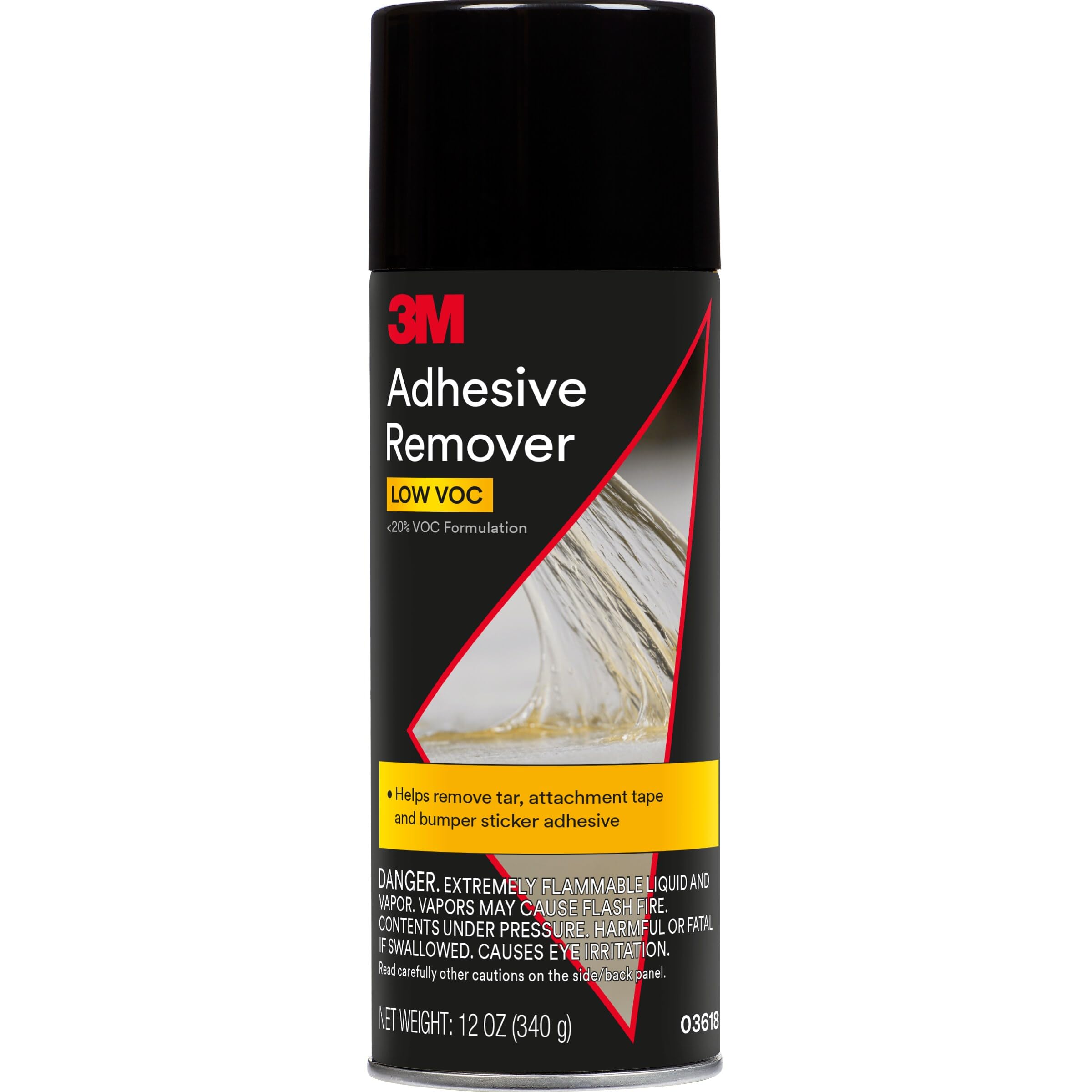
The 3M Adhesive Remover uses a blend of non-abrasive solvents that dissolve double-sided tape and parking sticker residue in minutes without harming cured paint or wood finishes. Users report that heat and alcohol failed after an hour, yet this aerosol cut through 3M tape residue on car panels in just five minutes. The low-VOC formulation (less than 20%) means you get strong dissolving power with a lighter chemical footprint.
On wood, it works well on polyurethane and lacquer finishes, but you should test on a hidden spot first because the solvents can soften shellac. The aerosol can delivers a targeted stream that minimizes waste, and the cap doubles as a gentle scraping tool for lifting loosened adhesive. A second spray is often needed for the most stubborn spots, but it leaves no residue behind.
This is the best choice if you need a fast-acting remover that won’t haze or dull a clear finish. The only catch is that super-hard, thin glue patches may require a plastic scraper and a bit of patience to avoid scratching the wood.
Why it’s great
- Works in under 5 minutes on most residues
- Low-VOC formula is friendlier for indoor use
- Aerosol precision with built-in scraping cap
Good to know
- May soften shellac or older varnishes
- Some tiny spots may need a second application
2. Goo Gone Gunk and Adhesive Remover
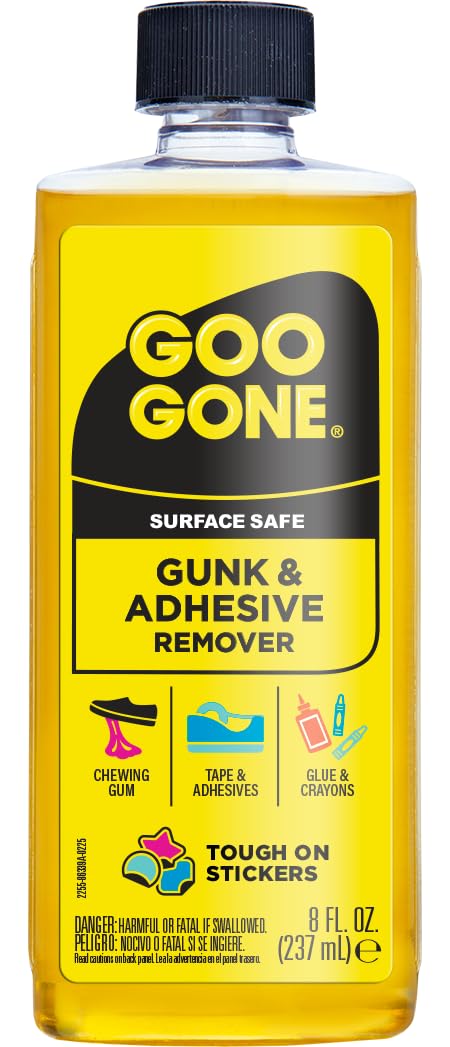
Goo Gone is the household name in adhesive removal for good reason. This citrus-based formula safely dissolves sticker residue, label goo, and even crayon marks from wood, fabric, and glass without damaging the surface underneath. Users consistently praise its effectiveness on washed-on labels that fuse to fabric, and the pleasant citrus scent makes indoor projects far more tolerable.
On wood, it is gentle enough for finished furniture and dining tables — spray it on, let it sit for a minute, and wipe away. The oil base can leave a slightly slick film, so you will need to wash the area with warm soapy water afterward. It cuts through classic price-tag adhesive quickly, but it struggles against cured construction silicone or automotive-grade double-sided tape.
For everyday household use — removing price tags from wooden shelves or glue residue from baby-proofing — this is the most forgiving remover available. The trade-off is that it is not heavy-duty enough for large-scale renovation work.
Why it’s great
- Very gentle on finished wood surfaces
- Pleasant citrus scent instead of harsh chemical odor
- Safe for fabric, clothing, and carpets too
Good to know
- Leaves an oily residue that needs soap and water
- Not strong enough for cured construction adhesives
3. ORANGE-SOL Contractor Solvent, 12 oz

The ORANGE-SOL Contractor Solvent is one step stronger than Goo Gone, making it a favorite among remodelers. It removes silicone caulk and spray foam from wood and metal without damaging powder-coated finishes, where even 3M’s product proved too aggressive. Reviews confirm it breaks down old, cured silicone after a 30-minute dwell time, something most citrus removers simply cannot do.
On bare or painted wood, it cleans off road tar and oil paint without staining, though some users report that the oil base can darken porous surfaces like brick or unsealed wood. The spray bottle is functional but prone to leaking if stored on its side. Transferring the liquid to a sturdier bottle solves that issue.
This is the remover to grab when you are pulling old caulk from a wood window frame or removing asphalt sealant from a deck. It works where weaker formulas fail, but it demands a plastic scraper and some elbow grease for thick deposits.
Why it’s great
- Breaks down cured silicone caulk effectively
- Safe on powder-coated metal and cured paint
- Non-hazardous and non-corrosive
Good to know
- Spray bottle design leaks easily
- Oily residue can darken porous wood
4. Goof Off FG659 Heavy Duty Remover, 22 oz

Goof Off FG659 is the nuclear option for sticky messes. This heavy-duty trigger spray formula excels at dissolving latex and oil-based paint drips, grease stains, and ink marks from wood and carpet. Users report that a week-old paint stain on light tan carpet came out completely after just one application — results that standard spot cleaners cannot match.
On wood, it works brilliantly on dried glue spots and permanent marker, but the solvent is strong enough to strip some varnishes if you overspray. The 22-ounce trigger spray provides broad coverage, which is great for large surfaces like a workshop bench or a painted door. The odor is stronger than citrus-based products, so ventilation is recommended.
If you need to remove paint splatter from a wood floor or clean up after a craft project gone wrong, this is your tool. Just keep it away from shellac and thin lacquer finishes, and always test on an inconspicuous corner.
Why it’s great
- Removes dried latex and oil-based paint
- Large 22 oz bottle offers lots of value
- Works on carpet, fabric, and hard surfaces
Good to know
- Strong chemical odor requires good ventilation
- Can strip delicate wood finishes if oversprayed
5. Orange-Sol De-Solv-it Contractors Solvent, 32 oz

The larger 32-ounce version of Orange-Sol’s contractor solvent offers the same powerful caulk-and-tar removal in a bigger, more economical package. This foam formula releases in seconds and penetrates deeply into old adhesive layers, making it ideal for removing plumber’s black adhesive from tile and wood where other products hit a wall. Users have bought three cases because it consistently outperforms competitors on the worst jobs.
On hard surfaces like stainless steel and sealed wood, it cleans gum, grease, and oil without leaving any darkening. The eco-friendly labeling and quick-dissipating orange scent make it comfortable to use indoors for extended periods. It easily removes wet paint and spray foam from skin, though gloves are still recommended for prolonged exposure.
This is the premium volume choice for contractors or DIYers who have a lot of surface area to cover. The foam consistency helps it cling to vertical wood surfaces without dripping, which is a distinct advantage over thinner liquids.
Why it’s great
- Economical 32 oz size for large projects
- Foam consistency clings to vertical surfaces
- Removes plumber’s adhesive where others fail
Good to know
- Stronger than Goo Gone, may need brief dwell time
- Gloves recommended to avoid skin irritation
6. Un-du Commercial Framing Adhesive Remover, 32 oz

The Un-du formula is a specialist’s tool for removing tape and sticker residue from archival-grade materials, but it also works superbly on finished wood. It is non-toxic and acid-free, so it will not yellow or discolor white paper, card stock, or light wood veneers. Users report that it removes sticker residue from vintage posters and photos without any damage — a claim citrus solvents cannot make.
The bottle includes a built-in scraper tool for lifting loosened adhesive, though the nozzle lacks precision for tiny spots. The scent is similar to lighter fluid or alcohol, and it dissipates quickly. On wood, it dissolves rubber cement, double-sided tape, and mailing labels without raising the grain or clouding a polyurethane finish.
This is the safest option for antique wooden picture frames, guitar bodies, or any piece where you cannot afford to mess up the finish. The 32-ounce commercial size provides great value for frequent use, and the liquid dries clean with zero greasy residue.
Why it’s great
- Non-toxic and acid-free — safe for archival wood
- Built-in scraper tool for easy adhesive lifting
- Zero oily residue after drying
Good to know
- Bottle lacks a precision tip for small areas
- Strong alcohol/lighter fluid scent
7. DAP Weldwood Landau Top & Trim Contact Adhesive, 1 Gal
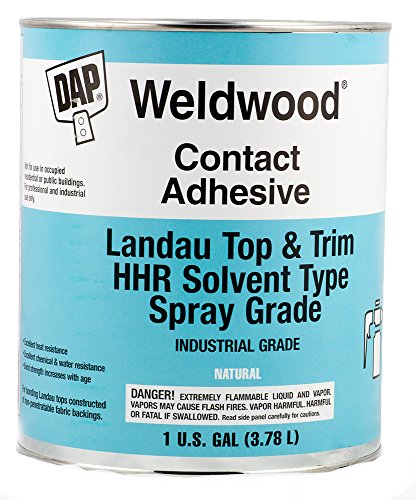
The DAP Weldwood is not a remover — it is a contact adhesive meant for bonding automotive upholstery, foam, and vinyl to wood. It earns a spot on this list because it is the adhesive that often needs to be removed from wood surfaces after a project goes wrong. Understanding its solvent characteristics helps you remove it effectively.
This solvent-based spray-grade glue creates a permanent, heat-resistant, water-resistant bond between fabric and wood. Users apply it with a cheap spray gun for headliner repairs and speaker box covering. The glue is thin enough to avoid soaking through fabric, but it bonds aggressively to both surfaces. Removal requires a petroleum-based solvent like mineral spirits or naphtha applied while the glue is still wet.
If you are using this adhesive on a wood project, apply it sparingly and use masking tape to protect surrounding wood. For cured spots, your best bet is the ORANGE-SOL De-Solv-it or 3M remover with a long dwell time and a plastic scraper.
Why it’s great
- Large 1-gallon volume for high-use projects
- Creates a permanent, heat-resistant bond
- Spray-grade consistency works well with a gun
Good to know
- This is an adhesive, not a remover
- Very strong odor requires ventilation and a respirator
- Cured glue needs aggressive solvent to remove
FAQ
Will adhesive remover strip the stain or paint from my wood furniture?
How long should I let the remover sit on wood before scraping?
Can I use these removers on unfinished or raw wood?
Final Thoughts: The Verdict
For most users, the adhesive remover for wood winner is the 3M Adhesive Remover because it combines fast action, low-VOC safety, and precision aerosol delivery without harming most wood finishes. If you want a budget-friendly citrus option for daily sticker duty, grab the Goo Gone Gunk Remover. And for heavy-duty construction adhesive removal from wood, nothing beats the Orange-Sol De-Solv-it.