
Adding resistance to your bodyweight movements—whether walking, rucking, or calisthenics—changes the stimulus entirely, but only if the vest stays locked in place. A poor fit that bounces with every step shifts the load to your joints instead of your muscles, defeating the purpose. The real challenge is separating a gimmick from a tool that genuinely enhances your training load without restricting your breathing or chafing your shoulders.
I’m Min — the co-founder and writer behind Gadgets Feed. I’ve dug through hundreds of user reports and spec sheets on weighted vests, analyzing how material density, weight distribution systems, and closure mechanisms survive sweat-drenched HIIT sessions and multi-mile rucks.
This guide breaks down the specific build quality, adjustability range, and load stability that define a top-tier adjustable weight vest, so you can pick the one that won’t end up gathering dust in your closet.
How To Choose The Best Adjustable Weight Vest
Not all vests handle progressive loading the same way. Before you buy, dial in these three factors to ensure the vest grows with your strength without becoming a wardrobe of regret.
Weight Range and Increment Size
The bare vest weight (the empty shell) sets your floor, usually between 2 and 5 pounds. From there, look at how much each individual weight block adds. Vests using iron blocks typically come in 1 to 2.5-pound increments, offering fine control for gradual progressive overload. Sand-filled pouches are lighter per pack but can shift unevenly. Silicone blocks are the most uniform and quiet, though they cap lower on total max weight compared to iron stacks.
Fit Stability and Closure Mechanism
A vest that shifts even a quarter of an inch during a sprint or burpee forces micro-corrections that steal power output. Hook-and-loop (Velcro) closures allow the most micro-adjustment but can wear out over months of heavy use. Heavy-duty buckles and side webbing straps provide a locked feel, though they require more upfront adjustment. Zippered vests are fastest on and off but rely on the main zipper’s strength—if it fails, the whole vest is compromised. For high-impact movements, dual-secured systems (buckle + strap or zipper + Velcro) are safest.
Quick Comparison
On smaller screens, swipe sideways to see the full table.
| Model | Category | Best For | Key Spec | Amazon |
|---|---|---|---|---|
| Gymnastics Power Weighted Vest | Premium | Max mobility & heavy calisthenics | 60 lb capacity / 1000D nylon | Amazon |
| ONETWOFIT Silicone Weight Vest | Premium | Everyday comfort & skin-friendly wear | 45 lb capacity / Silicone blocks | Amazon |
| BAGAIL 1200D Oxford Vest | Mid-Range | Rucking & heavy-duty outdoor use | 40 lb capacity / 1200D Oxford nylon | Amazon |
| MVRK Weighted Vest | Mid-Range | Compact load for HIIT & running | 25 lb capacity / Compact iron blocks | Amazon |
| Yes4All Adjustable Weight Vest | Value | Budget-friendly progressive training | 32 lb capacity / Neoprene build | Amazon |
| UOPON Adjustable Weighted Vest | Value | Walkers & beginners | 32 lb capacity / Breathable neoprene | Amazon |
| ZELUS Weighted Vest | Budget | Entry-level strength training & jogging | 23 lb capacity / Iron bars / Reflective strips | Amazon |
In‑Depth Reviews
1. Gymnastics Power Weighted Vest
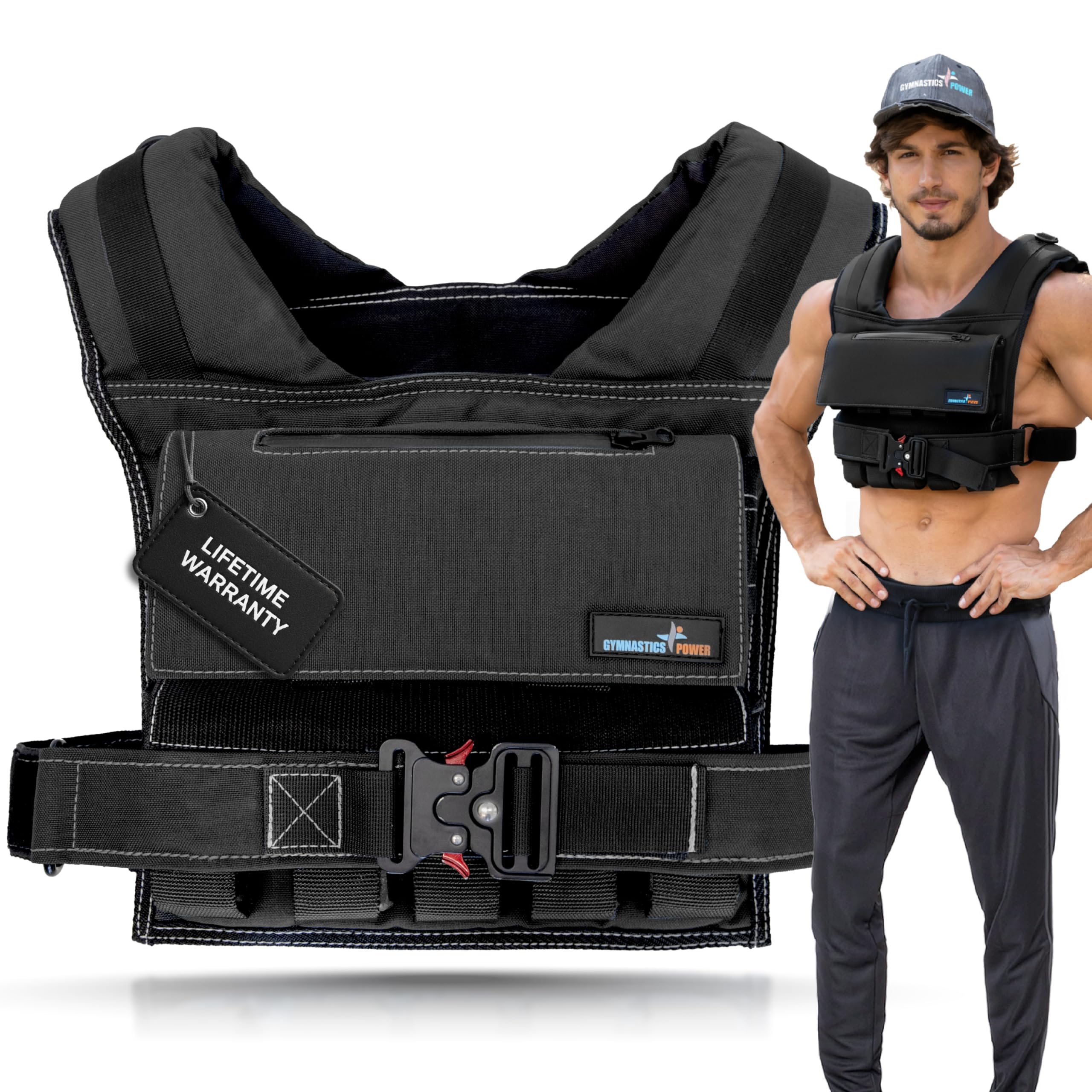
The Gymnastics Power vest uses 1000-denier nylon with double-stitched stress points, making it the most durable option in this lineup for heavy, repeated use. Its cropped, form-hugging design keeps weight high on the torso, which means you can hit full-depth squats without the vest jamming into your hips.
Each weight block adds 2 pounds, giving you granular incremental control up to the maximum capacity. The TPE-foam shoulder padding is noticeably thicker than most competitors, and the metal buckle system feels secure even during explosive movements like burpees or box jumps. Users report zero chafing on the neck and ears, a common weak point on cheaper vests.
The reflective strip and front zippered pouch are thoughtful extras, but the real standout is the stability—reviewers note no shifting during incline walks or inverted holds. If you want one vest that handles everything from a 6-mile ruck to a heavy calisthenics session, this is the benchmark.
Why it’s great
- Premium 1000D nylon shell holds up to daily abuse.
- Cropped design allows full range of motion for squats and sit-ups.
- Thick shoulder padding prevents pressure points under heavy loads.
Good to know
- Premium build comes at a premium price point.
- Reflective strip is fixed, not detachable.
2. ONETWOFIT Silicone Weight Vest
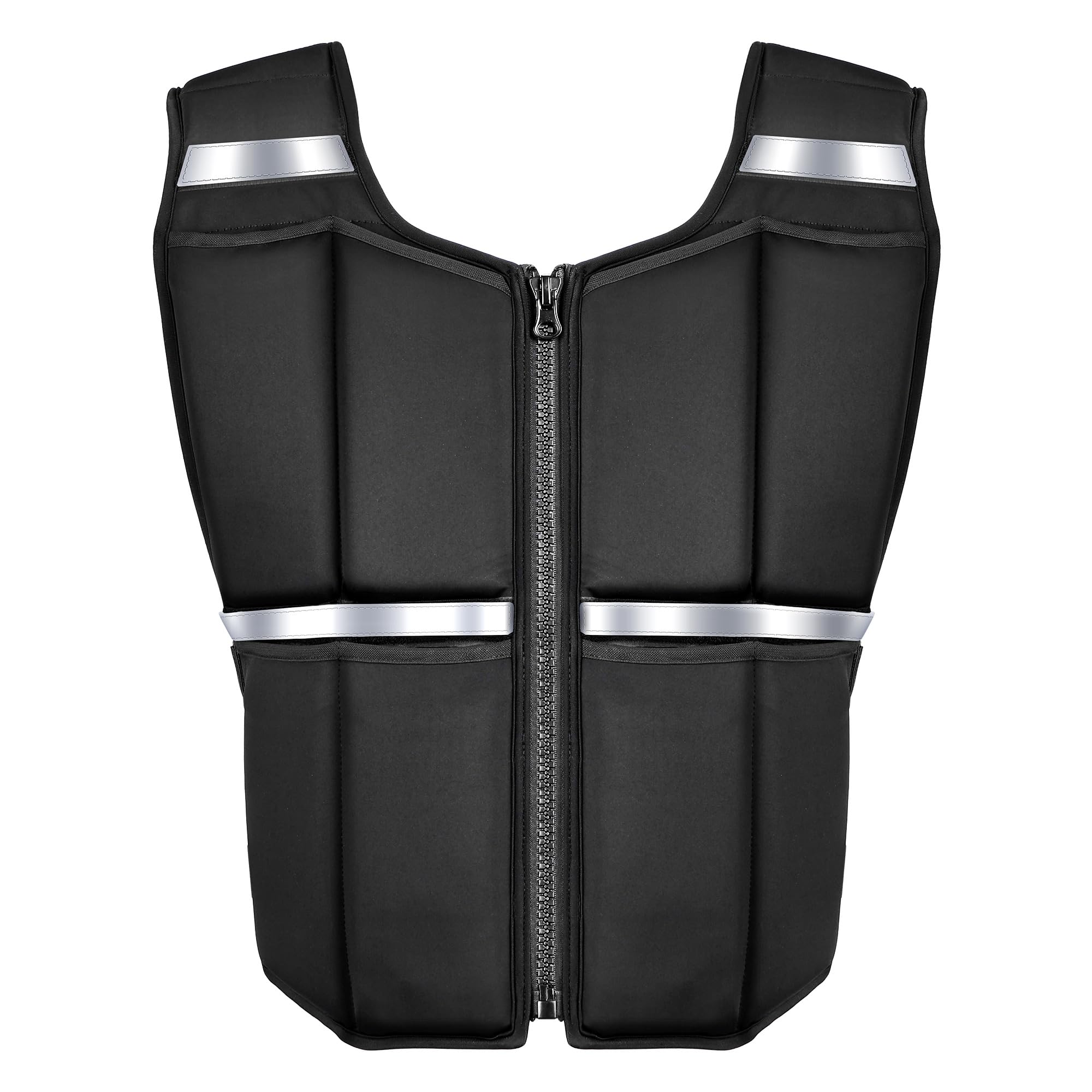
The ONETWOFIT vest is the only one in this roundup that uses high-density silicone weight blocks instead of iron or sand. Silicone conforms to your body shape, eliminates the clanking sound of metal, and won’t rust over time—a genuine advantage if you sweat heavily or train outdoors in wet conditions.
The vest weighs only 2.2 pounds empty and accepts up to 45 pounds of silicone blocks. The zippered closure is the easiest on-and-off mechanism here, and the neoprene outer is machine-washable, which matters when you’re wearing it under a coat for daily walks or casual wear. Users consistently mention how well it disappears under a jacket, making it viable for office or household use.
Side straps adjust to snug the fit, though some tall users report the straps can rub against their arms if not tucked properly. The removable reflective strips add versatility for low-light runs. If tactile comfort and a quiet, rust-free design are your priorities, this is the strongest choice.
Why it’s great
- Silicone blocks are silent, rust-proof, and soft against the body.
- Zipper system makes it the fastest to put on and take off.
- Machine-washable neoprene keeps hygiene simple after sweaty sessions.
Good to know
- Side closure straps can chafe if not adjusted properly.
- Max weight capacity is lower than iron-block vests at the same price.
3. BAGAIL 1200D Oxford Nylon Vest
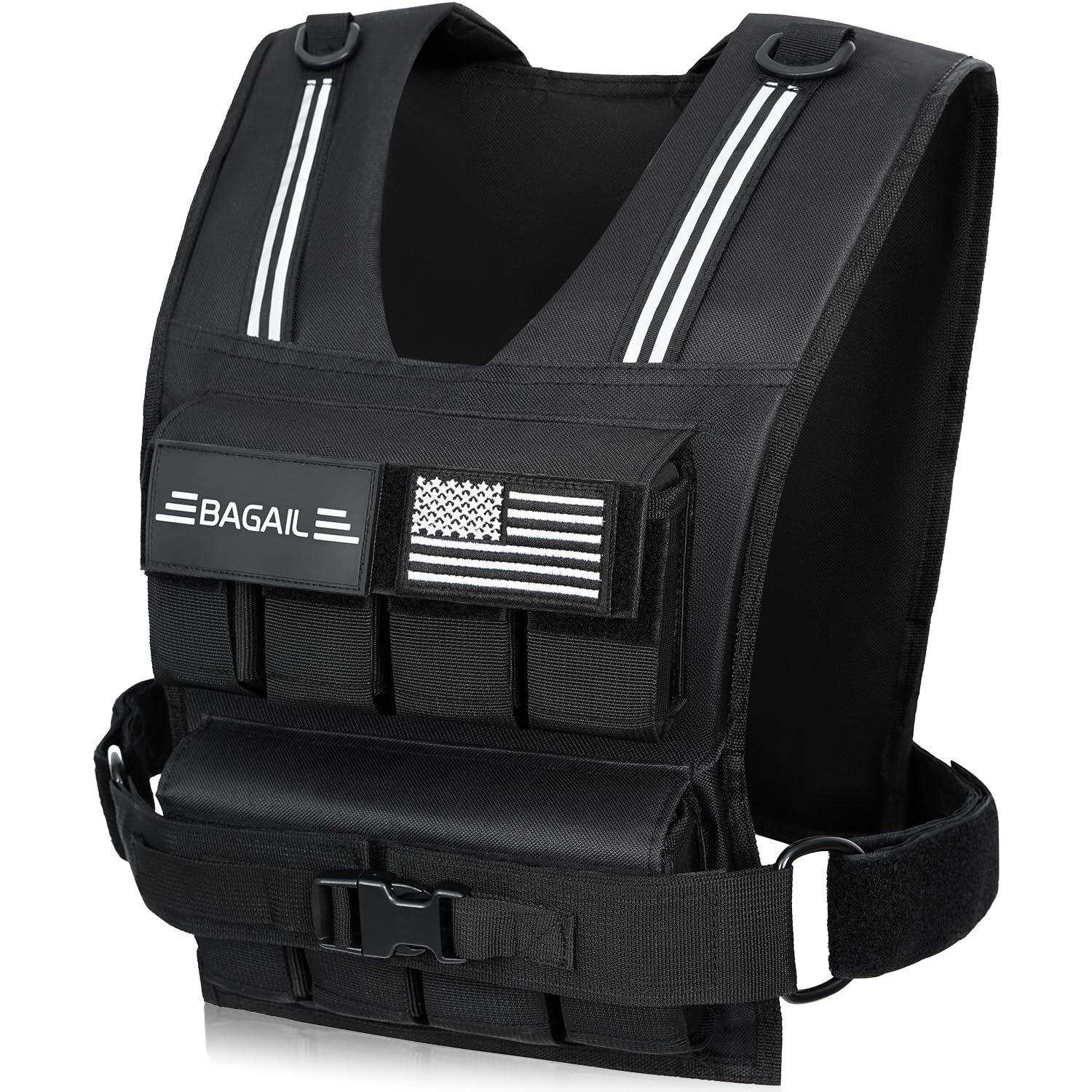
BAGAIL engineered this vest with 1200-denier Oxford nylon, a fabric choice that sits above most competitors in abrasion resistance. Reinforced stitching runs through all stress points, and the 2.5-pound iron blocks are coated to resist rust—an important detail if you’re rucking through rain or leaving the vest in a damp gym bag.
The vest offers capacities from 20 to 40 pounds, and the weight blocks slide in and out of secure pockets evenly distributed between the front and back panels. The shoulder padding is thicker than average for this price tier, and the adjustable waist belt with safety buckles keeps the load centered on your hips rather than pulling on your shoulders.
Reviewers with larger builds (6’3″ and 225 pounds) report the vest reaches below the ribcage without riding up, and the detachable logo plate is a nice touch for those who prefer a clean look. The 18-month warranty adds peace of mind that you won’t find on budget-tier options. This is the vest to buy if you want military-grade toughness without stepping up to the absolute top of the market.
Why it’s great
- 1200D Oxford nylon is extremely tear-resistant for outdoor and tactical use.
- 2.5-pound iron blocks allow precise weight jumps.
- Generous fit accommodates tall or broad-shouldered users.
Good to know
- Head opening can be tight for some users on first wear.
- Logo patch is detachable but leaves a small velcro area.
4. MVRK Weighted Vest
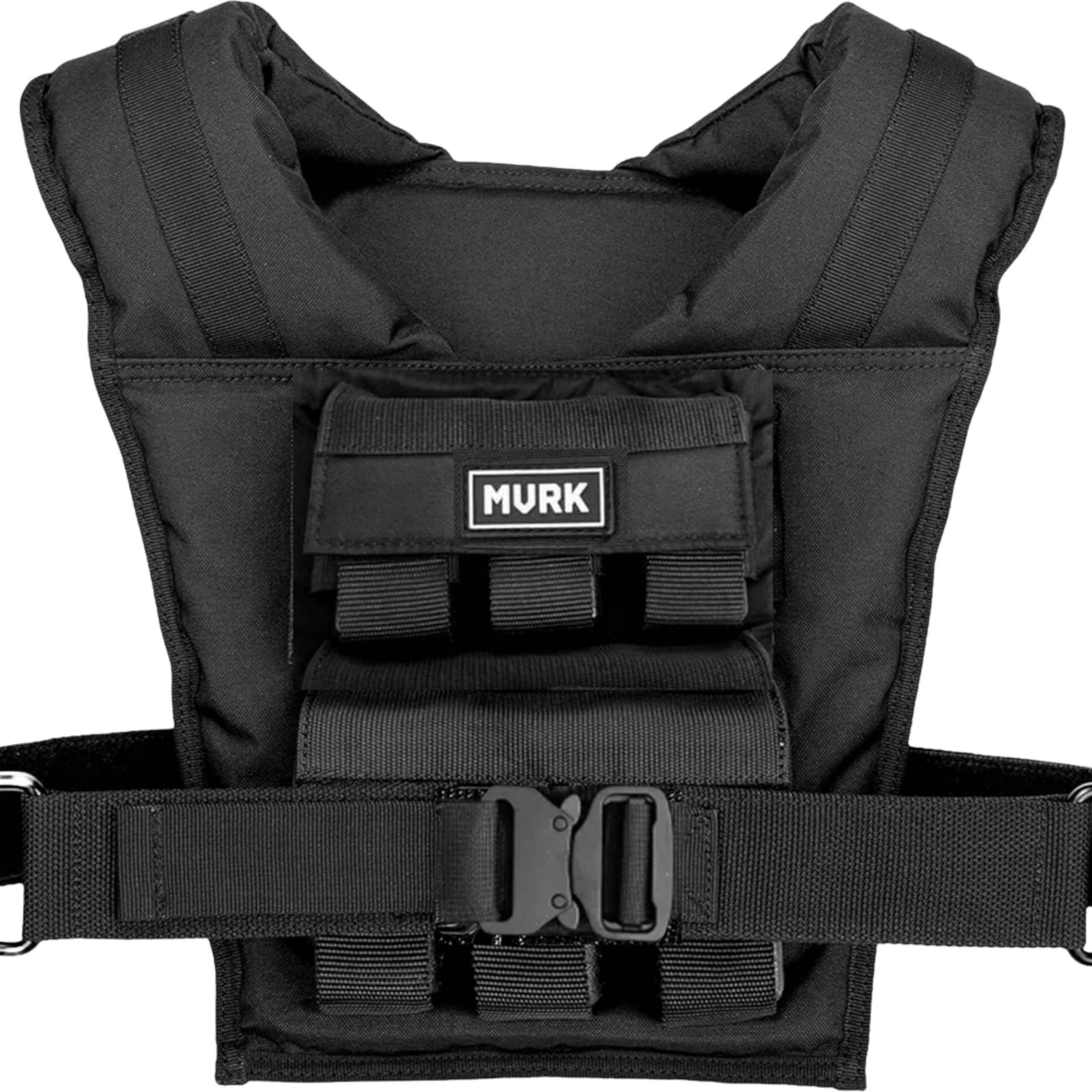
MVRK focuses on a compact form factor that packs 25 pounds of iron weight into a low-profile shell designed not to restrict arm and shoulder movement. The 12 iron blocks (six front, six back) each weigh roughly 2.18 pounds, and you can remove them incrementally to fine-tune resistance for everything from recovery walks to max-effort calisthenics.
The vest uses heavy-duty buckles and reinforced stitching at all load-bearing points. The neoprene coating on the iron weights prevents rust and cushions the blocks against your body, which reduces pressure points. Users consistently mention the vest feels “lighter than its weight” thanks to the balanced distribution front to back.
Where the MVRK really shines is HIIT and dynamic training. The compact silhouette means you can perform wide push-ups, pull-ups, and agility ladder drills without the vest interfering. The front pocket is large enough for a phone, and the shoulder pads are cushioned enough to prevent digging during explosive moves. If you want a vest that disappears into your workout, this is the ticket.
Why it’s great
- Compact build does not restrict arm swing or overhead movements.
- Neoprene-coated weights are quiet and comfortable against the torso.
- Excellent weight balance for running and jump rope drills.
Good to know
- Max capacity of 25 pounds may be too low for advanced ruckers.
- Velcro closure can wear over time with heavy daily use.
5. Yes4All Adjustable Weight Vest

Yes4All delivers a solid middle-ground vest with a neoprene shell, six removable iron-sand weight packs, and two large mesh pockets that fit most plus-size phones. The weight packs are distributed evenly between the front and back, and the vest adjusts from a minimum of 11 pounds up to 32 pounds—a useful range for gradual progression.
The closure system uses adjustable webbing and buckled straps rather than Velcro, which gives a more positive lock-on feel and doesn’t degrade over time. The reflective strips are wide and bright, adding genuine visibility for low-light road work. Reviewers consistently note the vest fits comfortably in the chest area without an awkward strap across the breastbone, a design win for women and men with broader chests.
Some users report the side straps can slip if not knotted, and the sand-filled pouches feel less premium than iron blocks. However, for the price point, the Yes4All offers the best balance of comfort, adjustability, and storage. It is a pragmatic choice for someone new to progressive loading who wants room to grow without a big upfront spend.
Why it’s great
- Competitive price point for a 32-pound adjustable vest.
- Front and back weight distribution keeps load balanced.
- Large mesh pockets securely hold a phone and keys.
Good to know
- Sand-filled weight packs feel less durable than iron blocks.
- Side straps may loosen during dynamic movement unless knotted.
6. UOPON Adjustable Weighted Vest
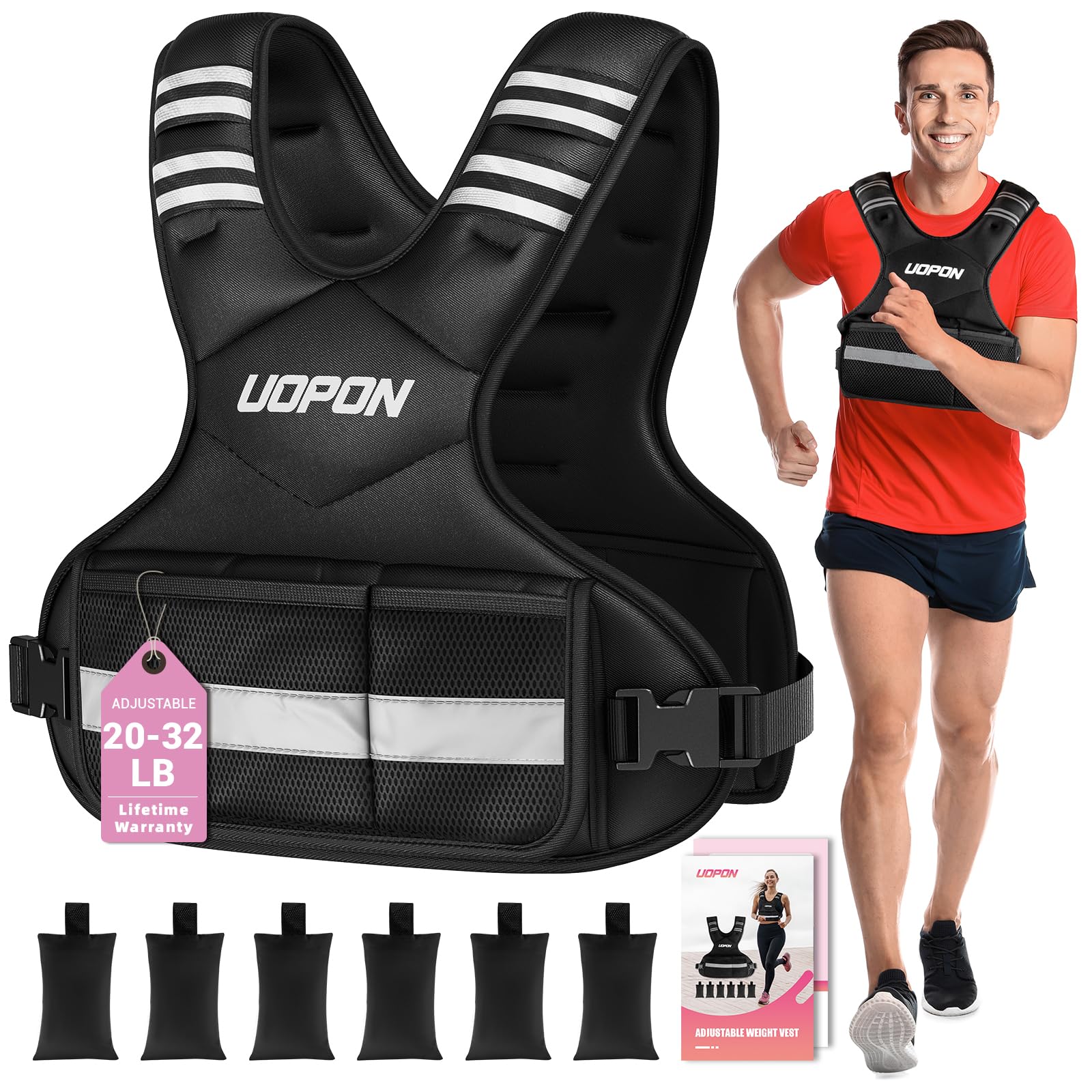
The UOPON vest is engineered with an X-shaped design intended to reduce bounce and keep the weight centered. The bare shell starts at 6 pounds and you can add up to six 1-pound iron-sand packs, reaching a maximum of 20-32 pounds depending on the variant. The neoprene construction is notably lighter and more breathable than nylon vests, making it a good choice for hot-weather walks or indoor cardio.
The closure uses adjustable buckle straps, and the vest slips over the head without needing a chest clasp. Reviewers praise the even weight distribution and note the vest stays put during moderate-paced walking and light jogging. The reflective strips are bright, and the enlarged mesh pocket can accommodate a large phone.
The main trade-off is the iron-sand packs themselves—they are thin pouches, not solid blocks, so they may settle or shift slightly over time. Some users report a slight chemical odor out of the box that dissipates after airing out. For someone starting out with weighted walks or yoga, this is a functional, low-cost entry point that does the job.
Why it’s great
- Lightweight, breathable neoprene construction is ideal for warm conditions.
- Good weight range for beginners progressing from 6 to 20+ pounds.
- No-bounce X-design keeps the load stable during walking and jogging.
Good to know
- Sand-filled weight packs may settle unevenly with heavy use.
- Initial chemical odor requires airing out before first use.
7. ZELUS Weighted Vest

The ZELUS vest is the most affordable option here, and it keeps the build simple: a reinforced nylon shell with foam-padded shoulders, hook-and-loop fasteners, and solid iron bars instead of sand packs. This means no settling or shifting of the weight inserts, and the bars are easier to insert and remove than pouches.
The reflective strips run across the front, shoulders, and back, offering full 360-degree visibility that rivals vests at twice the price. Reviewers consistently note the vest fits snugly without jiggling during walking and light jogging, and the padding is sufficient for the 23-pound capacity. Users also mention the vest is bulky in the back, making it uncomfortable to sit in a backed chair—a valid constraint for anyone expecting to wear it while seated.
The ZELUS is a straightforward, no-nonsense vest for someone who wants iron weight without paying a premium. The biggest ask is the closure—the hook-and-loop straps are functional but not as secure as a metal buckle system during high-impact movement. If your routine is primarily walking, lunges, and light jogging, this is a strong budget-friendly pick.
Why it’s great
- Solid iron bars provide stable, non-shifting weight distribution.
- Full 360-degree reflective strips for exceptional low-light safety.
- Affordable entry point for anyone wanting iron weights on a budget.
Good to know
- Hook-and-loop closure may wear faster than buckle systems.
- Bulkier back panel makes sitting in a chair with it on difficult.
FAQ
Should I get a vest with iron bars or iron-sand packs?
How tight should an adjustable weight vest fit?
Final Thoughts: The Verdict
For most users, the adjustable weight vest winner is the Gymnastics Power Weighted Vest because it combines a premium 1000D nylon shell, thick shoulder padding, and a cropped fit that never compromises mobility. If you want maximum wearing comfort and a silent, rust-proof load, grab the ONETWOFIT Silicone Weight Vest. And for the best value in a rugged outdoor vest, nothing beats the BAGAIL 1200D Oxford Nylon Vest.