
The difference between a great aerobic session and a painful one often comes down to the single pivot point between your foot and the floor. Standard running shoes, built for forward momentum, can lock your foot in place during side-to-side movements, putting unnecessary strain on your knees and hips. The right shoe for this category prioritizes lateral stability, a supportive midsole that absorbs quick directional changes, and a tread pattern designed to grip without sticking during fast shuffles or step routines.
I’m Min — the co-founder and writer behind Gadgets Feed. I’ve spent years dissecting the biomechanics of fitness footwear, analyzing drop heights, outsole compounds, and midsole density to separate real engineering from marketing claims. (And Homer 🐱 supervised the research stack from the warm laptop vent, unimpressed by any shoe without a proper toe-box).
This guide cuts through the noise to focus on the footwear engineered for multidirectional movement, covering everything from dance-fitness trainers to cross-training staples and barefoot options. Whether you’re leading a Zumba class, hitting a HIIT circuit, or logging miles on an elliptical, these picks represent the best aerobic shoes available right now.
How To Choose The Best Aerobic Shoes
Aerobic movement demands a shoe that supports a wide range of motion — forward, backward, and side-to-side. Choosing the wrong pair can lead to discomfort or even injury. Here are the critical factors to evaluate before you buy.
Heel-to-Toe Drop
This is the height difference between the heel and forefoot of the shoe. A low drop, typically 4mm or less, encourages a more natural midfoot strike and improves stability during lateral movements. Running shoes often have a 10-12mm drop, which can cause you to rock forward during side shuffles, destabilizing your ankle.
Midsole Density and Lateral Support
Look for a midsole that is firm enough to resist compression when you plant your foot sideways. A soft, plush midsole feels great for straight-line jogging but can collapse under the force of a quick pivot, leading to rolled ankles or knee strain. Many cross-trainers and dance-fitness shoes use a denser foam or incorporate a medial post for added lateral rigidity.
Outsole Tread Pattern
The grip needs to be balanced — sticky enough to prevent slipping on a wood or rubber floor, but not so aggressive that it catches and twists your knee during a turn. Look for a herringbone or multi-directional pattern that provides traction in all planes. Smooth, flat outsoles are best for dance-focused aerobics, while a slight lug pattern offers grip for studio classes or light outdoor use.
Toe Box Width and Heel Lock
Your toes need room to splay for balance during dynamic movements. A narrow toe box can force your foot into an unstable position. Conversely, a secure heel lock — often achieved with an external heel counter or lacing system — prevents your foot from sliding forward during rapid stops. Most dedicated aerobic shoes combine a wider forefoot with a snugger midfoot and heel wrap.
Quick Comparison
On smaller screens, swipe sideways to see the full table.
| Model | Category | Best For | Key Spec | Amazon |
|---|---|---|---|---|
| Reebok Nano X5 | Cross Trainer | Lifting + Cardio Hybrid | 4mm drop, flat stable base | Amazon |
| ASICS Noosa TRI 16 | Performance Runner | High-Impact Aerobics | Gel cushioning, 5mm drop | Amazon |
| Xero Prio Neo | Barefoot/Minimalist | Natural Foot Movement | Zero drop, wide toe box | Amazon |
| Under Armour Project Rock 5 | Training Shoe | Versatile Gym Workouts | Lightweight UA Flow cushioning | Amazon |
| ZUMBA Air Funk | Dance Fitness | Zumba & Step Classes | Pivot point outsole | Amazon |
| Reebok Nano Gym | Entry-Level Cross Trainer | Budget-Friendly Lifting | Firm midsole, good arch support | Amazon |
| New Balance 608 V5 | Casual Cross Trainer | Long Hours on Feet | Leather upper, durable outsole | Amazon |
In‑Depth Reviews
1. Reebok Nano X5
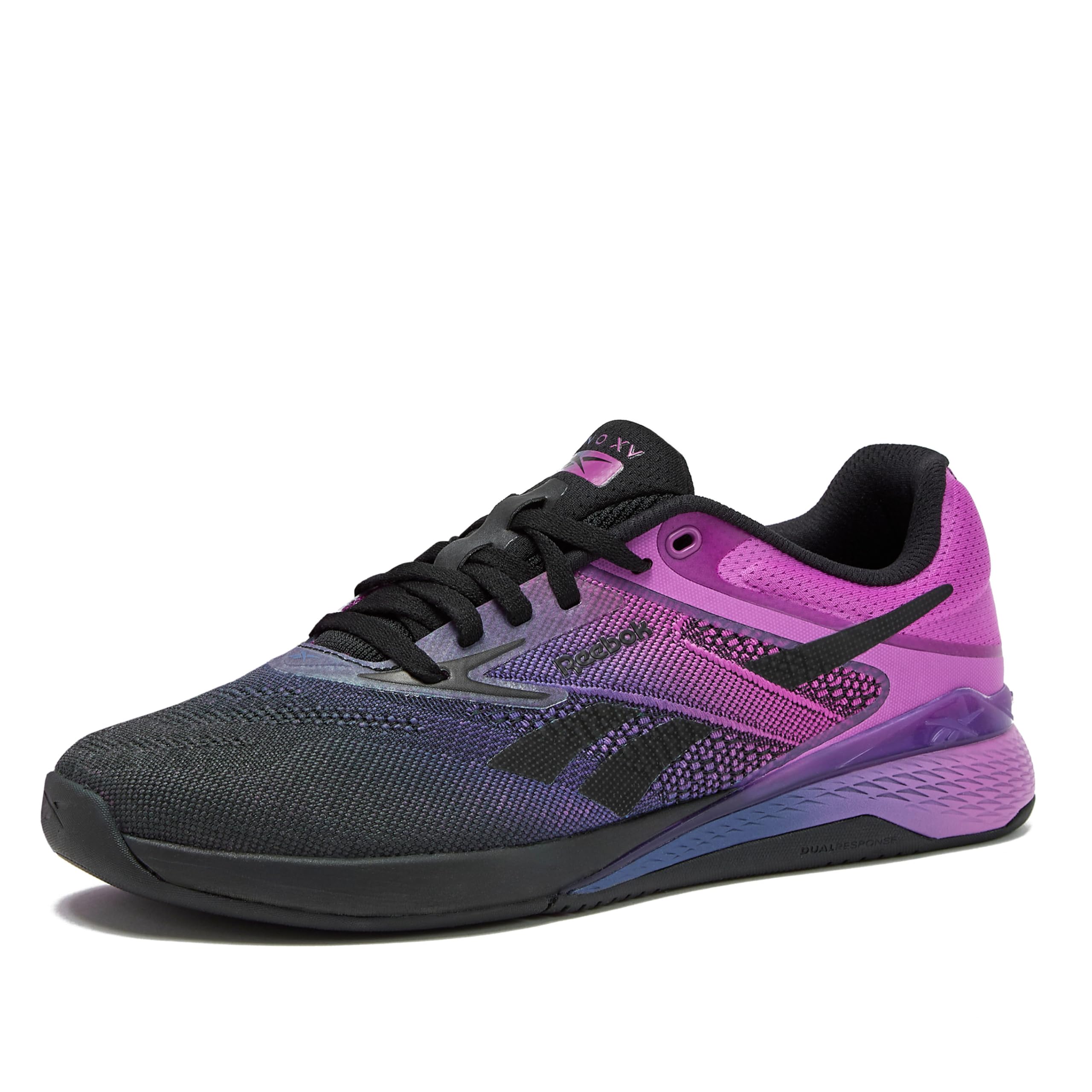
The Reebok Nano X5 is the gold standard for anyone whose aerobic routine blends weight training with high-intensity cardio. Its defining feature is a flat, non-compressible sole that provides an exceptionally stable platform for heavy lifts while still offering enough flex for dynamic lunges and box jumps. The 4mm drop encourages a neutral foot position, reducing the likelihood of forward rock during lateral shuffles or step-ups.
The wide toe box is a deliberate design choice that allows your toes to splay naturally for balance during single-leg moves like pistol squats or split-stance work. Reviewers consistently highlight how this shoe resolved balance issues during split squats and provided excellent arch support for those with plantar fasciitis. The outsole features a multi-directional tread pattern that grips well on rubber gym floors without feeling too sticky during pivots.
It’s worth noting that the Nano X5 runs slightly long and wide, so those with narrow feet may need to size down half a size. The shoe is not designed for long-distance running or casual walking errands — its firm ride feels too flat for those activities. However, for any gym session that requires shifting between squats, burpees, and the treadmill, the versatility is unmatched.
Why it’s great
- Flat, non-flexible sole provides a rock-solid lifting platform
- Wide toe box improves balance during lateral movements
- Excellent arch support for plantar fasciitis relief
Good to know
- Runs large and wide; narrow feet should size down
- Too flat and firm for walking or errands
- Some users report a slight squeak on smooth floors
2. ASICS Women’s Noosa TRI 16
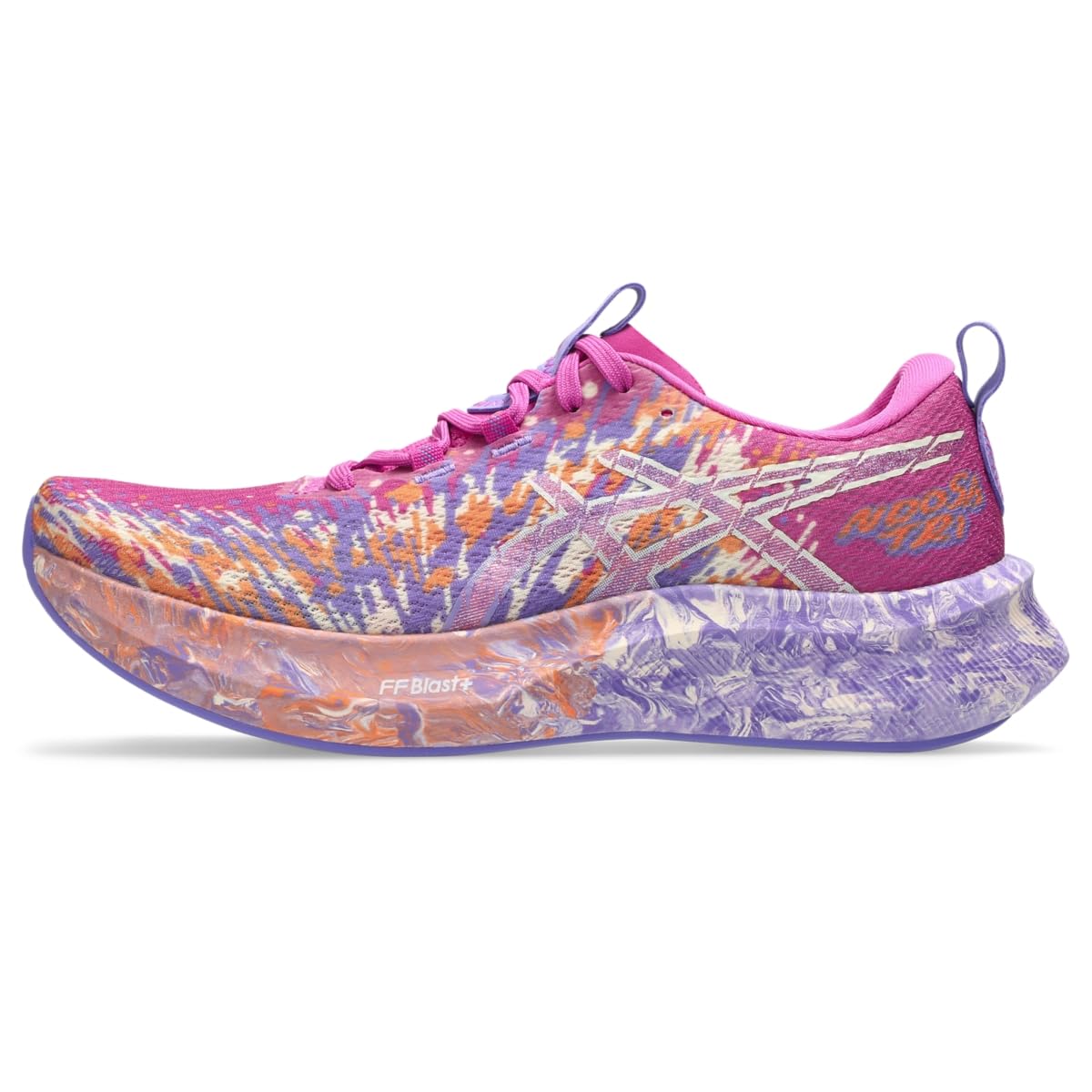
The ASICS Noosa TRI 16 is built for triathlon transitions, but its performance-oriented design makes it a surprisingly strong contender for high-impact aerobics. The standout feature is the rearfoot and forefoot Gel cushioning units that absorb shock during jumping jacks, burpees, and box jumps without sacrificing responsiveness. The 5mm drop is low enough to keep your foot in a natural alignment during lateral drills while still providing some heel cushion for those who land heel-first.
The upper is exceptionally lightweight and breathable, making it a top choice for long step classes or hot yoga sessions where foot ventilation matters. The outsole uses a combination of a solid rubber heel plug and a blown rubber forefoot that offers excellent traction on both treadmill belts and hardwood studio floors. Reviewers with plantar fasciitis report that the arch support is A-grade, providing relief even during extended wear sessions lasting several hours.
A notable caveat: the Noosa TRI 16 runs small in the toe box and may require half a size up, especially if you have wider feet. A small number of users report a loud squeaking noise on smooth surfaces like hospital linoleum or polished concrete, which may be distracting in quiet studio settings. The shoe also lacks a dedicated pivot point, so it’s best suited for aerobics that involve jumping and running rather than spinning or sliding.
Why it’s great
- Excellent Gel shock absorption for high-impact aerobics
- Lightweight, breathable upper for extended workouts
- Superior arch support for plantar fasciitis
Good to know
- Runs small; order half a size up
- Can squeak loudly on smooth floors
- Best for jump-based moves, less ideal for dance spin drills
3. Xero Shoes Women’s Prio Neo Barefoot Training Shoe
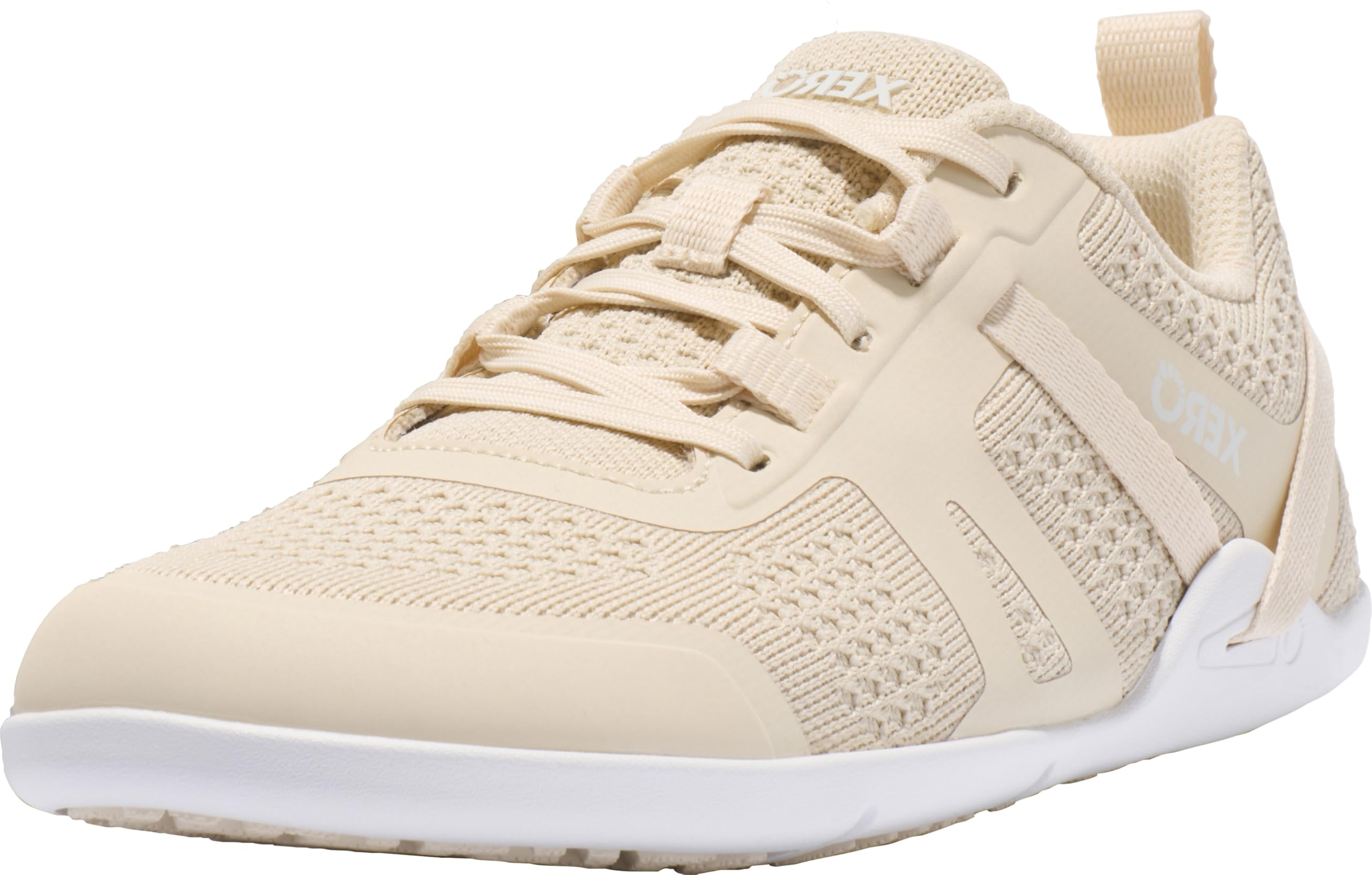
The Xero Prio Neo is a true minimalist shoe that strips away everything except the essential — a thin, flexible sole that allows your foot to feel the ground beneath you. For aerobic work that emphasizes balance and proprioception, such as agility drills or dance-based routines, this shoe provides unmatched sensory feedback. The zero-drop platform means your heel and forefoot sit at the same level, encouraging a natural midfoot strike that reduces impact on your knees and hips during pivots.
The wide toe box is one of the roomiest in this category, accommodating bunions, hammertoes, and naturally splayed feet without constriction. The stretchy, seamless upper adapts to the shape of your foot without creating pressure points. Users transitioning from traditional running shoes report that the first week requires a period of adaptation — calf and knee soreness is common as your body recalibrates its gait to avoid heel striking. Once adjusted, many describe the feeling as “feet but better,” with improved stability and less joint pain.
The downsides are specific to the minimalist philosophy. There is no arch support built into the shoe — the insole is removable and the 5.5mm sole offers minimal cushion, so this is not the shoe for high-impact plyometrics or jumping on concrete. The shoelaces are notoriously long and can cause tripping if not double-knotted. But for anyone seeking to strengthen their feet and improve natural movement mechanics, the Prio Neo is a category leader.
Why it’s great
- Zero-drop platform improves natural biomechanics
- Extremely wide toe box for splay and balance
- Thin sole provides excellent ground feel for agility drills
Good to know
- Requires a 1-2 week adaptation period to avoid calf strain
- No arch support; minimal cushioning
- Laces are overly long and may drag on the floor
4. Under Armour Men’s Project Rock Blood Sweat Respect 5
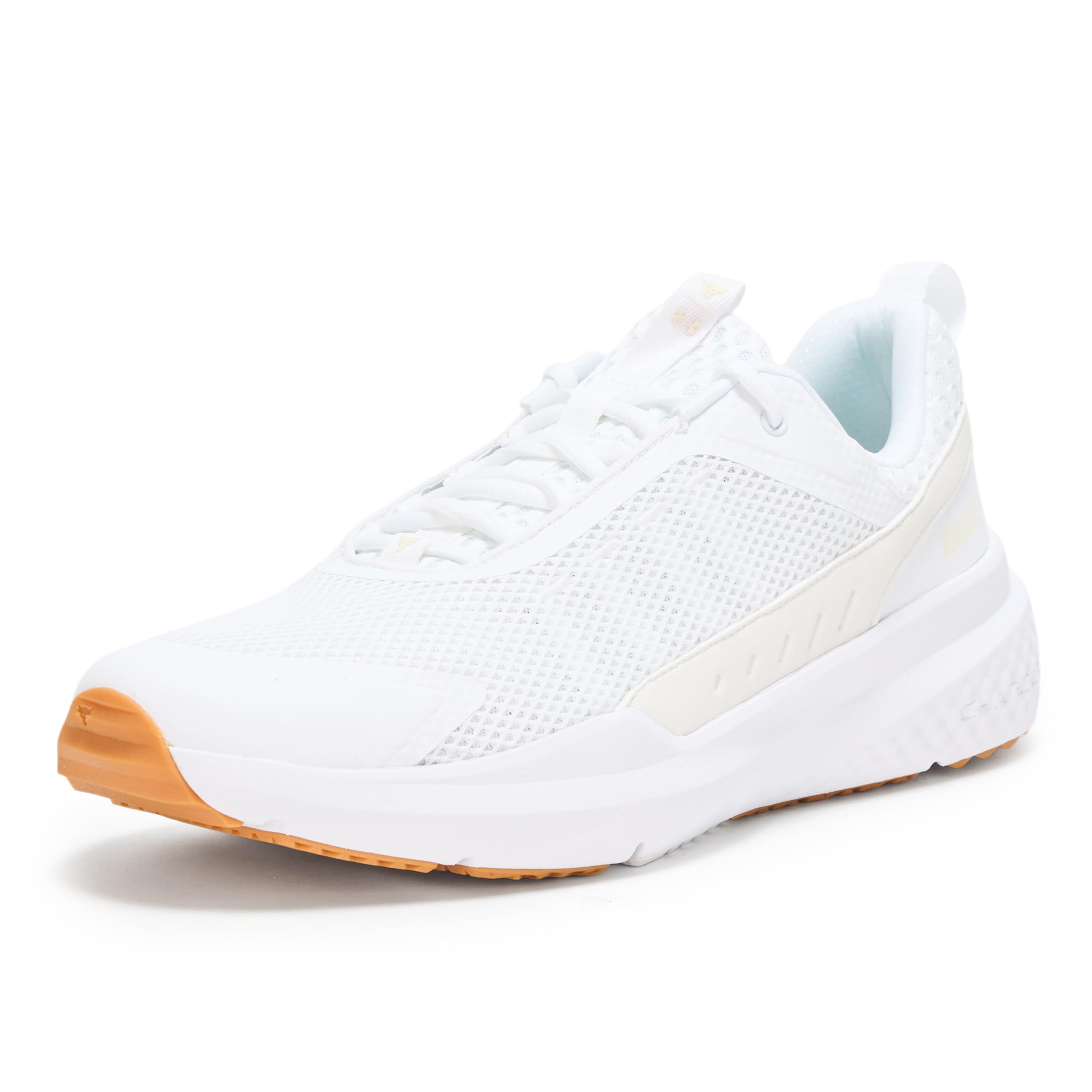
Dwayne Johnson’s signature training shoe has evolved into one of the best value propositions in the aerobic cross-training space. The Project Rock 5 uses UA Flow cushioning — a foam that’s surprisingly lightweight yet dense enough to handle explosive lateral movements and heavy lifting. The shoe wraps the foot with a glove-like fit, which enhances confidence during side-to-side drills because your foot never shifts inside the shoe. The outsole is a continuous Flow rubber compound that eliminates the need for a separate rubber heel, providing a smooth ride that doesn’t catch during pivots.
The lightweight construction (under 10 ounces) makes it excellent for high-rep circuits where every gram matters. The midsole offers a balanced ride — not as hard as a dedicated lifting shoe but firmer than a typical running trainer, making it a solid middle-ground option for general aerobic fitness.
The main drawback is that the cushioning is not as plush as some dedicated running shoes, so it may feel firm for long sessions on a treadmill. Some users also note that the toe box is slightly tapered, which might not suit those with very wide feet. The Project Rock 5 is best purchased at a discount, as the retail price can drift above the budget-friendly sweet spot where it competes with the Nano line.
Why it’s great
- Lightweight UA Flow foam provides excellent responsiveness
- Glove-like fit prevents foot shift during lateral moves
- Durable construction holds up to daily gym use
Good to know
- Cushioning feels firm for extended treadmill runs
- Tapered toe box may be narrow for wide feet
- Best value when purchased on sale
5. ZUMBA Air Funk Women’s Dance Shoes

The ZUMBA Air Funk is purpose-built for dance fitness in a way that generic cross-trainers simply cannot match. Its mid-top silhouette provides extra ankle support specifically tuned for the spinning and pivoting movements that define Zumba and step aerobics. The outsole features a dedicated pivot pad at the ball of the foot, allowing you to twist without catching or sticking — a critical feature for reducing torque on the knees during continuous turns.
The shoe runs large, typically a full size bigger than standard athletic shoes. Most users recommend ordering a full size down from your usual size. The fit is wide through the forefoot, which accommodates foot swelling during a long class, though some users with narrower feet find the look too bulbous. The mid-top collar is well-padded and does not restrict ankle movement, striking a good balance between support and mobility.
Comfort is consistently praised, with many users reporting relief from knee and groin pain thanks to the ability to pivot freely. The Air Funk lasts about 1.5 years with 3-4 uses per week, which is solid for a specialized dance shoe. The only notable downside is that the ankle collar can rub on shorter ankles, and the vibrant color schemes may not appeal to those preferring a more understated gym aesthetic.
Why it’s great
- Dedicated pivot point reduces knee strain during turns
- Mid-top provides ankle support without restricting mobility
- Wide forefoot accommodates foot swelling during long classes
Good to know
- Runs very large; order a full size down
- Ankle collar may rub on short ankles
- Vibrant colors may not suit conservative tastes
6. Reebok Nano Gym
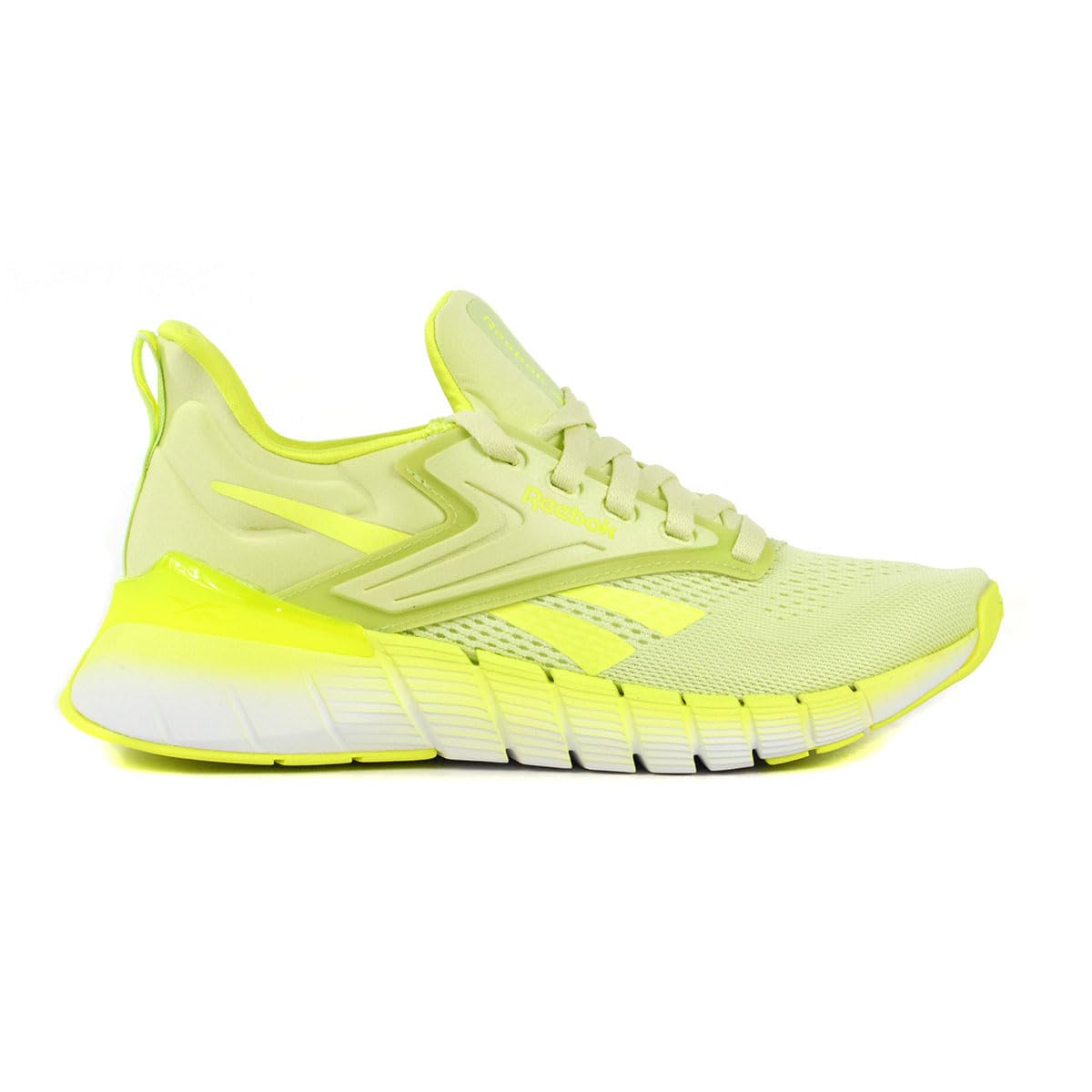
The Reebok Nano Gym is the entry-level gatekeeper to the highly regarded Nano line, offering much of the stability DNA at a more accessible tier. The midsole is intentionally firm — a deliberate choice for lifters and cross-trainers who need a non-compressible surface for heavy compound movements. This same firmness makes it a reliable partner for bodyweight aerobics where foot security is more important than plush step-in feel.
The shoe provides good arch support, which users with flat feet or plantar fasciitis appreciate during a full bodyweight circuit. The one-piece mesh upper lacks a traditional tongue, which creates a snug fit but can feel restrictive across the top of the foot for those with high insteps. Reviewers note that the shoe runs slightly small, so ordering half a size up from your normal size is recommended.
Durability is a strong point — after nearly a year of use at three sessions per week, the outsole and upper show minimal wear. However, the Nano Gym is not designed for running or extensive walking; its rigid platform and minimal heel cushioning make it unsuitable for anything beyond a short warm-up on the treadmill. It’s a focused tool for the gym floor, and within that lane, it delivers excellent value.
Why it’s great
- Firm, stable platform ideal for lifting and floor work
- Good arch support for flat feet and plantar fasciitis
- Durable construction holds up to frequent gym use
Good to know
- Runs small; order half a size up
- One-piece upper may feel tight on high instep
- Not suitable for running or extended walking
7. New Balance Men’s 608 V5 Casual Comfort Cross Trainer

The New Balance 608 V5 is a budget-tier cross trainer that has earned a loyal following for its durability and all-day comfort. Unlike the gym-focused designs above, the 608 V5 is built with a full-grain leather upper and a substantial rubber outsole that can withstand 20,000-step days on concrete, making it a viable option for instructors who spend hours on their feet or for heavy-use gym floors.
The cushioning is soft and supportive, with an Internal Comfort Insert that provides a plush step-in feel. The shoe fits true to size with a slight allowance for wider feet, and the leather upper is semi-water repellent, offering protection from spills or wet grass. Users consistently praise its ability to survive a year of heavy abuse — squatting, kicking, and daily wear — with the upper and cushioning holding shape well.
The main trade-off is that the 608 V5 is heavier and less agile than dedicated aerobic trainers. The midsole is not designed for rapid lateral pivots, and the tread pattern is generic, offering grip rather than the precision control needed for dance-based aerobics. Occasional reports of the sole separating from the upper after extended use suggest that while durable, the shoe has a finite lifespan compared to premium options. For general fitness and long-term value, it remains a reliable workhorse.
Why it’s great
- Full-grain leather upper is exceptionally durable
- All-day comfort for long hours on hard floors
- True to size with a roomy toe box
Good to know
- Heavier than dedicated aerobic trainers
- Not designed for rapid lateral pivots
- Sole may separate after prolonged use
FAQ
Can I use running shoes for aerobic exercise?
What is the ideal heel-to-toe drop for Zumba and dance aerobics?
How do I transition to barefoot-style aerobic shoes safely?
Final Thoughts: The Verdict
For most users, the aerobic shoes winner is the Reebok Nano X5 because it delivers the perfect combination of a flat, stable base for lifting and enough flexibility for dynamic cardio moves. If you want the lightweight performance of a triathlon shoe with excellent shock absorption, grab the ASICS Noosa TRI 16. And for natural foot movement and proprioceptive feedback in dance-based routines, nothing beats the Xero Prio Neo.