
Finding a smartphone that delivers true 5G speeds without demanding a second mortgage can feel like hunting for a needle in a haystack. The market is flooded with options, but only a handful actually balance a sub- price tag with a fluid display, a capable processor, and a camera that doesn’t turn your sunset photos into a pixelated mess.
I’m Min — the co-founder and writer behind Gadgets Feed. I spend my days poring over network compatibility lists, processor benchmarks, display brightness specs, and battery capacity figures to identify the few phones that genuinely outperform their price bracket.
After sifting through dozens of models, these picks represent the strongest value-to-spec ratio you can find today. That’s the core mission of this guide — to help you identify the true best affordable 5g smartphones without falling for marketing fluff.
How To Choose The Best Affordable 5G Smartphones
The “affordable” tier is where corners get cut, but savvy buyers know exactly which corners to accept and which to avoid. A phone with a 60Hz LCD and a slow UFS 2.2 storage chip will feel frustratingly sluggish within six months, while a 120Hz AMOLED with adequate RAM can feel flagship-tier for years. The key is prioritizing the components that dictate daily feel — display, battery, and software update policy — over flashy but marginal extras like a 200MP sensor with poor image processing.
Network Compatibility Is Non-Negotiable
An unlocked 5G phone is useless if it doesn’t latch onto your carrier’s specific bands. In the US, Verizon relies on mmWave (n260/n261) and low-band n5, T-Mobile uses mid-band n41 and n71, and AT&T favors n5 and n77. Many budget-friendly imports from Xiaomi or global Samsung models omit key US bands or lack mmWave entirely. Always cross-check the phone’s 5G NR band list against your carrier’s official frequency map before clicking “buy.”
Display and Battery Are the True Flagship Gateways
A 120Hz AMOLED panel and a 5000mAh battery are the two specs that deliver tangible daily satisfaction. A smooth, bright screen makes scrolling, reading, and media consumption feel premium, while a large battery with fast charging (ideally 45W or higher) removes the anxiety of midday top-ups. Cheap phones often cut here — look for a minimum of 90Hz refresh rate, peak brightness over 800 nits, and at least 25W wired charging if you plan to keep the device for more than two years.
Quick Comparison
On smaller screens, swipe sideways to see the full table.
| Model | Category | Best For | Key Spec | Amazon |
|---|---|---|---|---|
| Samsung Galaxy A56 5G | Premium Mid-Range | Best all-around value with 6-year OS support | 50MP main / 5000mAh / 45W charging | Amazon |
| Google Pixel 10a | Premium Mid-Range | Best camera and software longevity | Tensor G5 / 7 years updates / 3000-nit display | Amazon |
| Google Pixel 10 | Premium | Best pure Android experience and telephoto zoom | Tensor G5 / 5x telephoto / 4970mAh | Amazon |
| Samsung Galaxy A36 5G | Mid-Range | Best display and build for the price | 6.7″ 120Hz AMOLED / IP67 / Snapdragon 6 Gen 3 | Amazon |
| Google Pixel 7 | Mid-Range | Best value Pixel with proven Tensor G2 chip | 6.3″ 90Hz / Tensor G2 / 50MP dual camera | Amazon |
| Google Pixel 5 | Budget Compact | Best compact, lightweight 5G phone | 6.0″ 90Hz / 4080mAh / wireless charging | Amazon |
| Xiaomi Redmi Note 15 5G | Budget Powerhouse | Best raw specs for the lowest price | 6.77″ 120Hz AMOLED / 108MP / 5520mAh | Amazon |
In‑Depth Reviews
1. Samsung Galaxy A56 5G

The Galaxy A56 5G is the sweet spot in this entire list — it delivers a metal frame, Gorilla Glass Victus+ protection, IP67 dust and water resistance, and a gorgeous 6.7-inch Super AMOLED panel with a 120Hz refresh rate, all at a price that undercuts every flagship by hundreds. The 50MP main camera captures sharp, well-exposed shots in most lighting conditions, while the 12MP ultrawide provides noticeably better dynamic range than the 8MP sensors found on cheaper competitors.
Under the hood, the Exynos chip handles everyday multitasking, social media, and streaming without any perceived lag. The 5,000mAh battery routinely lasts a full day and a half on moderate usage, and the included 45W Super Fast Charging 2.0 support means a 20-minute top-up gets you back to 60%. Samsung’s commitment to six years of OS and security updates is a massive advantage — this phone will feel relevant for far longer than most rivals in this price tier.
The only real trade-off is that heavy gaming won’t match the frame rates of a Snapdragon 8-series chip, and the 12MP front camera is acceptable but not class-leading. For anyone who wants a premium feel, a bright AMOLED screen, and long-term software support without spending flagship money, the A56 is the clear winner.
Why it’s great
- Metal frame with Gorilla Glass Victus+ feels genuinely premium
- 45W fast charging is fastest in this segment
- Six years of OS and security updates guarantee longevity
Good to know
- No microSD card slot in dual-SIM configuration
- Charger brick sold separately
2. Google Pixel 10a

The Pixel 10a redefines what an “a-series” phone can be. Google equipped it with the same Tensor G5 chip found in the flagship Pixel 10, and the camera performance — powered by Google’s computational photography — is frankly unmatched at this price point. The 64MP main sensor paired with Camera Coach and Best Take features produces portrait shots and low-light images that routinely outshine phones costing twice as much.
The 6.3-inch Actua display with 3,000-nit peak brightness is a revelation for outdoor use; you can read text and frame photos under direct sunlight without squinting. Battery life is rated at 30+ hours, and the IP68 water and dust resistance means you don’t have to baby this phone. The 7-year Pixel Drop commitment — covering OS upgrades, security patches, and new features — effectively future-proofs the device longer than any Samsung competitor at this tier.
That said, the 128GB base storage fills up fast if you shoot a lot of 4K video, and the lack of a bundled charger is inconvenient. The Gemini AI integration is excellent for voice tasks, but some users may find the assistant’s presence overly intrusive. If camera excellence and software longevity are your top priorities, this is the phone to beat.
Why it’s great
- Best-in-class camera with computational photography wizardry
- 3000-nit Actua display is blindingly bright outdoors
- 7 years of software support is unmatched
Good to know
- No charger included in the box
- Base 128GB storage may feel tight for heavy shooters
3. Google Pixel 10
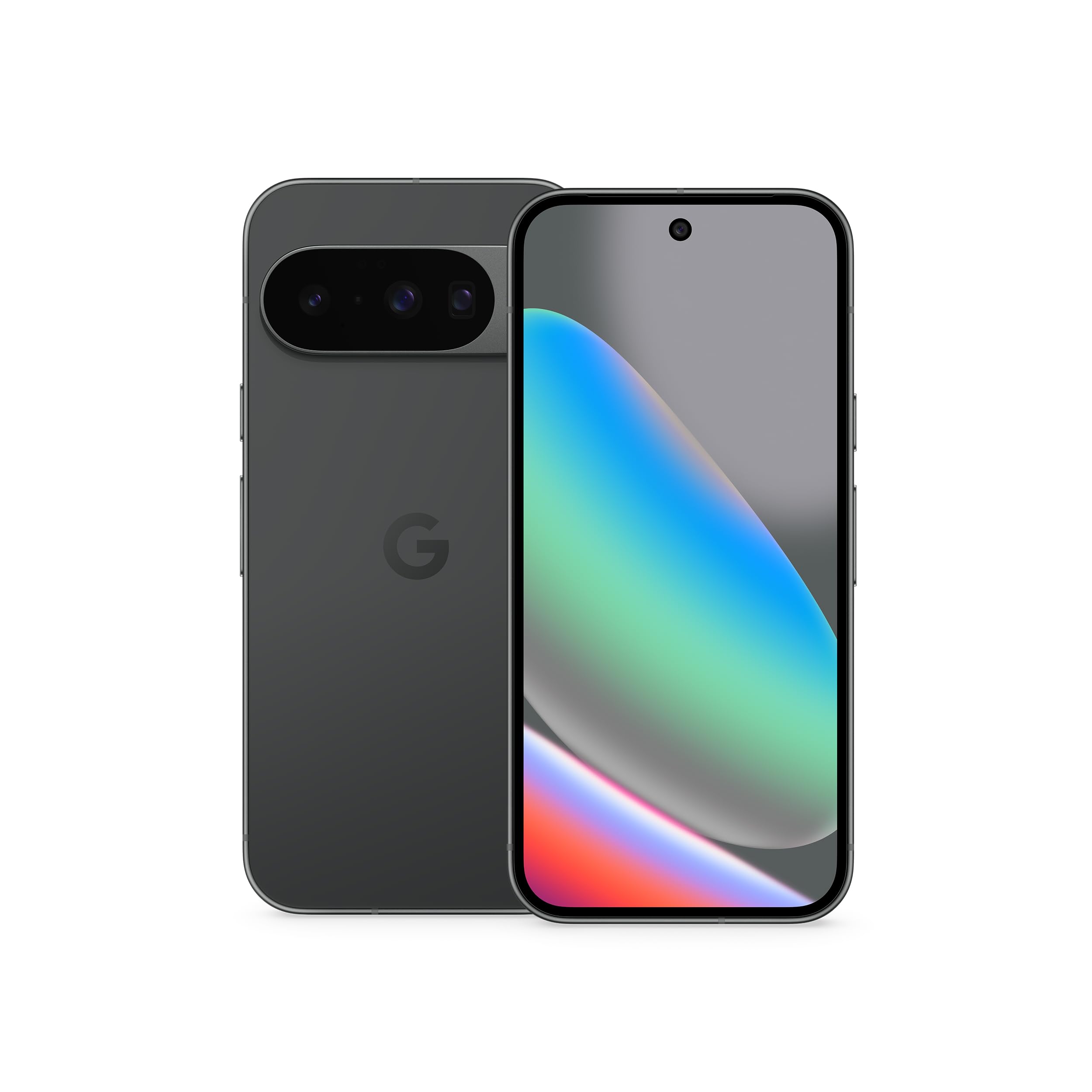
The standard Pixel 10 sits at the higher end of this guide’s price range, but it earns its spot by delivering a true flagship camera system — including a dedicated 5x telephoto lens with 20x Super Res Zoom — that gives you optical reach no other phone on this list can touch. The Tensor G5 chip handles gaming, video editing, and multitasking with zero stutter, and the 6.3-inch Actua display with 3000-nit peak brightness is identical to the 10a’s excellent panel.
The user experience is pure Android at its best: smooth animations, deep Google integration, Call Screen that kills robocalls, and Car Crash Detection for peace of mind. The 4970mAh battery comfortably gets through a full day of heavy use, and the IP68 rating and Gorilla Glass Victus 2 ensure the phone survives drops and splashes. Face unlock and the under-display fingerprint sensor are both fast and reliable after a quick setup.
The biggest downsides are the eSIM-only configuration in some markets (no physical SIM slot) and the phone’s slightly heavier feel compared to the Pixel 10a. For users who want the best camera zoom, fastest chipset, and the most refined Android experience without jumping to the Pro tier, the Pixel 10 is a compelling splurge that still qualifies as affordable relative to + competitors.
Why it’s great
- 5x optical telephoto lens is a rare find at this price
- Tensor G5 delivers flagship-level performance
- Pure Android with guaranteed fast updates
Good to know
- eSIM-only in some regions — no physical SIM option
- Heavier than the Pixel 10a
4. Samsung Galaxy A36 5G
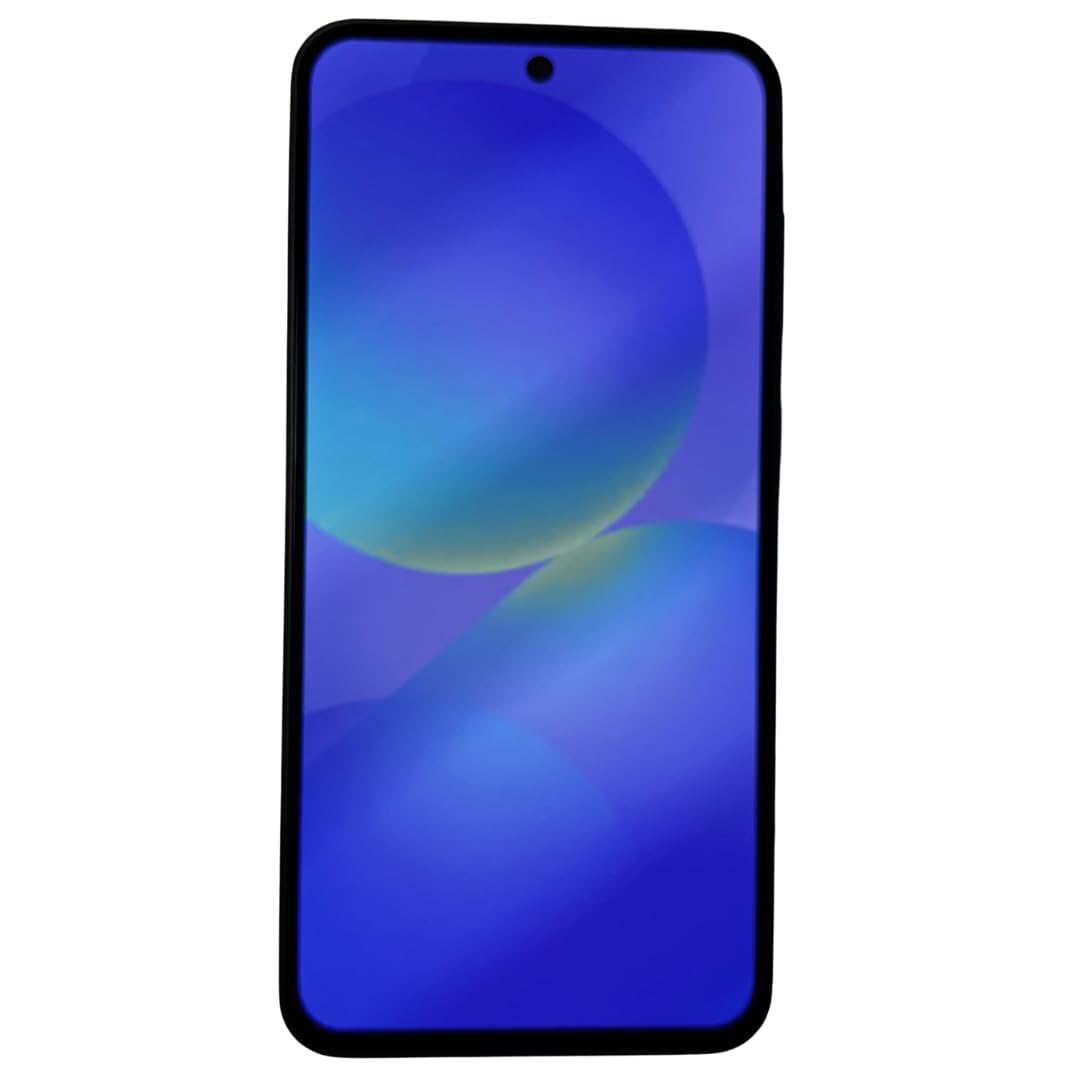
The Galaxy A36 5G is the most balanced mid-range phone Samsung has released in years. The 6.7-inch FHD+ Super AMOLED panel with a 120Hz refresh rate is bright, color-accurate, and buttery smooth — it rivals the display quality of phones costing twice as much. The Snapdragon 6 Gen 3 chipset provides snappy app loading and smooth multitasking, and the 8GB of RAM ensures you won’t see aggressive background app killing.
Its 50MP main camera produces detailed, well-saturated photos in good light, and the 5MP macro lens actually functions better than most budget macro sensors. The 5,000mAh battery delivers a consistent full day of use, and the included 25W fast charger in the bundle is a welcome bonus. The IP67 dust and water resistance means rain and splashes are no concern, and One UI 7 on top of Android 15 is clean, customizable, and gets regular security patches.
The catch is carrier compatibility: this international model lacks mmWave 5G and may not activate properly on Verizon’s network or MVNOs like Spectrum and Xfinity. It works flawlessly on T-Mobile and most global GSM carriers, but US buyers should verify their carrier’s IMEI policy before purchasing. For T-Mobile and AT&T customers, this is arguably the best pure value proposition in the list.
Why it’s great
- Outstanding 6.7″ 120Hz AMOLED display for the price
- IP67 protection is rare at this tier
- Bundle includes a 25W fast charger
Good to know
- International model may not work on Verizon or US MVNOs
- No eSIM support
5. Google Pixel 7

At its current price point, the Pixel 7 offers one of the best camera systems ever available on a sub- phone. The 50MP main sensor, combined with Google’s computational photography magic, delivers photos with natural skin tones, excellent dynamic range, and stunning low-light performance that still competes with phones released two years later. The 8x Super Res Zoom is usable for framing faraway subjects, and Magic Eraser is genuinely useful for removing photobombers.
The 6.3-inch 90Hz AMOLED display is crisp, vibrant, and bright enough for comfortable outdoor use. The Tensor G2 chip handles day-to-day tasks, social media, and even light gaming (CoD Mobile at smooth settings) without complaint. The 24-hour battery life claim holds up for moderate usage, and the IP68 water resistance means you can confidently use it in the rain. The clean, bloat-free Android experience with guaranteed updates through Android 16 is a massive advantage over budget competitors.
The Pixel 7’s downsides include a finicky under-display fingerprint sensor that requires precise placement and slightly warm hands, and the lack of a telephoto lens means portrait shots rely on cropping. The Tensor G2 also falls behind Snapdragon 8-series chips in sustained 3D gaming performance. For a camera-first, everyday smartphone that’s genuinely affordable, the Pixel 7 remains a brilliant choice.
Why it’s great
- 50MP camera with class-leading computational photography
- Clean, bloat-free Android with guaranteed updates
- IP68 water resistance for true peace of mind
Good to know
- Fingerprint sensor can be inconsistent
- Gaming performance lags behind Snapdragon rivals
6. Google Pixel 5

The Pixel 5 is a love letter to anyone who feels modern phones have become unwieldy tablets. At 6.0 inches, it’s the smallest 5G phone on this list, yet it packs a 90Hz OLED display, wireless charging, reverse wireless charging, IP68 water resistance, and the best software experience Google has ever shipped. The aluminum unibody with a bio-resin coating feels solid and lightweight in the hand — a stark contrast to the glass bricks dominating the market.
The rear ultrawide camera delivers excellent daytime shots with Google’s signature HDR+ processing, and Night Sight works admirably in low light despite the older sensor. The 4,080mAh battery is smaller than modern phones, but the efficient Snapdragon 765G chipset still delivers a reliable day of use. Three years of OS updates have passed, but the phone still receives security patches and runs Android 14 smoothly without any major lag. The rear fingerprint sensor is faster and more reliable than any in-display unit in this class.
The Pixel 5 is starting to show its age: the speakers are mediocre, the haptics are average, and the under-display earpiece can make calls sound slightly muffled. Heavy gaming is not its strong suit. But for someone who values a compact, comfortable, IP68-rated phone with clean Android and a great camera, the Pixel 5 is still a fantastic entry-level 5G option.
Why it’s great
- Perfect compact size for one-handed use
- Wireless and reverse wireless charging
- Rear fingerprint sensor is instant and reliable
Good to know
- Under-display earpiece degrades call audio quality
- No telephoto camera and not for heavy gaming
7. Xiaomi Redmi Note 15 5G
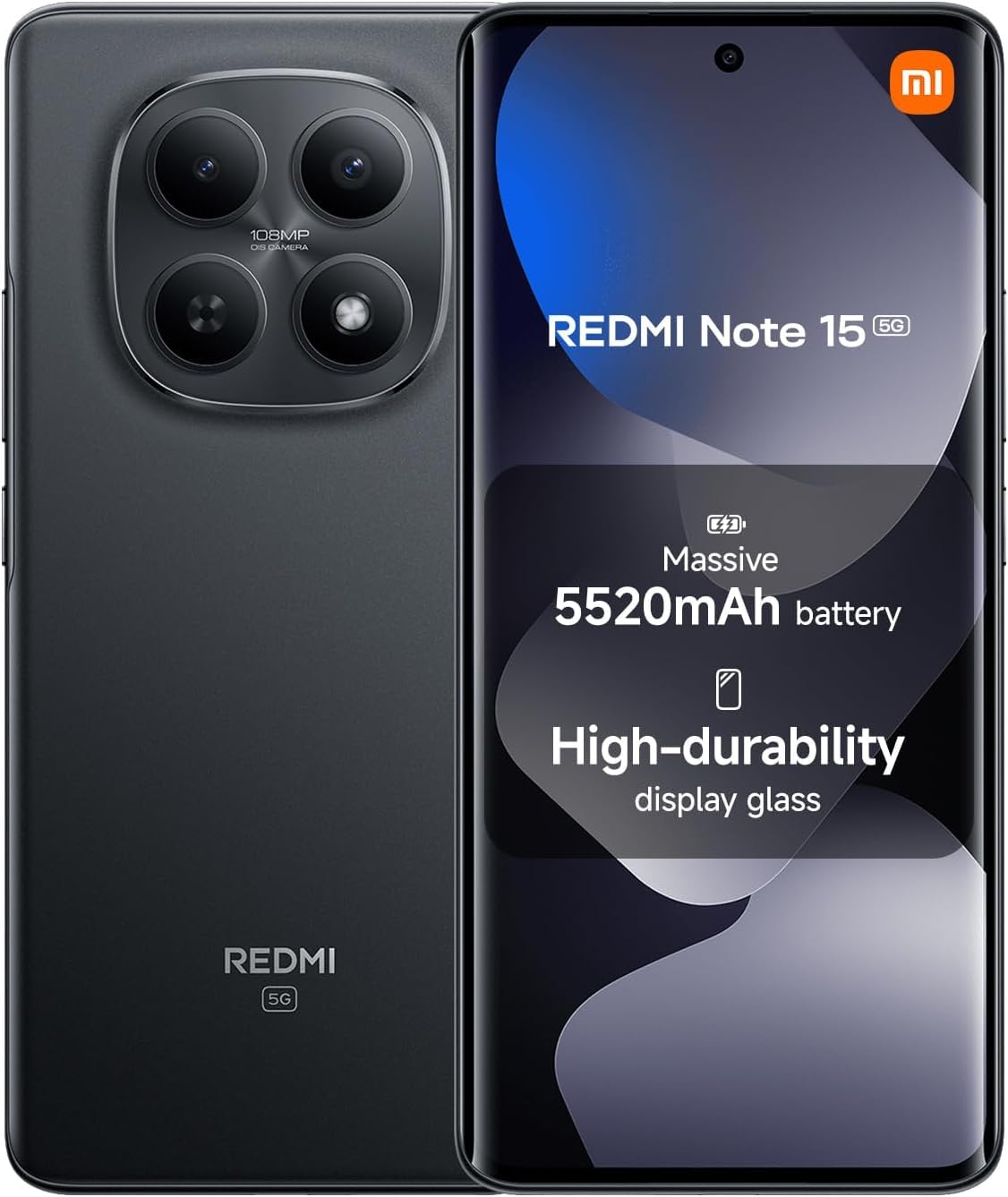
This is the phone that makes you question why anyone spends on a smartphone.
The display is genuinely impressive — the 3840Hz PWM dimming reduces eye strain significantly during nighttime use, and the 120Hz refresh rate makes scrolling through feeds and menus feel fluid. The 108MP camera, when using the pixel-binned 12MP mode by default, captures detailed and well-exposed shots in good lighting. The Snapdragon 6 Gen 3 handles social media, video streaming, and casual gaming without hiccups, and the 5,520mAh battery easily pushes two days on a single charge with moderate use.
The critical caveat is network compatibility in the US: this phone lacks mmWave 5G support and is confirmed to work only on T-Mobile and its MVNOs (Mint, Tello). It will not properly activate on Verizon or AT&T’s core networks. The speaker is treble-heavy and lacks bass, requiring Bluetooth earbuds for a pleasant audio experience. HyperOS also includes some pre-installed ad recommendations. If you’re on T-Mobile and want the absolute most hardware for your money, this is the king of budget 5G.
Why it’s great
- Massive 5520mAh battery with 45W charging
- 108MP camera and 3200-nit display are class-unique
- 256GB storage standard at a rock-bottom price
Good to know
- US carrier compatibility limited to T-Mobile networks only
- Speaker quality is bass-deficient; use Bluetooth audio
FAQ
Will an international 5G phone work on Verizon or AT&T?
How important is an eSIM on an affordable 5G phone?
Can an affordable 5G phone handle heavy gaming like Genshin Impact?
Final Thoughts: The Verdict
For most users, the best affordable 5g smartphones winner is the Samsung Galaxy A56 5G because it offers the most complete package — premium metal build, a stunning 120Hz AMOLED display, 45W charging, IP67 protection, and six years of software updates at a price that undercuts everything else with similar specs. If you want the absolute best camera and longest software support, grab the Google Pixel 10a. And for T-Mobile users who want maximum raw hardware per dollar, nothing beats the Xiaomi Redmi Note 15 5G.