
Our readers keep the lights on and my morning glass full of iced black tea. As an Amazon Associate, I earn from qualifying purchases.
Specs are compiled from manufacturer listings and verified buyer reviews and can change over time — please confirm the key details on the product page before buying.
Juggling a work number and a personal line on one phone used to mean paying a premium or carrying two devices. These days, you can get a dual SIM phone that handles both without draining your wallet. The trick is knowing which specs matter and which are just marketing fluff.
I’m Min — the founder and writer behind Gadgets Feed. This guide is built by comparing the manufacturers’ published specifications and the patterns across verified customer reviews, so you get each pick’s real strengths and trade-offs instead of marketing spin.
We have sorted through the current crop of budget-friendly phones to find five that actually deliver on their promises, from battery life to camera quality, to bring you the definitive rundown on the best affordable dual sim phones
Quick Picks
- Motorola Moto G Stylus 5G (2024) — Top Performer
- Xiaomi Redmi Note 14 Pro 5G — Camera King
- SAMSUNG Galaxy A56 5G — Samsung Ecosystem
- Motorola Moto G86 Dual-SIM — Sharpest Display
- Samsung Galaxy A16 4G LTE — Budget Champ
How To Choose The Best Affordable Dual SIM Phone
Finding a phone that works on two networks while staying affordable means looking past the price tag and focusing on what you actually use daily. Here are the key areas to check first.
Display Quality: What You Look At All Day
The screen is the part of the phone you interact with most, so its type matters more than a big spec number. A Super AMOLED or P-OLED display gives you deep blacks and vibrant colors, making everything from texts to videos look punchy, even in sunlight. Look for a screen with a pixel density above 390 pixels per inch (PPI) for text that stays sharp. A 90Hz or 120Hz refresh rate (how many times the image updates per second) makes scrolling feel smoother.
Battery Capacity: Your Lifeline for Two Lines
Running two SIMs can drain the battery faster than a single line because the phone is constantly communicating with two networks. A battery capacity of 5000 milliamp hours (mAh) is the balance for getting through a full day of mixed use without hunting for a charger. Fast charging support, like 30W or 45W TurboPower, can top you up in minutes if you do run low.
Performance and Storage: The Engine Room
A phone’s processor (the chip that runs everything) and RAM (the memory for active tasks) determine how snappy the phone feels when you jump between apps. An octa-core processor (meaning it has eight cores to handle tasks) paired with at least 6GB of RAM is a solid baseline for smooth multitasking on two numbers. Storage matters too — 128GB is the minimum for apps and photos, and a microSD card slot lets you add more cheaply.
Quick Comparison
On smaller screens, swipe sideways to see the full table.
| Model | Best For | Display Type | Battery (mAh) | Storage / RAM | Amazon |
|---|---|---|---|---|---|
| Motorola Moto G Stylus 5G (2024) | Built-in stylus and media | 6.7″ pOLED | 5000 | 128GB / 8GB | $169.99$179.99Amazon |
| Xiaomi Redmi Note 14 Pro 5G | Camera and fast charging | 6.67″ AMOLED | 5500 | 256GB / 8GB | $285.00Amazon |
| Samsung Galaxy A56 5G | Samsung ecosystem and water resistance | 6.7″ Super AMOLED | 5000 | 256GB / 8GB | $399.04Amazon |
| Motorola Moto G86 Dual-SIM | Sharp P-OLED display and value | 6.67″ P-OLED | 5100 | 256GB / 8GB | $232.50Amazon |
| Samsung Galaxy A16 4G LTE | Everyday basics and a large screen | 6.7″ Super AMOLED | 5000 | 128GB / 4GB | $136.99Amazon |
In‑Depth Reviews
1. Motorola Moto G Stylus 5G (2024)

The rare phone that adds a pen without asking you to sell a kidney for it.
Most phones at this level do not even come with a case, let alone a tool for sketching and note-taking. The Moto G Stylus 5G includes a built-in stylus with updated software so you can jot notes or edit photos without grabbing a separate gadget. It backs that trick up with a 6.7-inch pOLED display and Dolby Atmos sound, giving you vibrant colors and multidimensional audio whether you are watching a movie or on a video call.
The camera system uses a 50MP sensor with Optical Image Stabilization (OIS), which physically steadies the lens to reduce blur in low-light photos and videos. Buyers report the in-screen fingerprint sensor is responsive, and the vegan leather finish on the back feels nicer than most glass-backed phones at twice the price. On battery, it packs a 5000mAh cell with 30W TurboPower charging that owners mention “ends day at 30-40% with 80% charge”, so heavy users get through a full day easily.
Unlike the Xiaomi Redmi Note 14 Pro below, this phone sticks with a standard 50MP main camera (which one reviewer called “average” for everyday photos), so if absolute camera quality is your priority, that Xiaomi edges ahead. But for a phone that works with two SIMs, handles a day of work, and keeps a stylus in the frame, this Moto is the most versatile package here.
Why It Stands Out
- Built-in stylus for notes and sketches, no add-on needed
- pOLED display with Dolby Atmos for rich media playback
- 5000mAh battery with 30W fast charging keeps you going
The Trade-Offs
- Main camera is functional but not top-tier for low light
- Built-in Gemini AI is hard to disable for some users
Best for: Anyone who wants a stylus for quick notes or light creative work without paying flagship prices.
Consider the alternative if: Camera quality in everyday lighting is your top priority — the Xiaomi Redmi Note 14 Pro shoots better.
2. Xiaomi Redmi Note 14 Pro 5G
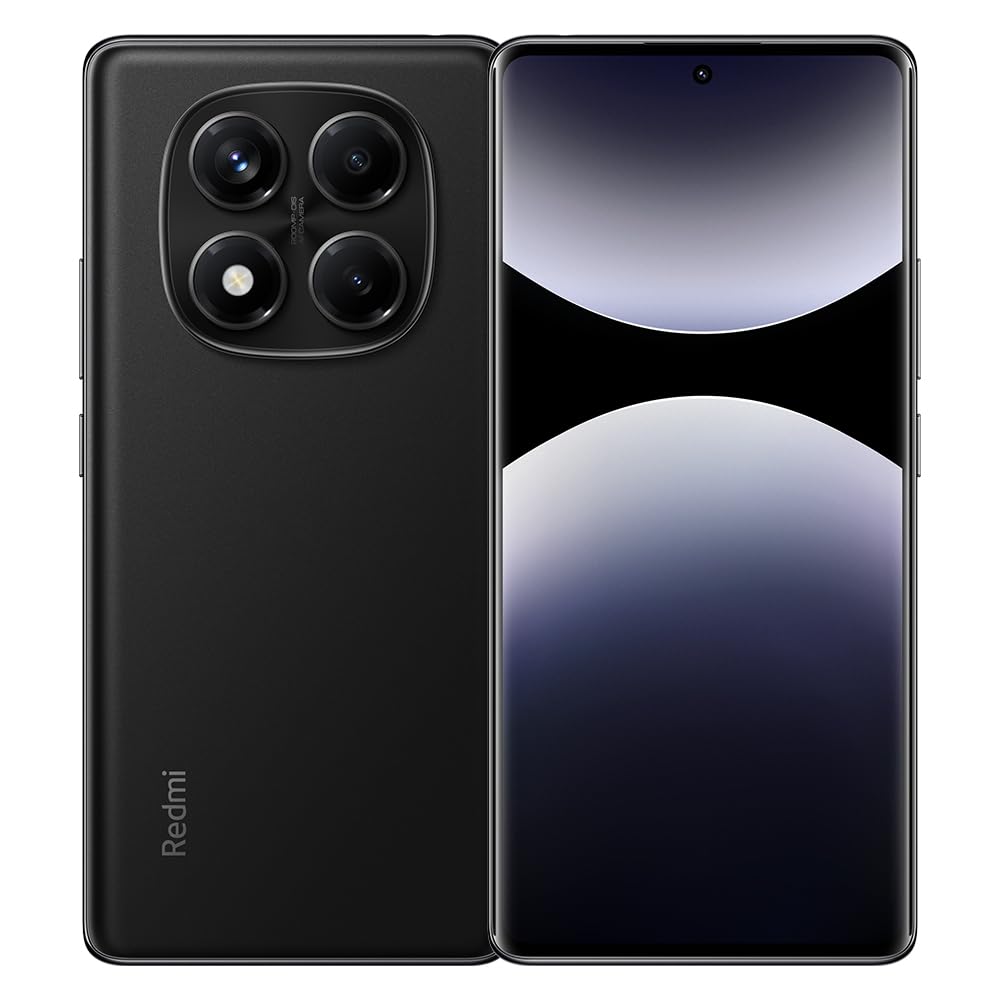
A crazy 200MP camera and a huge battery for the price you usually pay for a mid-ranger.
The headline number here is the 200MP main camera (with a 1/1.4-inch sensor and f/1.65 aperture), which lets in a lot of light and combines pixels with 16-in-1 binning into one large 2.24μm pixel for sharper shots in dim conditions. It is backed by a MediaTek Dimensity 7300-Ultra octa-core processor (up to 2.5GHz) and a 6.67-inch CrystalRes AMOLED display with a 120Hz refresh rate and 3000 nits peak brightness, meaning it stays readable even under direct sun.
The battery is the biggest in this lineup at 5500mAh, and it includes a 45W wall adapter in the box — the only pick here that does. Customers note it “lasts days, charges fast”, and one user ran three tracking apps and GPS on a six-hour hike and still had juice left. The 395 pixels per inch (PPI) display is noticeably less dense than the Moto G86’s 446 PPI, so text is slightly less razor-sharp, but the trade-off is a brighter screen and a more powerful rear camera.
A couple of owners mention the phone randomly shuts off when the battery is full, and the basic case is thin. But for a dual SIM phone with this much camera hardware and battery stamina, the Xiaomi Redmi Note 14 Pro is tough to top on specs per dollar.
What You Get
- 200MP main camera with OIS for detailed, low-light shots
- 5500mAh battery with 45W fast charger included
- 6.67-inch 120Hz AMOLED display at 3000 nits peak brightness
Keep In Mind
- No microSD slot — storage is fixed at 256GB
- Some units reported random shutdowns
Reach for this if: You take a lot of photos and want the best camera hardware in this price range.
Look elsewhere if: You need expandable storage or a guaranteed glitch-free experience from the start.
3. SAMSUNG Galaxy A56 5G
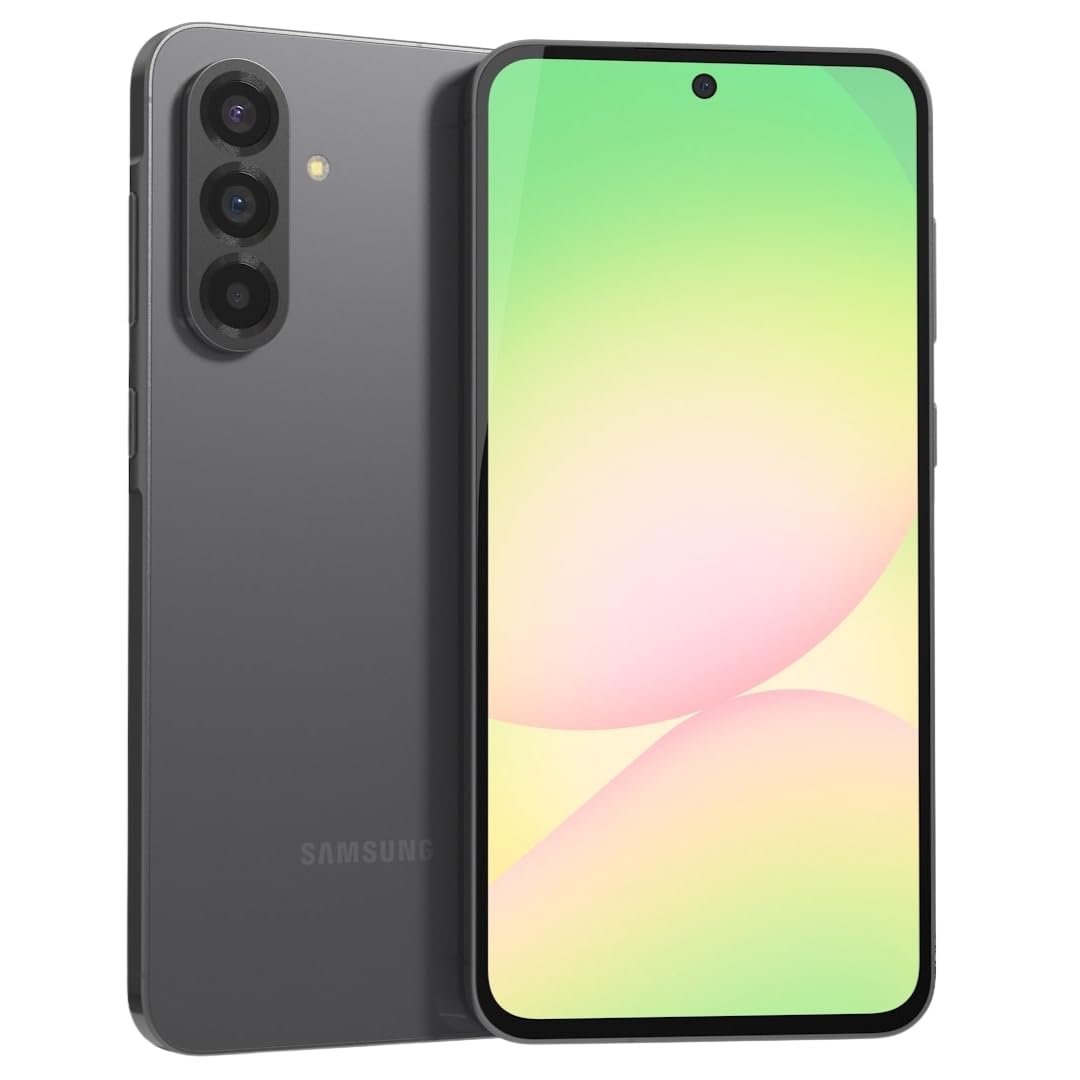
Samsung’s mid-range phone that adds water resistance and long-term software support.
If you value a clean, consistent software experience and the promise of years of updates, the Galaxy A56 5G is the pick. It runs Android 15 with One UI 7 and is guaranteed up to six major Android upgrades, which is rare at this level. The 6.7-inch FHD+ Super AMOLED display runs at 120Hz, making scrolling feel fluid, and supports HDR10+ for better contrast in supported content.
An IP67 rating means it is dust-tight and can survive being submerged in up to 1 meter of water for 30 minutes, a feature the other picks lack. The camera array is a triple setup with a 50MP main (f/1.8), 12MP ultrawide, and a 5MP macro. Reviewers point out it takes “beautiful and clear videos and pictures,” though one reviewer noted the screen brightness is poor in direct sun. It also packs a 5000mAh battery and comes with a 25W charger in the bundle.
Compared to the Moto G86 below, the Galaxy A56 has a lower pixel density (408 PPI vs 446 PPI) and no expandable storage (no SD card slot), so you are locked into the 256GB internal. But for those who want Samsung’s ecosystem, long update support, and water resistance in one dual SIM package, it is the most future-proof option here.
Key Strengths
- IP67 water and dust resistance adds real durability
- Up to 6 major Android updates for long-term use
- 120Hz Super AMOLED display with HDR10+ support
Limitations
- No microSD card slot for storage expansion
- Screen brightness reported as poor in direct sunlight
Choose this for: Long-term software support and water resistance in a dual SIM phone.
skip it if: You need expandable storage or use your phone outdoors in strong sunlight regularly.
4. Motorola Moto G86 Dual-SIM
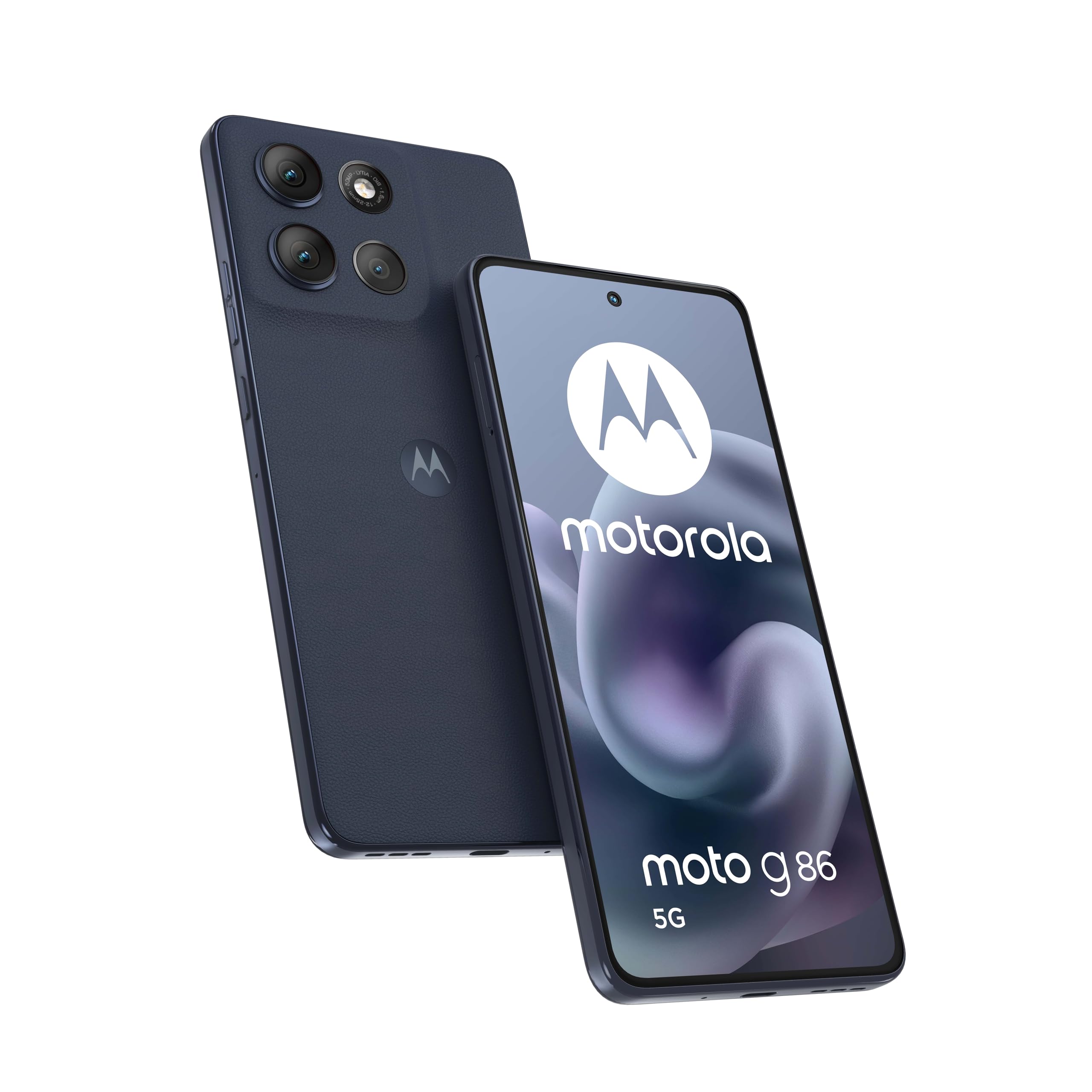
The screen geek’s choice — highest pixel density in this list for razor-sharp text and images.
The Moto G86 is built around arguably the best display in this price bracket. Its 6.67-inch P-OLED panel (1B colors, 1220 x 2712 pixels) hits 446 Pixels Per Inch (PPI), versus the Samsung Galaxy A16’s 385 PPI display, so reading small text or looking at fine details in photos feels noticeably sharper. Under the hood, it runs on a MediaTek Dimensity 7300 octa-core processor (4nm) with 8GB of RAM and 256GB of internal storage, plus a dedicated microSD slot for expansion — a rare combo.
The phone body is slim at just 7.8 mm and light at 185g (6.53 oz), making it comfortable to hold for long stretches. The rear camera is a dual setup: a 50MP main with OIS and an 8MP ultrawide with autofocus, plus a 32MP front-facing shooter. Shoppers say the “battery lasts all day on light use, ~14hrs heavy (80% cap)” and call it a “great value.” The single real downside one reviewer flagged is a poor speaker — notification and ringer sounds can be inconsistent, so you might miss a call in a noisy room.
It also beats the Galaxy A56 on battery — 5100mAh here vs 5000mAh there — and includes 256GB of storage over the A16’s 128GB. For anyone who reads a lot on their phone or wants sharp visuals without the premium price, this Moto is the display champion among these picks.
Display Champion
- Highest PPI at 446 for the sharpest text and images
- 256GB storage with dedicated microSD expansion slot
- Lightweight at 185g despite the large screen
The Catch
- The single speaker is poor — notification sounds are inconsistent
- Camera is decent in good light but not exceptional
Pick this if: You want the sharpest display and lots of storage for under.
Consider something else if: A loud speaker for calls and notifications is a must-have.
5. Samsung Galaxy A16 4G LTE

The cheapest way to get a big Super AMOLED screen and a 5000mAh battery in a dual SIM phone.
For the lowest outlay in this list, you get a 6.7-inch Super AMOLED display with a smooth 90Hz refresh rate (more fluid than the standard 60Hz), a 50MP triple camera setup, and a 5000mAh battery that keeps the phone running all day. The 385 PPI pixel density is lower than the rest of the phones here, but the Super AMOLED technology still delivers punchy colors and deep blacks that look richer than a standard LCD.
The catch is performance: with only 4GB of RAM and a 4G chipset, multitasking between messaging apps, calls, and social media can slow down. Some buyers report “many times it freezes and takes a while to start up,” and apps may shut down randomly under moderate load. It also does not support eSIM, and no charger is included in the box, so you will need to supply your own USB-C power brick.
If you are buying this as a secondary phone or a lightweight daily driver for calls and basic apps, the Galaxy A16 is a strong value. But if you plan to game, run heavy apps, or keep the phone for years, the extra money for the Moto G86 or the Galaxy A56 will earn itself back in smoothness and longevity.
What Works
- Large 6.7-inch Super AMOLED screen with 90Hz refresh
- 5000mAh battery for all-day use
- Excellent value if you need basic dual SIM capability
Where It Falls Short
- Only 4GB of RAM leads to freezing and slow app loading
- No charger included in the box
Best for: A rock-bottom entry point into dual SIM with a big screen and great battery life.
Not for: Anyone who needs smooth multitasking or intends to run demanding apps — the 4GB RAM will frustrate.
Understanding the Specs
Pixel Density (PPI)
Pixels Per Inch tells you how sharp text and images look on the screen. A higher number means less visible pixelation. Aim for at least 390 PPI for crisp text; the Moto G86 leads here at 446 PPI, while the Galaxy A16 sits at a lower 385 PPI.
Battery Capacity (mAh)
Milliamp hours (mAh) is a measure of how much charge your phone can store. Running two SIMs uses more power because the phone maintains constant connection to two networks. A 5000mAh battery is the baseline for all-day dual SIM use; 5500mAh (like in the Xiaomi Redmi Note 14 Pro) gives you a comfortable buffer for heavy days.
Display Refresh Rate (Hz)
This number measures how many times per second the screen updates its image. A 60Hz display is standard, but 90Hz or 120Hz makes scrolling through feeds and lists feel much smoother and more responsive. Most affordable dual SIM phones now offer at least 90Hz.
Storage and RAM
Storage is where your photos and apps live; 128GB is the minimum for a modern phone. RAM (random access memory) affects how many apps you can keep open at once without slowdown. For dual SIM users who switch between maps, messaging, and calls, 6GB or 8GB of RAM prevents the phone from feeling sluggish.
FAQ
What does dual SIM mean on a phone?
Can I use two WhatsApp accounts on a dual SIM phone?
Will a 4G dual SIM phone still get 5G service with one SIM?
Does dual SIM drain the battery faster?
Can I use a dual SIM phone with two different carriers?
What is the difference between Dual SIM Standby and Dual SIM Active?
Can I use a microSD card and two SIMs at the same time?
Do any of these phones work on Verizon or Cricket Wireless?
Is the Samsung Galaxy A16 the same as the US model?
How long should I expect these dual SIM phones to last?
Final Thoughts: The Verdict
For most people, the best affordable dual sim phone is the Motorola Moto G Stylus 5G because it delivers a unique built-in stylus, a gorgeous pOLED screen, and reliable all-day battery life without compromise. If you want the sharpest possible display and plenty of storage, grab the Motorola Moto G86 Dual-SIM. And for the best camera hardware in this bracket, the standout is the Xiaomi Redmi Note 14 Pro 5G.
How We Picked
We do not accept paid placement, and we did not hands-on test every unit. Instead, we match each pick to a real buyer and use-case by comparing the manufacturers’ published specifications against the patterns in verified customer reviews — so you get each pick’s real strengths and trade-offs instead of marketing copy.
Sources & Methodology
Specifications: manufacturer listings and product documentation. Review insights: verified customer reviews, as of July 2026. Pricing: not shown on this page (it changes often); check the current price via the retailer link.
As an Amazon Associate, Gadgets Feed earns from qualifying purchases. This does not affect which products we feature.
Product prices and availability are accurate as of the date/time indicated and are subject to change. Any price and availability information displayed on Amazon at the time of purchase will apply to the purchase of this product. As an Amazon Associate I earn from qualifying purchases.
CERTAIN CONTENT THAT APPEARS ON THIS SITE COMES FROM AMAZON. THIS CONTENT IS PROVIDED "AS IS" AND IS SUBJECT TO CHANGE OR REMOVAL AT ANY TIME.
Amazon and the Amazon logo are trademarks of Amazon.com, Inc. or its affiliates.