
Our readers keep the lights on and my morning glass full of iced black tea. As an Amazon Associate, I earn from qualifying purchases.
Specs are compiled from manufacturer listings and verified buyer reviews and can change over time — please confirm the key details on the product page before buying.
A low price doesn’t have to mean dull, bitter, or dusty matcha. In reality, a budget-friendly tin can absolutely deliver the vibrant green color and smooth, vegetal sweetness you want from a proper cup of tea — you just have to know which grade fits your ritual and which ones are really meant for baking and smoothies rather than sipping.
I’m Min — the founder and writer behind Gadgets Feed. This guide is built by comparing the manufacturers’ published specifications and the patterns across verified customer reviews, so you get each pick’s real strengths and trade-offs instead of marketing spin.
This guide helps you find the best affordable matcha for your ritual, whether you’re a beginner or a daily drinker.
Our Picks at a Glance


How To Choose The Best Affordable Matcha
The grade on the label determines whether your matcha suits sipping or blending. Before you compare tins, figure out whether you are whisking a straight cup of tea or blending a latte, because a culinary-grade powder that shines in a smoothie will taste harsh when you sip it alone with hot water.
Match the grade to your ritual
Ceremonial grade is the highest tier, made from the youngest shade-grown leaves and ground into a powder fine enough to whisk into a smooth, sweet cup with no grit. Culinary grade is bolder and more astringent, designed to hold its flavor when you mix it with milk, flour, or ice — so it suits baking and blended drinks far better than a traditional tea bowl.
Check the per-serving math, not just the price
A small premium tin can actually cost less per cup than a huge budget canister if you only use half a teaspoon at a time. With 1–2 grams per serving, a 1-ounce pouch yields a dozen drinks, while a 16-ounce tin lasts months.
Quick Comparison
| Model | Best For | Weight | Grade | Origin | Amazon |
|---|---|---|---|---|---|
| The Republic of Tea Ceremonial★ Best Overall | Traditional whisked cups | 1.5 oz | Ceremonial | Japan | Amazon |
| Jade Leaf Organic CulinaryAlso Great | Daily lattes & smoothies | 3.53 oz | Culinary | Japan | Amazon |
| Rishi Everyday MatchaValue Daily | Casual daily tea | 1.05 oz | Everyday | Japan | Amazon |
| PANATEA Culinary Grade | Bulk baking & smoothies | 16 oz | Culinary | Organic | Amazon |
| MatchAiA Culinary Grade | Everyday lattes | 12.3 oz | Culinary | Japan | Amazon |
| Midori Spring Ceremonial Gold | Smooth sipping tea | 1.06 oz | Ceremonial | Japan | Amazon |
| FKRO Okumidori Ceremonial | Single-cultivar purity | 1 oz | Ceremonial | Japan | Amazon |
| Ocha & Co. Shizuoka Ceremonial | Organic daily value | 3.5 oz | Ceremonial | Japan | Amazon |
| Naoki Fragrant Yame | Sweet ceremonial sip | 3.5 oz | Ceremonial | Japan | Amazon |
In‑Depth Reviews
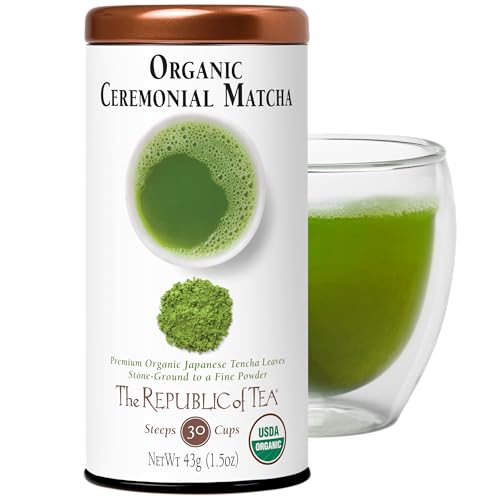
1. The Republic of Tea Organic Ceremonial Matcha Powder
Our pick — over 4.5★ from 600+ verified ratings; the strongest balance of quality and price.
A true ceremonial cup that proves budget matcha can still taste authentic
This is the pick for purists who want the real whisked-tea experience without paying premium-tier prices. The Republic of Tea stone-grinds organic Japanese tencha leaves into a fine powder that whips into hot water just before boiling, producing a smooth, vegetal sweetness with no astringency. That traditional preparation is exactly why buyers call it clean and not grassy.
The flavor is the headline here — it is what wins people over, with dozens of owners praising the authentic taste and bright green color. Owners mention it blends easily and tastes great with almost any nut milk, and the general sentiment is that it is a great value since matcha is generally expensive. At 1.5 ounces, the tin is compact, but the ceremonial quality justifies the footprint.
The honest trade-off is the size. A few owners note the amount feels small for the price, even while calling it excellent matcha, and the aroma draws mixed reactions — some love it, some find it unpleasant. If you drink matcha every single day, this small ceremonial tin will run out faster than a bulk culinary pouch, so weigh your ritual against your budget.
What wins people over
- Authentic ceremonial taste with no astringency
- Blends smoothly into nut milks
- Bright green color
What to weigh first
- Small 1.5-ounce tin for the price
- Aroma is a mixed reaction, not universal
Best for: the ceremonial purist who sips matcha occasionally and wants authentic, smooth flavor over bulk quantity.
Not for: heavy daily drinkers who will burn through a small tin in a couple of weeks.
2. Jade Leaf Matcha Powder, Organic Culinary Grade
The crowd favorite that turns your kitchen into a latte bar for pocket change
If you drink matcha daily, this is the tin that makes the habit affordable. Jade Leaf’s culinary grade comes in a 3.53-ounce pouch, and the brand’s own math says half a teaspoon per cup stretches it to roughly 225 full-sized lattes — so the per-cup cost lands far below any coffee shop pour. Buyers report it blends without clumps and tastes fresh, with a fine texture that signals quality.
The real selling point is how forgiving it is in a cup. Buyers describe it as delicious and not bitter, and it holds up beautifully in lattes, smoothies, and baked goods alike. The maker sources it directly from the Uji and Kagoshima tea fields of Japan and certifies it USDA Organic, gluten-free, and vegan, so you are not trading quality for the lower price tag.
No product is perfect, though. The value-for-money conversation here is genuinely mixed — some owners feel the pouch is small for the price, while others argue the quality justifies it and point out that a little goes a long way. If you want a straight ceremonial cup whisked with just hot water, this culinary grade is not the right pick; it is built for milk, ice, and batter instead.
Why it wins: the thing everyone raves about is the quality — thousands of owners single it out — and the smooth, clump-free mixing makes it the easiest daily driver here.
Reach for this if: you want one affordable powder that handles lattes, smoothies, and baking without a bitter aftertaste.
Look elsewhere if: you only sip traditional whisked tea and want a ceremonial-grade profile instead.
3. Rishi Tea Everyday Matcha Organic Green Tea Powder
The no-fuss tin that makes a clean everyday latte without chalk or bitterness
Rishi positions this as the matcha for people who want a reliable daily cup, and the reviews back that up loudly. Customers note a pleasant taste with no chalky or bitter aftertaste, a vibrant green color, and a clean finish. It is the go-to choice for many who make lattes at home and want cafe-quality results without a ceremonial price tag.
The practical details matter here. A single teaspoon whisked with 2 ounces of 175°F water plus milk makes a light latte, and the small 1.05-ounce tin yields roughly a dozen drinks according to owners. It is bright and fresh-smelling, stores well without oxidizing, and even works as a cake topper — so it pulls double duty in the kitchen. At 1.05 ounces, it is lighter than The Republic of Tea’s 1.5-ounce tin, so it is a touch more compact for a first try.
Flavor-wise, expect a bit more earthiness than ceremonial grades. Reviewers point out it is slightly bitter or astringent when drunk solo, but mellowed nicely with maple syrup and dairy-free milk. The consensus is that this is above grocery-store quality and affordable for daily use — just understand it is an everyday grade, not a smooth ceremonial sip straight from the bowl.
Everyday winner: taste is the most-praised trait, and the clean, non-chalky finish makes it the easiest latte base in this lineup for the money.
Choose this if: you want a no-fuss daily latte powder that mixes clean and never tastes gritty.
Think twice if: you prefer drinking matcha straight with hot water and want maximum smoothness.
4. PANATEA Certified Organic Matcha Green Tea Powder

A pound of organic matcha that lasts for months and rewards heavy kitchen users
For sheer volume, nothing here touches PANATEA. This is a 16-ounce tin of certified organic culinary-grade matcha — a full pound of powder that dwarfs the 1.05-ounce Rishi tin by a 15.2x margin. Owners consistently describe it as long-lasting and a great deal, with a strong, energy-giving drink that makes it a real bargain for the cost. If you bake, blend smoothies, or drink matcha every morning, this is the tin that ends the reordering cycle for a long while.
The quality earns strong praise — it is the most-mentioned positive aspect, with dozens of buyers calling it refined and delicious. The aroma is another highlight that owners appreciate. Even people who admit they dislike the taste of matcha find a use for it, mixing it with lemon juice and drinking it straight for the health benefits, which tells you the powder itself is clean and versatile.
The catch is that this is a culinary grade, not a sipping grade. Taste and blendability both draw mixed reviews — some find it delicious, others find it bland, and a few note a chalky consistency when mixing. One owner even says it is not ideal for straight matcha tea but excellent for smoothies and culinary uses. Buy this for the kitchen, not for a refined ceremonial bowl.
Where it dominates
- Huge 16-ounce tin lasts months
- Strong, energetic drink
- Great price for the volume
Where it falls short
- Not ideal for straight ceremonial tea
- Mixability and taste are mixed
Grab this if: you want the lowest cost per gram for baking, smoothies, and daily blended drinks.
skip it if: you plan to whisk a traditional cup of tea and want a smooth, refined sip.
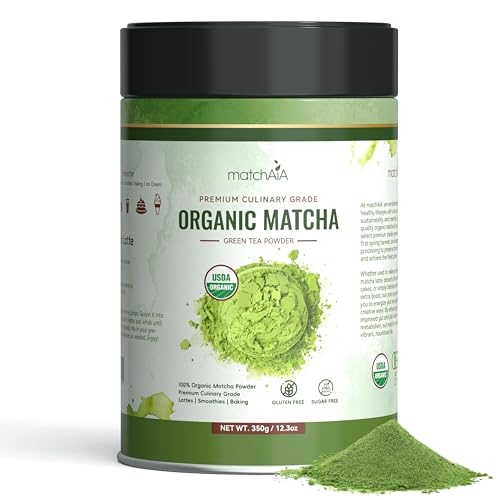
5. MatchAiA Organic Matcha Powder, Premium Culinary Grade
An earthy everyday matcha that blends into lattes without punishing your wallet
MatchAiA splits the difference between bulk value and drinkable quality. This culinary-grade powder comes in a generous 12.3-ounce tin from a 14,000-acre USDA-certified organic tea garden, and it is processed with traditional stone-grinding to preserve freshness. Buyers describe the taste as earthy and yummy, not bitter or grassy, and they appreciate how well it blends with a whisk or frother for daily lattes.
Value is a strong suit here — it is the second most-praised aspect, with owners calling it good value for money and the best bang for the buck. The powder dissolves easily into a smooth, creamy texture with a nice color, and it holds up well in matcha-coffee lattes and protein shakes alike. One owner even keeps a full-strength batch in the fridge to add to hot and iced ginger tea through the day.
There are two honest caveats. First, the tin’s size draws mixed feedback — some owners wish the container were bigger, even though the 12.3-ounce weight is substantial. Second, this is not ceremonial grade, so it clumps if you do not sift it first, and the flavor leans earthy rather than delicately sweet. You are buying a great daily latte base, not a delicate ceremonial experience.
The verdict: taste is what owners praise most, and the earthy, non-grassy profile makes it a reliable everyday latte workhorse at a sensible price.
Ideal for: daily latte drinkers who want a big tin of organic culinary matcha that mixes cleanly.
Not ideal for: ceremonial purists who want a delicate, sweet whisked cup.
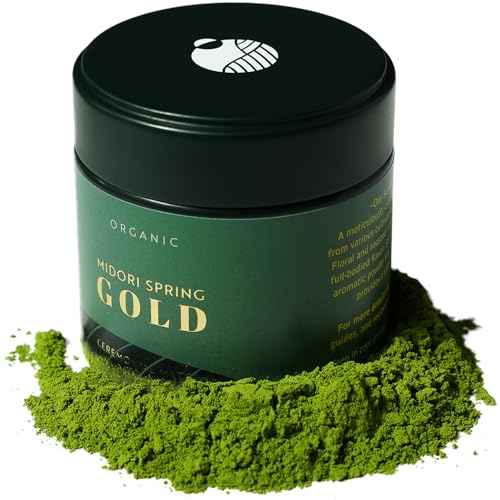
6. Midori Spring Organic Ceremonial Grade Matcha Gold
The smoothest ceremonial sip in this lineup, with a creamy texture that converts coffee drinkers
Midori Spring’s Gold blend is the tin that people switch to when they want the finest ceremonial experience without chasing ultra-premium prices. It uses a 1st harvest (1st flush) from the Kagoshima region, shade-grown and ground by a Mikage Stone Mill into a delicate powder. The result, according to owners, is a bright green cup with a floral aroma, a smooth slightly roasted flavor, and a creamy texture that mixes well in both hot and cold water.
Taste is the dominant praise here — it is by far the most-mentioned aspect, and the recurring theme is that this matcha is less bitter than other varieties. Buyers describe it as the smoothest option they have tried, with no earthy aftertaste, and they report clean, sharp energy without jitters or crashes. The maker also tests it routinely and it carries USDA Organic, Vegan, and Whole30 Approved credentials, which reassures daily drinkers.
Two things to note. The value-for-money conversation is mixed — many owners feel it is well worth the price for the quality, while others find the small 1.06-ounce tin expensive. And the packaging is a recyclable tin with a pull top, with the maker recommending fridge storage after opening for best freshness. If you want a top-tier ceremonial cup and accept the premium per-ounce cost, this delivers.
Why owners stay loyal
- Smoothest, least bitter flavor
- Mixes creamy in hot or cold water
- Certified organic, vegan, and Whole30
The honest trade-off
- Small 1.06-ounce tin at a premium price
- Value is a mixed call depending on budget
Choose this if: you want a smooth, sweet ceremonial cup and are willing to pay a bit more per ounce for quality.
Think twice if: you need bulk volume to stretch across many servings.
7. FKRO Organic Okumidori Ceremonial Grade Matcha

An award-winning single-cultivar matcha with a naturally sweet umami that needs no sugar
FKRO is for the drinker who wants to taste what a single tea cultivar can do. This is a 100% pure Okumidori ceremonial matcha from a family farm in Kagoshima that has farmed organically since 1954, shade-grown for roughly three weeks, hand-picked, and stone-milled in small batches. The late-maturing Okumidori cultivar is prized for a velvety body, savory umami, and soft natural sweetness — and owners confirm it delivers exactly that, with a vibrant jade-green color and no bitterness.
The flavor is the star, praised as the most-mentioned aspect by a wide margin, with quality close behind. Buyers call it creamy, slightly sweet, and not bitter or grassy, whisking smooth without clumps and holding up beautifully in milk and syrups. It is beginner-friendly with no harsh aftertaste, and many report a nice, balanced energy boost. The 30-gram resealable tin yields about 15 servings of traditional usucha, with 1 to 2 grams per cup.
The trade-off is pure economics. This is a small 1-ounce pouch, and owners note it is expensive — though they add it is worth it for the quality and flavor, with one calling it the best matcha they have tried. It is also USDA and JAS certified organic in both the US and Japan, so you are paying for single-origin purity. This is a treat-yourself tin, not a bulk staple.
What stands out: flavor is the thing everyone raves about — velvety, sweet, and smooth — making it a worthy splurge for ceremonial drinkers.
Reach for this if: you want a naturally sweet, single-origin ceremonial matcha and value flavor over volume.
Look elsewhere if: you need a large quantity for daily lattes on a strict budget.
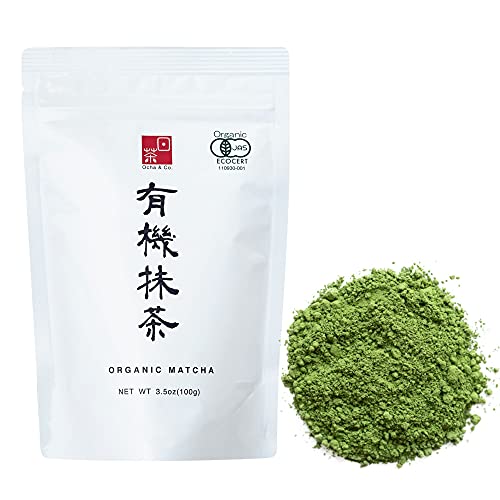
8. Ocha & Co. Shizuoka Organic Ceremonial Grade Matcha
A larger ceremonial tin that makes organic sipping quality a realistic daily habit
Most ceremonial matcha comes in tiny 1-ounce pouches, but Ocha & Co. breaks that pattern with a 100-gram tin that yields 50 servings. That makes it the rare ceremonial option you can actually drink every single day without burning through your budget. It is made exclusively from the Gokou cultivar, a rare variety known for deep umami and natural sweetness, shade-grown and traditionally stone-milled on a farm in Shizuoka.
Owners describe the quality as superb for the price, with a smooth texture that is not gritty and a mellow flavor with no bitterness. It whisks cleanly into warm water without clumps and works equally well as a straight cup or a creamy latte, and shoppers say it is fresh and versatile for baking. The maker ships it weekly in small batches straight from the farm, and it is JAS BIO-certified organic, meeting Japan’s official standards.
The honest caveats are minor. Color draws mixed reactions — some find it vibrant, others note it is a bit yellower than premium brands — and blendability is similarly mixed, though most find it fine. One owner notes it lacks bold flavor and has slight astringency as a daily option. Third-party testing confirms undetectable heavy metals, a key reassurance for daily drinkers.
Its biggest strengths
- 50 servings of ceremonial quality per tin
- Smooth, non-gritty texture
- JAS-certified organic from Japan
Keep in mind
- Color and mixability draw mixed feedback
- Lighter on bold flavor than some
Best for: organic-minded daily drinkers who want a bigger ceremonial tin that does not run out in a week.
Not for: those who want maximum color intensity or very bold flavor.
9. Naoki Matcha Fragrant Yame Blend

A silver-award ceremonial blend built around natural sweetness and a buttery finish
Naoki’s Fragrant Yame Blend is the matcha for people who find most green tea too bitter. This ceremonial blend took a Silver award at the national tea competition in Japan, and it was developed specifically to boost sweetness — starting with a fresh natural sweetness, then buttery and floral notes, and an incredibly smooth finish. In the 100-gram pack, you get 50 servings of that flavor.
Owners consistently describe it as smooth with a slight nutty flavor, vibrant green, and free of grassy bitterness. It blends fast, whisks up silky and creamy, and makes an awesome latte with oat milk. The value conversation is mixed — some call it great for the price and say it holds its own against bigger brands, while others find it expensive for tea. But the taste, the most-praised aspect, wins nearly everyone over.
The one thing to know is that the maker positions this for intermediate drinkers, yet owners say it is actually perfect for beginners too because it is so smooth and forgiving. It works beautifully as a traditional usucha or koicha, and the natural sweetness means many enjoy it with no sweetener at all. If you have been disappointed by bitter matcha in the past, this is the tin that resets expectations.
The takeaway: taste is what owners praise most — sweet, buttery, and smooth — making it a standout for anyone who struggles with matcha’s usual bitterness.
Choose this if: you want a sweet, smooth ceremonial matcha that beginners and experienced drinkers both love.
Think twice if: you prefer a bolder, more umami-forward profile over natural sweetness.
Understanding the Specs
Ceremonial vs. Culinary Grade
This is the single most important decision you will make. Ceremonial grade uses the youngest shade-grown leaves and grinds them so fine they whisk into a smooth, sweet, grit-free cup — ideal for drinking straight with hot water. Culinary grade is bolder and more astringent, designed to hold its own when mixed with milk, flour, or ice, which makes it the right choice for lattes, smoothies, and baking.
Serving Size and Tin Weight
Most brands recommend 1–2 grams per serving. A 1-ounce tin yields a dozen drinks; a 16-ounce canister lasts months. Always compare the weight and the suggested serving size together, because the per-cup cost matters far more than the sticker price when you are choosing between a premium small tin and a budget bulk pouch.
FAQ
How many servings are in a typical tin of matcha?
Is culinary grade matcha okay to drink as tea?
What does organic certification mean for matcha?
Why does some matcha taste bitter and other matcha taste sweet?
How long does an open tin of matcha stay fresh?
Is a big bulk tin always the best value?
Can I use ceremonial grade matcha for baking?
How much caffeine is in a cup of matcha compared to coffee?
Final Thoughts: The Verdict
For most buyers, the affordable matcha winner is the Jade Leaf Culinary Grade because its smooth, non-bitter mixing and huge serving count make it the best everyday value. If you want a true ceremonial sip that tastes authentic, grab the Republic of Tea. And for the kitchen workhorse who blends and bakes constantly, the PANATEA 16-ounce tin is the one to reach for.
How We Picked
We do not accept paid placement. Every pick is matched to a real buyer and a real use-case; we do not hands-on test units.
Sources & Methodology
Specifications: manufacturer listings and product documentation. Review insights: verified customer reviews, as of August 2026. Pricing: not shown on this page (it changes often); check the current price via the retailer link.
As an Amazon Associate, Gadgets Feed earns from qualifying purchases. This does not affect which products we feature.