
A ribbon microphone brings a natural, smooth character that dynamic and condenser mics simply cannot replicate. That vintage warmth on a guitar cabinet or the silky top end on a vocal comes from an ultra-thin aluminum ribbon suspended between powerful magnets — a delicate design that traditionally demanded a premium price.
I’m Min — the co-founder and writer behind Gadgets Feed. I’ve spent hundreds of hours cross-referencing build specifications, frequency response charts, and real-world user recordings to find the ribbon mics that deliver this coveted tone without the four-figure price tag. This guide focuses purely on the specs that matter: ribbon thickness, output impedance, SPL handling, and the inclusion of modern features like active circuitry or extended frequency response.
Whether you are tracking electric guitars, recording acoustic instruments, or searching for a vocal mic with a non-fatiguing character, you need a mic that brings the ribbon sound within reach. This guide cuts through the noise to recommend the best affordable ribbon mic for your specific studio application.
How To Choose The Best Affordable Ribbon Mic
Buying your first ribbon microphone involves navigating a few key decisions that directly impact your recording results. Unlike dynamic mics, passive ribbon designs output a very low signal, often requiring a clean preamp or an inline booster. Understanding the interplay between impedance, ribbon sensitivity, and the polar pattern will save you from a frustrating setup experience.
Active vs. Passive Circuitry
Passive ribbon mics use the ribbon itself as the sole transducer, resulting in a naturally low output that demands significant gain from your preamp. Active ribbon mics integrate a small FET amplifier powered by 48V phantom power, boosting the output level significantly. If your audio interface has noisy preamps at high gain settings, an active ribbon mic like the Golden Age Project R1 Active MKIII or the sE VR2 will give you a cleaner signal with less noise floor intrusion.
Impedance Matching and Preamp Load
The output impedance of a ribbon mic interacts with the input impedance of your preamp. A general rule is to have your preamp’s input impedance be at least five times higher than the mic’s output impedance. Mics like the MXL R144 (250 ohms) or the Stagg SRM70 (350 ohms) pair well with standard interface preamps, but mics with higher impedance, like the MXL R77 (1500 ohms), may require a preamp designed to handle a heavier load without dulling the high end.
SPL Handling and Source Suitability
Modern ribbon mics are far tougher than their vintage counterparts, and most affordable models can handle 130 dB SPL or more without damage. This makes them superb for close-miking electric guitar cabinets, brass instruments, and drum overheads. The sE X1 R, for example, is specifically built for high-SPL applications. For quieter sources like fingerpicked acoustic guitar or spoken word, a more sensitive ribbon or an active design is preferable to avoid a noisy signal chain.
Quick Comparison
On smaller screens, swipe sideways to see the full table.
| Model | Category | Best For | Key Spec | Amazon |
|---|---|---|---|---|
| sE VR2 | Active Ribbon | Full-range studio recording | 20Hz – 18kHz frequency response | Amazon |
| sE X1 R | Passive Ribbon | High SPL and guitar cabinets | Neodymium magnet assembly | Amazon |
| GAP R1 Active MKIII | Active Ribbon | Voice-over and acoustic instruments | 10dB pad and highpass filter | Amazon |
| Stagg SRM70 | Passive Ribbon | Versatile instrument and vocal mic | Pure aluminum ribbon element | Amazon |
| MXL R77 | Passive Ribbon | Classic tone for brass and percussion | 1500 Ohms output impedance | Amazon |
| Stagg SRM75S | Stereo Ribbon Pair | Blumlein and stereo recording | Two matched ribbon mics | Amazon |
| MXL R144 | Passive Ribbon | Entry-level ribbon sound | 20000 Hz frequency response | Amazon |
| Soyuz Launcher | Inline Activator | Gain boosting with tone color | 26dB of gain boost | Amazon |
In‑Depth Reviews
1. sE Electronics VR2 Active Ribbon Microphone
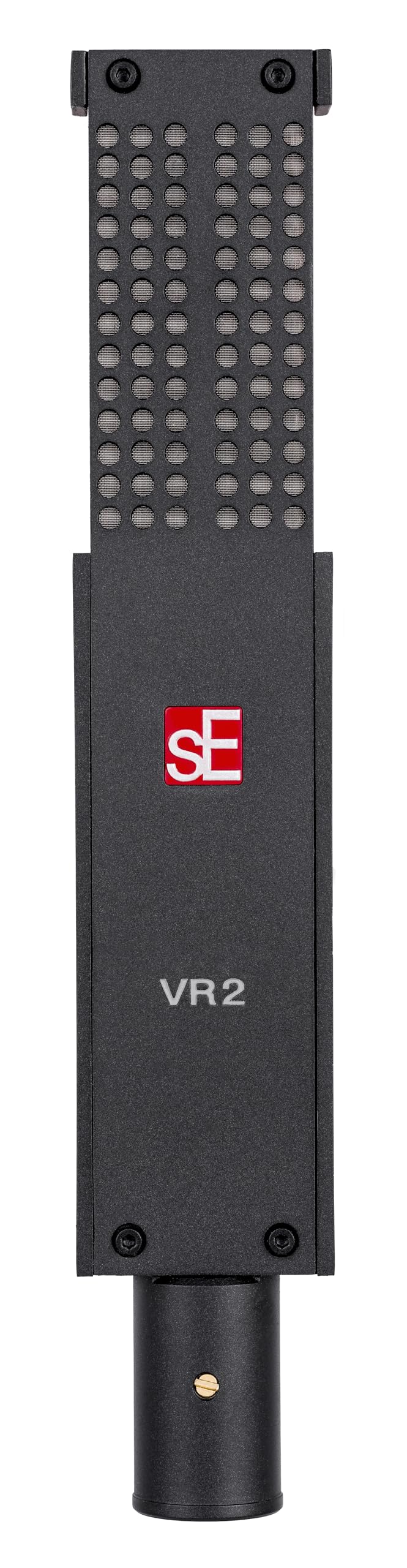
The sE VR2 is the definitive active ribbon mic for serious studio work at a mid-range price. Its hand-tensioned ribbon capsule covers the full 20 Hz to 18 kHz spectrum, capturing extended high-frequency detail that passive ribbons at this level often roll off. The active circuit delivers a strong, clean output that works beautifully with standard interface preamps, eliminating the need for an inline booster for most sources.
This mic excels on electric guitar cabinets — where its Figure-8 pattern rejects off-axis room noise — and on acoustic string instruments where the natural transient response preserves picking articulation. Users consistently report that the VR2 competes directly with the Royer R10 in terms of warmth and clarity, making it a phenomenal value for the performance. The ultra-slim chassis (< 3/4 inch thick) fits into tight setups you cannot position a bulkier mic inside.
Build quality is excellent, with a rugged all-metal housing and a gold-plated XLR connector. The included custom shockmount allows for precise centering, flipping, or angling of the mic against a cabinet grille or drum head. For anyone looking to invest in a ribbon mic that will remain a go-to tool long after purchase, the VR2 is the clear top performer in this segment.
Why it’s great
- Active circuit provides ample output without an external booster
- Full 20Hz–18kHz frequency response retains high-end detail
- Ultra-slim profile fits into difficult mic placements
Good to know
- Price point is higher than entry-level passive options
- Requires 48V phantom power for the active circuit
2. Golden Age Project R1 Active MKIII

The Golden Age Project R1 Active MKIII is a mid-range workhorse that brings active ribbon convenience to a broader audience. Its built-in FET buffer amp, powered by standard 48V phantom power, boosts the output significantly so you do not need a Cloudlifter or an ultra-clean preamp. The inclusion of a 10dB pad and a highpass filter gives you immediate control over your signal chain, something rarely seen on ribbon mics at this level.
This mic shines on voice-over work and high-register acoustic instruments like violin and mandolin. The lack of a presence peak helps tame sibilance and shrillness, while the warm low end retains body even when the source is positioned further from the grille. Musicians have reported preferring the R1 Active MKIII over their condenser mics for vocals because of its emotive, vintage character that requires less EQ in the mix.
One trade-off is the higher self-noise compared to passive designs, which some users find distracting for quiet vocal passages at a distance. The microphone body also feels less premium than the sE offerings, with a painted finish and a plastic swivel mount. However, for the price, the combination of active circuitry, a pad, and a filter makes this the most feature-rich value proposition in the affordable ribbon mic space.
Why it’s great
- Active design eliminates the need for a separate gain booster
- Built-in 10dB pad and highpass filter offer instant versatility
- Warm character excels on sibilant voices and acoustic strings
Good to know
- Self-noise can be noticeable on very quiet sources
- Build quality includes some plastic and painted components
3. sE Electronics X1 R Passive Ribbon Microphone

The sE X1 R is a passive ribbon microphone that modernizes the classic design with premium neodymium magnets and an advanced ribbon element. This combination delivers a smooth, natural sound with enhanced high-frequency detail that extends beyond what most affordable passive ribbons can achieve. The X1 R is purpose-built for high-SPL applications, handling close-miked guitar cabinets, brass, and drum overheads without distortion or damage.
Users consistently praise its ability to tame bright, nasal vocal sources while still maintaining clarity. The Figure-8 polar pattern provides exceptional side rejection, making it a strong choice for mid-side recording techniques or for isolating a source in a less-than-ideal room. The all-metal housing and gold-plated XLR connector are built to survive the road; one reviewer reported it survived a three-foot drop onto concrete.
The passive design does mean you will need a preamp with clean gain. A typical audio interface can work, but you may need to push the gain knob past 2 o’clock for quieter sources. The X1 R is also quite heavy compared to its peers, so a wide-legged, sturdy stand or a heavy-duty boom arm is recommended to prevent sagging. It is an excellent choice for the user who needs a rugged, versatile passive ribbon for loud instruments.
Why it’s great
- Extended high-frequency response for a passive ribbon
- Rugged all-metal construction ideal for touring
- Exceptional SPL handling for loud sources
Good to know
- Requires a preamp with significant clean gain
- Heavy build requires a sturdy microphone stand
4. Stagg SRM70 Ribbon Microphone
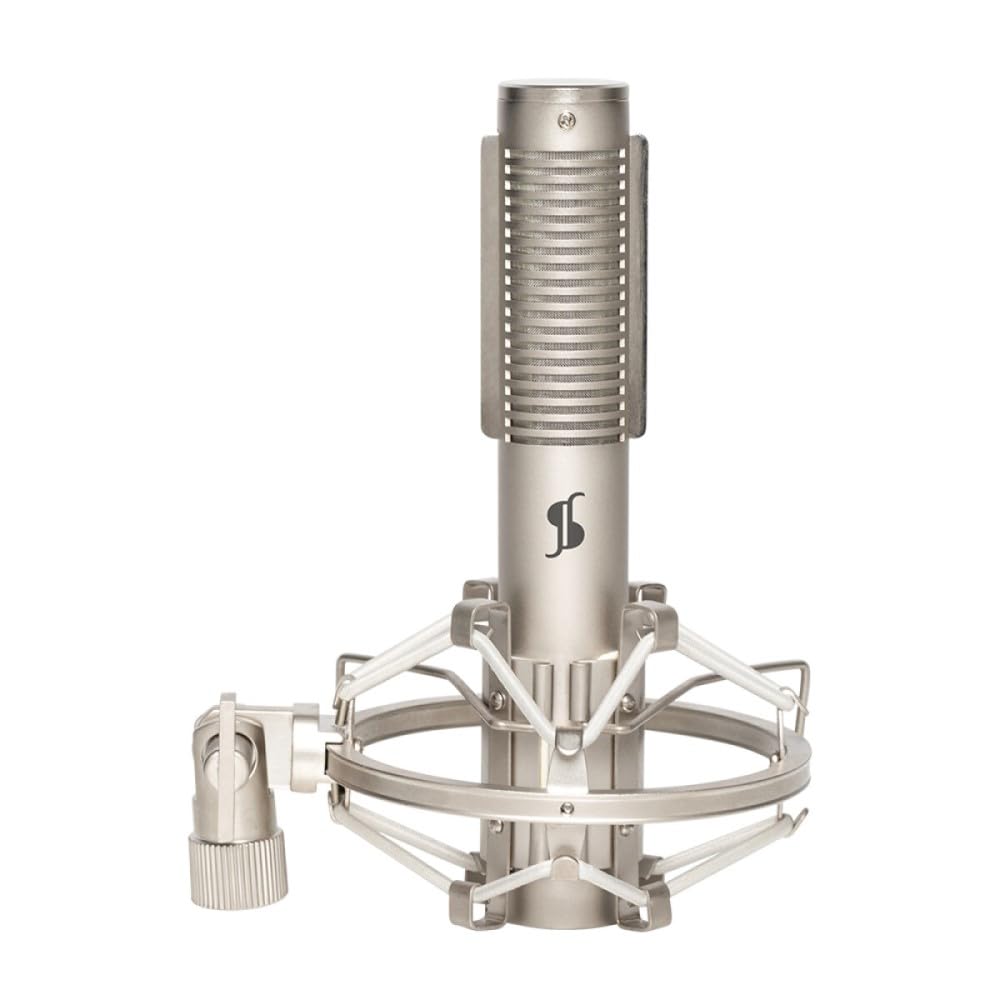
The Stagg SRM70 is a passive ribbon mic that has garnered a strong following among budget-conscious engineers for its flat, organic sound. It uses a pure aluminum ribbon element with a figure-8 polar pattern, delivering a natural transient response without the coloration of dynamics or condensers. This makes it a fantastic tool for acoustic guitar, classical instruments, bowed strings, and electric guitar cabinets where you want the amp’s sound, not the mic’s coloration.
Many users have compared the SRM70 favorably to vintage RCA ribbons and the Royer R121, noting its warm, punchy character that works well in phase with a dynamic mic like an SM57 on a guitar cabinet. The frequency response spans 20 Hz to 18 kHz, with a sensitivity rating of -52 dB, which is typical for a passive ribbon. It handles up to 148 dB SPL, making it robust for any backline you throw at it.
The biggest practical consideration with the SRM70 is its low output. You will need a high-quality preamp or an inline phantom booster — the Klark Teknik CT1 is a popular recommendation over a Cloudlifter for cost reasons. The included shock mount is functional, and the champagne-colored aluminum housing looks the part on any stage. For the price, the SRM70 delivers a genuine ribbon sound that is difficult to beat.
Why it’s great
- Very flat and organic sound signature perfect for blending
- High SPL handling of 148 dB for loud sources
- Includes a functional shock mount in the box
Good to know
- Very low output demands a quiet preamp or inline booster
- Champagne finish may show wear faster than darker mics
5. MXL R77 Professional Ribbon Microphone

The MXL R77 stands out in the affordable ribbon category for its classic body design with gold and chrome metal finish, but its substance matches its style. This passive ribbon mic features a high output impedance of 1500 ohms, which gives it a distinct sonic character — often described as smooth, natural, and timeless. It handles high SPL effortlessly, making it ideal for electric guitar, horns, and percussion.
Owners of AEA, Royer, and other high-end ribbons have praised the R77 for its character and value. It is particularly effective on brass instruments, where it captures the full dynamic range while smoothing out the potentially harsh upper harmonics. The Figure-8 polar pattern provides outstanding side rejection, allowing for precise directivity in the studio. The included traditional yoke mount keeps it secure during positioning.
The high impedance means the R77 interacts more with the input stage of your preamp. Some preamps may struggle to drive this mic without rolling off the top end, so pairing it with a preamp known for driving high-impedance loads is advisable. The mic is also on the larger side, requiring careful placement in tight spaces. For engineers seeking a vintage-inspired sound with modern SPL handling, the R77 is a compelling mid-range option.
Why it’s great
- Classic vintage design with standout gold/chrome finish
- Excellent on brass and high-SPL sources
- Smooth, natural sound quality praised by pro users
Good to know
- High 1500 Ohm impedance can be picky with preamps
- Larger body requires more space for placement
6. Stagg SRM75S Ribbon Microphone (Stereo Pair)

The Stagg SRM75S is essentially two of the acclaimed SRM75 ribbon microphones packaged together as a matched stereo pair, along with the necessary XLR stereo split cable and shock mounts. This configuration is specifically designed for Blumlein recording techniques, orchestral work, or any scenario where you need a cohesive stereo image from two identical ribbon mics. The matched pair ensures consistent frequency response and sensitivity between channels.
Users report the same flat, organic character as the single SRM70, with excellent results on drum overheads, acoustic guitar ensembles, and room miking. The pure aluminum ribbon elements handle up to high SPL levels without distortion, while the Figure-8 patterns capture a wide, natural stereo field. The included shock mounts help minimize low-frequency rumble from floor vibrations.
One practical issue noted by a user is that the two microphones in the pair may have slightly mismatched output levels, requiring adjustment in the mix. This is a minor QC variance at this price point, but worth checking if you require phase-coherent level matching. As with all passive Stagg ribbons, a clean preamp or inline booster is essential. For the price of a single mid-range condenser, you get a true stereo ribbon setup that opens up serious recording possibilities.
Why it’s great
- Matched pair ideal for Blumlein and stereo recording
- Includes stereo XLR cable and two shock mounts
- Excellent value for a true stereo ribbon setup
Good to know
- Individual mics may have minor level mismatch
- Requires two channels of clean preamp gain
7. MXL R144 Multi-Purpose Ribbon Microphone
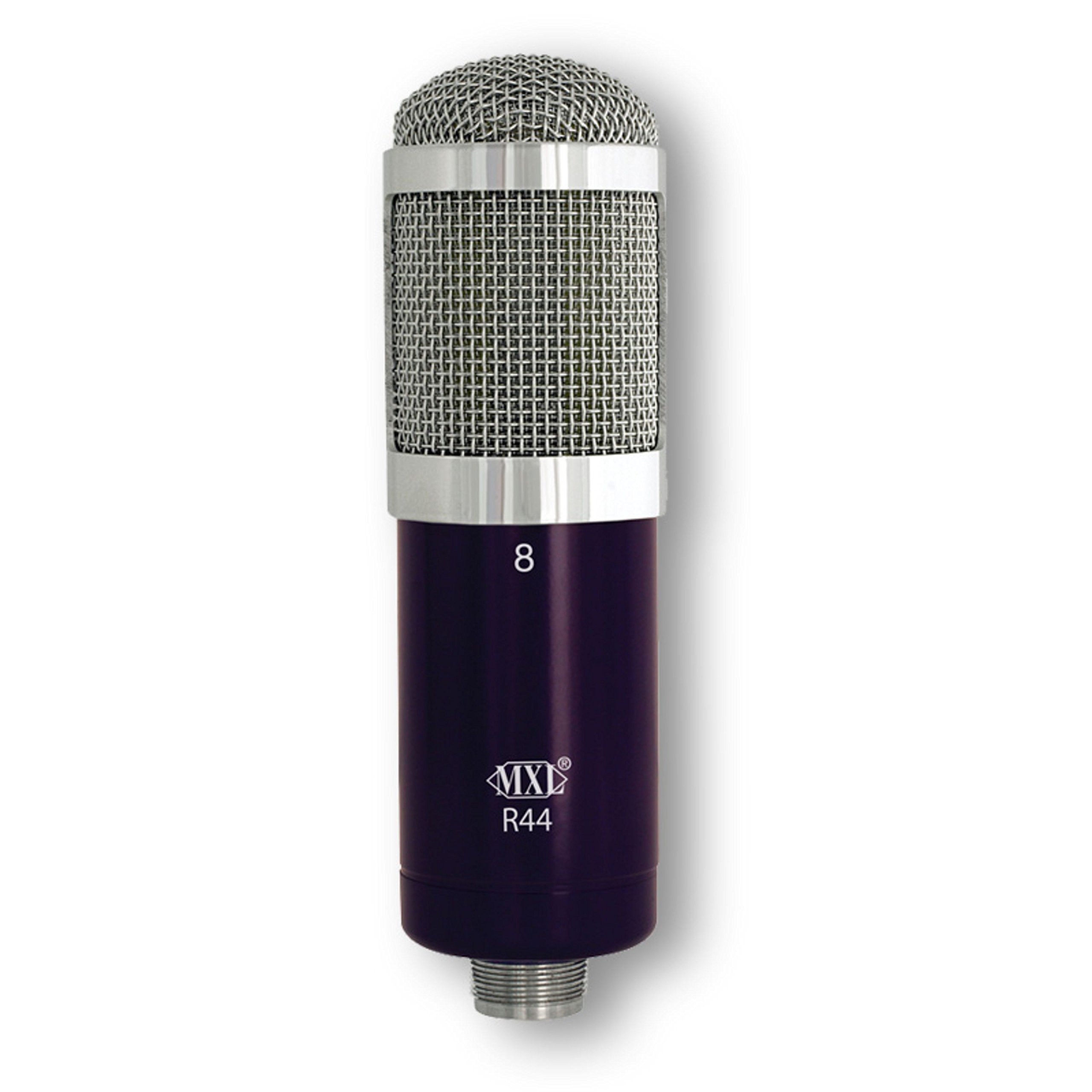
The MXL R144 is arguably the most recognized entry point into the world of ribbon microphones. Its purple housing and compact design are iconic, but the real draw is its classic ribbon sound: a rich, smooth midrange with a natural roll-off on the top end. The Figure-8 polar pattern effectively captures the room sound, making it a great choice for recording electric guitar cabinets, horns, and adding a vintage character to a drum room mic.
Users consistently praise the R144 as an excellent value that takes EQ well without becoming harsh. It is particularly strong on aggressive rock vocals and guitar cabs, where it adds a gritty, fun character that is distinct from a flat condenser. The included shock mount and carrying case are thoughtful additions at this entry price. The microphone’s compact size makes finding the sweet spot easy, even in cramped studios.
The main caveat with the R144 is build consistency. Several reviews note that the delicate ribbon can arrive damaged due to shipping, so testing with a light breath to check for rattling is recommended. The built-in shock mount’s handles are somewhat obtrusive, making it harder to fit into tight spaces. For the absolute lowest cost of entry into authentic ribbon sound, the R144 is the standard, but be prepared for potential QC issues.
Why it’s great
- Lowest price point for an authentic ribbon microphone
- Smooth, dark midrange ideal for rock and vintage tones
- Compact design aids in easy positioning
Good to know
- Ribbons can arrive damaged in shipping
- Shock mount handles protrude awkwardly
8. Soyuz Microphones Launcher Inline Preamp

The Soyuz Launcher is not a microphone itself, but an analog inline preamp designed to solve the single biggest problem with affordable passive ribbon mics: low gain. It provides a 26dB clean boost, but unlike a transparent Cloudlifter, the Launcher uses a custom hand-wound transformer to add a subtle vintage warmth and color to your signal. For anyone pairing a passive ribbon like the MXL R144 or Stagg SRM70 with a standard interface, this box is a game changer.
Users describe the Launcher as making microphones sound more “three-dimensional,” with a pleasant warmth that gently rolls off the extreme high end to reduce harshness. It is built like a tank with a thick metal shell, and each unit is handcrafted with signed QC cards. The Launcher is plug-and-play, requiring only phantom power to operate, and its compact size fits neatly inline before your preamp.
The main trade-offs are that the Launcher costs as much as some of the budget ribbon mics it supports, and it does not pass phantom power through to the microphone, so it cannot be used with active ribbon mics. It is an investment, but one that unlocks the full potential of any passive dynamic or ribbon mic you own. If your interface has noisy preamps, the Launcher is a smarter buy than a more expensive microphone.
Why it’s great
- Adds 26dB of clean gain for low-output ribbon mics
- Custom transformer adds desirable vintage warmth
- Built to tank-like standards with handcrafted QC
Good to know
- Does not pass phantom power to the microphone
- Price is comparable to some budget ribbon mics
FAQ
Can I use a ribbon mic with phantom power turned on?
Do I really need a Cloudlifter for a passive ribbon mic?
What is the difference between an active and a passive ribbon mic for recording vocals?
Final Thoughts: The Verdict
For most users, the best affordable ribbon mic winner is the sE Electronics VR2 because it combines full-frequency active circuitry with an ultra-slim profile and professional build quality, making it the most versatile and future-proof option in this segment. If you prioritize raw value and need a passive workhorse for loud guitar cabs, grab the sE Electronics X1 R. And for the entry-level budget where every dollar counts, nothing beats the classic ribbon character and low price of the MXL R144 paired with a Soyuz Launcher.