
Our readers keep the lights on and my morning glass full of iced black tea. As an Amazon Associate, I earn from qualifying purchases.
Specs are compiled from manufacturer listings and verified buyer reviews and can change over time — please confirm the key details on the product page before buying.
Filming a house going up, a garden coming alive, or a skyline moving through a day does not take a cinema budget. You need a camera that keeps shooting when you walk away — one with a real interval timer, enough battery for weeks of waiting, and storage that survives rain. The cameras below all shoot time-lapse automatically, and each one wins at a different job.
I’m Min — the founder and writer behind Gadgets Feed. This guide is built by comparing the manufacturers’ published specifications and the patterns across verified customer reviews, so you get each pick’s real strengths and trade-offs instead of marketing spin.
Start by matching the camera’s battery life at your shooting interval to how long the project runs, not the resolution on the box. The best affordable time lapse camera is the one that is still recording on day 90 without you visiting it.
Our Picks at a Glance

How To Choose The Best Affordable Time Lapse Camera
A time-lapse camera is a set-and-leave tool. You mount it, point it, tell it how often to take a shot, and come back days or months later to a finished video. Everything that matters flows from that single fact: it has to survive unattended, and it has to keep power the whole time.
Battery life at your shooting interval is the first filter
Every long-standby figure on these cameras is quoted at a 5-minute capture interval — one photo every five minutes, all day. That is the yardstick. A camera claiming 180 days at that interval will not last 180 days if you ask for a shot every 30 seconds. Match the stated standby figure to how busy your schedule is, and expect a busier schedule to shorten it.
Decide if you want finished video or a pile of frames
Some cameras assemble the time-lapse video for you and hand you a shareable file. Others save numbered stills that you stitch together yourself in editing software. Built-in assembly saves hours, but it also means fewer settings to bend to your taste. If you want to grade and cut the footage yourself, a stills-first camera gives you more room.
Outdoor means housing, mounting, and weather rating
An IP66 rating means the enclosure is protected against dust and against strong water jets — enough for rain and construction dust, not for full submersion. Just as important is what comes in the box: wall brackets, tube brackets, suction cups, or claw clamps each solve a different mounting problem. A camera that clamps to a pole is useless on a bare brick wall, so check the mount before the megapixels.
Wi-Fi and app control are convenience, not necessity
An app with live preview lets you frame the shot and tweak exposure without pulling the card. That is genuinely useful on a tall ladder. It also adds a failure point — app quality varies widely, and a camera that cannot be set up without the app is a liability if the app misbehaves. A physical screen and buttons always work.
Quick Comparison
| Model | Best For | Max Resolution | Stated Battery Life | Durability / Mounting | Amazon |
|---|---|---|---|---|---|
| 4K Vlogging Camera, 330° Rotating Lens★ Best Overall | Everyday content and solo filming | 4K video | 1.5 hours | Pocket body, mini tripod included | Amazon |
| ATLI Lite 1080P Time Lapse CameraBest for Beginners | Cheap app-controlled plant and cooking shots | 1080p | — | Fill light and tripod interface | Amazon |
| Dsoon TL2100 Time Lapse Camera | Long outdoor construction monitoring | 1080p | 6 months | IP66, wall and tube brackets | Amazon |
| Hojocojo 4K Timelapse Outdoor Camera | Detailed 4K build and plant records | 4K | 180 days | IP66 plus waterproof housing | Amazon |
| GOWWPUN WiFi 4K Construction Camera | App-controlled outdoor shoots on a schedule | 4K | 180 days | IP66, suction, claw and screw mounts | Amazon |
| ATLI EON 1080P Time Lapse Camera | Macro plant and flower work with remote access | 1080p | — | Compact body, macro focus | Amazon |
| Brinno TLC300 | Job sites where simplicity rules | 1080p | 100 days | Interchangeable lens, 4 AA batteries | Amazon |
In‑Depth Reviews
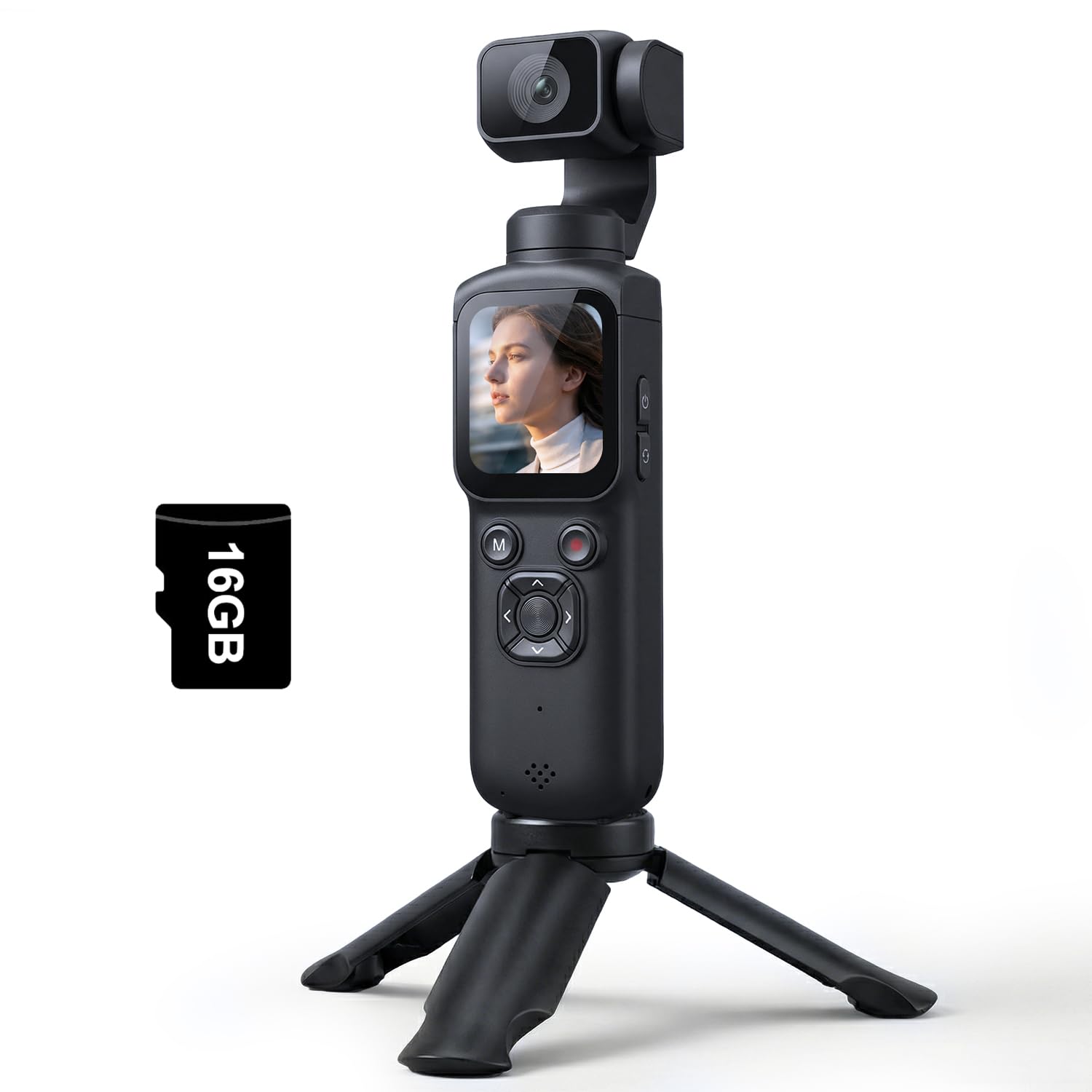
1. 4K Vlogging Camera, Pocket Digital Camera, 330° Rotating Lens
Our pick — 4.0+★ from 250+ verified ratings; the strongest balance of quality and price.
A pocket camera that twists its own lens 330° so you can frame yourself without turning the body.
Most people searching for a time-lapse camera do not want a grey box bolted to a fence — they want something that also films a birthday, a market stall, or a hike. This Lmzour camera covers both jobs. It shoots 4K video and 75MP photos, and it carries an interval-shooting and slow-motion mode alongside the time-lapse setting. That means one device handles your project timelapse and your everyday clips.
You can reframe a shot without touching the mount, because the lens rotates 330°. That twist is the feature that earns it the top spot. The wide-angle lens has a 79° field of view, so you capture expansive shots. Phase Detection autofocus (a system that locks focus quickly by comparing the subject from two angles) keeps faces sharp. The 4K output at 3840 x 1440 on the display stays clean enough to share straight to a phone. Built-in Wi-Fi (wireless transfer over your home or phone network) moves files across for editing without a cable hunt.
You can start filming the moment you open the box, because the kit is what seals it. Inside you get a 16GB TF card, a mini tripod, a charging cable, a wrist strap, and a travel bag — no extra shopping trip needed. Buyers report that the overall build and image quality together win them over. It also undercuts the ATLI EON below, which sells for more and still tops out at 1080p while this one shoots 4K.
The honest limit: the battery is quoted at 1.5 hours. That is a shooting-session battery, not a leave-it-for-a-week battery. If your project runs for months, put this on a riser in a window and plan to rotate cards, or accept that this is a camera for hours rather than seasons.
What earns it first place
- 4K video with a 330° rotating lens for solo framing without repositioning the mount
- A 79° wide-angle view that captures expansive scenes in one frame
- Time-lapse, slow-motion and interval shooting all built in
- The full starter kit — 16GB card, mini tripod, bag — ships in the box
- Wi-Fi transfer puts footage on your phone for quick sharing
Where it stops short
- Rated at 1.5 hours of battery — unsuited to unattended multi-week projects
- No weather rating, so it stays indoors or under cover
Buy this for: everyday content plus the occasional short timelapse where you are around to supervise.
Pass on it if: your camera needs to sit alone on a fence post for a season.
2. ATLI Lite 1080P Time Lapse Camera HDR WiFi APP Control Manual Focus
Point it at a seed tray and let the camera hand you a finished video, no editing required.
The ATLI Lite answers the single most common beginner complaint: stitching hundreds of stills together is boring. It records in 1080p and builds the time-lapse video for you from what it captures, so the file is ready to download and share. It writes MP4 files, which means the footage plays almost anywhere without conversion.
Setup runs through the app, and that app does more than start and stop. You get real-time preview while the camera is still shooting, plus live adjustment of ISO (how sensitive the sensor is to light), focal length, contrast and saturation. Six groups of shooting tasks can run at once, and as long as power is connected the camera cycles through them until the SD card fills. For a long-running plant or cooking record, that beats sitting there restarting it.
The honest limit is the battery — it cannot be externally charged, and the quality and app experience split opinion rather than unite it. The HDR sensor (which blends bright and dark areas for a clearer image in low light) helps on dim kitchen counters, and the fill-light and tripod interfaces let you add accessories. Just plan on a powered spot rather than a remote one.
Best used on a desk: keep it near a socket. The 16GB card is included, and the fill-light port pairs with an add-on light for dark corners.
Right answer when: you want a finished timelapse video with zero editing and you have power nearby.
Think again if: you need to run it far from mains on its own battery.
3. Dsoon Time Lapse Camera, 1080p FHD Outdoor Construction Timelapse Camera, IP66 Waterproof, 110° Wide Angle (32GB TF Card)

Six months of shooting on one battery, at a five-minute interval, in rain and dust.
If your project is a house going up or a courtyard changing across seasons, this is the camera built for the wait. The TL2100 runs up to 180 days straight when set to a 5-minute capture interval — that is the number to fix your expectations to, because a tighter schedule will drain it sooner. The 110° wide-angle starlight lens (a lens tuned for dim scenes) keeps the frame wide and readable from dusk into night.
You can check the view angle right on the camera, because the 2.4-inch LCD screen is built in — no phone needed. Owners value most the image quality it delivers from a straightforward setup. The IP66 housing (a weather rating that keeps out rain and dust) means it shrugs off rain and construction dust. The box includes a wall bracket, a round tube bracket, plus the installation strap and rope. That combination covers most site mounting jobs without a hardware run.
Three modes cover the real-world jobs: timed shooting, video time-lapse, and photo time-lapse. It stores 1080p footage in AVI format on a Class 10 card, which the kit supplies at 64GB. The setup routine is refreshingly short — connect the power, and the camera cycles through shots until the card fills. On a long build, that hands-off reliability matters more than any single showy spec.
The trade-off to know: the kit contents list a 64GB card, but the product title references a 32GB TF card. Confirm what is inside before you plan a long shoot around it.
Where it lands: mid-range money for a genuine long-term outdoor monitor, with brackets most rivals charge extra for.
Made for you if: you are documenting a construction site, a renovation or a garden across months and cannot babysit the camera.
Not for you if: you need 4K, because this one tops out at 1080p.
4. Hojocojo Time Lapse Camera, 4K Timelapse Outdoor Construction Camera with 3 Mounts and Waterproof Housing
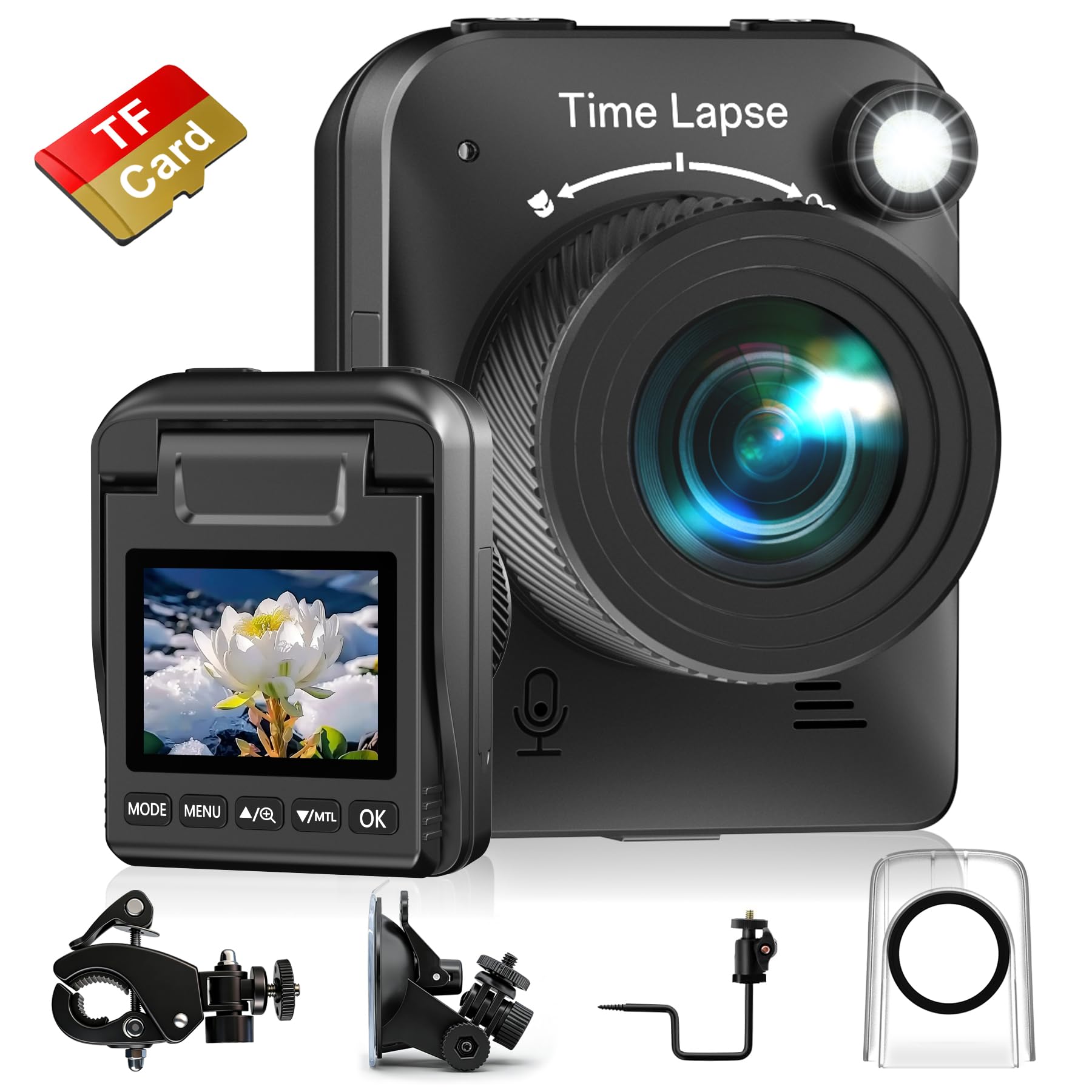
Four times the pixel count of a 1080p rig, for builds where the detail has to survive the zoom.
Tile by tile and leaf by leaf, 4K keeps the small things legible after the video is sped up. This Hojocojo shoots 4K with a starlight lens and a fill light, so it holds up in low light as well as daylight. Where the Dsoon above tops out at 1080p, this one gives you a sharper canvas to crop into — useful when your finished timelapse compresses weeks of detail into 90 seconds.
The battery claims the same long-haul territory: up to 180 days on a 5-minute capture interval, so an unattended season of shooting is on the table. Mounting is generously solved. The kit includes a suction bracket for smooth surfaces, a circular tube bracket, a nail bracket, and a waterproof housing. Between them you can hang it on glass, a pole, or a wall. The IP66 protection backs that housing for indoor or outdoor use.
The manual focus adds range most rivals lack — you can dial from macro close-ups to infinity, which covers a Lego stop-motion in the same breath as a construction site. The 90-degree flip on the IPS display helps you aim it at awkward angles. One practical note: format the memory card before your first shoot, as a skipped format is the classic cause of a missing recording.
Why it climbs the list
- 4K capture with a starlight lens for detail in low light
- Up to 180 days on a 5-minute interval
- Three mounting styles plus a waterproof housing in the box
- Manual focus spans macro through infinity
- Supports memory up to 512GB Class 10 for long projects
What to weigh first
- Fewer owner reviews than the Dsoon, so less field history to lean on
- Manual focus means you set it yourself — no hands-off autofocus
Take this one when: detail matters more than brand history and you want 4K over a season.
Look elsewhere if: you want a camera that frames and focuses itself with no manual steps.
5. GOWWPUN Time Lapse Camera WiFi Construction Outdoor 4K Timelapse Camera

A solar-ready camera that lets you schedule shoots from your phone instead of a ladder.
Shooting periods are the smart part here. You can set up to six separate windows per day, week or specific dates — say 08:00 to 17:00 — and the camera only works inside those windows. That saves power on projects where nothing happens overnight, and it keeps the final video free of pointless dark frames. Combined with the built-in 3000mAh rechargeable battery and its 180-day claim at a 5-minute interval, it is built to keep working when you are not around.
The 4K wide-angle lens widens the frame to 110°, and the manual focus reaches macro shots from as close as 7.8 inches, so flowers and small fittings stay in focus. The 2.0-inch TFT display tilts 90 degrees for aiming, and the screen resolution is 320×240 — fine for framing, not for reviewing footage. Connectivity covers 2.4G Wi-Fi plus Bluetooth Low Energy 5.0, both paired through the TrailCam Go app, so you can pre-set and watch the shoot from your phone.
Mounting is where it wins its place. A suction cup handles courtyard tiles, self-tapping screws grip tree trunks and rock crevices, and claw clips clamp to pillars and iron poles. The rain cover and IP66 rating complete the outdoor story. For power, it takes a DC cable and can run from a 6V solar panel, which is the add-on that turns a 180-day battery into a truly unending shoot.
The honest note on the app: setting it up satisfies some and frustrates others, so the screen and the three-position toggle switch are your fallback. The steps are short — toggle to Settings, then Start Time-Lapse — and it records in a loop once running.
Standout feature: six scheduled shooting windows means you can skip the hours you do not want, which stretches the battery and shortens your edit.
Suits the planner: someone mounting to a pole, a tree or a tile wall who wants to schedule and preview by phone.
Skip the app dependency if: you would rather set it once with buttons and never touch your phone.
6. ATLI EON 1080P Time Lapse Camera Macro Focus Wi-Fi App Control 16GB Card

The one that turns a month of sunrises into a single time-slice photo.
ATLI’s trick is the time slice: the camera composes its photo sequence into one image that shows time passing in a single frame. That time-slice still is a different output from video, and it comes alongside the usual auto-built timelapse videos in MP4. Macro shooting plus a 1.4-second shutter speed lets it reach from close-up petals to starry skies and city light trails, all from the same compact body.
Everything is built for sharing with no editing detour. The camera generates the time-lapse video on its own and pushes it to your device, and the ATLI Cam+ app gives you live preview with settings you can change mid-shoot. Remote access via the PC client means you can check on a shoot anywhere in the world. On a months-long project where you cannot be on site, that remote check is a real convenience.
Manage expectations on the resolution and the reliability. This is a 1080p camera at a premium price, and it is reported to stop shooting on occasion, so verify recordings now and then rather than assuming the shoot ran clean. The 16GB card is included, and it accepts cards up to 128GB if you want a longer run. Wi-Fi and the app are part of the pitch, so a solid connection matters here.
The honest read: the ease of use is the praise — setup and operation stay simple, and the auto-built video saves the editing job entirely.
Choose it for: creative, close-up plant and flower sequences plus a time-slice still from the same shoot.
Weigh the price against: a 1080p spec that sits below cheaper 4K cameras, and a spot check now and then on whether it is still recording.
7. Brinno Time Lapse Camera TLC300 Outdoor Construction & Indoor Use

Four AA batteries, a 118° view, and a two-button routine anybody on site can follow.
Brinno built this for people who want the camera taken care of, not fiddled with. Its whole routine is set your interval, set your schedule, press OK. The schedule function lets you pick the days and times it records, which keeps it running only during working hours and out of the dead time.
The 118° field of view is the widest here, and the interchangeable lens gives you a way to change the look without a new camera. Full HD 1080P with HDR enabled covers recording from day into night, and the 1.44-inch crystal IPS LCD on the back lets you check the angle in one glance. It saves to a micro SD card up to 128GB, is multilingual in 8 languages, and assembles a real time-lapse video rather than handing you a folder of stills.
The honest limit is the value proposition. The TLC300 asks premium money, and it is not the resolution leader here — the 4K cameras deliver more pixels for less outlay. It is also a camera that demands patience on the card: check that the shoot is recording rather than assuming, because a card with nothing on it undoes a month of waiting. Buy it for the simplicity and the AA battery freedom, not for the spec sheet.
What it does beautifully
- Setup is interval, schedule, OK — no app or laptop needed
- Runs on 4 AA batteries for up to 100 days at a 5-minute interval
- 118° field of view, the widest of the picks here
- Interchangeable lens and HDR for day-to-night footage
- Auto-builds a real time-lapse video on its own
Points to weigh
- Premium price for 1080p output when 4K options cost less
- Shorter standby than the 180-day cameras
- Worth spot-checking the card has recorded before you trust a long shoot
Ideal for: a job site or DIY project where crew members need a simple to use camera with swappable batteries. If you only shoot indoors and never swap cells, a simpler model will do.
Not the pick when: you are chasing maximum resolution per spend or the longest possible standby.
Understanding the Specs
Standby days at a 5-minute interval
This is how long the camera keeps shooting one photo every five minutes. A “180 days” rating describes that specific pace. Crank the interval down to every 30 seconds and the battery drains far faster, so treat the quoted days as a best-case at a calm schedule. Match the interval to how fast your subject changes: a building site moves slowly and suits a longer gap, while a blooming flower rewards a tighter one.
IP66 rating and why the housing matters
IP66 means the case is sealed against dust and against strong water jets. That is enough for rain, construction dust and harsh sun, but not for sinking it in water. The rating alone is not the whole story — the housing, rain cover and mount that come in the box are what actually keep the water out where the camera meets the pole.
Auto-built video vs still frames
A camera that assembles the timelapse itself hands you a finished video file you can share at once. A stills-only camera gives you numbered images you combine later in editing software, with more control over the final cut. Beginners usually prefer auto-built output; anyone who wants to colour-grade and trim their own footage will prefer the frames.
Resolution: 1080p vs 4K
1080p is enough for a screen-friendly construction record, and files stay manageable over long projects. 4K packs in more detail, which pays off when you crop or zoom into the finished video. The catch is larger files and heavier cards, so a bigger memory card matters more on a 4K camera.
FAQ
How long can these cameras actually run without me touching them?
Do I need to edit the footage myself afterward?
What does IP66 protect against on an outdoor camera?
Can a time-lapse camera run off solar power?
Is 4K worth it for a construction or garden timelapse?
Can I check the shot without pulling the memory card?
How do I mount the camera on a pole, a tree or a wall?
Why is my timelapse card empty after a long shoot?
Do these cameras shoot macro close-ups of plants?
Can I schedule the camera to record only during working hours?
Final Thoughts: The Verdict
For everyday clips and the odd short timelapse, the Lmzour 4K Vlogging Camera is the pick. It shoots 4K, twists its lens 330° for solo framing, and arrives with a 16GB card and mini tripod ready to go. If your camera will sit on a build site through the seasons, reach for the Dsoon TL2100. Its IP66 housing and up-to-6-month standby were made for the wait. If you want 4K detail across a long outdoor project, the Hojocojo pairs that resolution with three mounts and a waterproof housing. Match the camera’s standby rating at your interval to the length of your project and you will not go wrong.
How We Picked
We do not accept paid placement. Every pick is matched to a real buyer and a real use-case; we do not hands-on test units.
Sources & Methodology
Specifications: manufacturer listings and product documentation. Review insights: verified customer reviews, as of November 2026. Pricing: not shown on this page (it changes often); check the current price via the retailer link.
As an Amazon Associate, Gadgets Feed earns from qualifying purchases. This does not affect which products we feature.