
Our readers keep the lights on and my morning glass full of iced black tea. As an Amazon Associate, I earn from qualifying purchases.
Specs are compiled from manufacturer listings and verified buyer reviews and can change over time — please confirm the key details on the product page before buying.
If you are squatting or deadlifting in squishy running shoes, you are losing power to the foam and wobbling through your reps. The fix is a dedicated lifting shoe with a solid, improve heel that keeps your feet planted so you can push the floor away with force. This guide sorts through the best affordable weightlifting shoes on the market, focusing on the ones that deliver real stability without the premium price tag.
I’m Min — the founder and writer behind Gadgets Feed. This guide is built by comparing the manufacturers’ published specifications and the patterns across verified customer reviews, so you get each pick’s real strengths and trade-offs instead of marketing spin.
This lineup spans flexible CrossFit trainers to competition-ready powerlifting platforms. The right pair anchors your heels and supports deep squats for more powerful reps.
Our Picks at a Glance

How To Choose The Best Affordable Weightlifting Shoes
Match the shoe’s heel height and sole stiffness to your primary lifting style. You need to think about the heel, the sole, and how the shoe locks your foot in place under a heavy barbell.
Heel Height and Your Squat
The raised heel is the defining feature of a weightlifting shoe. It works by improving your ankle mobility, which lets you reach a deeper squat without your heels popping off the floor. A higher heel, like 1.4 inches, is great for Olympic lifts and front squats, while a lower heel, around 0.75 inches, offers a more natural feel for powerlifters.
Sole Stiffness Matters
A lifting shoe’s outsole is hard and non-compressible, unlike the soft foam of a running shoe. This solid base ensures maximum force transfer, meaning all the energy you push through your feet goes into the floor, not into squashing a squishy midsole. If you press your thumb into the sole and it sinks, it is not a lifting shoe.
Versatility vs. Specialization
Think about what you do in the gym. If you only squat and deadlift, a specialized shoe with a high heel and rigid sole is ideal. But if you also do CrossFit, box jumps, or other dynamic movements, you might prefer a more flexible trainer with a lower heel that lets you move more naturally.
Quick Comparison
| Model | Best For | Heel Height | Sole Type | Closure | Amazon |
|---|---|---|---|---|---|
| Nordic Lifting Venja★ Best Overall | Versatile lifting & CrossFit | 1.06″ | Rubber, Non-Slip | Velcro Strap | Amazon |
| Reebok Nano X5Top Performer | CrossFit & functional training | — | High Traction | Lace-up | Amazon |
| Osterland Squat ShoesDeep Squat Pick | Deep squats & Powerlifting | 1.4″ | Solid Hard Rubber | Velcro + Lace-up | Amazon |
| Powerlifting Shoes | Wide feet & heavy stability | improve | — | Velcro Straps | Amazon |
| adidas Powerlift 5 | Budget-friendly squatting | Lower heel | Inclined Sole | Lace-up | Amazon |
| Under Armour Charged Commit 5 | General training & sports | — | Charged Cushioning | Lace-up | Amazon |
| Core Force Black | Entry-level squat stability | 0.75″ | Stiff Sole | Lace + Strap | Amazon |
| Otomix Ninja Warrior | Flat-feet comfort & versatility | — | Grippy Sole | Lace-up | Amazon |
In‑Depth Reviews
1. Nordic Lifting Venja Weight Lifting Shoes
Our pick — over 4.5★ from 650+ verified ratings; the strongest balance of quality and price.
The crowd-pleaser that blends a stable platform with a roomy, comfortable fit for all-around lifting.
The Nordic Lifting Venja earns its top spot by walking the line between a rigid lifting shoe and a comfortable daily trainer. It features a raised heel of 1.06 inches, which is high enough to help you hit depth on squats without feeling like you’re standing on a wedge. The grippy rubber outsole is non-slip, giving you a solid base for box jumps and lunges during CrossFit sessions.
The build quality here is what owners mention most — the shoes have survived years of consistent gym use, with some reporting over 4 years of heavy training and only minor repairs. They are surprisingly comfortable for a shoe designed for stability, thanks to a wide toe box that lets your toes spread naturally. The secure strap system locks your heel in without restricting movement, and the shoe holds up well for leg presses and other weight-based work.
This is the shoe to grab if you want one pair that handles everything from Olympic lifts to functional training. It runs true to size, though those with wide feet may want to size up for the most comfortable fit.
What wins people over
- Stable 1.06″ heel supports deep squats
- Roomy toe box for comfort
- Durable enough for daily gym use
- Grippy, non-slip rubber sole
Consider this first
- Not cushioned for high-impact cardio or running
- Fit can be flat and boxy for some
Reach for this if: you want a versatile lifting shoe that is stable for squats and flexible enough for CrossFit workouts.
Look elsewhere if: your primary goal is running or high-impact cardio, as this shoe prioritizes stability over cushioning.
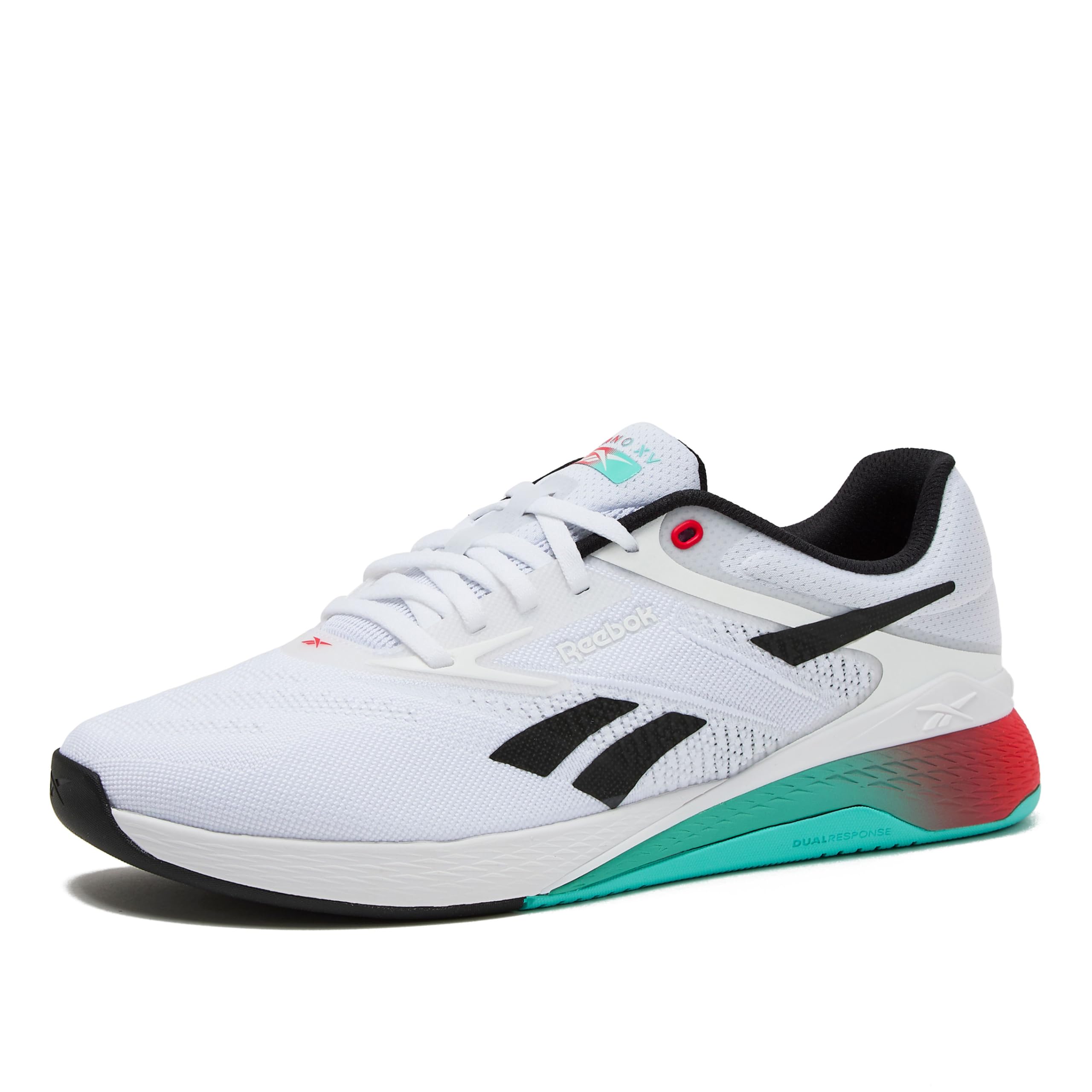
2. Reebok Nano X5
A premium cross-trainer that leans toward lifting while keeping you mobile for dynamic workouts.
The Reebok Nano X5 is the shoe to beat for lifters who also love CrossFit and functional training. Its high-traction outsole and molded heel clip are designed for the lateral movements you do during strength training, giving you a stable base for everything from deadlifts to lunges. The Flexweave knit upper is soft and breathable, but still tough enough for your most demanding sessions.
Owners consistently praise its stability during barbell lifts, noting an improved balance compared to running shoes. The wide toe box is a standout feature, fitting like an Altra and giving your toes room to splay. While it is stable, it retains enough flexibility for explosive side-to-side movements like bouldering and cardio, making it a true all-rounder.
The main thing to watch is sizing — the fit runs about half a size small for many, and the toe box can feel narrow if you have wider feet. It is best for weightlifting-focused cross-training rather than long-distance running.
Why it stands out
- Excellent lateral stability for strength training
- Breathable Flexweave knit upper
- Wide toe box for natural foot movement
- Durable and comfortable for daily wear
Keep in mind
- Runs half a size small for many
- Not ideal for running due to flat sole
Who it beats: the Nano X5 is a better all-rounder than a dedicated squat shoe if your routine mixes heavy lifts with cardio.
A real limitation: the flat sole and minimal toe spring mean it falls short of running shoes for actual running sessions.
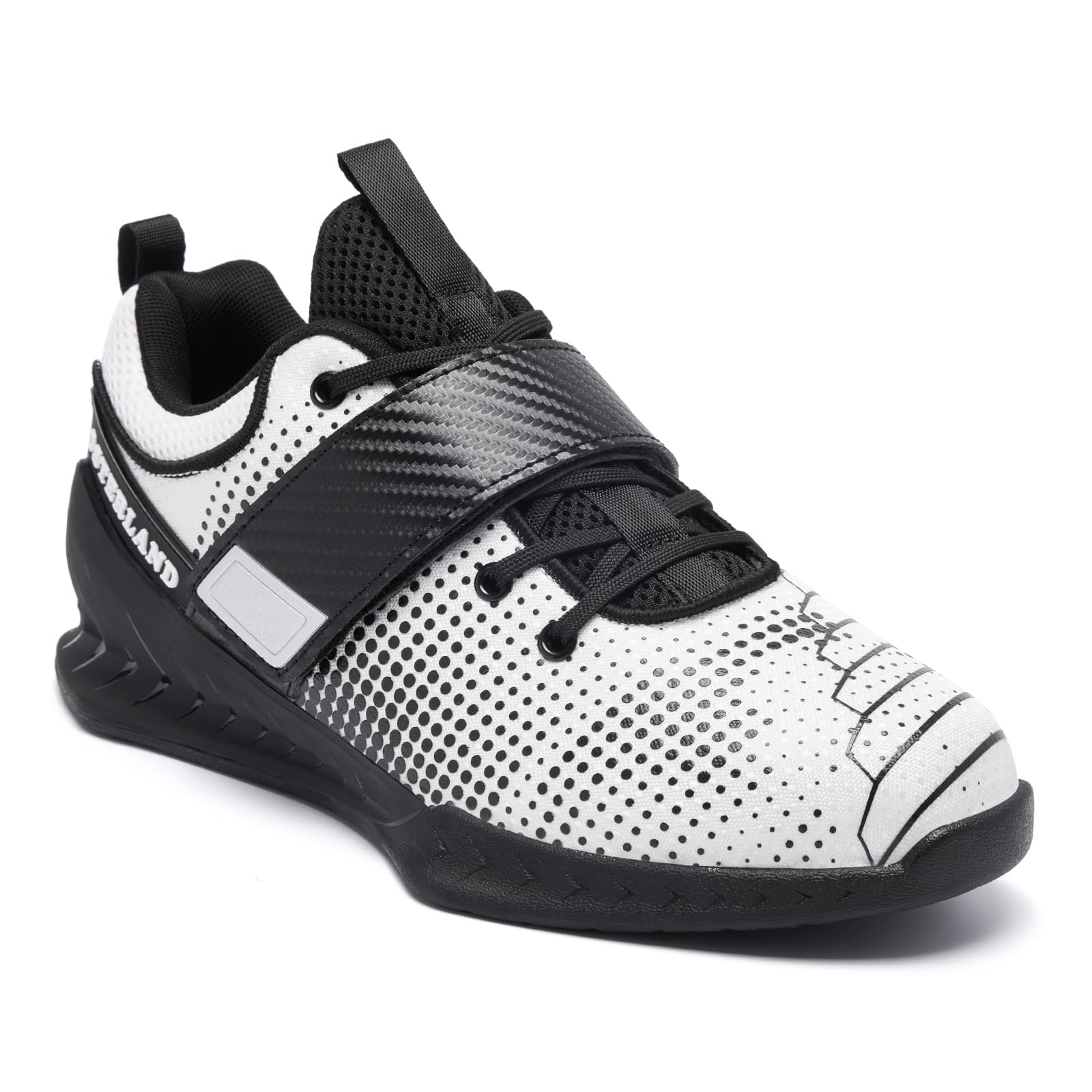
3. Osterland Weightlifting Shoes
A high-heeled platform built for lifters who want maximum depth and ankle support on heavy squats.
If your main goal is a deeper squat, the Osterland shoe brings the highest heel on this list at 1.4 inches. This improve heel improves ankle flexibility and supports a more upright posture, which is a huge help for front squats and Olympic lifts. The outsole is solid hard rubber, which means no compression when you’re under a heavy barbell, ensuring all your force goes straight into the floor.
Lifters find these shoes are well-made and effective, offering great lift and stability during squats and hack squat machine work. The breathable mesh and microfiber upper wick moisture to keep your feet dry during long gym sessions. The combination of velcro and laces lets you lock in a secure fit, though some owners suggest sizing up half a size for a roomier toe box.
This is a fantastic value for beginner to intermediate lifters who want a competition-ready feel without the premium price. Just don’t plan on running in them — like all lifting shoes, they are too stiff for high-impact cardio.
The high points
- Tall 1.4″ heel for deep squats
- Solid hard rubber sole for force transfer
- Breathable mesh keeps feet dry
- Excellent stability for heavy lifts
Watch out for
- Stiff toe box can cause discomfort for some
- Runs wide and a little big for some feet
Best for: lifters focused on squat depth and powerlifting who want a high, stable heel.
Think twice if: you have a high-volume workout routine with lots of walking, as the stiff sole is best for lifting only.
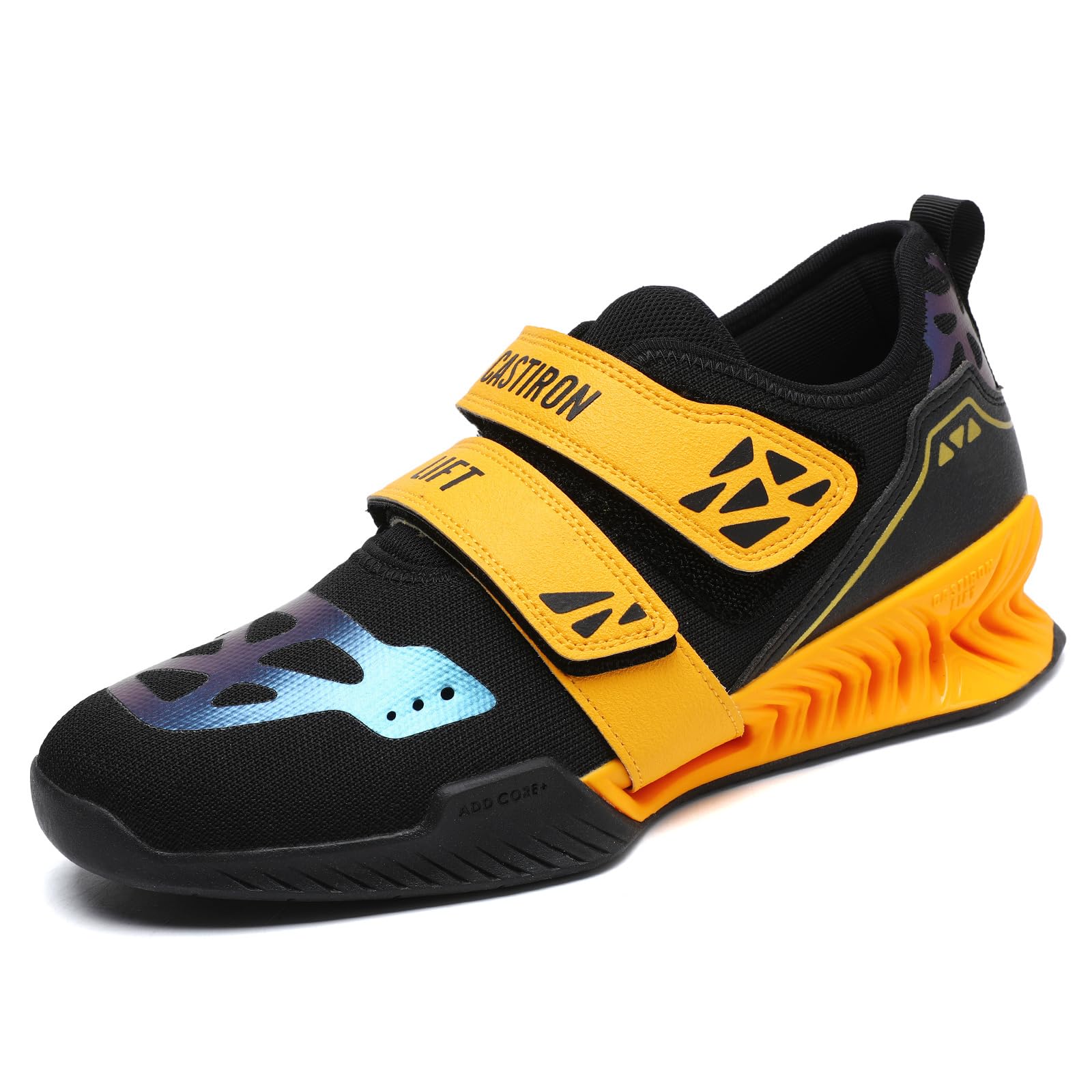
4. Weightlifting Shoes, Powerlifting Shoes Gym Shoes
A well-built, budget-friendly lifting shoe with a notably wide fit that owners with wider feet rave about.
The standout feature of this shoe is its fit, particularly for those with wide feet. It runs true to size with a snug, glove-like feel that provides support all around without squeezing. The angled sole improves stability across all lifts, and the improve heel aids in deeper squats, especially for low-bar positioning. It combines a perfect mix of hard and soft for a comfortable yet stable lift.
Owners are impressed with the durability, with some reporting over 2 years of use with no issues. The velcro straps hold securely and provide a snug fit, while the improve heel helps with squat depth. It is considered a great value, delivering quality and performance that compares well to more expensive brands.
If you have wide feet, this is a top contender. A few owners mention the color of the straps can look mismatched, but the performance and fit make up for any aesthetic quirks.
Why it’s a favorite
- Wide, comfortable fit for broader feet
- Durable construction lasting over 2 years
- Secure velcro straps for a locked-in feel
- improve heel aids squat depth
The trade-offs
- Comfort receives mixed feedback from some
- Strap colors may look mismatched
Pick this up if: you have wide feet and need a stable, durable shoe that won’t pinch your toes.
skip it if: aesthetic details are a priority, as some straps have a mismatched colorway.
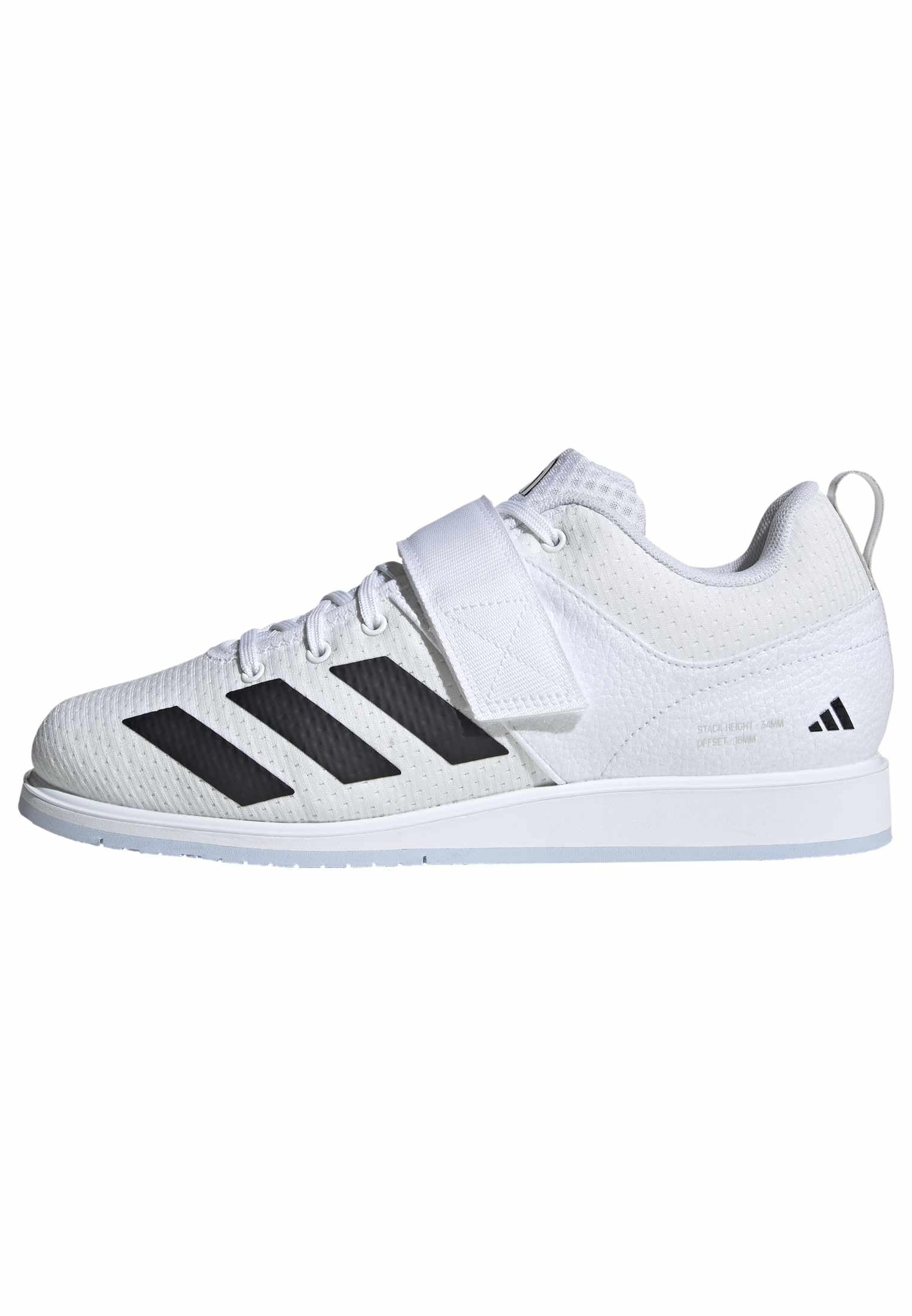
5. adidas Unisex Adult Powerlift 5
A solid, entry-level squat shoe from a trusted brand that fixes ankle mobility while staying affordable.
The adidas Powerlift 5 is the perfect starting point for lifters who want a name-brand shoe with a lower heel. Its sturdy, inclined sole provides excellent ankle mobility, allowing for deeper, more stable squats. The tight grip around the foot helps maintain balance, eliminating the wobble you get from flexible running shoes. Its inclined sole directly addresses ankle mobility limitations for deeper squats.
Owners find it effective for squats and overhead presses, with good grip on the floor and machines. It runs true to size but has a tight, narrow fit, so most buyers suggest ordering a half size up. As with most lifting shoes, it is designed for workouts only, not walking or daily wear.
It is a great value for the price, delivering the stability and support of much more expensive models. Just remember to size up for the best fit.
The strong points
- Lower heel suits powerlifters and orthotic users
- Excellent stability for squats and presses
- Good grip on floors and machines
- Budget-friendly price from a major brand
Things to note
- Runs tight and narrow, order half size up
- Not for walking or daily wear
Best for: beginners and budget-conscious lifters who need a stable base for squats and presses.
Consider instead: a different shoe if you have wider feet, as the Powerlift 5 fits narrow.
6. Under Armour Charged Commit Trainer 5
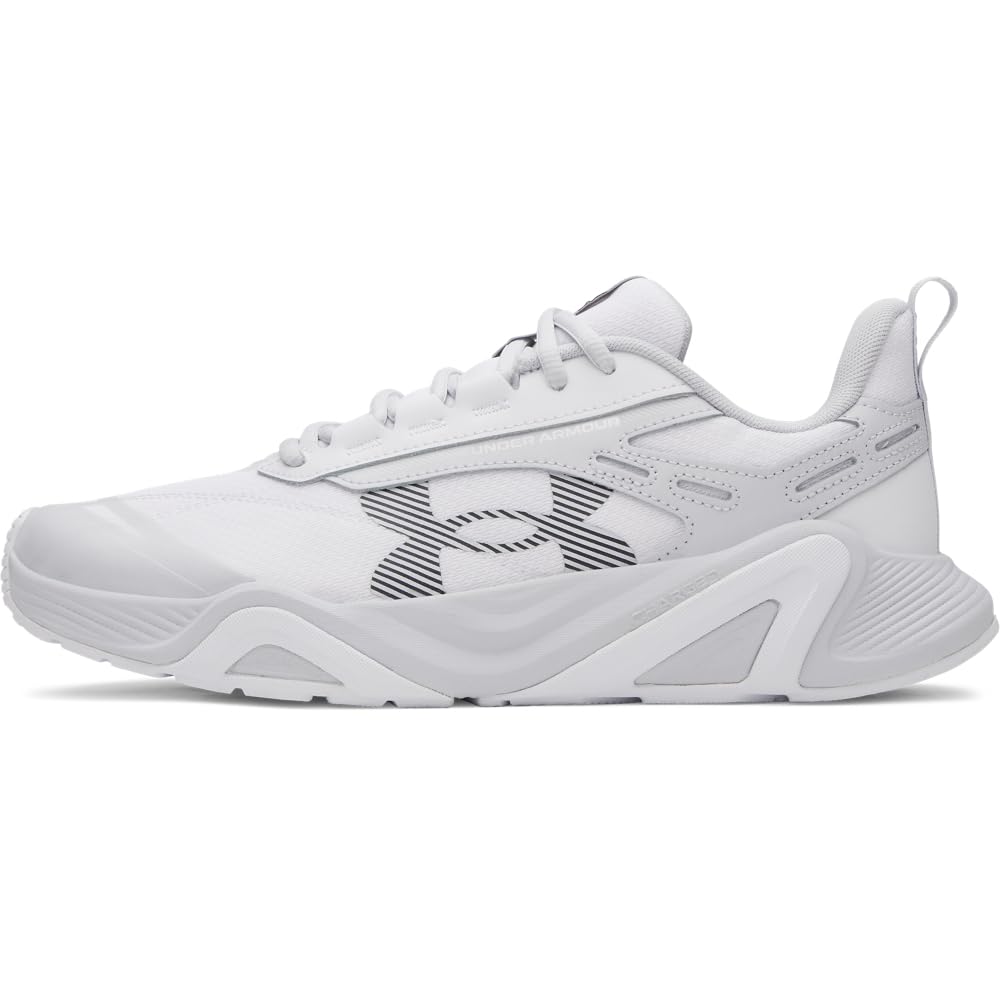
A comfortable and supportive cross-trainer that feels great for both lifting sessions and everyday wear.
The Under Armour Charged Commit Trainer 5 is built for athletes who want a shoe that works as hard for general training as it does for sports. It features leather on the top of the foot to keep you stable, flex grooves on the bottom for natural movement, and Charged Cushioning for maximum impact absorption. This makes it a versatile choice for everything from gym workouts to pickleball.
Comfort is the biggest selling point, with owners praising the good arch support and comfortable fit. The shoe fits true to size with a decently wide toe box, though it is best suited for regular to narrow feet. It is praised for its quality, support, and clean, understated design that goes with anything.
While it is not a dedicated lifting shoe with an improve heel, it offers enough stability for general strength training and is far more comfortable for all-day wear. It is the perfect pick if you want one shoe for the gym and the court.
What you’ll love
- Excellent arch support and comfort
- Good lateral stability for cross-training
- Leather upper for added stability
- Comfortable for all-day wear
Remember
- Not for wider feet
- No raised heel for specialized lifting
Who it suits: athletes who want a comfortable, supportive trainer for general workouts and sports like pickleball.
Who it doesn’t: dedicated powerlifters looking for a rigid, improve-heel platform for maximal squat depth.
7. Core Weightlifting Shoes Force Black

A solid, value-priced lifting shoe with a low heel that helps fix squat form while staying affordable.
The Core Force Black is a great entry-level lifting shoe that focuses on the fundamentals. It features a 0.75-inch improve heel and a stiff sole for maximum power transfer, helping you drive up from the bottom of a squat. The dual-strap system secures your foot firmly, and the velcro extends to the edge for full tightening. This design helps with issues like your toes pointing up while driving up from the squat.
Owners find the shoe well-constructed, comfortable, and with a snug toe box that isn’t cramped. It offers great grip with no slipping, and the rigid platform provides excellent heel support. It is considered great value for the price, especially when compared to the main brands.
Fit is the main point of discussion — the shoe runs small for some, so sizing up is frequently recommended. It is a fantastic budget-friendly option for lifters new to dedicated footwear.
The highlights
- Low 0.75″ heel for a natural feel
- Stiff sole for power transfer
- Secure dual-strap closure
- Great grip and no slipping
The caveats
- Fit is inconsistent, often runs small
- Toe box can feel too tight for some
Reach for it if: you want an affordable, stable platform to start lifting with proper form.
Proceed with care: if you’re between sizes, order up — the fit runs small for a significant number of buyers.
8. Otomix Men’s Warrior Bodybuilding Boxing Weightlifting MMA Shoes

A flat-soled, exceptionally comfortable shoe beloved by lifters with wide feet and flat arches.
The Otomix Warrior takes a different approach to lifting footwear with its flat, grippy sole and outstanding comfort. It is a favorite among those with wide, flat feet, offering a perfect fit with an amazing insole and excellent arch support. The shoe molds to your foot after a few days of use, providing a near-custom feel that is ideal for deadlifts and general gym work.
Owners praise its ankle support and lightweight feel, making it comfortable for both the gym and casual wear. It grips the floor well, keeping you stuck to the ground during squats and deadlifts. The fit is generally true, though some find it runs tight initially and recommend going up half a size before it breaks in.
While it lacks an improve heel for Olympic lifts, its flat sole makes it a fantastic deadlift shoe and a top choice for those with flat feet. Durability is the main mixed point, with the memory foam insole being the first thing to wear out.
What stands out
- Excellent for wide, flat feet
- Comfortable insole with great arch support
- Grippy sole for deadlifts
- Lightweight and comfy for casual wear
Be aware
- Memory foam insole can wear out
- No improve heel for squat depth
Who it’s for: deadlifters and lifters with wide feet or flat arches who prioritize comfort over a raised heel.
Who it’s not for: Olympic lifters who need an improve heel for deep front squats and ankle mobility.
Understanding the Specs
Heel-to-Toe Drop
This is the height difference between your heel and your forefoot. In lifting shoes, a raised heel (anywhere from 0.75 to 1.4 inches) helps improve your ankle mobility. This allows for a deeper squat with a more upright torso, which is essential for Olympic lifts and front squats. A lower heel is better for powerlifting, where a flatter foot is preferred.
Sole Firmness
A weightlifting shoe’s sole should be hard and non-compressible, unlike a running shoe’s soft foam. This solid base ensures maximum force transfer, meaning the energy you push through your feet goes into lifting the bar, not into squashing the sole. A rigid platform also keeps you stable and balanced under heavy loads.
Upper Materials and Fit
The upper part of the shoe holds your foot in place. Look for secure closures like velcro straps or laces that lock your heel down. Breathable materials like mesh or knit keep your feet cool during long sessions. Fit is critical — a lifting shoe should be snug, not loose, to prevent any foot movement inside the shoe during a lift.
Traction and Grip
The outsole needs to grip the floor to prevent slipping during heavy lifts. A non-slip rubber sole provides a stable base, especially when you’re lifting on a platform or in a crowded gym. This is crucial for exercises like deadlifts and squats where you need to push the floor away with maximum force.
FAQ
Why can’t I just squat in my running shoes?
How do I know what heel height I need?
Should I size up or down for weightlifting shoes?
Can I use weightlifting shoes for CrossFit or cardio?
What is the difference between a squat shoe and a deadlift shoe?
Are expensive weightlifting shoes worth it over budget ones?
How long should a pair of weightlifting shoes last?
I have wide feet. Which weightlifting shoe should I choose?
Final Thoughts: The Verdict
For the majority of shoppers, the affordable weightlifting shoes winner is the Nordic Lifting Venja because it delivers the best combination of stability, comfort, and versatility for both lifting and CrossFit. If you want a more specialized, high-heeled platform for deep squats, grab the Osterland. And for a comfortable daily trainer that handles general strength work with ease, the Under Armour Charged Commit 5 is the one to reach for. Every pick here earns strong ratings for a stable, reliable training foundation.
How We Picked
We do not accept paid placement. Every pick is matched to a real buyer and a real use-case; we do not hands-on test units.
Sources & Methodology
Specifications: manufacturer listings and product documentation. Review insights: verified customer reviews, as of August 2026. Pricing: not shown on this page (it changes often); check the current price via the retailer link.
As an Amazon Associate, Gadgets Feed earns from qualifying purchases. This does not affect which products we feature.