
The best AI-powered gadgets are no longer gimmicks on a shelf; they are ambient collaborators that adapt to your habits, correct your pours, clean your floors on a schedule, and even tune their own audio to the acoustics of your living room. From locks that learn your fingerprint to lamps that generate lighting schemes from a photo, the current wave of consumer AI focuses on one thing: removing friction from daily routines through machine learning that runs on-device or via a companion app.
I’m Min — the co-founder and writer behind Gadgets Feed. My guide is built from weeks of cross-referencing technical specifications, analyzing customer feedback patterns, and comparing real-world performance metrics across seven distinct product categories that genuinely benefit from onboard intelligence.
Whether you want a doorbell that can summarize your day’s visitors or a speaker that calibrates itself to your room in one tap, this roundup of the best ai-powered gadgets will help you find the upgrade that actually makes a difference in how your home operates.
How To Choose The Best AI-Powered Gadgets
The term “AI” has been applied to everything from voice assistants to predictive algorithms in vacuum cleaners, making it critical to separate genuine adaptive intelligence from simple timers or pattern-matching scripts. A truly AI-enabled gadget learns from your behavior over time—whether that means improving fingerprint recognition accuracy, generating custom lighting scenes from a photo, or predicting when you’ll return home to pre-cool your room. Before buying, you need to identify whether the AI runs locally on the device (faster, more private) or requires cloud processing (smarter over time, but dependent on internet and potentially a subscription).
On-Device vs. Cloud-Based Intelligence
The biggest dividing line in AI gadgets today is where the learning happens. Devices like the Wyze Auto-Lock Bolt v2 process fingerprint matching and adaptive learning directly on the lock’s chip, meaning recognition improves without sending your biometric data to a server. In contrast, the Google Nest Doorbell relies on Google’s Gemini cloud AI to identify faces, packages, and even contextual events like “someone dropped off flowers”—a capability that requires a paid subscription. For privacy-sensitive buyers, on-device AI is preferable; for maximum feature depth, cloud-based AI often wins.
Measurable Specs That Matter for AI Gadgets
AI isn’t magic—it’s software running on hardware. Key specs to check include processing power (a dedicated NPU or fast ARM core), sensor resolution (RGB camera megapixels, LiDAR points), and connectivity latency (Wi-Fi 6E vs. Bluetooth 5.0 for real-time response). For the WiiM Sound smart speaker, the 100W peak amplifier is irrelevant without its AI RoomFit calibration, which uses the device’s microphone array to analyze room acoustics and adjust EQ curves automatically. Always look for how the spec sheet enables the AI function, not just the raw numbers.
Ecosystem Lock-In and Subscription Costs
Many AI gadgets become significantly less useful without their app ecosystem. The Barsys Smart Coaster 2.0 is useless without the companion app that holds its 1,000+ recipes and pouring guidance—but that app is currently free. The Google Nest Doorbell, conversely, requires a Google Home Premium subscription to unlock its most compelling AI features: facial recognition, Gemini-powered video search, and package detection alerts. Factor the total cost of ownership over two years, including any required subscriptions, before committing to a hardware ecosystem.
Quick Comparison
On smaller screens, swipe sideways to see the full table.
| Model | Category | Best For | Key Spec | Amazon |
|---|---|---|---|---|
| WiiM Sound Smart Speaker | Smart Speaker | Audiophile-grade streaming | 100W peak, AI RoomFit calibration | Amazon |
| Google Nest Doorbell (3rd Gen) | Smart Doorbell | AI-powered video summaries | 2K HDR, 166° FOV, Gemini AI | Amazon |
| Breez Max Smart AC Controller | AC Controller | Mini-split intelligent climate control | AI Comfy Mode, geo-fencing | Amazon |
| ROPVACNIC Robot Vacuum S1 | Robot Vacuum | Pet hair with obstacle avoidance | 5200Pa suction, 120-min battery | Amazon |
| Wyze Auto-Lock Bolt v2 | Smart Lock | Adaptive fingerprint entry | AI learning scanner, 8-month battery | Amazon |
| Barsys Smart Coaster 2.0 | Cocktail Maker | Guided home mixology | 1000+ recipes, LED pour guide | Amazon |
| Lepro TB1 AI Smart Table Lamp | Smart Lamp | AI-generated lighting scenes | 196 addressable LEDs, LightGPM 4 AI | Amazon |
In‑Depth Reviews
1. WiiM Sound Smart Speaker
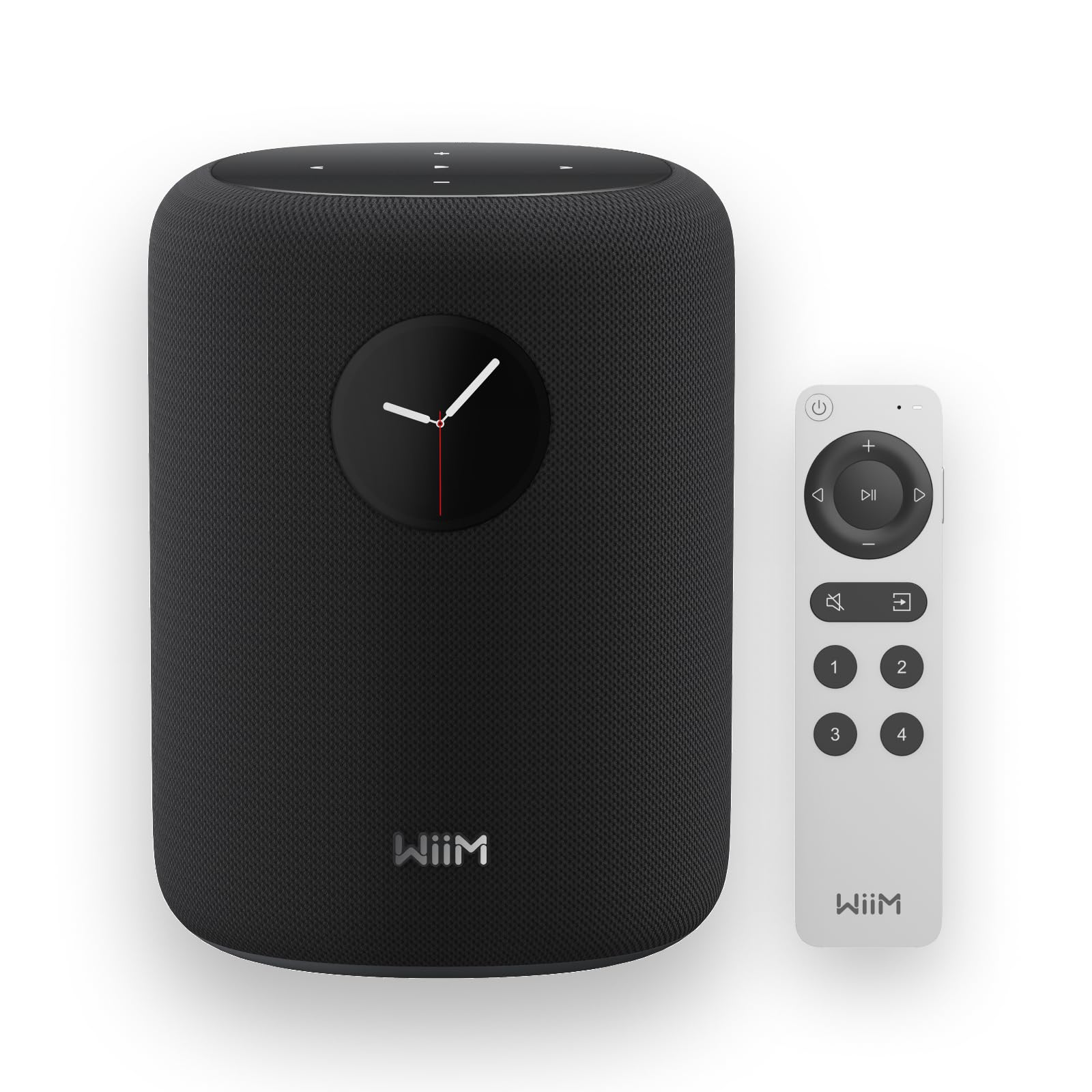
The WiiM Sound is a rare example of AI delivering a genuinely measurable improvement to audio quality. Its one-tap RoomFit calibration uses the built-in microphone array to analyze your room’s reflections and standing waves, then adjusts the DSP curve to flatten the frequency response in seconds—no manual EQ tweaking required. This is smart speaker intelligence applied correctly, as it solves the real problem of speaker placement dependency without requiring a separate calibration microphone or subscription.
Under the hood, the unit packs a 100W peak amplifier driving a 4-inch paper-cone woofer and dual 1-inch silk-dome tweeters, supporting high-resolution audio up to 24-bit/192 kHz. The 1.8-inch touch display shows album art and track info, eliminating the need to grab your phone for basic playback control. With Wi-Fi 6E and Bluetooth 5.3, streaming latency drops to 50ms, making it viable for home theater use when paired with a second unit for stereo or the WiiM Sub Pro for deeper bass extension.
Reviewers consistently highlight the non-fatiguing sound signature and the fact that it integrates into existing multi-room ecosystems via Google Cast, Spotify Connect, and Roon without locking you into a proprietary walled garden. The open architecture—supporting DLNA, Alexa Cast, and even wired 3.5mm aux input—makes it a future-proof hub for anyone who values flexibility as much as sound quality.
Why it’s great
- AI RoomFit calibration delivers genuinely improved frequency response in any room
- Supports high-res 24-bit/192 kHz streaming with Wi-Fi 6E for low latency
- Open ecosystem with Google Cast, Spotify Connect, DLNA, Roon, and 3.5mm aux input
Good to know
- No native Apple AirPlay support limits iOS integration
- White finish can show grime; only black is currently offered
2. Google Nest Doorbell (Wired, 3rd Gen)
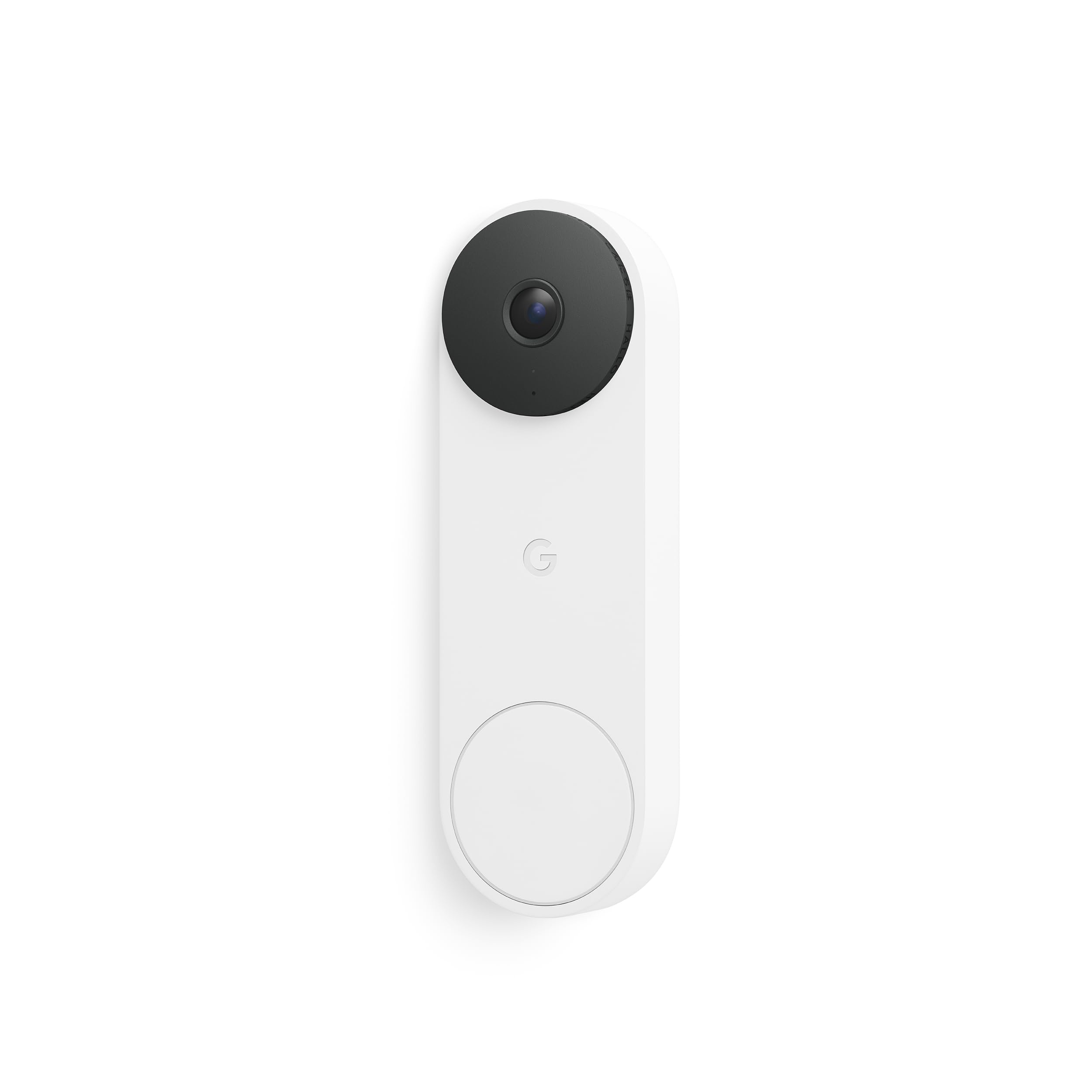
Google’s third-generation wired Nest Doorbell represents the most ambitious application of consumer AI in the smart security space today. The headline feature is Gemini integration: the doorbell’s 2K HDR sensor captures 166° of your doorstep, while cloud-based machine learning identifies people, packages, animals, and vehicles—then lets you query your video history with natural language like “Who left the package at 2 PM?” This contextual awareness goes far beyond simple motion alerts, though it requires a Google Home Premium subscription for full functionality.
Hardware-wise, the wired design means you never swap batteries—it draws power from your existing 16-24VAC doorbell transformer. The 2K resolution with HDR and improved night vision delivers noticeably sharper detail than the previous 1080p models, with the ability to read package labels and recognize faces from across a typical porch. Two-way audio is crisp with negligible lag, and the Live View loads in under two seconds in my testing. The 1:1 aspect ratio is a minor trade-off for consistent framing of faces and packages.
Installation is straightforward for anyone comfortable with basic electrical work, though you may need to upgrade an older transformer. The doorbell is not compatible with the Nest app—setup is exclusively through the Google Home app, which some long-time Nest users find disruptive. Once configured, however, the reliability of motion detection, the speed of push notifications, and the quality of the video stream make this the most capable smart doorbell available, provided you’re willing to pay the subscription tax for the AI features.
Why it’s great
- Gemini AI enables natural language search of video history
- 2K HDR video with night vision and 166° field of view
- Wired design eliminates battery recharging and missed events
Good to know
- Facial recognition and detailed AI summaries require a paid subscription
- Not compatible with the Nest app—Google Home app only
3. Breez Max Smart AC Controller
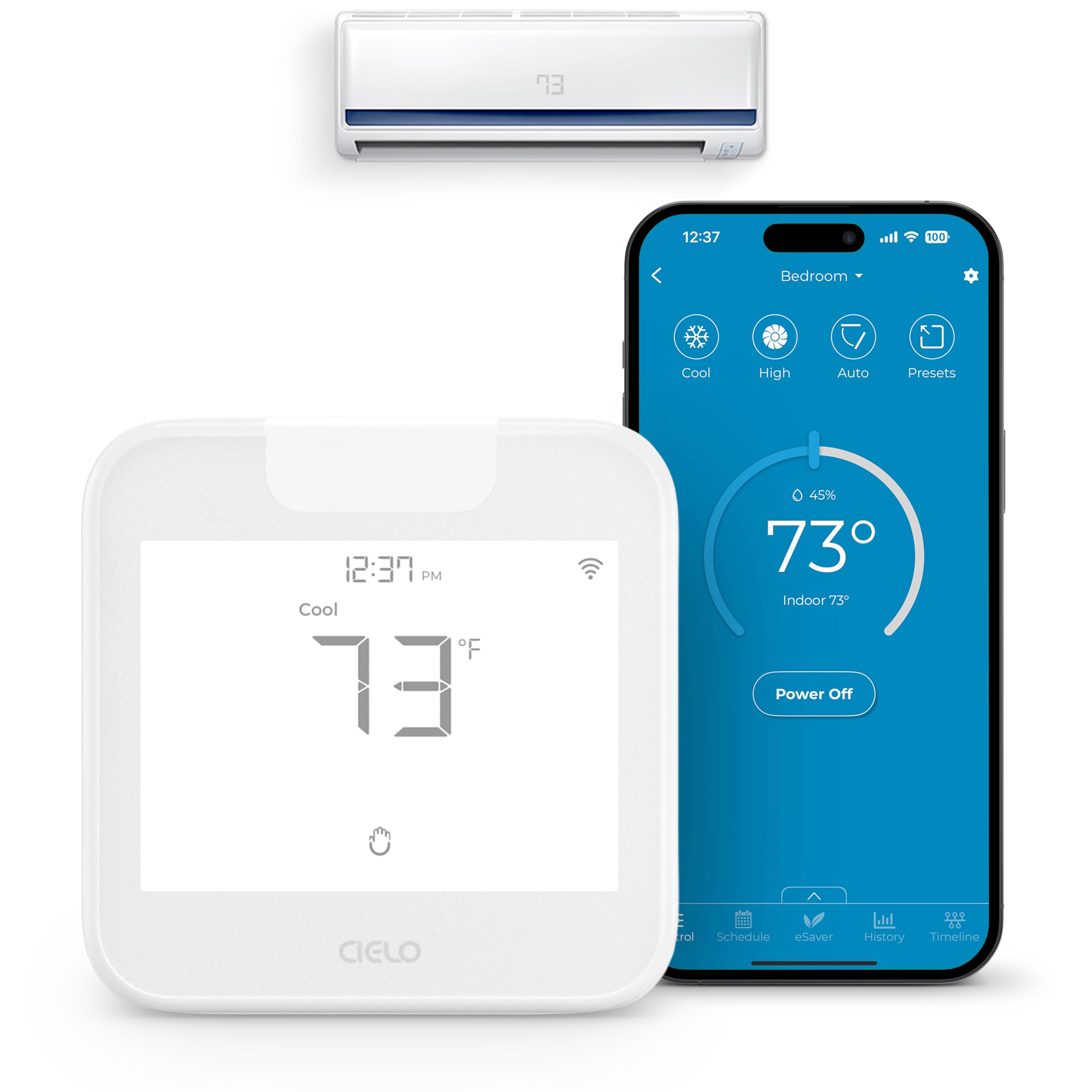
The Breez Max solves a pain point that millions of mini-split, window, and portable AC owners share: the inability to schedule, automate, or remotely control a perfectly functional air conditioner that only came with a basic IR remote. Cielo’s device attaches to the wall or sits on a table, learns your unit’s IR codes automatically using its auto-detection algorithm, and then provides full smart home functionality—including the AI-driven Comfy Mode that modulates cooling based on temperature and humidity thresholds rather than just maintaining a fixed setpoint.
What makes the Breez Max genuinely intelligent is its Comfy Max algorithm. Instead of blindly running until the room hits 72°F and then cycling on and off (which wastes energy and causes temperature swings), Comfy Mode uses the onboard temperature and humidity sensors to predict when the room will reach the target and preemptively adjusts the AC. It can also integrate geofencing to turn the unit off when you leave and pre-cool before you arrive. The device supports multi-zone setups, letting you sync or avoid mode conflicts across multiple indoor mini-split heads.
Setup is genuinely DIY-friendly: the app auto-detects your AC brand and model, and the included table stand or adhesive backplate lets you position it within line-of-sight of the unit. Reviewers consistently praise the responsive customer support, and the fact that there are no ongoing subscription fees for any features—including scheduling, geo-fencing, and usage history—makes this a much better long-term investment than proprietary Wi-Fi modules from AC manufacturers that can cost six times as much.
Why it’s great
- AI Comfy Mode adjusts cooling based on humidity and temperature, not just setpoint
- No subscription fees for scheduling, geo-fencing, or usage history
- Auto-detection algorithm works with 20,000+ mini-split, window, and portable AC models
Good to know
- Requires an AC unit with an IR remote control—does not work with hardwired thermostats
- Temperature control uses a range-based Comfy Mode rather than a precision setpoint for mini-splits
4. ROPVACNIC Robot Vacuum S1
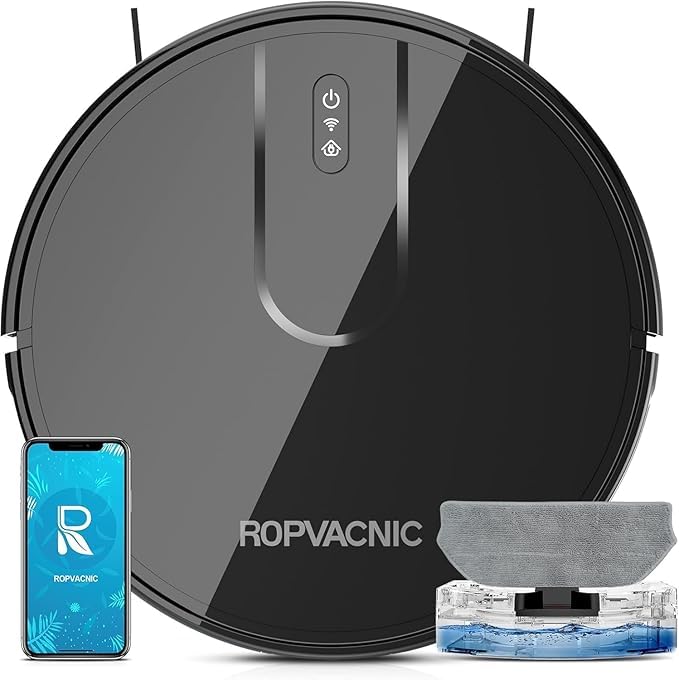
The ROPVACNIC S1 delivers a level of autonomous cleaning intelligence that was reserved for units costing several times more just a few years ago. Its sensing system uses multiple algorithmic data points to detect obstacles, adjust direction, switch cleaning modes, and automatically return to its charging base—all without requiring a room layout map or cloud connection. The 5200Pa suction rating is genuinely aggressive for this price bracket, pulling embedded dust and pet hair from both hardwood floors and low-pile carpets.
The AI here manifests in the robot’s ability to learn from its environment over the course of each cleaning cycle. It uses a no-entanglement roller design specifically engineered for pet owners, with dual rotating side brushes that sweep debris into the main suction path. The included electrically controlled water tank allows four-stage personalized water adjustment for mopping, making the transition from vacuuming to mopping seamless. Users can schedule cleanings, select modes (spiral, wall-follow, auto), and monitor battery status from the app or via voice commands with Alexa or Google Assistant.
Battery life is a strong 120 minutes on a single charge, enough to cover most medium-sized homes in one pass. The robot does occasionally get stuck on loose cords or thick carpet tassels, but its self-rescue logic usually frees it without intervention. For pet owners dealing with daily fur accumulation, the large dustbin and easy-emptying design make maintenance quick. At this price point, the combination of strong suction, reliable navigation, and mopping capability makes the S1 a standout value proposition.
Why it’s great
- 5200Pa suction picks up embedded dust, pet hair, and debris effectively
- 120-minute battery life covers medium-sized homes on a single charge
- No-entanglement roller design is ideal for households with shedding pets
Good to know
- Mopping is best suited for light maintenance cleaning, not heavy stains
- Can get stuck on thick carpet tassels or power cords; self-rescue isn’t always successful
5. Wyze Auto-Lock Bolt v2
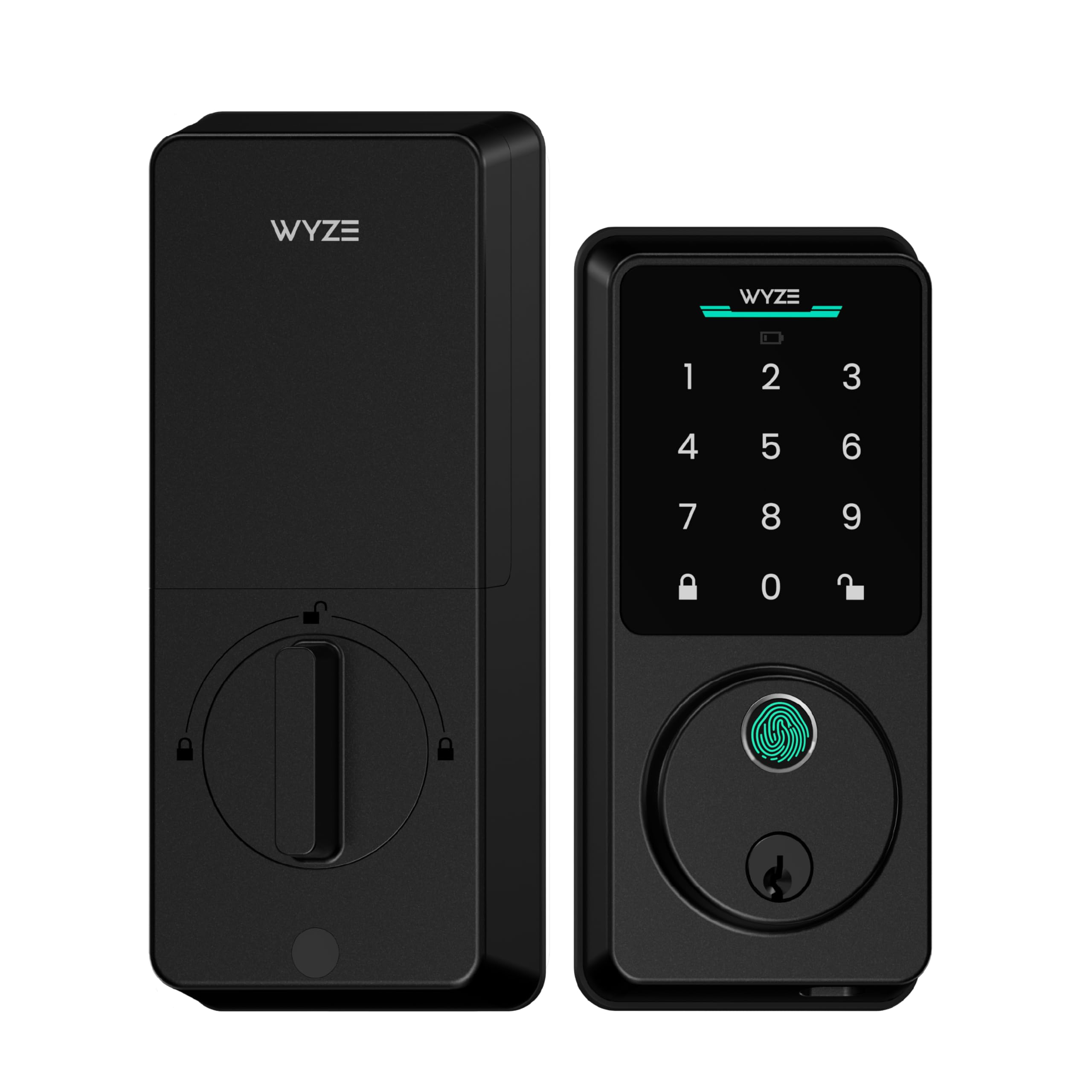
The Wyze Auto-Lock Bolt v2 is one of the few smart locks on the market that genuinely improves with use. Its AI learning scanner analyzes each fingerprint scan to build a more accurate model of your unique print over time, reducing failed reads and increasing recognition speed to the point where unlocking feels instantaneous—around 0.5 seconds from touch to latch retraction. The scratch-resistant tempered glass surface on the fingerprint reader ensures consistent reads even after months of daily contact with dirty or sweaty fingers.
The lock offers five ways to enter: fingerprint, keypad code, smartphone app, physical key, and voice control through Alexa. The anti-peep keypad lets you enter a random sequence of numbers before your actual PIN, preventing shoulder-surfing. With 8 AA batteries, Wyze claims up to 8 months of battery life, and the built-in USB-C port provides emergency power from any common power bank—a much better solution than the 9V battery terminals found on some competitors. The lock integrates with the Wyze app for remote check-in, notifications, and user code management, and it can link with a Wyze Video Doorbell to let you unlock directly from the live feed.
Installation takes roughly 10 minutes with a Phillips screwdriver, and the lock replaces most standard single-cylinder deadbolts without drilling new holes. User reviews highlight the consistently fast fingerprint recognition and the peace of mind provided by the auto-lock feature, which engages the deadbolt automatically after a configurable delay. The IP53 weather resistance rating means it can handle normal outdoor exposure, though it’s not designed for direct rainfall. For the price, the combination of on-device AI learning and multi-factor access flexibility is hard to beat.
Why it’s great
- AI learning scanner improves fingerprint accuracy and speed over time
- Five entry methods (fingerprint, code, app, key, voice) with anti-peep keypad
- USB-C emergency power from any power bank; 8-month battery life
Good to know
- Requires 2.4 GHz Wi-Fi; does not support 5 GHz networks
- Auto-lock delay can be disorienting for guests unfamiliar with smart locks
6. Barsys Smart Coaster 2.0

The Barsys Smart Coaster 2.0 takes a cleverly analog approach to AI: instead of an automated mixing machine that sprays liquids, it’s a weight-sensitive coaster that guides your hand. Place your jigger or glass on the coaster, select a cocktail from the app’s library of over 1,000 recipes, and the coaster uses its LED ring to signal when to pour and when to stop—green for pouring, red for stop, and blue for the next ingredient. The AI component lies in the app’s ability to track your liquor inventory, suggest recipes based on what you have, and even recommend alternatives if you’re missing a specific spirit.
The smart coaster connects via Bluetooth to the Barsys app on your phone, which acts as your mixology hub. You can browse recipes by spirit type, occasion, or difficulty; scale servings for parties; and save your custom creations. The coaster itself is powered by a USB-C cable, making it portable enough to move from kitchen to patio. Its plastic construction feels solid for its weight, and the color-changing LEDs add a genuinely fun visual element to the cocktail-making process.
Reviewers consistently note that the device removes the intimidation factor from home bartending. Instead of measuring by eye and hoping for the best, you get real-time feedback that ensures consistent ratios drink after drink. The coaster is easy to clean—simply wipe down the surface—and the app receives regular recipe updates. The main caveat is that the “AI” is primarily a recommendation and inventory-tracking engine rather than a learning algorithm, but for the target audience of casual home entertainers, this implementation is perfectly suited to the task.
Why it’s great
- Real-time LED pour guide ensures consistent, professional-quality cocktails
- App tracks liquor inventory and suggests recipes based on what you have
- Portable USB-C design and easy-clean surface for entertaining anywhere
Good to know
- AI is recommendation-based rather than adaptive learning; no auto-adjustment for user taste
- Requires the companion app to function; no standalone operation
7. Lepro TB1 AI Smart Table Lamp

The Lepro TB1 takes the concept of a smart lamp and injects genuine generative AI through its LightGPM 4 engine. Instead of forcing you to scroll through preset colors or manually adjust RGB sliders, you simply tell the Lepro app what vibe you want—”forest moonlight,” “cyberpunk sunset,” “movie night”—and the algorithm generates a lighting scene from scratch across the lamp’s 196 individually addressable LEDs. Even more impressive: you can upload a photo of your room, a movie poster, or a game character, and LightGPM will analyze the image’s color palette and produce a matching lighting design.
The hardware itself is a conversation piece: a space-age aluminum ring design with a 4.3-inch diameter base, standing on a silver metal stem. The 196 addressable RGB+IC LEDs support independent control of each segment, enabling smooth rainbow transitions, chasing effects, and precise color stops that cheaper “smart bulbs” cannot replicate. The lamp connects over 2.4 GHz Wi-Fi and Bluetooth, integrates with Alexa and Google Assistant for voice control, and includes a music sync mode that picks up audio through the lamp’s built-in microphone or your phone’s mic to pulse lighting in time with beats.
Customer feedback is overwhelmingly positive about the brightness, color accuracy, and physical build quality, though several users note that the app interface feels dated and that some AI features (like the image recognition) occasionally fail to generate coherent scenes. The lamp does not include a physical remote, relying exclusively on the app and voice commands. For creators, gamers, or anyone who wants an ambient lighting fixture that can shift moods on command, the TB1 delivers an experience that no standard RGB bulb can approach—especially at its entry-level price point.
Why it’s great
- LightGPM 4 AI generates custom lighting scenes from text descriptions or uploaded images
- 196 addressable LEDs enable smooth rainbow transitions and independent segment control
- Music sync mode with onboard microphone for beat-reactive lighting effects
Good to know
- App interface feels dated and lacks recent updates per user feedback
- Voice command limitations—Alexa cannot adjust brightness and color simultaneously
FAQ
Does “AI” in a gadget always mean it needs an internet connection?
Will the AI in my smart lock or lamp improve over time without manual updates?
Can AI-powered gadgets work together in a unified smart home ecosystem?
Final Thoughts: The Verdict
For most users, the best ai-powered gadgets winner is the WiiM Sound Smart Speaker because its AI RoomFit calibration delivers a measurable, audible improvement to audio quality without any subscription or cloud dependency. If you want intelligent video monitoring with Gemini-powered search, grab the Google Nest Doorbell (3rd Gen). And for the most practical budget-friendly AI upgrade, nothing beats the Wyze Auto-Lock Bolt v2—a lock that learns your fingerprint and never requires a subscription to work flawlessly.