
Our readers keep the lights on and my morning glass full of iced black tea. As an Amazon Associate, I earn from qualifying purchases.
Specs are compiled from manufacturer listings and verified buyer reviews and can change over time — please confirm the key details on the product page before buying.
Real AI wearables are strapped to your wrist, wrapped around your head, or clipped to your clothes, reading heart rate, sleep stages, and brainwaves to tell you what to do next.
I’m Min — the founder and writer behind Gadgets Feed. This guide is built by comparing the manufacturers’ published specifications and the patterns across verified customer reviews, so you get each pick’s real strengths and trade-offs instead of marketing spin.
Whether you’re an athlete chasing a PR, a professional drowning in meetings, or someone who just wants to sleep better, the right ai wearable devices turn raw biometric data into personalized, actionable feedback you can actually use every day.
Our Picks at a Glance

How To Choose The Best AI Wearable Devices
AI wearables aren’t one category — they split into watches that coach you, rings that track recovery, earbuds that transcribe, and headbands that read your brain. The first decision is which job you need done, not which brand.
Define Your Primary Goal: Fitness, Health, or Productivity
If you’re a runner or triathlete, a GPS sports watch with on-board coaching is the clear call. If you care about sleep and recovery but hate wearing a screen, a smart ring fits that niche. If your problem is too many meetings and notes, an AI recorder earbud is the tool. Your goal decides the form factor before you look at specs.
The Subscription Trap: Read the Fine Print Carefully
Some premium devices open up their full value only through monthly fees. One top-tier ring includes the first month, then charges a recurring fee for continued insights. Others, like the RingConn, offer every feature free forever. If you hate recurring costs, that trade-off is a make-or-break decision.
Quick Comparison
| Model | Best For | Battery Life | Key Sensors | Form Factor | Amazon |
|---|---|---|---|---|---|
| Garmin Forerunner 970★ Best Overall | Serious runners & triathletes | 15 days smartwatch / 26 hrs GPS | AMOLED, ECG, Multi-band GPS | 47mm Watch | Amazon |
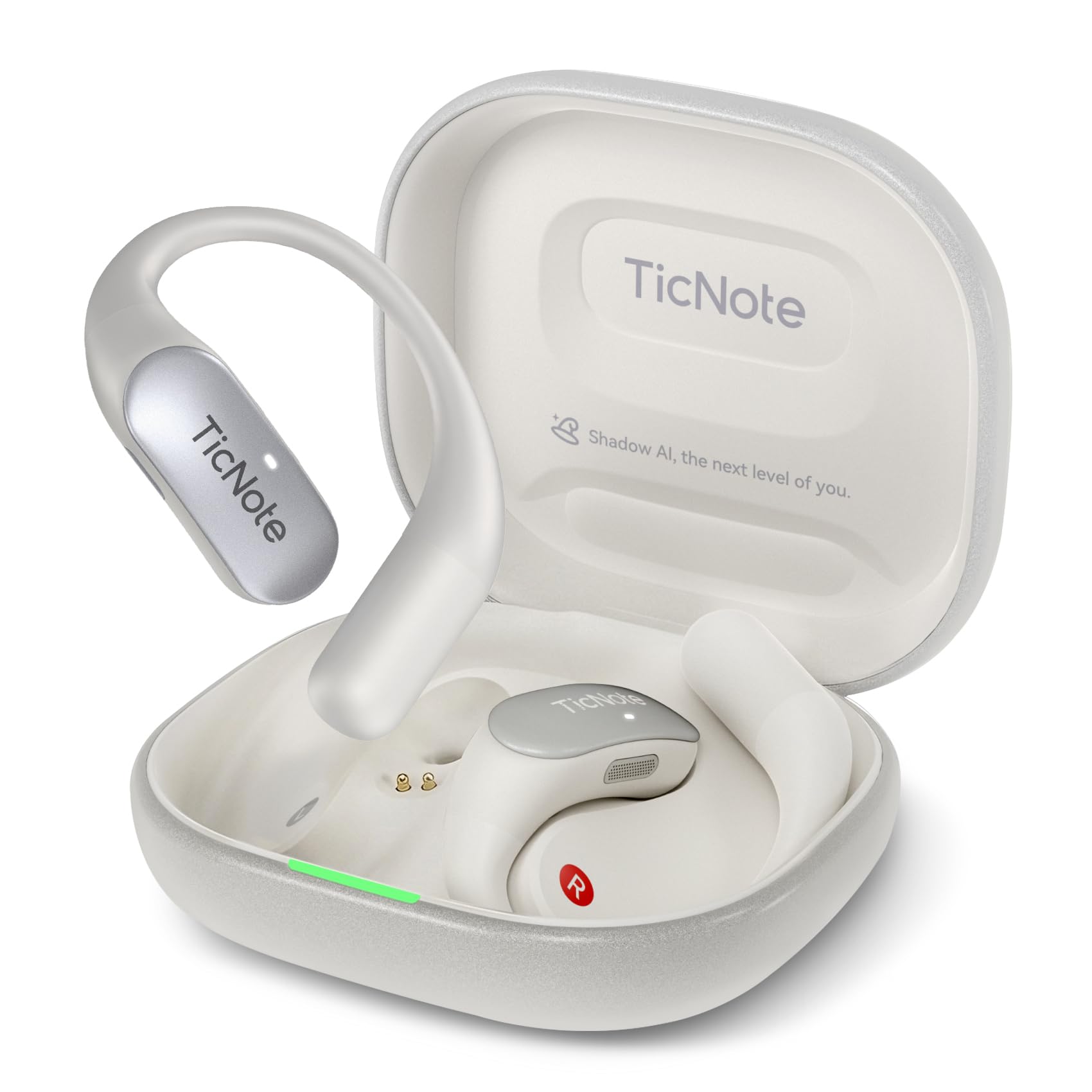
| Mobvoi TicNote PodsBest for Work | Professionals & 4G recording | 5 hours / case extends | Dual-channel mics, 4G | Earbuds + Case | Amazon |
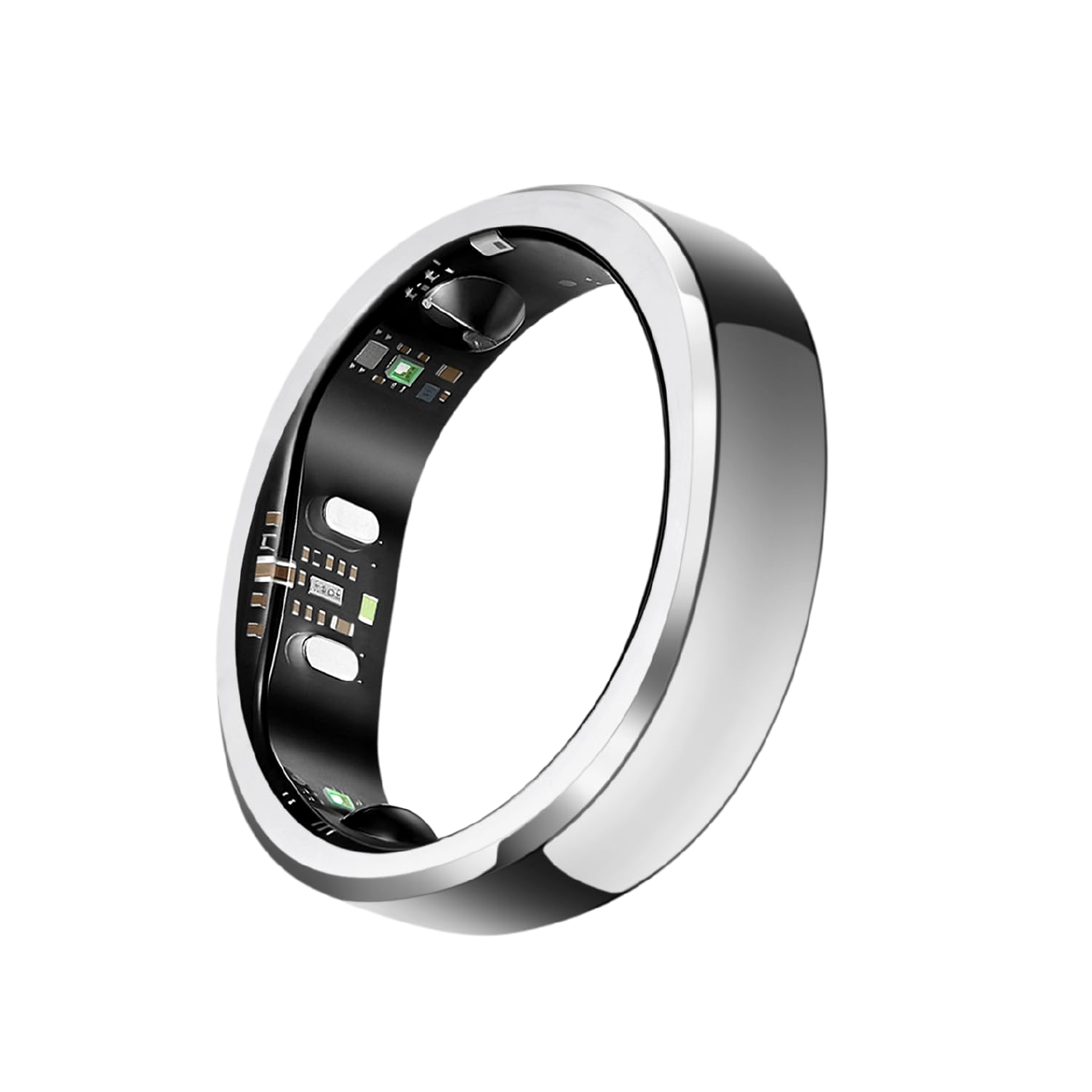
| RingConn Gen 3Best Value | Subscription-free health tracking | 14 days | Vascular, SpO₂, HRV | Titanium Ring | Amazon |
| OURA Ring 4 | 24/7 sleep & recovery | Up to 8 days | Smart Sensing, HR, Temp | Titanium Ring | Amazon |
| Withings ScanWatch 2 | Classic watch style + health | 30 days | ECG, AFib detection | Hybrid Watch | Amazon |
| Meta Ray-Ban (Gen 2) | Hands-free photos & Meta AI | 8 hours / 48 hrs case | 12MP 3K camera, open-ear audio | Smart Glasses | Amazon |
| Apollo Neuro | Sleep & stress relief | 8 hours | Vibration, Vagus nerve | Wearable Band | Amazon |
| Muse S Athena | Meditation & sleep insights | Not specified | EEG, fNIRS | Headband | Amazon |
| Hypershell X Pro Exoskeleton | Hiking & leg strength | 17.5km range | 800W motor, AI MotionEngine | Leg Exoskeleton | Amazon |
In‑Depth Reviews
1. Garmin Forerunner® 970
Our pick — over 4.5★ from 500+ verified ratings; the strongest balance of quality and price.
The endurance king that turns your wrist into a triathlon coach.
This is the watch for runners and triathletes who want every metric imaginable. The built-in multisport auto-transition detects when you switch between swim, bike, and run, so it handles the race splits while you focus on effort. It even has wrist-based running power, so you see continuous measurements of how much force you’re applying to the ground.
The AI smarts shine in the training readiness score, which weighs your sleep, recovery, training load, and HRV status to tell you if you’re primed for a hard session. The battery is the standout conversation piece here — up to 15 days in smartwatch mode, or 26 hours in GPS mode, so a week-long training block won’t drain it. The crowd favorite clearly values this; it’s one of the highest-rated sports watches among the group.
What wins people over is the design, with the lightweight titanium bezel and sapphire lens keeping it durable yet comfortable. A built-in LED flashlight adds awareness during pre-dawn runs. The catch is the learning curve — it’s more complex than a casual fitness watch, and some runners note the initial setup takes patience before it feels genuinely useful.
Why it leads the pack
- 15-day smartwatch battery trounces the daily charging habit
- ECG app records heart rhythm for AFib signs
- Built-in speaker + mic for wrist calls
Who should look elsewhere
- Steeper learning curve than a basic fitness band
- Premium price point for casual users
The verdict: A performance powerhouse for the data-driven athlete.
Think twice if: You just want simple step counting and don’t need pro-grade metrics.
2. Mobvoi TicNote Pods
The tiny earbuds that turn any conversation into a searchable action plan.
These pods are built for one specific job: capturing meetings and turning them into notes without touching your phone. The built-in 4G means it records and uploads even when your phone is left at the desk. Buyers report the AI summary generation is genuinely fast — roughly 30 seconds — and includes key decisions and action items.
The dual-channel trick is clever. The earbuds capture call audio from your ear, while the case mic picks up the room within 10 meters, so you get both sides of a hybrid meeting. AI transcription covers 120+ languages, which makes it a traveling workhorse. The real-world insight is that the 5-hour battery per session gets extended by the charging case, which you can also record from.
The honest trade-off is the audio quality — open-ear buds leak some noise, and the AI summaries might need light editing for heavily accented or technical speech. Battery life is solid for a workday, not for all-day field recording without a case recharge.
Smart pick: The best wearable here for executives, journalists, and researchers who live in meetings.
One caveat: Power users may need a higher-tier subscription plan for heavy transcription volume.
3. RingConn Gen 3 Smart Ring
A full-featured smart ring that never asks for a monthly fee.
The RingConn Gen 3 is the pick for anyone who wants Oura-like insights without the recurring subscription. The battery is the headline — up to 14 days on a single charge thanks to EcoPower Tech 2.0 — and owners routinely report it outlasting other rings they’ve worn. It tracks sleep, heart rate, HRV, stress, SpO₂, and even sleep apnea signals.
The key difference from competitors is the vascular health insights. After a one-time calibration, it analyzes physiological signals to reveal vascular load trends throughout the day. Its haptic vibration alerts buzz on your finger for inactivity or low battery, so you don’t need to check the app constantly. IP68 water resistance means handwashing and swimming are both fine.
The catch is sizing — RingConn’s sizing kit is essential because the inner sensor design differs from standard ring sizes. Owners also note it’s built for lifestyle tracking rather than intense workout data, so if you’re a CrossFit devotee, a dedicated sports watch might serve you better.
Best for: Budget-conscious health trackers who refuse subscription fees.
Skip if: You need advanced workout metrics like VO₂ max and power zones.
4. OURA Ring 4

The all-titanium ring that made sleep tracking a fashion statement.
Oura Ring 4 is the default answer for 24/7 sleep and recovery tracking. It monitors over 50 health metrics, including sleep, activity, stress, and women’s health, and its Smart Sensing adapts continuously to your body. The design is genuinely comfortable — an all-titanium build that disappears on your finger, so it’s easy to forget it’s there until the compliments arrive.
The sleep tracking is what the majority of buyers love most, and it integrates with over 40 apps like Apple Health, Google Health Connect, and Natural Cycles. With up to 8 days of battery life, you’re not tethered to a charger every night, and quick charges of 10-15 minutes can buy back days of use.
The honest trade-off is the subscription model — the first month is included, but after that it’s a recurring fee. Battery life also gets mixed feedback over the long term, with some owners reporting faster drain after months of use, though customer support typically resolves it with a replacement. Durability concerns surface occasionally, so a protective mindset helps.
Stylish choice: The ring for those who want sleep insights and don’t mind a subscription.
Note: The subscription fee is a dealbreaker for some, and the glass can scratch with heavy use.
5. Withings ScanWatch 2
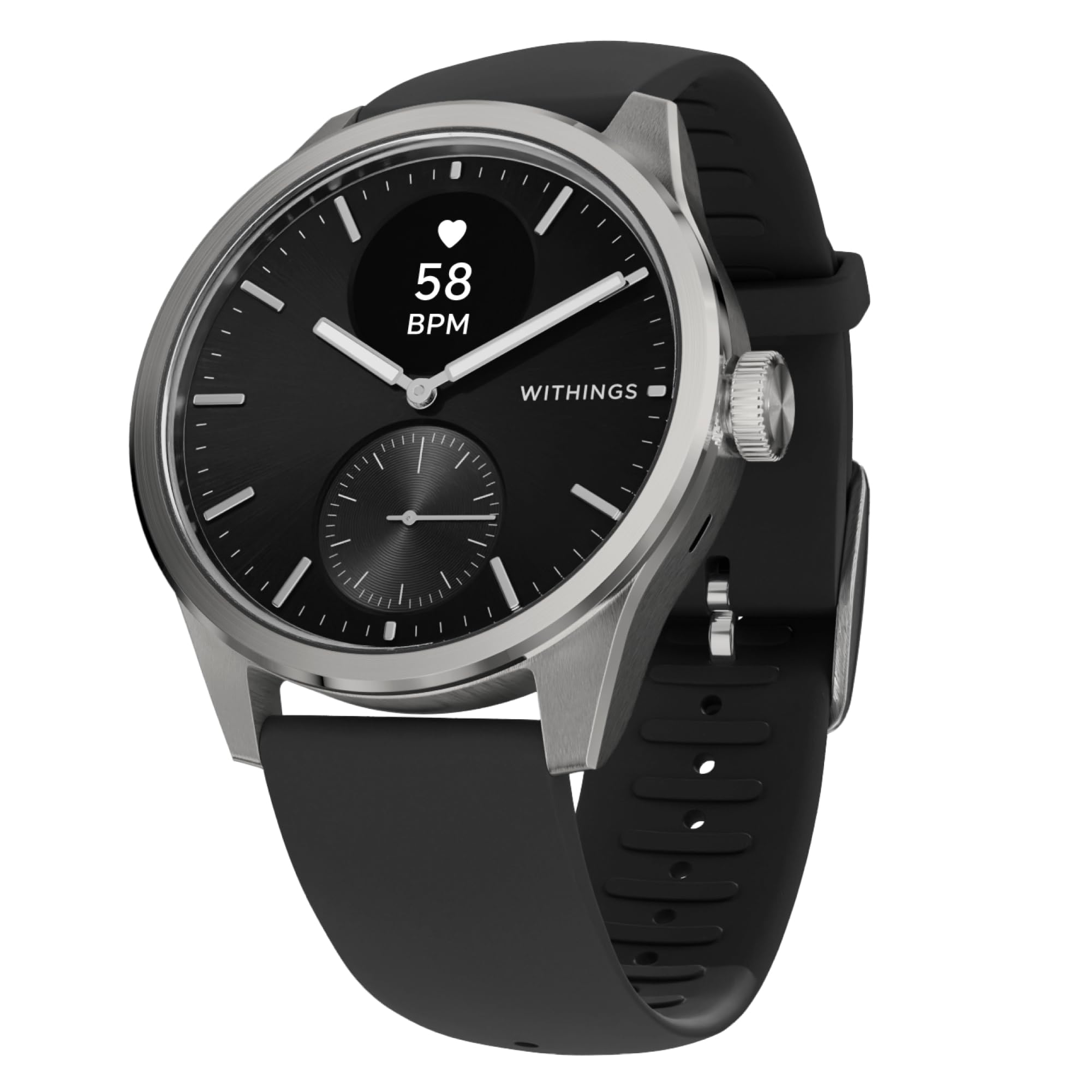
The hybrid watch that looks like heirloom jewelry but tracks like a medical device.
This is the smartwatch for people who refuse to wear a mini phone on their wrist. The design is timeless — analog hands, stainless steel case, sapphire glass — yet it hides serious health hardware. The 30-second medical-grade ECG and continuous heart rate tracking with AFib detection make it a strong choice for heart-conscious buyers.
The battery is the unsung hero here. With up to 35 days of continuous use on a single charge, it dramatically outlasts the Garmin’s 15 days and the Oura’s 8 days. You get sleep stage tracking, breathing analysis, and over 40 sports with VO₂ max and heart rate zones. Owners love that it feels like a normal watch until you need it — no buzzing screen demanding attention.
Some users report the exercise tracking can be sporadic with steps and treadmill heart rate, and a few note accidental button presses when worn on the left hand cause issues. If you want a smartwatch that looks great at a wedding and tracks your sleep all month, this is the one.
Stylish seeker: Perfect for the professional who wants health data without a glowing screen.
Consider: Serious gym-goers might prefer a dedicated sports watch for workout accuracy.
6. Meta Ray-Ban (Gen 2)
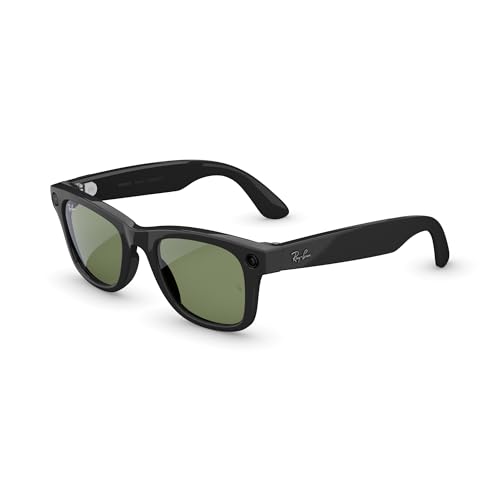
Iconic shades that secretly record 3K video and answer questions hands-free.
The Meta Ray-Ban Gen 2 puts a 12MP ultra-wide camera and open-ear speakers into the classic Wayfarer frame you already recognize. The keynote feature is hands-free video recording in 3K resolution — press a button and capture clips up to 3 minutes while staying in the moment. Buyers consistently praise the camera and audio quality.
Battery life hits up to 8 hours on a full charge, and the charging case extends that to 48 hours total on the go. The open-ear audio design keeps you aware of your surroundings, which makes them usable in places where earbuds are banned. Meta AI handles real-time translation between French, Italian, Spanish, English, German, and Portuguese with no Wi-Fi needed.
The recurring concerns are durability and reliability over time. Some owners mention the glossy finish scuffs easily on the arms, and a few experienced the device stopping working after several months. It’s also worth knowing that image stabilization is only available in 1080p mode, not at the full 3K resolution.
The cool factor: Hands-free photo and video that looks like regular eyewear.
Reality check: Durability is a mixed bag — treat the glossy frame with care.
7. Apollo Neuro + SmartVibes
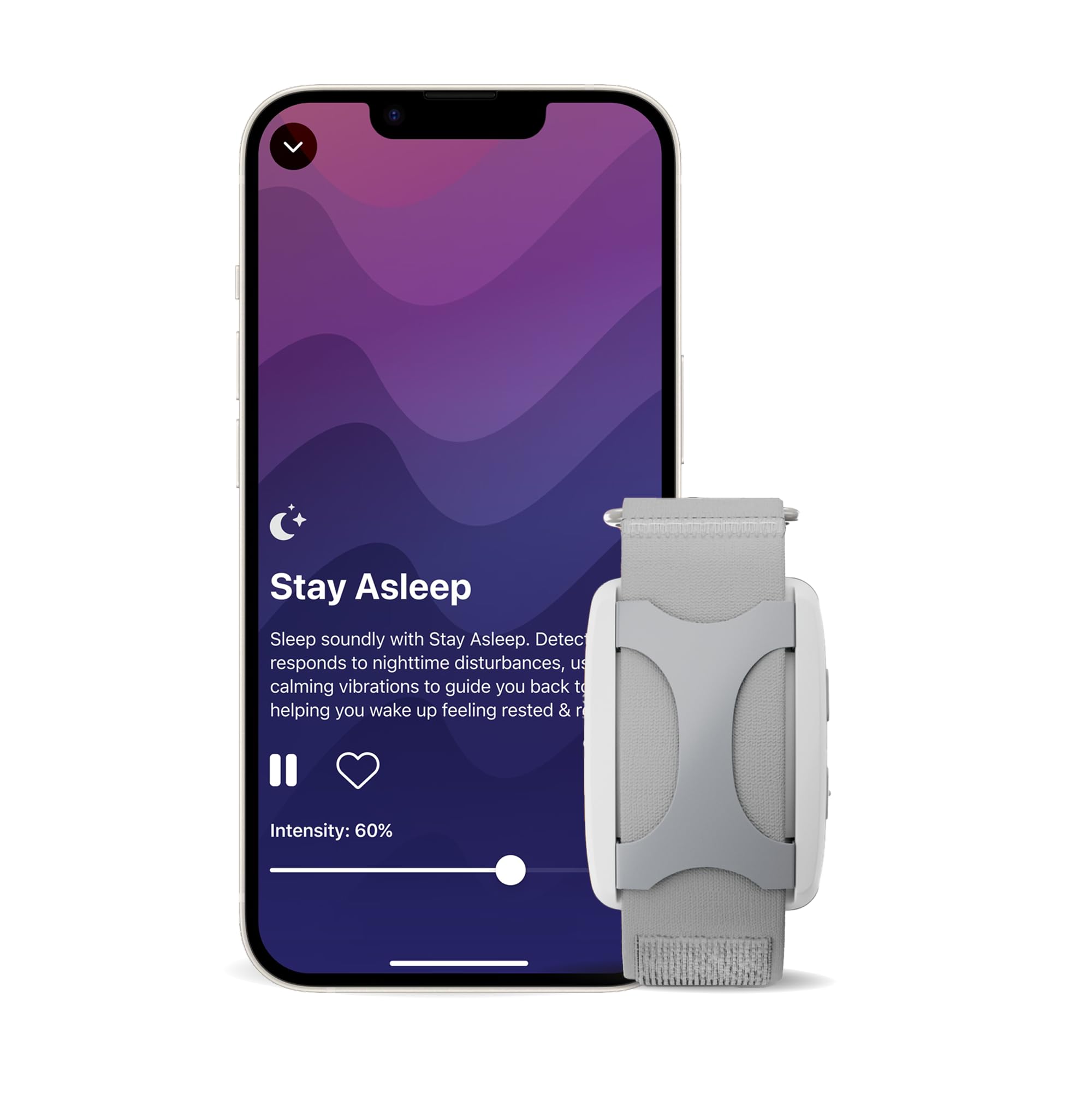
A vibrating band that whispers to your nervous system for better sleep and calmer days.
The Apollo Neuro skips screens and metrics, instead delivering gentle, programmable vibrations to support your nervous system’s natural rhythm. The included 12-month SmartVibes AI membership personalizes those vibrations in real time, adapting to your day and night.
Customers note falling asleep faster and waking up more rested. It’s also praised for reducing reactivity during stressful meetings. The device is lightweight and can be worn on your wrist, ankle, or clipped to clothing, with up to 8 hours of battery per full charge.
The critical caveat is scientific skepticism. Some healthcare providers recommend it, but a few owners call it a placebo due to a lack of independent clinical trials. The subscription is also pre-activated for a year, so the long-term cost is worth considering. It’s a wellness tool, not a medical device — approach it with that mindset.
Calm companion: Ideal for stress-prone individuals who want a non-invasive relaxation aid.
Caution: For skeptics, the clinical evidence is still a matter of debate.
8. Muse S Athena Headband
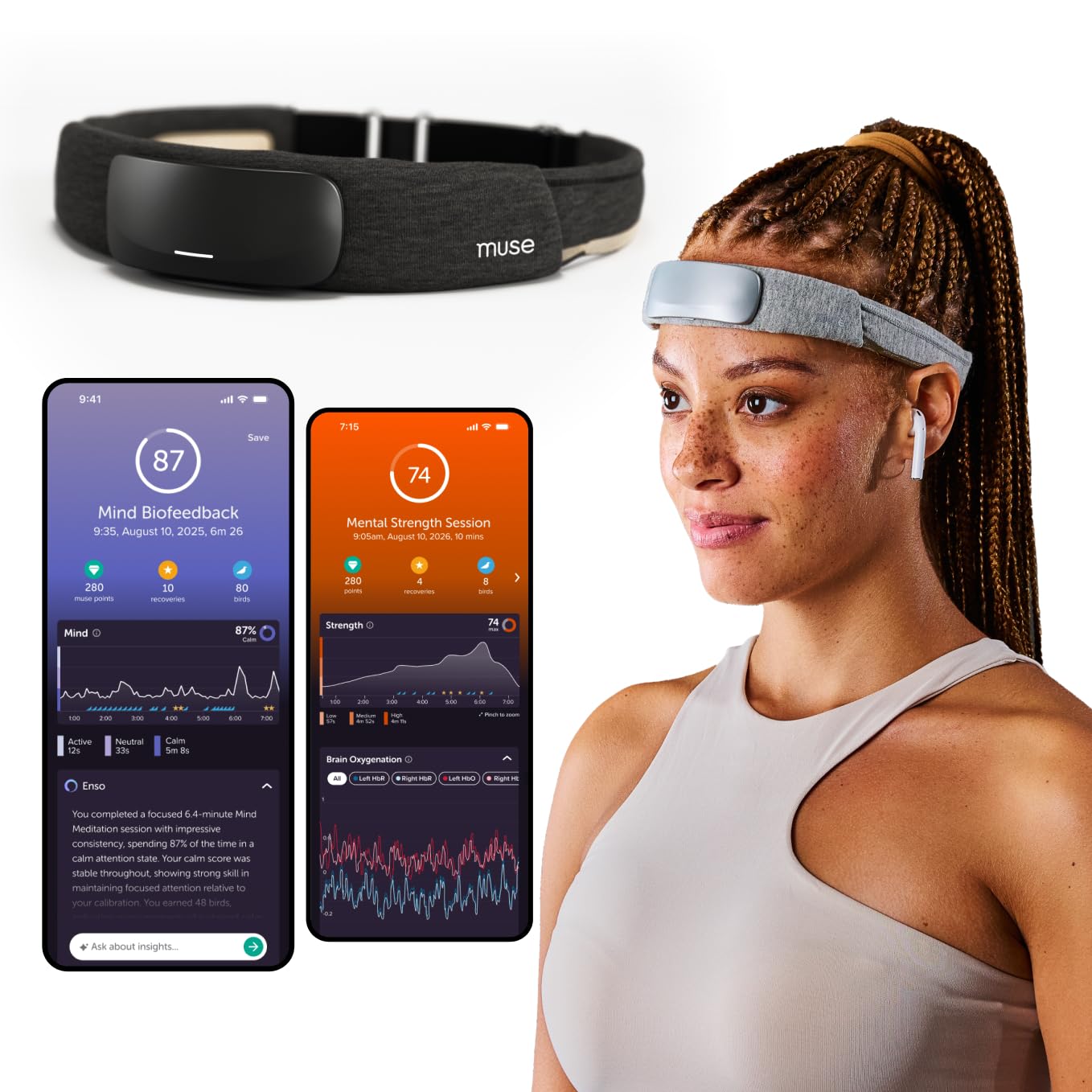
A sensor-studded headband that turns meditation into a data-driven workout for your brain.
The Muse S Athena is the most specialized device here, packing EEG sensors (which measure brainwave electrical activity) alongside fNIRS (which tracks blood flow in the brain) into a soft, adjustable headband. Its Deep Sleep Boost feature detects slow-wave sleep and works to extend it, which reviewers point out genuinely improves sleep continuity.
For meditation, the real-time biofeedback is compelling — you hear or see your brain activity as audio cues, helping you recognize when your mind wanders. Owners find it transforms their practice, offering data that makes relaxation feel tangible. It comes with an optional Premium subscription that adds an AI Coach and access to 500+ meditations.
The honest limitations are reliability and accuracy. Some shoppers say needing several attempts to get a stable sensor connection, particularly those with thicker hair, and there are questions about measurement precision. It’s a niche tool with a steep learning curve, best suited for dedicated meditators, not casual curious types.
Dedicated tool: For serious meditators who want visible, real-time proof of their mental state.
Not for: Casual users who expect a plug-and-play gadget with zero fiddling.
9. Hypershell X Pro Exoskeleton
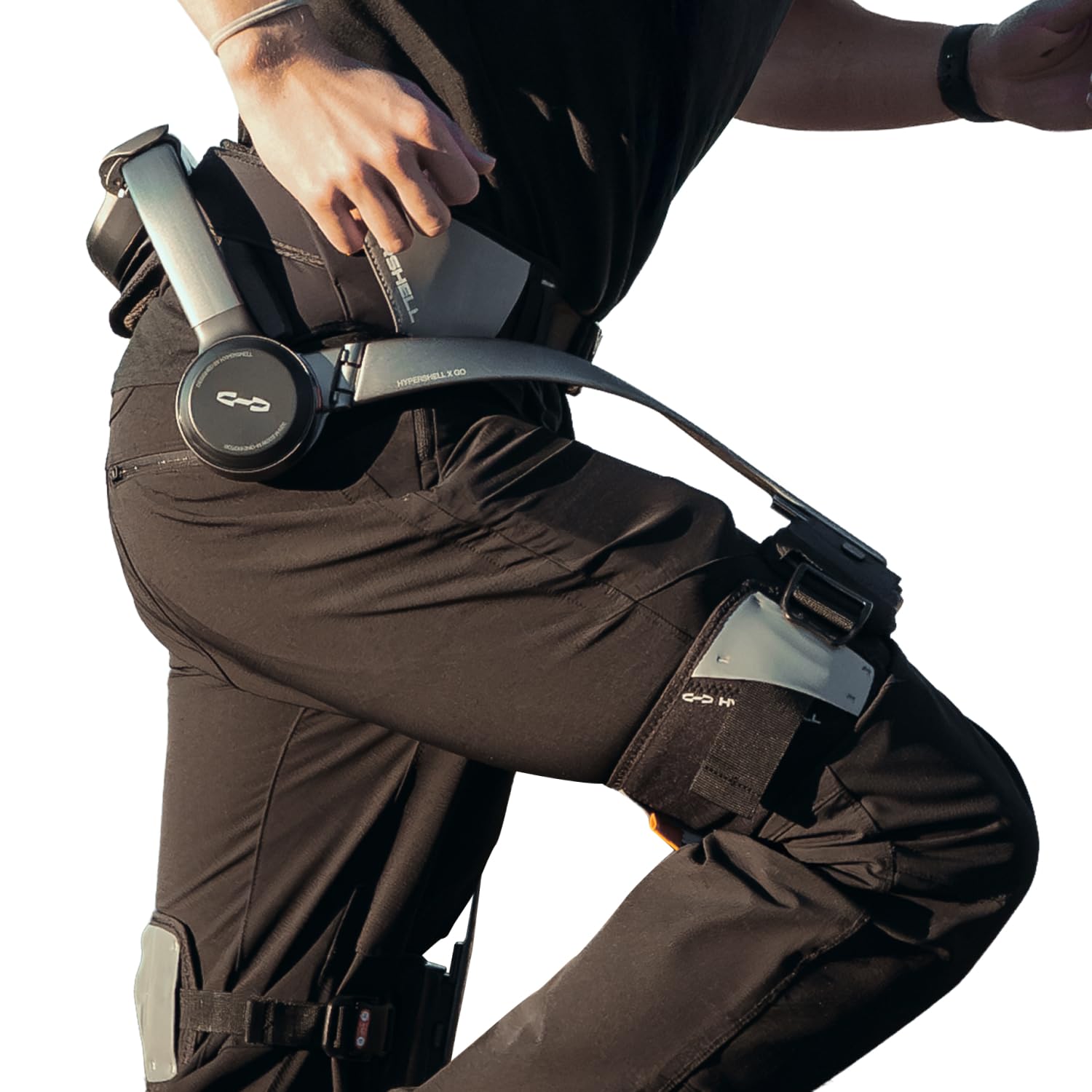
The wearable exoskeleton that makes leg fatiguing hikes feel like a gentle stroll.
The X Pro is the most radical device here — a leg exoskeleton that delivers up to 800W of peak power to help you climb hills and power through trails. Its AI MotionEngine detects your movement intentions in real time, with an ultra-responsive 0.03-second reaction time, and adjusts assistance automatically. It’s rated for use in conditions from -4° to 140°F with IP54 dust and water resistance.
Owners describe it as transforming their hiking experience, reducing leg fatigue and letting them go farther than before. With two included batteries, you get a total range of 17.5km on a single charge cycle. The carbon fiber design keeps it lightweight (5.6 pounds), though that’s still noticeable when carrying it.
This is not a medical device, and the maker explicitly states it can’t be used for medical purposes. The biggest complaints involve weight and the learning curve — some find it heavy on the back and it requires patience to adjust properly. It’s built for healthy individuals seeking enhanced endurance, not for rehabilitation. Also, note that the charger is not included, and a 65W or higher PD-compatible charger is recommended.
Adventure enhancer: Perfect for avid hikers and endurance enthusiasts wanting to push limits.
Know before buying: It adds weight, needs adjustment time, and won’t help with pain relief.
Understanding the Specs
Optical Heart Rate vs. ECG
Optical sensors use green light to detect blood flow under the skin, giving you continuous pulse data anywhere on the wrist. An ECG (electrocardiogram) takes a more precise snapshot by recording the heart’s electrical signals with a 30-second touch-read. You want ECG if you’re concerned about heart rhythm irregularities, but for general fitness and sleep, optical tracking is perfectly capable.
AI Battery Life Conundrum
Battery life is the spec that dictates whether a wearable disappears into your life or becomes a daily chore. A smartwatch with a 15-day battery frees you from nightly charging, while a headband might need daily top-ups. Check the battery life in both ‘smartwatch’ and ‘GPS’ modes if you train outdoors, and always factor in whether the AI features (like continuous stress monitoring) are included in the official number.
FAQ
Do I need a subscription for these AI wearables to work?
Which AI wearable is best for serious runners and triathletes?
What is the difference between a smart ring and a smartwatch?
Can these AI wearables record meetings and take notes?
Is a wearable that monitors stress and sleep actually accurate?
How long should the battery last on a good AI wearable?
Which wearable is best for improving sleep quality?
Are there any AI wearables suitable for outdoor hiking and heavy physical activity?
Do these devices need a phone to operate?
Final Thoughts: The Verdict
If you want one dependable pick, the ai wearable devices winner is the Garmin Forerunner 970 because it offers the deepest and most versatile data for active lifestyles. If you want the all-day comfort of a ring without recurring fees, grab the RingConn Gen 3. And for a professional who lives in meetings, the Mobvoi TicNote Pods is the one to reach for.
How We Picked
We do not accept paid placement. Every pick is matched to a real buyer and a real use-case; we do not hands-on test units.
Sources & Methodology
Specifications: manufacturer listings and product documentation. Review insights: verified customer reviews, as of August 2026. Pricing: not shown on this page (it changes often); check the current price via the retailer link.
As an Amazon Associate, Gadgets Feed earns from qualifying purchases. This does not affect which products we feature.