
The deep ruby hue of a wild sockeye fillet is the first signal you’ve found something real. Unlike its pale farmed counterpart, true Alaskan salmon carries a robust, mineral-forward flavor and firm, flaky texture that only comes from a diet of wild krill and a life spent swimming against strong Pacific currents. The difference between grabbing a random vacuum-sealed filet off the shelf and ordering one that originates from the cold, pristine waters of Bristol Bay is the difference between a decent meal and an unforgettable one.
I’m Min — the co-founder and writer behind Gadgets Feed. I’ve spent countless hours scrutinizing sourcing certifications, mercury testing protocols, omega-3 fat profiles, and customer feedback patterns across dozens of salmon products to separate genuine wild-caught quality from clever packaging claims.
Whether you’re looking for a convenient pantry staple for quick lunches or a premium centerpiece for a special dinner, making an informed choice matters more than ever. This guide breaks down the best options for your next purchase of best alaskan salmon.
How To Choose The Best Alaskan Salmon
Navigating the world of Alaskan salmon requires more than just looking for the word “wild.” You need to understand the species, the processing method, and the certifications that guarantee you’re getting a legitimate, high-quality product from a sustainable source.
The Salmon Species Guide: Sockeye vs. King vs. Pink
The species dictates everything. Sockeye is the star for its deep red color and rich, bold flavor—perfect for grilling or baking. King (Chinook) is the fattiest, offering a buttery, melt-in-your-mouth texture and milder taste, commanding a premium price. Pink salmon is the most affordable option, with a lighter color and milder flavor, ideal for salads, patties, or adding to casseroles where its delicate taste blends in.
Form Factor: Fillets vs. Canned vs. Pouches
Your choice between fillets and preserved forms depends entirely on your kitchen routine. Fresh or frozen fillets offer the full experience for a center-of-the-plate meal. Canned salmon provides unmatched shelf stability and is often skinless, boneless, and ready to use instantly. Pouches are the ultimate portable option, offering the same convenience as cans but in a lighter, resealable format that’s perfect for on-the-go protein.
Validating Certifications and Testing
Legitimate Alaskan salmon should carry specific marks. The Marine Stewardship Council (MSC) blue label ensures the fish was sustainably wild-caught from a certified fishery. The Monterey Bay Aquarium Seafood Watch “Green” or “Yellow” rating is another strong indicator. For safety, look for mercury testing—brands like Safe Catch test to 0.04 ppm, which is 25 times stricter than the FDA limit, providing peace of mind for frequent consumption.
Quick Comparison
On smaller screens, swipe sideways to see the full table.
| Model | Category | Best For | Key Spec | Amazon |
|---|---|---|---|---|
| Alaskan Sockeye Salmon Fillet | Premium Fillet | Main course grilling/baking | 1 lb Sockeye Fillet | Amazon |
| King Salmon Fillet | Premium Fillet | Luxury buttery texture | 1 lb King Salmon Fillet | Amazon |
| Safe Catch Wild Pink Salmon | Canned/Pouch | Mercury-tested pantry staple | 35g Protein per can | Amazon |
| Blue Harbor Pink Salmon | Canned | No-salt meals & patties | 60 oz total (12-pack) | Amazon |
| Bumble Bee Smoked Coho Salmon | Canned | Smoked flavor in oil | 19g Protein per can | Amazon |
| StarKist E.V.O.O. Pink Salmon | Pouch | Portable on-the-go eating | 14g Protein per pouch | Amazon |
| Rubinsteins Red Sockeye Salmon | Canned | Whole fish with bones/skin | 3,500+ mg Omega-3 per can | Amazon |
In‑Depth Reviews
1. Alaskan Sockeye Salmon Fillet

This Whole Foods Market offering delivers the quintessential sockeye experience: a deep, vibrant red fillet that turns flaky and rich when seared in a cast-iron pan. At 1 pound, it’s the right size for feeding three people, and the MSC-certified sourcing guarantees the fish came from a sustainable wild-capture fishery in Alaska. Customer reviews consistently praise its clean, “no smell” freshness upon opening, which is the true mark of a fillet that was never previously frozen or shipped improperly.
The firm texture holds up well to high-heat cooking methods, making it a forgiving choice for home cooks who want a reliable main course. One reviewer reported finding small pin bones near the midsection, which is a common drawback of whole fillets and requires a quick pass with tweezers before serving. Despite this, the cooking results are consistent: the fat content of sockeye means it stays moist without needing excessive oil or butter.
While it’s a perishable product with a short window for use, that is the trade-off for the fresh-shipped quality you get. For anyone wanting a restaurant-caliber salmon dinner with minimal effort, this fillet represents an excellent intersection of quality and convenience.
Why it’s great
- MSC-certified sustainable wild-caught salmon
- Rich, deep red color and robust flavor profile
- Fresh-shipped with a clean, non-fishy smell
Good to know
- May contain small pin bones requiring removal
- Requires immediate cooking or freezing
2. King Salmon Fillet
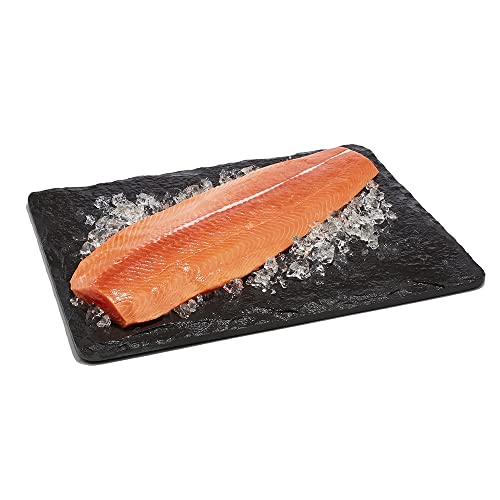
King salmon is the crown jewel of the species for a reason: its exceptionally high fat content delivers an almost buttery mouthfeel that sockeye cannot match. This Whole Foods offering brings that experience to your doorstep, with a flavor that is milder and richer than the more assertive sockeye. Customers who enjoy its subtle flavor often describe it as having zero fishiness, making it appealing even to those who are generally wary of seafood.
Quality control is the most critical factor here. Reviews highlight notable inconsistency between orders—sometimes you receive a beautifully marbled, orange-to-white fillet that cooks like a dream, and other times the same product arrives as a discolored, rubbery tail portion that lacks the characteristic King texture. This variability makes it a riskier purchase compared to the more consistent sockeye fillet.
Because King salmon is rarer and thus commands a higher price, the inconsistency is frustrating. If you are willing to gamble on a special-occasion fish and have the time to return a bad batch, the peak experience here is genuinely unrivaled. But for repeat buyers seeking reliability, the sockeye fillet remains the safer bet for delivering an excellent result every time.
Why it’s great
- Buttery, luxurious texture with high omega-3s
- Mild and clean non-fishy flavor
- Sustainably wild-caught
Good to know
- Inconsistent quality between orders
- Some tail portions can be dry and rubbery
3. Safe Catch Wild Pink Salmon Canned (6-Pack)

Safe Catch has built its reputation on a single, powerful feature: every single fish in every single can is mercury tested to 0.04 ppm—a limit 25 times stricter than the FDA’s own standard. For anyone who eats salmon regularly, especially pregnant women or parents feeding young children, this provides a level of safety assurance no other brand on this list matches. Each 5-ounce can delivers a staggering 35 grams of lean protein from skinless, boneless filets packed in their own juices without any additives.
The flavor is clean and pure, making it an easy winner for salads, wraps, or eating straight from the can when you need a fast protein hit. Unlike some canned salmon that can be mushy, these filets maintain a pleasant firm texture. Customers consistently note the product’s versatility and “fresh taste,” with one remarking it works perfectly over toast or crackers for a satisfying snack.
The main trade-off is the size of the can. At 5 ounces, a single can provides a moderate serving—enough for a large salad or a sandwich but possibly not enough to feed two people as a main course. Still, for its primary use case as a go-to, trustworthy pantry staple that prioritizes purity above all else, Safe Catch is in a class of its own.
Why it’s great
- Mercury tested to 0.04 ppm (25x FDA limits)
- 35g protein per can from skinless filets
- MSC-certified sustainable
Good to know
- Moderate 5 oz serving size
- Packed in natural juices; some prefer oil
4. Blue Harbor Fish Co. Wild Pink Salmon in Water (12-Pack)

Blue Harbor Fish Co. offers a no-frills solution for those who need a large quantity of quality canned salmon at a competitive per-ounce cost. Each case contains 12 cans of 5-ounce wild pink salmon, totaling 60 ounces of meat. The defining attribute here is the “no salt added” processing, which is critical for anyone on a sodium-restricted diet or who prefers to control their own seasoning. The fish is packed simply with water, leaving a clean, mild canvas.
The jumbo lump texture is a step above standard chunk light products, providing satisfying flakes that hold together well for salmon patties or casseroles. Customers particularly appreciate the zero sodium, with one buyer specifically praising it for being suitable for a senior family member’s dietary needs. The flavor is consistently described as “mild and pleasant—non-fishy,” which makes it a safe choice for picky eaters.
Some feedback notes that the cans contain quite a bit of water to drain before use, and one reviewer stated a preference for a competitor’s product. However, for the total volume, quality, and dietary compliance, this 12-pack hits a sweet spot for households that go through canned salmon quickly.
Why it’s great
- Excellent value with 60 ounces total weight
- No salt added—suitable for low-sodium diets
- Mild, clean flavor with good flake texture
Good to know
- Contains a lot of water to drain
- Preference may vary vs. other brands
5. Bumble Bee Smoke Flavored Red Coho Salmon Fillets (12-Pack)

Bumble Bee takes a different approach by using coho salmon—a species with a lighter color and milder flavor than sockeye, but which absorbs a smoke flavor exceptionally well. Each 3.75-ounce can features a whole fillet packed in oil with a bold, smoky profile that is more assertive than standard canned salmon. With 19 grams of protein per serving, it provides a respectable protein package that works perfectly for a bagel with cream cheese, a cracker snack, or a warm pasta dish.
The reaction to the smoke flavor is the key decision point. Users describe it as “not too smoky, just right,” allowing the delicate nature of the coho to shine through. The leftover oil is the real bonus: customers report using it to sauté vegetables or drizzle over eggs, extracting a second meal of flavor from a single can. The fillets maintain a solid, non-mushy texture that feels more like a premium product than typical shredded canned fish.
The main downside is the serving size per can. At 3.75 ounces, it is the smallest single-serving size in this roundup, making each can a personal snack rather than a full meal. However, for its specific niche—a quick, flavor-packed protein booster that doesn’t taste like ordinary canned tuna—this is a repeat-buy winner.
Why it’s great
- Bold, appealing smoke flavor without being overpowering
- Whole fillets maintain firm texture
- Leftover oil can be used in other recipes
Good to know
- Small 3.75 oz can size per serving
- Not suitable for those who prefer un-smoked salmon
6. StarKist E.V.O.O. Wild-Caught Pink Salmon (12-Pack)

StarKist solves the two biggest friction points of canned fish: the need for a can opener and the hassle of draining liquid. These 2.6-ounce pouches can be torn open in an instant, and the salmon is packed in extra virgin olive oil, which eliminates the need for added fat in your salad or sandwich. The 14 grams of protein per serving make it a solid snack, and the 12-pack bulk format ensures you have a shelf-stable, grab-and-go option for desks, car consoles, or hunting packs.
The salmon itself is wild-caught Alaskan pink, offering a lighter color and milder flavor that blends well into Mediterranean or Keto diet plans. Customers frequently note the “easy access” and great taste, with one commenter enthusiastically calling it “the best ever.” The absence of bones and skin makes it a zero-fuss ingredient for mixing into pasta or rice bowls.
The main limitation is the pouch size: 2.6 ounces is undeniably a snack serving, not a meal. At roughly per pouch, the price per pound is higher than canned alternatives. But for its specific job—delivering a ready-to-eat, no-mess protein source that requires zero prep—this format is unmatched in its convenience.
Why it’s great
- No draining or can opener required
- Packed in E.V.O.O. for built-in flavor
- Portable and convenient for on-the-go
Good to know
- Small pouch size (2.6 oz)
- Higher cost per ounce than canned options
7. Rubinsteins Salmon Red Sockeye (6-Pack)
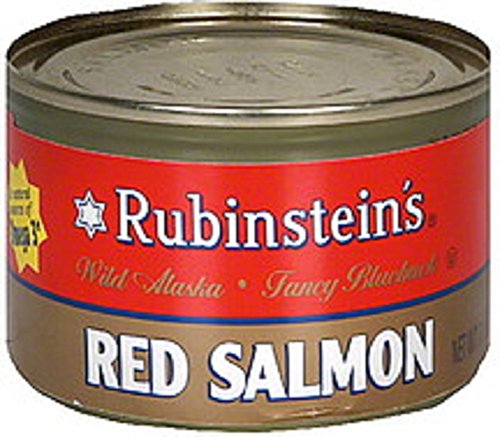
Rubinsteins takes a traditional approach with this sockeye salmon that includes both skin and bones—precisely the parts that pack the highest concentration of omega-3 fatty acids and calcium. Each 7.5-ounce can delivers over 3,500 mg of omega-3s, which is significantly higher than skinless, boneless alternatives. The rich, full flavor of sockeye is fully preserved, offering the boldest taste profile of any canned salmon in this lineup.
The inclusion of bones and skin is a feature for nutrition-seekers but a chore for others. While the bones become soft and edible during the canning process (adding a pleasant crunch and extra minerals), many users find themselves picking through the fish with a fork to remove the larger pieces before using it in salads or sandwiches. One reviewer with arthritis noted the standard can requires a strong opener due to the lack of a pull tab.
The quality and taste are widely praised as “the best,” but the product is now discontinued by the manufacturer. This means inventory is limited and may run out at any time. If you can find it in stock, it represents a nutritional powerhouse for the price, but its uncertain availability makes it a risky long-term pantry staple. For those who can work with its traditional format, it is an outstanding value.
Why it’s great
- Extremely high omega-3 content (3,500+ mg per can)
- Rich, full sockeye flavor
- Contains bones for added calcium
Good to know
- May require picking out bones and skin
- Product is discontinued; limited availability
FAQ
Is Sockeye salmon better than Pink salmon for cooking?
How do I verify a salmon product is truly wild-caught Alaskan salmon?
Why does King salmon cost more than Sockeye salmon?
Final Thoughts: The Verdict
For most users looking for a reliable, restaurant-quality meal at home, the best alaskan salmon winner is the Alaskan Sockeye Salmon Fillet because of its consistent deep red color, robust flavor, and MSC-sourced sustainability. If you need a low-risk, mercury-tested canned staple for everyday lunches, grab the Safe Catch Wild Pink Salmon. And for the most convenient on-the-go protein with zero prep, nothing beats the StarKist E.V.O.O. Pink Salmon Pouches.