
Our readers keep the lights on and my morning glass full of iced black tea. As an Amazon Associate, I earn from qualifying purchases.
Specs are compiled from manufacturer listings and verified buyer reviews and can change over time — please confirm the key details on the product page before buying.
Your feet are the foundation of every outdoor day, and nothing sinks a hike, a shift on the farm, or a morning commute faster than cold, wet socks. The battle against mud, slush, and surprise puddles is real, and the right pair of boots turns that fight into a non-event. This guide cuts through the noise to find the rubber, neoprene, and leather contenders that genuinely keep you dry, warm, and sure-footed season after season.
I’m Min — the founder and writer behind Gadgets Feed. This guide is built by comparing the manufacturers’ published specifications and the patterns across verified customer reviews, so you get each pick’s real strengths and trade-offs instead of marketing spin.
From the farmyard to the frozen trail, finding the best all-weather boots means balancing waterproofing, insulation, traction, and real-world durability — here is how the top contenders actually stack up for your daily demands.
Our Picks at a Glance

How To Choose The Best All-Weather Boots
Choosing an all-weather boot is different from picking a casual sneaker. The conditions your feet will face — rain, snow, mud, cold, and long hours of standing or walking — demand specific features. Here are the three most important things to look for.
Waterproofing: It’s Not Optional
The single most important job of an all-weather boot is to keep water out. Most good boots in this category use either a waterproof membrane like GORE-TEX or a sealed rubber-and-neoprene construction. GORE-TEX has billions of microscopic pores per square inch that block liquid water while letting sweat vapor escape, so your feet stay dry from the outside and the inside. Rubber construction is inherently waterproof, making it ideal for deep puddles and mud, but it can be less breathable. Always check that the boot is explicitly labeled “waterproof” — “water-resistant” won’t cut it in heavy rain or a wet field.
Insulation: Warmth Without the Sweat
Insulation is measured in grams (g) and neoprene thickness in millimeters (mm). A higher number means more warmth. For mild wet weather (40-60°F), 5mm neoprene or 200g insulation is plenty. For standing in snow or frigid temps (below 20°F), you will want 7mm neoprene or 600g-800g Thinsulate insulation. The key is to match the insulation to your climate and activity level — a heavy boot for a short walk in moderate cold just makes your feet sweat, which then makes them cold. Look for moisture-wicking linings that pull sweat away from your skin.
Traction and Sole: Your Connection to the Ground
Your boots need a sole that bites into mud, slick rock, and packed snow. The sole material matters — rubber is naturally grippy, while some synthetic compounds can be slippery on wet surfaces. A deep, widely-spaced tread — often called a “lug” pattern — is better for mud because it sheds dirt instead of packing it into a smooth surface. A built-in steel shank adds arch support and prevents the boot from flexing too much on uneven ground, which makes a big difference during long days on your feet.
Quick Comparison
| Model | Best For | Insulation | Construction | Key Feature | Amazon |
|---|---|---|---|---|---|
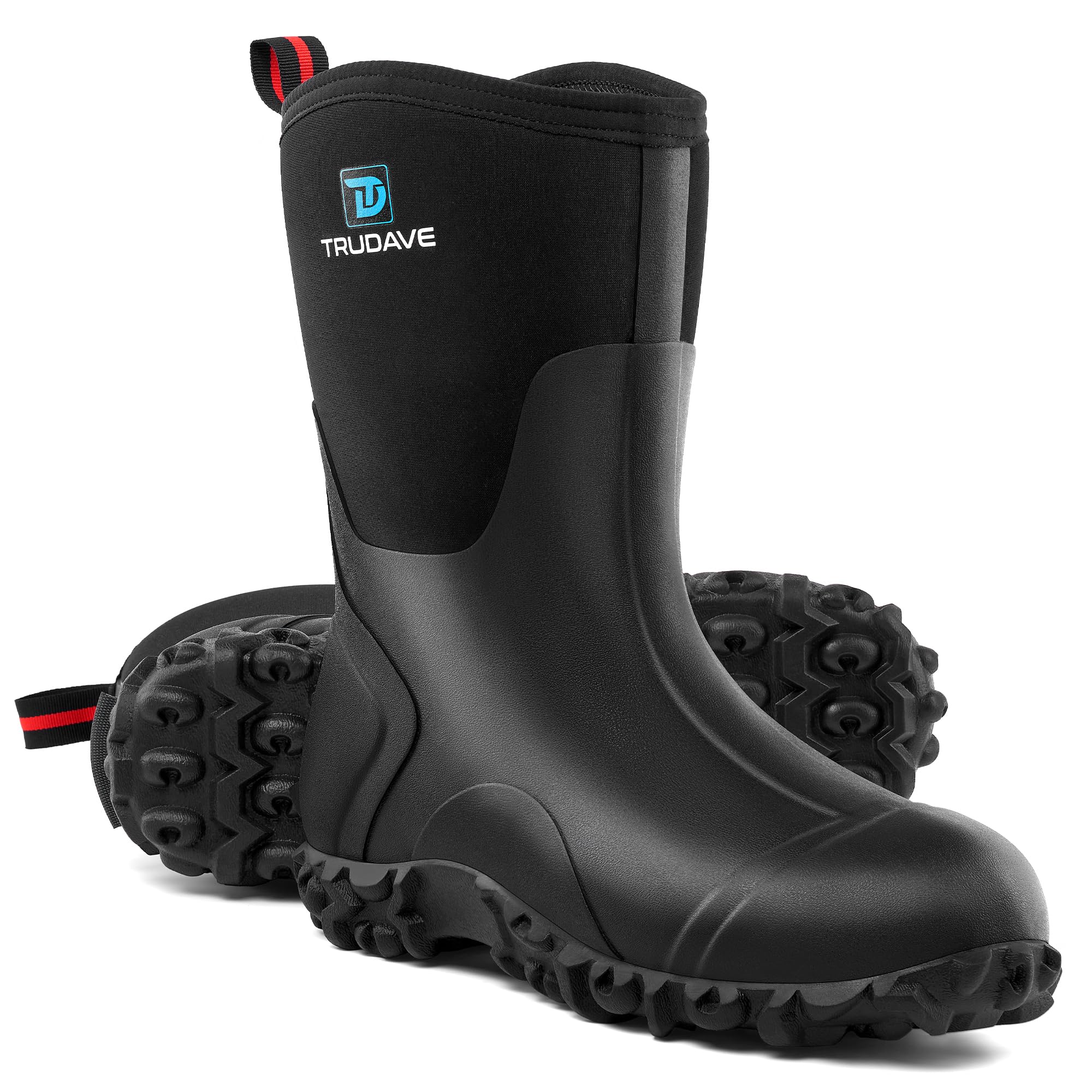
| Trudave Women’s★ Best Overall | Farm & yard work | 6mm Neoprene | Rubber + Neoprene | Steel Shank | Amazon |
| Trudave Men’sTop Performer | Outdoor work | 5mm Neoprene | Rubber + Neoprene | Reinforced Toe | Amazon |
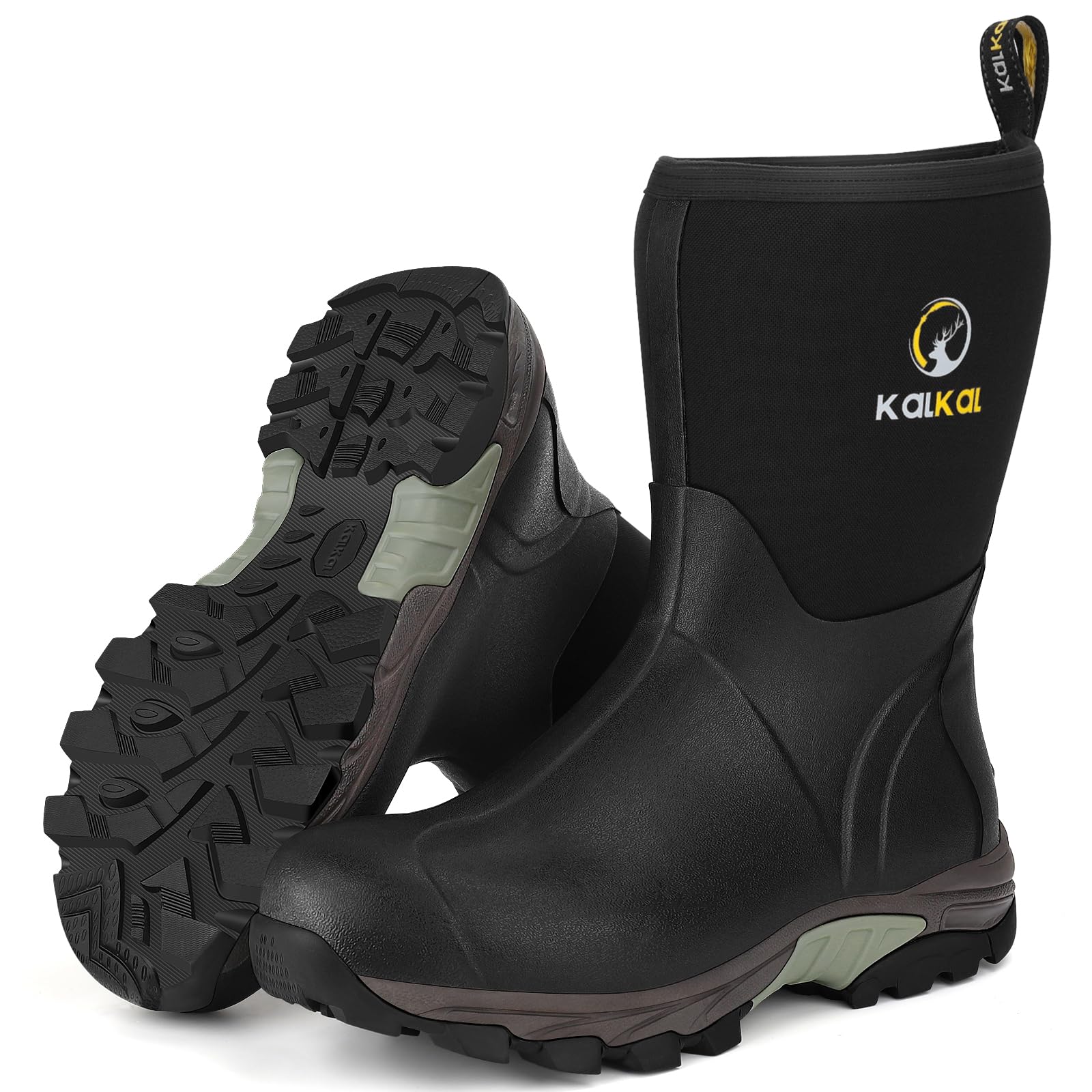
| Kalkal Men’sBest Value | Fishing & hunting | 6mm Neoprene | Rubber + Neoprene | Reflective Pull Tab | Amazon |
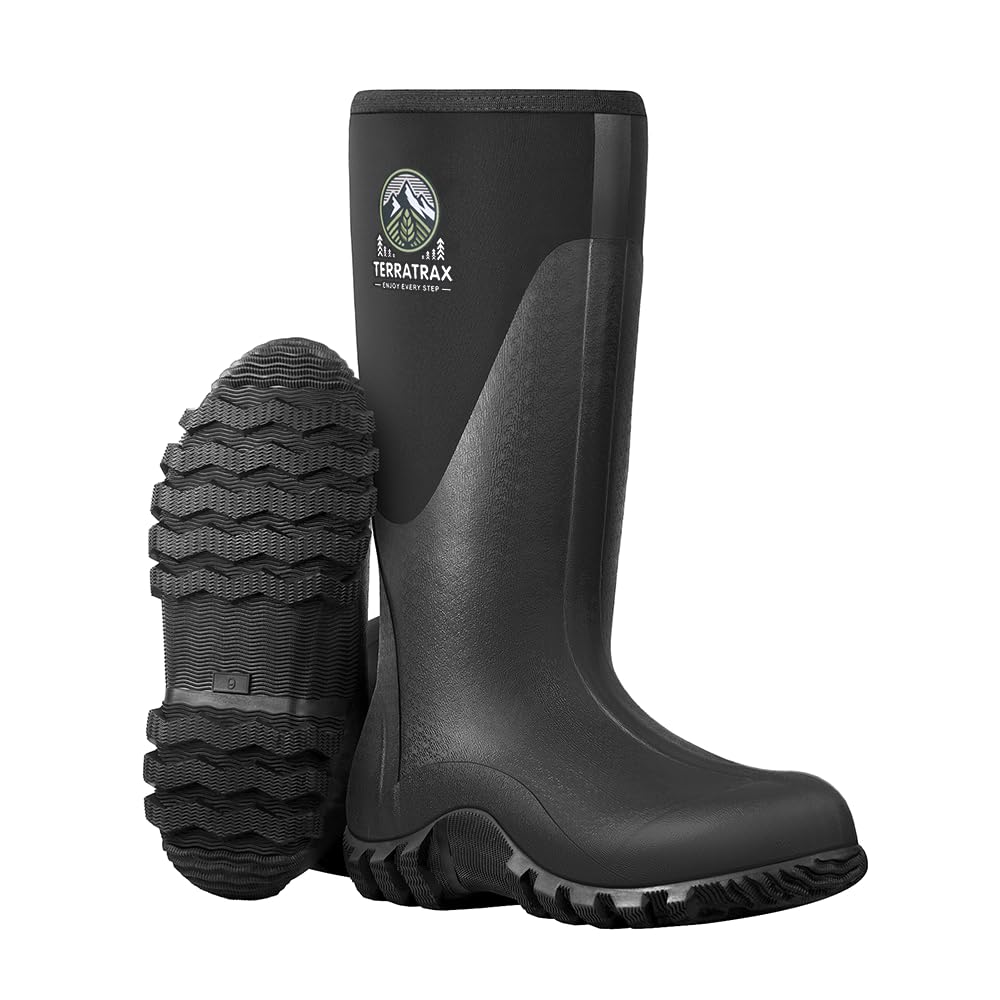
| Men’s Muck Boots | Construction & farming | 6mm Neoprene | Rubber + Neoprene | Chemical Resistant Shell | Amazon |
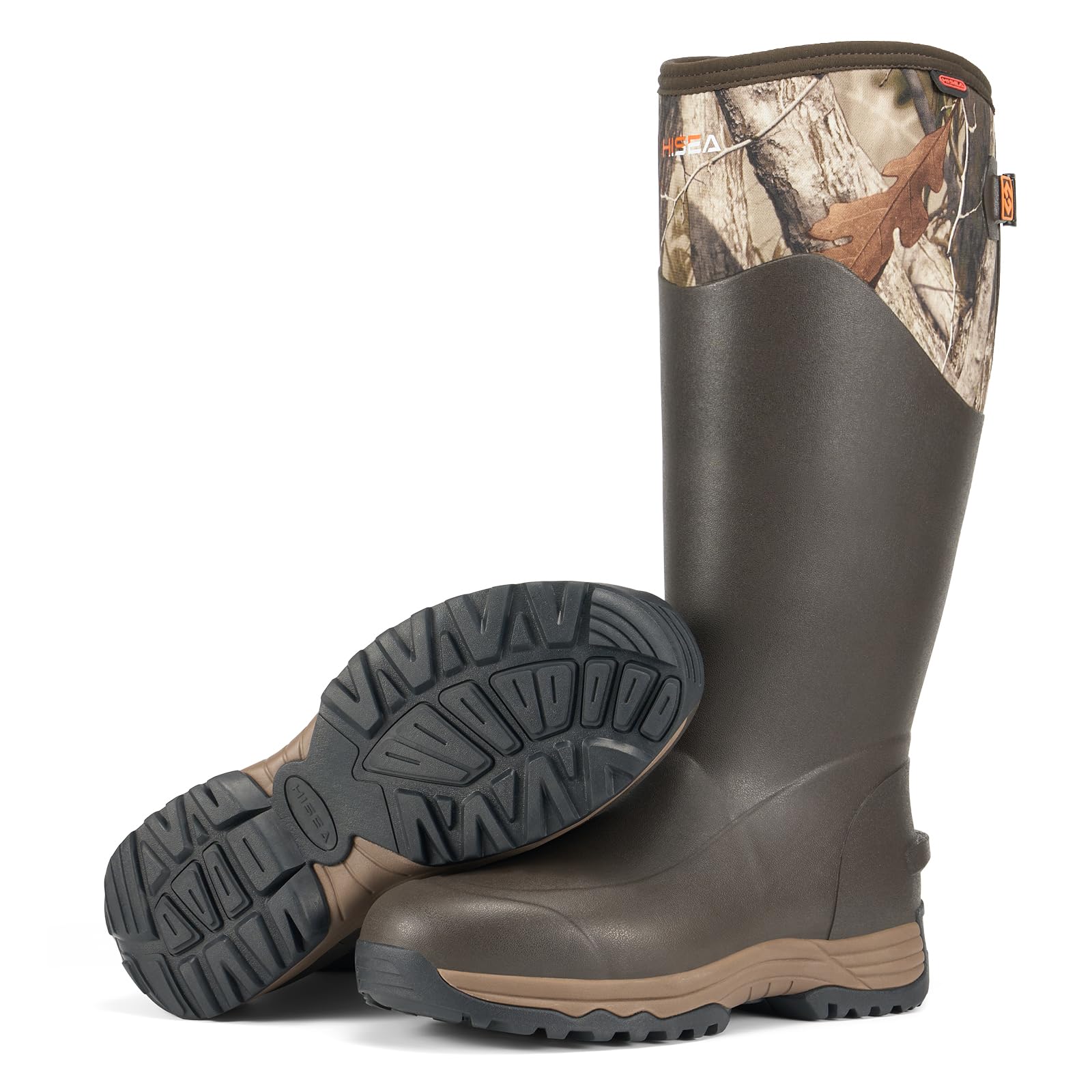
| HISEA Men’s | Wet terrain work | Neoprene | Neoprene + Rubber | Adjustable Calf | Amazon |
| TIDEWE Men’s | Hunting | 800g / 7mm | Neoprene + Rubber | Camouflage Pattern | Amazon |
| SOREL Women’s | Snow & city wear | Built-in lining | Waterproof Fabric | Fashion-forward Design | Amazon |
| KEEN Men’s Revel III | Day hiking | 200g | Leather + Synthetic | KEEN.Wet traction | Amazon |
| Irish Setter Elk Tracker | Serious hunting | 600g Thinsulate | Full-Grain Leather | GORE-TEX + ScentBan | Amazon |
In‑Depth Reviews
1. Trudave Rubber Boots for Women with Steel Shank
Our pick — over 4.5★ from 900+ verified ratings; the strongest balance of quality and price.
The pair that farm chores and snow days try to break — and can’t.
This is the boot that owners reach for when the job gets ugly. The 6mm neoprene lining delivers noticeable warmth without that bulky, stiff feel, while the 100% waterproof rubber shell means you can stand in a puddle and walk away with bone-dry socks. A steel shank built into the sole provides real arch support on uneven terrain — a feature that makes long hours in the garden or on the farm much easier on your feet.
Buyers report that comfort and quality are the overwhelming story here, with the fit getting particular praise for accommodating both thin and thick socks. The review pages sum it up: “I was in tons of snow and feet never got cold or wet at all!” The deep tread on the outsole prevents slipping on snow and ice, and the rear pull tab makes getting them on and off a quick affair. It is a crowd favorite for a reason.
The Lands It Covers
- Exceptional comfort and roomy fit right from the start, with pillowy support for daily chores.
- Steel shank and deep, anti-slip tread keep you steady on mud, snow, and rough ground.
- 6mm neoprene insulates well without overheating, and the rear heel ridge makes removal easy.
The Fine Print
- A few owners found that the seam between the sole and the boot base showed separation after a few months of very heavy use.
- Color options are limited, and some say the black is pricier than the other colors.
Grab these if: you spend your days in wet grass, muddy pastures, or snowy driveways and want a boot that feels like a slipper but fights like a tank.
Think twice if: you have very narrow feet — the generous fit might feel a little loose without a thick sock.
2. Trudave Rubber Boots for Men with Steel Shank
An Alaska-tested rubber boot that rolls up small and delivers big.
This men’s version shares the same rugged DNA as the women’s top pick, but with a slightly thinner 5mm neoprene lining (the women’s has 6mm) and a reinforced protective toe for added safety. The steel shank again provides that valuable arch support, and the anti-slip outsole keeps you planted on everything from Zodiac boat decks to muddy hunting trails. Owners mention these worked great for hiking in Alaska, where the boot was in and out of water and stood up to serious terrain.
The consensus is that these run slightly generous, which is perfect if you like a little room for thick wool socks. Owners consistently praise the build quality and comfort, noting the boot is noticeably lighter than many alternatives. As one Alaska traveler put it: “Great boots! Bought these for an Alaska trip where we were in and out of Zodiacs.”
Alaska-Proven Confidence: The combination of a steel shank, 5mm neoprene insulation, and a hard protective toe makes this a boot that serious outdoorsmen can rely on for wet, cold conditions.
The Trade-Off: No half sizes are available, so if you are an 11.5 you will need to size up to a 12 — which the reviews confirm works well.
Reach for these if: you need a tough, packable boot for hunting, fishing, or any trip where water is guaranteed.
Look elsewhere if: you need heavy insulation for prolonged deep-winter temperatures well below freezing — the 5mm neoprene is a mild-to-moderate cold performer compared to the 600g+ options.
3. Kalkal Rubber Boots for Men
Surprisingly comfortable, surprisingly durable — and a full 6mm of insulation.
For a boot that sits in a very accessible price range, the Kalkal punches above its weight with a generous 6mm neoprene build — the same thickness found in boots costing more. It offers a 12-inch shaft height that gives good coverage for wading through wet grass and shallow puddles, and the non-slip rubber sole provides trustworthy traction on mud and slick rocks. The reflective pull tab is a thoughtful touch for low-light conditions around the farm or campsite.
Owners who wear these for metal detecting and fishing report they are comfortable straight from the start, with no break-in period needed. The fit is notably generous, and the brand itself suggests ordering half a size down for a snugger feel if you are not wearing thick socks. Comfort and quality are the most-discussed strengths, and the traction is praised for handling wet, slippery surfaces without hesitation.
Pound-for-Pound Value: You get the same 6mm neoprene insulation as the top pick, making this a strong choice for mild-to-cold wet weather at a very competitive price point.
The Catch: The durability of the sole is a mixed note — while many find it holds up well over a year of heavy use, a few owners have reported the sole detaching, so treat them well and they will likely last.
Best for: the budget-conscious buyer who needs a versatile, comfortable waterproof boot for light outdoor work, fishing, and general wet-weather wear.
skip it if: you are a half-size who prefers a snug fit — you will need to carefully size down to avoid a loose feel.
4. Men’s Muck Boots Waterproof Insulated Mid-Calf
The boot that bends for bigger calves and kicks off mud without a fight.
A standout feature here is the “Flexible Fit” design, which uses high-stretch 6mm neoprene in the shaft to comfortably accommodate larger calves or tucking in work pants — a common pain point with rigid rubber boots. The shell is also built to resist chemical corrosion, making it suitable for construction sites and farm work where you encounter more than just water. The EVA cushion insole offers a softer step compared to a hard rubber footbed.
Quality and comfort are the most-praised traits, with owners finding the boots true to size and ready for long days. The rear kick-off lug on the heel is a clever detail, letting you remove the boot using your other foot — a real time-saver when your hands are muddy. That said, while it is easy to get off, some find it slightly harder to pull on compared to other models. Waterproofing is reliable, keeping feet dry through ankle-deep puddles and wet grass.
Smart Design: The chemical-resistant rubber and flexible calf fit make this a practical workhorse for tough environments that other boots can’t handle.
One Caveat: A few owners noted the heel tread wore down faster than expected under heavy ranch use, so it might be the ideal choice for frequent replacement rather than a multi-year boot.
Grab these if: you have wide calves or need a boot that can shrug off harsh chemicals on the job site.
Think twice if: you need a boot that lasts for years of daily heavy-duty heel work without showing wear.
5. HISEA Rubber Work Boots for Men
A commercial crab boat tested these, and they passed the season.
With over 860 reviews, the HISEA boot has proven itself across a wide range of punishing environments — from commercial fishing decks to chemical-soaked factory floors. The adjustable back gusset with a cinch buckle is a rare and smart feature, allowing you to lock the shaft tight to keep water out or loosen it for airflow. It is built from neoprene and rubber with a steel shank for arch support, and the outsole is designed to handle mud, rain, and greasy surfaces.
The most-discussed strength is the build quality, followed closely by comfort. Owners who wear these for long shifts note the moisture-wicking properties help keep feet from getting swampy. The traction is impressive enough that buyers use them confidently on slippery boat decks. The downsides are concentrated on durability — while many last well, a minority report the rubber splitting at the junction between the shaft and foot after a few weeks of intense use, though the warranty process is often praised as responsive.
What You Get
- Adjustable calf gusset provides a customizable, water-tight fit — a feature most competitors lack.
- Excellent moisture-wicking neoprene keeps feet dry from the inside, even in hot conditions.
- True-to-size with good arch support and a reputation for handling harsh chemicals and saltwater.
What to Watch For
- Some customers note early failure where the rubber meets the neoprene, especially under heavy daily use.
- The toe area lacks a protective cap, so it is not ideal for jobs where things might fall on your feet.
Reach for these if: you need a boot that adjusts to your leg, works in harsh chemicals, and won’t break the bank.
Look elsewhere if: you need the most durable sole on the market — the rubber can wear through faster than the premium picks.
6. TIDEWE Rubber Hunting Boots

The boot that keeps hunters still and silent through a freezing dawn sit.
When you are sitting still for hours in a deer stand, every degree of warmth matters. The TIDEWE brings 800g of insulation combined with a 7mm neoprene lining — making it one of the warmest options on this list for serious cold. The rubber-and-neoprene upper is both sturdy and flexible, allowing natural movement while walking to your spot. The outsole uses aggressive lugs for solid traction in mud and snow, and the boot is designed with a roomy toe box that accommodates the thick wool socks you will need.
Quality and fit are the most-praised aspects, with owners reporting they are true to size and provide enough room for extra layers. The warmth keeps feet comfortable in single-digit temperatures, and the boot feels surprisingly light and non-bulky for its insulation level. A minor note: the heel lugs can be a little slippery on wet hard surfaces, and there is a distinct “tire store” rubber smell that fades after a few wears.
Cold-Weather Anchor: The 800g insulation and 7mm neoprene offer a warmth-to-weight ratio that serious hunters and winter workers count on.
Caveat: This much insulation is overkill for warm rainy days — it is purpose-built for temperatures well below 40°F.
Best for: cold-weather hunters and anyone who needs to stand still in freezing, wet conditions for hours.
Not for: mild, wet climates or spring season work where heavy insulation will just make you sweat.
7. SOREL Women’s Tivoli V Tall Waterproof Boot
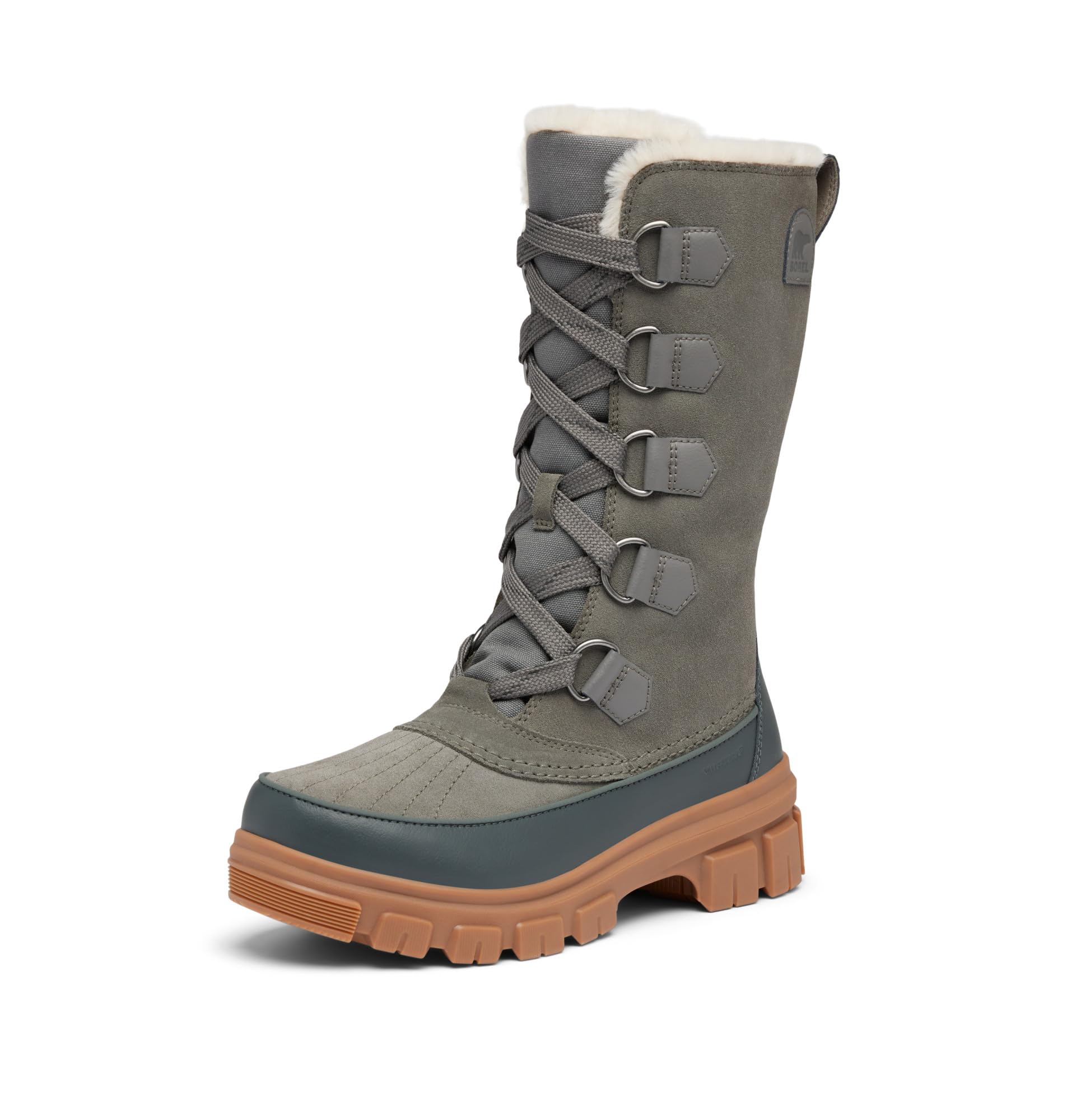
The winter boot that proves you can look great while staying bone-dry.
SOREL has a long-standing reputation for merging technical winter performance with a sleek, urban aesthetic, and the Tivoli V is a prime example. It is fully waterproof, offers substantial warmth for snow and below-freezing temperatures, and features a comfortable, soft interior that makes it easy to wear for hours. The durable outsole provides reliable traction on snow and ice, while the thick, quality laces are designed to stay flexible even in cold weather.
Warmth is the single most-discussed strength here — owners consistently say their feet stay warm and dry through deep snow and icy commutes. The boot is true to size and accommodates thin to medium socks well. Style and comfort also receive very high marks, making this a favorite for women who need a boot that transitions from a snowy dog walk to brunch without looking clunky.
Warmth You Can Wear Anywhere: The Tivoli V offers genuine snow-day protection in a slim, attractive package that doesn’t scream “work boot.”
One Thing to Know: A few owners found the boot runs slightly small, so if you are between sizes or plan to wear thick socks, consider going up half a size.
Reach for these if: you want a winter boot that handles snowstorms, looks clean, and doesn’t require a separate “fashion boot” for the office.
Look elsewhere if: you need a deep-mud, ranch-style rubber boot — this is a cold-weather boot first, a wet-mud boot second.
8. KEEN Men’s Revel III Mid Height Waterproof Hiking Boot
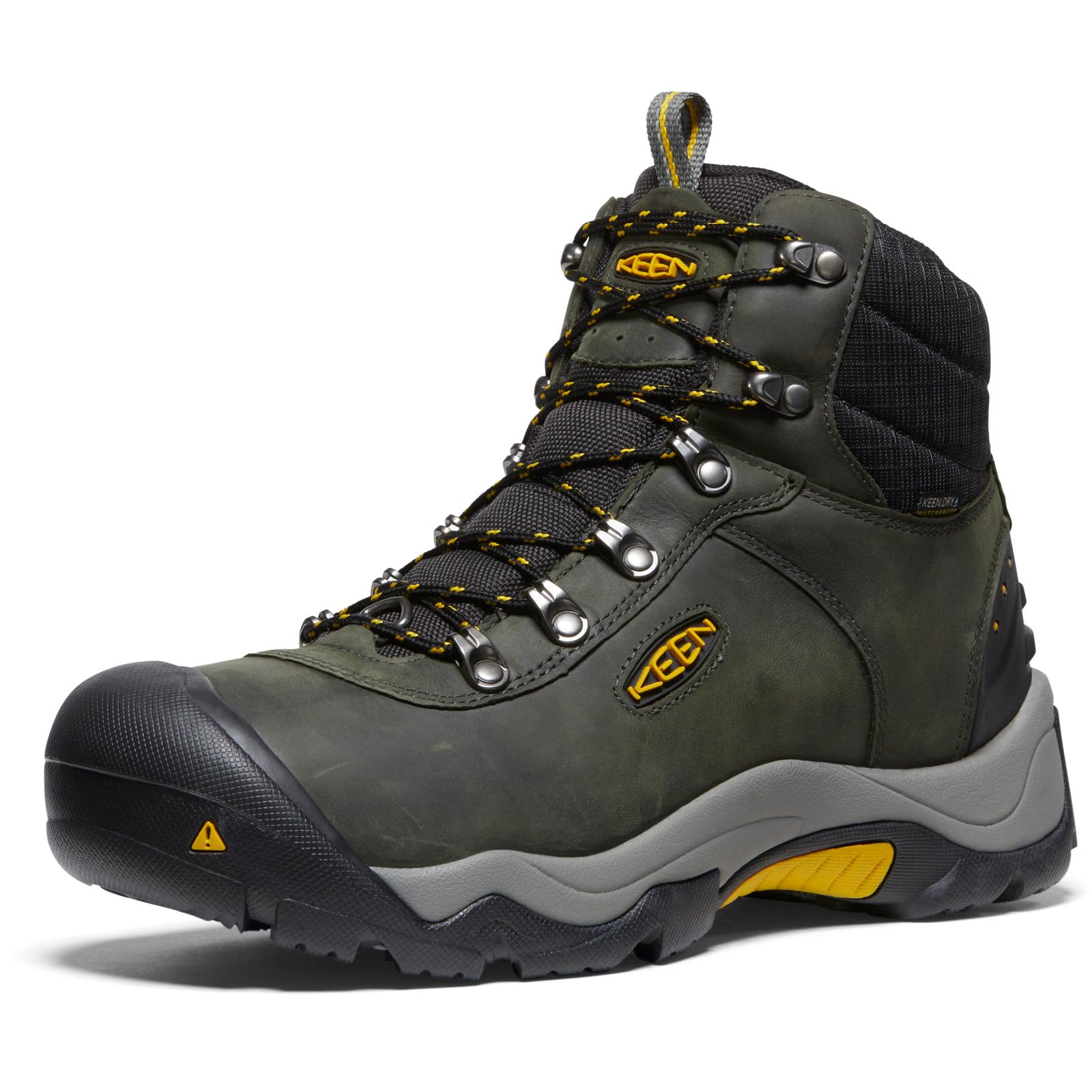
A hiking boot that treats your toes to a roomy welcome from the first step.
The KEEN Revel III is built around a simple but crucial insight: your toes need space to splay and grip when you are walking uphill. The signature wide toe box gives your feet room to breathe and move, while the 200g thermal heat shield insulation captures warmth without making the boot feel like a winter oven. The speed lace webbing system makes getting them snug quick, and the waterproof, breathable membrane keeps trail puddles out without turning your feet into a steam bath.
Comfort, appearance, and fit are the top praise points. Owners note the boot requires almost no break-in period, which is rare for a mid-height leather hiking boot. The traction is excellent on wet rocks and snow, and the boot is lightweight enough for long day hikes. Durability does get mixed feedback — while many get several years of heavy use, others report the sole separating or the waterproofing failing after a season, so it is worth paying attention to the warranty terms.
Why It Works
- The roomy toe box is a lifesaver for hikers with wide feet or those prone to black toenails on descents.
- 200g of insulation provides a versatile warmth for chilly days without overheating in milder weather.
- Excellent arch and heel support from the start, with good snow and wet traction.
When It Falls Short
- Some reviewers point out quality control inconsistencies, with a few pairs failing prematurely.
- Not ideal for deep water or mud — this is a hiking boot, not a rubber muck boot, so don’t wade in it.
Best for: day hikers and walkers who value a generous toe box and a boot that can handle mixed cold-and-wet conditions.
Think twice if: you need a bombproof boot for extended backcountry trips or a fully waterproof rubber boot for farm mud.
9. Irish Setter Elk Tracker 12″ Hunting Boot
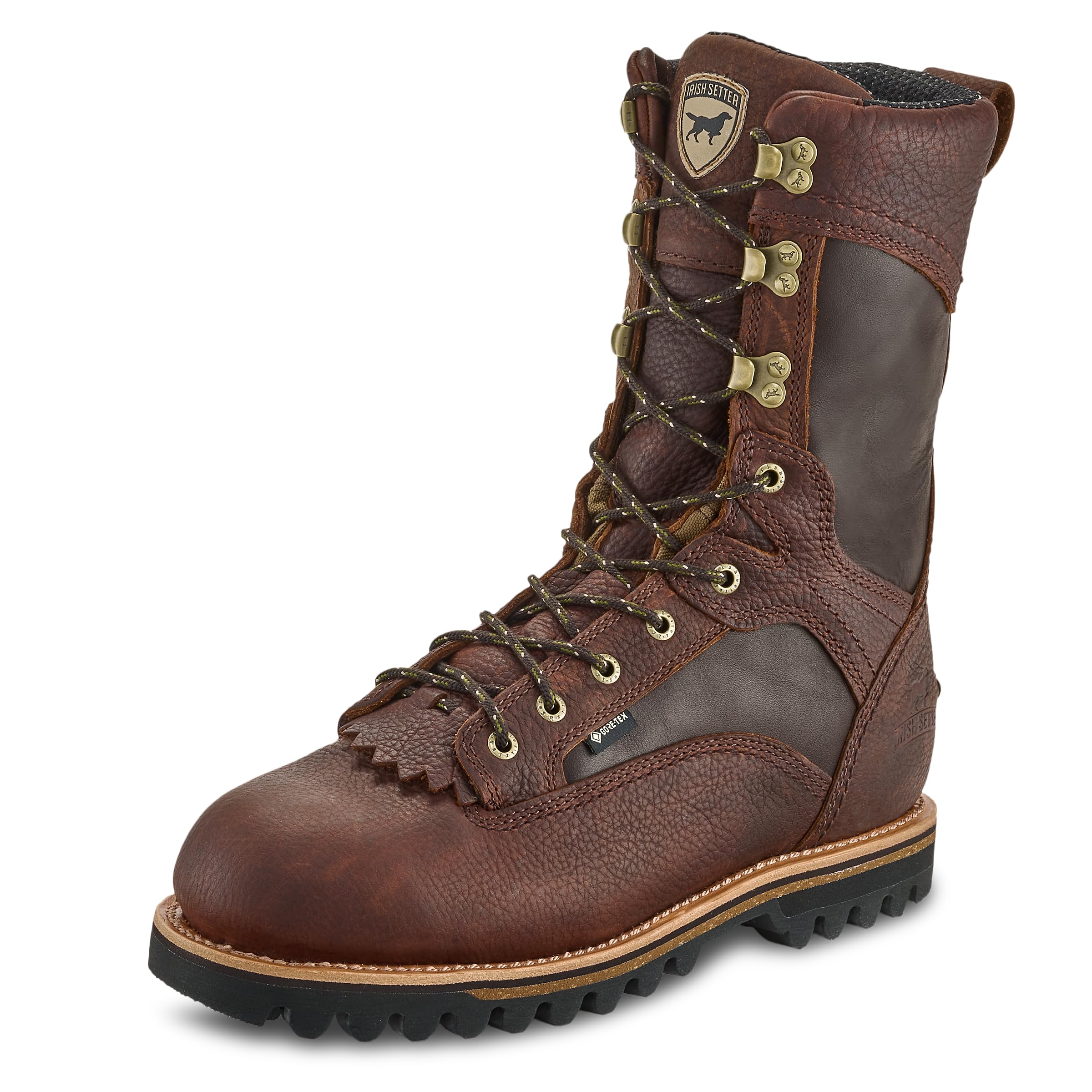
A full-grain leather heirloom built to track elk through the worst the backcountry can throw at you.
The Irish Setter Elk Tracker is in a different league. This is a 12-inch tall boot made from full-grain waterproof leather, featuring a 600g 3M Thinsulate Ultra insulation layer that keeps feet warm in sub-zero temperatures without adding crippling bulk. The GORE-TEX membrane is the gold standard for breathable waterproofing — it lets sweat vapor escape while blocking every drop of moisture. The Bulls-Eye Air Bob aggressive outsole provides extreme traction on mud, loose rock, and snow, and the Goodyear Leather Welt construction means these boots can be re-soled rather than thrown away.
Quality is the overwhelming story here, and the craftsmanship is evident in the triple stitching and premium materials. Owners say they feel broken-in from the first wear, with excellent warmth down to -10 degrees Fahrenheit. The ScentBan technology is a plus for hunters, helping control odor in the field. The fit is the main point of caution — while many find it perfect, the toe box runs narrow compared to other boots, and a significant number of owners recommend ordering a Wide (EE) size for a comfortable fit.
The High Ground
- Premium GORE-TEX waterproofing combined with 600g Thinsulate insulation offers true all-condition protection for serious winter hunting.
- The Goodyear Leather Welt construction allows for future re-soling, making this a boot that can last for many seasons.
- Excellent ankle support on uneven terrain, with aggressive lugs that grip in the toughest conditions.
The Trade-Off
- The toe box runs narrow — most buyers with standard-to-wide feet will need to order a Wide (EE) or even an Extra Wide (EEEE) size.
- This is an expensive, heavy boot designed for a specific purpose (hunting in extreme cold) — it’s overbuilt for casual, mild-weather use.
Best for: the dedicated hunter or serious outdoorsman who spends long days in below-freezing conditions and demands a rebuildable, professional-grade boot.
Look elsewhere if: you have wide feet and are not prepared to order a Wide (EE) size, or if your budget doesn’t stretch to a premium investment boot.
Understanding the Specs
Neoprene Thickness (mm)
This is the thickness of the stretchy, insulating layer that lines the shaft of most rubber work and hunting boots. A higher number (like 6mm or 7mm) traps more warmth, which is essential for standing in cold water or snow. A 5mm boot is lighter and more flexible, making it a better choice for mild, wet days and active work where you need to bend and walk a lot.
Insulation (g)
Measured in grams, this number tells you how much synthetic insulation (like Thinsulate) is packed inside the boot’s upper. It is a direct measure of cold-weather performance. 200g insulation is fine for brisk fall days. 600g to 800g is what you need for sitting still in a deer stand or walking in deep snow. Above 1000g is for extreme arctic conditions. More grams means warmer but also heavier and less breathable.
FAQ
How do I know if an all-weather boot will fit my calf?
Can I wear all-weather boots for hiking on dry trails?
What is the difference between a steel shank and a protective toe?
How long should a good pair of all-weather boots last?
Should I size up in all-weather boots?
What does “neoprene” do for a boot?
Are all-weather boots good for snow shoveling?
How do I clean my rubber or neoprene boots?
Is GORE-TEX better than plain rubber for waterproofing?
What does “Bulls-Eye Air Bob” sole mean?
Final Thoughts: The Verdict
If you want one dependable pick, the all-weather boots winner is the Trudave Women’s Boots because it delivers the best balance of comfort, warmth, and rugged waterproofing at a price that doesn’t punish you for needing a reliable boot. If you want heavy insulation for deep cold, grab the TIDEWE Hunting Boots. And for a premium, rebuildable boot that will handle the harshest backcountry conditions, the Irish Setter Elk Tracker is the one to reach for.
How We Picked
We do not accept paid placement. Every pick is matched to a real buyer and a real use-case; we do not hands-on test units.
Sources & Methodology
Specifications: manufacturer listings and product documentation. Review insights: verified customer reviews, as of July 2026. Pricing: not shown on this page (it changes often); check the current price via the retailer link.
As an Amazon Associate, Gadgets Feed earns from qualifying purchases. This does not affect which products we feature.