
Our readers keep the lights on and my morning glass full of iced black tea. As an Amazon Associate, I earn from qualifying purchases.
Specs are compiled from manufacturer listings and verified buyer reviews and can change over time — please confirm the key details on the product page before buying.
The fastest way to kill an aloe plant is to give it regular garden soil that holds water like a sponge. Aloe roots need air, not a swamp, so a wrong mix triggers yellowing leaves, mushy stems, and irreversible root rot. This guide filters the potting-bag noise to spotlight mixes that drain fast enough for desert plants indoors.
I’m Min — the founder and writer behind Gadgets Feed. This guide is built by comparing the manufacturers’ published specifications and the patterns across verified customer reviews, so you get each pick’s real strengths and trade-offs instead of marketing spin.
From peat-heavy blends to gritty professional mixes, here is the practical breakdown of the best aloe soil options that keep roots dry, healthy, and growing for years.
Our Picks at a Glance

How To Choose The Best Aloe Soil
Aloe vera is a desert native, which means its roots are built to dry out completely between waterings. The right soil mimics dry, rocky ground; anything soggy for days rots aloe roots from the inside out. Your goal is a mix that holds a little moisture but lets excess water run out fast.
Drainage is the deciding factor
Look for ingredients that create air pockets: perlite (the white, lightweight volcanic glass beads), coarse sand, and pine bark. These keep the soil loose and prevent water from pooling around the root ball. A mix mostly fine peat moss compacts and traps water—a warning sign for aloe owners.
Size matters for your collection
A single 4-quart bag can fill one standard container, but aloe plants grow and pups multiply fast. If you are repotting several plants or a large aloe, bigger bags in the 8 to 10-quart range save you from buying twice. Always check the volume printed on the bag before you assume it will cover your whole collection.
Ready to use versus DIY mixing
Many owners blend their own soil by adding perlite or pumice to a standard mix for extra drainage. Some premium bags arrive ready straight out of the package with no amendments needed. For zero-fuss potting, pick a pre-mixed fast-draining blend; for tweaking, start with a basic cactus mix and add your own grit.
Quick Comparison
| Model | Best For | Volume | Key Ingredients | Made In | Amazon |
|---|---|---|---|---|---|
| Miracle-Gro Succulent Potting Mix★ Best Overall | Everyday repotting | 4 quarts | Sphagnum peat moss, forest products | — | Amazon |
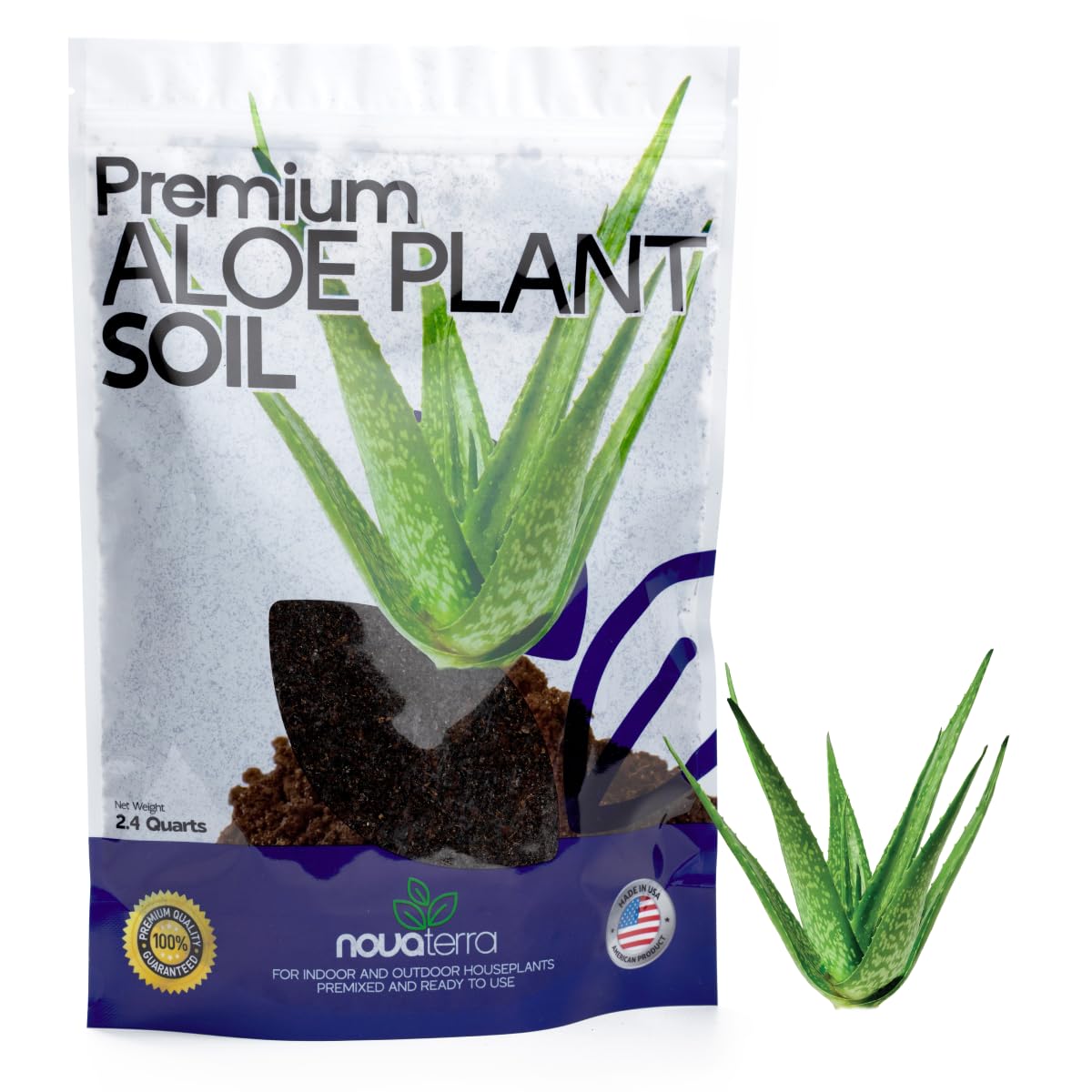
| Novaterra Aloe Vera MixBest Value | Small aloe collections | 2.4 quarts | Coarse sand, Canadian peat, pine bark | — | Amazon |
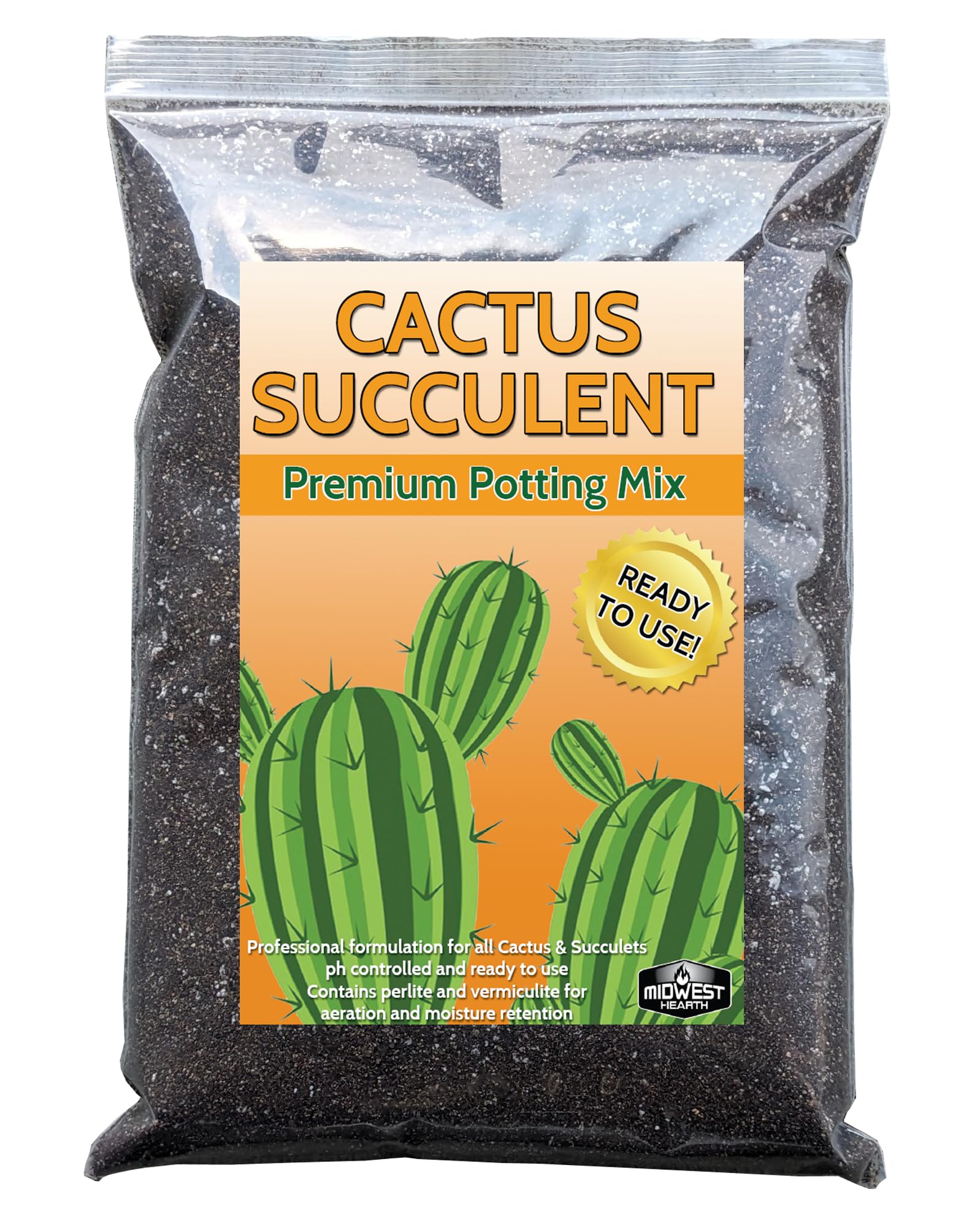
| Midwest Hearth Cactus & SucculentBest Drainage | Heavy feeders | 4 quarts | Peat moss, perlite, vermiculite | USA | Amazon |
| Espoma Organic Cactus Mix | Organic growers | 8 quarts | Sphagnum peat moss, humus, perlite | — | Amazon |
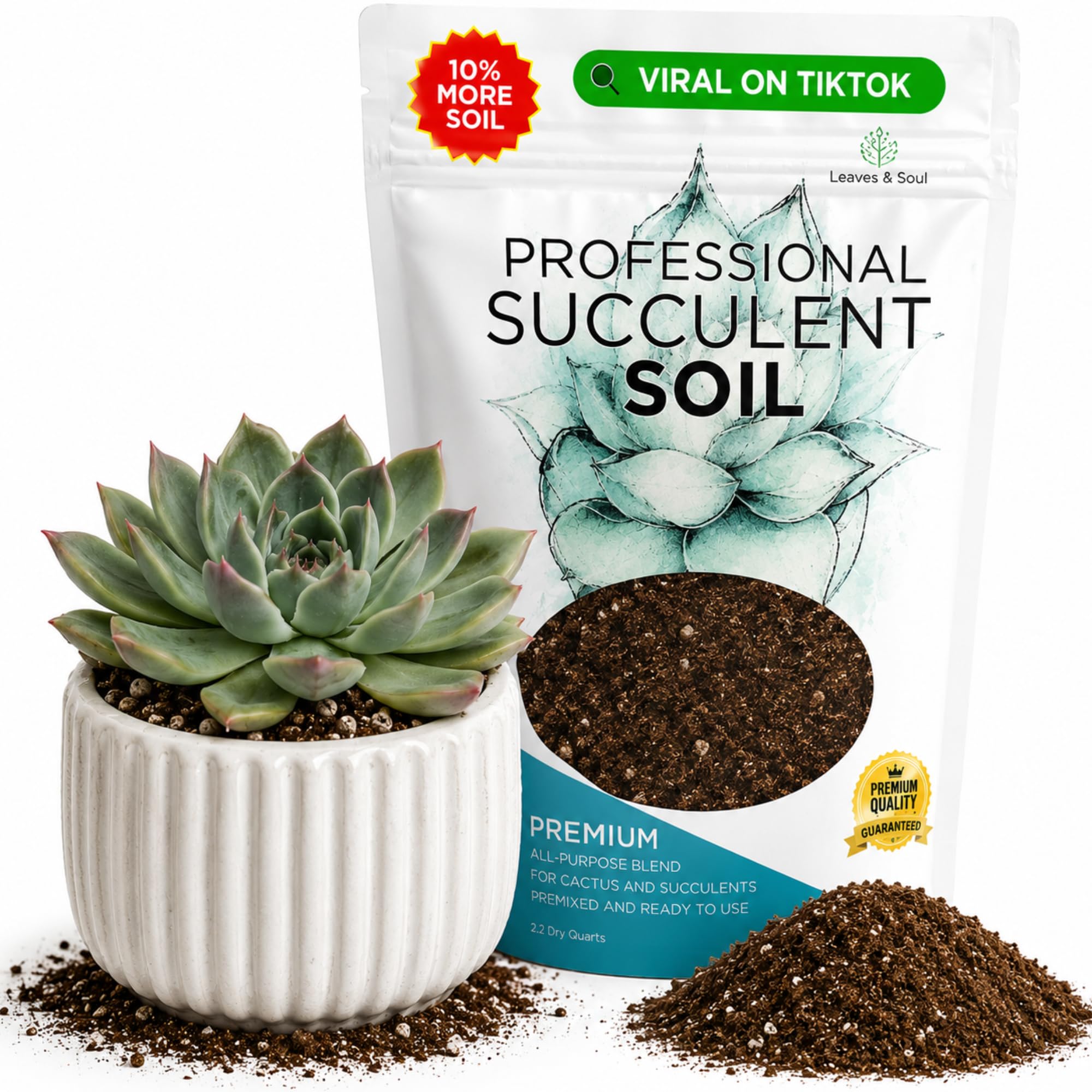
| Leaves and Soul Professional | Gritty texture lovers | 2.2 quarts | Canadian peat, coarse sand, pinebark | USA | Amazon |
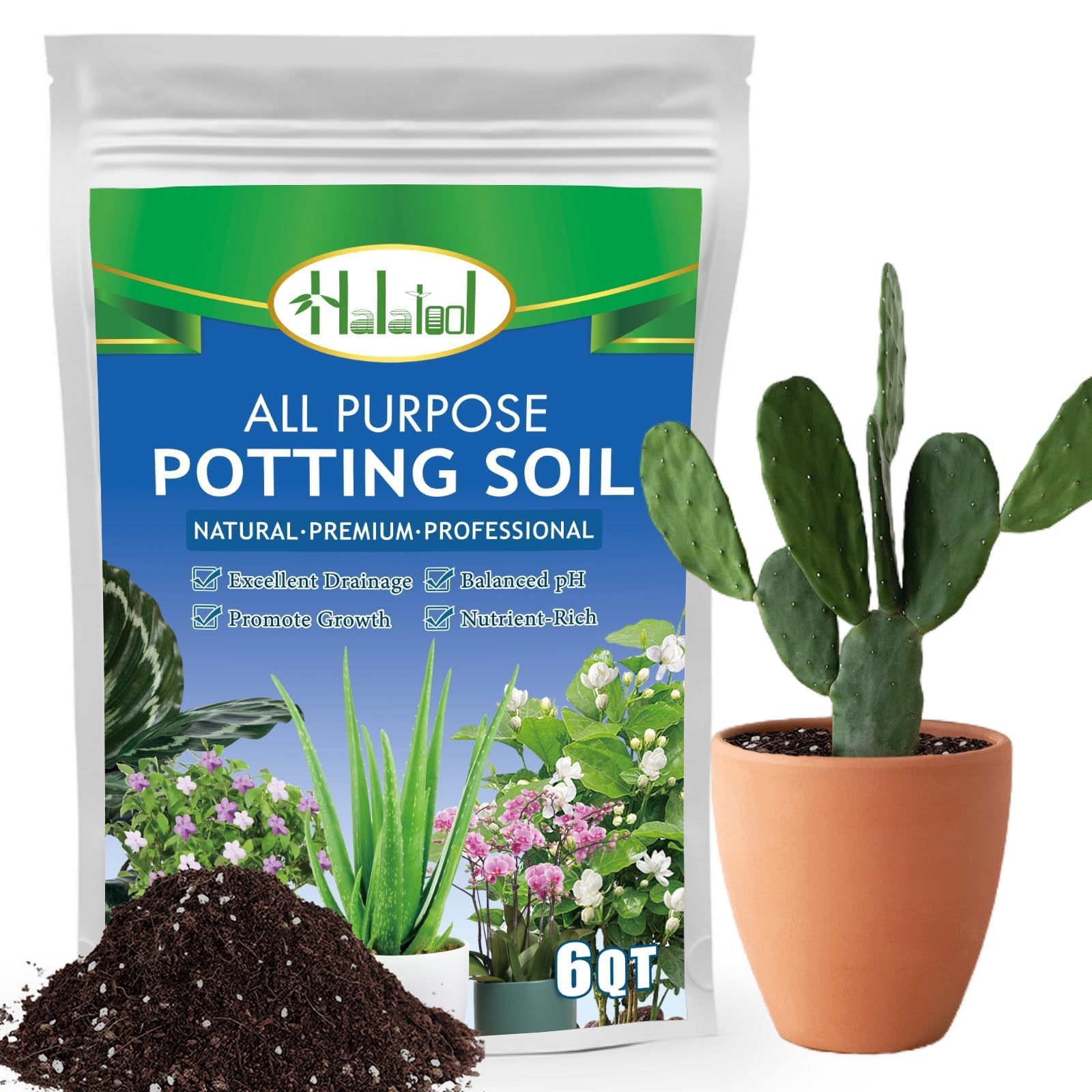
| Halatool 6QT Potting Mix | Multi-purpose use | 6 quarts | Peat, vermiculite, perlite, humic acid | — | Amazon |
| Leaves and Soul Aloe Plant Soil | Large aloe repotting | 8.2 quarts | Pinebark, peat, coarse sand | USA | Amazon |
| Hoffman Organic Cactus Mix | Big collections | 10 quarts | Organic soil blend | — | Amazon |
| Miracle-Gro Cactus, Palm & Citrus | Multi-plant households | 8 quarts x3 | Fast-draining formula | — | Amazon |
In-Depth Reviews
1. Miracle-Gro Succulent Potting Mix
Our pick — over 4.5★ from 13,500+ verified ratings; the strongest balance of quality and price.
The household-name blend that gets the watering hole right for beginners and pros alike.
You get a soil that feeds your aloe from the first watering, thanks to a 4-quart bag from Miracle-Gro that mixes sphagnum peat moss (a moisture-holding moss) with processed forest products and a dose of Miracle-Gro plant food. It is built for indoor succulents including aloe vera, so you can repot without adding extra fertilizer.
Buyers report it stays a touch wetter than some succulents prefer, and one honest review sums it up: “This is basically peat moss, it wasnt exactly what I expected, but it works.” The easy fix is mixing in a little perlite (the white airy beads) to speed up drainage. One bag fills an 8-inch container, which covers most single aloe repots nicely.
The real strength here is consistency. Because Miracle-Gro is a massive brand, buyers mention being less likely to deal with fungus gnats or mystery debris compared to generic bags. The suitability for succulents is the thing people praise most, and the 148-ounce unit size gives you comfortable room to work with.
Why it wins
- Plant food already mixed in saves you a step
- Trusted brand quality with clean, consistent texture
- Proven as a great starter soil for young plants
Know before you buy
- Peat-heavy texture can hold moisture longer than ideal
- Best results often come after adding perlite
Reach for this if: you want a reliable, easy-to-find mix that supports aloe and a whole windowsill of succulents without fuss.
Add perlite if: your aloe sits in a pot without perfect drainage, since the peat can stay damp.
2. Novaterra Aloe Vera Potting Soil Mix
A small-bag specialist that is ready to pour the moment you open it.
If you want a mix formulated specifically for aloe rather than a generic succulent blend, this 2.4-quart bag from Novaterra is a tidy pick. It combines coarse sand, Canadian peat, and pine bark to create a fast-draining environment that keeps roots aired out while still holding balanced moisture for healthy growth.
The honest catch is the size. The bag is smaller than it looks, and owners mention: “Not much in the bag. You’ll want to consider twice as much as you think you’ll need.” For a single aloe or a couple of small pups, it’s perfect; for a whole collection, order double. The resealable packaging is a genuine plus, keeping the mix fresh and dry between uses without clumping.
It is a premium-feeling product under the budget tier, delivering a ready-to-use texture that skips the hassle of measuring and mixing your own components. Aloe customers note their plants stay healthy and happy in it, which is the whole point of a species-specific soil.
The trade-off: a thoughtfully blended aloe mix in a compact 2.4-quart bag — the blend is right, but the volume runs out fast for bigger jobs.
Pick this for: repotting a single aloe or small succulent setup where you value a species-specific formula over raw quantity.
Look elsewhere if: you need to fill several pots at once, because you will need at least two bags.
3. Midwest Hearth Cactus & Succulent Potting Soil
The gritty, fast-pouring blend that has owners watching their plants transform.
Midwest Hearth built this 4-dry-quart mix around a fast-draining formula of peat moss, perlite, and vermiculite — the white beads and flaky mineral that create air pockets so roots never sit in soggy soil. It is pH-controlled for drought-tolerant plants, which is exactly the kind of detail that matters for aloe long-term health.
Owners love the drainage so much that one describes a repotted plant doing a full turnaround: “It’s a whole different plant in just 90 days.” A clever built-in feature gets steady praise too — the soil visibly turns a lighter color when it needs water, which takes the guesswork out of watering for beginners. The texture is light and almost dusty, but it mixes beautifully with standard potting soil for houseplant collections.
The main gripe is price per bag, with some owners wishing the 4-quart size were bigger for the cost. But each bag fills 2-3 standard pots, and the ready-to-use formula means no amendments, no mixing, no measuring — just open and plant.
Standout strengths
- Color-change watering indicator is a beginner lifesaver
- Fast drainage prevents root rot in aloe and cacti
- Made in the USA with consistent, quality ingredients
The honest catch
- Bag feels small for the price
- Light, dusty texture takes getting used to
Choose this if: you want visible feedback on when to water and a mix that drains fast enough to forgive the occasional over-pour.
Think twice if: you’re repotting many plants at once and want maximum volume per dollar.
4. Espoma Organic Cactus Potting Soil Mix

The natural blend with a mycorrhizae boost that succulents clearly approve of.
Espoma takes an organic route with an 8-quart mix of sphagnum peat moss, humus, and perlite, plus a proprietary blend of endo and ecto mycorrhizae. Those are beneficial fungi that team up with roots to help them absorb water and nutrients, which is a serious advantage for an aloe you want to thrive long-term. No synthetic plant foods or chemicals are used.
Owners consistently report succulents loving this mix, and it handles jade plants, burro’s tails, aloe, and even citrus in containers. It earned a recommendation from the popular Garden Answer YouTube channel, which is how many buyers first discovered it. The 8-quart size is a strong middle-ground — bigger than the small bags above, so it stretches across multiple plants.
The common nitpick is texture: occasionally you’ll find larger chunks of bark or twig-like pieces mixed in. It doesn’t hurt drainage, but it’s worth knowing if you prefer a uniform, fine soil. Overall the quality is what owners praise most, with plants thriving as the consistent outcome.
The real deal: an organic, mycorrhizae-enriched mix that punches above its size — just expect a few bark chunks in the bag.
Go with this if: you prefer organic gardening and want a mix that supports aloe, jade, and citrus alike.
Note: the occasional twig-size piece means this isn’t the finest-textured soil on the shelf.
5. Leaves and Soul Professional Succulent Soil Mix
A coarse, gritty mix for growers who love the feel of real mineral soil.
Leaves and Soul strips away the fluffy filler with a 2.2-quart professional blend of Canadian peat, coarse sand, and pinebark. This is the gritty stuff succulents and cactus love — it retains minimal moisture while excess water drains quickly, which directly cuts down the root-rot risk that kills most aloe plants.
Christmas cactus reviewers point out their plants responding beautifully, and the gritty texture gets specific praise for quality. The one honest warning: used completely on its own, it can feel too loose, with one owner comparing it to planting in styrofoam beads. Mixing it with regular organic potting soil at a 2-parts-this to 1-part-regular ratio produced noticeably better results.
The resealable packaging keeps leftover soil fresh, and the USA-made quality is consistent bag after bag. If you already have a bag of standard potting mix at home, this is an excellent partner to introduce the grit your aloe actually needs.
The wisdom: this mix rewards a little DIY — blend it with standard potting soil and you get a custom fast-draining aloe home.
Best for: plant lovers who like to customize their soil and want a mineral-heavy base to work with.
Skip it alone if: you prefer a ready-to-use single bag, since most owners found it works best blended.
6. Halatool 6QT Potting Soil Mix
One bag that refuses to be boxed in — bonsai, herbs, succulents, even aquariums.
Halatool’s 6-quart bag is the utility player of the group, blending peat, vermiculite, breathable perlite, humic acid, and coconut bran into a soil that is fine and fluffy. Humic acid is a natural compound that helps roots take up nutrients, and the coconut bran keeps the mix light — all of it prewashed and screened so you get clean soil straight from the bag.
It is marketed for everything from aloe and palms to vegetables, herbs, and artistic bonsai, and it can even go in aquariums to absorb impurities. That versatility wins over owners, with plants thriving as the common report. The resealable aluminum foil bag blocks light and keeps the soil dry and safe between uses, which is a thoughtful upgrade over flimsy plastic packaging.
The recurring note from buyers is mixed on value — some find it a great deal, others feel the 6-quart bag runs out sooner than expected. And while many plants thrive, the health outcome isn’t universal, so pairing it with proper drainage holes in your pot is a must for aloe.
Why it’s flexible
- Light, fluffy texture with rich nutrition built in
- Resealable foil bag keeps soil fresh and dry
- One bag covers houseplants, bonsai, even aquarium use
Keep in mind
- Value opinions split — size vs. price is debatable
- Health results vary, so drainage holes still matter
Reach for this if: you want one bag that handles your whole plant family, not just aloe.
Pair it right: make sure your pot drains well, since this mix holds more moisture than a dedicated cactus formula.
7. Leaves and Soul Aloe Plant Soil Mix
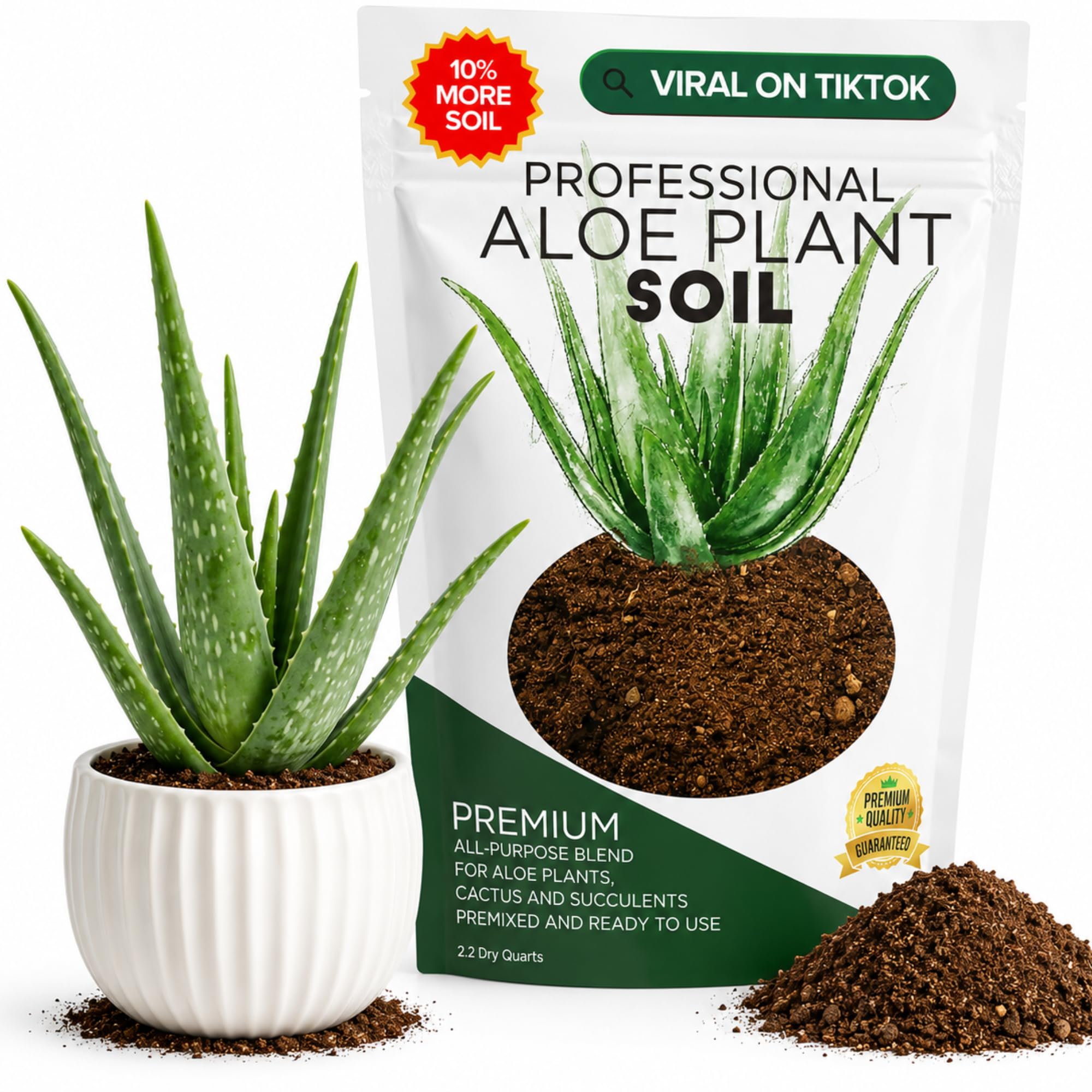
The dedicated aloe formula for serious growers with a whole collection to repot.
This is the big sibling in the Leaves and Soul line — an 8.2-quart bag engineered specifically for aloe vera and other plants in the Asphodelaceae family. The fast-draining blend of pinebark, peat, and coarse sand keeps moisture minimal while letting excess water run straight through, which is the single best defense against the root rot aloe is prone to.
Shoppers say aloe staying alive and thriving for almost two years without a single repot, which speaks to the staying power of the mix. It separates a bit in shipping, but mixes easily back together, and the durable resealable bag keeps everything fresh for storage. For anyone in a rainy climate like the Pacific Northwest, this is a favorite for container aloe growing.
The honest note is that this is the pricier end of the spectrum, and one owner mentioned a plant that didn’t survive a repot — a reminder that soil alone can’t fix a pot without drainage. But the quality is what owners praise most, and for dedicated aloe parents, the volume and formula make it a worthy investment.
The bottom line: a generous, aloe-first blend that rewards larger collections despite the higher upfront cost.
Choose this if: you have several aloe plants or a large established aloe needing proper repotting room.
A fair warning: always couple it with a drainage-hole pot, since no soil prevents rot from standing water.
8. Hoffman Organic Cactus and Succulent Soil Mix

A generous two-pack that feeds a whole windowsill without a second trip to the store.
Hoffman delivers serious quantity with this 10-quart set split into two easy-to-pour bags. It arrives ready to use with no mixing required, built around an organic blend that provides the proper drainage cacti and succulents need to flourish. For anyone repotting a big aloe or a dozen small succulents, this is the volume that ends the “not enough soil” frustration for good.
Buyers report succulents growing “like crazy” in it, and the fine, fluffy texture gets consistent praise. The natural, no-peat formula drains extremely well and dries fast when paired with extra perlite or pumice. The easy-pour bag design is genuinely thoughtful, keeping the soil contained and simple to store between jobs.
The honest split in feedback centers on drainage and value. Some owners say it drains extremely well, while others find it retains a little too much moisture for strict cactus use — a 4-star owner called it dense and water-retentive, recommending amending it. Treat it as a solid base and you’re set; run it bone-dry for delicate succulents and you may want to add grit.
The volume win
- Two bags give real coverage for large collections
- Fine, fluffy texture that’s easy to work with
- Ready to use straight from the bag
Watch this
- Drainage opinions split — some find it moisture-retentive
- Best results often come with added perlite
Best for: households with many succulents or cacti that need quantity plus natural ingredients.
Think twice if: you want maximum drainage with zero extra mixing, since this base shines brightest with perlite added.
9. Miracle-Gro Cactus, Palm & Citrus Potting Mix 3-Pack

Three bags of fast-draining formula built for the multi-plant household.
If you garden beyond just aloe, this bundle of three 8-quart Miracle-Gro bags is the heavy lifter. The fast-draining formula is enriched with Miracle-Gro Plant Food and designed to promote successful growing of cacti, potted palms, citrus trees, and succulents — each bag fills two 8-inch containers, so a single bundle covers a serious amount of potting.
Owners mention cacti sprouting new growth and transplanted plants doing beautifully, with the quality and value earning steady praise. One reviewer noted the mix works great for Christmas, Thanksgiving, and Easter cacti, and another appreciated that the bag still had leftovers after potting several 5-inch pots. The fast-draining reputation is the key draw for aloe owners who want brand reliability at scale.
The most common practice among experienced owners is blending this half-and-half with regular Miracle-Gro potting soil for houseplants, which softens the texture for less-strict succulents. Grab this if you want the flexibility to feed a house full of plants, not just one aloe on the windowsill.
The value play: three generous bags at a mid-range tier make this the smart bulk choice for mixed plant collections.
Go with this if: you’ve got multiple pots to fill and want the confidence of a trusted brand formula.
Blend it if: your aloe prefers a slightly lighter hand — mixing with standard potting soil softens the fast-draining texture.
Understanding the Specs
Peat Moss vs. Coarse Sand
Peat moss holds moisture and keeps the soil light, which is good in moderation. Coarse sand and pine bark do the opposite — they create gaps so water drains away fast. Aloe needs the sand-and-bark side of the scale, because its roots rot quickly in consistently damp soil. Look for mixes where the grit dominates the peat.
Perlite and Vermiculite
Perlite is the small white volcanic glass beads that improve drainage and aeration; vermiculite is a flaky mineral that holds water and nutrients. In aloe soil, perlite is your friend because it keeps roots dry and breathable. Vermiculite is better for moisture-loving plants, so a mix heavy on perlite suits aloe better than one leaning on vermiculite.
Aloe Soil FAQ
Can I use regular potting soil for my aloe vera plant?
How often should I repot my aloe with fresh soil?
What does perlite do in aloe soil?
How do I know if my aloe has root rot from bad soil?
Is cactus soil the same as aloe soil?
Why does my aloe soil stay wet for days?
How much soil do I need to repot one aloe plant?
Should I mix anything into succulent soil for aloe?
What is the difference between peat moss and pine bark in aloe soil?
Final Thoughts: The Verdict
For most people, the aloe soil winner is the Miracle-Gro Succulent Potting Mix because it balances trusted brand quality, built-in plant food, and a 4-quart size that fits a single aloe repot perfectly. If you want a species-specific formula with visible grit, grab the Novaterra Aloe Vera Mix. And for a whole collection of plants, the Miracle-Gro Cactus, Palm & Citrus 3-Pack is the one to reach for, backed by thousands of owners who trust the brand’s fast-draining formula.
How We Picked
We do not accept paid placement. Every pick is matched to a real buyer and a real use-case; we do not hands-on test units.
Sources & Methodology
Specifications: manufacturer listings and product documentation. Review insights: verified customer reviews, as of August 2026. Pricing: not shown on this page (it changes often); check the current price via the retailer link.
As an Amazon Associate, Gadgets Feed earns from qualifying purchases. This does not affect which products we feature.