
Alpine climbing demands a pant that bridges the gap between rugged durability and unrestricted movement. The wrong choice — too stiff, too thin, or lacking a proper articulated fit — turns every kick-step and high step into a battle against your own gear. You need a fabric that sheds spindrift and resists abrasion from granite, a weave that breathes during the approach and blocks wind on the ridge, and a cut that accommodates a harness, a base layer, and a midlayer without sagging. This guide isolates the engineering that matters.
I’m Min — the co-founder and writer behind Gadgets Feed. I’ve spent months cross-referencing fabric weights, denier counts, and articulation patterns across the leading alpine and mountain hunting pant lines to isolate what actually survives a season of technical terrain.
After analyzing over two dozen models against real customer abuse logs and spec sheets, I’ve built this ranking of the best alpine climbing pants that balance stretch, weather resistance, and durability for multi-pitch routes and cold-weather approaches.
How To Choose The Best Alpine Climbing Pants
Alpine climbing pants are a distinct category: they must move with a high step, resist abrasion from rocky chimneys, shed light precipitation, and layer under a shell or over a base without binding. The wrong fabric weight or a missing crotch gusset compromises every movement. Focus on three pillars: fabric durability, articulation design, and weather adaptability.
Fabric Denier and Stretch Balance
The sweet spot for alpine climbing is a softshell weave between 120D and 200D in high-wear zones — enough to shrug off granite scraping without adding the weight of a hard-shell. Look for a nylon-spandex blend with at least 10-15% stretch for full freedom during high steps. A 90D stretch woven ripstop like the Outdoor Research Ferrosi works well for lighter routes, while burlier options like the Sitka Timberline use a heavier face fabric for bushwhacking and glacial debris.
Articulated Knees and Gusseted Crotch
Non-negotiable features for alpine terrain. A pre-curved knee shape prevents the fabric from pulling taut when you plant a high foot, and a gusseted crotch eliminates the shear stress that causes seam failure during wide stemming or bridging moves. Check if the pant uses a two-piece or four-piece knee pattern — more panels generally mean better anatomical alignment under a harness.
Weather Barrier and Venting
Alpine conditions shift constantly. A durable water repellent (DWR) finish is essential for shedding melting snow and light rain, but a fully waterproof membrane is overkill for active climbing — it traps sweat and soaks the base layer. Prioritize breathable DWR softshells that dry fast. Full-length side zips on premium models (like the KUIU Guide Pro) let you dump heat during strenuous sections without removing the pant.
Quick Comparison
On smaller screens, swipe sideways to see the full table.
| Model | Category | Best For | Key Spec | Amazon |
|---|---|---|---|---|
| Fjällräven Keb Trousers | Premium Softshell | Lifetime durability on mixed alpine terrain | Reinforced G-1000 fabric with stretch panels | Amazon |
| Burton Men’s AK Gore-Tex Cyclic | Premium Hardshell | Full waterproofing for snow and ice climbing | Gore-Tex 3-layer membrane | Amazon |
| Helly Hansen Alpha LIFALOFT | Insulated Ski Pant | Cold-weather alpine and lift-served climbing | LIFALOFT synthetic insulation, HELLY TECH shell | Amazon |
| SITKA Gear Timberline | Premium Softshell | Stealthy mountain hunting and cold-ridge climbing | Built-in knee pads, waterproof seat, windproof | Amazon |
| KUIU Guide Pro Pant | Premium Softshell | Wind-resistant alpine climbing with full side zips | Fleece-lined softshell, ~17oz weight | Amazon |
| Marmot Scree Pants | Mid-Range Softshell | Versatile day hikes and moderate alpine routes | Durable stretch woven, zippered pockets | Amazon |
| The North Face Antora Rain Pant | Waterproof Shell | Reliable rain layer over softshell for alpine | DryVent 100% recycled ripstop, relaxed fit | Amazon |
| Mammut Runbold IV Pant | Mid-Range Softshell | Lightweight alpine and fastpacking | 10.4oz total weight, elastic stretch fabric | Amazon |
| Outdoor Research Ferrosi | Budget Softshell | Entry-level alpine and trail hiking | 90D stretch ripstop, UPF 50+, 46% recycled nylon | Amazon |
In‑Depth Reviews
1. Fjällräven Keb Men’s Trekking Trousers
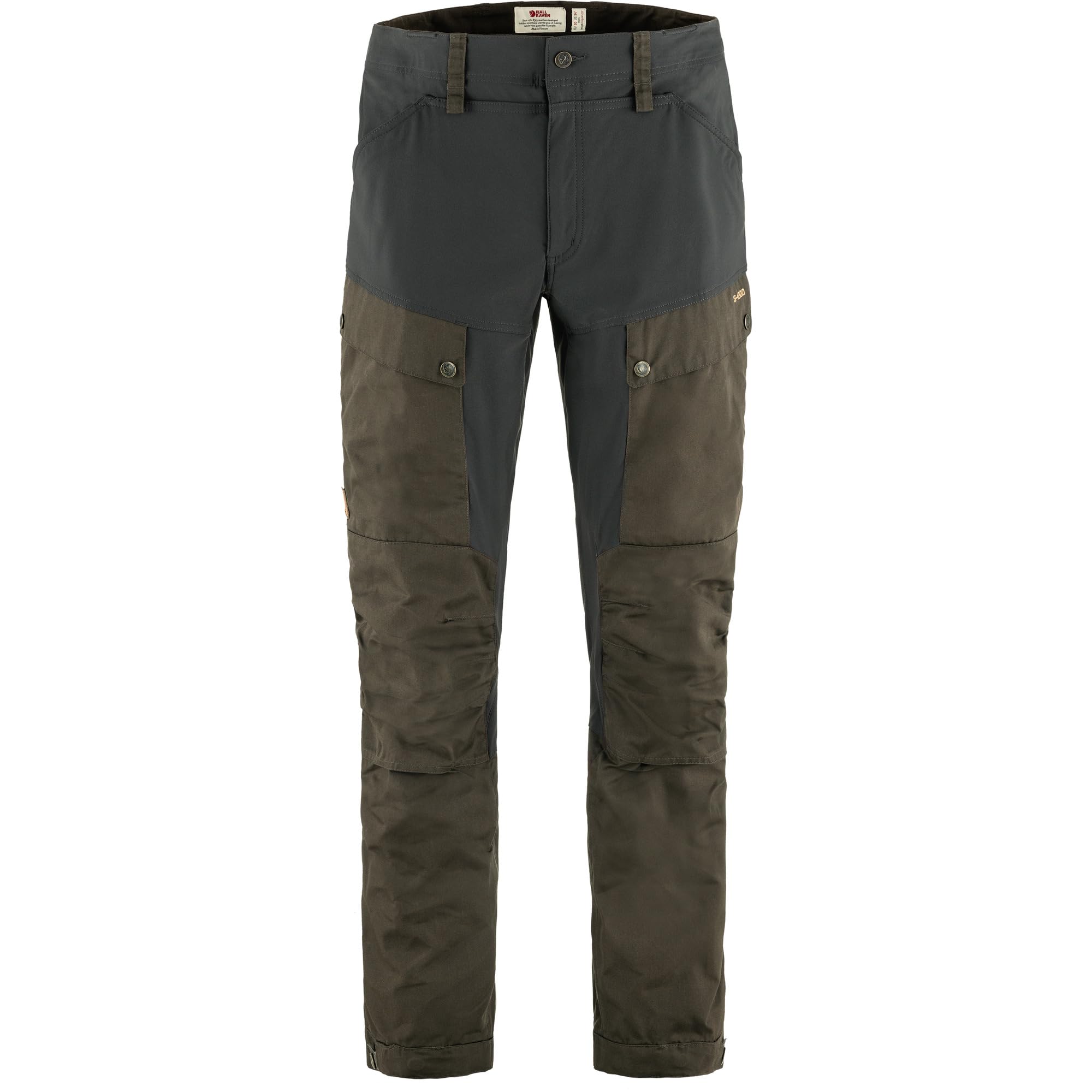
The Fjällräven Keb Trousers sit at the top because they solve the core alpine problem: how to make a pant that lasts a decade while still moving well. The G-1000 fabric in the seat, knees, and lower legs is a dense polyester-cotton weave that shrugs off granite scraping and bushwhacking, while the stretch panels in the rear and crotch prevent binding during high steps. This is a pant designed for the extreme conditions of Greenland and Iceland — users confirm it survives repeated abuse that destroys lighter models in two seasons.
The articulation is exceptional. A four-piece knee pattern aligns with the natural bend of the leg, so you never feel fabric tugging when you plant a foot on a narrow ledge. The waist adjustment system uses webbing straps rather than elastic, giving a precise fit under a harness even after layering. At 6 feet tall, the regular fit lands at about a 34-inch inseam, so taller climbers should verify sizing before ordering.
Weather resistance is solid for a non-membrane pant. The G-1000 fabric handles light rain and spindrift well, and a quick wax treatment (Fjällräven Greenland Wax) boosts water shedding for wetter alpine days. Owners consistently describe these as the best pants they’ve ever worn for technical terrain. The price reflects the Swedish build quality — this is a buy-once, cry-once investment for the serious alpinist.
Why it’s great
- Lifetime durability with reinforced G-1000 in high-wear zones
- Excellent articulation for high-step clearance on rock
- Adjustable waist webbing fits precisely under a harness
Good to know
- Heavier than pure softshell options
- Inseam runs long for some buyers — regular fits like a 34″
2. Burton Men’s AK Gore-Tex Cyclic Snow Pant
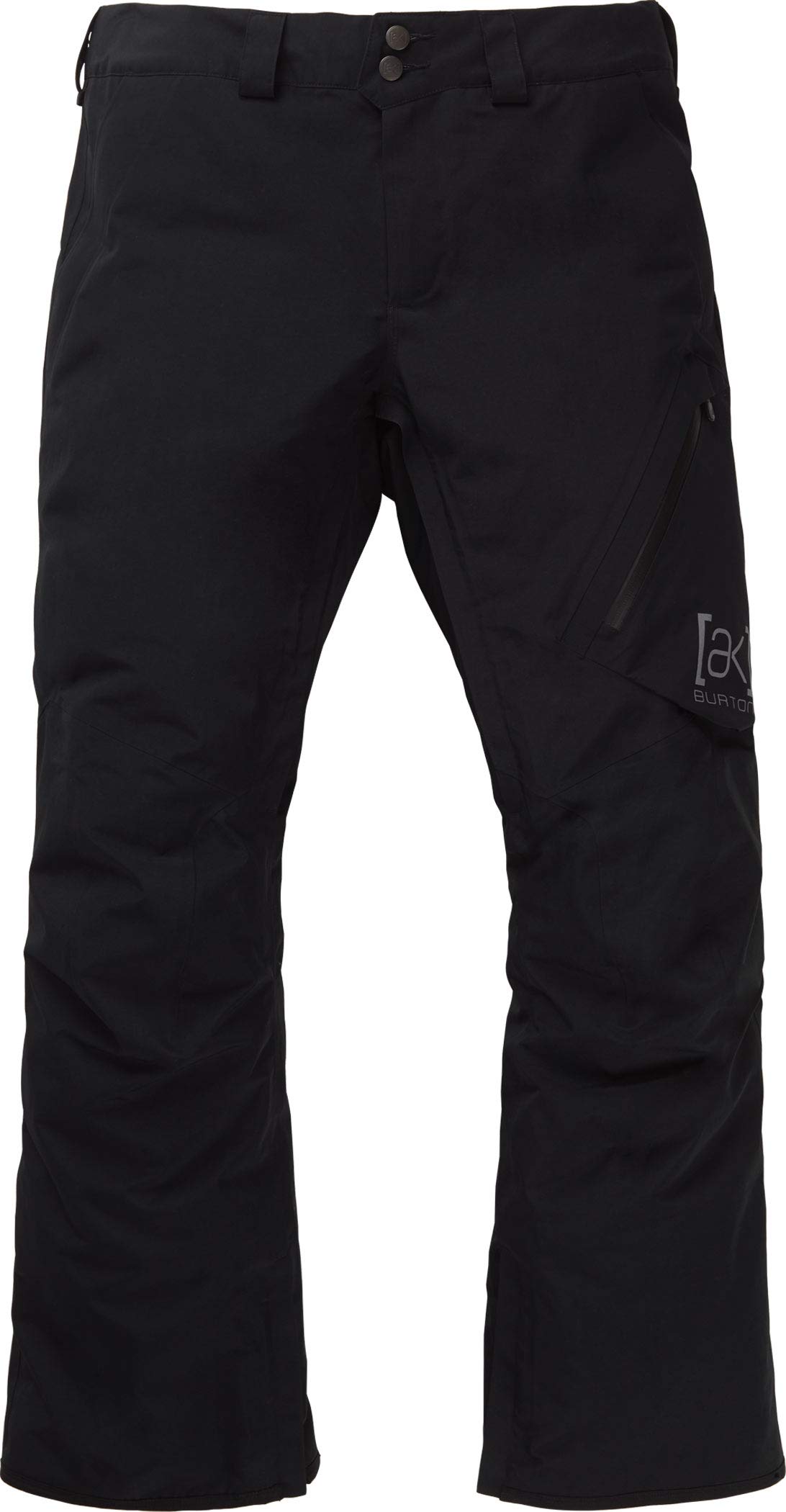
When the alpine forecast calls for sustained precipitation or wet snow, the Burton AK Cyclic delivers the highest level of waterproofing in this lineup. The 3-layer Gore-Tex membrane is the industry standard for keeping moisture out while allowing sweat vapor to escape — critical for high-output belays and long approaches in stormy conditions. Full inner thigh vents let you dump heat during steep sections without fully removing the pant. XL fits a 6’3″ 210lb frame comfortably with room for a thin base layer.
The ride-specific features also serve alpine climbing well. The hook-and-loop boot gator seals around mountaineering boots to keep snow out of your cuffs, and the articulated knees maintain flexibility even when the shell is fully loaded with a harness and pack. Users who pressure-washed an indoor pool deck in these pants report that their legs stayed completely bone-dry while boots soaked through — a testament to the membrane’s integrity. The inner belt system is functional but some users find it doesn’t cinch tight enough on its own, so pairing it with a thin webbing belt is recommended for alpine use.
Weight is the trade-off. At roughly 1.5 pounds, this pant is heavier than a softshell, so it’s best used as a dedicated storm layer over a lighter climbing pant. The price is the highest in the guide, but the Gore-Tex AK line has a proven track record of surviving multiple seasons of hard use without delamination. For ice climbing, wet alpine couloirs, and snow-covered ridges, this is the pant that keeps you dry when nothing else will.
Why it’s great
- Gore-Tex 3-layer for superior waterproofing
- Full inner thigh vents for temperature regulation
- Boot gators seal tightly around mountaineering boots
Good to know
- Heavier than softshell options for active climbing
- Inner belt doesn’t cinch tight enough for some body types
3. Helly Hansen Alpha LIFALOFT Insulated Ski Pant
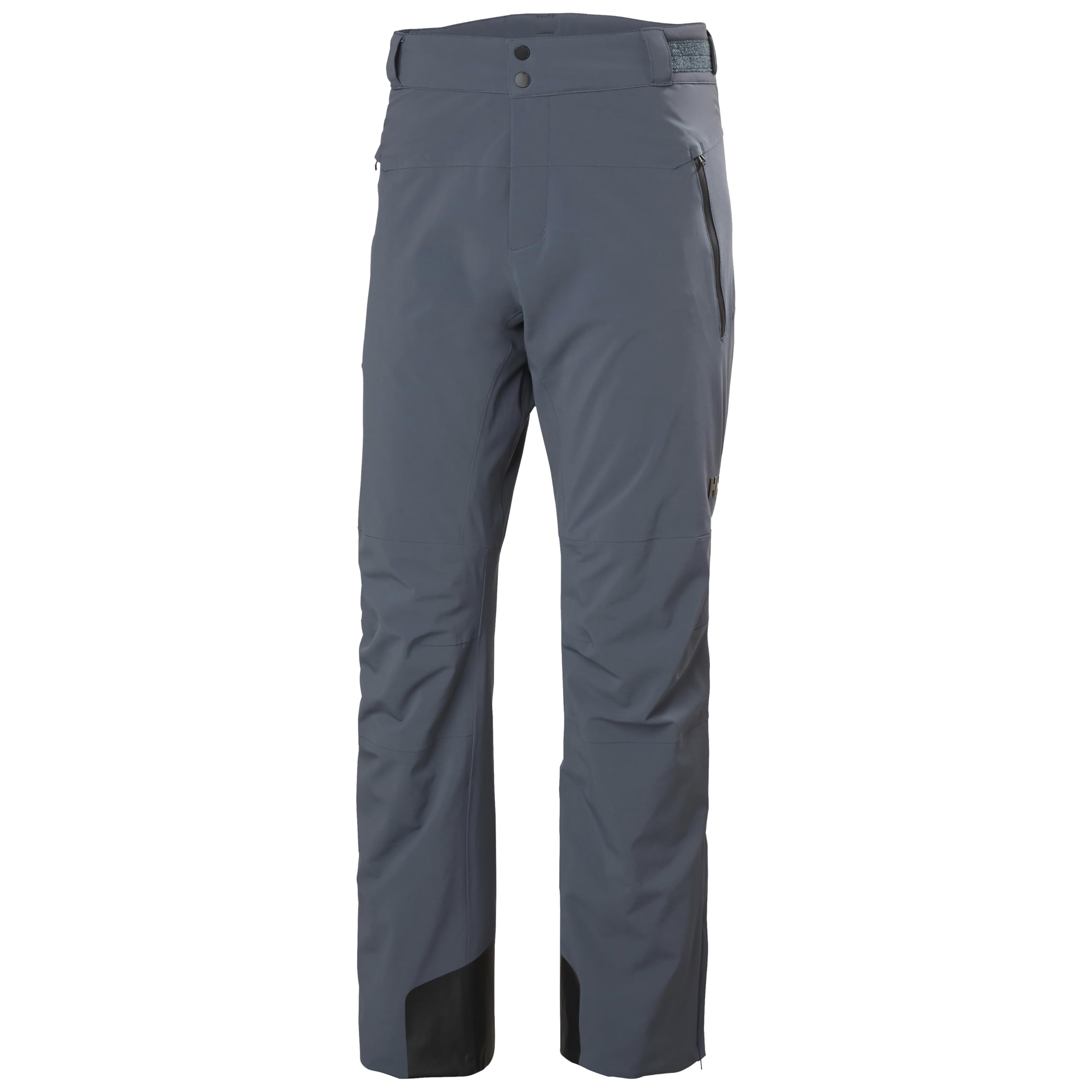
The Alpha LIFALOFT fills a specific alpine niche: cold-weather climbing where you need insulation without the bulk of a puffy layer. The LIFALOFT synthetic insulation is designed to retain warmth even when damp, making it suitable for mixed routes where you might sweat on the approach and then sit in a cold belay. The 2-layer HELLY TECH shell provides reliable waterproofing and breathability for snow and sleet conditions.
The fit runs slightly slim — users report that a size large fits a 34-inch waist and 34-inch inseam well, while a medium was too small. If you plan to layer heavy base layers or midlayers underneath, sizing up is a safe move. The internal elastic powder skirt holds snow out effectively even without boot gators that fit over bulky boots, which is a minor compromise for a non-bib pant. After 10 ski days in variable conditions, one user confirmed zero rips or damage, indicating solid fabric durability for the alpine environment.
Venting is handled by side zips, though they’re not as extensive as the Burton AK’s inner thigh vents. The Alpha LIFALOFT is best suited for climbing days where the temperature stays below freezing and you expect snow. It’s less ideal for warm approaches or high-output summer alpine where breathability becomes the priority. The price sits in the premium bracket, but the build quality and warmth justify it for cold-weather specialists.
Why it’s great
- LIFALOFT synthetic insulation stays warm when damp
- Reliable HELLY TECH waterproof shell for snow conditions
- Durable construction survives multiple seasons of abuse
Good to know
- Runs slim — consider sizing up for layering
- Zip cuffs don’t fit over all mountaineering boots
4. SITKA Gear Men’s Timberline Pant
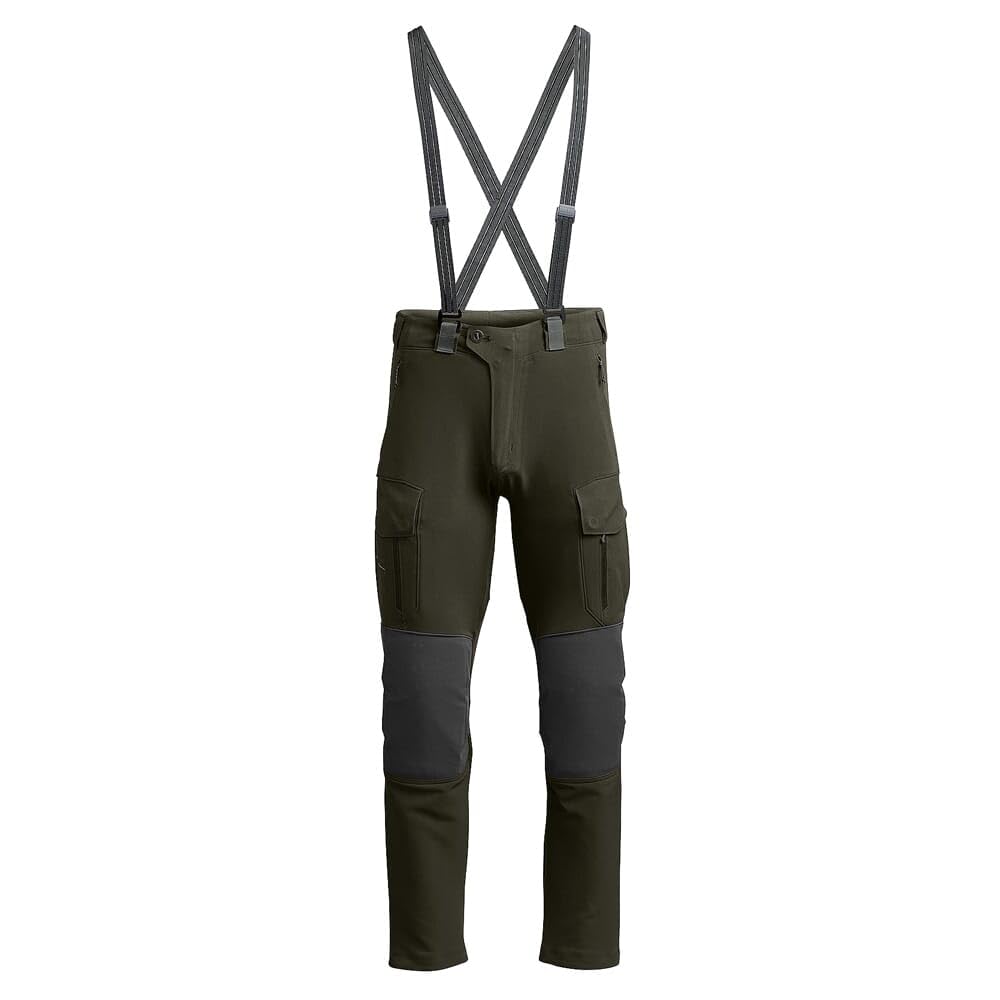
The SITKA Timberline is engineered for mountain hunters who need to move silently, kneel for extended periods, and stay windproof on exposed ridges — all of which translate directly to alpine climbing demands. The fabric is a lightweight softshell that is both quiet and windproof, reducing fatigue compared to heavy cotton pants. The built-in removable knee pads are a standout feature for alpine scramblers who spend time on all fours or in a crouched position over technical terrain.
The waterproof seat panel protects you during rest stops on wet rock or snow, and the suspenders included with the pant keep everything secure even under a heavy pack — a detail that pays off during long ridge traverses. Users report using the Timberline in temperatures ranging from 34°F to 60°F with only a Merino base layer, and the windproofing is effective enough to block gusts on Colorado ridges. The excellent crotch room and flexibility make high steps easy without binding.
The downside is that the Timberline is not fully waterproof. In heavy, sustained rain, the fabric dampens through, making it best suited for dry alpine conditions or light precipitation. It’s also a premium product at a premium price, but for climbers who value stealth, integrated knee protection, and a dedicated suspender system, this pant offers features no other alpine climbing pant in this guide provides.
Why it’s great
- Built-in removable knee pads for technical terrain
- Windproof and quiet fabric for exposed ridges
- Suspenders included for secure fit under a pack
Good to know
- Not fully waterproof — dampens in heavy rain
- Premium price point for specialized features
5. KUIU Guide Pro Pant
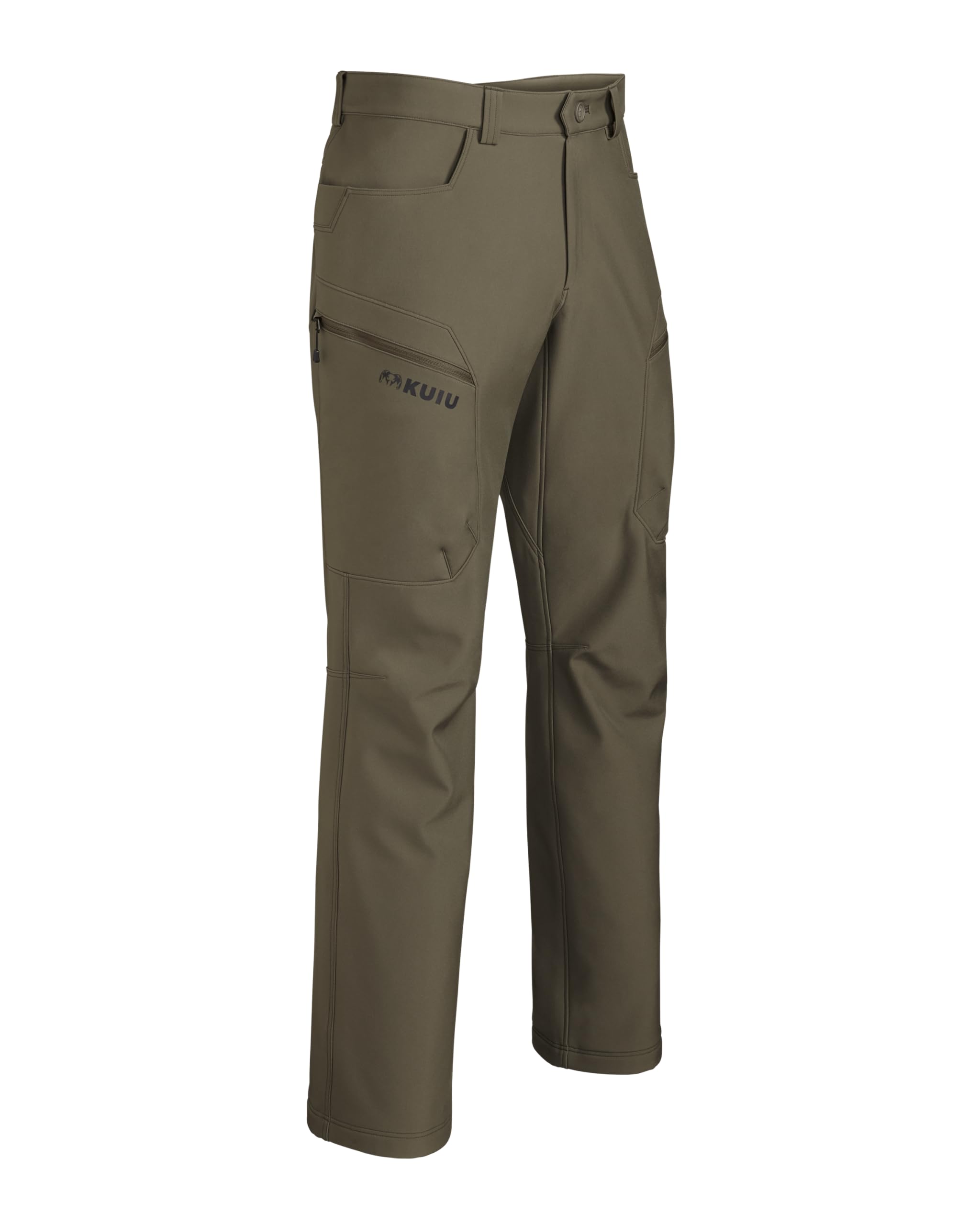
The KUIU Guide Pro Pant is a ground-up design for high-output alpine activity where breathability trumps maximum waterproofing. The softshell fabric is fleece-lined for warmth, but the interior is smooth enough to layer over a base without excessive friction. The standout feature is the full-length side zips — starting above the cuff and running nearly to the hip — that allow instant venting during strenuous climbing sections. Combined with the lightweight 17-ounce overall weight, this pant moves and breathes like a pair of sweatpants.
The fit is articulated but runs snug in the waist. Multiple users report needing to size up one full size when layering over a Merino base and thin midlayer. Once sized correctly, the fabric stretches and recovers beautifully, allowing unrestricted movement during high steps and stemming. The softshell blocks 10-15 mph wind gusts effectively while remaining quiet enough for tactical or hunting applications. Owners have tested the Guide Pro in conditions down to 15°F while moving and found the combination of fleece lining and base layers adequate for sustained output.
The trade-off is that the Guide Pro is not intended for wet-alpine conditions. The DWR finish sheds light snow and light drizzles, but sustained rain will wet through. This is a pant for clear-sky alpine scrambles, cold ridge traverses, and high-exertion climbing where moisture management comes from venting rather than a membrane. The price puts it in the premium tier, but the combination of low weight, full side zips, and fleece warmth is unique in this guide.
Why it’s great
- Full-length side zips for instant venting during high output
- Fleece-lined softshell blocks wind and cold
- Lightweight at ~17oz for an insulated softshell
Good to know
- Runs snug in waist — size up for layering
- Not fully waterproof; DWR only for light moisture
6. Marmot Scree Pants
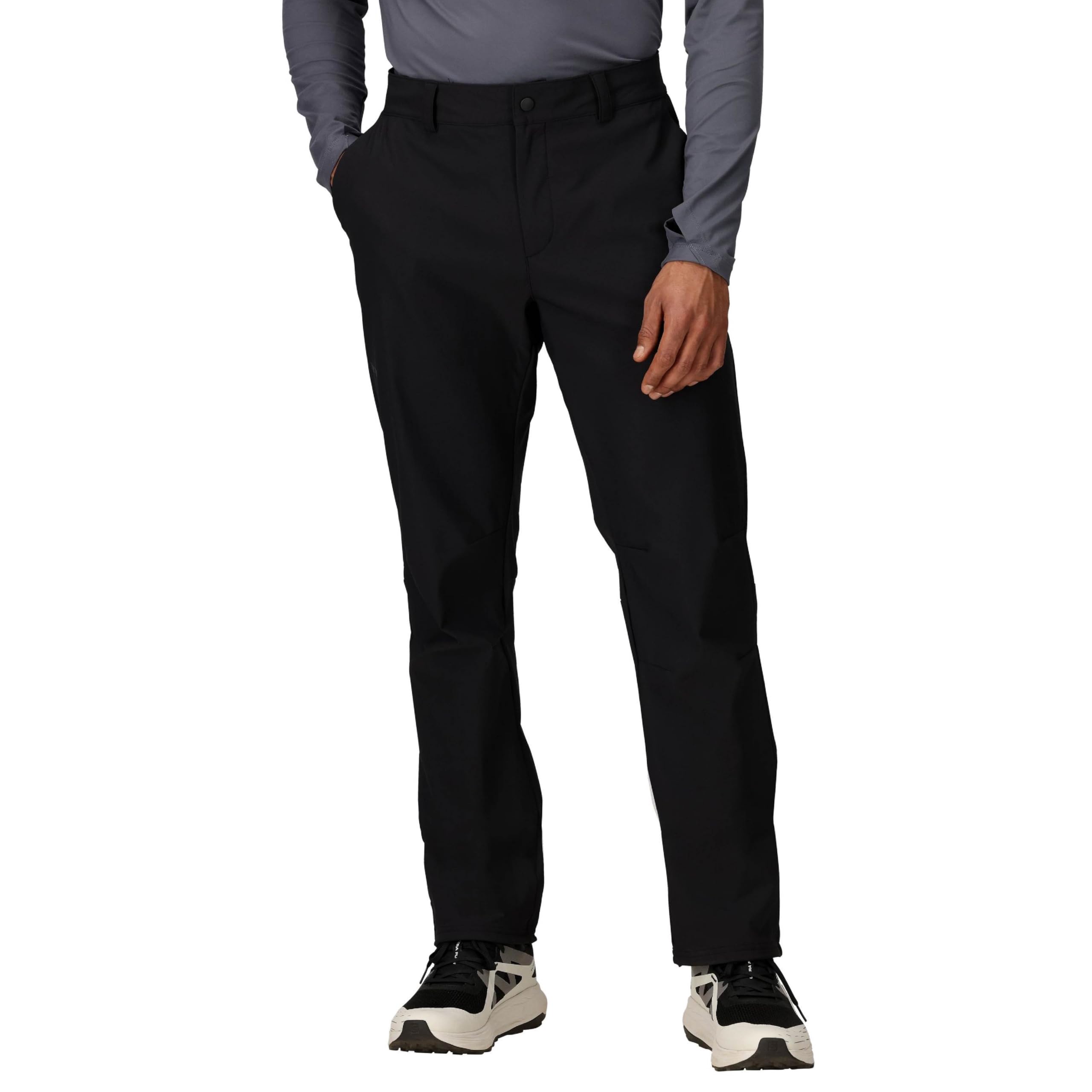
The stretch woven fabric is comfortable against the skin and provides enough give for high steps and scrambling, while the articulated knees keep the fit clean in a crouched position. The fabric weight lands in the mid-range — tough enough for scree fields and rocky trails, but light enough to pack for summer alpine objectives.
The zippered hand pockets and zippered ankle cuffs add utility for alpine use: the ankle zips slide over boot tops easily, and the pockets secure small items during a climb. The initial DWR treatment handles light weather, but users report it fades after several washes, so reapplying a spray-on treatment is wise for sustained water resistance. The waist runs true to size, and the belt loops accommodate a standard climbing harness without bunching.
Owners consistently describe the Scree as the perfect hiking pant for ease of cleaning, comfort, and versatile use. Multiple users are on their second or third pair, which speaks to both the quality and the price-value ratio. For climbers who need one pant that transitions from the approach trail to moderate alpine rock without specialized features like knee pads or full side zips, the Marmot Scree is the logical mid-range pick.
Why it’s great
- Proven stretch woven fabric for comfort and mobility
- Zippered ankle cuffs fit over boot tops
- Excellent value for long-term alpine use
Good to know
- Initial DWR fades with washing
- Not as burly as reinforced options for extreme abuse
7. The North Face Men’s Antora Rain Pant
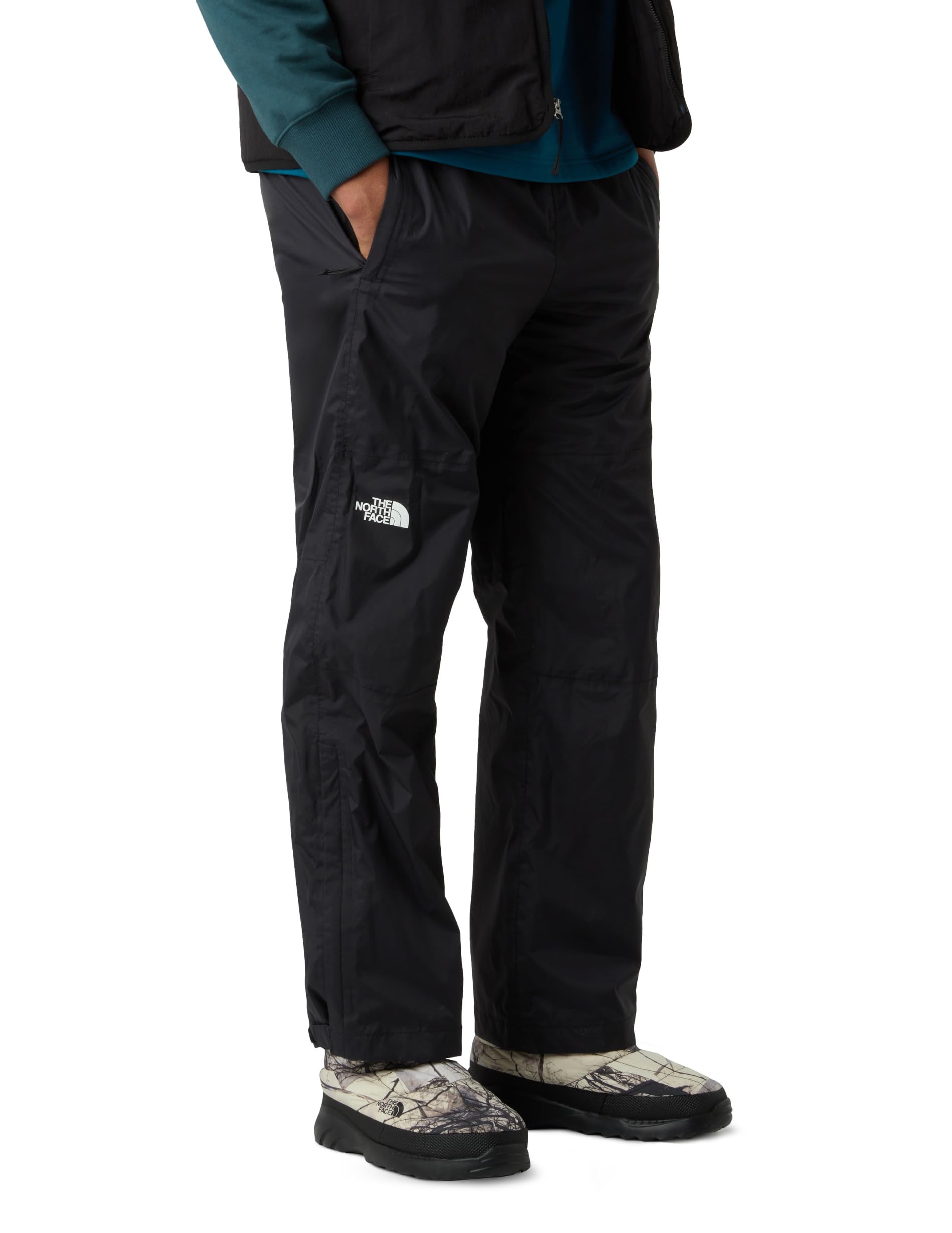
For wet-weather alpine climbing, the Antora Rain Pant serves a specific role: a lightweight, packable shell that deploys when the sky opens. The DryVent 2-layer membrane is fully waterproof and breathable, and the 100% recycled polyester ripstop fabric is durable enough to resist abrasion from a harness and rocky ledges without adding significant weight. The relaxed fit allows room for a softshell and base layer underneath, making it an effective overpant for stormy alpine days.
The elastic waistband with an internal drawcord provides adjustability under a harness, though the lack of side zips limits venting during high-output climbing. Users report that these pants outlasted other rain gear in hurricane-force conditions, staying dry through hours of wet work. The non-stretch fabric means you won’t get the same freedom of movement as a softshell, but for decents, belay stations, and exposed ridges, the trade-off for full waterproofing is worth it.
The Antora is best used as a dedicated rain layer rather than a primary climbing pant. Pair it with a stretchy softshell like the Outdoor Research Ferrosi or the Marmot Scree for a lightweight two-pant alpine system. The price is reasonable for a waterproof shell, and the sustainability angle — 75% recycled content by weight — adds appeal for eco-conscious climbers.
Why it’s great
- DryVent membrane provides reliable waterproof protection
- Lightweight and packable for emergency alpine use
- Made with 100% recycled ripstop fabric
Good to know
- No side zips for venting during high output
- Non-stretch fabric limits mobility for technical climbing
8. Mammut Runbold IV Pant
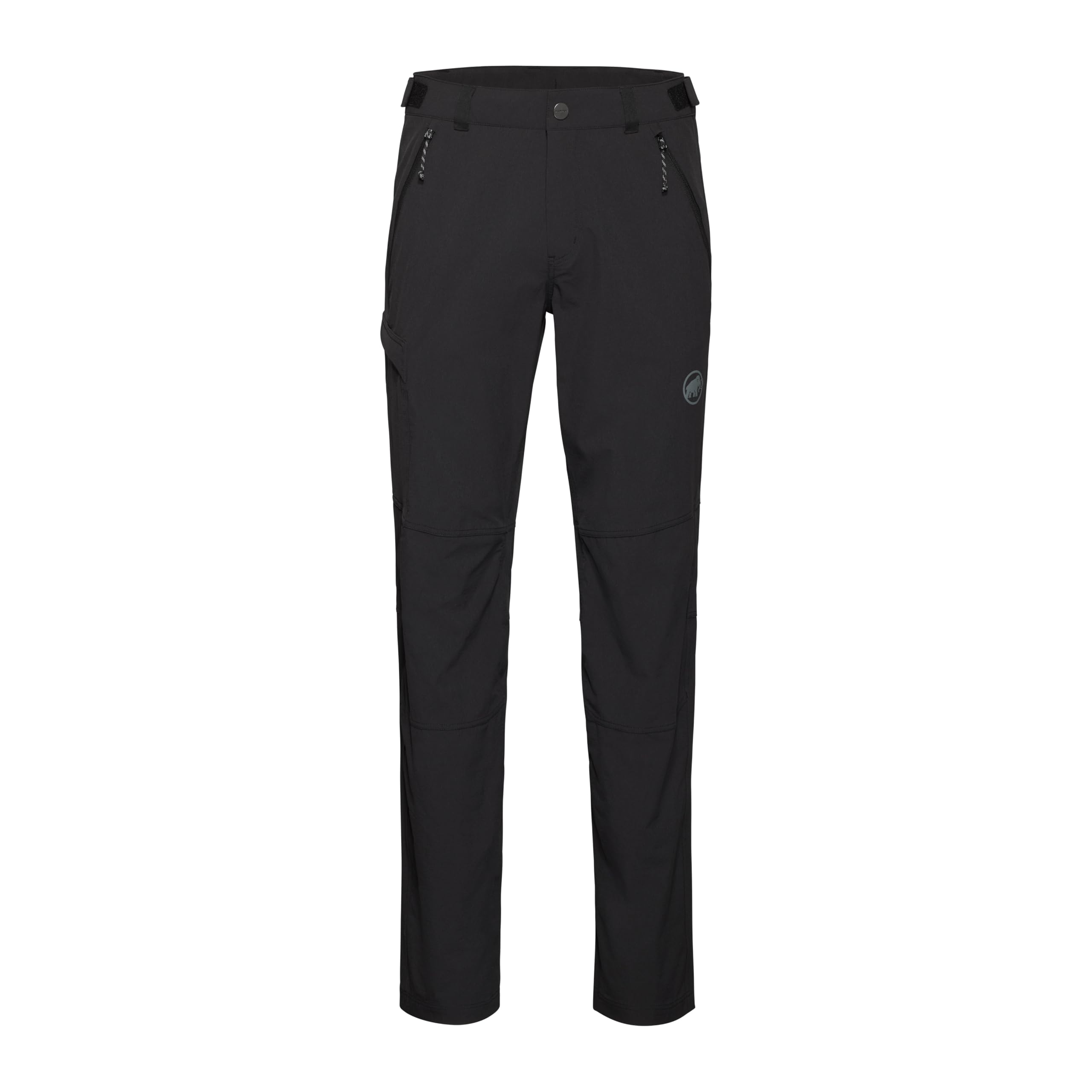
The Mammut Runbold IV is engineered for fast alpine travel where weight matters as much as function. At just 10.4 ounces, it’s the lightest pant in this guide, making it ideal for long approaches, multi-day alpine traverses, and climbers who count every gram in their pack. The fabric is a very lightweight, highly elastic softshell that moves with you during high steps and scrambling without any restrictive drag.
The fabric is noticeably thin — some users noted that it feels less substantial than traditional alpine softshells. This means it packs down small and dries quickly, but it also won’t survive the same level of bushwhacking or sharp granite scraping as heavier options like the SITKA Timberline or Fjällräven Keb. The fit is well-regarded overall, with multiple positive reviews noting excellent comfort and freedom of movement. The belt loops accommodate a harness, and the waist runs true to size.
The Runbold IV fills a specific niche: the climber who prioritizes speed and low weight over maximum durability. It’s an excellent option for summer alpine rock, Via Ferrata, and high-altitude scrambling where you need protection from wind and light weather without the bulk of a reinforced pant. For overnight alpine climbs or mixed routes with sustained abrasion, step up to a heavier fabric.
Why it’s great
- Extremely lightweight at 10.4oz for fast alpine travel
- High elasticity fabric for unrestricted movement
- Packs down small for multi-day approaches
Good to know
- Thin fabric less durable against sharp rock and bushwhacking
9. Outdoor Research Men’s 34″ Ferrosi Pants
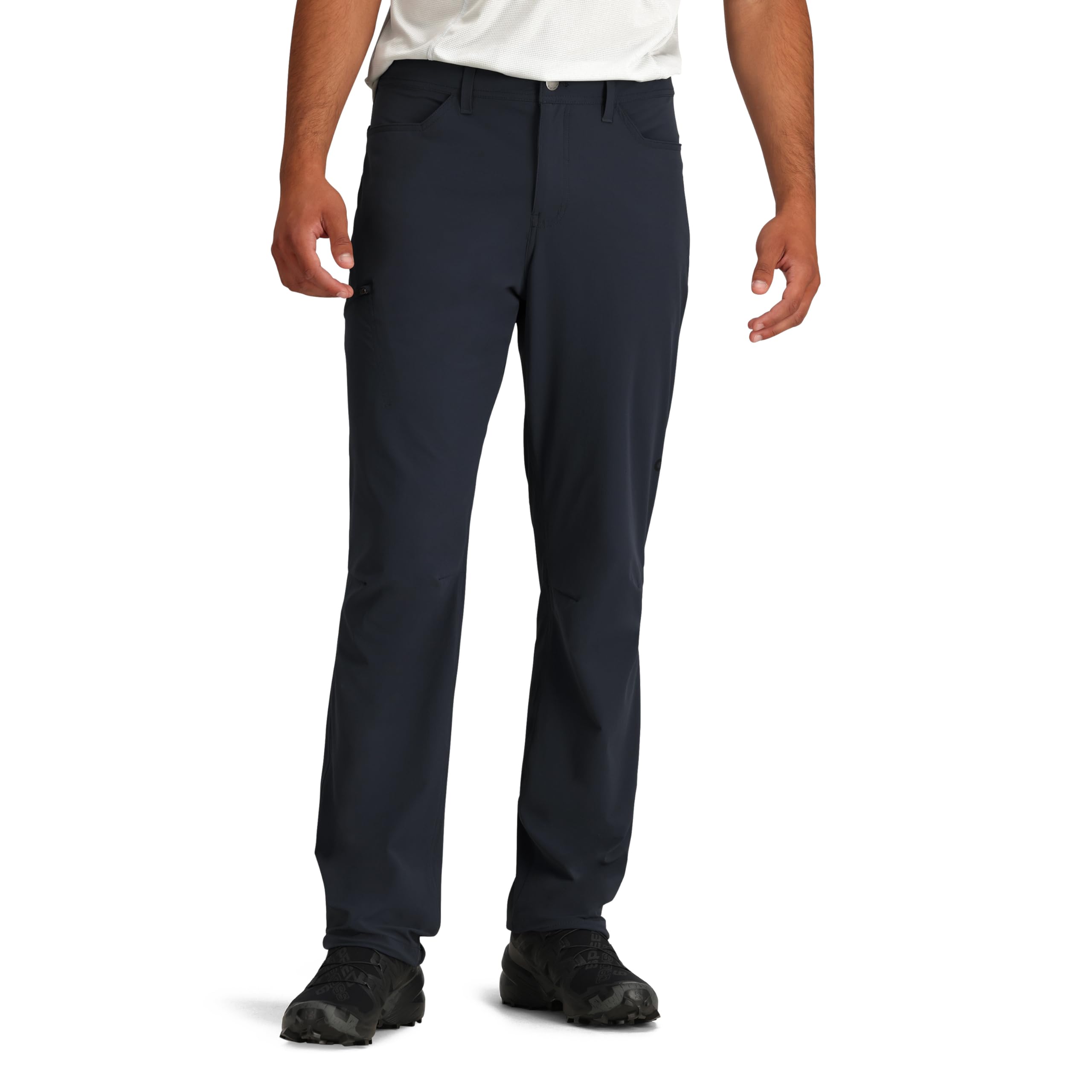
The Outdoor Research Ferrosi is the default entry-point for alpine climbing pants, and for good reason: the 90D stretch woven ripstop fabric provides a strong balance of weight, stretch, and durability at a wallet-friendly price. The 14% spandex content gives you real flexibility for high steps, and the UPF 50 sun protection is a practical addition for exposed alpine ridges. The harness-compatible waist works well with a standard climbing harness, and the drawcord cuffs let you cinch around boot tops.
Customer feedback is largely positive, with multiple users calling these the best hiking pants they own and buying additional colors. However, the fabric is not indestructible — one user reported pilling after bushwhacking, confirming that this is a trail-to-moderate-alpine pant rather than a brute-force option. The fit has changed slightly from the original Ferrosi design: the new model includes a rear zip pocket and functional drawstrings, but the sizing has shifted, with some users recommending sizing up one from their usual.
The Ferrosi is water and wind resistant thanks to the DWR coating, but it’s not fully waterproof. For dry alpine approaches, moderate scrambling, and summer rock, this pant delivers excellent performance without the premium price tag. It’s the logical choice for climbers building a first alpine kit or those who want a lightweight pant for non-technical mountain travel. For sustained winter alpine or exposed mixed routes, consider one of the more rugged options higher in this guide.
Why it’s great
- 90D stretch ripstop balances durability and weight
- 14% spandex delivers excellent high-step freedom
- UPF 50+ protection for exposed ridgelines
Good to know
- Not fully waterproof; DWR treatment only
- Some users report pilling in rough terrain
FAQ
Can I wear softshell alpine pants for ice climbing in wet conditions?
What inseam length is standard for alpine climbing pants?
How do I care for the DWR coating on my alpine climbing pants?
Are built-in knee pads worth it for alpine climbing?
How important are full side zips for venting during alpine climbing?
Final Thoughts: The Verdict
For most climbers tackling alpine rock, mixed routes, and cold-weather approaches, the overall winner of the best alpine climbing pants is the Fjällräven Keb Men’s Trekking Trousers because the G-1000 reinforcement in high-wear zones combined with stretch panels delivers unmatched durability and articulation for technical terrain. If you need a fully waterproof shell for ice climbing and wet alpine couloirs, grab the Burton Men’s AK Gore-Tex Cyclic for the best membrane protection in this lineup. And for budget-conscious climbers or those building a first alpine kit, nothing beats the mobility and value of the Outdoor Research Ferrosi Pants for moderate routes and summer objectives.