
There is a specific, almost creamy, floral acidity that only a true Amalfi lemon brings to a dish — and chasing that flavor from grocery store fruit is a losing battle. The real prize is growing your own tree, but the market is flooded with seed-grown seedlings that will test your patience for a decade before yielding a single fruit. You need to know which potted tree delivers fruit this year, which supplier skips the graft, and which purchase turns into a pest-ridden disappointment before the first bloom.
I’m Min — the co-founder and writer behind Gadgets Feed. I’ve spent countless hours analyzing grower stock lists, reading through customer reports of leaf drop and spider mites, and comparing pot sizes, rootstock quality, and the first-year fruiting claims of every major citrus nursery shipping to home growers.
After sorting through hundreds of verified buyer experiences, I’ve identified the actual contenders worth your soil and sunlight. Here is my definitive guide to finding the best amalfi lemon tree that will thrive in your home or patio and produce the fruit you are really after.
How To Choose The Best Amalfi Lemon Tree
The biggest mistake home citrus buyers make is confusing “a plant” with “a tree.” Seedlings shipped in 3-inch starter pots can take up to 15 years to produce lemons that match the parent’s flavor. A 1-gallon grafted tree, on the other hand, often sets fruit in the first year. Your decision comes down to three factors: the rootstock, the pot size, and the seller’s honesty about what they are shipping.
Grafted vs. Seed-Grown: The Only Spec That Matters
A grafted tree uses a mature fruiting scion attached to a hardy rootstock. This guarantees the fruit tastes exactly like the parent Amalfi and shortens the wait to harvest. Seed-grown plants are cheaper, but they produce variable fruit and require 7–15 years to mature. If a listing says “starter plant” or “seedling” without mentioning grafting, assume you are buying a multi-year project, not a fruit tree.
Pot Size and Root Space
A tree shipped in a 1-gallon growers pot (roughly 6 inches wide) has a developed root ball that can support immediate growth and flowering. A 3-inch starter pot means the tree is still a sprout — it needs a full season of root development before it can support fruit. Check the “Item Weight” field in the specs: an 8-pound tree is established; a 0.5-pound tree is a cutting.
Shipping Restrictions and Acclimation
USDA regulations prohibit shipping citrus to Arizona, California, Florida, Hawaii, Louisiana, Texas, and several other states to prevent the spread of diseases like citrus greening (HLB). Sellers that ignore this risk shipping plants that arrive dead or diseased. If you live in a restricted zone, your only option is to source locally or choose a different indoor tree variety.
Quick Comparison
On smaller screens, swipe sideways to see the full table.
| Model | Category | Best For | Key Spec | Amazon |
|---|---|---|---|---|
| Garden State Bulb Meyer Lemon | Premium | First-year fruit indoors | 1-Gallon Growers Pot | Amazon |
| Brighter Blooms Meyer Lemon | High-End | Large, ready-to-grow tree | 1-2 ft. Height on Arrival | Amazon |
| The Magnolia Company Gift Tree | Gift Ready | Housewarming or birthday gift | 12 lbs. Established Tree | Amazon |
| Hirt’s Gardens Meyer Lemon | Mid-Range | Fruiting-size starter tree | 5-Inch Pot Grafted | Amazon |
| Brighter Blooms Calamondin Orange | Alternative | Tangy fruit for cooking | 1-2 ft. Fragrant Tree | Amazon |
| Gerald Winters Meyer Lemon Starter | Budget | Bonsai or patience project | 3-5 in. Seedling (7-15 Yr) | Amazon |
| Gerald Winters Kaffir Lime | Budget | Fragrant foliage for cooking | 3-5 in. Seedling (5-6+ Yr) | Amazon |
In‑Depth Reviews
1. Garden State Bulb Meyer Lemon Tree

This is the tree that arrives with fruit already forming. Multiple verified buyers reported receiving their Meyer Lemon with two to six baby lemons on the branches, which is the strongest proof-of-concept for a grafted, mature plant. The 1-gallon growers pot means you don’t need to repot immediately — the root system is already large enough to support both foliage and fruit production. Garden State Bulb ships with a temperature-controlled box, so even cross-country winter deliveries have arrived with green, moist leaves.
The tree is self-pollinating, which eliminates the need for a second citrus tree indoors. At a mature height of 8 to 10 feet, it stays manageable in a large patio container or near a bright south-facing window. The expected bloom period runs from spring to summer, giving you a natural growth cycle that aligns with increased daylight. Buyers in USDA zones 8 to 11 can plant it outdoors year-round, while those in cooler zones (4 to 7) should bring it inside during frost.
A small number of buyers experienced leaf drop after flowering, which is a common stress response when a tree moves from a greenhouse environment to a home. The solution is straightforward: place the tree in the brightest available window and reduce watering until new growth appears. The 41-year limited manufacturer guarantee covers replacement if the tree fails to establish, which is rare at this price point for a 1-gallon specimen.
Why it’s great
- Arrives with fruit already forming, verified by multiple buyers
- 1-gallon pot provides established root ball for immediate growth
- Self-pollinating — no second tree needed for fruit set
Good to know
- Cannot ship to CA, FL, AZ, TX, LA, and other restricted states
- May drop leaves if moved from greenhouse to lower light; needs acclimation
2. Brighter Blooms Meyer Lemon Tree

Brighter Blooms sells a tree that is already 1 to 2 feet tall at delivery, making it the largest starter you can buy without stepping into a local nursery. The height means it has gone through at least one full season of hardening, so its trunk and branch structure are more resilient to shipping stress than a 3-inch plug. Buyers consistently describe the packaging as robust — even when the outer box arrived dented, the tree itself had minimal leaf loss and showed new growth within a week.
The Meyer Lemon variety from Brighter Blooms is a cross between a traditional lemon and a mandarin orange, which gives the fruit a thinner skin and a noticeably sweeter, less acidic juice. This makes it ideal for raw juicing, lemonade, and desserts where a harsh citrus bite would overwhelm other ingredients. The tree can live indoors or outdoors, but it requires full sun for at least six hours a day to set fruit — a south-facing window or a patio with direct light is non-negotiable.
One buyer reported a sudden die-off after three months, but this appears to be related to underwatering or a pest issue rather than a systemic problem with the stock. The warranty covers replacement if the plant arrives damaged or fails to thrive, though cosmetic leaf damage from travel is not covered.
Why it’s great
- Largest starter size at 1-2 ft., reducing time to first fruit
- Meyer variety produces sweeter, thinner-skinned fruit for raw use
- Well-packaged with moist soil; minimal transplant shock reported
Good to know
- Cannot ship to CA, FL, AZ, TX, LA, AL, and other restricted states
- Requires full sun (6+ hours) or growth will stall; not low-light tolerant
3. The Magnolia Company Meyer Lemon Gift Tree
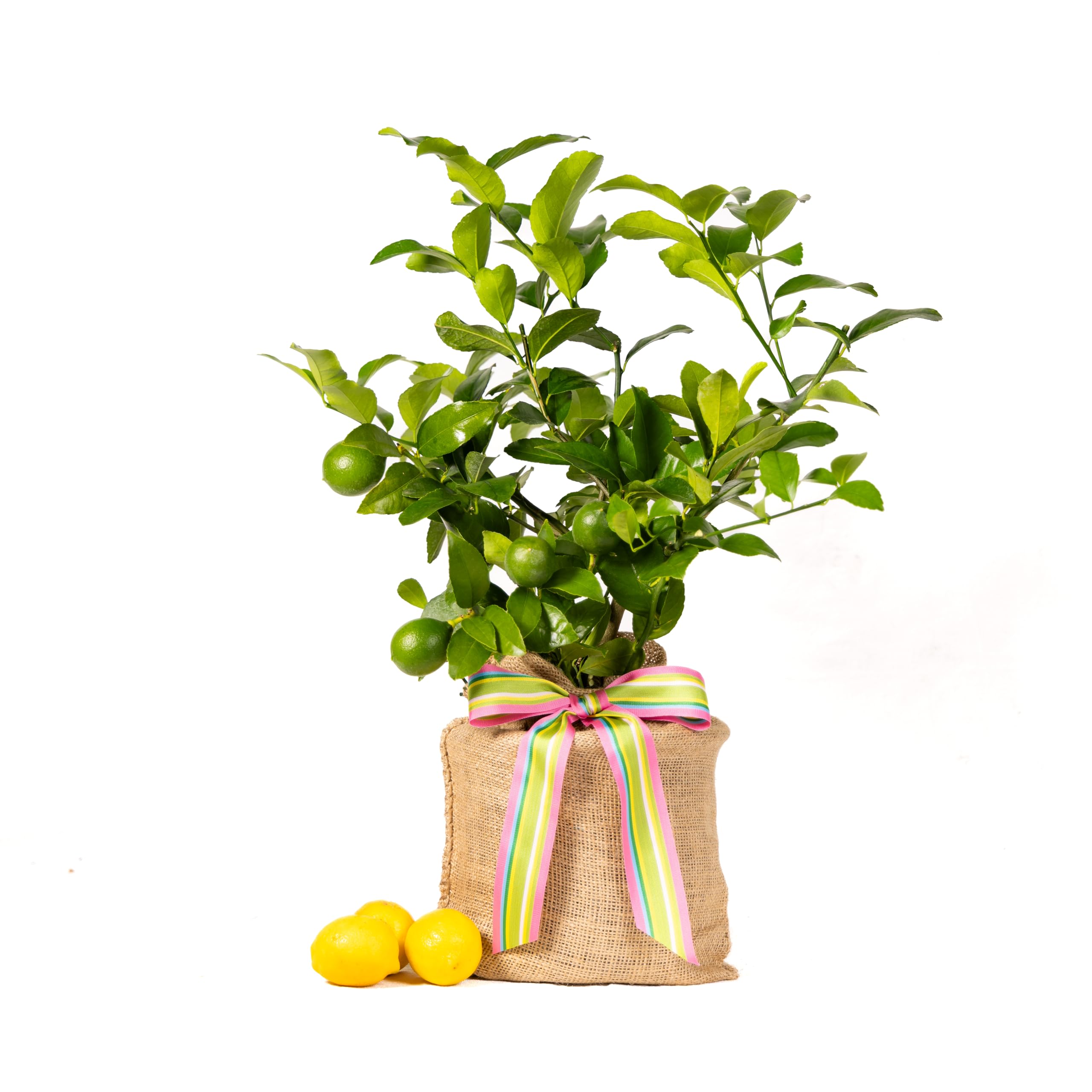
This is the heaviest tree in the lineup at 12 pounds, which should immediately signal that you are getting a mature, soil-rich plant rather than a lightweight cutting. The Magnolia Company ships its Meyer Lemon in a plaid, gift-ready container, and the tree often arrives with fragrant white blossoms already open. Multiple buyers confirmed that within six to seven months of arrival, the small tree produced abundant flowers and set two baby lemons — right on track for a first-year harvest.
The tree grows to a mature height of about 10 feet with a 7-foot spread, so it needs a larger container (at least 18 inches in diameter) or a permanent spot in the ground in zones 9 to 10. The bloom period runs from February to April, and the tree is self-pollinating, meaning you don’t need a second citrus nearby. The variety is a standard Meyer Lemon, which is the closest common cultivar to an Amalfi in terms of sweetness and low acidity.
The main risk here is the packaging quality — one buyer received a tree in a flimsy box without “perishable” markings, while a second shipment came in a sturdy box. The seller offers a warranty, but the 20% restocking fee and return shipping cost create a financial barrier if the tree arrives dead. For the price, you are paying for the gift presentation, the mature size, and the convenience of a fruit-ready tree, but you should inspect the box condition immediately upon delivery and photograph any damage.
Why it’s great
- Mature 12-lb. tree with blossoms upon arrival; first-year fruit reported
- Gift-ready packaging with customized message options available
- Self-pollinating with a heavy fruit set in spring bloom period
Good to know
- Cannot ship to CA, TX, AZ, AL, or LA due to federal restrictions
- 20% restocking fee applies to returns; inspect box immediately on arrival
4. Hirt’s Gardens Meyer Lemon Tree
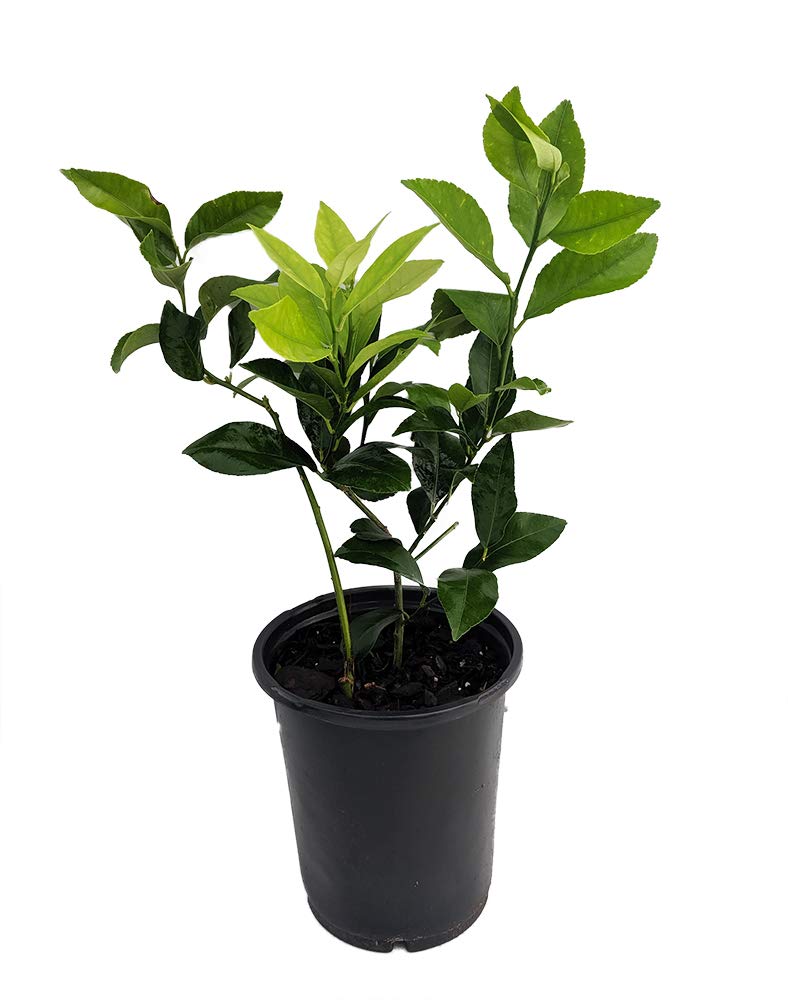
Hirt’s Gardens sells a fruiting-size Meyer Lemon in a 5-inch pot — smaller than a 1-gallon but larger than a 3-inch starter. At 8 pounds, the tree has enough soil mass and root development to survive shipping and establish quickly after repotting. Buyers consistently describe the tree as “larger than expected” and “sturdy,” with one reviewer noting that it thrived even after previous attempts with other citrus trees had failed. The tree is self-pollinating and can remain outdoors as long as temperatures stay above 40°F.
The biggest concern reported across multiple verified buyers was the presence of spider mites on arrival. This is a common issue with greenhouse-grown citrus, and it is manageable with a weekly neem oil spray treatment. The tree also arrives with a gift card certificate from Hirt’s Gardens, which acts as a limited health guarantee. One buyer noted that the roots were already cramped in the 5-inch pot, so a repot into a 12-inch container within the first week is recommended to prevent stunting.
Shipping restrictions apply to Arizona, California, Florida, Hawaii, Louisiana, Puerto Rico, Texas, and the Virgin Islands. If you live outside those zones and want a tree that is ready to fruit without paying premium prices, this is the most practical entry point. Just budget for a neem oil spray and a larger pot from the start.
Why it’s great
- Fruiting-size tree at a price that undercuts most 1-gallon competitors
- Healthy, sturdy stock that outlasts many starter-plant failures
- Self-pollinating with a sweet Meyer variety ideal for patios
Good to know
- Spider mites reported on arrival by multiple buyers; treat with neem oil
- Roots cramped in 5-inch pot; repot into 12-inch container immediately
5. Brighter Blooms Calamondin Orange Tree
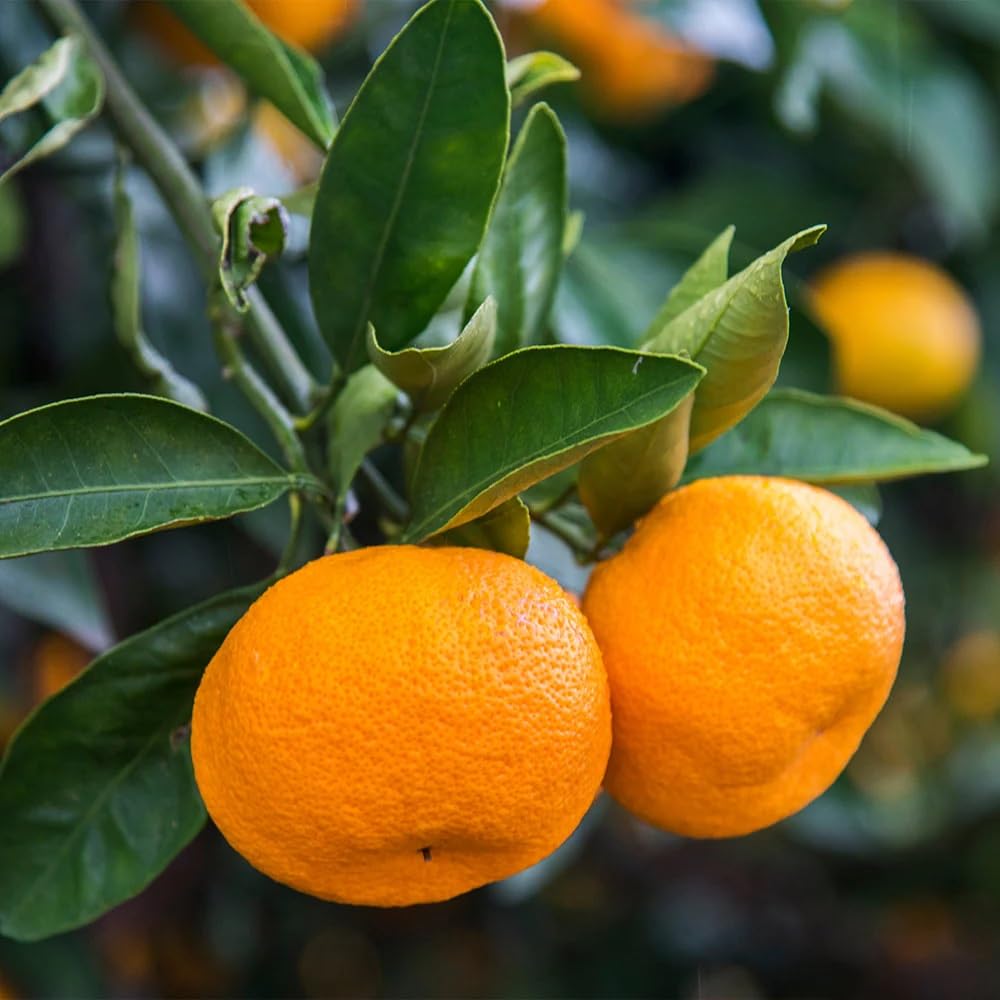
If you want a citrus tree that is hardier and more forgiving than a Meyer Lemon, the Calamondin Orange is a strong alternative. This tree produces tangerine-sized fruits with a tangy, slightly sour flavor that works beautifully for marmalades, sauces, and Asian-style cooking. Brighter Blooms ships a 1- to 2-foot tree in a robust container, and the vast majority of buyers describe it as “beautiful,” “green,” and “larger than expected” upon arrival. The tree is self-pollinating and blooms in winter, giving you fresh fruit when most indoor plants are dormant.
The Calamondin is more tolerant of indoor conditions than the Meyer Lemon — it can handle partial sun and lower humidity levels without dropping leaves. The fragrant white flowers add a natural air freshener to your home, and the fruit holds on the tree for weeks without spoiling. At 1-2 feet tall, the tree fits on a standard tabletop or window sill before it needs a floor pot. The warranty from Brighter Blooms covers replacement if the tree arrives damaged or fails within a reasonable establishment period.
Shipping restrictions are the same as other citrus (no AK, AL, AZ, CA, FL, GA, HI, LA, MS, OR, TX), so check your state before ordering. This tree does not produce the same sweet, floral juice as an Amalfi or Meyer lemon, but it offers a much higher success rate for first-time citrus growers who want a reliable, fruit-producing plant with minimal fuss.
Why it’s great
- More indoor-tolerant than Meyer Lemon; handles partial sun well
- Self-pollinating with fragrant flowers and fruit that stays on the tree
- Large, healthy 1-2 ft. tree at delivery with high buyer satisfaction
Good to know
- Fruit is tangy and sour, not sweet like a Meyer or Amalfi lemon
- Broad shipping restrictions covering 11 states and territories
6. Gerald Winters Meyer Lemon Starter Plant

If your goal is a true Amalfi or Meyer lemon from seed rather than a graft, this starter plant is the most affordable entry point — but you must accept the timeline. Verified buyer reviews confirm that this is a 3- to 5-inch seedling grown from seed, not a grafted tree, which means it will take 7 to 15 years to produce fruit, and the taste may differ from the parent Meyer. This is a bonsai-worthy project for a patient gardener, not a quick fruit tree. The plant arrives perfectly packed, healthy, and free of pests, with clear instructions from a seller that has shipped thousands of citrus plants.
The heirloom organic material features mean the plant has not been treated with synthetic pesticides or fertilizers, which is a plus if you prefer to control the growing conditions from day one. The tree requires moderate watering and loam soil, and it can be kept at 2 feet tall in a pot through regular pruning. Multiple buyers have noted that the plant is thriving months later, but the tiny size upon arrival (barely 4 inches) can feel underwhelming if you expected a tree ready for a patio.
The key spec to understand: this is a citron-type lemon grown from seed. The expected plant height is 8 feet if planted in ground, but indoors in a pot it will stay smaller and may never reach full size. For the price, you get a healthy, organic project plant, but if your goal is fruit within two years, look at the Hirt’s Gardens or Garden State Bulb options instead.
Why it’s great
- Perfect packaging with healthy, pest-free plant upon arrival
- Heirloom organic — no synthetic chemicals used in growing
- Ideal for bonsai enthusiasts or gardeners who want a long-term project
Good to know
- Seed-grown seedling: 7-15 years to fruit, flavor may vary from parent
- Very small upon arrival (3-4 inches); not a gift-worthy tree
7. Gerald Winters Kaffir Lime Tree

This Kaffir Lime (Makrut) starter plant is a strong choice if your primary goal is fragrant leaves for Thai cooking rather than fruit production. The leaves have the intense citrus aroma that defines dishes like tom kha gai and green curry. The plant ships as a 3- to 5-inch seedling from Gerald Winters and Son, and it includes a free Osmocote plant food sample for repotting. The packaging is thermal-wrapped for cold-weather shipping, and the majority of buyers report that the plant arrives healthy and well-cared for, with clear written instructions.
Like the Meyer starter, this is a seed-germinated plant, not a grafted tree. Lime trees grown from seed can take 5 to 6 years to produce fruit, and even then the fruit quality is inconsistent. The primary value here is the foliage — you can harvest leaves almost immediately after the plant establishes, which takes about 3 to 4 months. The expected mature height is 12 feet, but container growth keeps it manageable at 3 to 4 feet with regular trimming. The intense citrus fragrance from the leaves rivals any kitchen ingredient, and the plant itself is a hardy indoor grower.
The biggest drawback is the value-per-dollar perception. Several buyers felt the seedling was overpriced compared to a grafted tree, especially since the included free seed was described as shrunken and non-viable. The slow growth rate is normal for citrus seedlings, but it can be frustrating for buyers who expected a faster payoff. If you want fragrant leaves within months and can accept a multi-year wait for fruit, this plant delivers on its core promise.
Why it’s great
- Intense citrus fragrance from leaves; usable for cooking within months
- Thermal-wrapped winter shipping with free Osmocote plant food
- Hardy indoor grower with clear care instructions provided
Good to know
- Seed-germinated, not grafted: 5-6+ years to fruit with variable quality
- Slow growth rate and small seedling size may not match price expectations
FAQ
Can a Meyer Lemon tree survive winter indoors if I don’t have a south-facing window?
What is the specific difference between a Meyer Lemon and an Amalfi Lemon when grown at home?
How can I treat spider mites on my indoor lemon tree without harming future fruit?
What pot size should I repot my Meyer Lemon into after the shipping container?
How long after planting can I expect my first actual lemon if I buy a 1-gallon grafted tree?
Final Thoughts: The Verdict
For most users, the best amalfi lemon tree winner is the Garden State Bulb Meyer Lemon because it arrives in a 1-gallon pot with fruit already set, backed by a reliable warranty and verified buyer photos of baby lemons. If you want a larger, more established tree that is immediately gift-worthy, grab the Magnolia Company Gift Tree. And for the best bang-for-your-buck when you are willing to repot and treat for mites, nothing beats the Hirt’s Gardens Meyer Lemon for its fruiting-size stock at the most accessible price point.