
Our readers keep the lights on and my morning glass full of iced black tea. As an Amazon Associate, I earn from qualifying purchases.
Specs are compiled from manufacturer listings and verified buyer reviews and can change over time — please confirm the key details on the product page before buying.
The magic of a serviceberry shrub is that it gives you four seasons of beauty from one single plant — white flowers in early spring, sweet edible berries in summer, red-orange leaves in fall, and bare branching in winter. The catch is that these are living plants, not gadgets, so they arrive as dormant twigs and need patient care to thrive. This guide separates the starter bushes that grow quickly from the ones that demand more faith.
I’m Min — the founder and writer behind Gadgets Feed. This guide is built by comparing the manufacturers’ published specifications and the patterns across verified customer reviews, so you get each pick’s real strengths and trade-offs instead of marketing spin.
If you are choosing an amelanchier serviceberry shrub, start with varieties proven to leaf out fast in average garden soil and survive deer pressure in your zone.
Our Picks at a Glance
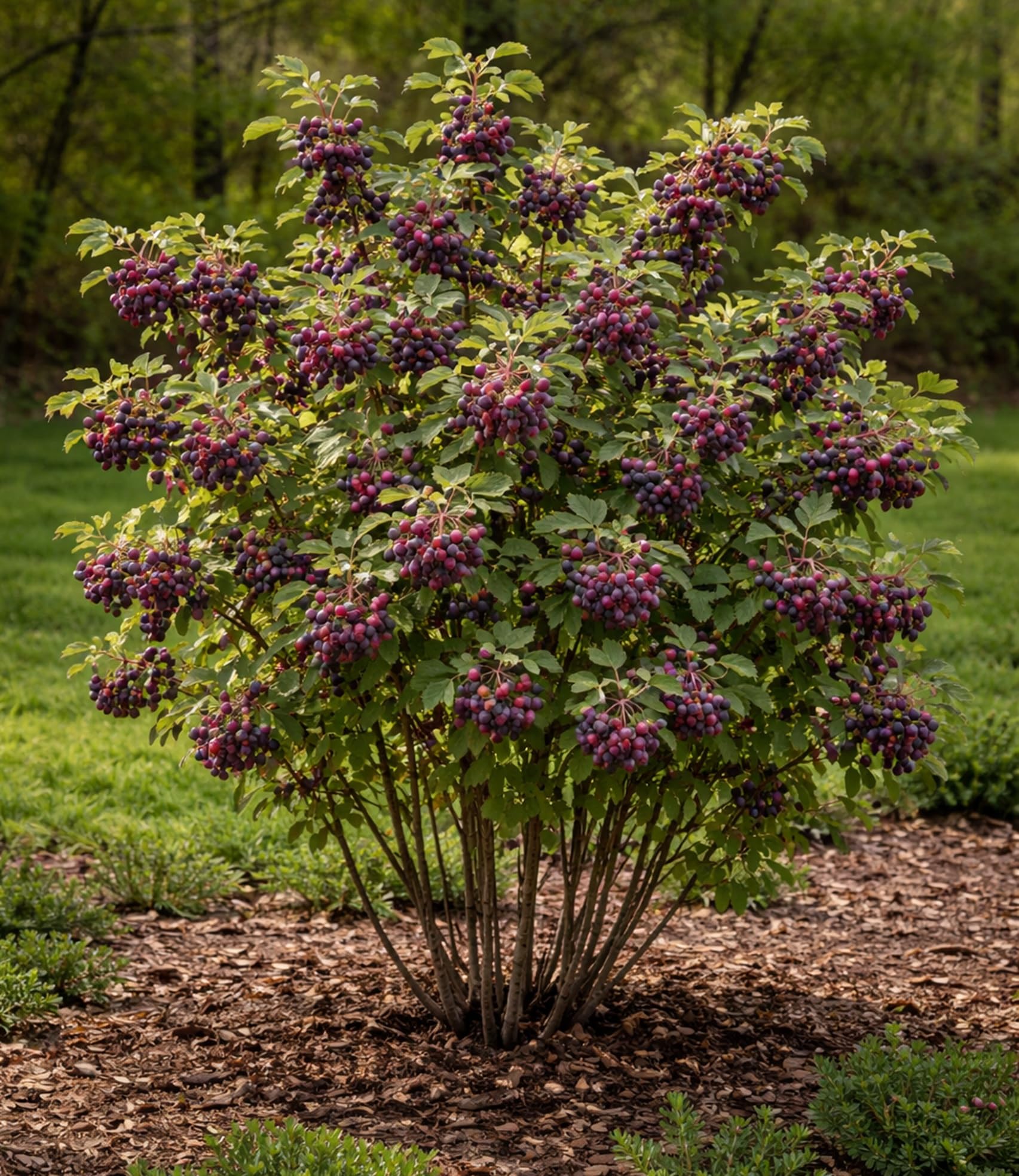
How To Choose The Best Amelanchier Serviceberry Shrub
Serviceberry shrubs trade on patience. You are buying a dormant or young live plant, so the real decision is which form — bare seedling, cutting, or potted specimen — gives you the best odds in your specific soil and climate. Look past the pretty photos and focus on what the plant will actually endure.
Plant form matters more than price
A bare seedling arrives small, often with minimal roots, and needs a season to establish. A two-year potted plant is bigger at delivery but can be more fragile in transit. The form you choose should match how much time you are willing to give the shrub before it earns its keep in the landscape.
Your zone and soil decide everything
Check your USDA hardiness zone before buying. Some serviceberries are rated for zone 4 but still struggle in extreme heat, so a plant that thrives in Maryland may sulk in Texas. Clay soil, sand, and deer pressure all change which variety you should plant.
Quick Comparison
| Model | Best For | Plant Form | Sunlight | Bloom Season | Amazon |
|---|---|---|---|---|---|
| Saskatoon Serviceberry Bush★ Best Overall | Fast leafing in poor soil | Cuttings (2 plants) | Full Sun | Early Spring | Amazon |
| Downy Serviceberry Seedlings | Wildlife food plots | Seedlings (3 plants) | Full Sun | Early Spring | Amazon |
| Spectacular 2 Year Serviceberry | Established potted specimen | Potted 2-year plant | Full Sun, Partial Shade | Summer | Amazon |
In-Depth Reviews
1. Saskatoon Serviceberry Bush Plants (Amelanchier alnifolia)
The starter bush that leafs out like mad even in dreadful clay soil
For a plant to be the crowd favorite — 4.7 stars across 18 ratings is modest, but the reviews are remarkably consistent — it needs to survive the worst soil you can throw at it. Owners planted these in Greenville, SC clay and the bushes leafed out like mad within days. Buyers report “3 days in, and it’s already starting to show leaves,” which is about as fast as a live shrub can wake up.
The defining job here is quick establishment. A 5/5 review described the plants as coming in great condition, packaged wonderfully, with healthy cuttings that showed new growth right after planting. Another owner waters every two days and called the bushes thriving. That pattern — strong packaging, healthy cuttings, fast leafing — is exactly what new gardeners need when they are unsure if they are doing it right.
This Amelanchier alnifolia variety offers four-season interest: delicate white flowers in early spring, edible blueberry-like berries in summer, vibrant red-orange fall foliage, and attractive winter branching. It thrives in full sun to partial shade and stays low maintenance once established, making it a forgiving first serviceberry.
Why It Wins People Over
- Growth is the most-discussed trait — 10 owners mention it, all positive
- Plant quality follows close behind with 9 positive mentions
- Two plants per order means a hedge or a backup if one struggles
What You Should Know
- It arrives looking like a stick — a review warns “don’t be fooled” by the bare twig
- It needs exact planting directions followed to leaf out fast
Reach for this if: you want a forgiving first serviceberry that shows new growth within days, even in poor clay soil.
Look elsewhere if: you expect a full-grown tree at delivery instead of a young cutting that needs patience.
2. Downy Serviceberry Seedlings (Amelanchier arborea)
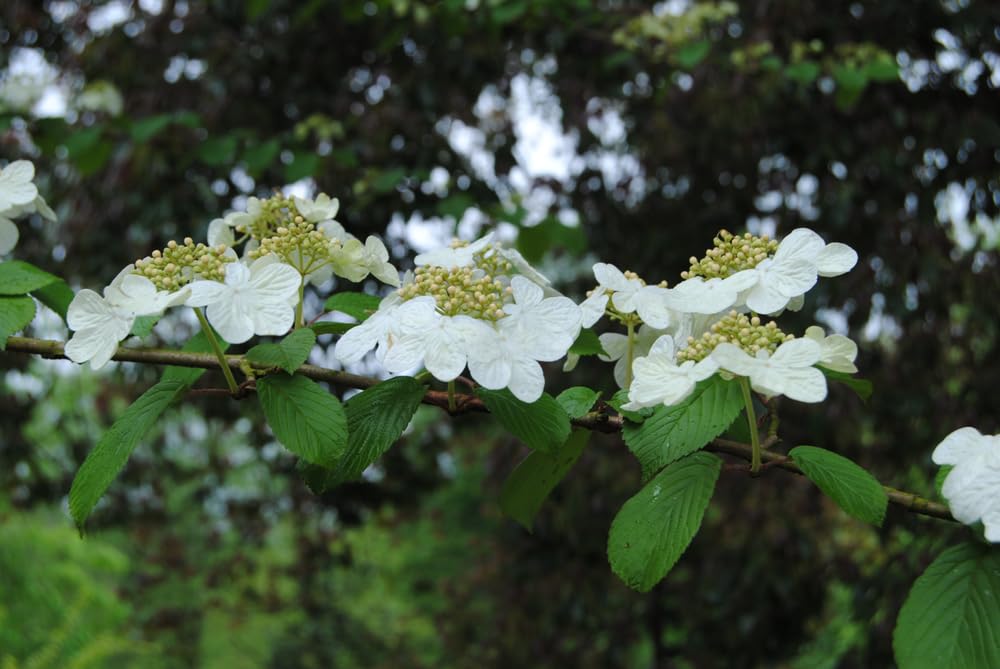
The hardy survivor that feeds robins, flickers, and waxwings through the season
This Downy Serviceberry arrives as three bare seedlings, which is a strong play for anyone planting a wildlife hedge. The fruit is especially important for robins, flickers, and waxwings, and the seedlings arrive ready to plant with no hardening-off needed. Growth is the most-praised trait here — 10 owners call it out, and reviews describe all three seedlings producing leaves within a week despite an 8-day shipping window.
Hardiness is the standout story. One owner called it “hardy as heck” and noted deer love eating the new leaves, but the plant keeps sprouting fresh growth anyway. That resilience makes it a recommendation for rural yards where deer pressure is constant, as long as you accept you may need to protect the young leaves.
Here is the honest trade-off: survival is not guaranteed for everyone. While most reviews are positive, one owner reported seedlings around 3 inches with minimal roots, and of the 4 sent for 3 ordered, only 2 survived after 3 weeks. The plant is rated for full sun, and its spring flowers followed by edible berries in summer match the classic serviceberry cycle.
Resilience wins: this is the pick for deer-heavy properties where the shrub needs to bounce back from browsing — the “hardy as heck” verdict from owners says it all.
Grab it if: you want three affordable seedlings for a wildlife-friendly hedge and can protect young leaves from deer.
skip it if: you lack patience for a very young tree that owners describe as “a small stick” at arrival. A single batch can suffer losses before establishment.
3. Spectacular 2 Year Serviceberry Potted Plant (Amelanchier)
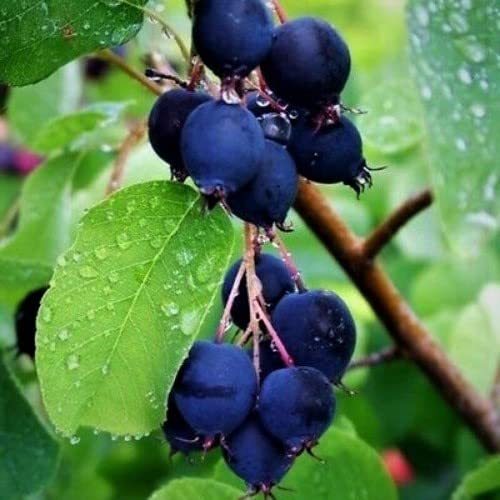
The two-year potted specimen for gardeners who want a head start
This is the one to consider when you want the largest plant at delivery — a two-year-old Amelanchier already in a pot, rated for USDA zone 4 with full sun to partial shade tolerance. Transport quality is the strong suit here. One owner reported it made it to Maryland in the awful heat of August with “nice healthy green leaves and root ball” and soil still damp, a tribute to packaging that exceeded expectations.
It is also the riskiest buy of the three in terms of consistency. While some plants arrived alive and healthy in damp soil, another arrived as a twig 10 inches long in a 2-inch pot a month after ordering — dead, and “not a potted 2 year old tree.” That gap is the whole story: when this plant ships well, it is a premium specimen, but the odds are less predictable than the cutting or seedling options.
Expect summer blooms, moderate watering needs, and a low-maintenance nature once it establishes. In Texas, however, even a zone-rated plant struggled with foliage, so extreme heat beyond its comfort zone is a genuine limitation to weigh before ordering.
The gamble paid off for some: owners who received healthy plants got “nice healthy green leaves” — the quality is real when transit cooperates. The inconsistency is the trade-off of buying a bigger potted plant sight unseen.
Choose it if: you want a potted two-year plant with a head start and live in a temperate zone like the mid-Atlantic.
Look elsewhere if: you are in extreme heat or want guaranteed survival — an occasional unit arrives dead, and sizing can fall short of the “2 year” billing.
Understanding the Specs
Plant Form: Cuttings vs Seedlings vs Potted
Cuttings are young shoots that root quickly, which is why the Saskatoon option leafed out in days. Seedlings are even younger — often just a few inches with minimal roots — and need more protection to survive the first season. A potted two-year plant is the biggest at delivery but risks more damage in shipping, so weigh size against survival odds.
Sunlight Exposure and Hardiness Zone
Serviceberries generally want full sun, though some tolerate partial shade. The USDA hardiness zone tells you whether the plant can survive your winter cold — zone 4 is quite hardy — but it does not predict heat tolerance. A plant rated for zone 4 may still struggle in Texas summer extremes, so match the variety to your regional climate, not just the zone number.
FAQ
Why does my serviceberry arrive looking like a dead stick?
Will deer eat my serviceberry shrub?
How fast will a serviceberry show new growth after planting?
Can I grow serviceberry in full shade?
Is the Downy Serviceberry good for wildlife?
What soil type does the potted 2-year serviceberry need?
Are serviceberry berries actually edible?
How many serviceberry plants do I need for a hedge?
Why did my serviceberry seedling die after planting?
Final Thoughts: The Verdict
For most gardeners, the amelanchier serviceberry shrub winner is the Saskatoon Serviceberry Bush because it leafs out within days even in poor clay soil, with the strongest and most consistent early-growth reports. If you want a wildlife hedge that feeds robins and waxwings, grab the Downy Serviceberry Seedlings. And for a larger potted specimen in a temperate zone, the Spectacular 2 Year Serviceberry is the one to reach for.
How We Picked
We do not accept paid placement. Every pick is matched to a real buyer and a real use-case; we do not hands-on test units.
Sources & Methodology
Specifications: manufacturer listings and product documentation. Review insights: verified customer reviews, as of August 2026. Pricing: not shown on this page (it changes often); check the current price via the retailer link.
As an Amazon Associate, Gadgets Feed earns from qualifying purchases. This does not affect which products we feature.