
The gap between a good photo and a great one often comes down to the computational firepower and lens array in your pocket. For photographers who refuse to carry a dedicated camera, the smartphone has become the primary tool, demanding the best Android phone for photography that balances sensor size, optical zoom range, and AI-driven post-processing.
I’m Min — the co-founder and writer behind Gadgets Feed. I spend hundreds of hours cross-referencing lab measurements, real-world sample galleries, and user feedback to isolate which camera phones actually deliver on their sensor promises.
This guide cuts through marketing noise to identify the models that produce consistently impressive results across lighting conditions. Whether you prioritize a periscope zoom, a large primary sensor, or a reliable point-and-shoot experience, the right android phone for photography depends on matching hardware capabilities to your specific shooting style.
How To Choose The Best Android Phone For Photography
Selecting a camera phone requires evaluating the interplay between sensor hardware, lens optics, and software processing. A flagship 200MP sensor means little if the image processing introduces artifacts, while a smaller sensor paired with excellent computational photography can outperform larger ones in challenging scenes.
Optical Zoom vs. Digital Zoom
Optical zoom uses physical lens elements to magnify the scene without degrading image quality. Digital zoom simply crops the sensor, losing detail rapidly. A dedicated periscope lens offering 3x or 5x optical zoom is far more valuable than a high megapixel count used for cropping. For wildlife, concerts, or architecture details, optical zoom is non-negotiable.
Sensor Size and Pixel Binning
A larger sensor (like the 1/1.3-inch or 1-inch type) captures more light, reducing noise in dim conditions. Pixel binning combines adjacent pixels into larger virtual pixels—a 50MP sensor binning to 12.5MP produces cleaner low-light images than a native 12MP sensor of the same size. Look for binning ratios of 4:1 or higher for night photography.
Computational Photography Features
Night modes, HDR stacking, and AI scene recognition separate modern camera phones. Google’s Night Sight, Samsung’s Single Take, and Xiaomi’s computational HDR each approach image processing differently. The best implementation is the one that delivers consistently natural colors, controlled highlights, and minimal shutter lag in your preferred shooting scenarios.
Quick Comparison
On smaller screens, swipe sideways to see the full table.
| Model | Category | Best For | Key Spec | Amazon |
|---|---|---|---|---|
| Google Pixel 10 | Premium | Best overall computational photography | 5x optical telephoto lens | Amazon |
| Nothing Phone (3a) Pro | Mid-range | Best value periscope zoom | 50MP periscope with 3x optical | Amazon |
| Samsung Galaxy S23 Ultra | Premium | Versatile multi-lens system | 200MP main sensor | Amazon |
| Samsung Galaxy S25 Edge | Premium | Slim flagship with 200MP camera | 200MP main, titanium build | Amazon |
| Google Pixel 9 Pro Fold | Premium | Foldable with pro camera bar | Triple rear camera system | Amazon |
| XIAOMI Poco F8 Ultra | Premium | High-performance gaming camera phone | 50MP main, periscope, ultra-wide | Amazon |
| HONOR Magic V2 | Premium | Thinnest foldable with triple camera | 50+20+50MP rear cameras | Amazon |
| Nothing Phone (2) | Mid-range | Clean software with dual 50MP cameras | 50MP main + 50MP ultra-wide | Amazon |
| Ulefone Armor 27T Pro Plus | Mid-range | Rugged camera with FLIR thermal | 64MP night vision + FLIR 3.5 | Amazon |
| Motorola Edge 2025 | Mid-range | AI-powered 50MP camera system | 50MP camera with moto ai | Amazon |
| Motorola One Zoom | Budget-friendly | Affordable OIS and 3x optical zoom | 48MP with OIS, 3x optical zoom | Amazon |
In‑Depth Reviews
1. Google Pixel 10

The Google Pixel 10 redefines what an everyday camera phone can achieve, combining a powerful triple rear camera system with Google’s computational photography expertise. The new 5x telephoto lens, supported by up to 20x Super Res Zoom, captures distant subjects with remarkable detail that rivals dedicated zoom cameras. Its Night Sight mode ensures crisp, noise-free images even in near-darkness, a claim few competitors can match without a tripod.
Powered by the Google Tensor G5 chip, the Pixel 10 processes images in near real-time, applying HDR, color correction, and sharpening before you even lift your finger from the shutter. The Camera Coach feature provides on-screen guidance to compose better shots, making professional-grade results accessible to casual users. The 6.3-inch Actua display with 3,000-nit peak brightness allows accurate framing even under direct sunlight.
Build quality is top-tier with Corning Gorilla Glass Victus 2 and IP68 water and dust resistance, ensuring the phone survives real-world conditions. The 4,970mAh battery delivers a full 24-hour day of mixed use, including extended camera sessions. For photographers who want the best computational photography without compromise, the Pixel 10 is the definitive choice.
Why it’s great
- Exceptional 5x telephoto lens with Super Res Zoom
- Clean Android experience with Gemini AI integration
- Outstanding low-light performance via Night Sight
Good to know
- eSIM only — no physical SIM slot
- No wall adapter included in box
- Premium pricing relative to mid-range options
2. Nothing Phone (3a) Pro

Nothing’s Phone (3a) Pro proves that a dedicated periscope zoom camera is no longer exclusive to thousand-dollar flagships. Its 50MP periscope lens offers 3x optical zoom and up to 60x ultra zoom, delivering sharp images at concerts and sporting events where you cannot get close. The OIS stabilization keeps handheld shots steady even at the far end of the zoom range, minimizing motion blur.
The phone pairs this zoom prowess with a 50MP primary sensor and a 50MP front-facing selfie camera, making it a complete photography package. The TrueLens Engine and AI optimization produce accurate skin tones and rich colors in portraits and social media content. The 6.77-inch 120Hz AMOLED display with 3,000-nit peak brightness ensures your images look vibrant during editing and sharing outdoors.
Under the hood, the Snapdragon 7s Gen 3 and 12GB of RAM handle multitasking and image processing without lag. The 5,000mAh battery supports 50W fast charging, reaching 50% in 20 minutes. While VZW compatibility requires manual IMEI registration, the combination of zoom capability, clean Nothing OS, and a competitive price makes this a compelling pick for zoom enthusiasts on a budget.
Why it’s great
- Excellent 3x periscope zoom with OIS
- Bright 3,000-nit AMOLED display
- Fast 50W charging with large battery
Good to know
- Verizon requires manual IMEI registration
- Essential Key button not remappable without risk
- No wireless charging coil
3. Samsung Galaxy S23 Ultra

The Samsung Galaxy S23 Ultra remains a benchmark for camera phone versatility, anchored by a 200MP main sensor that captures extraordinary detail. Combined with a dedicated periscope telephoto lens offering up to 10x optical zoom, it covers everything from ultra-wide landscapes to distant wildlife. The dual LED flash and advanced image processing ensure consistent results across daylight and indoor scenarios.
Powered by the Snapdragon 8 Gen 2 chipset and 12GB of RAM, the S23 Ultra handles 4K video recording and burst shots without dropping frames. The 5,000mAh battery provides all-day endurance even with heavy camera use, and the included wireless charger adds convenient top-ups. The 6.8-inch Dynamic AMOLED display with 4:3 aspect ratio is ideal for composing and reviewing high-resolution images.
Build quality is premium with Gorilla Glass Victus 2 and IP68 ratings. The International Model SM-S918B/DS supports dual SIM and global 5G bands, making it a reliable companion for travel photographers. While it has been superseded by newer releases, its camera hardware remains competitive, offering superb value for those who want a proven multi-lens system without the latest generation premium.
Why it’s great
- Incredible 200MP sensor for ultra-high resolution
- Up to 10x optical zoom capability
- All-day battery with wireless charging
Good to know
- Older model — newer S24/S25 series exist
- International model may lack US warranty
- Large and heavy for one-handed use
4. Samsung Galaxy S25 Edge
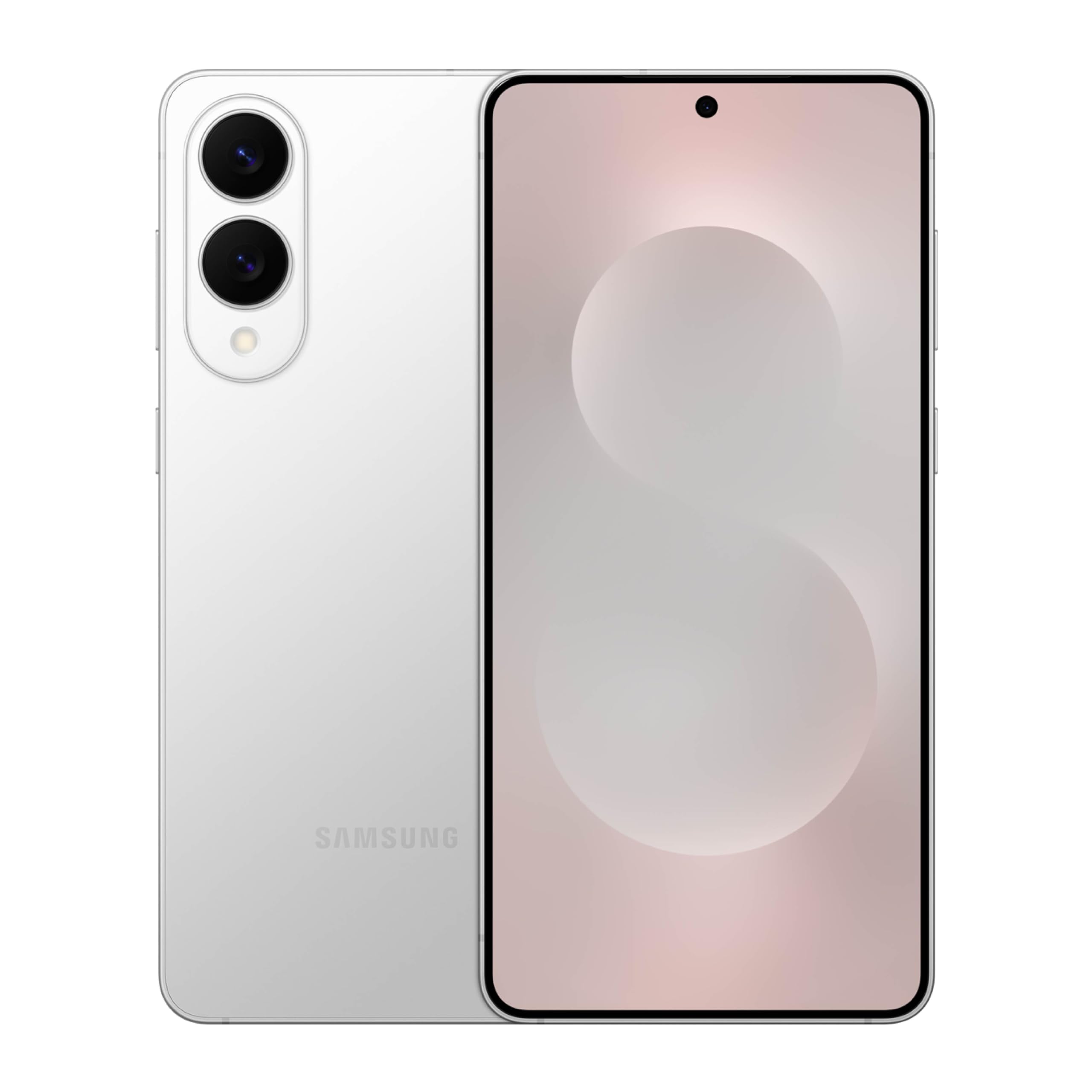
Samsung’s Galaxy S25 Edge packs a 200MP main camera into the slimmest S Series body yet, making it an exceptional choice for photographers who prioritize portability without sacrificing image quality. The titanium build and Corning Gorilla Glass Ceramic 2 face provide durability that belies its slim profile. The 200MP sensor captures professional-level detail, preserving memories with clarity that holds up to cropping and printing.
The Night Video feature records clean footage in low light, while Galaxy AI assists with photo organization and editing — simply describe an image to find it instantly. The 6.7-inch AMOLED display with high brightness ensures accurate preview even in harsh sunlight. The Snapdragon 8 Elite processor handles fast processing of high-resolution images and 4K video without stutter.
However, the slim design comes with trade-offs: the 3,900mAh battery is smaller than many competitors, and the phone lacks a dedicated telephoto lens. For casual to intermediate photographers who value a lightweight carry and excellent primary camera performance, the Galaxy S25 Edge is a refined flagship that fits easily into any pocket.
Why it’s great
- Ultra-slim lightweight titanium design
- Powerful 200MP main camera sensor
- Galaxy AI integration for photo management
Good to know
- No dedicated telephoto lens
- Smaller battery requires careful usage
- Only two rear cameras total
5. Google Pixel 9 Pro Fold

The Google Pixel 9 Pro Fold merges the largest foldable display with Google’s renowned computational photography, offering an advanced triple rear camera system. The camera bar design integrates a main sensor, ultra-wide, and telephoto lens, enabling pro-level photography in a form factor that unfolds into a compact tablet. Tabletop mode allows tripod-free astrophotography and group selfies, leveraging the phone’s flexible hinge for creative angles.
The 4,650mAh battery supports 24 hours of mixed use, and the Tensor G4 chip processes images with the same speed and accuracy as the standard Pixel 9 Pro. The inner display is bright and the crease is minimal, making image review and editing a pleasure. The phone works with all major US carriers including Verizon and T-Mobile out of the box.
While the rear cameras are slightly less refined than the dedicated Pixel 9 Pro XL, the flexibility of the folding design compensates for most limitations. The build is sturdy with IPX8 water resistance. For photographers who want a device that doubles as a tablet for on-the-go editing, the Pixel 9 Pro Fold is a unique and capable tool.
Why it’s great
- Unique foldable form factor for creative shooting
- Google’s excellent computational photography
- Large, bright display for image review
Good to know
- Cameras not as good as Pixel 9 Pro XL
- Durability concerns with foldable hinges
- Premium price point
6. XIAOMI Poco F8 Ultra
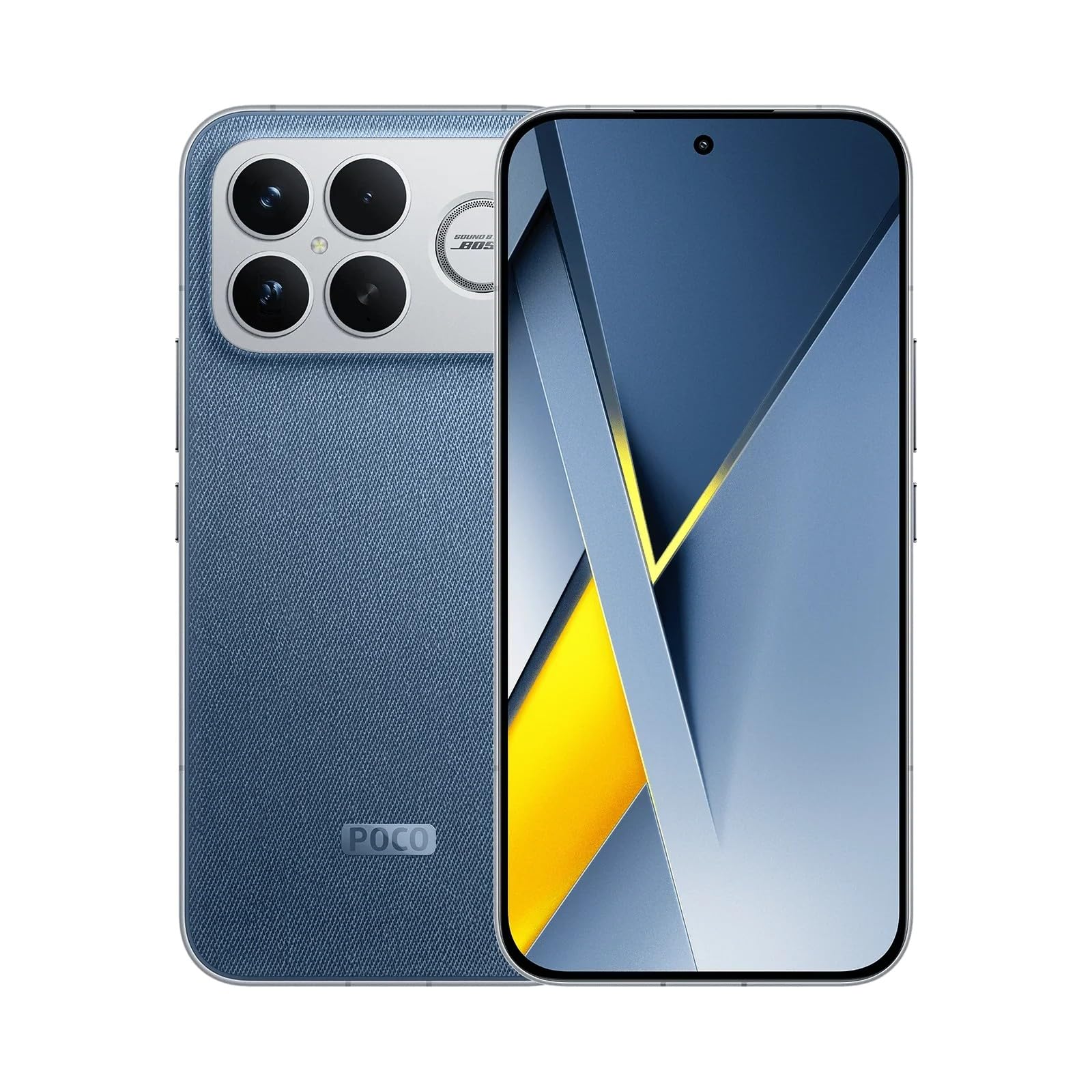
The XIAOMI Poco F8 Ultra targets photography enthusiasts who also demand top-tier gaming performance. Its 50MP main camera with the Light Fusion 950 sensor, combined with a 50MP periscope telephoto and 50MP ultra-wide, forms a versatile triple camera array. The 1/1.31-inch sensor size and OIS ensure sharp, well-exposed images in varied lighting, while the periscope lens provides smooth optical zoom up to 5x.
The Snapdragon 8 Elite chipset powers fast image processing and 8K video recording at 30fps, making it a capable tool for content creators. The 6.9-inch AMOLED display with 120Hz refresh rate and 3,500-nit peak brightness offers excellent visibility outdoors. The 6,500mAh battery supports 100W HyperCharge and 50W wireless charging, ensuring the camera never runs out of power during long shoots.
It comes with some bloatware and ads in the MIUI interface, though these can be disabled. US network support is limited to T-Mobile and its MVNOs, so Verizon and AT&T users should verify compatibility. For those who want a high-performance camera phone for both photography and gaming, the Poco F8 Ultra delivers exceptional value.
Why it’s great
- Versatile 50MP triple camera system
- Massive 6,500mAh battery with 100W charging
- Snapdragon 8 Elite for fast processing
Good to know
- Limited US carrier compatibility
- MIUI has bloatware and ads
- Large and heavy device
7. HONOR Magic V2

The HONOR Magic V2 sets a new standard for foldable photography with its 50MP main, 20MP ultra-wide, and 50MP telephoto lenses. The combination covers the essential focal lengths without sacrificing image quality, producing detailed and color-accurate images. The 7.92-inch foldable LTPO OLED display offers a large canvas for composition and editing, while the cover display is a 6.43-inch OLED for quick shots.
Powered by the Snapdragon 8 Gen 2 and 16GB of RAM, the Magic V2 handles heavy image processing tasks with ease. The 5,000mAh battery provides 48 hours of typical use, ensuring you can shoot all day without searching for an outlet. The device is notably thin and light for a foldable, making it comfortable to carry and use as a daily driver.
It is an international version and does not support CDMA networks like Verizon or Sprint. The Magic OS may show aggressive notification management, which can cause missed alerts. For photographers who want a premium foldable with a genuine triple camera setup and don’t mind the carrier limitations, the Magic V2 is a top-tier choice.
Why it’s great
- High-quality 50MP triple camera system
- Slim and light foldable design
- Excellent battery life for a foldable
Good to know
- No CDMA support for Verizon/Sprint
- Aggressive notification management
- International version may lack US warranty
8. Nothing Phone (2)

The Nothing Phone (2) proves that a dual-camera system can still produce exceptional results when each sensor is well-chosen. The 50MP main and 50MP ultra-wide cameras, paired with OIS and Advanced HDR, capture dynamic range and color accuracy that rival more complex setups. The new 32MP front sensor delivers crisp selfies with natural skin tones, making it a strong contender for social media photographers.
The 6.7-inch LTPO OLED display with 120Hz adaptive refresh rate ensures smooth scrolling and accurate color for editing. The Snapdragon 8+ Gen 1 chipset provides snappy performance for image processing and multitasking. The 4,700mAh battery lasts up to 22.5 hours, and the phone supports 15W Qi wireless charging and reverse wireless charging.
The software experience is clean with Nothing OS 2.0, free from bloatware. The Glyph Interface adds a unique visual element for notifications. However, the phone lacks expandable storage and a headphone jack, and CDMA carriers like Verizon are not supported. For photographers who value a minimalist design language and solid dual-camera performance, the Nothing Phone (2) is a refreshing alternative.
Why it’s great
- Excellent dual 50MP camera quality
- Clean, bloatware-free Android experience
- Unique Glyph Interface for notifications
Good to know
- No expandable storage
- Not compatible with Verizon
- US repair support can be limited
9. Ulefone Armor 27T Pro Plus

The Ulefone Armor 27T Pro Plus is an industrial-grade smartphone that integrates a FLIR Lepton 3.5 thermal micro-camera, capable of detecting infrared heat from objects below freezing to over 130 degrees Celsius. This makes it an invaluable tool for electricians, HVAC technicians, and outdoor enthusiasts who need to identify hot spots, leaks, or wildlife in complete darkness. The 64MP night vision camera, assisted by dual infrared LEDs, captures clear monochrome images in zero-light environments.
Its 50MP Samsung GN1 primary camera delivers solid daylight photography with an F/1.65 aperture and 1/1.31-inch sensor size. The 10,600mAh battery supports a full week of standby or two days of heavy use, including thermal imaging sessions. The device is IP68/IP69K and MIL-STD-810H certified, surviving drops, dust, and high-temperature water jets.
The MediaTek Dimensity 6300 chip and 24GB of RAM (12GB physical + 12GB virtual) handle processing tasks adequately, though the device is not designed for high-end gaming. The uSmart expansion connector accepts optional endoscopes and microscopes for professional use. For specialized photography needs involving thermal detection or extreme durability, the Armor 27T Pro Plus is unmatched.
Why it’s great
- Built-in FLIR Lepton 3.5 thermal camera
- 64MP night vision with infrared LEDs
- Massive battery and rugged IP68/IP69K build
Good to know
- Heavy and bulky for everyday carry
- Mediocre touchscreen responsiveness reported
- Average performance for non-camera tasks
10. Motorola Edge 2025

The Motorola Edge 2025 brings a capable 50MP camera system enhanced by moto ai, which intelligently optimizes exposure, color, and detail in real time. The quad-curved design and Pantone Deep Forest color give it a flagship aesthetic, while the IP68/IP69K rating ensures it survives submersion and high-pressure water jets — a rarity in this price segment. The 50MP main sensor produces sharp, vibrant images in good light and acceptable results in low light thanks to AI noise reduction.
The 6.7-inch Super HD 1220p display with Dolby Atmos sound makes media consumption immersive, and the 5,200mAh battery with 68W TurboPower charging keeps you shooting all day. The MediaTek Dimensity 7400 chipset provides efficient performance for everyday tasks and casual gaming. The phone is universally unlocked, supporting all major US carriers including Verizon, AT&T, and T-Mobile.
While the camera lacks a dedicated telephoto lens and optical zoom, the overall package is well-rounded for its price. The leather back feels premium, and the weight is comfortable for extended use. For photographers on a budget who want water resistance, fast charging, and a reliable AI-assisted camera, the Motorola Edge 2025 is a smart choice.
Why it’s great
- AI-enhanced 50MP camera for optimized shots
- IP68/IP69K water resistance
- Fast 68W charging with large battery
Good to know
- No optical zoom lens
- Limited to 2 OS updates
- No microSD card slot
11. Motorola One Zoom

The Motorola One Zoom is a budget-friendly entry that brought OIS and 3x optical zoom to an accessible price point long before periscope lenses became common. Its 48MP main sensor uses Quad Pixel technology to produce detailed 12MP images with improved low-light performance. The dedicated 3x telephoto lens allows genuine optical zoom without the digital crop, enabling tighter compositions in portraits and landscapes.
The 4,000mAh battery provides up to two days of mixed use, and the in-display fingerprint sensor adds a modern touch. The 6.4-inch OLED display produces rich colors for image preview. It includes a 3.5mm headphone jack and NFC for contactless payments, features often missing from newer budget devices.
As an older model, it lacks 5G support and VoLTE on some networks, which may affect call reliability in regions where 3G towers have been retired. It is compatible with T-Mobile and AT&T but not CDMA carriers. For those seeking the lowest entry point for optical zoom photography, the One Zoom remains a functional and affordable option.
Why it’s great
- Affordable 3x optical zoom with OIS
- Good battery life with 4,000mAh
- Includes 3.5mm headphone jack and NFC
Good to know
- No 5G network support
- VoLTE issues on some carriers
- Older Android version, limited updates
FAQ
What is the main difference between optical and digital zoom in a smartphone camera?
Does a higher megapixel count guarantee better photo quality?
Why is OIS important for smartphone photography?
Final Thoughts: The Verdict
For most users, the android phone for photography winner is the Google Pixel 10 because its combination of a dedicated 5x telephoto lens, exceptional computational photography, and a clean interface delivers consistently stunning results without requiring manual adjustments. If you want a dedicated periscope zoom at a more accessible price, grab the Nothing Phone (3a) Pro. And for a versatile multi-lens system capable of tackling any shooting scenario, nothing beats the Samsung Galaxy S23 Ultra.