
Our readers keep the lights on and my morning glass full of iced black tea. As an Amazon Associate, I earn from qualifying purchases.
Specs are compiled from manufacturer listings and verified buyer reviews and can change over time — please confirm the key details on the product page before buying.
Finding a phone under $100 that isn’t a frustrating, laggy mess used to feel impossible. The real challenge isn’t the price — it’s that most budget listings hide their carrier compatibility and storage limits in the fine print. This guide cuts through that noise to show you exactly which budget Android phones actually hold up for calls, texting, maps, and social media.
I’m Min — the founder and writer behind Gadgets Feed. This guide is built by comparing the manufacturers’ published specifications and the patterns across verified customer reviews, so you get each pick’s real strengths and trade-offs instead of marketing spin.
You’re about to see the honest breakdown of the best android phones under $100 that balance battery life, storage, and real-world reliability. We’ll focus on what actually matters for daily use, not just the spec sheet.
Quick Picks
- NUU N20 Basic Cell Phone — Best Overall
- Samsung Galaxy A03s (Renewed) — Premium Pick
- TalkCeLL 4G Smartphone open up — Best Display
- CostMvp S25Ultra 4G Smartphone — Value Pick
- redbeat D5 Android Cell Phone open up — Storage King
- Nokia C21 Plus — Battery Legend
- MIRO 4G Cell Phone — Budget Champion
How To Choose The Best Android Phones Under $100
Before you buy, the single most important fact is that most sub-$100 phones only work on GSM networks. If your carrier is Verizon, Sprint, or their subsidiaries, this price point is usually a dead end — so always check compatibility against your current plan first.
Carrier Compatibility Is Everything
Before you buy, check that the phone works with your carrier. A GSM-open up phone (one that can switch between carriers) is designed to work with T-Mobile, AT&T, Mint Mobile, and Metro. But it may not work with every MVNO (a smaller carrier that rents network space), so verify your specific carrier before ordering. Some listings in this guide explicitly block certain networks, proving just how critical this step is.
Storage and RAM: What Actually Prevents Lag
At this price, you are choosing between a lighter system with some storage or a heavier system with more memory. A phone running Android Go can feel snappier with less RAM, while a standard Android version needs more RAM to avoid freezing. Look for at least 4GB of RAM for standard Android and prioritize expandable storage up to 256GB or more for your apps.
Quick Comparison
| Model | Best For | Battery | Storage | Display | Amazon |
|---|---|---|---|---|---|
| NUU N20 | Best Overall Performance | 5000mAh | 128GB | 6.6″ 90Hz | Amazon |
| Samsung Galaxy A03s | Trusted Brand & Quality | 5000mAh | 32GB | 6.5″ HD+ | Amazon |
| 4G TalkCeLL T26 | Camera & Display Combo | 5000mAh | 32GB | 6.6″ Incell HD | Amazon |
| S25Ultra CostMvp | Bright Screen & Value | 5000mAh | 32GB | 6.6″ HD+ | Amazon |
| redbeat D5 | Massive Storage Capacity | 5000mAh | 128GB | 6.52″ IPS HD | Amazon |
| Nokia C21 Plus | Long 2-Day Battery | 4000mAh | 64GB | 6.5″ HD+ | Amazon |
| MIRO 4G | Budget Champion | 3000mAh | 32GB | 6″ LCD | Amazon |
In‑Depth Reviews
1. NUU N20 Basic Cell Phone
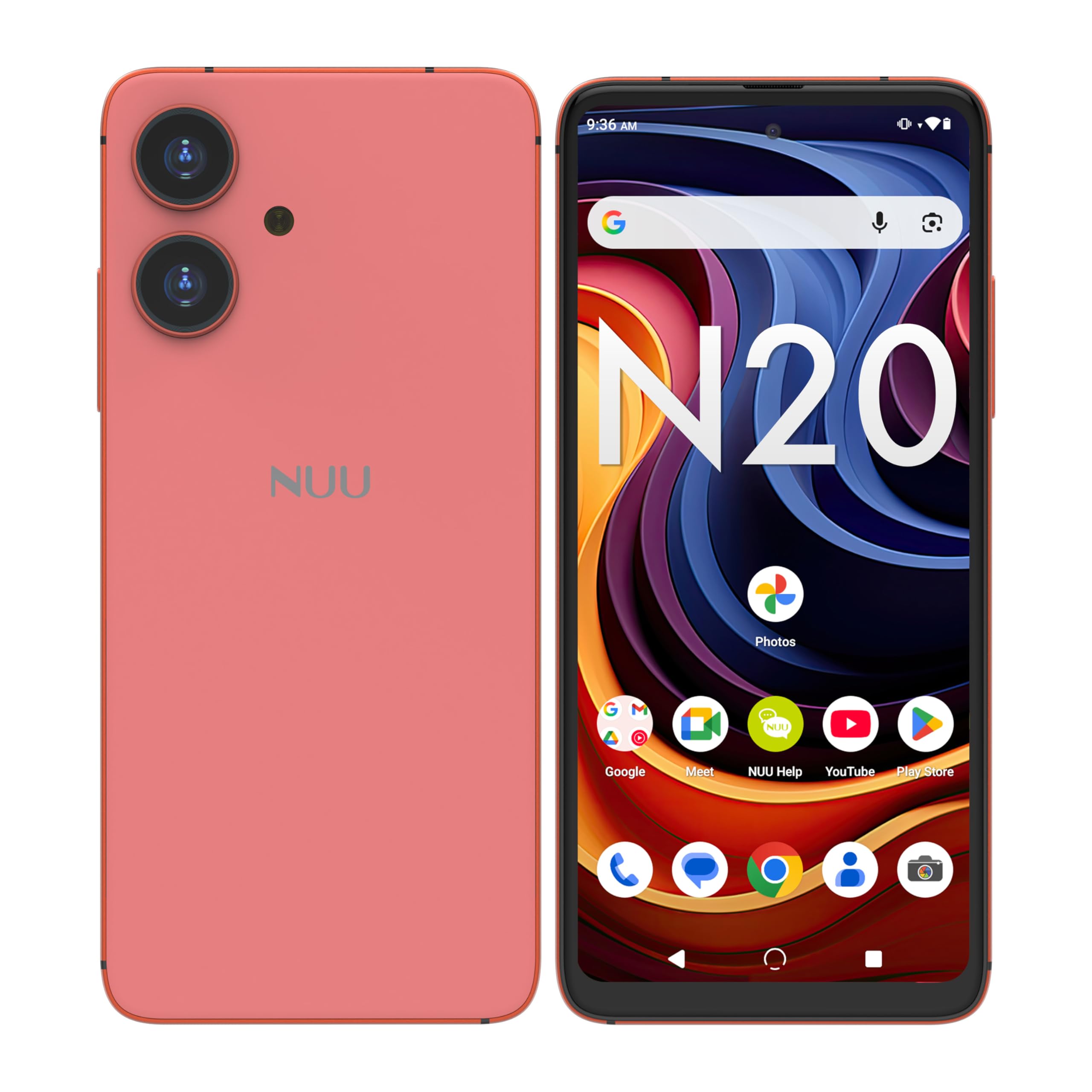
The budget phone that feels like a flagship with 12GB of total RAM and a smooth 90Hz screen.
The NUU N20 is the rare sub-$100 phone that doesn’t force you to suffer through obvious lag. It pairs 6GB of RAM with another 6GB of extended virtual RAM — totaling 12GB — which keeps apps like social media and streaming running fluidly without constant reloading. The 6.6-inch display refreshes at 90Hz (meaning the screen redraws 90 times a second), so scrolling feels noticeably smoother than the standard 60Hz panels on almost every other phone here.
Storage is another area where this pick pulls ahead, starting at 128GB internal while the redbeat and MIRO phones are stuck with 32GB — a 4.0x gap right from the start. You get a 5000mAh battery that comfortably handles a full day of mixed use, though owners note it takes a while to charge back up since there’s no fast charging. The NUU runs Android 15 from the start, making it the most future-proof software version in this entire lineup.
What wins people over is the design and ease of use, with the 16MP main camera and 8MP wide-angle lens capturing group shots that other budget cameras simply miss. The catch is that it’s GSM-only — it works with T-Mobile, Metro, and Mint, but you’ll want to skip it entirely if your carrier is Verizon or AT&T-based. For a first smartphone for a kid or a reliable backup, owners consistently call it an ideal choice that feels solidly built.
Why it wins the top spot
- Best-in-category performance with 6GB+6GB RAM and a 90Hz display
- 128GB internal storage — 4x the base storage of cheaper rivals
- Runs the newest Android 15 with parental control app support
What to watch before buying
- Not compatible with Verizon, AT&T, or their subsidiaries — GSM networks only
- Charging is slow, taking hours to reach full capacity
- Low-light camera performance is mediocre
Reach for this if: you want the smoothest, most modern Android experience $100 can buy, with enough memory to survive daily multitasking.
Look elsewhere if: your phone plan runs on AT&T or Verizon — this one blocks those networks entirely.
2. Samsung Galaxy A03s (Renewed)

The trusted name in budget phones with a side-mounted fingerprint sensor for instant open up.
When you want the reassurance of a mainstream brand name rather than an obscure import, this renewed Samsung Galaxy A03s is the pick. It packs a 5000mAh battery that owners consistently describe as all-day, holding up through basic tasks without needing a mid-day top-up. The 6.5-inch 720 x 1600 HD+ PLS TFT LCD Infinity-V Display delivers a crisp 283 pixels-per-inch density, keeping text readable and videos watchable for the price.
You get a triple rear camera setup on the A03s — a 13MP main shooter, plus two 2MP sensors for macro and depth effects — alongside a 5MP front camera for video calls. What separates this Samsung from the generic imports is the side-mounted fingerprint reader and Bluetooth 5.0, giving you reliable biometric open up that many rivals lack. Setup is famously easy, with one buyer noting that all contacts transferred smoothly after installing a SIM card.
Reliability is the honest caveat here: a solid share of owners say the device works smoothly, but others hit serious lag or charging problems, and some report the “open up” status needs manual configuration. The quality and condition of the renewed units earn steady praise, making this a great choice if you trust Samsung’s build over no-name brands — just be ready to troubleshoot network settings if your carrier isn’t plug-and-play.
Brand-name confidence: Samsung’s build quality and a proper fingerprint sensor make this feel like a step up from the generic imports.
The honest fit-note: reliability is genuinely mixed — some units run great, others arrive needing manual carrier setup or with charging faults, so buy from a return-friendly seller.
Choose this when: you want a recognized brand, a side fingerprint reader, and a 5000mAh battery without paying flagship money.
skip it if: you expect a flawless plug-and-play open up — renewed stock sometimes needs a bit of manual network configuration.
3. TalkCeLL 4G Smartphone open up
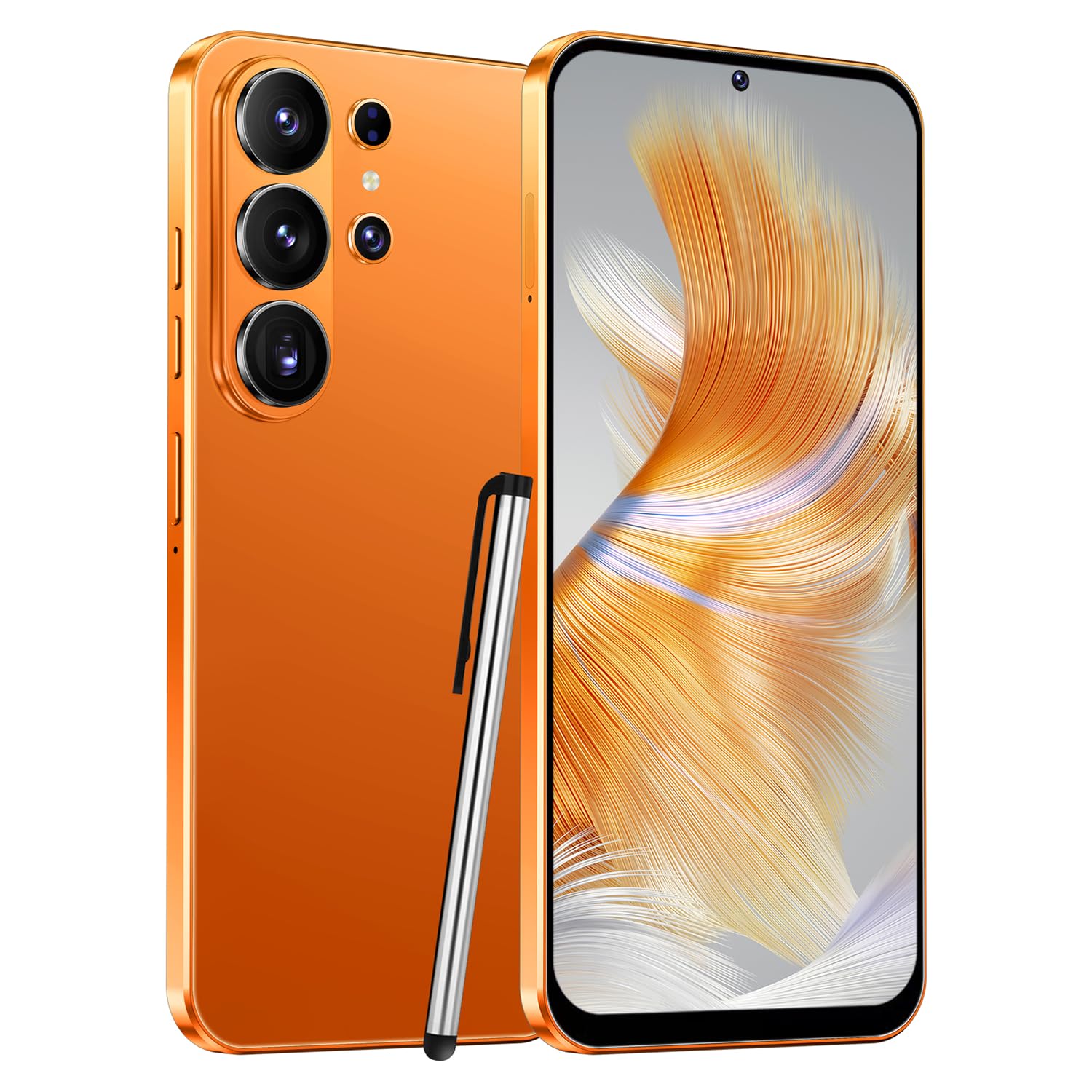
A bright 6.6-inch Incell display and a dual-camera setup that punch above their weight class.
This TalkCeLL T26 Ultra stands out for its screen and camera pairing, which owners consistently rate as the highlights of the phone. The 6.6-inch Incell HD display (1280×720) delivers clear, vivid visuals for streaming and browsing, while the 13MP front camera and 16MP rear dual cameras capture decent photos in good lighting. It’s powered by the MTK6739 chipset with 4GB of RAM, which handles calls, messaging, and social media smoothly enough for everyday tasks.
The 5000mAh battery is the most-praised feature here, offering all-day endurance with a Type-C port for fast and stable charging. The triple card tray is a genuinely useful touch — you can run two Nano SIMs and a microSD card simultaneously (expandable up to 256GB) without sacrificing dual-SIM standby. Owners also love the sleek appearance and solid build quality, calling it an elegant and efficient device that looks more expensive than it is.
Battery life leads the positives at 12 mentions, with value for money close behind, and the camera and appearance each drawing their own steady praise. The honest caveat is that performance gets mixed feedback — one owner had a frustrating experience with setup and app installation, though far more report smooth day-to-day operation. The MTK6739 chipset is a budget processor, so don’t expect heavy gaming performance; stick to calls, photos, and social apps.
Screen-and-camera value: the Incell display and 16MP rear camera make this the best pick for photo-minded budget buyers.
Performance reality check: the chipset is fine for basic apps but mixed feedback on app installs and smoothness means heavy users should look to the NUU N20 instead.
Best suited for: someone who wants a sharp display, strong dual cameras, and all-day battery in a sleek shell.
Not for: power users or anyone needing guaranteed app compatibility — performance reports are split down the middle.
4. CostMvp S25Ultra 4G Smartphone
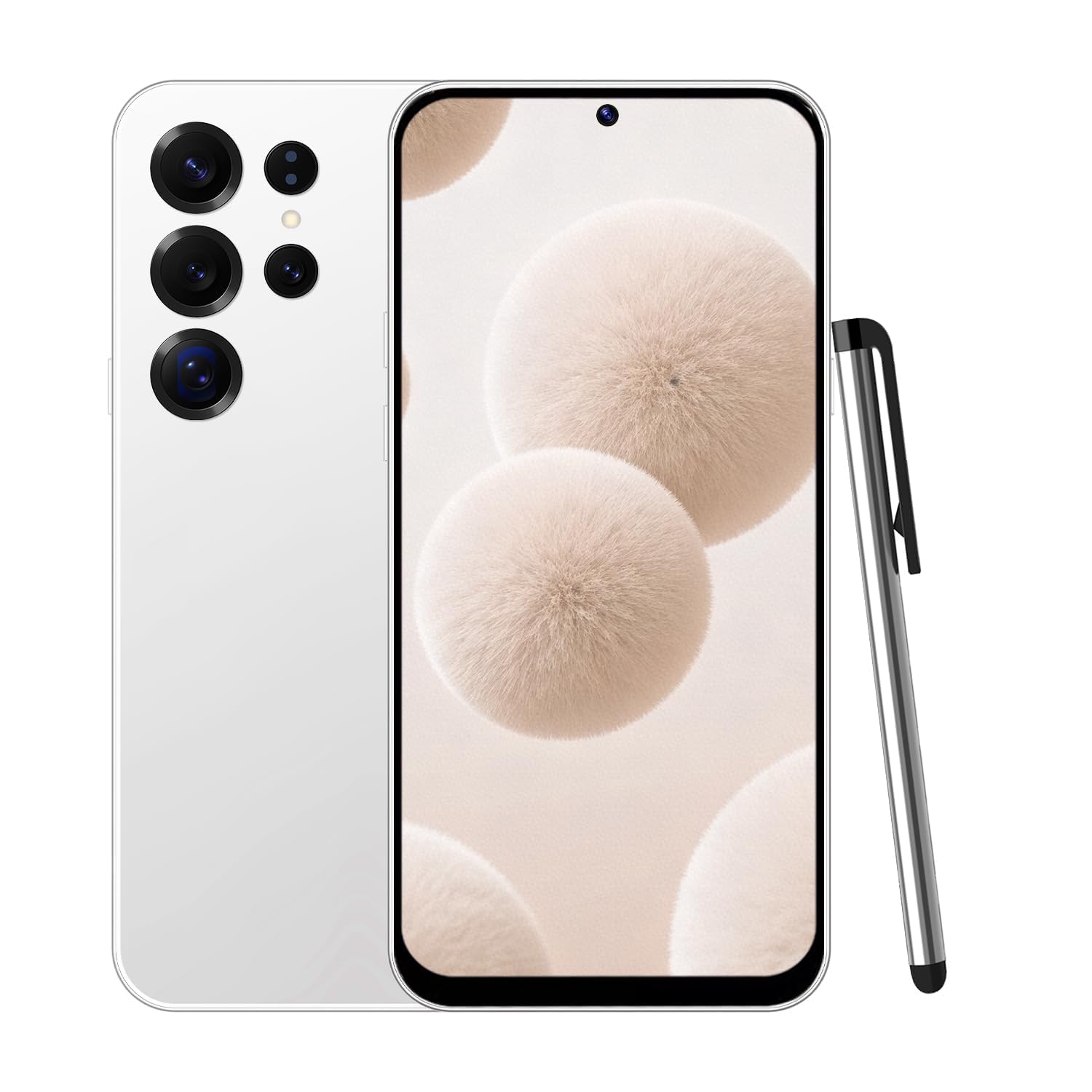
A bright 6.6-inch display and lightweight frame that owners say look pricier than the tag suggests.
The S25Ultra from CostMvp earns its place on screen quality and sheer value, with the display and value-for-money drawing the most consistent praise. The 6.6-inch In-Cell HD screen (576×1280) delivers vivid, bright colors that make videos and web browsing look sharp — a key selling point owners repeatedly highlight. It runs a MediaTek MTK6739 quad-core processor with 4GB RAM and 32GB of storage, expandable via microSD up to 256GB.
The 5000mAh battery delivers all-day endurance, and the Type-C port offers faster, safer charging than older micro-USB rivals. Face ID open up, dual SIM support, and a triple-card slot (dual SIM plus memory card) round out a surprisingly complete feature set.
Value for money leads the positive feedback, with screen quality close behind — but performance and quality get mixed marks, and some owners hit carrier compatibility walls. The phone works with T-Mobile GSM networks but is not compatible with Metro, Mint, AT&T, Cricket, or any CDMA carrier, so check your plan carefully before buying. For basic calls, texts, and video streaming, this is a solid lightweight performer; just don’t expect heavy multitasking speed.
What earns the praise
- Bright, vivid 6.6-inch In-Cell display that punches above the price
- Lightweight build with an easy setup process
- 5000mAh battery with Type-C fast charging
What needs a careful eye
- Strict carrier limits: T-Mobile only — Metro, Mint, AT&T, and Cricket are blocked
- Mixed performance reports; some owners find it slow for heavier apps
- Quality control isn’t consistent across units
Grab it if: you’re on T-Mobile and want the brightest screen and lightest feel for the money.
Pass it by if: you use Metro, Mint, AT&T, or any MVNO — the carrier restrictions will leave you stuck.
5. redbeat D5 Android Cell Phone open up

The hoarder’s dream with 128GB built-in and TF card support up to a massive 1TB.
If storage is your priority, the redbeat D5 leaves every other phone in this guide in the dust. It ships with 128GB of internal storage — a 4.0x gap over the 32GB base on the MIRO and TalkCeLL options — and expands via TF card (a type of memory card) up to a staggering 1TB. That’s enough room for thousands of photos, full movie libraries, or offline maps without ever worrying about space. The 6.52-inch IPS HD display (1280×576) offers clear viewing for videos and texts.
The camera setup pairs a 13MP main sensor with a 5MP front shooter, which gives the MIRO a run with 2.5x the front-camera resolution. It’s powered by an 8-core 1.6GHz processor with 5000mAh battery, delivering 12+ hours of tested browsing and Type-C charging. Owners who love it describe the camera as near flagship quality and the battery as lasting a full 1.5 days with moderate use, all wrapped in a sleek design.
The honest trade-off is reliability: while one happy owner calls it a great budget phone, others report connectivity issues, Android Auto incompatibility, and occasional USB port failures within days. Battery life and value get mixed marks, and the phone is open up for AT&T, T-Mobile, and Mint but explicitly avoids Verizon and Sprint (no CDMA support). For a media-heavy backup device or a kid’s first phone where storage matters most, this is a strong pick — just keep expectations realistic about long-term durability.
Storage-first pick: 128GB built-in with 1TB expansion beats every other phone here by a wide margin.
Durability doubt: connectivity and USB port reliability get mixed and negative feedback, so treat this as a backup rather than a daily driver.
Choose it for: media hoarders and families who need massive storage without paying flagship prices.
pass on it if: you rely on Android Auto or need rock-solid connectivity — those are the weak points buyers report.
6. Nokia C21 Plus

A 2-day battery legend from a heritage brand, built for light users who hate charging.
When battery life is the only spec that matters, the Nokia C21 Plus delivers a genuinely rare promise: up to 2 days on a single charge. The 4000mAh battery is rated for 48 hours of average life and 24 hours of talk time, which easily outlasts most rivals in real-world light use. Owners consistently confirm the battery “lasts a lot,” making this the pick for seniors, travelers, or anyone who forgets to charge overnight.
It runs Android 11 (Go Edition) — a lightweight version of the OS designed for entry-level hardware — on a 6.5-inch HD+ display with an 8.5mm thin profile that fits comfortably in hand. The 13MP dual-camera includes panorama and beautification modes, though owners are quick to note the photos are “early 90s quality” — fine for document scans, not for gallery-worthy shots. It also features a biometric fingerprint sensor and AI face open up for security.
The biggest compatibility catch is severe: this phone works only with T-Mobile, Boost, Metro, Mint, and H2O Wireless, and is explicitly not compatible with AT&T, Verizon, or their subsidiaries. Connectivity gets mixed feedback, with some owners reporting it requires WiFi for full functionality. For a non-demanding user on a T-Mobile-based network who values battery above everything, this Nokia is a dependable, no-frills choice that works well and feels solidly built.
Endurance champion: 48-hour battery life and a heritage brand make this the low-maintenance pick.
Compatibility trap: AT&T and Verizon users are locked out entirely, and connectivity reports are mixed even on supported networks.
Perfect for: light users on T-Mobile-based plans who want to charge every other day, not every night.
Wrong choice for: AT&T or Verizon customers and anyone expecting modern camera quality from a phone.
7. MIRO 4G Cell Phone
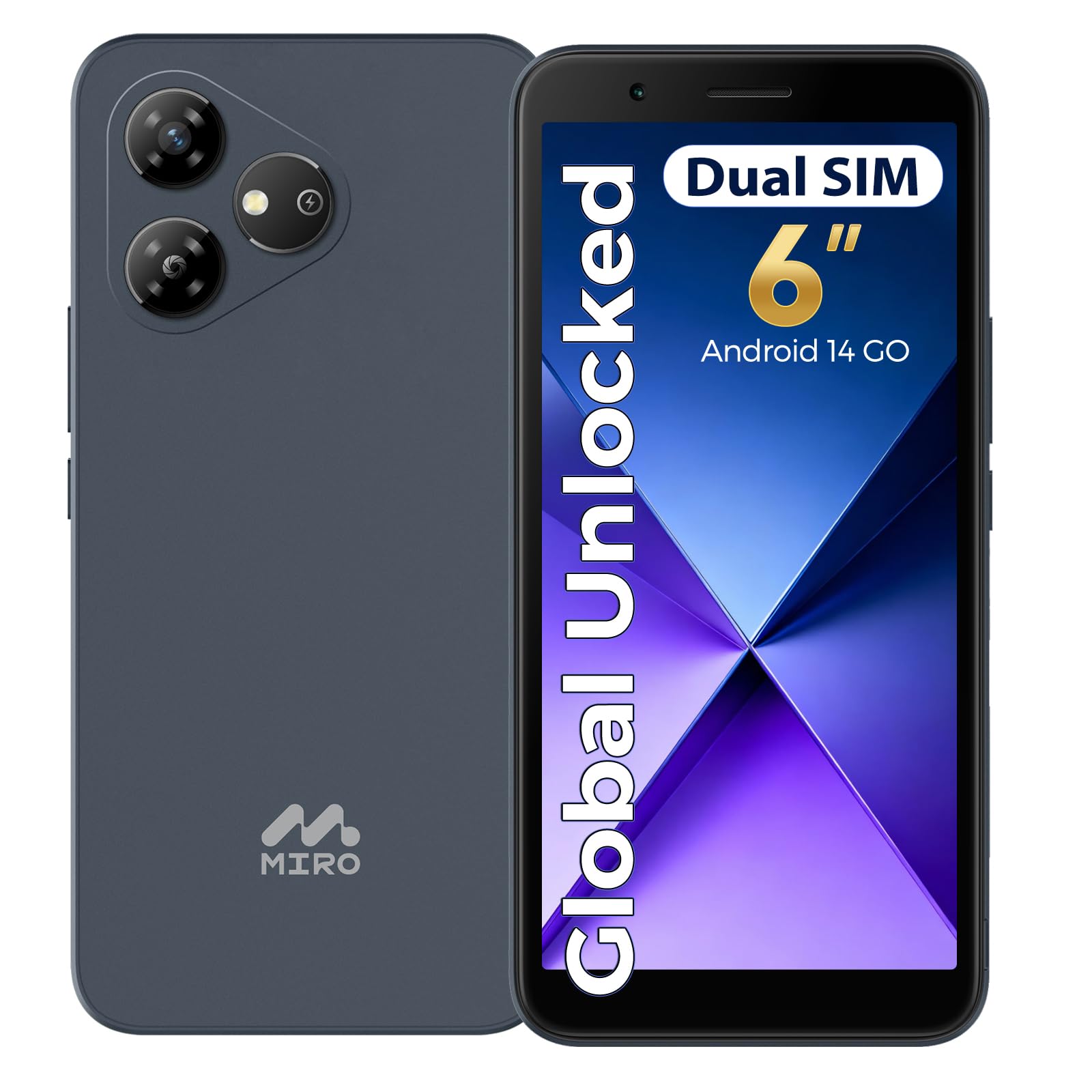
A featherlight 7.05oz backup phone running Android 14 Go for the most basic needs.
At just 7.05oz (200g), the MIRO 4G is the lightest phone in this lineup, designed to disappear into a pocket, purse, or travel bag. It runs Android 14 (Go Edition) — the streamlined Android built for entry-level hardware — on a 6-inch LCD display with 2GB of RAM and 32GB of storage, expandable up to 256GB via microSD. The 5MP front camera and 2MP rear shooter keep things simple for basic snaps and video calls.
Dual SIM support lets you separate work and personal lines or travel overseas without extra fees, and it’s compatible with AT&T, T-Mobile, and Mint Mobile. The phone ships ready to use with a pre-pasted screen protector, USB cable, charger, and battery included. Owners call it a nice phone for the price, describing it as great for a starter phone or a kid’s first device, with functionality and value for money earning the most positive mentions.
Some buyers also hit serious reliability walls, describing freezes, slow performance, and a “completely useless” GPS. There are also reports of pre-installed games and lock-screen ads that make it less kid-friendly than advertised. If you need a cheap spare for occasional calls, this works — but daily drivers should spend a little more elsewhere.
Pure backup value: the lightest, cheapest way to stay reachable on AT&T, T-Mobile, or Mint with Android 14 Go.
Battery reality: 3000mAh is the smallest in this guide — expect frequent charging, and budget buyers should weigh the reliability complaints.
Reach for this: as a disposable travel spare, a child’s starter phone, or an emergency device where price beats everything.
Look past it: if you need all-day battery, reliable GPS, or a phone free of pre-installed ads — this one falls short on all three.
Understanding the Specs
GSM vs. CDMA Compatibility
This is the make-or-break spec for budget phones. GSM networks (T-Mobile, AT&T, Mint, Metro) use removable SIM cards and offer the widest selection of open up phones. CDMA networks (Verizon, Sprint) historically locked phones to their network, which is why most sub-$100 phones simply don’t work there. Always match the phone’s network to your carrier before buying — a great phone on the wrong network is just a WiFi tablet.
Battery Capacity (mAh)
Milliamp-hours (mAh) measures how much charge a battery holds, and it’s the easiest way to compare endurance at a glance. A 5000mAh battery like the NUU N20 typically delivers a full day of mixed use, while a 3000mAh cell like the MIRO will need a midday charge. But the software matters too — a lightweight OS like Android Go on the Nokia can stretch a smaller battery further than a heavier system.
FAQ
Will these phones work with my Verizon or Sprint plan?
What does “Android Go Edition” mean on a budget phone?
Is a 3000mAh battery enough for daily use?
Can I expand storage on these phones with a microSD card?
Why does the Samsung Galaxy A03s have mixed reliability ratings if it’s a trusted brand?
Is a 90Hz display worth paying extra for on a budget phone?
Can these budget phones run banking and shopping apps?
What’s the real difference between the 13MP and 16MP cameras here?
Final Thoughts: The Verdict
Across the board, the winner is the NUU N20 because it delivers flagship-feeling performance with 12GB total RAM and a 90Hz display that no other sub-$100 phone matches. If you want a trusted brand with a fingerprint sensor, grab the Samsung Galaxy A03s. And for light users who hate charging daily, the Nokia C21 Plus with its 2-day battery is the one to reach for. Just remember to verify carrier compatibility before you order — a great phone on the wrong network is just a WiFi tablet.
How We Picked
We do not accept paid placement. Every pick is matched to a real buyer and a real use-case; we do not hands-on test units.
Sources & Methodology
Specifications: manufacturer listings and product documentation. Review insights: verified customer reviews, as of August 2026. Pricing: not shown on this page (it changes often); check the current price via the retailer link.
As an Amazon Associate, Gadgets Feed earns from qualifying purchases. This does not affect which products we feature.