
Our readers keep the lights on and my morning glass full of iced black tea. As an Amazon Associate, I earn from qualifying purchases.
Specs are compiled from manufacturer listings and verified buyer reviews and can change over time — please confirm the key details on the product page before buying.
If your thumb can no longer reach the top corner of your own screen, you already know why you are here. Genuinely small Android phones are rare now that most makers ship 6.5-inch-plus slabs as the default. This guide covers the compact models that still fit a front pocket and still run your day — and it tells you which compromise each one asks you to accept.
I’m Min — the founder and writer behind Gadgets Feed. This guide is built by comparing the manufacturers’ published specifications and the patterns across verified customer reviews, so you get each pick’s real strengths and trade-offs instead of marketing spin.
A flip foldable and a compact slab solve pocket fit in two different ways. The slab gives you one-handed reach; the flip gives you a 6.9-inch screen that folds down. Here is how the android small phone options compare on size, battery, and daily durability.
Our Picks at a Glance

How To Choose The Best Android Small Phone
Pocket fit depends on body width and folded thickness, not the diagonal screen figure. A phone with a 6.9-inch display (measured corner to corner) still slides into jeans if it folds in half. A 6.3-inch slab stays a fixed rectangle all day. Decide first if you want a fixed small rectangle or a big screen that folds in half.
Screen size in inches, and why it misleads
The inch figure measures the diagonal of the display, corner to corner. On a foldable it describes the panel when it is opened out, so a 6.9-inch foldable and a 6.3-inch slab are not the same object in your hand. For one-handed reach, the width of the closed body is the number that decides whether your thumb touches the far edge or not.
Battery capacity in mAh
Milliamp-hours (mAh) is the size of the fuel tank — a bigger number generally means more running time. A small body leaves less room for cells, so compact slabs usually trade battery capacity for size. A flip phone also splits the tank across two halves, so the figure tends to land lower than a full-size slab of the same era.
Foldable screens and how you treat them
A folding panel is a flexible layer, not a sheet of glass. It tolerates a normal pocket life but not a key pressing into it or a careless drop onto a corner. If you want to toss a phone into a bag without thinking, a rigid Gorilla Glass slab survives that better than a folding panel.
Carrier bands before you commit
An open up phone only works on networks whose bands it supports. Some compact models are built for a narrow set of carriers. Check the band list against your own network before you order, because an open up label does not mean every carrier.
Quick Comparison
| Model | Best For | Screen | Battery | Form | Amazon |
|---|---|---|---|---|---|
| Google Pixel 10 Pro★ Best Overall | One-handed flagship reach | 6.3-inch OLED | 4870 mAh | Compact slab | Amazon |
| Palm Phone PVG100Most Pocketable | True pocket minimalism | 3.3-inch HD | 800 mAh | Micro slab | Amazon |
| HTC One Mini 2 | Cheap backup handset | 4.5-inch LCD | — | Compact slab | Amazon |
| Samsung Galaxy Z Flip7 (Renewed) | Big screen that folds away | 6.9-inch AMOLED | 4300 mAh | Flip foldable | Amazon |
| Motorola Razr 2025 | Everyday flip with a cover screen | 6.9-inch LTPO | 4500 mAh | Flip foldable | Amazon |
| Samsung Galaxy Z Flip7 FE | Foldable on a tighter budget | 1080×2400 cover-led | 4000 mAh | Flip foldable | Amazon |
| Google Pixel 11 Pro | Premium compact camera phone | 6.3-inch Super Actua | 4850 mAh | Compact slab | Amazon |
In‑Depth Reviews
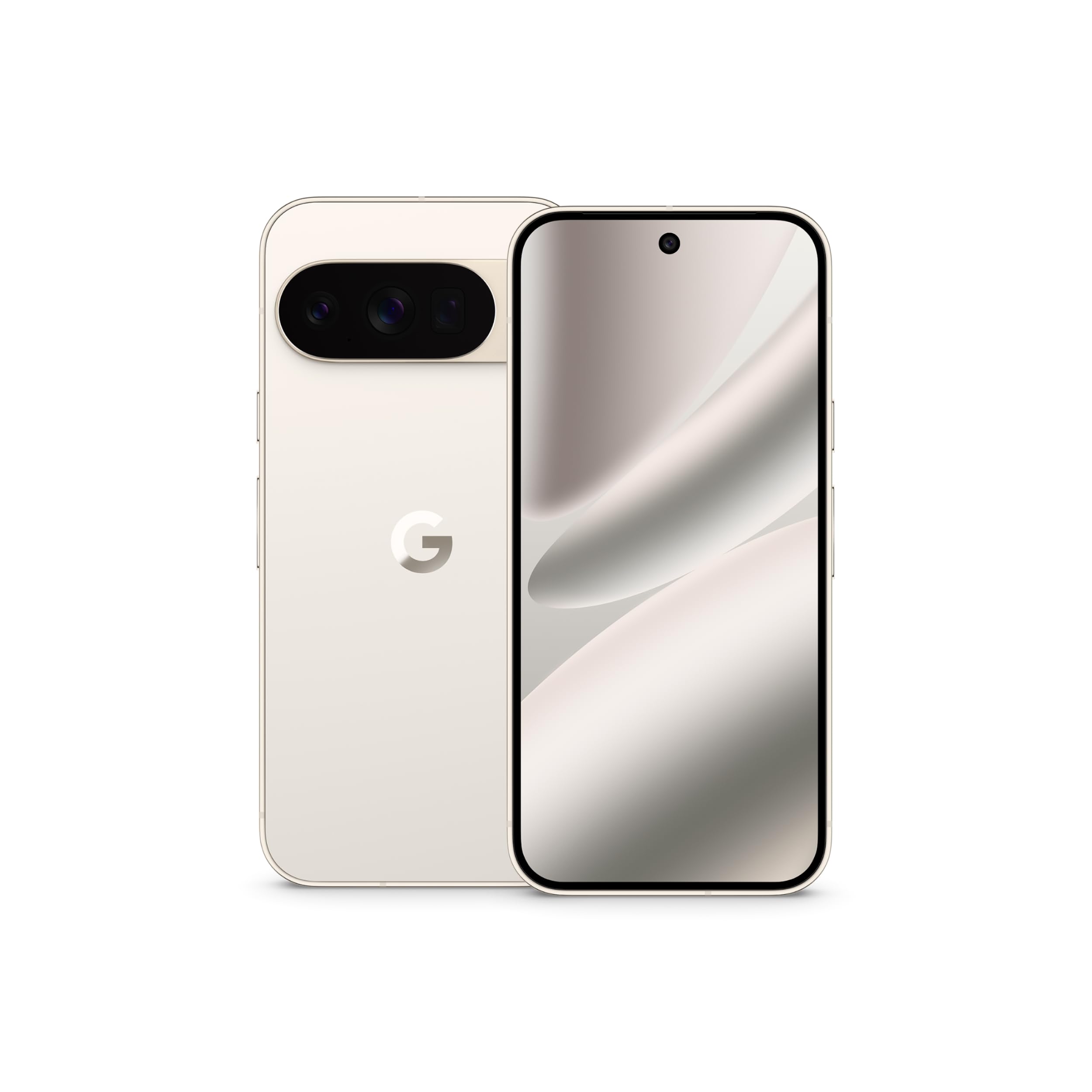
1. Google Pixel 10 Pro – open up Smartphone with Gemini – Porcelain – 128 GB
Our pick — 4.0+★ from 700+ verified ratings; the strongest balance of quality and price.
A flagship that still behaves like a phone you can hold in one hand.
Here is the small Android phone that does not make you feel like you downgraded. The 6.3-inch Super Actua OLED screen is the key figure — it is the biggest display that still lets most hands reach the far corner with a thumb. The glass is Corning Gorilla Glass Victus 2, a scratch- and drop-resistant cover layer, backed by an aluminum frame. A bright peak of 3,300 nits means you can actually read it on a sunny street instead of cupping your hand over the glass.
The 4,870 mAh battery is the number that separates it from most compact rivals. Google rates it at 24 hours of talk time. Compare that with the Samsung Galaxy Z Flip7 at 15 hours and the gap is the whole point of carrying a slightly thicker slab. You are buying a full day of use without a charging ritual. Build quality is what wins people over here — it is the most-discussed strength by a wide margin — and the camera and display follow right behind it.
Two honest notes before you commit. A meaningful share of buyers find the software side uneven: some report basic tasks stalling, and they question whether the money lines up with a flagship badge. Battery feedback skews mixed too. Still, this is the popular favourite overall, holding 4.0+ stars across 700+ ratings. It beats the Flip7 on talk time, 24 hours to 15, and that is what makes it the first pick for someone who wants one device for everything.
What earns the top spot
- 6.3-inch OLED at 495 pixels per inch keeps small text sharp without widening the body
- 4,870 mAh and 24 hours of rated talk time — a full day away from a charger
- 3,300-nit peak brightness so the screen stays legible outdoors
- 100x Pro Res Zoom and 50 MP stills from a camera owners rate highly
Where it asks you to compromise
- Software reliability draws mixed reports — a few units stumble on simple tasks
- The price sits in flagship territory, so the value question is fair
- Battery sentiment is split rather than unanimous
Reach for this if: you want one compact phone that does photos, calls, and a full workday without a top-up.
Think twice if: you expect every single task to run without the occasional stutter, or your budget is strict.
2. Palm Phone PVG100 (The Small Premium open up Phone) with 32GB Memory and 12MP Camera (Gold)
A phone the size of a credit card that keeps you offline until you choose not to be.
Nobody else on this list gives you a 3.3-inch HD display. That is the whole proposition: a screen you can thumb across with no stretching, in a body light enough to forget in a shirt pocket. The 800 mAh battery is the trade you make for that — compare it with the Galaxy Z Flip7’s 4,300 mAh and you can see exactly how much tank you gave up. A full charge is quoted at 68 minutes.
The feature that makes it interesting for a small-phone buyer is Life Mode. When the screen goes dark, calls and notifications go quiet; wake it and everything reconnects. It is a deliberate distraction switch, not a standby trick, and it suits someone who wants a second handset for weekends or a kid’s first line. An IP68 rating means it is sealed against dust and survives a dunk, and Face open up plus hands-free Google Assistant round out the basics. Functionality is the thing owners praise most, with the tiny size right behind it.
Now the catch that matters. The small battery really does mean several top-ups in a day if you use it like a primary phone. The carrier list is narrow too: it is built for Verizon and its subsidiaries, with no support for AT&T, Sprint, or T-Mobile bands (the radio frequencies each network uses). Check your network first. It holds 3.5+ stars across 100+ ratings, and it is the right pick only if pocketability outranks screen time.
Fit note on size: the 3.3-inch display and credit-card footprint are class-leading here. Nothing else on this list slips into a coin pocket.
Fit note on the network: buy this for Verizon-family use. If you are on a different carrier, this is the wrong phone no matter how much you like the size.
Best matched to: a second line, a weekend phone, or someone who genuinely wants a distraction-light handset.
Not for: anyone who needs map navigation or video streaming through an eight-hour day.
3. HTC One Mini 2 16GB 4G LTE open up GSM Quad-Core Android 4.4 KitKat Smartphone – Grey

Old-school compact metal, kept alive by a memory card slot.
A 4.5-inch Super LCD2 screen with Corning Gorilla Glass 3 protection is a size you simply cannot buy new anymore. Add a 13 MP rear camera with autofocus and LED flash, a 5 MP front camera, and 1080p video at 30fps, and you have a genuinely small handset for photos and calls. The quad-core 1.2 GHz Cortex-A7 processor with Adreno 305 graphics runs Android 4.4.2 KitKat, so treat it as a basic tool rather than an app machine.
The practical reason to consider it is expandable storage. It ships with 16GB of internal memory and 1GB of RAM, but the microSD slot takes a card up to 128GB — a rarity on this list, where most rivals are sealed. If you want a small phone for offline music, photos, and cheap backup duty, that slot is the real selling point.
Be clear-eyed about the two limits. It is a GSM phone: it works with AT&T, T-Mobile, and prepaid GSM carriers, and it will not work on CDMA networks like Verizon, Sprint, Boost, or Virgin. And the software is generations behind, so modern apps may refuse to install. At 3.5+ stars across 90+ ratings, it earns a place as a spare handset, not a daily driver.
What it genuinely solves: a compact secondary phone for calls, texts, and camera duty where a card slot beats cloud storage.
Confirm before buying: your carrier is GSM-based and your essential apps still support KitKat.
Buy it as: a glovebox or travel-drawer phone with expandable storage and a small footprint.
Pass if: you need current apps, CDMA coverage, or a battery figure — none is quoted for this model.
4. Samsung Galaxy Z Flip7, 512GB – open up (Renewed)

A 6.9-inch AMOLED that folds down to something your fist can close around.
The trick with this one is that the 6.9-inch display only exists while it is open. Folded, it is a short, thick square that drops into a front pocket with room left for keys. That is how you get phablet screen real estate without a phablet silhouette. The cover screen on the outside handles notifications, messages, music, and widgets so you can skip the unfold for quick checks. A dual camera uses that cover screen as a viewfinder, which makes angled shots and selfies easier to frame.
What makes it worth the money to owners is simply that it works. Function is the most-discussed strength here, and condition comes in close behind, since renewed units turn up looking barely used. Storage is 512GB, so you are not managing space. Battery is 4,300 mAh (milliamp-hours, a measure of charge capacity) with a rated 15 hours. That is where it falls short of the Pixel 10 Pro’s 24 hours; if long days away from a plug are your norm, that difference will show up by evening.
The one thing to verify on arrival is the open up status. A renewal phone is a previously owned unit, and the recurring complaint is a handset that arrives still tied to a carrier. Test with your own SIM the day it lands. At 4.0+ stars across 160+ ratings, this is a sensible way into folding hardware at a mid-range outlay.
Why the flip works
- 6.9-inch AMOLED screen that packs down into a pocketable square
- 512GB of internal storage leaves no room-management chores
- Cover screen handles messages, music, and widgets without opening the phone
- Android 16 and 5G on board
Where you pay for it
- 15 hours rated battery is shorter than the compact slabs on this list
- Renewal stock occasionally arrives carrier-locked — check your SIM immediately
- Folding panels demand gentler handling than glass
The right call for: buyers who want a big-screen phone that disappears into a small pocket.
Look elsewhere if: you need two days between charges or refuse to test a SIM on day one.
5. Motorola Razr 2025 | open up | Made for US 8/256GB | 50MP Camera | Pantone Spring Bud

The compact flip that lets you run your favorite apps without opening it at all.
A 3.6-inch external display is the standout here, and it changes how you use a folding phone. You can check messages, run apps, and skip the unfold entirely for quick tasks — no reaching for the hinge every time your wrist buzzes. Opened out, the LTPO main panel measures 6.9 inches with colors validated by Pantone, and the hinge plate is made with titanium for a stronger fold. It is built for all major US carriers, so Verizon, AT&T, T-Mobile, and prepaid networks are all fine.
The 4,500 mAh battery pairs with 30W TurboPower charging, and Motorola rates it at over a full day on a single charge. That puts it close to the Galaxy Z Flip7’s 4,300 mAh tank, and it is the reason this is the easier flip to live with. The 50MP camera system leans on moto ai for shots in low light and steady video while moving, and a 10x digital zoom covers the rest. Quality is the most-praised trait by a distance, with appearance and size close behind.
Screen durability is the honest asterisk. The main panel is flexible material, and some buyers report dead pixels or an internal screen failure after a drop or a hard knock. Treat it like a small camera lens rather than a work glove and it holds up. It sits at 4.0+ stars across 400+ ratings, which makes it the most-discussed flip phone here.
What seals it: a cover screen you can actually use plus wireless charging, NFC, and stereo speakers in a body that folds into a pocket.
The one caution: the inner display rewards careful handling — no keys in the same pocket.
Fits you if: you want a foldable you can use closed, with charging flexibility and a durable titanium hinge plate.
Choose another path if: you tend to drop your phone or carry it loose with sharp objects.
6. Samsung Galaxy Zflip7 FE Cell Phone (2025), 256GB AI Smartphone, JetBlack

The foldable that gets you into the flip form without flagship money.
Samsung’s FlexWindow is the part that does the work. Weather, music skipping, notification replies — all from the cover display, phone still folded. That is the real convenience of a pocket-sized flip: you handle the small stuff without opening a big screen. When you do open it, the 1080×2400 panel takes over for full apps and a 50MP camera for group shots on a trip. Flip it into FlexMode and it stands on its own for hands-free framing.
Battery is 4,000 mAh, which is the smallest tank among the three flips here — the Razr 2025 carries 4,500 mAh and the Z Flip7 carries 4,300 mAh. Samsung’s own note is that battery life depends on network, features, and how much you call and stream, so heavy days will show it. Function is what owners praise most, with value for money right behind it — buyers see this as the affordable doorway into the folding design, and 4.0+ stars across 300+ ratings backs the sentiment.
Durability is where the mixed reports live. Most users say it holds up through normal use, but a minority describe failures inside a few months. That is a small slice of a generally happy pool, but it is the number to weigh if you are hard on hardware. Wireless charging, NFC, and always-on display all make the cut.
Reasons this earns a slot
- FlexWindow cover screen handles quick tasks folded
- 50MP camera and FlexMode hands-free shooting
- 256GB storage, 5G, wireless charging, and NFC
- The lower-cost route into a Samsung flip
What you accept
- 4,000 mAh is the smallest battery of the flips here
- Battery and durability feedback both come back mixed
- Camera and screen quality draw split opinions
Worth it when: the flip form is the goal and you want to spend less than the bigger foldables ask.
Hold off if: you run marathon screen days or want the largest battery a fold can carry.
7. Google Pixel 11 Pro – open up Smartphone, Gemini – 256 GB – Olive
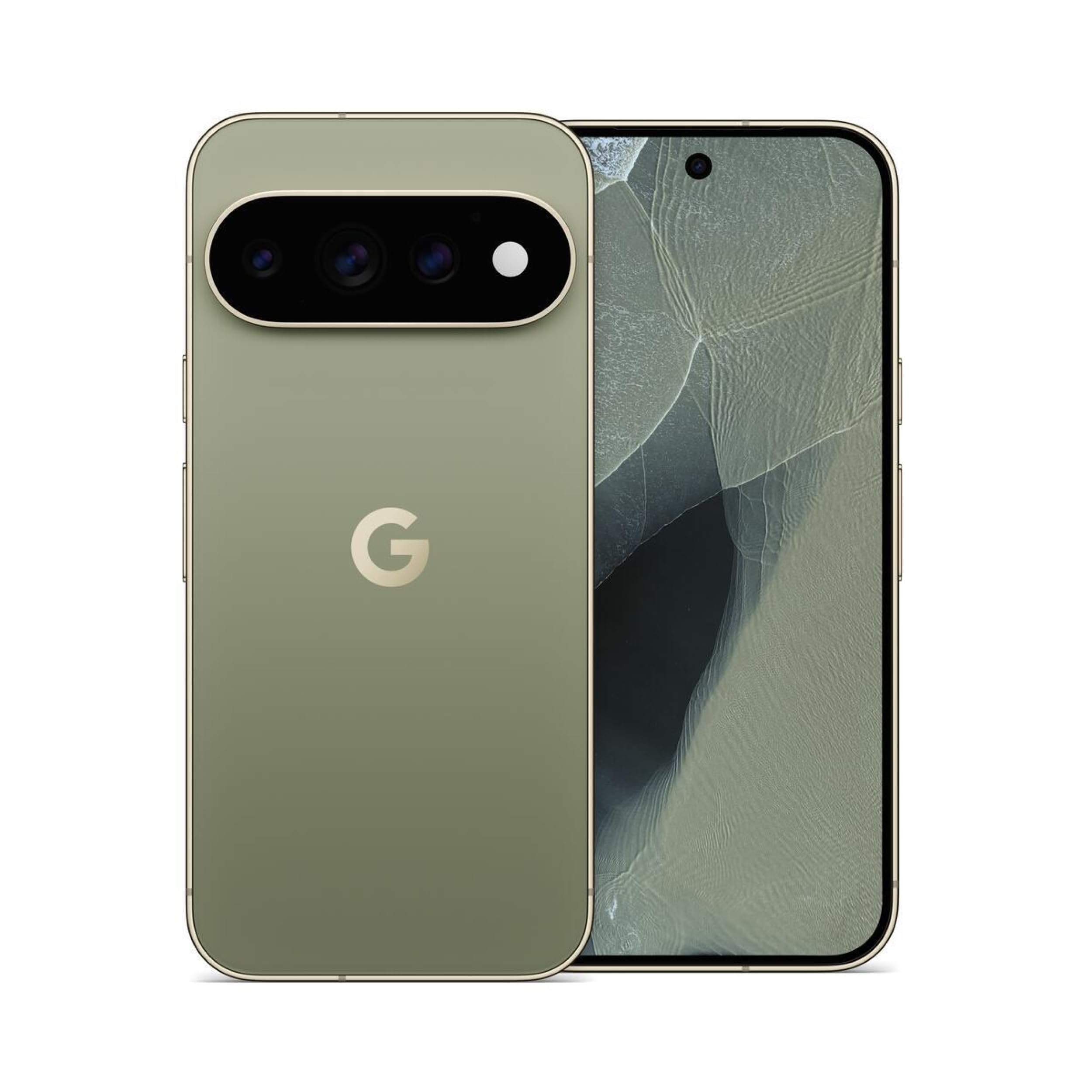
Same compact 6.3-inch frame as the 10 Pro, with a longer zoom and a bigger sensor.
If you already know the 6.3-inch Pixel body works in your hand, this is the version that pushes the camera further. The larger telephoto sensor captures 30% more light, per Google, so night shots come out cleaner, and the 120x ProZoom reaches subjects across a street. Magic Capture records video and stills in one tap, then crops and unblurs them for you. Build quality is the trait that gets praised most, and the camera, battery, and speed all follow.
Battery is 4,850 mAh with a 30+ hour claim, and owners describe stretching it to three or four days without a recharge under lighter use. It runs Google’s G6 Tensor chip with a Titan M3 security chip, and the 256GB storage leaves room for photos and apps. Those Pixel Buds, Watch, and Tag pairings are listed as compatible devices too, so the ecosystem holds together.
The compromise is position, not quality. It carries a higher price than the Pixel 10 Pro, and a few buyers flag performance and value as mixed rather than glowing. The 11 Pro holds 4.0+ stars across 150+ ratings. That is a solid score, though it lands just under the 10 Pro’s 4.4. If the extra zoom and the newer chip matter to you, this is the premium compact to pick.
The camera case: a bigger telephoto sensor plus 120x ProZoom makes this the strongest small-phone camera here for distance and low light.
The value question: you pay more than the 10 Pro for that camera work, and not everyone will feel the difference day to day.
Pick this one if: a compact body plus serious zoom and night photography is exactly what you have been missing.
Stay with the 10 Pro if: you want the same pocketable size and would rather not pay extra for the newer sensor.
Understanding the Specs
Screen size versus body size
The inch figure is the diagonal of the display — a 6.3-inch slab and a 6.9-inch flip both claim to be compact, but they get there differently. A slab is that rectangle all day; the flip folds in half so the closed body shrinks even though the panel is bigger. For true one-handed reach, look at the closed width, not the inch count.
Battery capacity in mAh
Milliamp-hours measure the size of the tank. Higher generally means longer running time, but a small body limits how much fits inside — the Palm carries 800 mAh while the Pixel 10 Pro holds 4,870 mAh. A flip also splits its tank across two halves, so the figure tends to land closer to the mid-4,000 mAh range. Read the mAh next to the form factor, never alone.
Display density in pixels per inch
Pixels per inch, or PPI, tells you how tightly packed the screen is — higher means crisper small text. The Pixel 10 Pro sits at 495 PPI and the Razr 2025 at 413 PPI. On a small phone this matters more, because tiny fonts get smaller; a dense panel keeps them readable without zooming.
open up versus carrier-locked
An open up phone takes a SIM from any network whose bands it supports — but those bands are the fine print. The Palm works on Verizon and its subsidiaries only, while the Razr 2025 covers Verizon, AT&T, T-Mobile, and prepaid carriers. A renewal phone labelled open up can still arrive tied to a carrier, so test your SIM the day it arrives.
FAQ
Is a folding phone actually smaller in my pocket than a compact slab?
Will the Palm Phone work on my carrier?
How much battery life should I expect from a small Android phone?
Do I need to worry about a foldable screen breaking?
Is a renewed phone safe to buy?
Can I add more storage to a small phone?
Does a smaller screen mean worse photos?
What is the difference between the Z Flip7 and the Z Flip7 FE?
Should I buy the Pixel 11 Pro or the Pixel 10 Pro?
Will an old small phone like the HTC One Mini 2 still run my apps?
Final Thoughts: The Verdict
For most people, the android small phone that gets the balance right is the Google Pixel 10 Pro. Its 6.3-inch OLED (a screen that lights each pixel itself for deep blacks) stays reachable in one hand. The 4,870 mAh battery and 24 hours of rated talk time carry you through a full day. If you want the biggest screen that still vanishes into a pocket, the Motorola Razr 2025 gives you a usable 3.6-inch cover display and a 4,500 mAh battery in a titanium-hinged flip. And for a genuinely micro handset for weekends or a second line, the Palm Phone PVG100 is the only true pocket-sized option here. Just confirm your carrier and plan for multiple daily charges.
How We Picked
We do not accept paid placement. Every pick is matched to a real buyer and a real use-case; we do not hands-on test units.
Sources & Methodology
Specifications: manufacturer listings and product documentation. Review insights: verified customer reviews, as of November 2026. Pricing: not shown on this page (it changes often); check the current price via the retailer link.
As an Amazon Associate, Gadgets Feed earns from qualifying purchases. This does not affect which products we feature.