
Choosing an Android Smart TV today means deciding between two very different realities: the blinding brightness of Mini-LED and the infinite contrast of self-lit OLED pixels. The wrong choice leaves you either squinting at raised blacks in a dark room or watching washed-out highlights on a sunny afternoon. This guide breaks down the precise panel technology, refresh rate specs, and AI processors that define real-world performance for movies, sports, and next-gen console gaming.
I’m Min — the co-founder and writer behind Gadgets Feed. I’ve spent weeks cross-referencing technical datasheets, real customer feedback, and side-by-side feature comparisons to separate marketing hype from the measurable specs that actually improve your viewing experience.
If you are looking for a definitive, data-driven breakdown of the best android smart tv options across budget tiers, panel types, and performance metrics, this guide is the only resource you need.
How To Choose The Best Android Smart TV
The Android Smart TV market spans from entry-level 4K displays with solid upscaling to premium OLED panels with AI processors and 144Hz gaming capabilities. You need to prioritize your room’s lighting, your primary content type (streaming vs. sports vs. competitive gaming), and your tolerance for OS differences.
Panel Technology: OLED vs. QLED vs. Mini-LED vs. Standard LED
Standard LED/LCD panels dominate the budget-to-mid tier but suffer from edge or direct-lit blooming. QLED uses a quantum dot layer to boost color volume and brightness, making it a strong choice for bright living rooms. Mini-LED adds hundreds to thousands of precise dimming zones, dramatically improving contrast and black levels without the cost-per-inch penalty of OLED. OLED is the gold standard for infinite contrast, perfect blacks, and wide viewing angles, but it demands controlled lighting to avoid glare and risks burn-in over years of static content.
Refresh Rate and Gaming Features
If you own a PlayStation 5, Xbox Series X, or a gaming PC, a 120Hz panel with HDMI 2.1 support is non-negotiable. Look for native 120Hz or 144Hz refresh rates, not marketing motion rates. Variable Refresh Rate (VRR), Auto Low Latency Mode (ALLM), and support for NVIDIA G-Sync or AMD FreeSync Premium directly reduce screen tearing and input lag. A 60Hz panel is fine for casual streaming and live TV but will feel sluggish for fast-paced competitive gaming.
AI Processor and Upscaling Quality
The processor is the brain of the TV. Higher-end models from Samsung (NQ4 AI Gen2), LG (Alpha 8 AI Gen2), and Sony (XR Cognitive Processor) use AI scene recognition and machine learning to upscale lower-resolution content, optimize color and contrast per scene, and reduce noise. A weaker processor in a budget TV can make 1080p content look soft and introduce artifacts, while a premium chip can make standard HD streams appear near-4K. Always check for real user feedback on upscaling performance for the content you watch most.
Quick Comparison
On smaller screens, swipe sideways to see the full table.
| Model | Category | Best For | Key Spec | Amazon |
|---|---|---|---|---|
| Samsung 50″ Crystal UHD U8000H | LED | Value 4K with Motion Xcelerator | 4K 60Hz, Crystal Processor | Amazon |
| Samsung 43″ QLED Q7F | QLED | Quantum Dots with AI Audio | 4K 60Hz, Quantum HDR | Amazon |
| TCL 55″ T7 Series (2025) | QLED | 144Hz Gaming on a Budget | 4K 144Hz, QLED, Google TV | Amazon |
| Hisense 55″ U6 Pro Series | Mini-LED | Glare-Free Mini-LED with 144Hz | 4K 144Hz, Mini-LED, Fire TV | Amazon |
| VLH 32″ Portable Smart TV | Touch | Rollable, Touch Screen Portability | 1080P 60Hz, 38400mAh Battery | Amazon |
| Sony BRAVIA 3 II 55″ | LED | PS5 Gaming with XR Processor | 4K 120Hz, XR Processor | Amazon |
| LG 55″ OLED B5 Series | OLED | Entry-Level OLED with Perfect Blacks | 4K 120Hz, Alpha 8 Processor | Amazon |
| Samsung 48″ OLED S85H | OLED | Compact OLED with NQ4 AI Gen2 | 4K 120Hz, OLED HDR | Amazon |
| Sony 42″ BRAVIA XR A90K | OLED | Master Monitor-Grade OLED | 4K 120Hz, Cognitive XR | Amazon |
| LG 55″ OLED evo G4 Series | OLED evo | Flush Wall-Mount with evo Brightness | 4K 120Hz, A11 Processor | Amazon |
| Sony 55″ BRAVIA 8 OLED | OLED | Cinema-Grade OLED with XR | 4K 120Hz, XR Triluminos Pro | Amazon |
In‑Depth Reviews
1. Hisense 55″ U6 Pro Series Mini-LED ULED 4K TV
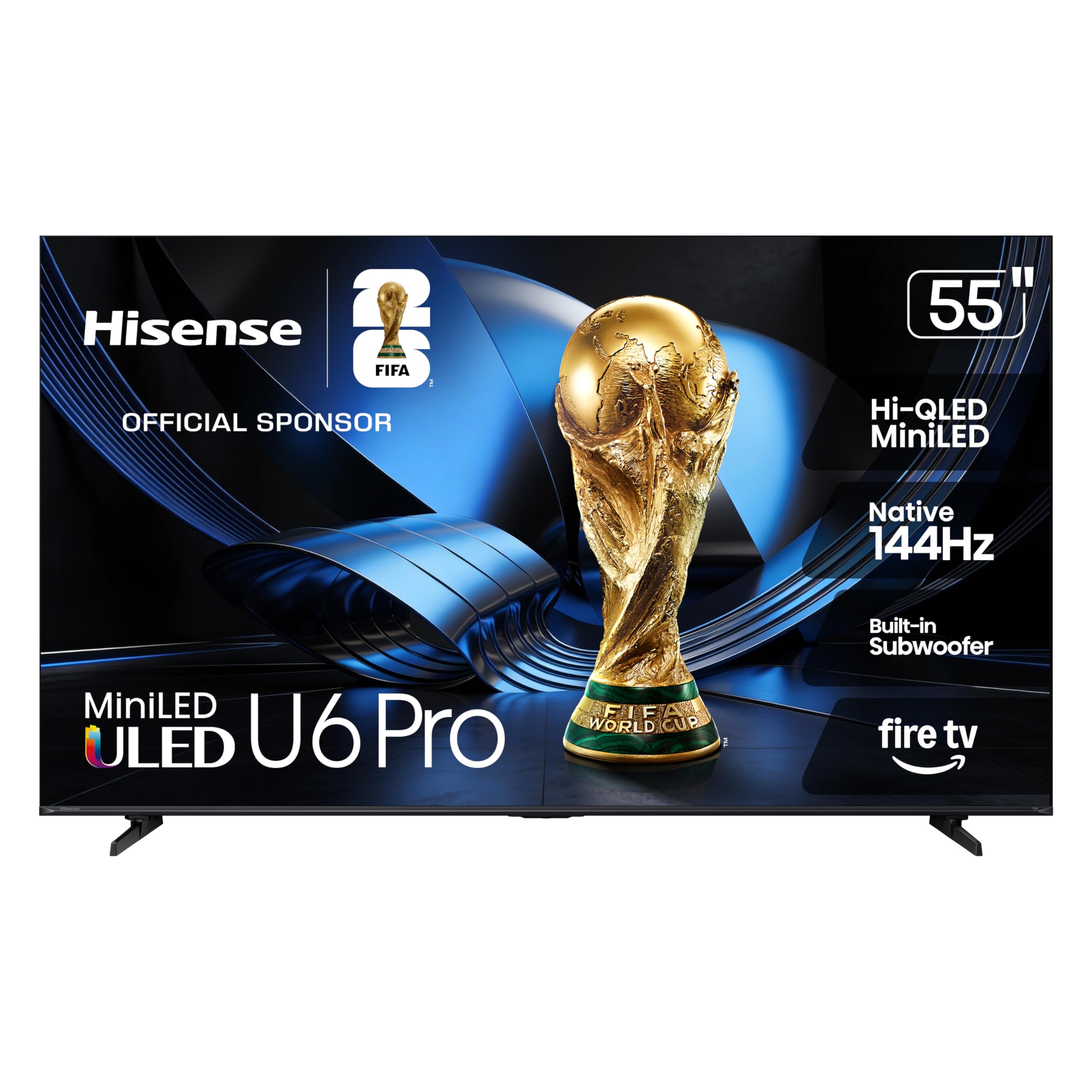
The Hisense U6 Pro is the rare television that punches multiple weight classes above its price point. It uses a Hi-QLED Mini-LED backlight with hundreds of precise dimming zones, delivering contrast and black levels that approach OLED territory — a measured contrast ratio around 600,000:1 and peak brightness near 1100 nits. The anti-reflection and glare-free coating is exceptional for bright rooms, eliminating the mirror-like reflections that plague many OLEDs. For gaming, the native 144Hz panel supports VRR, ALLM, and works with both NVIDIA G-Sync and AMD FreeSync Premium, making it equally capable for PS5, Xbox Series X, and high-refresh PC gaming.
The built-in Fire TV OS is responsive and integrates Alexa+ for voice control, but power users should note that the Fire TV ecosystem is less flexible than Google TV for sideloading apps. The included remote feels a bit cheap compared to the premium picture quality. With Hi-View AI Engine processing that adjusts picture per scene, Dolby Vision IQ, HDR10+ Adaptive, and an IMAX Enhanced certification, this TV is a genuine all-rounder for HDR movies, sports, and competitive gaming. The built-in subwoofer adds enough low-end punch that many buyers may skip a soundbar for casual viewing.
Some users report that low-bitrate 480p to 720p content looks soft — the upscaling is decent but not class-leading like Sony’s XR processor. Additionally, the screen uses a matte finish that slightly reduces perceived pop in a pitch-black room compared to glossy OLEDs. For the vast majority of buyers who want premium HDR, smooth 144Hz gaming, and excellent daytime viewing without spending OLED money, this is the most versatile package available.
Why it’s great
- Mini-LED delivers OLED-like contrast with high brightness and no burn-in risk
- Native 144Hz panel with G-Sync and FreeSync Premium for tear-free gaming
- Excellent anti-glare coating eliminates reflections in bright rooms
Good to know
- Fire TV OS lacks flexibility of Google TV for power users
- Upscaling of low-bitrate content is average compared to Sony processors
- Included remote feels low-quality relative to the TV’s premium picture
2. Sony BRAVIA 3 II 55″ 4K HDR LED Google TV
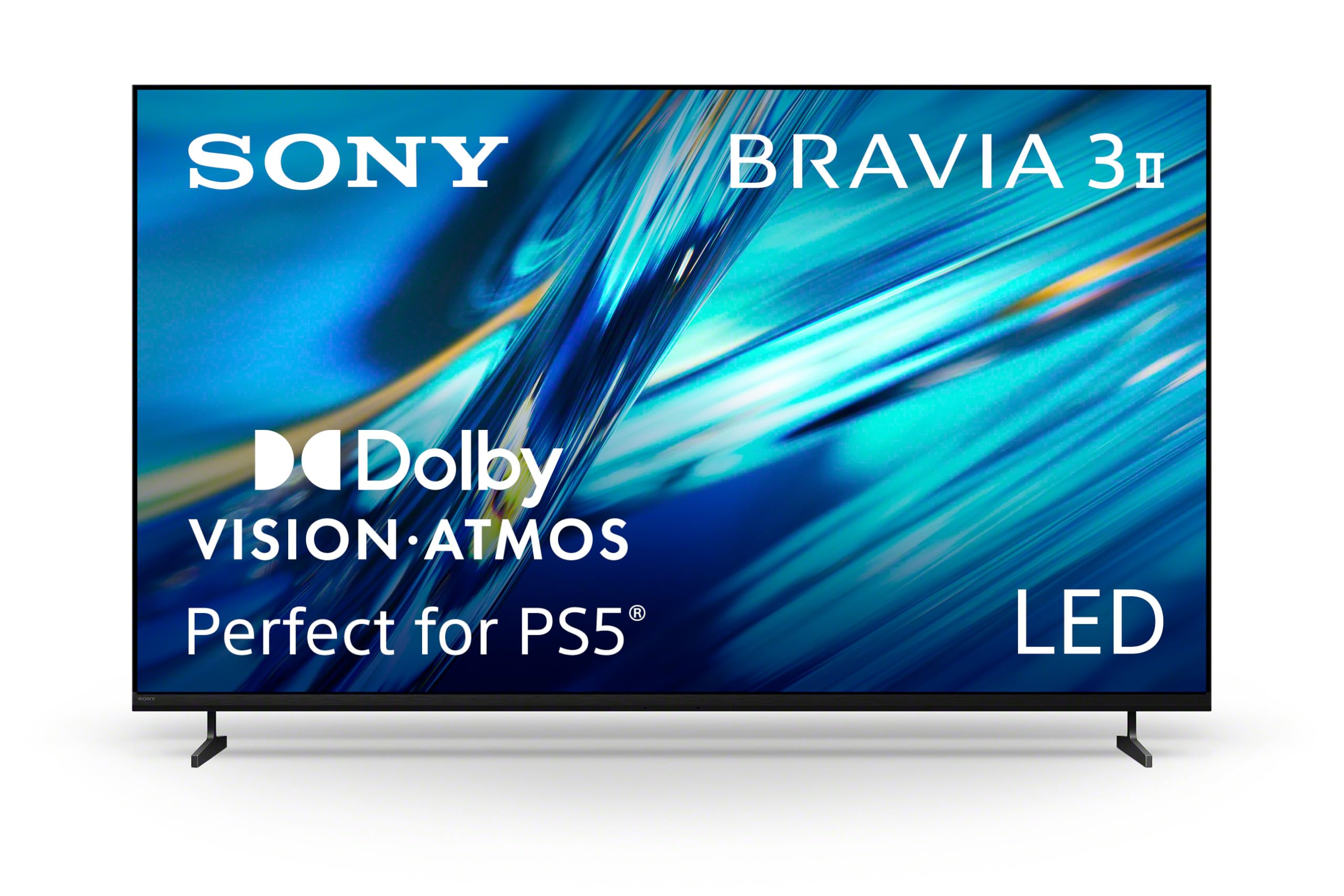
Sony’s BRAVIA 3 II is built around the XR Processor, which uses AI scene recognition to optimize color, contrast, and clarity in real time across over a billion colors via XR Triluminos Pro. This is a 120Hz LED panel with Motionflow XR that keeps fast sports and action films crisp, though it uses a Direct LED backlight rather than Mini-LED or OLED, so black levels are good but not infinite. For PlayStation 5 owners, this TV is a dream — it automatically detects the console and switches to Auto HDR Tone Mapping and Auto Genre Picture Mode, and the Game Menu consolidates all gaming picture settings and assist features in one interface.
Google TV with Gemini AI is the OS here, which is the most open and customizable smart platform available — it lets you browse 700,000+ movies and shows, use natural language voice search, and control smart home devices. The TV also includes Sony Pictures CORE with 5 credits for recent releases and 12 months of streaming access to hundreds of classics, effectively adding value for cinephiles. Connectivity is robust with HDMI 2.1 supporting 4K/120, VRR, and ALLM, plus Bluetooth 5.3 and Wi-Fi.
The X-Balanced Speakers deliver deeper bass and improved sound resolution than typical TV speakers, though purists will still want a soundbar. Some users have reported firmware glitches with casting and DRM issues on paid video streams, so buyers should ensure they’re comfortable with periodic software updates. Viewing angles are adequate but not OLED-grade, and the LED panel can show blooming in high-contrast scenes. For PS5 gamers and Google TV fans who prioritize motion clarity and color accuracy, this is a strong contender.
Why it’s great
- XR Processor delivers class-leading upscaling and scene optimization
- Deep PS5 integration with exclusive Auto HDR and Game Menu features
- Google TV with Gemini offers the most flexible smart platform
Good to know
- LED backlight shows blooming in dark HDR scenes vs OLED
- Some firmware issues reported with casting and DRM on paid streams
- Viewing angles are narrow for a large living room setup
3. LG 55″ OLED evo G4 Series Smart TV

LG’s G4 series represents the pinnacle of consumer OLED with the Brightness Booster Max technology that pushes OLED evo panels significantly brighter than previous generations, making it usable even in well-lit rooms. The A11 AI Processor powers AI Picture Pro and AI Super Upscaling, which analyzes content in real time to optimize tone, texture, and color — it even supports Multi View with four screens simultaneously. Every one of the 8.3 million self-lit pixels is individually controlled, delivering infinite contrast ratio, perfect blacks, and 100% Color Volume with 100% Color Fidelity.
The design is a One Wall Design that leaves virtually no gap when mounted, and when idle it can display art or photos to blend into your decor. Gaming performance is elite: 120Hz refresh, 0.1ms response time, NVIDIA G-Sync, AMD FreeSync Premium, and four HDMI 2.1 inputs. The webOS platform with the Re:New Program guarantees 5 years of feature updates, which is rare in the TV industry. Dolby Vision and Dolby Atmos are fully supported, and Filmmaker Mode ensures you see content as the director intended.
The main downsides are the glossy screen which is very reflective in bright rooms — you’ll need curtains or a carefully placed setup. The magic remote is functional but some users find webOS less intuitive than Google TV or Roku. And despite the higher brightness, OLED still can’t match Mini-LED peak luminance in very bright rooms. For home theater enthusiasts who watch in controlled lighting and want the absolute best contrast and color accuracy, the G4 delivers a cinematic experience unmatched by anything but Sony’s top-tier OLEDs.
Why it’s great
- Brightness Booster Max makes OLED viable in brighter rooms than ever before
- Infinite contrast with perfect blacks and 100% color volume
- One Wall Design with 5-year webOS Re:New software support
Good to know
- Glossy screen is highly reflective; requires controlled lighting
- webOS is less flexible than Google TV for power users
- Premium price places it in the high-end bracket
4. TCL 55″ T7 Series QLED Google TV

TCL’s T7 Series delivers a 55-inch QLED panel with a native 120Hz refresh rate that can reach 144Hz for compatible gaming inputs, making it one of the most affordable high-refresh-rate gaming TVs on the market. The AIPQ Pro Processor intelligently optimizes color, contrast, and clarity, and the QLED quantum dot layer covers nearly the full DCI-P3 color space for vibrant, saturated images. HDR support is comprehensive with Dolby Vision, HDR10+, HDR10, and HLG, plus a Motion Rate 480 with MEMC frame insertion for blur-free sports and action.
Google TV with built-in Chromecast is the operating system here, which is the most open and app-rich smart TV platform available — you can sideload apps, customize the home screen, and use hands-free voice control via Alexa, Google Assistant, or Apple HomeKit. Connectivity includes 4 HDMI inputs (one with eARC), Wi-Fi 5, and Ethernet. For console gamers, the combination of 120Hz native refresh, VRR, and Game Mode eliminates lag and screen tearing, though PC gamers should note that hitting 144Hz at 4K requires a powerful graphics card.
The built-in speakers are adequate but not impressive — most buyers will want a soundbar for serious movie watching. The bezel-less design looks modern, but the glossy screen can be reflective in bright rooms. Some users have noted that the TV doesn’t wake from power save mode when connected to a PC via HDMI, requiring a cable reseat. For gamers on a budget who want real high-refresh-rate performance and the flexibility of Google TV, this is a fantastic deal.
Why it’s great
- Native 120Hz panel reaching 144Hz for PC gaming at a low price
- Full suite of HDR formats including Dolby Vision and HDR10+
- Google TV with Chromecast is the most flexible smart platform
Good to know
- Built-in speakers are mediocre; a soundbar is recommended
- Glossy screen shows reflections in bright rooms
- PC HDMI wake-from-sleep bug requires manual HDMI reseat
5. Sony 55″ BRAVIA 8 OLED 4K TV

The Sony BRAVIA 8 OLED is a reference-grade panel that uses over 8 million self-lit pixels with XR Contrast Booster 15 to deliver deep blacks and dazzling highlights with exceptional detail. The XR Processor intelligently enhances every scene in real time, boosting color, contrast, and clarity, while XR Triluminos Pro accesses billions of accurate real-world colors. This TV is studio-calibrated for Netflix Adaptive Calibrated Mode, Prime Video, and Sony Pictures CORE, ensuring that content looks exactly as the creators intended.
For PlayStation 5 owners, this is the ultimate companion — Auto HDR Tone Mapping and Auto Genre Picture Mode are exclusive features that optimize picture quality automatically. The Acoustic Surface Audio+ technology uses the entire screen as a speaker, creating sound that emanates directly from the picture, backed by a built-in subwoofer and Dolby Atmos support. Google TV is the OS, providing access to every major streaming app and Gemini voice search. Connectivity includes HDMI 2.1 with 4K/120, VRR, and ALLM, plus Bluetooth 5.3 and Ethernet.
The primary limitation is that this OLED requires a dark room to perform at its best — in bright ambient light, the screen’s reflectivity can wash out the image. The TV is also heavy, requiring assistance for wall-mounting. Some users have reported the Google OS can feel cluttered due to privacy agreement prompts and occasional sound dropouts. For home theater purists and PS5 gamers who want reference-level picture quality with studio-calibrated accuracy, this is one of the best TVs money can buy.
Why it’s great
- XR Processor with Triluminos Pro delivers reference-grade color accuracy
- Studio-calibrated modes for Netflix, Prime Video, and Sony Pictures CORE
- Acoustic Surface Audio+ creates immersive sound from the screen itself
Good to know
- Reflective screen requires a dark room for best performance
- Heavier than comparable OLEDs; needs help for wall-mounting
- Google OS can feel cluttered with privacy prompts and occasional bugs
6. Samsung 48″ OLED S85H Series Smart TV
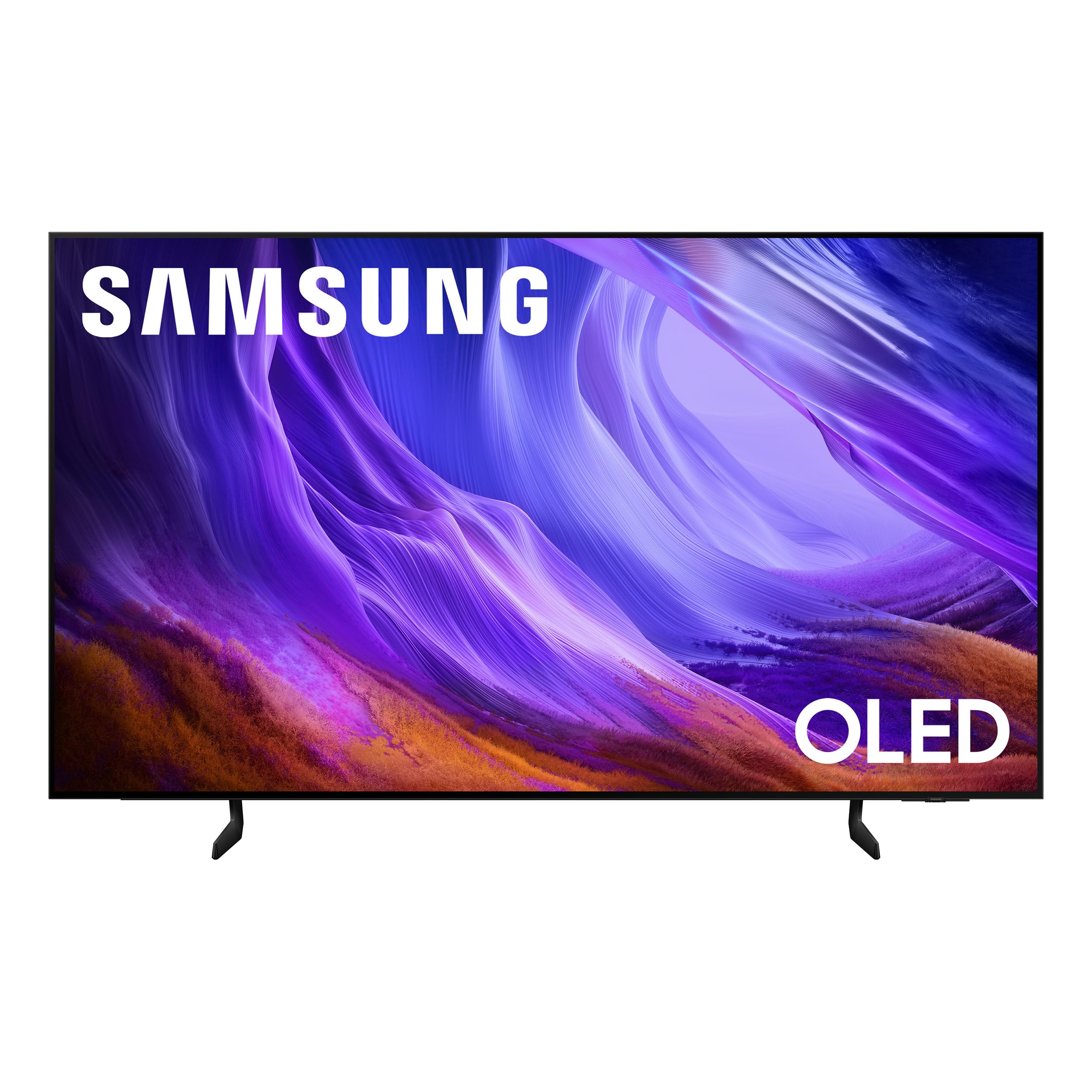
Samsung’s 48-inch OLED S85H is an ideal size for desktop gaming, bedroom setups, or smaller living rooms where a 55-inch panel would dominate the space. The NQ4 AI Gen2 Processor analyzes each scene in real time to improve brightness, sharpness, and motion clarity, delivering OLED HDR with deep blacks and bold highlights. The panel is Pantone Validated, ensuring skin tones and colors are rendered with professional accuracy, and Color Booster Pro uses AI to transform hues in real time for a more vivid, lifelike image.
Gaming performance is excellent with Motion Xcelerator 120Hz, NVIDIA G-Sync, and AMD FreeSync Premium support, plus four HDMI 2.1 ports for connecting a PS5, Xbox Series X, and PC simultaneously. The Samsung Vision AI smart platform with Alexa built-in offers Samsung TV Plus with 2,700+ free channels. The design is thin and premium, with an anti-reflection coating that helps manage indoor lighting, though it cannot match the Hisense U6 Pro’s matte finish for bright room performance. The 20W 2ch speaker system is decent but lacks bass, so a soundbar is recommended for immersive content.
The main trade-off with this 48-inch panel is that you’re paying a premium for the compact form factor — larger 55-inch OLEDs from LG and Sony offer better value per diagonal inch. Additionally, the Tizen OS pushes smart features and account sign-ins aggressively, which some users find intrusive compared to Google TV. For PC gamers and console players who need a high-quality OLED with full HDMI 2.1 support in a compact size, this is a stellar option.
Why it’s great
- 48-inch size is perfect for desktop gaming and smaller setups
- NQ4 AI Gen2 processor with excellent real-time optimization and upscaling
- Four HDMI 2.1 ports with G-Sync and FreeSync Premium support
Good to know
- Premium price for the compact size; larger panels offer better value
- Tizen OS can feel pushy with account registrations and ads
- Built-in sound lacks bass; a soundbar is recommended
7. LG 55″ OLED B5 Series Smart TV

The LG B5 Series is the most affordable entry point into OLED ownership without sacrificing the core technology — 8.3 million self-lit pixels that deliver perfect blacks and infinite contrast. The Alpha 8 AI Gen2 Processor detects what you’re watching and automatically improves picture and sound quality, while AI Super Upscaling brings lower-resolution content closer to 4K clarity. Support for Dolby Vision, Dolby Atmos, and Filmmaker Mode ensures a cinematic experience right out of the box.
Gaming is a strong suit with a 0.1ms response time, 120Hz refresh rate, NVIDIA G-Sync, and AMD FreeSync Premium. The four HDMI 2.1 inputs mean you can connect a PS5, Xbox Series X, PC, and soundbar simultaneously without juggling cables. The webOS platform includes LG Channels with 350+ free channels and the Re:New Program for future software updates. The design is clean and minimal, though the screen is glossy and quite reflective in bright rooms.
The B5 is notably less bright than the G4 series, so it’s best suited for darker rooms. The included remote is functional but feels a bit cheap, and some users find webOS less intuitive than competitors. Burn-in risk is inherent to OLED technology, though modern panels have made significant strides in mitigation. If you want true OLED contrast and gaming performance at the lowest possible price, the B5 is the smart choice.
Why it’s great
- Most affordable OLED with genuine infinite contrast and perfect blacks
- 0.1ms response time with G-Sync and FreeSync for competitive gaming
- Four HDMI 2.1 inputs for multi-device setups
Good to know
- Lower brightness than premium OLEDs; best for dark rooms
- Glossy screen can be highly reflective in bright lighting
- webOS is less intuitive than Google TV for some users
8. Sony 42″ BRAVIA XR A90K OLED

Sony’s 42-inch BRAVIA XR A90K is widely regarded as the best small OLED for monitor-grade picture quality, using the Cognitive Processor XR to understand how humans see the real world — it cross-analyzes and optimizes thousands of elements in real time for intense contrast, deep blacks, high peak brightness, and natural colors. XR OLED Contrast Pro enhances the already-perfect OLED blacks with lifelike brightness, and XR Triluminos Pro delivers billions of accurate colors. The Acoustic Surface Audio+ technology uses actuators behind the screen to create sound that emanates directly from the picture, with a built-in subwoofer for bass.
This TV is purpose-built for PlayStation 5 with exclusive Auto HDR Tone Mapping and Auto Genre Picture Mode, and input lag as low as 8.5ms. HDMI 2.1 features include 4K/120, VRR, and ALLM. The Game Menu puts all gaming picture settings and assist features in one interface. Google TV with Google Assistant organizes streaming from Prime Video, Netflix, Disney+, and more, while AirPlay 2 and Chromecast provide seamless casting. Sony Pictures CORE includes 10 credits for premium movie rentals and 24 months of access to hundreds of classics.
The primary shortcoming is that this is the most expensive 42-inch TV on the market — you are paying for the best picture quality in this size class, not for value per diagonal inch. The 4.2 Bluetooth version is outdated for wireless audio peripherals. For hardcore videophiles and PS5 owners who want a dedicated gaming and movie monitor that fits on a desk or in a small room, nothing beats the A90K’s per-pixel quality and upscaling prowess.
Why it’s great
- Cognitive Processor XR delivers the best per-pixel picture quality in any 42-inch panel
- Acoustic Surface Audio+ creates immersive sound directly from the screen
- Deep PS5 integration with Auto HDR and 8.5ms input lag
Good to know
- Extremely expensive for the 42-inch size class
- Bluetooth 4.2 instead of 5.x for wireless audio
- Must be used in a dark room to avoid screen reflections
9. Samsung 43″ QLED Q7F Series Vision AI TV

Samsung’s 43-inch Q7F uses Quantum Dot technology to display over a billion shades of color that stay true even in bright scenes, making it an excellent choice for well-lit living rooms where OLED would wash out. The Q4 AI Gen1 Processor provides AI-optimized picture and audio quality that adjusts based on content type, while the 4K upscaling engine upgrades lower-resolution sources to crisp clarity. Quantum HDR with dynamic tone mapping reveals hidden details in both dark and bright areas of the frame.
The Samsung Vision AI platform with Alexa built-in provides access to 2,700+ free streaming channels including 400+ Samsung TV Plus premium channels. The Q7F also features Object Tracking Sound Lite, which simulates audio movement that follows the action on screen, and Samsung Knox Security provides triple-layer protection for sensitive data. Connectivity includes Bluetooth 5.3, Ethernet, and multiple HDMI and USB ports. The Game Mode and 60Hz panel limit this to casual console gaming rather than competitive play.
The biggest drawback is the included solar remote, which multiple users report as unresponsive and requiring repeated button presses — many recommend purchasing the separate Samsung remote BN59-01315A for a better experience. The sound quality is merely decent, not impressive, and the 60Hz panel lacks the fluidity for high-refresh gaming. For cord-cutters who prioritize vibrant, bright-room-friendly color and free streaming content over peak gaming performance, this is a solid mid-range choice.
Why it’s great
- Quantum Dot color stays vibrant and accurate even in bright rooms
- Over 2,700 free channels via Samsung TV Plus reduce subscription needs
- Bluetooth 5.3 and modern connectivity options
Good to know
- Included solar remote requires frequent button presses; upgrade recommended
- 60Hz panel not suitable for high-refresh gaming
- Sound quality is average; a soundbar will improve the experience
10. Samsung 50″ Crystal UHD U8000H Series Smart TV
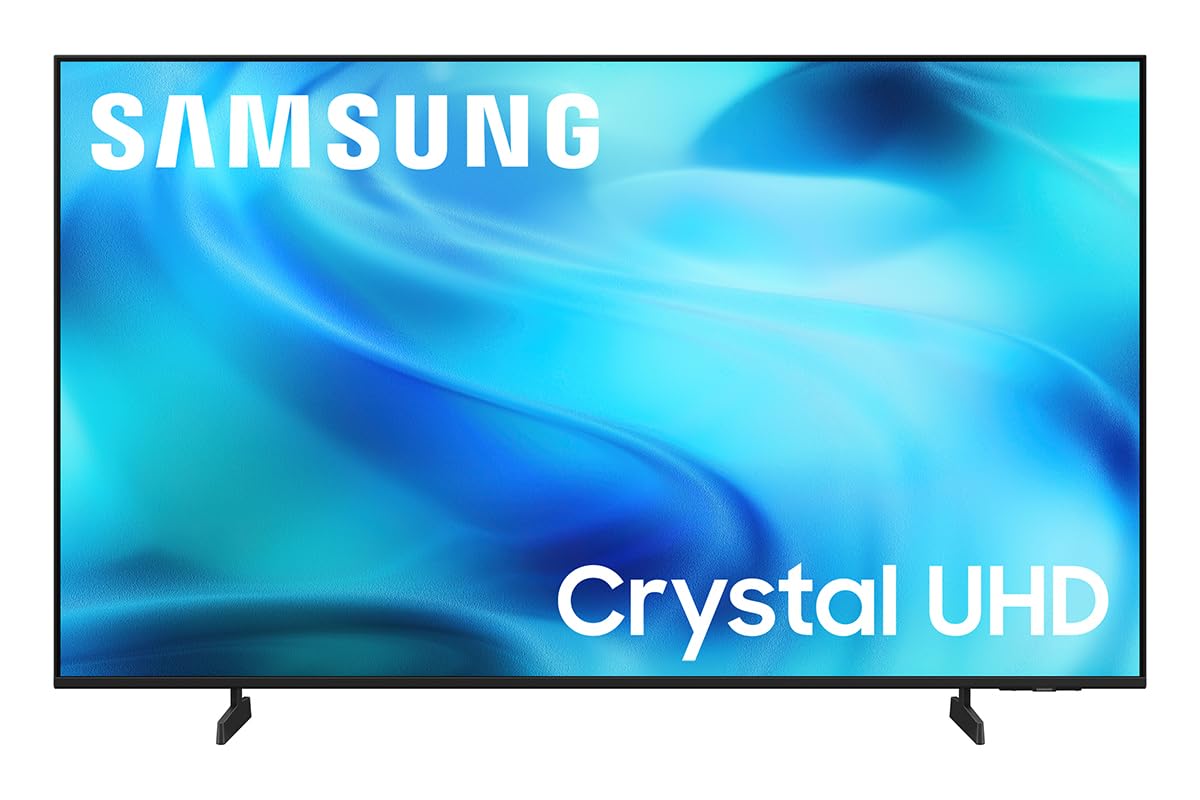
The Samsung U8000H is a budget-friendly 50-inch LED TV that punches above its price point with the Crystal Processor, which enhances colors and sharpens details for a vibrant 4K experience. The Motion Xcelerator technology estimates and adjusts frame transitions in real time to deliver smooth motion at up to 4K 60Hz, making it suitable for casual gaming and sports viewing. Color Booster adds intensity to reds, blues, and other core colors, while 4K upscaling improves lower-resolution content.
Samsung TV Plus provides 2,700+ free streaming options including 750+ subscription-free channels, making this a strong option for cord-cutters who want to minimize monthly costs. Setup is straightforward with the included remote control, and the hardware compatibility with Bluetooth 5.3, Ethernet, and multiple HDMI/USB ports ensures easy integration with external devices like soundbars and game consoles. The design is a standard black bezel that won’t win awards but blends into most entertainment centers.
The main caveat is that this is a 60Hz LED panel with edge-lit or direct-lit backlighting — you will see some blooming around bright objects in dark scenes, and black levels are typical for this price tier (grayish in dim lighting). The minimalist remote lacks number buttons and can be confusing for older adults. Setup requires an internet connection and Samsung account, which some users find frustrating. For a budget-friendly entry into 4K viewing with plenty of free content, this TV delivers solid value.
Why it’s great
- Crystal Processor delivers surprisingly vibrant color and sharpening for the price
- Access to 2,700+ free channels with no subscription required
- Motion Xcelerator improves motion clarity for sports and casual gaming
Good to know
- 60Hz LED panel with typical budget blooming and gray blacks
- Setup requires internet and Samsung account, frustrating for some
- Remote is minimalist and lacks number buttons for channel surfing
11. VLH 32″ Portable Smart TV with Android 15
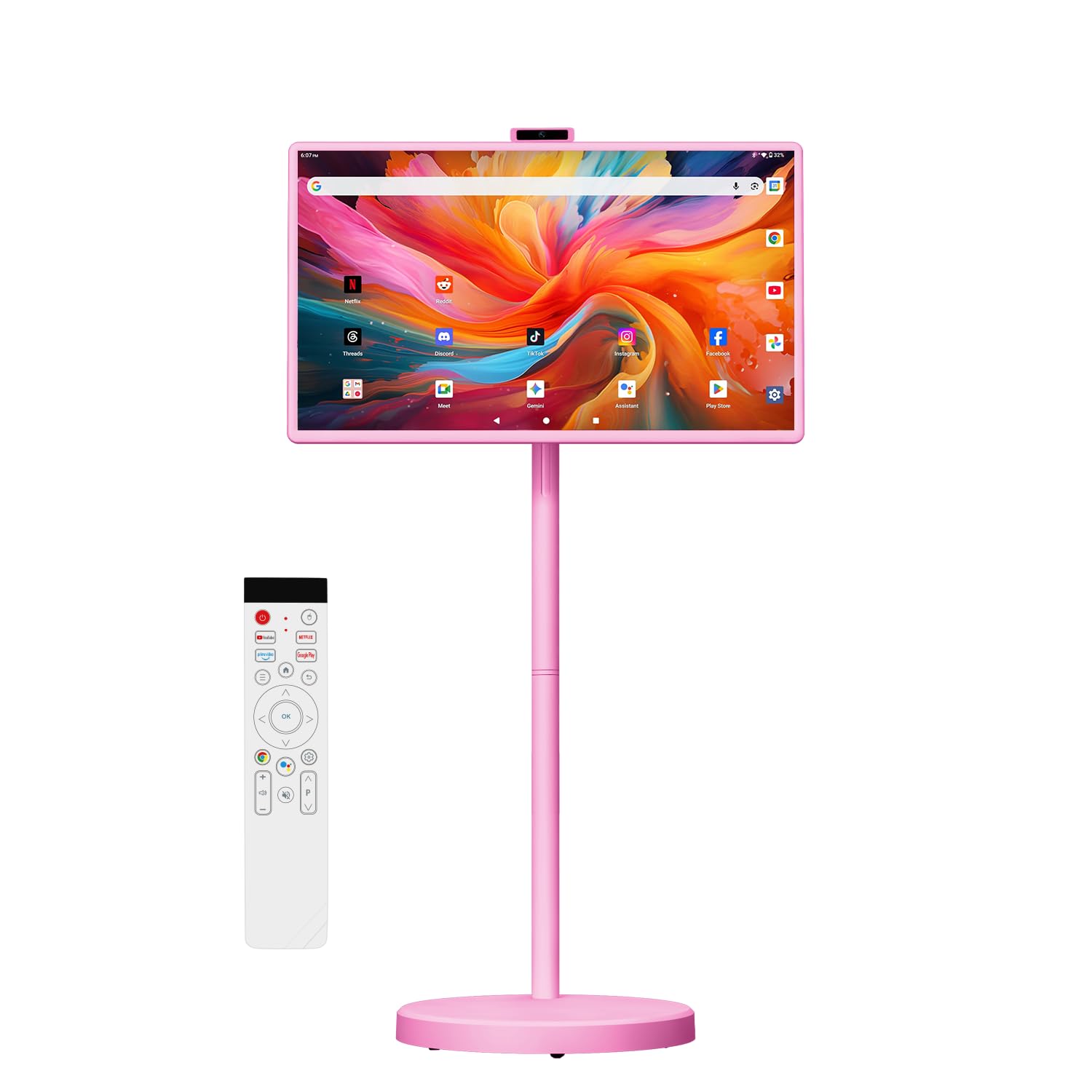
The VLH 32-inch Portable Smart TV is a fundamentally different product from every other TV on this list — it’s a battery-powered, wheeled, touchscreen Android TV designed for total mobility. The FHD 1080P touchscreen with 1200:1 contrast supports 8-bit color and works with the included Bluetooth remote and Google Assistant for hands-free control. The built-in 38,400mAh battery claims up to 10 hours of play time (real-world use reports around 3-4 hours of continuous use) and powers the TV without needing a wall outlet. The mobile rolling stand has five silent wheels and a 360-degree swivel screen.
The EDLA certification provides access to Google Play and secure download of major streaming apps like Netflix, YouTube, and Disney+. The device comes with 8GB of RAM and 128GB of internal storage, which is generous for a TV and allows smooth multitasking and app downloads. Wireless and wired casting support enables mirroring from phones, tablets, and laptops. The form factor makes it uniquely suited for sewing rooms, kitchens, classrooms, outdoor patios, or as a giant portable tablet for kids.
The trade-offs are significant: the 30Hz display refresh rate (despite listing claims of 60Hz in some places) makes motion look stuttery, color accuracy is poor, and the Bluetooth speaker output is adequate but not loud. Some users report that the device is not truly Google certified, preventing direct download of Disney+, Hulu, Peacock, and other apps from the Play Store (though installing via the browser as a web app works). For buyers who need a stationary home theater TV, this is not the solution. But for classrooms, offices, or anywhere you need a mobile touchscreen display, it’s a uniquely capable device.
Why it’s great
- Battery-powered with rolling stand for total portability around the home
- Touchscreen with 8GB RAM and 128GB storage for app-heavy multitasking
- EDLA-certified Android 15 provides access to Google Play and streaming apps
Good to know
- 30Hz display with poor motion handling; not for fast-moving content
- App compatibility issues reported; not all streaming apps available natively
- Battery life of 3-4 hours in real use, not the claimed 10 hours
FAQ
Is a 120Hz refresh rate worth it for someone who only watches movies and TV shows?
How does Mini-LED compare to OLED for bright room viewing?
What is the real-world difference between Google TV, Fire TV, and webOS for an Android user?
Final Thoughts: The Verdict
For most users, the best android smart tv winner is the Hisense 55″ U6 Pro Mini-LED because it delivers OLED-rivaling contrast and native 144Hz gaming at a mid-range price point without the burn-in or reflection issues of OLED. If you want the absolute best picture quality for a dedicated dark room home theater, grab the Sony BRAVIA 8 OLED for its reference-grade color accuracy and studio-calibrated modes. And for gamers who need a compact 48-inch OLED for desktop use with full HDMI 2.1 support, nothing beats the Samsung 48″ OLED S85H.