
That sharp, familiar twinge when your foot lands unevenly on a root or curb—every runner knows the dread of a weak or recovering ankle. A well-chosen ankle brace for running can mean the difference between finishing your mileage and spending weeks on the sidelines, yet most runners grab the first sleeve they see without knowing which compression profile, strap system, or shell stiffness actually matches their gait.
I’m Min — the co-founder and writer behind Gadgets Feed. My deep market research and specification analysis focuses on the engineering trade-offs in sports rehabilitation gear, from lace-up stabilizers to ultra-thin compression sleeves, so you buy the right level of protection for your specific ligament laxity or injury history..
The wrong brace can slip during a tempo run or create pressure points that lead to compensations elsewhere. This guide breaks down the seven top contenders to help you match support type, material thickness, and closure system to your unique foot shape and running surface. Finding the best ankle brace for running comes down to understanding how each design manages inversion, proprioception, and shoe compatibility.
How To Choose The Best Ankle Brace For Running
Runners put their ankles through thousands of impact cycles per mile, so a brace that works for a day at the office may fail completely on uneven pavement or a trail. You need to weigh compression type, closure mechanism, stabilizer rigidity, and material breathability against your specific foot strike pattern and injury history.
Lace-Up vs. Sleeve vs. Figure-Eight Strap
Pull-on compression sleeves provide even pressure and warmth but offer almost no resistance against lateral rolling (inversion). Lace-up designs, especially those with integrated figure-eight straps, actively restrict excessive ankle tilt while still permitting normal dorsiflexion. For runners with a history of grade 1 or grade 2 sprains, a lace-up with adjustable tension is the safer choice.
Removable Splints and Stabilizer Stiffness
Medial and lateral stabilizers add mechanical resistance to inversion and eversion. Lightweight aluminum or plastic splints provide moderate protection without the bulk of a full air cast. Runners returning from acute injury may need these stays in place, while those with chronic looseness often prefer to remove them for a more natural feel during daily training.
Low-Profile Fit and Shoe Compatibility
The brace’s thickness around the Achilles and heel directly determines whether your running shoe fits normally or feels cramped. Ultra-thin options around 1.5mm fit easily inside snug performance trainers, while padded lace-ups may require going up half a shoe size. Measure your ankle circumference and compare it to the brace sizing chart rather than relying on shoe size alone.
Quick Comparison
On smaller screens, swipe sideways to see the full table.
| Model | Category | Best For | Key Spec | Amazon |
|---|---|---|---|---|
| Med Spec ASO Ankle Stabilizer | Lace-Up | Chronic instability & post-sprain support | Figure-8 straps with CoolFlex padding | Amazon |
| DonJoy Stabilizing Speed Pro | Lace-Up | Fast application & high-intensity running | 800D nylon with speed-lace Velcro system | Amazon |
| Active Ankle AS1 Pro | Lace-Up | Volleyball & multi-directional sports | Speed-lacing eyelets with non-slip silicone sole | Amazon |
| Fitomo Ultra-Thin 1.5mm | Figure-Eight | Minimal bulk inside performance shoes | 1.5mm microfiber with visible air vents | Amazon |
| Fitomo Triple-Lock Quick Lace | Lace-Up | Versatile recovery & active use | Triple-Lock with removable side stabilizers | Amazon |
| AGPTEK Lace-Up Ankle Support | Lace-Up | Budget-friendly transitional support | Aluminum splints with cross-shoelace design | Amazon |
| Neo-G Ankle Compression Sleeve | Sleeve | Light compression & proprioceptive warmth | Multi-zone knit, 41g weight | Amazon |
In‑Depth Reviews
1. Med Spec ASO Ankle Stabilizer
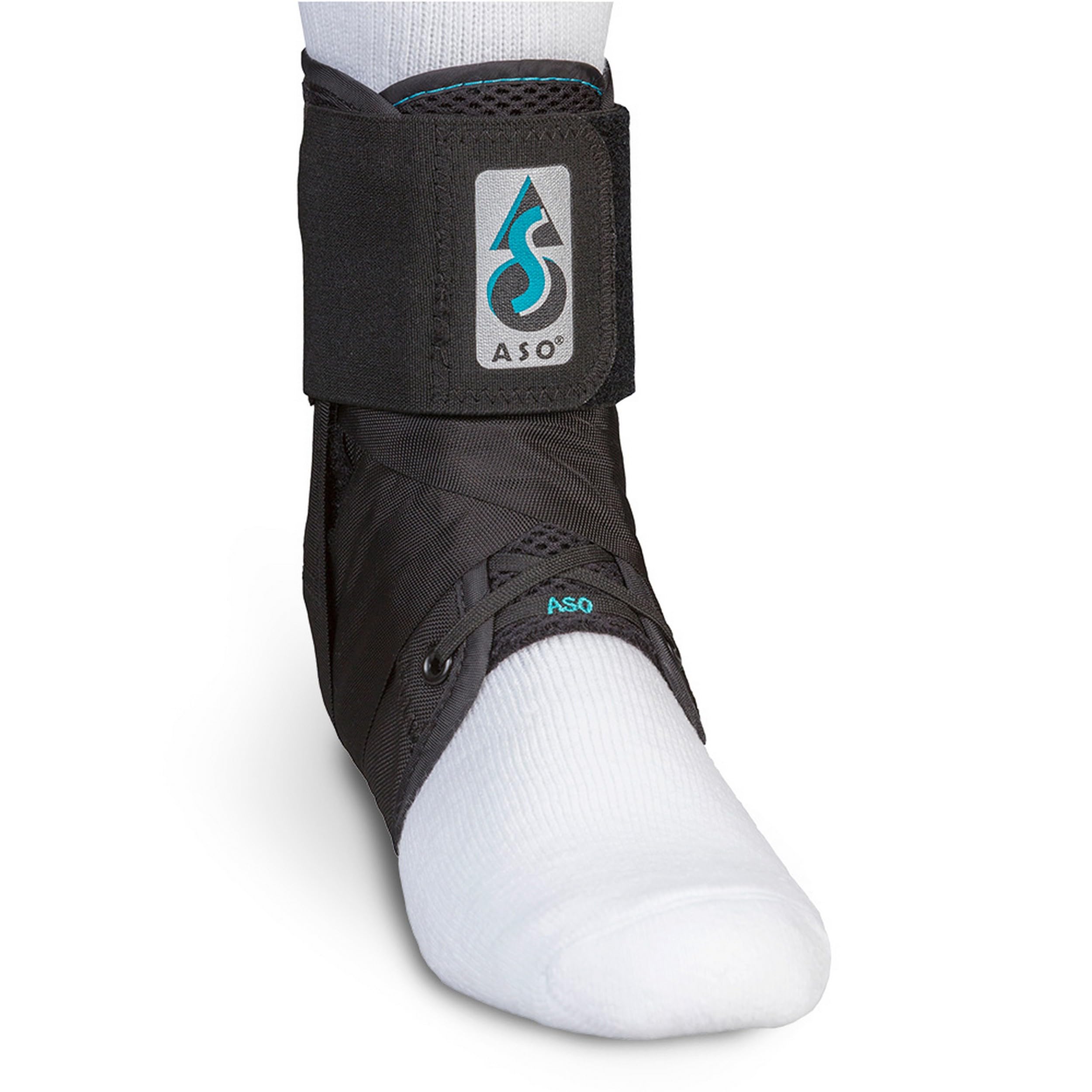
The Med Spec ASO has earned its reputation as the brace most recommended by athletic trainers and physical therapists. Its lace-up base cinches the foot securely, and the two figure-eight straps independently lock the heel and midfoot to resist inversion without completely immobilizing the ankle. The CoolFlex padding and durable nylon shell breathe well enough for long runs while resisting stretch after months of use.
Runners with chronic instability or peroneal tendonitis will appreciate how the bilateral fit works on either foot and how the strap tension can be adjusted mid-run if a section of trail gets technical. The 169-gram weight is noticeable but not burdensome, and the nylon tongue prevents irritation over the dorsum. The sizing guide should be followed closely—many users find the Small fits a women’s size 9 snugly, which is ideal for a locked-in feel.
The ASO fits inside most gym and running shoes, though slip-ons and very narrow trainers may require going up half a size. Some users note that the lace knot needs to be centered evenly to avoid a pressure spot, and wearing a thin cushioned sock is recommended for comfort. For runners seeking the gold standard in lace-up protection with proven clinical backing, this is the most balanced choice.
Why it’s great
- Figure-8 straps provide adjustable, targeted inversion control
- Breathable CoolFlex padding reduces heat buildup on long runs
- Bilateral design works on left or right ankle
Good to know
- Lace eyelets require careful centering to avoid hotspots
- Best worn with a thin sock for added cushion
2. DonJoy Stabilizing Speed Pro Ankle Support Brace

The DonJoy Speed Pro solves the biggest complaint about full lace-up braces: application time. Its speed-lace system uses two Velcro tabs that each gather four laces, allowing you to tighten the entire brace in about ten seconds. The 800D ballistic nylon shell and reinforced eyelet area handle high-mileage abuse without fraying, and the full circumferential elastic strap adds tibia-fibula compression that stabilizes the lower leg.
Removable articulated medial and lateral stays enhance proprioception—your brain gets better positional feedback from the joint, which helps prevent rolling before it happens. Runners transitioning from a CAM boot after a fracture or severe sprain find this brace provides the progression they need without the hassle of standard laces. The X-Large size accommodates bulkier ankles while the low-profile design still fits inside most trainers.
Some users report that the D-rings used for the figure-eight straps can create pressure points on the top of the foot, and the lacing stability strip may deform after several months of heavy use (40+ hours per week). The heel material can bunch slightly, and the brace runs warm in hot conditions. For runners who prioritize speed of application and robust durability, however, this is a top-tier choice.
Why it’s great
- Speed-lace Velcro system cuts application time to ~10 seconds
- Removable articulated stays enhance joint awareness
- 800D ballistic nylon resists wear from frequent use
Good to know
- D-rings can cause pressure points on the foot dorsum
- Heel material may bunch; brace runs warm during hot runs
3. Active Ankle AS1 Pro Lace Up Ankle Brace
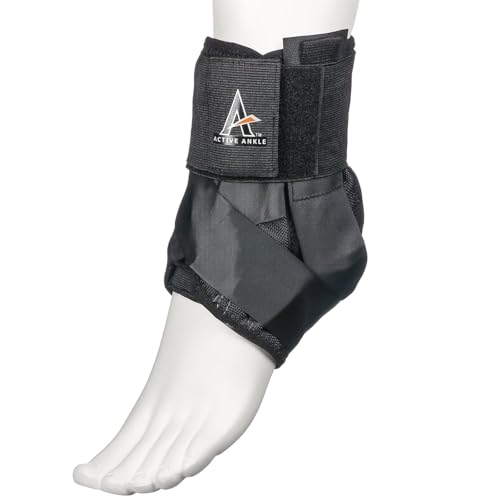
The Active Ankle AS1 Pro was designed by Cramer—a brand with deep roots in athletic training rooms. Its pro-fit shape removes excess material at the forefoot and widens the heel hole to reduce rubbing, making it one of the most comfortable lace-ups for multi-directional sports like basketball and volleyball, but its low-profile design translates well to running. The speed-lacing eyelets reduce hotspots, and reinforced laces resist fraying even after a full season.
Non-slip silicone printing on the sole keeps the brace from creeping up inside your shoe, a common frustration with lesser lace-ups. The non-stretch vertical straps imitate the basket-weave and heel-lock taping technique that trainers use, providing customizable resistance against inversion at varying tension levels. This brace is especially suited for runners with accessory navicular syndrome or mild peroneal subluxation who need targeted heel lock without the bulk of a full stabilizer.
The criss-cross figure-eight straps can loosen slightly over extended wear, requiring a mid-run retightening for peak performance. Some users with narrow heels find the heel cup still slightly roomy despite the wider opening. At 6.4 ounces, it is middleweight among lace-ups—noticeably lighter than the DonJoy Speed Pro but heavier than a compression sleeve. For runners who want trainer-tested taping mechanics in a ready-to-wear package, this is an excellent pick.
Why it’s great
- Silicone sole printing prevents brace slippage during runs
- Heel-lock strap design mimics athletic taping patterns
- Reinforced laces and eyelets hold up to multi-sport use
Good to know
- Figure-eight straps may loosen slightly during extended sessions
- Narrow-heeled runners may experience minor heel lift
4. Fitomo 1.5mm Ultra Thin Ankle Brace
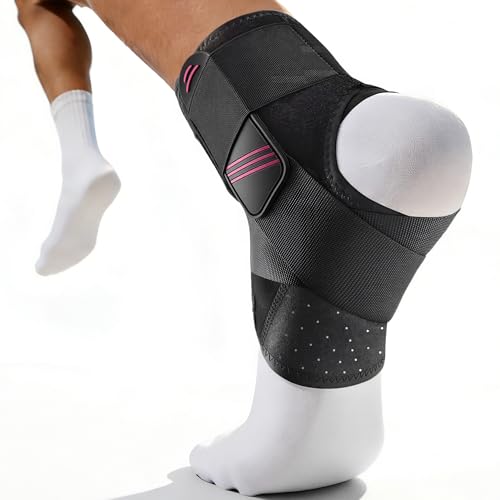
The Fitomo 1.5mm Ultra Thin brace solves the runner’s most common shoe-compatibility complaint: bulky braces that turn a snug trainer into a tight squeeze. At just 1.5mm thick, the microfiber fabric with visible air vents slips into low-cut running shoes without altering the fit. The three-layer system uses an inner silicone grip to prevent slippage, a figure-eight stabilizing strap for targeted inversion resistance, and a flexible support panel that doesn’t restrict plantarflexion during toe-off.
This brace is not designed for heavy inversion control after a grade 3 sprain—it shines for runners with mild instability or those who want proprioceptive feedback and light compression during daily training. The adjustable hook-and-loop strap allows micro-adjustments on the fly, and the ventilation grid does a respectable job of dissipating heat even during summer runs. The Small fits ankles measuring 9 to 10 inches in circumference, and the low-bulk design means it works with everything from trail runners to casual sneakers.
Some users find the application process slightly fiddly because the figure-eight strap requires precise placement for optimal effect, and those with very sweaty feet may still experience some moisture buildup despite the vents. The plastic components in the strap system feel less premium than the all-nylon construction of the Med Spec ASO. For runners who prioritize a barely-there feel inside their favorite shoes over maximum stability, this is the most invisible option available.
Why it’s great
- Ultra-thin 1.5mm build fits inside any running shoe without pressure
- Figure-eight strap offers customizable compression for mild instability
- Visible air vents improve breathability during warm-weather runs
Good to know
- Figure-eight placement requires careful positioning for best effect
- Not suitable for moderate to severe ankle sprain recovery
5. Fitomo Triple-Lock Quick Lace Up Ankle Brace
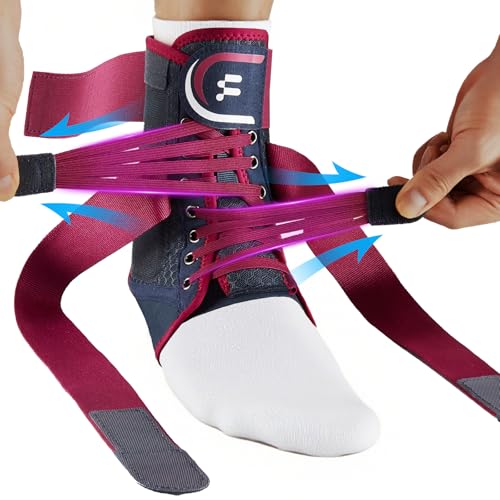
The Fitomo Triple-Lock system combines a top strap, dual removable side stabilizers, and cross straps to create a layered approach that works well for runners progressing through recovery. The hook-and-loop lace-up mechanism is faster than traditional laces but provides more adjustability than a pure pull-on sleeve. The removable lightweight splints add mechanical resistance when left in but can be taken out for a more flexible feel during daily wear or low-intensity jogs.
Runners who need a single brace for both recovery walks and active training will appreciate the versatility—the brace stays secure during basketball or long runs without needing constant readjustment, a common complaint with lesser lace-ups. The rose color option adds a bit of personality, and the polyester-nylon blend resists pilling after months of washing. The Medium size works well with thick winter socks, and the low-profile design fits comfortably inside most sneakers without forcing a shoe size change.
Some users note that the brace is sold as a single unit, and at this price point, a two-pack would be more economical for bilateral issues. The Velcro straps are robust—users report them holding strong after six months of daily use—but the figure-eight cross straps can feel slightly narrow on larger ankles. For runners seeking a do-it-all brace that transitions from rehab boot to trail run without swapping gear, this is a strong contender.
Why it’s great
- Removable side stabilizers allow flexibility between recovery and activity
- Triple-Lock design stays secure without constant readjustment
- Works with thick socks and fits inside most sneakers
Good to know
- Single brace only; a two-pack would offer better bilateral value
- Cross straps may feel narrow on larger ankle circumferences
6. AGPTEK Lace-Up Ankle Support
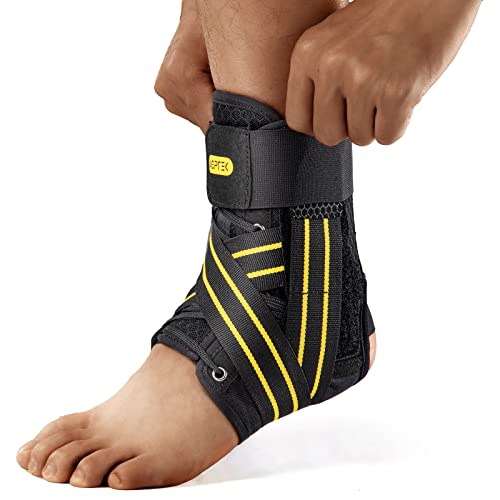
The AGPTEK brace introduces a cross-shoelace design that abandons traditional strap-only closures for a lace-up base with Velcro securing straps on top. This approach distributes tension more evenly across the dorsum than side-strap braces, reducing pressure points. The lightweight aluminum splints on both sides provide moderate inversion resistance without the weight of steel or thick plastic, making it a suitable transitional brace for runners coming off a low-grade sprain.
Users recovering from Achilles tendonitis, plantar fasciitis, or general ankle soreness report that the brace stabilizes the joint enough to allow pickleball and basketball play without worsening the injury. The yellow color option is highly visible, and the polyester-nylon blend stays breathable during moderate activity. The Medium size fits a women’s size 10W comfortably, and the two stabilizing straps on each side offer a decent range of tightness adjustment.
The brace runs slightly small—some users recommend sizing up if you have wide feet or plan to wear thick socks. The Velcro straps, while functional, may lose some grip after extended use compared to higher-end models like the Med Spec ASO. For runners on a tighter budget who still want the lateral support of removable splints and a true lace-up closure, the AGPTEK delivers solid value without feeling flimsy.
Why it’s great
- Cross-shoelace design distributes tension evenly across the foot
- Lightweight aluminum splints add inversion resistance
- Works well for multi-sport use from basketball to running
Good to know
- Runs small; consider sizing up for wide feet or thick socks
- Velcro may lose some grip after extended daily use
7. Neo-G Ankle Compression Sleeve

The Neo-G Compression Sleeve is the lightest option in this guide at just 41 grams, and its multi-zone knit pattern delivers gradient compression that helps with mild swelling and proprioceptive warmth. The polyamide, elastane, and polyurethane blend offers four-way stretch and moisture control for sweaty runs. It is registered as a Class 1 Medical Device, and Neo-G partners with the Chartered Society of Physiotherapy, lending clinical credibility to its construction.
This sleeve works best for runners who need light support for chronic instability or wish to maintain joint awareness during easy runs rather than resist acute inversion. The pull-on design requires no straps or buckles, making it ideal for quick transitions from warm-up to run. The Large size fits ankles 23 to 27 cm in circumference, and the breathable fabric helps manage moisture during intense intervals without causing chafing.
The sleeve offers virtually no lateral resistance—if you have a history of rolling your ankle, this alone will not prevent re-injury. Some users find the brim above the ankle fits too loosely on slender legs, which reduces the compression effect. Hand washing cold and air drying are required to maintain elasticity. For runners who want a barely-there sleeve for mild proprioceptive support and do not need inversion control, the Neo-G is a fine choice.
Why it’s great
- Extremely lightweight (41g) with multi-zone gradient compression
- Breathable, moisture-wicking fabric for intense runs
- Class 1 Medical Device with physiotherapy partnerships
Good to know
- Provides compression and warmth only; no inversion resistance
- Brim may feel loose on slender legs, reducing support
FAQ
Can I wear an ankle brace for running inside my regular running shoes without changing size?
Is a compression sleeve enough to prevent my ankle from rolling while trail running?
How tight should I lace an ankle brace for a long-distance run?
Final Thoughts: The Verdict
For most runners, the best ankle brace for running is the Med Spec ASO Ankle Stabilizer because its lace-up fit and figure-eight straps provide the most balanced combination of inversion control, breathability, and proven clinical support for both chronic instability and post-injury recovery. If you prioritize ultra-fast application and robust stays for high-mileage training, grab the DonJoy Stabilizing Speed Pro. And for runners who need a barely-there feel inside tight performance shoes and only require light proprioceptive support, nothing beats the Fitomo 1.5mm Ultra Thin.