
That sudden, sharp stab of pain when your ankle gives way during a simple step off a curb is more than just a scare — it’s a signal that your body’s natural stabilizers need backup. Finding the right brace means sifting through dozens of claims about straps, stabilizers, and compression levels to separate what actually prevents inversion and eversion injuries from what just feels snug.
I’m Min — the co-founder and writer behind Gadgets Feed. I’ve spent countless hours analyzing the technical specifications and real-user outcomes of orthopedic supports to identify which designs genuinely reduce lateral ankle roll while allowing natural gait mechanics.
Every day, thousands of people search for the best ankle support for weak ankles, hoping to find a brace that provides genuine stability without sacrificing comfort or shoe compatibility.
How To Choose The Best Ankle Support For Weak Ankles
Weak ankles require a support system that restricts excessive plantarflexion, inversion, and eversion without cutting off circulation or making your shoe unwearable. The most effective designs combine mechanical strapping with targeted compression around the tibia, fibula, and calcaneus.
Lace-Up vs. Pull-On Compression Sleeves
Lace-up braces, such as the Med Spec ASO or Mueller Sports, wrap the ankle like a boot and allow micro-adjustments in tension across the dorsum. Compression sleeves like the ZOELION rely on the fabric’s tensile strength alone. For ankles that feel “loose” or have a history of multiple sprains, lace-up mechanisms provide the superior resistance against lateral rolling.
The Role of Removable Side Stabilizers
Braces like the Fitomo and DonJoy Stabilizing PRO incorporate articulated medial-lateral stays made of rigid plastic or ballistic nylon. These are the primary line of defense against inversion injury. If you are recovering from a Grade 2 or 3 sprain, seek a brace with removable stabilizers so you can phase down to a more flexible design as your proprioception recovers.
Figure-8 Strapping Systems
An additional strap that wraps around the heel, under the arch, and crosses back over the instep provides the closest approximation to athletic taping. This figure-8 configuration specifically targets the calcaneofibular ligament — the structure most commonly damaged in “weak ankle” scenarios. The Neo-G and Fitomo rely heavily on this design for their stability profile.
Quick Comparison
On smaller screens, swipe sideways to see the full table.
| Model | Category | Best For | Key Spec | Amazon |
|---|---|---|---|---|
| Med Spec ASO | Lace-Up | Sport & Recovery | Figure-8 straps + CoolFlex padding | Amazon |
| DonJoy Stabilizing PRO | Lace-Up | Chronic Instability | 800D ballistic nylon + articulated stays | Amazon |
| Mueller Sports | Speed Lace | Thin/Small Ankles | Speed lacing system + figure-8 strap | Amazon |
| Fitomo TPU Stabilizer | Hybrid Lace | Triple-lock prevention | Removable side splints + figure-8 cross | Amazon |
| Neo-G Figure 8 | Neoprene Wrap | Arthritis & Warmth | Class 1 Medical Device | Amazon |
| DRwelland Side Stabilizer | Neoprene Strap | All-day comfort | Orthopedic surgeon design | Amazon |
| ZOELION 3D Knit | Compression Sleeve | Mild support + breathability | German PA66 fabric + fishnet strap | Amazon |
In‑Depth Reviews
1. Med Spec ASO Ankle Stabilizer
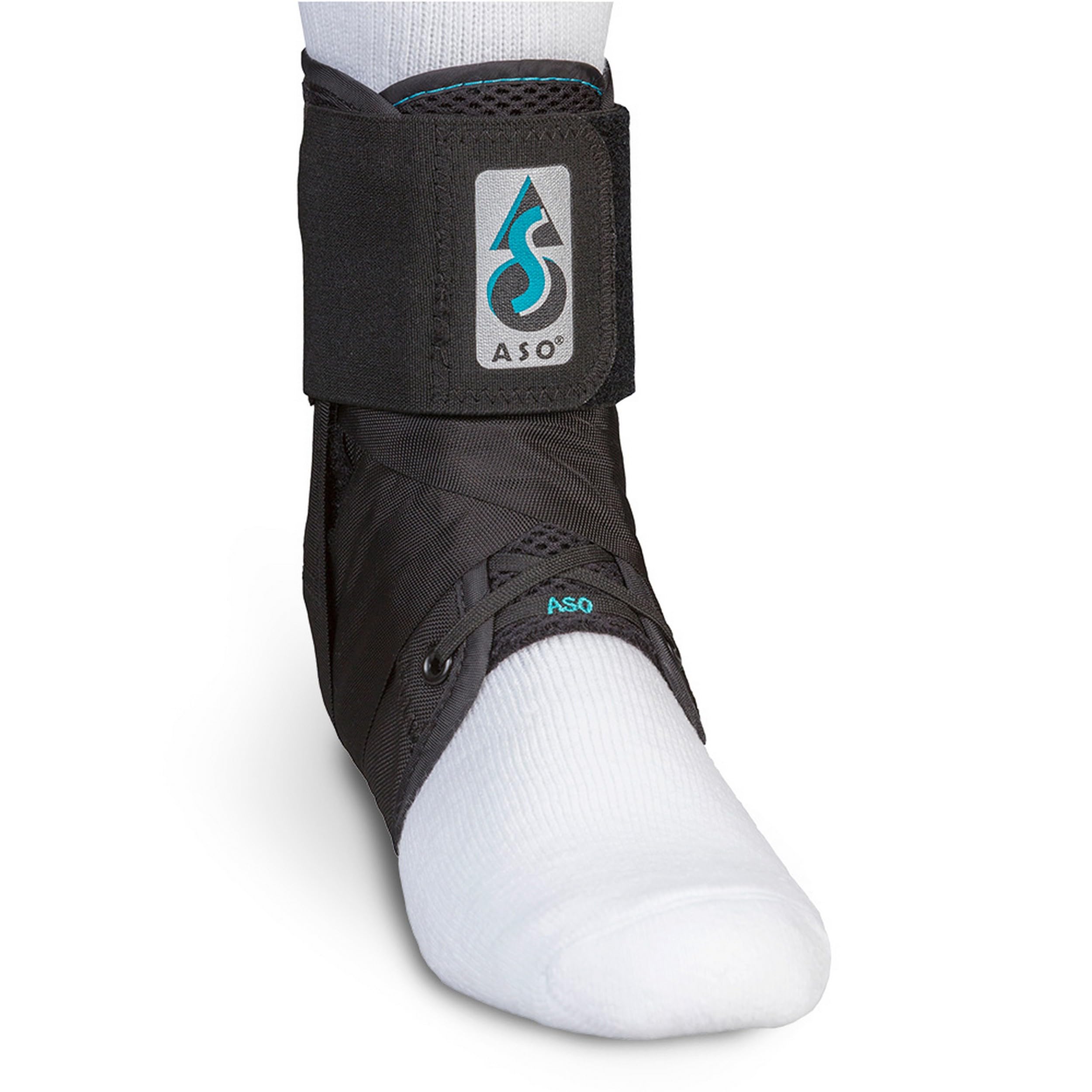
The Med Spec ASO is the gold standard for a reason: it combines a durable nylon lace-up shell with two figure-8 stabilization straps that directly counteract the motion that causes ankle rolling. The CoolFlex padding and breathable tongue keep your foot dry during extended wear, and the sewn-in lace center ensures even tension distribution along the dorsal line.
Weighing only 169 grams, this brace fits inside most athletic shoes without requiring you to size up. Its bilateral design works on either the left or right foot, and athletic trainers frequently recommend it for sports recovery from peroneal tendonitis and Grade 1-2 sprains. The laces are long enough to accommodate a snug fit, and the Velcro closure remains effective for years with proper care.
While the lace-up system takes about 30 seconds to adjust properly, users report that once set, the brace stays in place through full basketball games and runs. The only downsides are that it requires a cushioned sock to prevent skin irritation from the edge of the nylon, and some users find the lace length excessive for smaller feet.
Why it’s great
- Clinically trusted figure-8 straps prevent inversion
- Lightweight enough for basketball and running
- Breathable CoolFlex padding for all-day comfort
Good to know
- Cannot put on alone if you have a severe acute injury
- Laces are long — tuck ends or they may catch
2. DonJoy Stabilizing PRO Ankle Brace

The DonJoy Stabilizing PRO uses 800D ballistic nylon — the same material found in high-end tactical gear — combined with removable articulated medial and lateral stays that enhance proprioception. This brace is engineered for chronic ankle instability and posterior tibial tendon dysfunction, conditions where passive stability must compensate for ligamentous laxity.
A full circumferential elastic strap wraps around the upper ankle to provide tibia and fibula compression, which reduces herniation of the underlying tissue during dynamic movement.
This is a serious brace for serious conditions — it will likely require breaking in and fitting inside sneakers only. The laces and straps need re-adjustment as swelling fluctuates throughout the day, and the interior materials can fray the fabric lining of your shoe over time. A piece of duct tape on the heel cup contact area extends the life of your footwear.
Why it’s great
- Military-grade ballistic nylon for extreme durability
- Removable stays allow rehabilitation progression
- Compression elastic strap stabilizes tibia and fibula
Good to know
- Heel binding may cause discomfort in first week
- Only fits sneakers — not slip-on or dress shoes
3. Mueller Sports Ankle Support Brace

Mueller’s speed lacing system lets you cinch the laces quickly for a snug, comfortable fit, while the figure-8 strapping mimics athletic taping to provide adjustable compression around the calcaneofibular ligament. This brace is particularly well-suited for thin calves and ankles — the X-Small fits a size 7 women’s shoe accurately per the sizing chart, and the grip texture on the interior reduces slippage inside your shoe.
Users with bad ankles report the ability to perform pain-free low-impact exercise after switching to this brace, and those who wear it for 9-12 hours daily across three days report no discomfort — a strong signal for those who need day-long wear for chronic weakness. The breathable fabric reduces moisture build-up between the skin and brace, which is critical for preventing skin breakdown during all-day use.
One somewhat common issue is that the side straps can be about an inch too long relative to the Velcro pad, leaving some strap hanging loose. Additionally, the solid elastic piece at the bottom makes removal a bit challenging. Despite these quirks, its comfort-to-support ratio is among the best in the mid-range bracket.
Why it’s great
- Speed lacing saves adjustment time
- Excellent for thin ankles and smaller frames
- Grip texture prevents brace migration inside shoe
Good to know
- Side straps may have excess length past Velcro
- Solid bottom elastic piece can make removal difficult
4. Fitomo Ankle Brace with Quick Lace Up
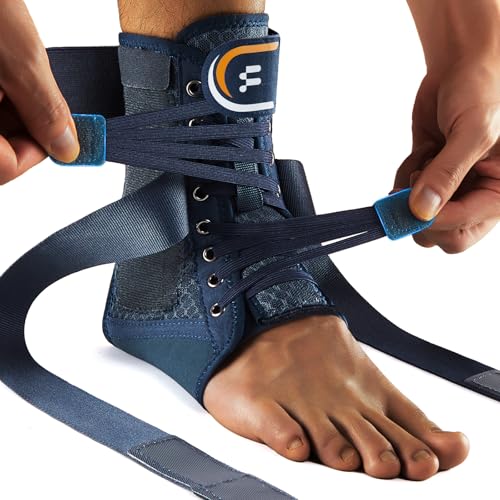
The Fitomo’s Triple-Lock system combines a top strap, dual removable side stabilizers, and figure-8 cross straps to create a robust anti-roll architecture. The side stabilizers are thin plastic inserts that can be removed when you need more flexibility for daily walking, transforming the brace from post-surgery protection to a comfortable support for casual wear.
Users transitioning from a CAM boot after a broken ankle find the Fitomo much easier to put on than previous braces, and it fits inside real sneakers without bulk. The hook-and-loop closures are strong — the brace has survived over six months of daily use without strap separation. Its low-profile design means you can wear it under pants without a visible bulge.
The only significant omission is that this comes as a single unit rather than a pair. For users who need bilateral support, two units are required. Some users with skinny ankles also note that even the small size feels slightly roomy, so it is advisable to wear a thick sock or size down if your ankle circumference falls between the charted sizes.
Why it’s great
- Triple-layer anti-roll system with removable stabilizers
- Fits inside most athletic shoes without bulk
- Durable Velcro straps last 6+ months daily use
Good to know
- Single brace per package — buy two for both ankles
- Sizing runs slightly large for very thin ankles
5. Neo-G Ankle Brace with Figure of 8 Strap

This is a Class 1 Medical Device that combines a thick neoprene construction with a figure-8 strap targeting eversion and inversion control. The neoprene traps body heat to warm the muscles and joints, which increases blood flow and reduces stiffness in arthritic ankles. The material feels like a sweatshirt — it’s comfortable against the skin and provides moderate compression evenly across the ankle complex.
Users with peroneal tendon injuries specifically praise this brace because the neoprene wraps do not dig into the malleolar tip — the bony protrusion that becomes hypersensitive after injury. The one-size-fits-most design relies on the figure-8 strap to cinch down for the right fit, but it may not accommodate very petite or large frames equally well.
The main trade-off is warmth: the neoprene makes your ankle noticeably warmer than a breathable knit or nylon brace, which is therapeutic for arthritis but can become uncomfortable during summer sports. Additionally, the thickness loosens the fit of tennis shoes somewhat, and it definitely won’t fit into dress shoes. After about 7 months of use, the blue fabric around the Velcro tabs can show wear, though the fastening remains functional.
Why it’s great
- Medical-grade Class 1 device registered internationally
- Neoprene heat therapy helps arthritic joints
- Does not aggravate peroneal tendon or malleolar tip
Good to know
- One size may not fit very small or very large ankles
- Neoprene warmth can be too hot for summer sports
6. DRwelland Ankle Brace with Side Stabilizers
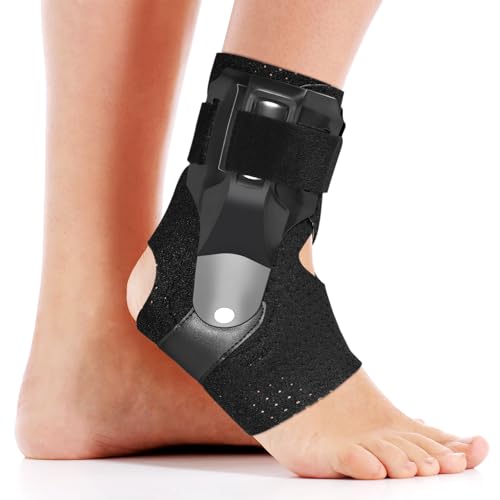
Designed by orthopedic surgeons and physical therapists, the DRwelland brace employs neoprene with side stabilizers that minimize ankle torque — a critical feature for those with a history of multiple sprains or partial ligament tears. The adjustable straps allow you to tune the compression level to match your specific ankle shape, and the soft fabric wraps the heel without putting pressure on the plantar fascia.
Users with tibial nerve injuries report that this brace prevents night-time ankle rolling during sleep, and parents of children with Downs Syndrome note that the brace is accepted without complaint — a strong indicator of comfort. It works equally well on either foot and is available in three sizes (S, M, L). The nylon material is breathable and moisture-wicking, helping to keep the skin cool during extended wear.
The plastic buckle components are the most reported failure point — several users mention needing a second brace after the buckle broke. If you need heavy daily use, consider this an entry-level option rather than a long-term solution. It fits well in Hoka and other wide-toe-box shoes but may be tight in narrow sneakers due to the neoprene thickness.
Why it’s great
- Orthopedic surgeon-designed for targeted stability
- Comfortable enough for all-day and overnight wear
- Breathable neoprene reduces skin moisture
Good to know
- Plastic buckle is the weakest structural component
- Neoprene thickness may be tight in narrow shoes
7. ZOELION 3D Knit Ankle Brace Compression Support
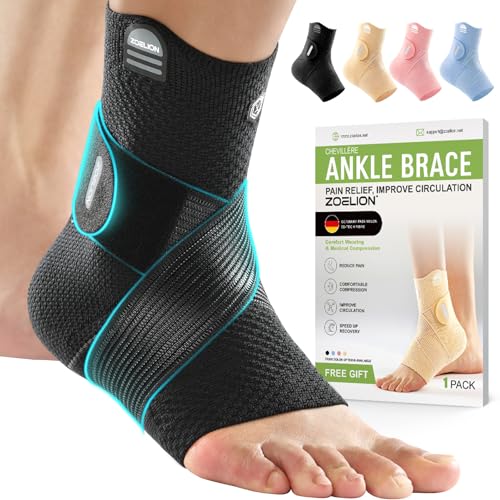
The ZOELION uses German-imported PA66 high-elastic fabric with 3D-tech weaving to deliver graduated compression across three zones: a gentle Comfort Zone on the instep, a supportive Pressure Zone over the arch and heel, and a flexible Pressure-Free Edge to prevent digging or sliding. This is not a lace-up brace — it is a high-performance compression sleeve with a removable fishnet X-strap that adds adjustable Achilles and arch support.
Users recovering from ankle fractures appreciate the seamless top of the sleeve, which prevents the tightness that traditional braces create at the calf. The fishnet strap is feather-slim and breathable, designed to fit inside shoes without making you size up. It’s ideal for plantar fasciitis and Achilles tendonitis where the primary need is targeted compression rather than rigid anti-roll stabilization.
Because this is a pull-on sleeve rather than a lace-up brace, it provides less lateral stability than the Med Spec or DonJoy options. Users with a history of inversion sprains should pair this with a more robust brace for sports. Sizing is critical — the 3D knit runs large, and most users recommend ordering one size down from your measurement to achieve the intended graduated compression.
Why it’s great
- German PA66 fabric with medical-grade graduated compression
- Removable fishnet strap provides adjustable support
- Seamless, non-roll design for all-day wear
Good to know
- Less lateral stability than lace-up braces
- Order one size down for proper compression fit
FAQ
Can I wear an ankle brace for weak ankles inside my regular sneakers?
How tight should an ankle brace be for chronic weakness?
Final Thoughts: The Verdict
For most users, the best ankle support for weak ankles winner is the Med Spec ASO Ankle Stabilizer because it combines lace-up adjustability with figure-8 strapping in a lightweight, breathable package that fits in athletic shoes and is trusted by physical therapists for chronic instability. If you want the most robust mechanical protection for chronic ligamentous laxity, grab the DonJoy Stabilizing PRO. And for everyday compression with maximum breathability and zero bulk, nothing beats the ZOELION 3D Knit.