
Our readers keep the lights on and my morning glass full of iced black tea. As an Amazon Associate, I earn from qualifying purchases.
Specs are compiled from manufacturer listings and verified buyer reviews and can change over time — please confirm the key details on the product page before buying.
Anthuriums hate sitting in soggy, compacted dirt. Their roots need air pockets and fast drainage to avoid rot and brown leaves, which is why the right potting mix matters more than any fertilizer. This guide breaks down the best blends for keeping your flamingo flower thriving indoors.
I’m Min — the founder and writer behind Gadgets Feed. This guide is built by comparing the manufacturers’ published specifications and the patterns across verified customer reviews, so you get each pick’s real strengths and trade-offs instead of marketing spin.
You’ll learn which chunky ingredients prevent root rot, how to match bag size to your pot count, and the key differences between aroids and standard soil. Here is how to choose the right anthurium potting mix for a healthy, blooming plant.
Our Picks at a Glance

How To Choose The Best Anthurium Potting Mix
Anthuriums are epiphytes, meaning they naturally grow on trees, not in dense ground soil. Their roots crave airflow and hate being waterlogged. The right mix mimics that tree-bark environment with chunky, fast-draining ingredients.
Chunky Texture Is Non-Negotiable
Look for visible pieces of pine bark, orchid bark, or coco husk. These create air pockets that let oxygen reach the roots and stop water from pooling at the bottom of the pot. A mix that is mostly fine dirt will compact quickly and suffocate the plant.
Drainage vs. Moisture Retention
Your mix needs both speed and balance. Perlite, pumice, and sand speed up drainage, while peat moss or coco coir holds enough moisture so the roots don’t dry out completely. The goal is soil that feels light and airy when you squeeze it, not dense and muddy.
Organic Additives for Long-Term Health
Worm castings and mycorrhizae feed the plant naturally over weeks, reducing how often you need fertilizer. Biochar is another bonus — it holds nutrients and encourages microbial life. These ingredients turn a simple mix into a living environment for your anthurium.
Quick Comparison
| Model | Best For | Volume | Key Ingredients | Base Material | Amazon |
|---|---|---|---|---|---|
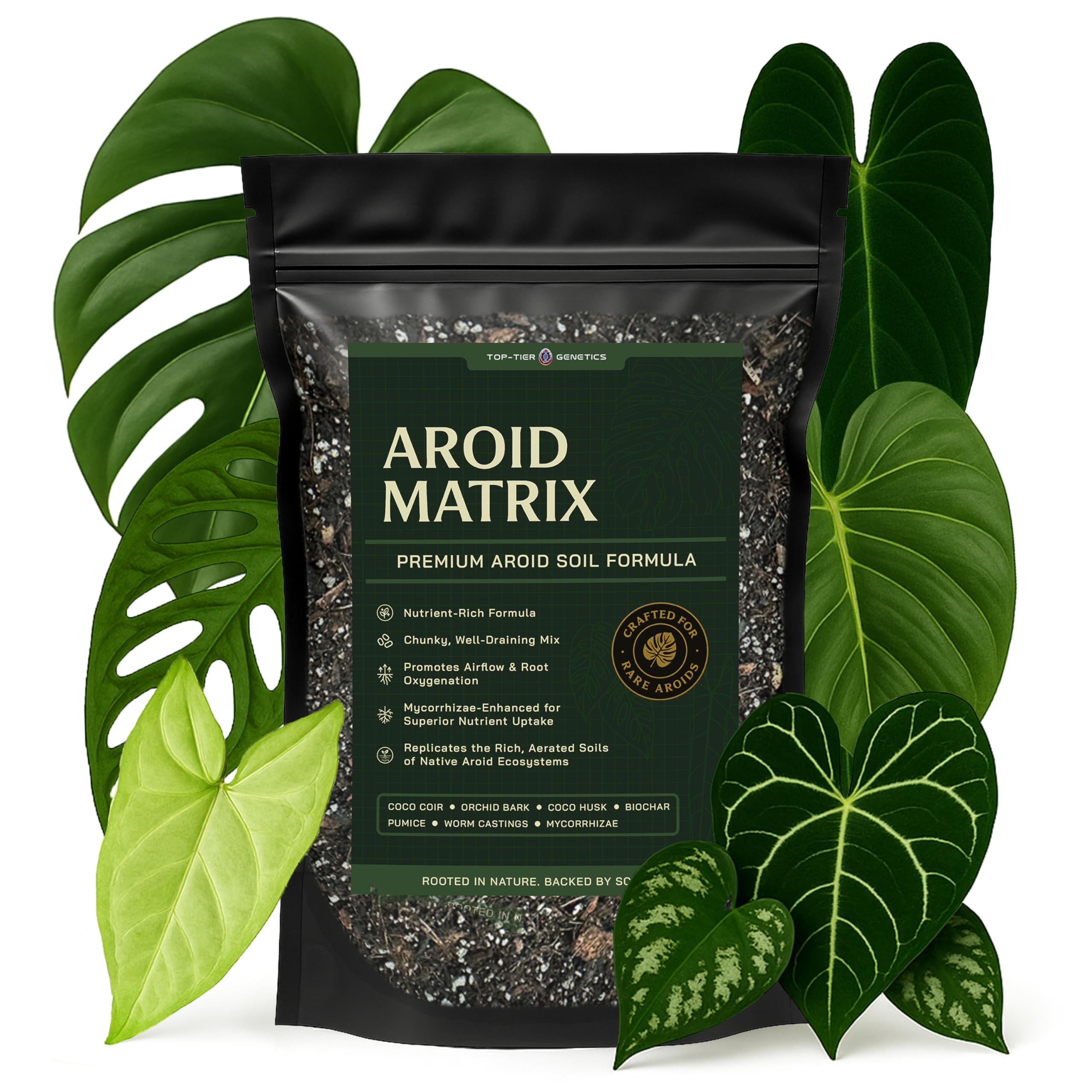
| Premium AROID Soil Blend★ Best Overall | High-nutrient growth | 64 Ounce | Orchid bark, worm castings | Biochar & Coco | Amazon |
| Anthurium Potting Soil (Gardenera)Small-Batch Pick | Small repots | 32 Ounce | Peat moss, bark, perlite | Peat & Bark | Amazon |
| Soil Sunrise Anthurium Mix | Fixing brown leaves | 4 Quarts | Pine bark, charcoal, perlite | Peat & Bark | Amazon |
| Doter All-Natural Potting Soil | Budget repotting | 2 qt | Pine bark, perlite, sand | Peat & Bark | Amazon |
| Craft Organic Houseplant Mix | Gnat prevention | 64 Ounce | Fir bark, lava rock, pumice | Peat-Free | Amazon |
| Rosy Soil Aroid Mix | Whole collection repots | 128 Ounce | Pine bark, pumice, biochar | Peat-Free | Amazon |
| Perfect Plants Aroid Soil | Large pot fills | 8 Quarts | Pine bark, charcoal, worm castings | Peat & Coco | Amazon |
In-Depth Reviews
1. Premium AROID Soil Blend
Our pick — over 4.5★ from 250+ verified ratings; the strongest balance of quality and price.
The crown jewel for serious aroid collectors who want explosive root growth without mixing their own soil.
This blend is formulated for aroids like Monstera and Anthurium, using orchids bark, coco husk, and pumice for drainage. The airy texture prevents compaction and root rot, while worm castings and mycorrhizae fuel vigorous growth. It’s ready to use straight out of the bag — no mixing required.
The 64-ounce bag holds exactly double the volume of the smaller Gardenera option, giving you more repots per purchase. Buyers report plants perking up within days of repotting, with explosive root growth and healthier foliage on their Anthuriums. As owners mention: “Within just a week she had grown so much its crazy.”
Why It Wins
- Chunky texture with orchid bark for maximum airflow
- Nutrient-rich with worm castings and mycorrhizae
- Consistent quality bag after bag, per owner feedback
Consider This
- Pricier than big-box options, but owners call it worth it for expensive plants
Reach for it if: your anthurium is a prized specimen and you want the most nutrient-dense, ready-to-use blend available.
Look elsewhere if: you only need a tiny amount for one small pot and don’t want leftover soil.
2. Anthurium Potting Soil (Gardenera)
A precise, small-quart blend for a single anthurium that encourages flowering, not just foliage.
This mix is hand-blended with Canadian peat moss, New Zealand bark, perlite, charcoal, sand, and lime. The combination promotes root development and vibrant blooms while improving drainage to prevent waterlogging. It’s premixed and ready to use, saving time for beginners.
Owners of flamingo flower anthuriums report new blooms shortly after repotting. As customers note: “I put it in this and it’s now in the process of having 2 new flowers.” The 32-ounce bag is compact, though some users found it small for larger projects — one reviewer mixed it into base soil for cucumber plants with excellent yields.
Perfect for: a plant owner repotting a single struggling anthurium who wants a precise, bloom-focused blend.
Watch for: the 1-quart volume — it’s half the size of the Premium AROID option, so big repots need multiple bags.
3. Soil Sunrise Anthurium Plant Potting Soil Mix
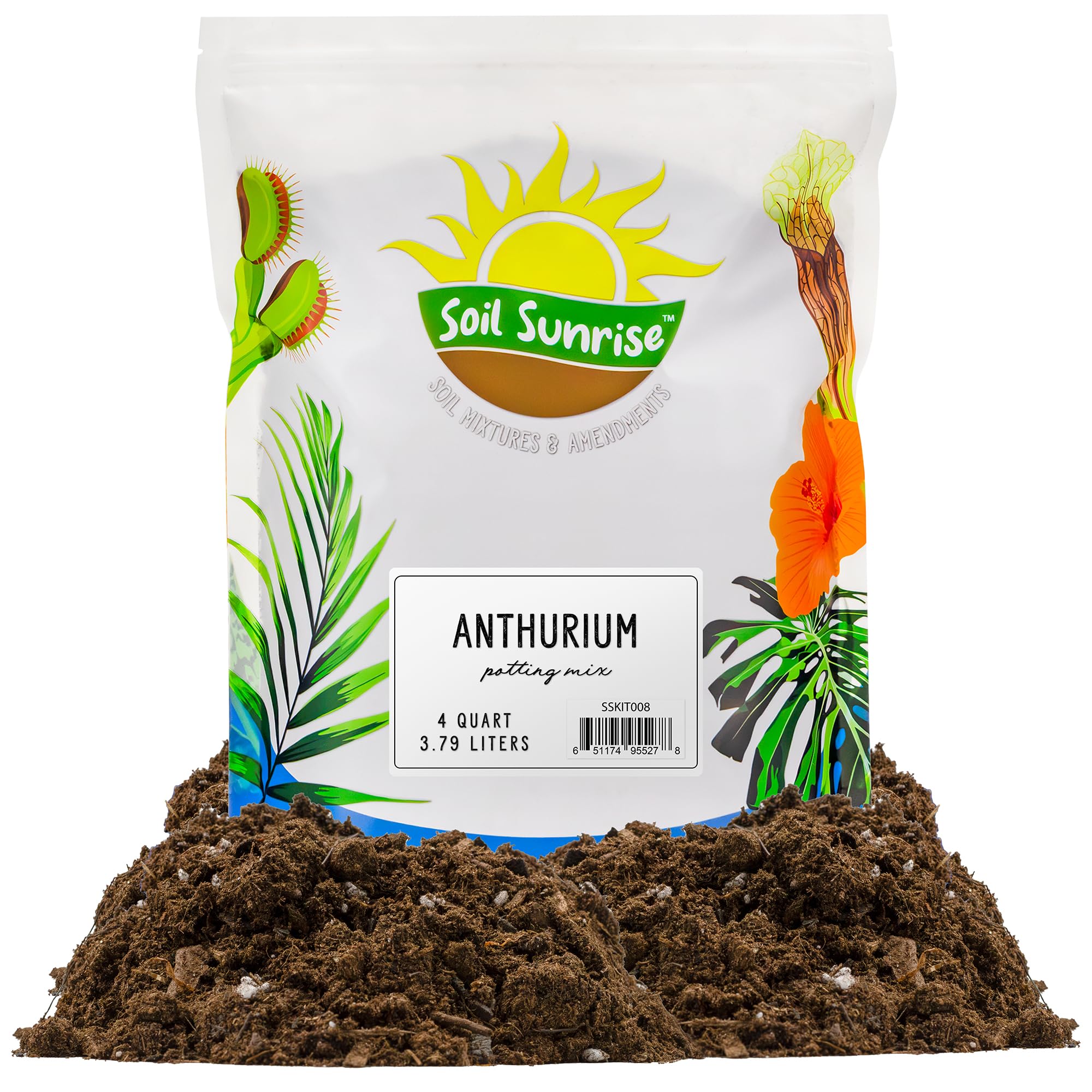
The hand-blended mix that stops brown leaves by fixing the core overwatering problem.
This 100% all-natural blend uses peat moss, pine bark, horticultural charcoal, perlite, sand, and lime. The 4-quart volume matches the Gardenera option’s size exactly but at a lower price point, making it a value pick for anthurium-specific repots. It offers quick drainage, nutrient retention, and reduced compaction.
The defining feedback revolves around curing brown leaves caused by soil staying too wet. As reviewers point out: “I switched to this soil and now all of our anthuriums are doing great and no more brown leaves.” The light, airy texture drains well, and one owner notes it works for other houseplants too, minus cactus, with added rocky amendments.
What Stands Out
- All-natural ingredients with no artificial additives
- Specially formulated for flowering anthuriums
- Light texture drains well, preventing brown leaf tips
Keep In Mind
- Some anthuriums with stocky root systems may need extra lava rock or pumice added
Choose it if: your anthurium has brown, soggy leaves and you want a natural fix that drains fast.
skip it if: your plant has very thick, orchid-like roots that demand even chunkier amendments.
4. Doter All-Natural Potting Soil

A budget 2qt bag that holds the perfect amount of water for small repots.
This specialty formula uses peat moss, pine bark, horticultural perlite, sand, and lime for rapid drainage. The pine bark and perlite structure prevents root rot while maintaining ideal moisture for epiphytic plants. Four size options are available, so you can match the bag to your container’s growth stage.
Owners of anthuriums and orchids report plants thriving after repotting with balanced water retention. One thing to flag: the 2qt bag runs smaller than expected — a few owners measured only about 2-3 cups. It’s a fine entry-level choice if you have one small anthurium, but larger plants need the bigger size.
Best for: beginners repotting a single young anthurium who want a simple, pour-and-plant mix.
Consider: the compact bag volume before buying — you may need the larger size option for established plants.
5. Craft Organic Houseplant Potting Mix
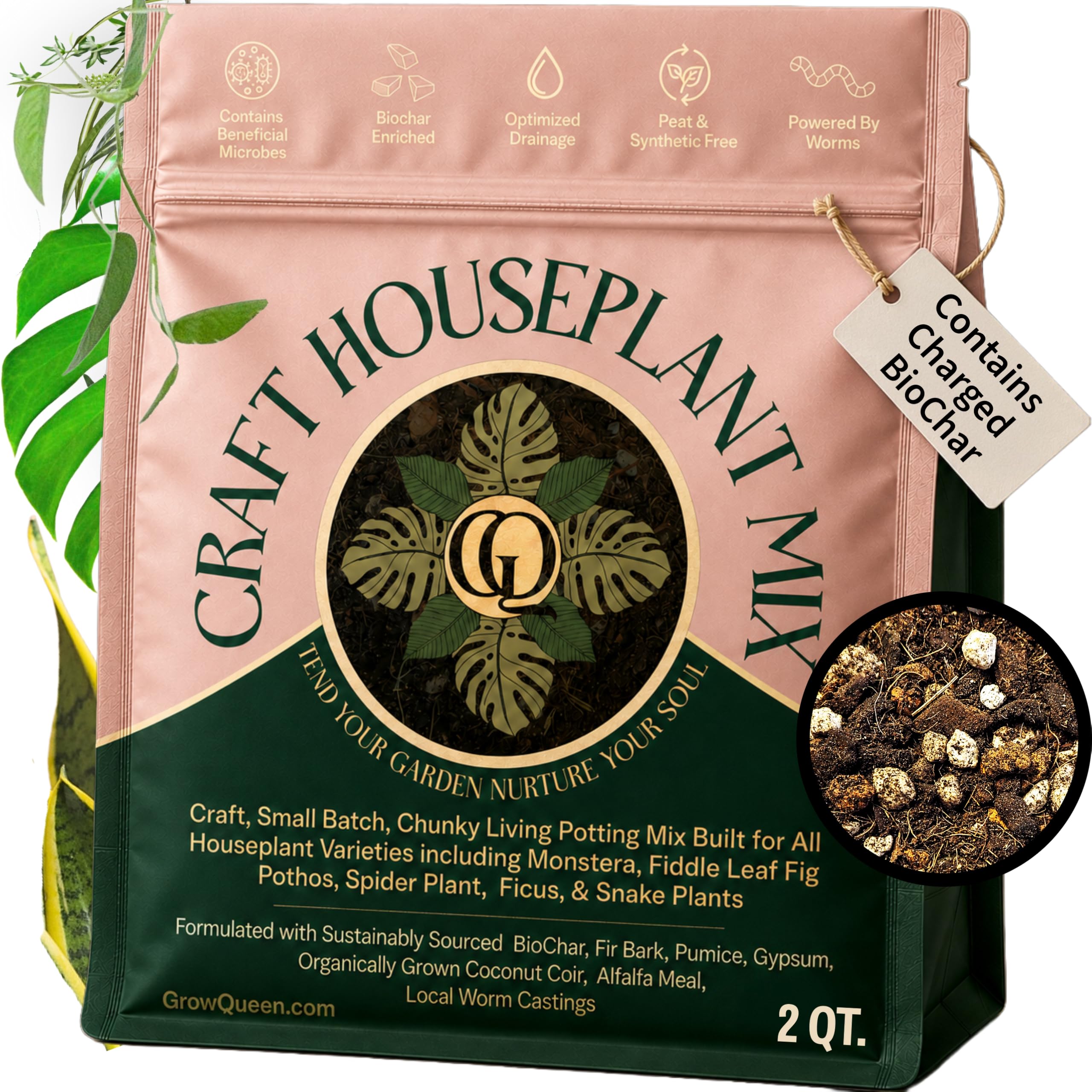
The chunky, peat-free blend that keeps fungus gnats away while roots breathe.
This mix skips peat and perlite entirely, using large Douglas fir bark fines, lava rock, and pumice instead. The chunky aroid texture enhances drainage and airflow, making it difficult to overwater. It arrives gently pre-moistened to reduce transplant shock, and it’s loaded with premium organic worm castings for steady nutrition.
Owners specifically praise how it eliminates fungus gnats while keeping moisture balanced. One grower noted their Pink Dragon Alocasia grew larger with fantastic roots, while a Monstera Thai Constellation unfolded new leaves without any bugs. The 64-ounce bag matches the Premium AROID volume, giving you a full two quarts of soil for repots.
Why It Appeals
- Peat-free and perlite-free — no dusty mess or floating white chunks
- Pre-moistened to reduce stress on fresh cuttings and new arrivals
- Dries evenly to keep fungus gnats away
Trade-Off
- Pricier than big-box mixes, though owners call the quality worth it
Pick this if: fungus gnats are a recurring problem in your indoor space and you want a sustainable, peat-free soil.
Pass on it if: you prefer traditional peat-based blends and don’t mind the gnat risk.
6. Rosy Soil Aroid Mix
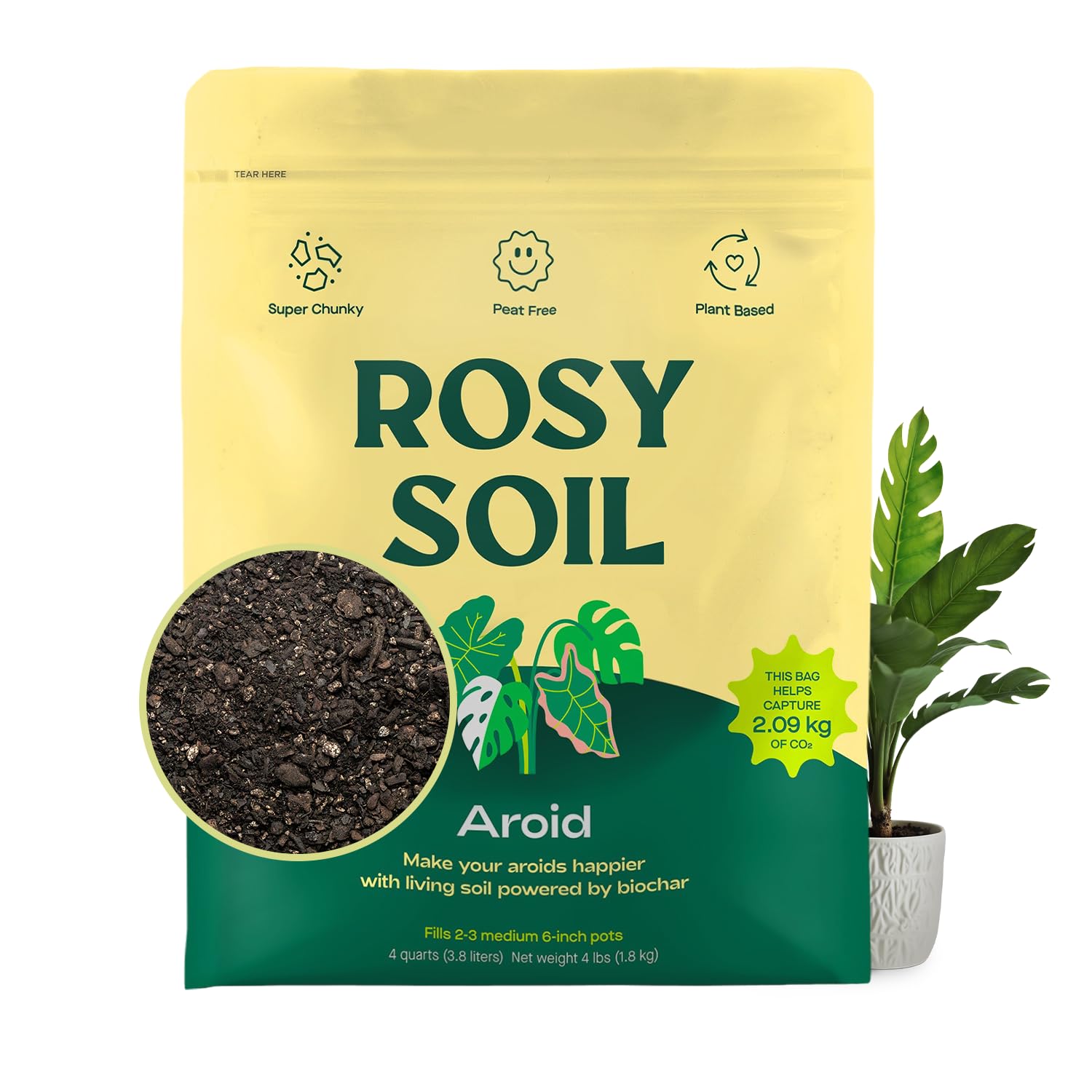
A 4-quart living soil with biochar that repotted 12 plants from 2-inch to 8-inch pots.
Rosy Soil uses pine bark fines, pumice, and biochar to create a well-draining aroid mix. It’s enriched with worm castings, mycorrhizae, compost, and horticultural biochar, making it a microbially active environment. The 128-ounce bag is the largest in this lineup at 4 quarts, filling 2-3 medium 6-inch pots per bag.
The peat-free, carbon-negative formula uses biochar and volcanic pumice instead of peat stripped from wetlands. Shoppers say zero gnats after switching and rapid new growth on monsteras. One grower repotted 12 plants across two bags and noted the chunky texture drains excellently, though the soil does dry out faster than denser mixes.
Ideal for: collectors repotting multiple aroids who want a sustainable, microbially active soil that handles a whole shelf.
Note: the fast-draining texture means you may need to water more frequently in dry environments.
7. Perfect Plants Aroid Potting Soil
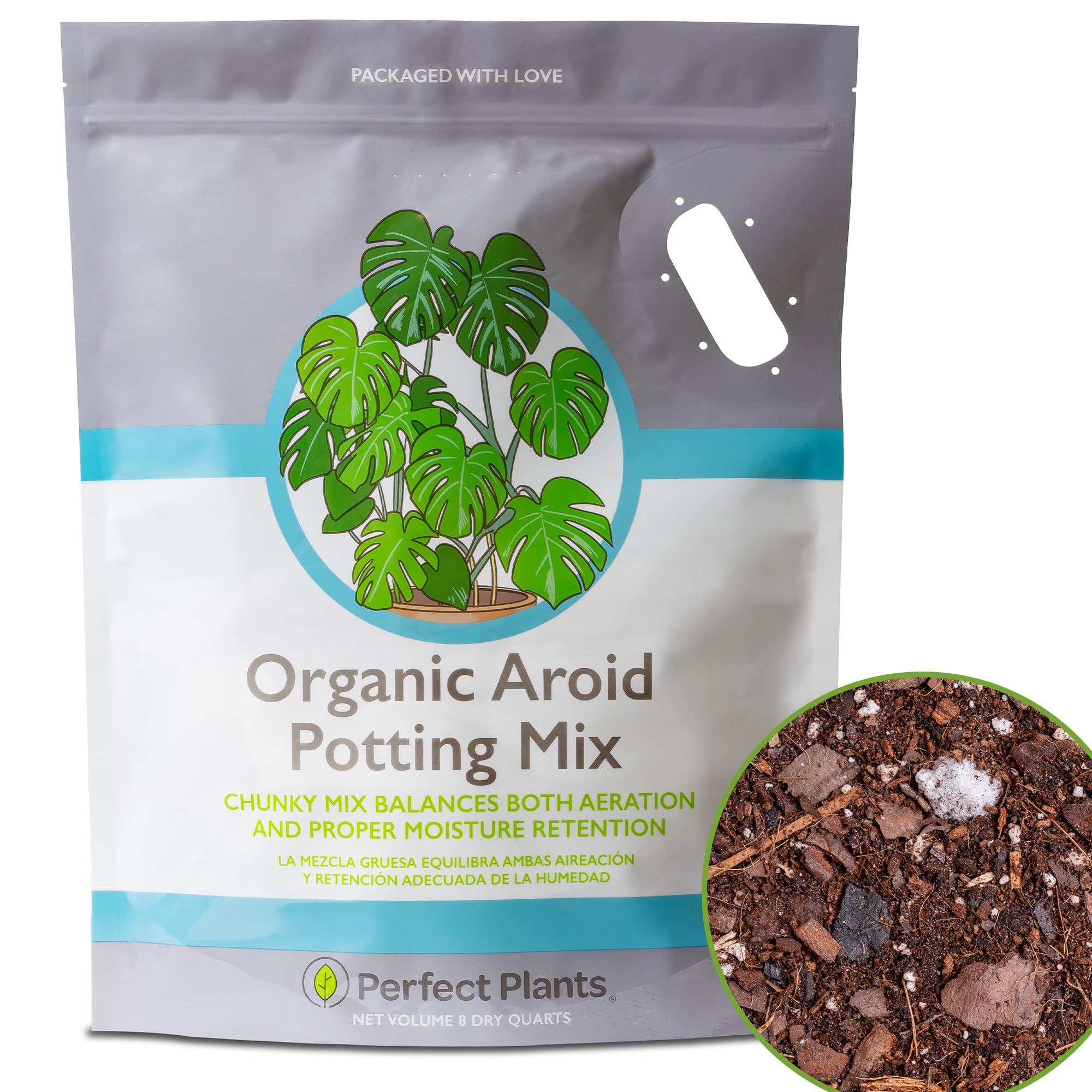
An 8-quart resealable bag that fills seven to eight 6-inch pots in one go.
This chunky aroid mix combines airy pine bark, perlite, charcoal, and worm castings. Peat moss and coconut coir bind it together while promoting long-lasting roots and nutrient access. The 8-quart volume is the largest here — double the Rosy Soil option — and the resealable bag stays fresh between uses.
Owners call it a perfect combo of chunky and fine particles, ideal for Monstera adansonii. It drains well while retaining enough moisture, and fresh plant imports showed rapid root growth within days. The generous bag size means you’ll have leftover soil for future repots, which buyers find well worth the money.
What You Get
- 8-quart bag fills seven to eight 6-inch pots or three to four 8-inch pots
- Chunky but not overly chunky, per owner feedback
- No chemical fertilizers — nutrients come from worm castings
The Catch
- Some owners find it pricey despite the large volume
Best for: plant owners with several aroids who want one big bag to cover multiple repots.
Think twice if: you only have one small anthurium — the 8-quart volume will leave a lot of leftover soil.
Understanding the Specs
Chunky Texture & Aeration
The visible bark pieces in aroid mixes create air pockets that let oxygen reach the roots. Look for pine bark, orchids bark, or coco husk as the first ingredients. These prevent soil compaction, which is the main cause of root rot in anthuriums.
Volume & Bag Size
Bag sizes range from 32 ounces to 8 quarts. A 64-ounce bag roughly covers 2-3 repots of small to mid-sized plants. If you own several aroids, a 4-quart or 8-quart bag saves you from buying soil repeatedly.
Drainage vs. Moisture Retention
Perlite, pumice, and sand speed up drainage, while peat moss or coco coir hold moisture. A balanced mix does both — it lets water flow through quickly but keeps roots slightly hydrated. Peat-free blends like the Craft Organic option dry out faster and need more frequent watering.
Organic Additives
Worm castings, mycorrhizae, and biochar feed the plant naturally over weeks. They reduce the need for liquid fertilizer and support a living soil environment. Biochar also holds nutrients and increases microbial activity for long-term soil health.
FAQ
Can I use regular potting soil for anthuriums?
How much soil do I need for one anthurium pot?
Why are my anthurium leaves turning brown?
What is the difference between peat-based and peat-free mixes?
Do I need to add fertilizer to anthurium potting mix?
Can I use aroid mix for other houseplants?
Is the Doter 2qt bag big enough for a mature anthurium?
Why does my soil have fungus gnats?
Final Thoughts: The Verdict
For most people, the anthurium potting mix winner is the Premium AROID Soil Blend because it pairs explosive growth with a ready-to-use chunky texture. If you want a gnat-free, sustainable option, grab the Craft Organic Houseplant Mix. And for repotting a whole collection at once, the Perfect Plants Aroid Soil delivers the most volume per bag.
How We Picked
We do not accept paid placement. Every pick is matched to a real buyer and a real use-case; we do not hands-on test units.
Sources & Methodology
Specifications: manufacturer listings and product documentation. Review insights: verified customer reviews, as of August 2026. Pricing: not shown on this page (it changes often); check the current price via the retailer link.
As an Amazon Associate, Gadgets Feed earns from qualifying purchases. This does not affect which products we feature.