
An apricot rose bush brings the warmth of sunset tones to your garden, delivering soft peach and amber blooms that shift in intensity as the season progresses. Whether you are covering a fence, filling a border, or planting a specimen pot, the right variety determines whether you get a single flush of flowers or non-stop color from spring through frost.
I’m Min — the co-founder and writer behind Gadgets Feed. I’ve spent many hours analyzing grower feedback, root-zone health reports, and bloom-cycle data to separate the truly vigorous varieties from those that ship as twigs with dead roots.
This guide cuts through the catalog hype to rank only the proven performers — from compact groundcovers to towering climbers — so you can confidently choose the best apricot rose bush for your specific zone and garden goal.
How To Choose The Best Apricot Rose Bush
Apricot roses range from soft peachy-cream to deep burnt orange, but color alone won’t keep your garden alive. The three factors below determine whether your bush thrives or struggles.
Own Root vs. Grafted
Own-root roses grow on their own root system, not grafted onto a different rootstock. They survive harder winters, recover faster after dieback, and live longer. Grafted roses may offer a brief vigor advantage in mild zones, but own-root is the safer bet for long-term performance.
Growth Habit: Compact, Shrub, or Climber
Drift roses stay under 2 feet — ideal for groundcover and small beds. Floribundas and Hybrid Tea bushes reach 3–6 feet and work as specimen plants or hedges. Climbing varieties like Joseph’s Coat hit 12 feet and need a trellis, wall, or arbor. Measure your space before picking.
Bloom Cycle and Fragrance
Continuous bloomers flower from late spring into fall with regular deadheading. Single-flush varieties bloom heavily once and stop. Fragrance intensity varies: Hybrid Teas tend to be the most aromatic, while Drift series are lightly scented. If you want cut flowers, choose a fragrant hybrid tea with stiff stems.
Quick Comparison
On smaller screens, swipe sideways to see the full table.
| Model | Category | Best For | Key Spec | Amazon |
|---|---|---|---|---|
| Apricot Candy Rose | Hybrid Tea | Fragrant cut flowers | 5–6 ft tall, own root | Amazon |
| Josephs Coat Climbing Rose | Climber | Walls and trellises | 12 ft tall, multi-color | Amazon |
| Rosa Apricot Drift | Groundcover | Small spaces, borders | 12–18 in tall, compact | Amazon |
| Just Joey Apricot Rose | Hybrid Tea | Gift-ready containers | 4 ft tall, strong fragrance | Amazon |
| French Lace Rose | Floribunda | Continuous border color | 2–3 ft tall, light apricot | Amazon |
| Peach Drift Rose | Groundcover | Budget-friendly beds | 18 in tall, zone 4–11 | Amazon |
| Sunbelt Plum Perfect | Floribunda | Heat-tolerant rebloom | 3×3 ft, own root | Amazon |
In‑Depth Reviews
1. Apricot Candy Rose
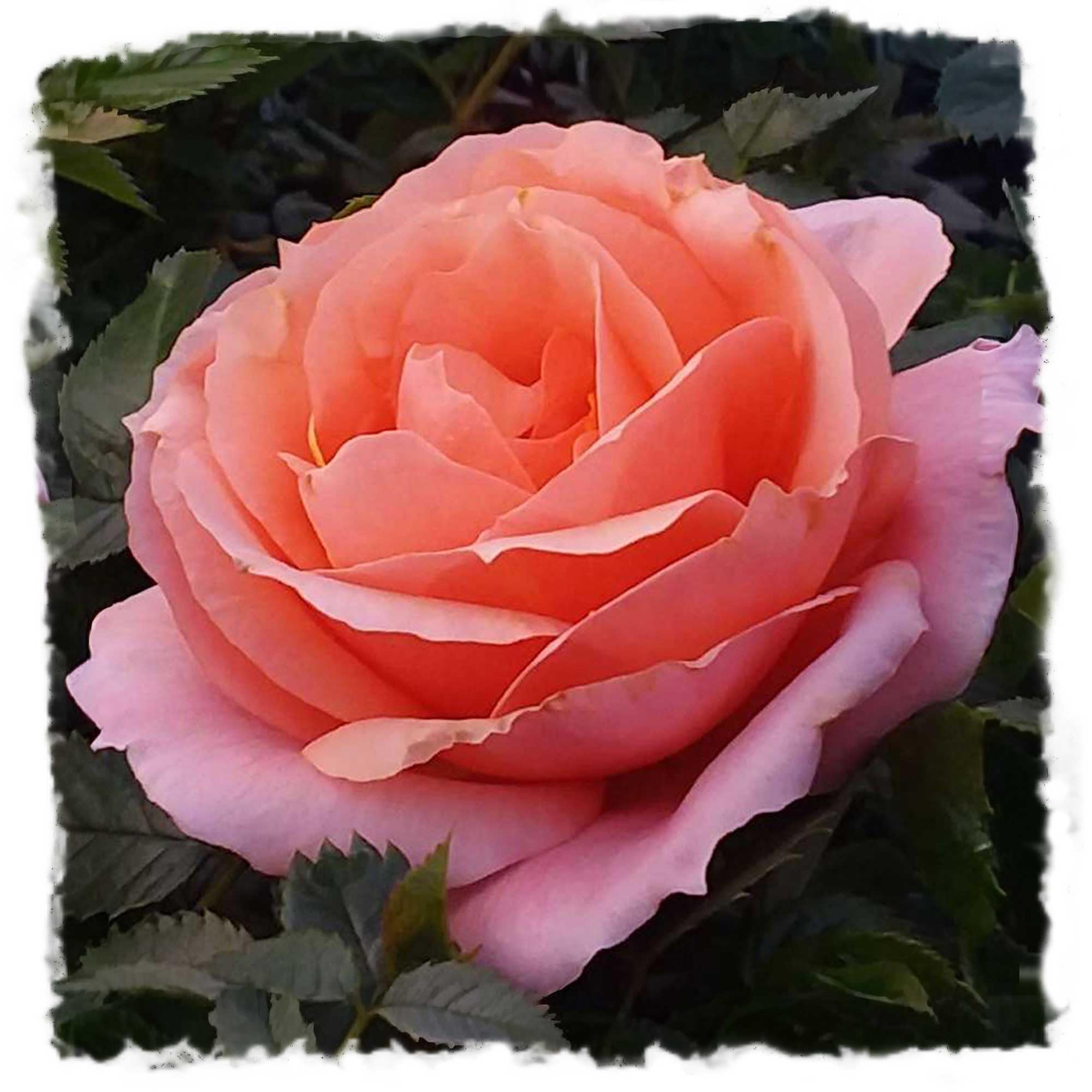
The Apricot Candy is a hybrid tea that hits every major requirement for the best apricot rose bush: intense fragrance, repeat blooms from spring through fall, and stiff stems ideal for cut flowers. It grows on its own roots, meaning it will outlast grafted varieties in zone 5 winters and bounce back strong each season. Mature size hits 5–6 feet tall and 3–4 feet wide — tall enough to anchor a bed but not overwhelming for a large container.
Buyers consistently praise the flower quality: apricot-orange blooms hold their color well without fading to cream too early. The peat pot includes fast-start fertilizer, so you don’t need to amend soil at planting time. A few customers noted the plant arrived small, but own-root roses often focus on root establishment first — expect a jump in size during the second growing season.
For anyone seeking a fragrant, high-impact centerpiece rose with reliable rebloom, this is the variety to beat. The combination of fragrance, own-root hardiness, and proven performance across zones 5–10 makes it the clear top choice.
Why it’s great
- Strong apricot fragrance — one of the most aromatic options available
- Own-root construction for superior winter hardiness and longevity
- Continuous bloom from spring through fall with stiff cut-flower stems
Good to know
- May ship partially dormant and small — size fills in during the second season
- Requires consistent watering in hot zones to maintain bloom production
2. Josephs Coat Climbing Rose
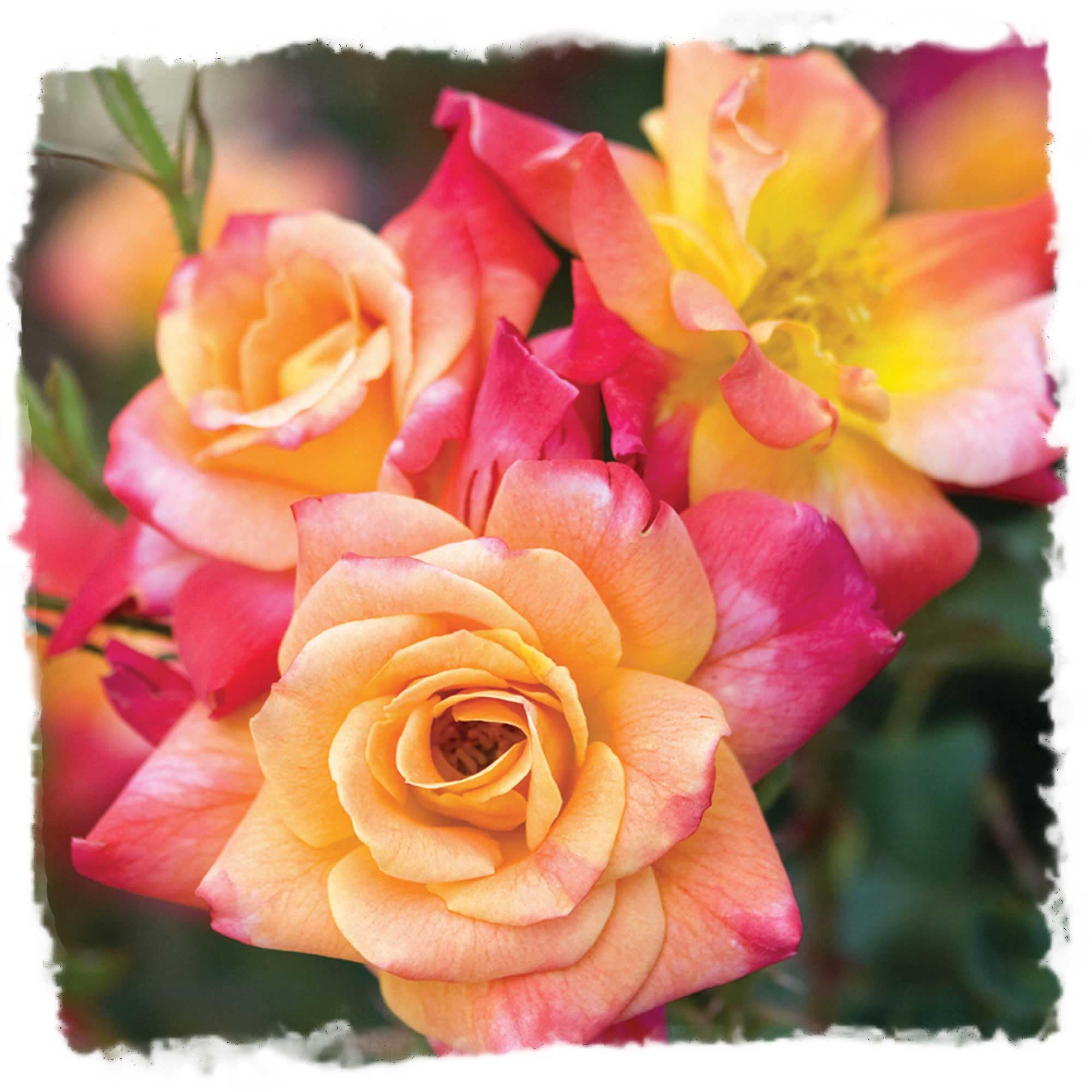
If you need to cover a wall, arch, or fence with apricot-toned flowers, the Josephs Coat climber is unmatched. It reaches 12 feet tall with a 10-foot spread, producing double blooms in apricot, pink, orange, and yellow — often with several colors on the same stem. It flowers in continuous waves from spring through fall, so you get months of shifting color instead of a single spring flush.
The fiber container ships with fast-start fertilizer already mixed in, which helps offset the stress of transplanting. Buyers report that the canes triple in size within two months of planting and produce their first flowers within two weeks. The variety is rated for zones 5–10 and tolerates heat well, though it needs regular watering during dry spells.
For gardeners with vertical space to fill, this is the most dramatic apricot-oriented climber available. Its multicolor display makes it a conversation piece, and the repeat bloom cycle keeps it active all season.
Why it’s great
- 12-foot height covers large structures quickly with vigorous growth
- Multicolor blooms (apricot, pink, orange, yellow) appear simultaneously on one plant
- Repeat flowering from spring through fall with proper care
Good to know
- Needs a sturdy trellis or arbor — canes are heavy at maturity
- Quality can vary between shipments; inspect upon arrival for healthy green canes
3. Rosa Apricot Drift

The Rosa Apricot Drift is the most reliable compact choice for small gardens, borders, and slope coverage. It stays low at 12–18 inches tall but spreads 2–3 feet wide, smothering weeds and softening bed edges. The double apricot flowers emerge in late spring and continue through early fall, fading from buttery yellow to creamy white as they age — a subtle color shift that adds depth.
Buyers in zones 4–8 report that these bushes survived harsh urban conditions including heat reflected from pavement, dog traffic, and competition from weeds. The dark green glossy foliage resists common rose diseases like black spot better than many larger varieties. A minor downside: some plants produce pink-tinted blooms rather than pure apricot, likely due to soil pH or cultivar variation.
At this size, you can plant three to four in a 4-foot bed for a full groundcover effect. It is also one of the few apricot roses that thrives in partial sun, making it flexible for less-than-ideal garden spots.
Why it’s great
- Extremely compact — perfect for small beds, slopes, and front borders
- Disease-resistant glossy foliage stays clean through humid summers
- Blooms reliably even with only 3–4 hours of direct sun
Good to know
- Some plants produce light pink tones instead of pure apricot
- Flowers are small (1–2 inches) — designed for mass effect, not cut arrangements
4. Just Joey Apricot Rose
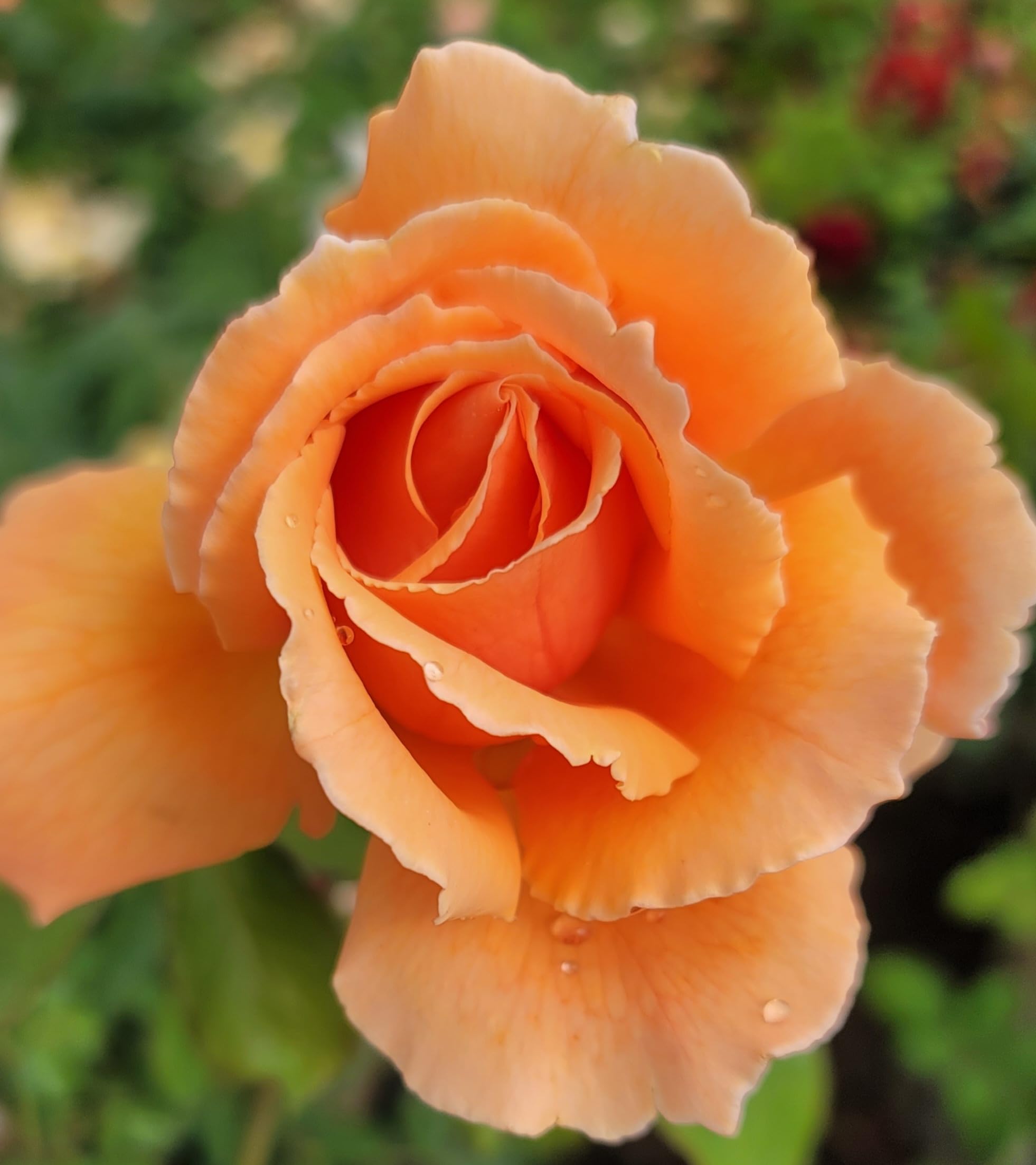
The Just Joey is a classic hybrid tea bred specifically for strong apricot color and a powerful fragrance that fills a room from a single vase. It grows 4 feet tall and 3 feet wide — slightly smaller than the Apricot Candy, making it a good fit for container growing on a patio or deck. Like all Ma Cherie own-root roses, it ships in a 2-quart pot that fills in quickly after transplant.
Buyers note that the plant often arrives leafless with trimmed canes — this is normal and not a sign of poor health. Check for green stems and healthy buds; the leaves emerge within two weeks. Once established, it blooms year-round in warm climates and reblooms reliably with deadheading. A few customers reported dead roots, so inspect the root ball immediately upon arrival.
This is the best choice if you are gifting or container-growing an apricot rose. The packaging is stylish, the fragrance is unmistakable, and the own-root construction ensures it will last for years in a large pot.
Why it’s great
- Strong, classic hybrid tea fragrance — excellent for cut flowers
- Own-root in a 2-quart pot for fast establishment and long life
- Year-round bloom potential in mild climates with proper care
Good to know
- Arrives leafless with trimmed canes — healthy buds are the real indicator
- Some shipments have had dead roots; inspect immediately and contact seller if needed
5. French Lace Rose

French Lace is a floribunda rose that produces clusters of white flowers with light apricot undertones and a mild fruity fragrance. Unlike hybrid teas that bloom one flower per stem, floribundas produce multiple blooms on each stalk for a fuller, more abundant display. It stays compact at 2–3 feet tall and wide, making it an excellent choice for the front of a mixed border or along a walkway.
This is the same Ma Cherie own-root format as the Just Joey, arriving in a 2-quart pot that needs careful handling upon transplant. Use mycorrhizal powder to reduce root shock, as the plant may appear sparse initially. Once established, it blooms from spring until the first frost and bounces back even after pest damage — one buyer reported recovery after rabbits ate the plant to the ground.
If you want a softer apricot palette with higher bloom density than a hybrid tea, French Lace delivers a continuous, delicate show that blends well with pink or white companions.
Why it’s great
- Floribunda cluster blooms provide higher flower density than hybrid teas
- Very compact — stays under 3 feet for tight border spaces
- Survives heavy pest damage and recovers quickly
Good to know
- Light apricot color is subtle — appears mostly white in many conditions
- Needs mycorrhizal treatment at planting to minimize transplant shock
6. Peach Drift Rose

The Peach Drift Rose is the most affordable entry into apricot-toned roses without sacrificing bloom quality. It reaches 18 inches tall and 24 inches wide, producing small double flowers in peach with yellow and light pink variation. It is rated for zones 4–11 — the widest hardiness range of any rose on this list — making it viable for almost the entire continental United States.
Buyers consistently praise the shipping condition: plants arrive with damp soil and intact blooms, often looking healthier than what they find at local nurseries. The brand Drift has excellent quality control, and the peach variety is one of their most vigorous performers. One customer in south Texas reported continuous bloom with only 3 hours of direct sun, which is exceptional for a rose.
If budget is your primary concern but you still want a proven apricot rose that blooms from spring through fall, this is the safest bet. It will not produce large cut flowers, but for mass planting or groundcover it delivers reliable, low-maintenance color.
Why it’s great
- Widest hardiness range (zones 4–11) of any apricot rose on this list
- Arrives in excellent condition with damp soil and intact blooms
- Blooms continuously even with very low direct sun exposure
Good to know
- Small flowers — not suitable for cut arrangements
- Some color variation toward pink or yellow depending on soil chemistry
7. Heirloom Sunbelt Plum Perfect
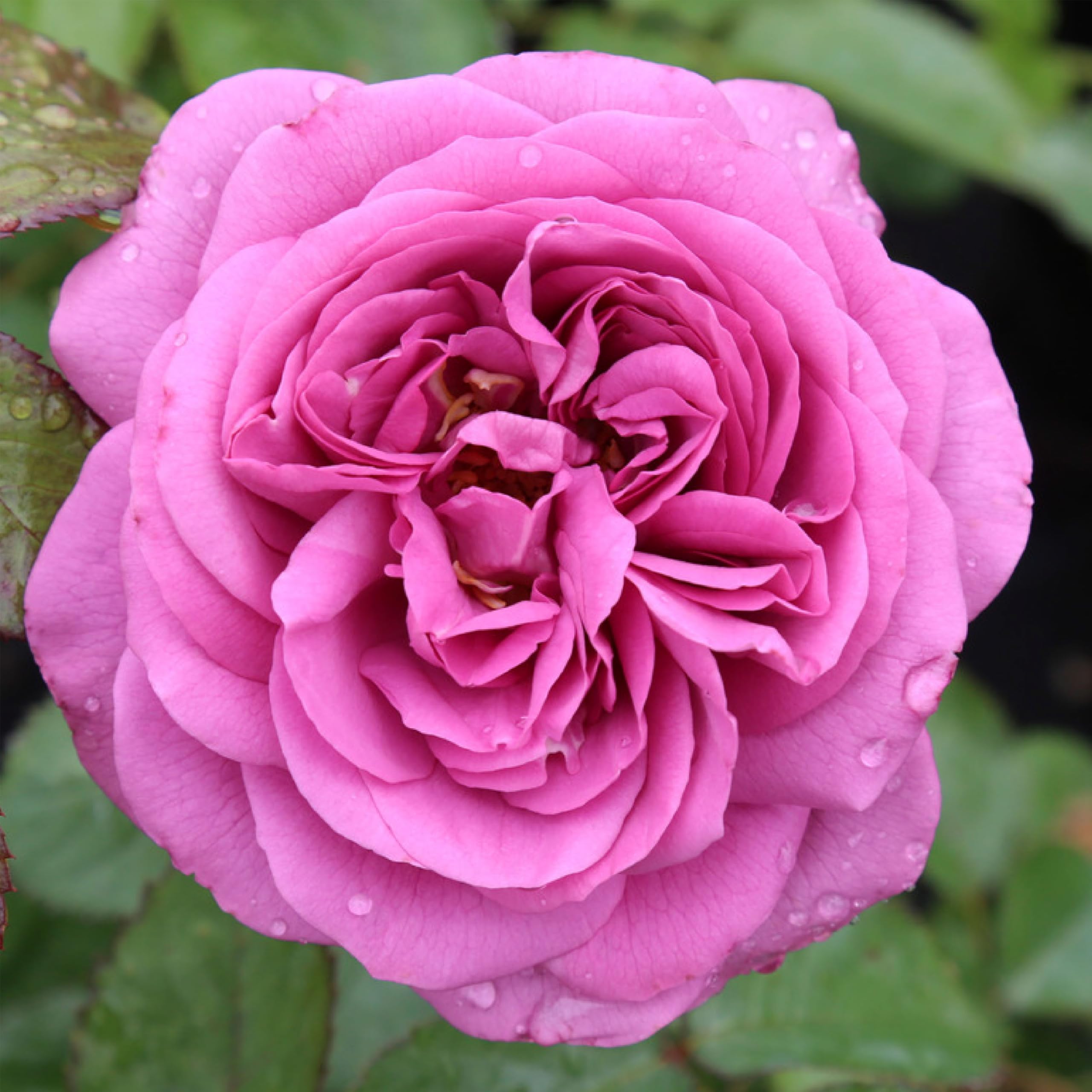
The Sunbelt Plum Perfect is a floribunda from Heirloom Roses bred to handle intense summer heat without dropping blooms. It produces clusters of fuchsia-apricot flowers with a light fragrance and grows to a neat 3×3 feet. The own-root construction ensures uniform performance, and the 12–15-inch starter plant in a 1-gallon container establishes quickly in the ground or a large pot.
Buyers report blooms within 30 days of planting, with strong root systems and healthy green foliage. The flower color tends toward vibrant fuchsia-pink rather than the deep purple shown in some product images, so adjust expectations accordingly. It is rated for zones 5–9 and performs best in full sun with moderate watering.
If you garden in a hot southern zone where many apricot roses scorch or stop blooming, the Sunbelt series is specifically designed to maintain flower production through the high heat of July and August.
Why it’s great
- Bred specifically for heat tolerance — blooms through hot summers
- Own-root in a 1-gallon container for strong establishment
- Quick to flower — buyers report blooms within 30 days of planting
Good to know
- Color leans fuchsia-pink, not deep purple as sometimes advertised
- Flowers are relatively small in the first season; size improves with maturity
FAQ
How many hours of sun does an apricot rose bush need each day?
What does “shipped dormant” mean for my rose bush?
Final Thoughts: The Verdict
For most users, the best apricot rose bush winner is the Apricot Candy Rose because it combines strong fragrance, own-root longevity, and continuous rebloom in a hybrid tea form that works as both a garden specimen and a cut-flower source. If you want a dramatic vertical display, grab the Josephs Coat Climbing Rose. And for a compact low-maintenance groundcover, nothing beats the Rosa Apricot Drift.