
Choosing the wrong substrate can turn a clear tank into a cloudy mess and stress bottom-dwelling fish like corydoras and loaches. The grain size, color, and chemical composition of the sand you pour in directly affect water quality, plant root growth, and whether your catfish can sift without scraping their barbels. A bag of cheap construction sand might save a few dollars upfront, but the constant clouding and trapped debris will cost you far more in filter media and water changes.
I’m Min — the co-founder and writer behind Gadgets Feed. I’ve spent hundreds of hours researching aquascaping substrates, analyzing grain uniformity, bacterial seeding claims, and real owner experiences across dozens of brands to build a guide that cuts through the marketing haze.
After cross-referencing grain diameter, rinse clarity, bag weight, and bio-activity for planted and community tanks, this guide delivers the definitive breakdown of the best aquarium fish tank sand for every setup and budget.
How To Choose The Best Aquarium Fish Tank Sand
Selecting the right sand goes beyond picking a color. You need to match the grain size to your fish species, decide between inert and active substrates, and account for how the sand behaves during the first water fill. The wrong choice means months of cloudy water or injured bottom dwellers.
Grain Size and Texture
The ideal grain range for most freshwater community tanks is 0.3 mm to 0.8 mm. Sand that is too fine (under 0.2 mm) stays suspended in the water column for hours and gets sucked into filter intakes. Sand that is too coarse (over 1.5 mm) traps waste between the particles and allows food to sink where fish cannot reach it. Bottom dwellers like corydoras require smooth-edged grains that won’t scrape their sensitive barbels during natural sifting behavior.
Bio-Activity vs. Inert Substrate
Standard decorative sand is inert — it sits in the tank and provides surface area for beneficial bacteria to colonize over several weeks. Bio-active sand, like the Aqua Natural Delta Sand, comes pre-seeded with live nitrifying bacteria that target ammonia immediately. This can collapse the cycling period from weeks to days, but you must never rinse it or the bacteria wash away. Inert sand requires a full cycle but gives you complete control over your water chemistry from day one.
Color and Light Reflection
Black sand creates a dramatic contrast that makes green plants and brightly colored fish like neon tetras pop visually. White sand reflects light upward, which can stress shy fish and promote algae growth on the glass. Natural beige and brown tones mimic riverbeds and wild biotopes, making fish feel more secure while hiding the visible debris that stands out against black or white backgrounds.
Quick Comparison
On smaller screens, swipe sideways to see the full table.
| Model | Category | Best For | Key Spec | Amazon |
|---|---|---|---|---|
| Seachem Fluorite Black Sand | Premium | Planted aquariums | 7.7 lb bag, very fine texture | Amazon |
| Aqua Natural Galaxy Sand | Premium | Dramatic black aquascapes | 20 lb, sparkling finish | Amazon |
| LANDEN Namale Aquarium Sand | Premium | Natural biotope tanks | 0.3–0.5 mm grain, 7 lb | Amazon |
| Imagitarium Black Aquarium Sand | Premium | Large tanks on a budget | 20 lb, matte black | Amazon |
| Aqua Natural Delta Sand Bio-Substrate | Mid-Range | Instant cycle setups | 5 lb, pre-seeded with bacteria | Amazon |
| Estes Aqua Sand | Mid-Range | Goldfish tanks | 5 lb, larger grain, white | Amazon |
| YISZM Aquarium Sand | Budget | Small tanks and crafts | 5 lb, beige, fine grain | Amazon |
In‑Depth Reviews
1. Seachem Fluorite Black Sand Substrate, 7.7lb

The Seachem Fluorite Black Sand is not just decorative — it is a porous substrate engineered specifically for rooted aquatic plants. Its extremely fine texture, which multiple owners describe as closer to a powder than traditional sand, creates an enormous surface area for root colonization while allowing plant roots to spread without compacting. This is the top-tier choice for anyone running a densely planted tank with species like cryptocorynes or dwarf sagittaria.
Beware of the rinse requirement. This sand is dusty out of the bag and demands aggressive washing in a bucket until the water runs mostly clear. Owners report that skipping this step results in a milky tank that takes days to settle. Once in place, the deep black color (it appears more gray-black in normal lighting) makes green plants and red cherry shrimp stand out dramatically.
Despite being sold as a 7.7 lb bag, the actual net weight is notably higher — several customers measured closer to 8.5 lb. For a 20-gallon tall tank, two bags provide a solid 2-inch depth. Bottom-dwellers like corydoras can safely sift because the grains, despite being extremely fine, do not have sharp edges. Just plan for a thorough pre-rinse session before setup.
Why it’s great
- Porous structure feeds aquatic plant roots directly
- Extremely fine grain creates natural riverbed feel
- Deep black color provides high contrast for fish and plants
Good to know
- Requires multiple rinses to remove dust before use
- So fine that careful handling is needed during water changes
2. Aqua Natural Galaxy Sand 20lb Substrate

The Aqua Natural Galaxy Sand is the visual anchor for any serious aquascape. Its fine black grains contain microscopic flecks that catch aquarium lighting and create a subtle shimmer, mimicking a starry riverbed without looking artificial. The 20 lb bag provides enough depth for a 40-gallon breeder tank at roughly 1.5 inches, making this one of the best values per pound in the premium tier.
Out of the bag, this sand is notably cleaner than many competitors. Owners consistently report that one or two quick rinses are sufficient, and the initial cloudiness from setup clears within hours when running a decent canister filter. The grain size is uniform enough to hold its shape for sloped aquascapes, which is essential when you want to create depth and contour in a planted layout.
Corydoras keepers will appreciate the smooth, rounded texture — multiple reviews confirm that bottom-dwellers sift through it without hesitation. The deep black color creates a dramatic backdrop for driftwood and seiryu stone, and the sand does not fade or leach tannins over time. If you want a showpiece tank with minimal rinsing effort, this is the sand to buy.
Why it’s great
- Sparkling shimmer adds depth without being tacky
- Uniform grain size holds contours for sloped scapes
- Minimal rinsing needed compared to other black sands
Good to know
- Some dust remains even after rinse — allow filter to clear
- Heavy bag at 20 lb — plan for carrying
3. LANDEN Namale Aquarium Sand 2L

The LANDEN Namale Sand excels at one thing that few other aquarium sands get right: it looks exactly like a wild riverbed. The natural tan color contains subtle variation in shade that avoids the monotony of single-dye products, and the grain diameter of 0.3–0.5 mm is the perfect balance for fine-leaved plants, shrimp grazing, and corydoras sifting. It is vacuum-packed to prevent moisture contamination during shipping.
Owners note that this sand is not fish-ready straight out of the bag. It has a distinct earthy smell that requires a thorough rinse cycle — one reviewer spent an hour washing in hot water followed by an overnight soak and a final 15-minute rinse. The effort pays off with crystal-clear water that remains stable through the first week. The pH is neutral and the sand is inert, so it will not swing your water chemistry like some active substrates.
The only catch is the price-per-pound is higher than bulk black sands, and the bag covers a 20-gallon high tank to roughly 1-inch depth with just one bag, so larger tanks will need two. The color is darker than the product listing photos show — think warm natural tan rather than light beige. For aquascapers chasing a blackwater biotope or Amazon river look, this sand is unmatched.
Why it’s great
- Grain size is ideal for shrimp, plants, and bottom dwellers
- Inert and pH neutral — no water chemistry surprises
- Natural color variation mimics wild riverbeds perfectly
Good to know
- Requires extensive rinsing before use
- Higher cost per pound than bulk options
4. imagitarium by Petco Black Aquarium Sand 20 lbs
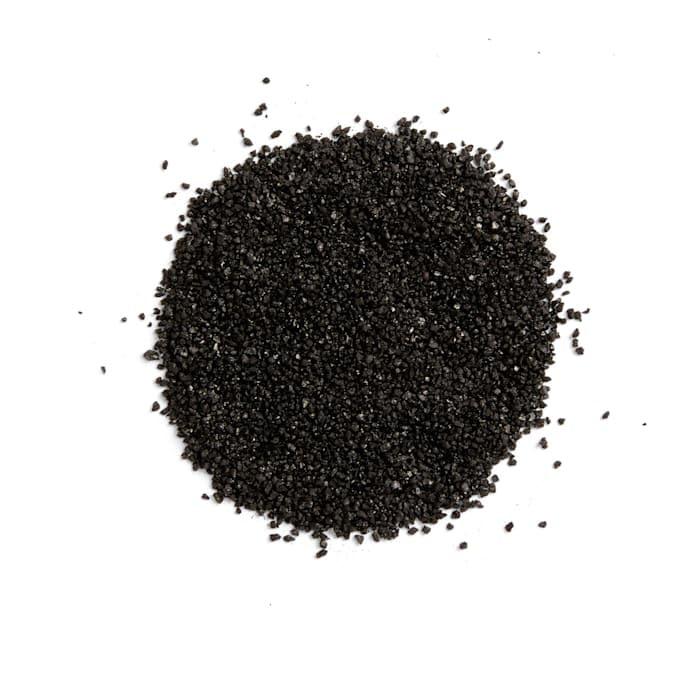
The imagitarium Black Aquarium Sand is the go-to option for large tanks where deep coverage matters more than specialty features. At 20 lbs per bag, you can achieve a 2-inch depth in a 55-gallon tank with roughly three bags, making it one of the most cost-effective ways to create a uniform black substrate bed. The color is a true matte black that does not reflect light harshly, which helps shy fish feel more secure.
Quality control appears to vary between batches. Some owners report that the sand goes in perfectly clean with zero cloudiness — they dump the bag directly into the tank with no rinse and have crystal water within hours. Other customers experienced persistent black water and bacterial blooms that required tearing down the tank. The difference seems to be whether the bag sat in storage for an extended period. Inspect the bag upon arrival and rinse a small sample first if you are cautious.
The sand is fine but not powdery — grains measure slightly larger than pool filter sand, which means it settles faster and resists getting sucked into filter intakes. Floating particles and trapped air bubbles are common during the first fill, but these dissipate within 24–48 hours. For planted tanks, root growth is strong, and multiple owners have used this sand successfully in tanks running for years without issues.
Why it’s great
- Extremely cost-effective for large tanks
- Matte black finish reduces glare and fish stress
- Low dust when fresh — can go in without rinsing
Good to know
- Batch inconsistency — some bags cause cloudiness
- Light sand can get sucked into filter intakes easily
5. Aqua Natural Delta Sand Bio-Substrate 5lb

The Aqua Natural Delta Sand Bio-Substrate is the only sand on this list that actively works to cycle your tank. Each bag is seeded with live nitrifying bacteria that begin consuming ammonia the moment the sand hits water. For fish keepers who want to add livestock quickly without waiting weeks for a traditional cycle, this sand can collapse that timeline to just a few days — provided you follow the manufacturer’s instruction to never rinse the sand.
The natural brown color is a major advantage for hiding debris. Owners switching from black or white sand report that the brown tone makes fish waste and leftover food virtually invisible, cutting down on the visual pressure to clean constantly. The grain size is perfect for capping aquasoil in planted tanks, preventing nutrient-rich soil from leeching into the water column while allowing plant roots to penetrate through.
There is a trade-off with the wet packaging. Because the sand contains live bacteria, it arrives damp inside sealed plastic. Opening the bag can be messy, and the clumpy consistency makes spreading it evenly more difficult than dry sand. Some owners chose to rinse anyway and lost the bacterial benefit, essentially turning this into a premium-priced inert sand. If you want the cycle advantage, do not rinse — accept the initial cloudiness and let the filter clear it.
Why it’s great
- Live bacteria significantly shorten the nitrogen cycle
- Brown color hides waste and debris naturally
- Ideal grain for capping soil-based substrates
Good to know
- Do not rinse — the bacteria wash away with water
- Wet packaging makes spreading clumpy sand harder
6. Estes 28199 Aqua Sand, White, 5 lb

The Estes Aqua Sand is specifically designed for the unique demands of goldfish tanks. Goldfish produce heavy waste and are notorious for sifting through substrate aggressively, kicking fine sand into the water column. This sand uses a larger grain that stays put under digging, while still being fine enough to avoid trapping noxious gas pockets that plague gravel substrates. Owners of fancy goldfish and commons alike confirm that this sand is the best substrate they have used.
The white color is not a blinding bleached white — multiple reviewers describe it as a natural cream tone that looks clean without looking sterile. It requires a 48-hour soak before the fish go in, but once settled, it stays remarkably clear. The larger grain means less cloudiness during setup compared to ultra-fine sands, and the sand settles within minutes rather than hours after water movement stops.
At 5 lb, the bag is physically smaller than many competitors — one reviewer was surprised by the compact size despite the listed weight. It is enough for a 10-gallon goldfish tank at roughly 1-inch depth, but larger tanks will need multiple bags. The sand is manufactured in the United States and has been on the market since 2004, which means the production process has been refined over nearly two decades.
Why it’s great
- Larger grain resists being kicked up by goldfish digging
- Does not trap toxic gas pockets like gravel does
- Natural cream color stays looking clean
Good to know
- Bag is smaller than expected for 5 lb weight
- Requires 48-hour pre-soak before adding fish
7. YISZM Aquarium Sand, 5lbs Beige

The YISZM Aquarium Sand is the entry-level option that proves you do not need to spend premium money for a functional substrate. The beige color is actually a mix of light sand tones — it is not a single flat dye, which gives the tank floor a varied, natural appearance that hides detritus effectively. Available in 2 lb, 5 lb, 10 lb, and 20 lb options, this sand accommodates everything from nano tanks to medium community setups.
The grain is fine, so you must be careful during the rinse step — the particles can easily flow down a drain if you are not using a fine mesh strainer. Once in the tank, the sand settles quickly with minimal cloudiness, and owners report their corydoras enjoy sifting through it without issue. The black color variant in particular has drawn praise for having no discoloration or dye bleeding, which is a common concern with budget substrates.
This sand also pulls double duty for craft projects. Several buyers purchased it specifically for resin casting and terrarium layering, praising the consistent grain size and lack of impurities. For dedicated aquarium use, the bag is small enough to handle easily during water changes, and the 1-year manufacturer warranty provides peace of mind that is rare at this price tier. If you are setting up a quarantine tank or a small shrimp bowl, this sand does the job without waste.
Why it’s great
- Multi-tone color mix hides debris naturally
- Available in multiple bag sizes for any tank
- No dye bleeding — safe for sensitive shrimp
Good to know
- Fine grain can wash down sinks during rinse
- Higher dust content than premium sands
FAQ
How much sand do I need for my aquarium?
Should I rinse aquarium sand before adding it to the tank?
Can I use craft or play sand in my aquarium?
Final Thoughts: The Verdict
For most users, the best aquarium fish tank sand winner is the Seachem Fluorite Black Sand because it combines plant-ready porosity with a grain size that satisfies both rooted aquascapes and bottom-dwelling fish. If you want a dramatic black sparkle that elevates your hardscape, grab the Aqua Natural Galaxy Sand. And for a biotope-correct natural tank where the sand disappears into the background, nothing beats the LANDEN Namale Aquarium Sand.