
That first aquarium setup can feel overwhelming when the green plants you bought start melting, turning brown, or simply floating away within a week. The frustration of watching your tank investment decay is a specific pain that pushes many newcomers out of the hobby entirely. The difference between a thriving underwater garden and a murky mess almost always comes down to picking species that don’t require high-intensity lights, CO₂ injection, or expert-level water chemistry.
I’m Min — the co-founder and writer behind Gadgets Feed. I’ve spent countless hours cross-referencing species-specific care guides, analyzing hardiness claims against real customer outcomes, and breaking down the exact tolerances for temperature, pH, and lighting that separate beginner-proof plants from ones that demand a master’s touch.
If you want to bypass the dead-on-arrival disappointments and the ugly melt phase, this guide to the best aquarium plants for beginners will help you pick species that actually survive your first few months of learning.
How To Choose The Best Aquarium Plants For Beginners
The sheer variety of live aquatic plants can paralyze a new aquarist. The key is to filter by two criteria: the plant’s tolerance for variable water parameters and its willingness to grow without high-tech gear. Stick to species that naturally grow in slow-moving tropical waters and you’ll have a much easier time.
Rhizome Plants vs. Root Feeders vs. Floating Plants
Rhizome plants like Anubias and Java Fern should be tied to driftwood or rock — never buried in substrate or the rhizome will rot. Root feeders like Dwarf Sagittaria need a nutrient-rich substrate to anchor their root systems. Floating plants absorb nutrients directly from the water column and provide shade that naturally suppresses algae. Each type serves a different tank role, but all three categories contain beginner-friendly varieties.
Lighting and Nutrient Requirements
Beginner plants thrive under low to moderate light, typically the standard LEDs that come with most starter tank kits. High light demands CO₂ injection and precise fertilization to prevent algae outbreaks. Stick to species that accept a 6-8 hour photoperiod and can get by on liquid fertilizers alone, without requiring substrate tabs or pressurized CO₂.
Quick Comparison
On smaller screens, swipe sideways to see the full table.
| Model | Category | Best For | Key Spec | Amazon |
|---|---|---|---|---|
| Java Fern & Anubias Bundle | Variety Bundle | Two classic low-light species in one order | 2 plants (Java Fern + Anubias) | Amazon |
| Anubias Petite on Driftwood | Pre-Attached | Instant hardscape with zero planting effort | 1-2 inch driftwood base | Amazon |
| Marcus Fish Tanks 3x Java Fern | Rhizome Pack | Fast background coverage on a budget | 3 plants, 7-12 inches tall | Amazon |
| Red Root Floater | Floating Plant | Surface cover that turns red under high light | 60+ leaves per cup | Amazon |
| Marcus Fish Tanks Anubias Nana Petite | Foreground | Tiny accent plant for driftwood or rock | Potted, 20-30 leaves | Amazon |
| Marcus Fish Tanks 15x Dwarf Sagittaria | Carpet Plant | Creating a grassy foreground carpet | 15 plants, 2-3 inches tall | Amazon |
| Water Spangles (Salvinia Minima) | Floating Plant | Nutrient-absorbing surface mat | 60+ leaves per order | Amazon |
In‑Depth Reviews
1. Java Fern and Anubias Aquarium Plant Bundle

This bundle delivers the two most forgiving rhizome species in the hobby — Java Fern and Anubias — in a single order, which is the ideal starter combo. Java Fern grows tall enough to serve as a midground or background plant, reaching about 5 inches, while the Anubias stays compact for foreground placement. Both species share the critical trait of absorbing nutrients through their leaves, so you never need to worry about root tabs or nutrient-rich substrate.
The packaging from Greenproaquatic uses sealed bags with moisture retention, and most customers reported vibrant green leaves upon arrival. The two plants offer contrasting leaf shapes — the fern’s broad, wavy fronds versus the Anubias’s thicker, rounded leaves — which adds visual depth without requiring any aquascaping skill. A small number of buyers noted that the Anubias lost leaves during shipping, but the rhizome stayed firm, and new growth emerged within weeks.
For a beginner who wants to test two different species without placing separate orders, this bundle simplifies the process. Tie both plants to driftwood or rock using fishing line, keep the lighting at moderate levels, and skip all CO₂ equipment. The water temperature tolerance spans the typical 72-82°F range, making it compatible with most tropical community tanks housing tetras, guppies, or bettas.
Why it’s great
- Two classic beginner species in one purchase reduces ordering complexity
- No substrate or root tabs required because both are column-feeders
- Contrasting leaf shapes create instant visual interest without skill
Good to know
- Anubias may drop leaves during shipping stress in some batches
- Plant sizes can run smaller than product photos suggest
2. Anubias Petite On Driftwood

The Anubias Petite On Driftwood from Aquarium Plants Factory solves the single most common beginner mistake — burying the rhizome. This plant arrives already attached to a 1-2 inch piece of boil-treated driftwood using rockwool, so you simply place the wood on your substrate and walk away. The driftwood has been pre-treated to minimize tannin release, which means the water stays clear rather than turning tea-colored.
Anubias Petite stays small, reaching only about 3 inches in height, which makes it perfect for the foreground of a 10-20 gallon tank. It thrives in full shade, meaning even the weak LED that came with your starter kit is sufficient. Customers report that the plant remains healthy for months with zero CO₂ and minimal fertilization, with some owners noting accelerated growth after adding a liquid fertilizer like Seachem Flourish Excel once a week.
The live arrival guarantee covers extreme weather conditions, though the seller advises against ordering below 30°F. Buyers consistently praise the packaging quality, with the plant arriving lush and vibrant even after a week in transit. The pre-drilled driftwood also allows you to add more plants later by wedging additional Anubias or Java Fern into the same wood piece.
Why it’s great
- Pre-attached to driftwood eliminates planting mistakes completely
- Boil-treated wood reduces tannin discoloration in the water
- Thrives in full shade with standard aquarium LEDs
Good to know
- The plant is genuinely small — check measurements before expecting a large centerpiece
- Rockwool may need gentle trimming if roots outgrow the base
3. Marcus Fish Tanks 3X Java Fern

Java Fern (Microsorum Pteropus) is arguably the most recommended plant for beginners, and Marcus Fish Tanks delivers three healthy specimens ranging from 7 to 12 inches tall. This size range makes it suitable for the background of tanks as small as 10 gallons or as large as 55 gallons. The plants arrive with a clear root system and no signs of snail hitchhikers, according to multiple verified buyers.
The durability of Java Fern under variable water parameters is its standout trait. Customers report it surviving water temperature swings, pH between 6.0 and 7.5, and weeks of neglect without melting. The leaves do not require nutrient-rich substrate because the plant feeds through the rhizome and leaves. Simply wedge the roots between rocks or attach them to driftwood using thread or super glue gel.
Marcus Fish Tanks includes a live arrival guarantee that replaces dead plants as long as temperatures stay above 20°F during shipping. The three-plant bundle gives you enough material to create a dense background grouping or spread the plants across multiple hardscape points. Some buyers noted that they split the plants further by cutting the rhizome, yielding even more coverage over time.
Why it’s great
- Three large plants provide immediate background coverage for most tank sizes
- Tolerates a wide pH and temperature range without melting
- No root tabs or CO₂ needed, making it the lowest-maintenance background option
Good to know
- Sizes vary naturally — some plants may arrive at the smaller end of the 7-12 inch range
- Do not order when temperatures drop below 20°F to ensure live arrival
4. Red Root Floater Live Aquarium Plants
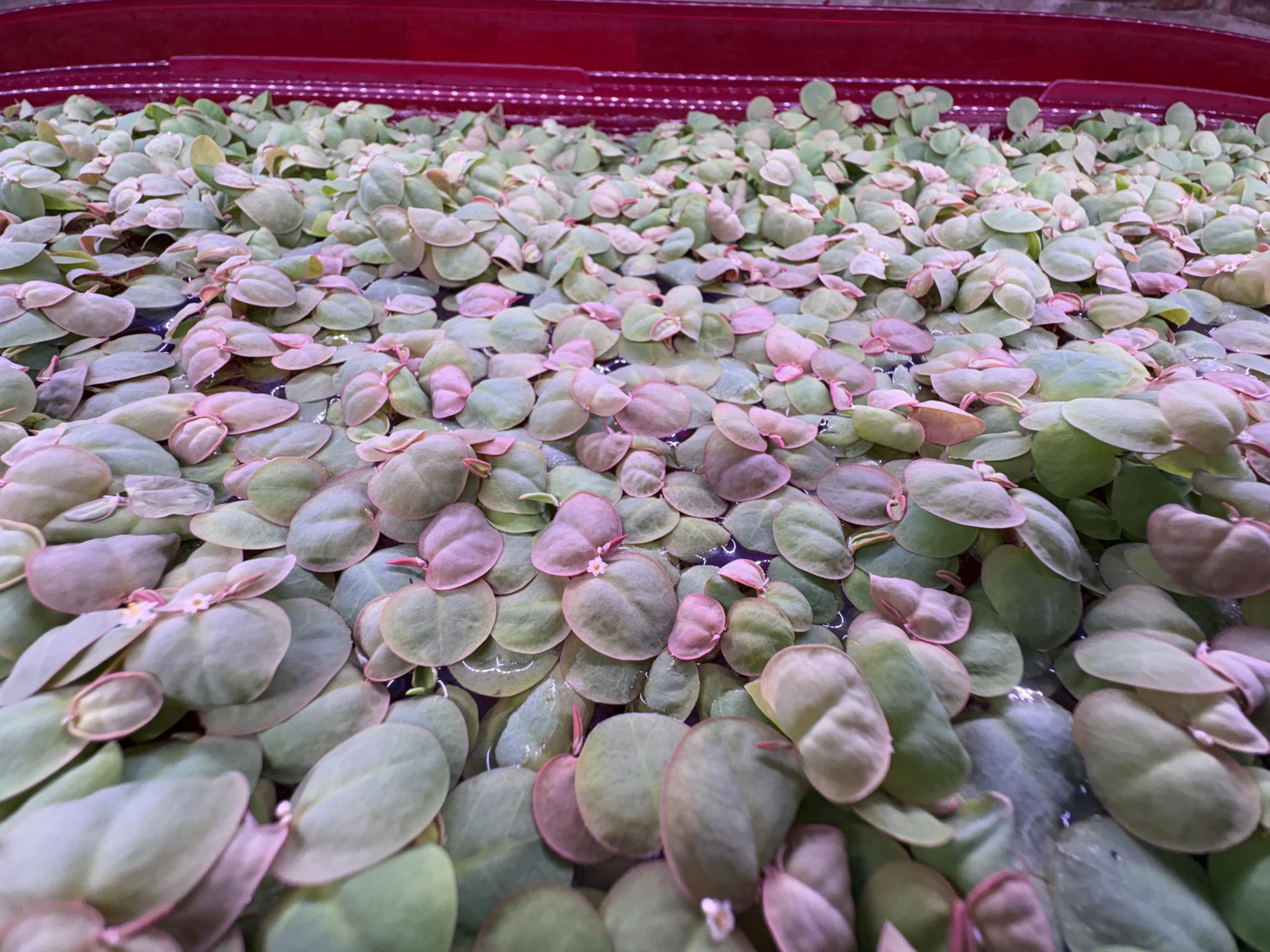
Red Root Floaters (Phyllanthus Fluitans) bring a dramatic two-tone aesthetic to the water surface — bright green tops and deep red-purple undersides. This floating plant arrives with at least 60 leaves in a 4-ounce cup, which is enough to cover a 6×6 inch area immediately. The red coloration intensifies under higher light and lower nitrate levels, but even under moderate LEDs, the plant remains healthy and provides essential surface cover that bettas and timid fish appreciate.
Care requires a subtle adjustment: this plant hates water on top of its leaves, so avoid strong surface agitation from filters or air stones. It thrives under gentle water flow and moderate to high light. The root system draws ammonia and nitrates directly from the water column, which helps control algae by reducing available nutrients. Unlike duckweed, Red Root Floaters grow slowly enough that they won’t overtake your tank surface within a week.
The seller provides a temperature warning to avoid ordering above 90°F or below 35°F, with special caution for West Coast buyers experiencing long transit times. Customers consistently report healthy roots and intact leaves upon arrival, with many noting the plants began spreading through runners within two weeks. The combination of aesthetic appeal and nutrient-absorbing functionality makes this a top choice for beginners who want a living water purifier.
Why it’s great
- Red-purple undersides provide unique visual contrast on the water surface
- Absorbs ammonia and nitrates directly, reducing algae growth naturally
- Slow growth rate prevents the surface from being completely overtaken
Good to know
- Requires moderate to high light to maintain red coloration
- Cannot tolerate strong surface agitation — gentle flow only
5. Marcus Fish Tanks Anubias Nana Petite

The Anubias Nana Petite from Marcus Fish Tanks offers the most compact form of the Anubias family, delivering 20-30 leaves in a single pot that fits perfectly into small nano tanks or as a foreground accent in larger setups. The leaves remain small, typically the size of a dime or nickel, which makes it ideal for creating scale in tanks under 10 gallons. The potted format includes rockwool, so you can either plant the entire pot in the substrate or remove the plant and attach it to hardscape.
What sets this Anubias apart is its tolerance for a wide range of water parameters. Customers report it surviving pH from 6.0 to 8.0 and temperatures from 68°F to 82°F without any noticeable stress. The leaves stay vibrant green even under the lowest light conditions, and the plant requires no CO₂. Many buyers noted that they split the pot into two separate plants by carefully dividing the rhizome, effectively doubling their coverage.
The live arrival guarantee covers shipments as long as temperatures stay above 30°F during transit. Verified purchasers consistently praise the health of the plant upon arrival, with one noting it arrived “vibrant” and another saying it broke into two separate plants easily. The price point makes it one of the most affordable ways to add a reliable, slow-growing foreground element to a beginner tank.
Why it’s great
- Extremely compact size perfect for nano tanks and foreground detail
- Tolerates pH 6.0-8.0 and temperature 68-82°F with no issues
- Can be split into multiple plants by dividing the rhizome
Good to know
- Growth is very slow — don’t expect rapid coverage
- The potted format means rockwool should be removed if attaching to hardscape
6. Marcus Fish Tanks 15x Dwarf Sagittaria Subulata

Dwarf Sagittaria (Sagittaria Subulata) is one of the few carpeting plants that beginners can grow without CO₂ injection, and Marcus Fish Tanks ships 15 plants ranging from 2 to 3 inches tall. Unlike other foreground carpet plants that demand high light and pressurized CO₂, Dwarf Sag sends out runners that spread horizontally across the substrate, gradually forming a grassy lawn over several weeks. The plants arrive with clear root systems and are ready to be planted directly into nutrient-rich substrate.
This species requires a different approach than the rhizome plants listed above because it is a root feeder. You will want either aquarium soil or supplement root tabs to provide adequate nutrition. Under moderate light, the runners spread steadily, and the individual stalks grow upward to about 3-4 inches before sending out new runners. Some buyers reported an initial melt phase where leaves yellowed and died back, which is normal as the plant adjusts to new water parameters — it typically regrows stronger within two weeks.
The temperature warning is strict: do not order below 20°F. Customers also noted the presence of small bladder snails in some batches, which is common with non-tissue-culture plants. Soaking the plants in an alum dip before adding them to the tank can prevent unwanted hitchhikers. For beginners wanting to try a carpet plant without investing in high-tech gear, this is the practical starting point.
Why it’s great
- Creates a grass-like carpet without CO₂ injection or high light
- 15 plants provide enough material to cover a 10-20 gallon foreground
- Runners spread naturally, filling gaps without replanting
Good to know
- Root feeder — requires nutrient-rich substrate or root tabs to thrive
- May experience melt during initial acclimation; be patient for regrowth
7. Water Spangles – Salvinia Minima Floating Live Aquarium Plants
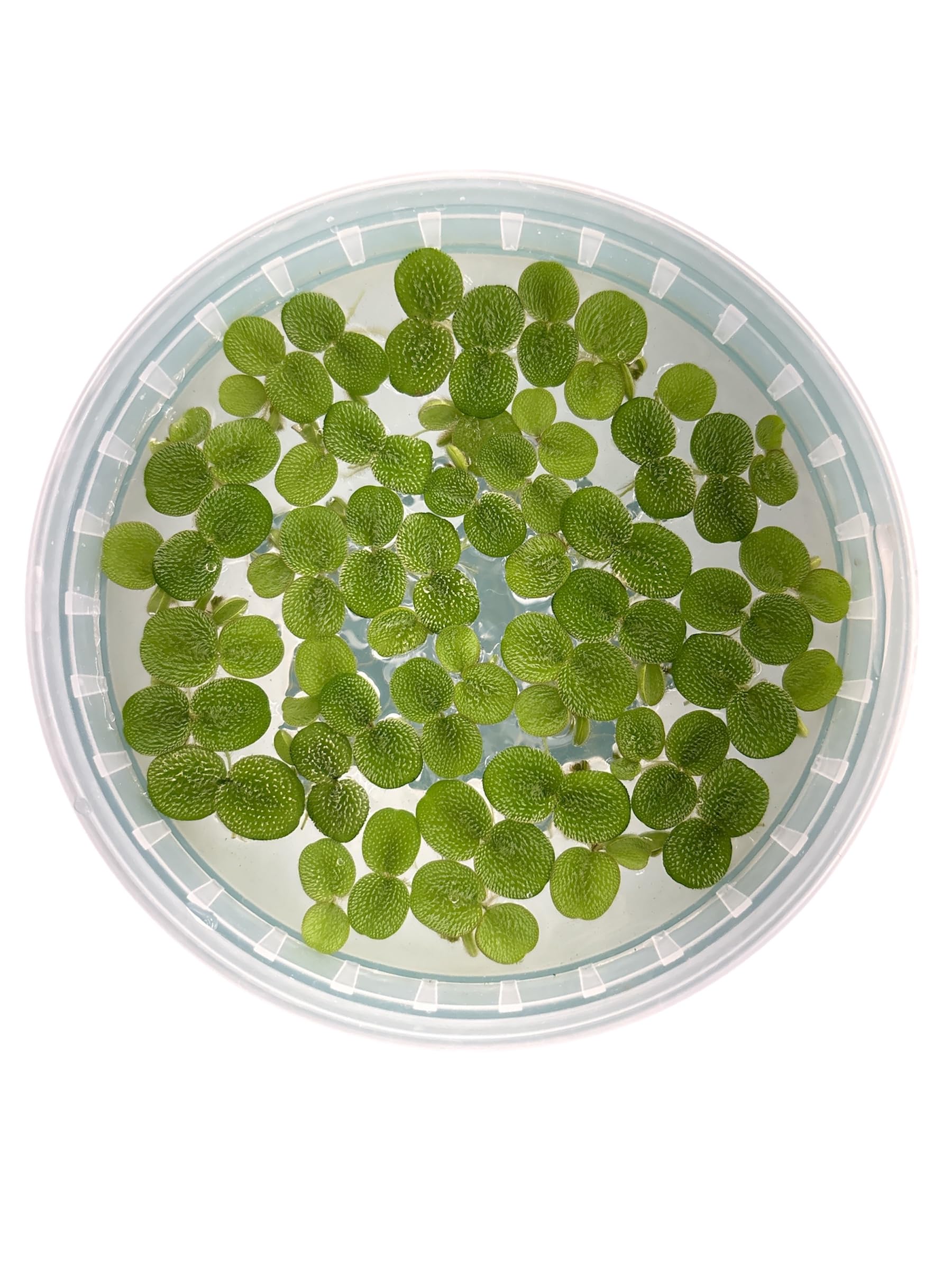
Water Spangles (Salvinia Minima) are tiny floating plants that form a dense mat on the water surface, making them an excellent choice for beginners who want to reduce algae by blocking excess light. This listing delivers over 60 leaves, which is enough to cover several square inches of surface area immediately. The plants feature small, oval leaves with a textured surface that holds air bubbles, giving them a distinctive appearance compared to the flat leaves of duckweed.
Care is minimal: moderate to high lighting and still water are the main requirements. Salvinia Minima does not tolerate strong surface agitation — the leaves will get waterlogged and sink if the flow is too turbulent. It thrives in both freshwater and brackish conditions, making it adaptable to various setups. The root systems hang down about 1-2 inches, providing cover for fry and small shrimp while absorbing nitrates from the water column.
The seller includes a temperature warning to avoid ordering above 90°F or below 35°F, with extra caution for long transit times to the West Coast. Customers consistently rate the health of the plants highly, with many commenting on the dense, vibrant green leaves and long roots. The packaging uses paper towels and cups inside a box, which has proven effective at keeping the plants moist and undamaged during shipping. For the lowest-maintenance addition to a beginner tank, Water Spangles deliver immediate results.
Why it’s great
- Blocks excess light to naturally suppress algae growth
- Absorbs nitrates directly from the water column
- Provides surface cover that small fish and shrimp use as shelter
Good to know
- Requires still water — strong filters or air stones will waterlog the leaves
- Growth can be fast; manual removal may be needed to maintain open surface area
FAQ
Can I bury Anubias or Java Fern in the substrate?
Why are my new aquarium plants melting and turning brown?
Do I need CO₂ for beginner aquarium plants?
Final Thoughts: The Verdict
For most users, the aquarium plants for beginners winner is the Java Fern and Anubias Bundle because it delivers two species with proven beginner tolerance in a single order, eliminating the guesswork. If you want a pre-attached plant that requires zero planting skill, grab the Anubias Petite on Driftwood. And for creating a grassy foreground carpet without CO₂, nothing beats the Dwarf Sagittaria 15-Plant Pack.