
Our readers keep the lights on and my morning glass full of iced black tea. As an Amazon Associate, I earn from qualifying purchases.
Specs are compiled from manufacturer listings and verified buyer reviews and can change over time — please confirm the key details on the product page before buying.
The biggest mistake in a planted tank is grabbing any bag of gravel and hoping roots will figure it out. The right substrate separates melting plants from a carpet that takes over your tank in weeks. This guide breaks down sands and soils that feed roots, keep water clear, and suit shrimp and bottom-dwellers—no guesswork.
I’m Min — the founder and writer behind Gadgets Feed. This guide is built by comparing the manufacturers’ published specifications and the patterns across verified customer reviews, so you get each pick’s real strengths and trade-offs instead of marketing spin.
Live plants need a substrate that holds nutrients and lets roots breathe, which is exactly what this breakdown of the best aquarium sand for plants delivers for both beginners and seasoned aquascapers.
Our Picks at a Glance


How To Choose The Best Aquarium Sand For Plants
Your plants’ roots need three things from the ground beneath them: anchorage, nutrients, and oxygen flow. A substrate that packs down like concrete or leaches nothing will leave even easy plants struggling, while a rich soil can make a beginner look like a pro.
Nutrient-rich soil vs inert sand
Active soils like Fluval Stratum and LANDEN’s planted substrate are fired clay or earth pellets packed with minerals and organic acids. They feed roots directly and buffer water to the mildly acidic range most plants prefer. Inert sands like CaribSea Moonlight look stunning and are perfect for fish health, but they hold zero nutrition—you will need root tabs to grow anything demanding.
Grain size and what it means for your stock
Fine sand (around 0.3-0.5mm) feels soft and is heaven for corydoras and loaches that sift through it, but it can pack tight and smother delicate roots. Coarser 3-5mm soil pellets let water and roots move freely, which is why they dominate planted-tank setups. Match the grain to your livestock first, then your plants.
The rinsing and cycling reality
Almost every sand needs a serious rinse before it goes in—some buyers report 8 washes before the water runs clear. Soils are the opposite: many are ready to use straight from the bag, and rinsing them destroys their structure. Plan for a few days of cloudiness and, with some soils, an ammonia spike while the tank cycles.
Quick Comparison
| Model | Best For | Nutrient Type | Grain Size | Bag Size | Amazon |
|---|---|---|---|---|---|
| Fluval Stratum★ Best Overall | Rooted plants & shrimp | Active soil | Granules | 8.8 lbs | Amazon |
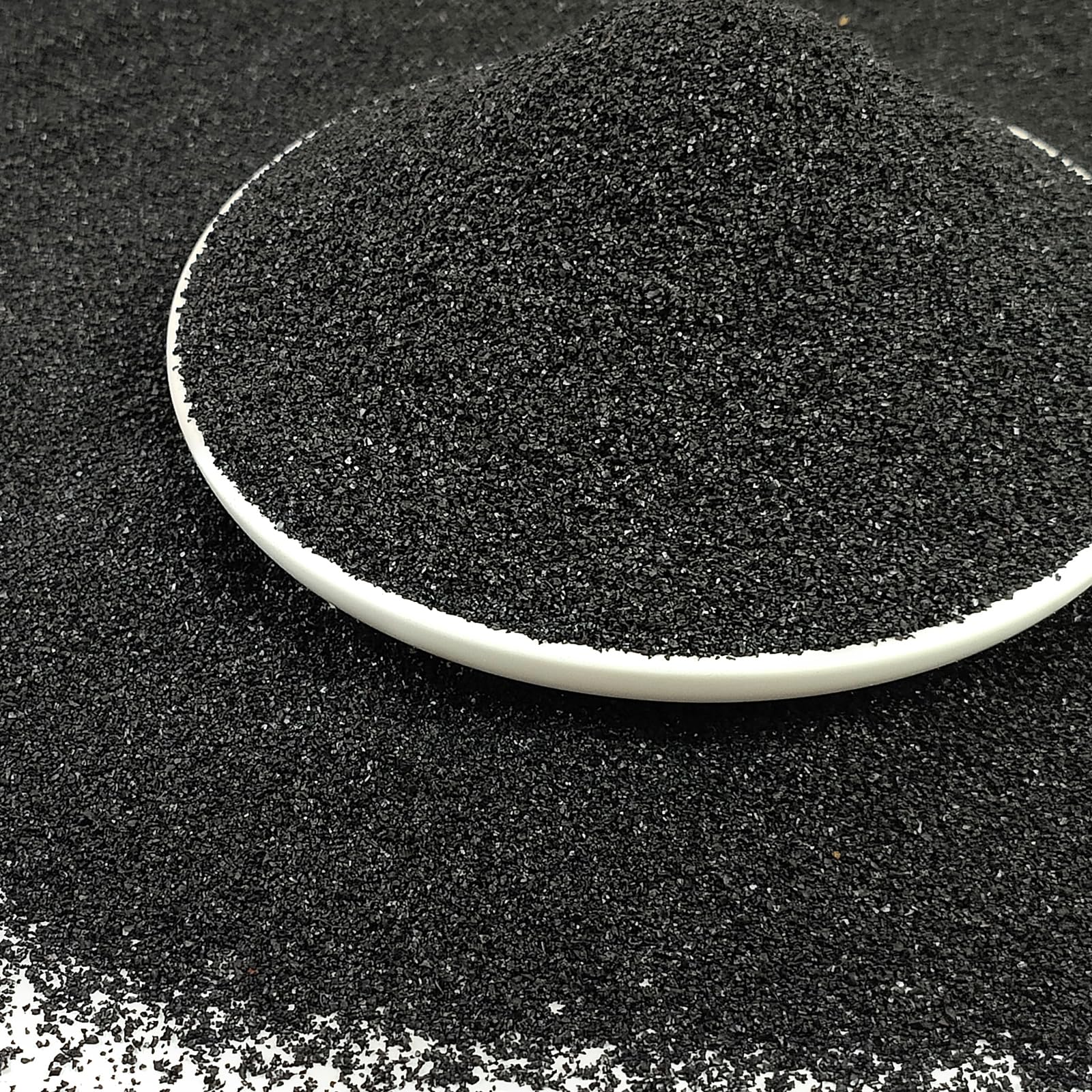
| YISZM Black SandBest Value | Budget tanks & sifters | Inert | Fine | 5 lbs | Amazon |
| Seachem Flourite BlackTop Performer | Long-term planted tanks | Active | Powder-fine | 7.7 lbs | Amazon |
| Aqua Natural Bio Kit | Instant cycling | Bio-active | 2-4mm | 15 lbs total | Amazon |
| imagitarium Black Sand | Big tanks on a budget | Inert | Fine | 20 lbs | Amazon |
| LANDEN Namale Sand | Natural riverbed scapes | Inert | 0.3-0.5mm | 2L | Amazon |
| CaribSea Moonlight | Catfish & bright scapes | Inert | Fine | 5 lb (Pack of 2) | Amazon |
| LANDEN Planted Soil | Serious planted tanks | Active soil | 3-5mm | 5L | Amazon |
In‑Depth Reviews
1. Fluval Plant and Shrimp Stratum
Our pick — over 4.5★ from 18,000+ verified ratings; the strongest balance of quality and price.
The planted-tank crowd favorite that turns roots into anchors and water into a nursery.
Plant health is what wins people over here—it’s the single most-praised trait, with hundreds of owners watching stems and carpets take off within weeks. The porous granules let roots penetrate easily and absorb nutrients, earning it the Best Overall spot. It also keeps water neutral to slightly acidic, the range tropical plants and shrimp naturally prefer.
The 8.8 lb bag has a quirk you should know before you pour: the pellets float at first, so plants may need two bags or a few anchors to stay put while everything settles. Water often runs cloudy for about 48 hours, then clears on its own—owners mention the clarity comes back by day two, and the dust settles without pre-rinsing. A strong filter works hard during those first days, and it’s best added to a new tank rather than dropped into one with established fish.
Newborn shrimp hide safely in the porous structure until they’re large enough to venture out. It also prevents water discoloration from natural driftwood. The flood of reviews praising thriving plants and happy shrimp makes the setup patience worthwhile.
Why plants love it
- Porous granules give roots easy penetration and nutrient access
- Sustains neutral-to-slightly-acidic pH for tropical plants and shrimp
- Porous structure offers shelter for newborn shrimp
Setup patience required
- Pellets float initially—plants need weight or extra substrate
- Water stays cloudy roughly 48 hours before clearing
- Not ideal for adding to a tank with existing fish
Reach for this if: you’re scaping a new planted or shrimp tank and want a substrate that feeds roots while keeping water in the ideal pH zone.
Plan around: the floating pellets and the first two days of haze—start with it, not on top of an established community.
2. YISZM Black Aquarium Sand
Smooth, rounded black grains that sift beautifully—if you budget time for the rinse.
Quality is the thing everyone raves about here, and the smooth, rounded grain shape is the reason bottom-dwellers like corydoras happily sift through it. The deep black finish makes fish colors pop and looks cleaner than stones, which is why appearance earns heavy praise. It’s versatile enough for both freshwater and saltwater tanks, so one bag covers multiple setups.
The honest catch is dust. Customers note a heavy orange silt that demands around 8 rinses before the water runs clear, and even then the tank can stay cloudy for a few days. A 5 lb bag suits a small tank; for anything larger, grab the 10 or 20 lb option because 2 lbs disappears fast. It resists clouding after proper prep and settles quickly, keeping maintenance low once it’s in.
This sand is inert, so it won’t feed your plants on its own. If you grow anything beyond Java fern, which owners say it handles just fine, pair it with root tabs (fertilizer capsules you push into the substrate). You get a natural, elegant seabed look without spending much, making it a strong budget pick.
Grain and glow: the smooth texture and rich black color make it comfortable for sifters and stunning to look at.
Prep warning: budget for roughly 8 rinses to clear heavy orange silt—cloudiness clears in days, not hours.
3. Seachem Flourite Black Sand
The powder-fine black sand that’s good for the life of the aquarium—and worth every rinse.
Effectiveness is what stands out in the feedback, with owners noting it clears microparticles and silt within a day of settling. This is the finest sand you’ll see—buyers describe opening the bag and thinking it was powder before rinsing it several times. That fine texture is gentle on bottom-dwellers and creates a smooth, premium-looking bed that doesn’t fade.
There’s a real color caveat: what’s marketed as black often reads as grey once it’s in the tank, though most call it gorgeous anyway. The 7.7 lb bag means serious tanks need multiples—one owner paired a 14 lb and a 7.7 lb bag for a 20-gallon setup. Rinsing is non-negotiable; skip it and the dust will cloud your water for a long time, so treat it like the YISZM above and wash thoroughly.
Unlike inert sands, Flourite carries nutrients that support planted aquariums for the life of the tank. That makes it a smarter long-term choice than plain decorative sand if you’re serious about rooted plants. Just know what you’re buying: powder-fine, nutrient-rich, and not for anyone chasing a larger grain.
Nutrient for years: it’s active and good for the life of the aquarium, so roots keep feeding long after setup.
Color reality: expect grey rather than true black—and rinse several times or the dust lingers.
4. Aqua Natural Bio Substrate Kit

A New Zealand gravel duo that seeds your cycle instantly while roots settle into smooth, rounded stone.
Appearance leads the praise here—owners describe it sparkling like a river bed, with consistent 2-4mm grain sizes that look natural and don’t compact over time. The kit pairs a 5 lb bio-activated bacteria-seeded substrate with a 10 lb dry substrate, and the directions are firm: never rinse the bio portion, just mix it thoroughly with the dry and fill slowly. That bacteria head-start is why tanks cycle in about a week instead of a month.
Plant health follows close behind in the feedback, with owners watching plants flourish in tanks set up on this bed. The dry substrate needs several rinses to avoid black dye cloudiness, but the bio portion must go in untouched. It’s denser than expected—finer and sandier than the photos suggest—so the “true black” look comes from the bio granules while the dry side reads lighter.
The kit is a strong pick if you’re starting fresh and want livestock in sooner. One owner cycled a 40-gallon in about a week with standard starter solutions, and the cloudiness cleared within days. It’s a unique two-part system that rewards following the instructions exactly.
Cycle shortcut
- Bacteria-seeded bio substrate jumpstarts the nitrogen cycle fast
- Consistent 2-4mm rounded grain won’t compact
- Sparkles like a natural river bed in the tank
Read before pouring
- Never rinse the bio portion—only the dry half needs washing
- Dry substrate can leach black dye if not rinsed well
- Finer than photos suggest, so “pure black” is a mix
Best for: new tanks where you want plants and fish established fast without waiting out a long cycle.
Skip if: you’re set on a solid pure-black bed—this reads as a natural mix, not a uniform color.
5. imagitarium Black Aquarium Sand
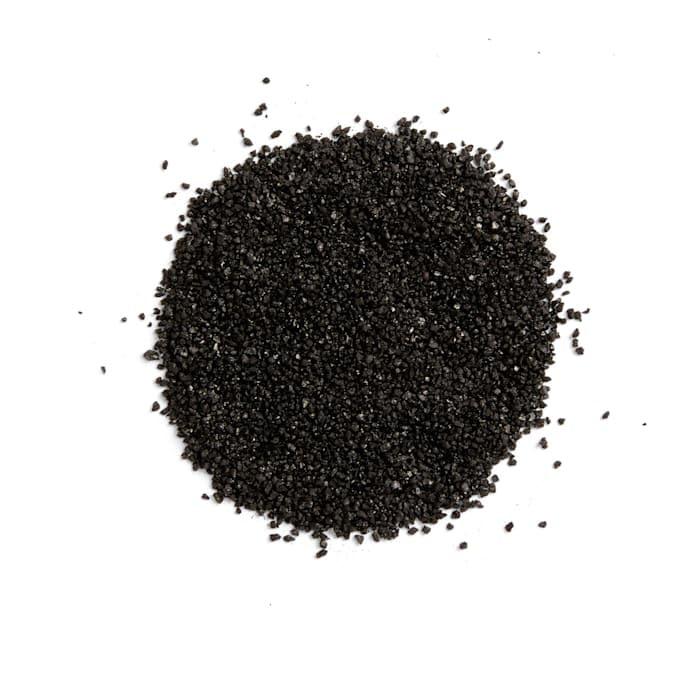
The big-bag black sand that makes fish colors pop and roots find a fine, workable home.
Appearance is the runaway praise—a beautiful matte black that makes fish colors pop, with a fine-but-not-too-fine texture that lets roots thrive in planted tanks. The 20 lb bag is the value story here, with one owner noting two bags create a 1-inch bed across a 90-gallon tank. It’s made of non-toxic, fish-safe materials that promote healthy bacteria to break down waste.
Quality control gets mixed reports: most bags are extremely clean, with owners dumping three unrinsed into a 75-gallon with zero issues, but an occasional bag arrives with debris or triggers a bacteria bloom. The fine grains can float as clumps initially and may get sucked up during vacuuming, clogging filters if you’re not careful. It’s inert, so there are no nutrients—the same owner noted “no nutrients” and relies on root tabs for growth.
If you want the look of black sand without the premium price and have a big tank to fill, this is the economical route. Just rinse well, add fish slowly, and treat it as a blank canvas that needs supplementation for demanding plants.
Scale and savings: the 20 lb bag covers large tanks affordably—two bags give a 1-inch bed in a 90-gallon.
Expect inconsistency: most bags are spotless, but occasional debris or residue means rinsing before use is smart.
6. LANDEN Namale Fine River Sand

Beach-fine, naturally toned sand that turns a tank into a riverbed scene—if you can handle the washing.
The natural color is the defining trait, with owners calling it the favorite sand they’ve tried because it feels like real beach sand and improve that natural riverbed aesthetic. The 0.3-0.5mm grains are uniform after layer-by-layer screening and high-pressure cleaning, and they’re safe for freshwater and saltwater alike with no dyes or paints. It’s a top pick for “beach”-themed scapes and amphibians like newts and frogs.
The wash is the trade-off—owners describe 45-60 minutes of hot washing, an overnight soak, then another 15-minute rinse before it’s ready. Even then, some report cloudiness that lingers, and others find it darker in person than the listing photos. It’s also a smaller 2L bag, so a 20-gallon high needs two of them, and one owner called it roughly overpriced for the quantity.
This is inert sand, so it’s about looks and fish comfort, not feeding roots. For a soft, natural bed that bottom-dwellers and shrimp love, it delivers beautifully. Just go in expecting serious prep time and a color that leans darker tan than the bright photos suggest.
Scene stealer: the natural tan color and beach-like feel make it the go-to for riverbed and beach scapes.
Labor of love: plan an hour of washing plus an overnight soak, and expect a darker tone than photos show.
7. CaribSea Super Natural Moonlight Sand
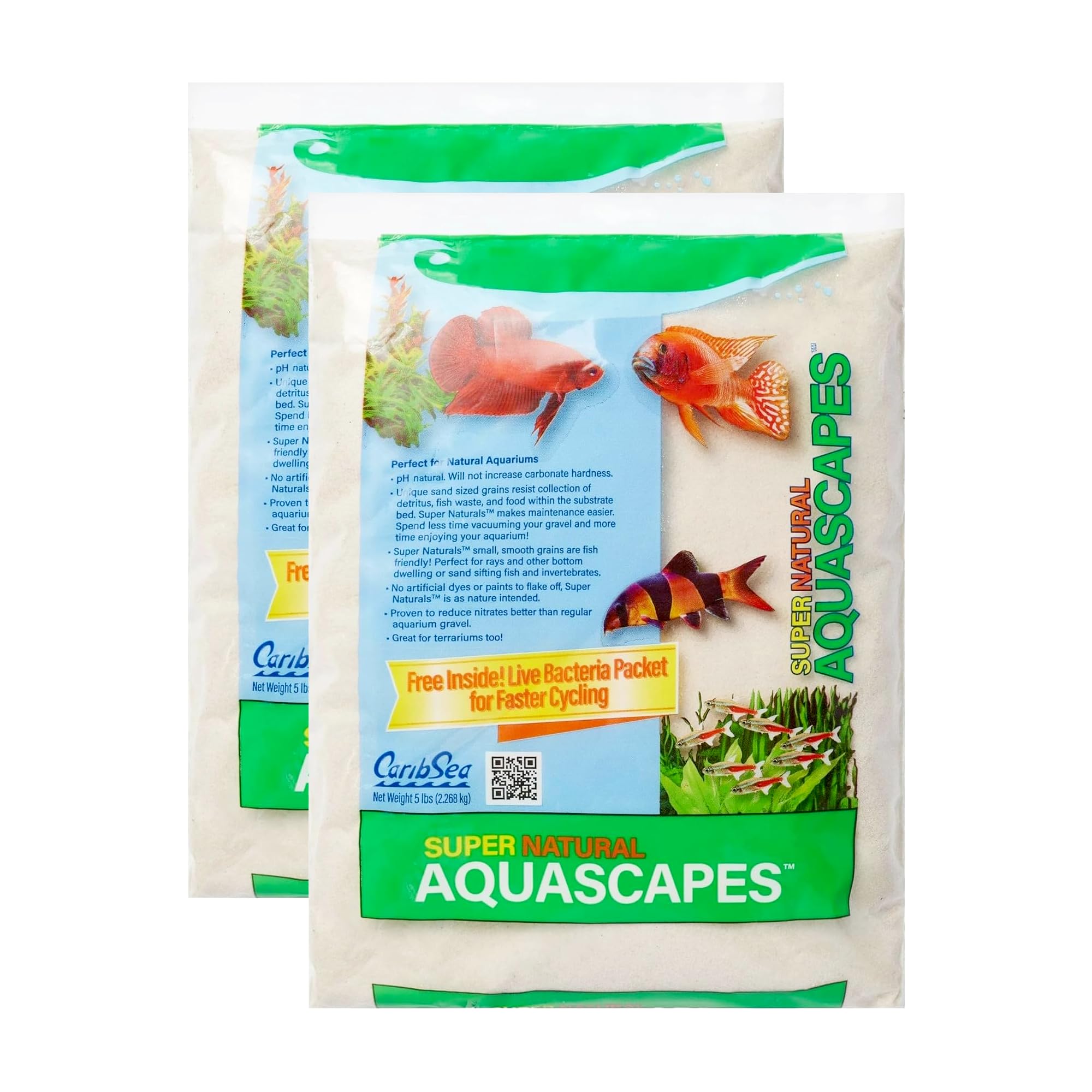
Bright, soft, moonlit sand that catfish adore and water clears fast—a classic for a reason.
Pet satisfaction is the headline here—reviewers point out sick cory catfish reviving on this sand, and it’s considered essential for catfish to prevent barbel damage from sharp gravel. The super-fine, soft, bright white texture rinses well and keeps debris sitting on the surface where it’s easy to siphon. It’s a 2-pack of 5 lb bags, giving you 10 lb total to spread across tanks of various sizes.
Water clears fast here: one owner reports cloudiness gone in under a day after rinsing, and another saw crisp water within 20 minutes. The bright color brightens any scape, and it works in a 100-gallon pond as easily as a 5-gallon nano tank. It suits discus, tetras, angelfish, and plants, giving you that natural moonlit look.
The honest notes: some shoppers say a few days of slight cloudiness even after 3 rinses, and the bright white shows debris between cleanings, which can look dirty faster than black sand. As an inert substrate, it supports healthy aquatic life but won’t feed rooted plants without supplementation. For a soft, safe, bright bed that fish love, this is a proven classic.
Fish-first design
- Soft fine texture prevents barbel damage in catfish
- Water clears fast—sometimes within 20 minutes
- Bright white enhances tank aesthetics dramatically
Maintenance reality
- Bright color shows debris between water changes
- Some bags cloud water for days despite rinsing
- Inert, so rooted plants need root tabs
Grab this for: catfish, loaches, and any tank where soft, bright, fish-safe sand matters more than plant nutrition.
Think twice if: you want a low-maintenance look or a substrate that feeds plants—this needs root tabs and shows grime.
8. LANDEN Planted Aquarium Soil

The no-rinse black soil where carpet plants take off in two weeks and water stays crisp.
Quality is the runaway praise—it’s dust-free, needs no rinsing, and causes zero clouding, which is a huge relief compared to the sands above. The 3-5mm grains are ideal for most aquatic plants, providing fundamental minerals and trace elements rich in organic acids and nitrogen nutrients. It buffers to mildly acidic water and slowly releases fertilizer, so buyers report carpet plants rooting in about 2 weeks.
There’s one warning that isn’t on the bag: it can cause an ammonia spike even in cycled tanks. Owners recommend pre-soaking in a bucket with water changes to leach the ammonia, and the maker advises frequent partial water changes for the first two weeks. Water conditions generally stabilize after a week, and it’s worth waiting at least that long before adding fish or shrimp.
The 5L bag at roughly 10 lb covers a serious scape, with the average soil thickness running 6-8cm. It also softens hard water, improving water test results and boosting fish activity. For a planted-tank enthusiast who wants zero dust and explosive growth, this is the premium choice—just respect the cycling curve.
Zero-fuss setup
- No rinsing required—zero dust and no clouding
- Slow-release fertilizer feeds plants for months
- Buffers to mildly acidic water plants prefer
Cycle carefully
- Ammonia spike possible even in cycled tanks—pre-soak first
- Wait at least a week before adding fish or shrimp
- Needs frequent water changes in the first two weeks
Choose this when: you’re building a serious planted scape and want dust-free, nutrient-rich soil with explosive root growth.
Respect the setup: the ammonia spike is real—pre-soak the soil and cycle before livestock goes in.
Understanding the Specs
Active soil vs inert sand
Active soils like Fluval Stratum and LANDEN’s planted soil contain nutrients, organic acids, and minerals that feed roots directly and buffer pH to the mildly acidic range plants love. Inert sands like CaribSea and imagitarium are pure decoration—they look great and are fish-safe but hold zero nutrition. If you want thriving rooted plants and are willing to pay more, go active. If you’re keeping low-light plants or adding root tabs anyway, inert sand saves money.
Grain size and your livestock
Fine sands around 0.3-0.5mm feel soft and are perfect for corydoras, loaches, and shrimp that sift and burrow—but they can pack tight and smother delicate roots. Coarser 3-5mm soil pellets let water and roots move freely, which is why they dominate planted tanks. Match grain to your fish first: catfish need soft fine sand, while carpeting plants need the open structure of larger soil pellets.
FAQ
Can I use regular play sand for a planted aquarium?
How much substrate do I need for my tank size?
Do I need to rinse aquarium sand before adding it?
Why is my tank cloudy after adding substrate?
Will this substrate change my water pH?
Is aquarium sand safe for shrimp and catfish?
What’s the difference between soil and sand for plants?
Can I add new substrate to an established tank?
Final Thoughts: The Verdict
For most people, the aquarium sand for plants winner is the Fluval Stratum because it feeds roots, buffers pH, and shelters shrimp—a complete planted-tank foundation. If you want explosive, dust-free growth with zero rinsing, grab the LANDEN Planted Soil. And for a soft, bright bed that catfish adore, the CaribSea Moonlight Sand is the one to reach for—just be ready to rinse and add root tabs.
How We Picked
We do not accept paid placement. Every pick is matched to a real buyer and a real use-case; we do not hands-on test units.
Sources & Methodology
Specifications: manufacturer listings and product documentation. Review insights: verified customer reviews, as of August 2026. Pricing: not shown on this page (it changes often); check the current price via the retailer link.
As an Amazon Associate, Gadgets Feed earns from qualifying purchases. This does not affect which products we feature.