
Our readers keep the lights on and my morning glass full of iced black tea. As an Amazon Associate, I earn from qualifying purchases.
Specs are compiled from manufacturer listings and verified buyer reviews and can change over time — please confirm the key details on the product page before buying.
Your tank’s health starts at the bottom, so the substrate you pick must match what swims above it. Gravel suits hardy fish and easy cleaning, sand protects bottom-dwellers and soft-bellied fish, and planted aqua soil feeds live plants. This guide sorts through the trade-offs so you can match the bed beneath your water to the life swimming above it.
I’m Min — the founder and writer behind Gadgets Feed. This guide is built by comparing the manufacturers’ published specifications and the patterns across verified customer reviews, so you get each pick’s real strengths and trade-offs instead of marketing spin.
From pea gravel that stays put to fine sand that needs patient rinsing, the aquarium substrate you pick sets the tone for your entire tank’s health and look.
Our Picks at a Glance


How To Choose The Best Aquarium Substrate
The layer at the bottom of your tank does more than hold decorations down. It anchors live plants, hosts beneficial bacteria that break down waste, and gives your fish a surface to forage on. Your choice depends on the species you keep, whether you grow plants, and how much upkeep you want.
Match the grain to the fish
Fine sand is the gentle option for bottom feeders like corydoras catfish, whose delicate barbels can be damaged by sharp gravel. Larger gravel, around 1/4 inch, is easier to vacuum clean and suits most hardy community fish that stay in the middle or top of the water column.
Decide between inert and active
Inert substrates like gravel and most sand simply decorate the tank and provide surface area for bacteria. Active substrates like aqua soil release nutrients for plant roots and can soften or acidify your water. If you grow rooted plants, active soil gives them a head start that inert gravel cannot.
Weigh cleaning effort honestly
Easier is not always cleanest. Gravel lets waste settle between pebbles where a siphon can grab it. Sand packs tighter, so debris sits on top in plain sight — but heavy dust in the bag means a long rinsing session before setup. Every substrate here needs some rinsing unless the label says otherwise.
Quick Comparison
| Model | Best For | Type | Bag Weight | Grain Feel | Amazon |
|---|---|---|---|---|---|
| FANTIAN Pea Gravel★ Best Overall | Natural tanks and easy cleaning | Pea gravel | 20 lbs | Smooth, polished | Amazon |
| YISZM Aquarium SandBudget Champion | Shrimp and bottom feeders | Beige sand | 5 lbs | Fine, rounded | Amazon |
| Seachem Fluorite Black SandPlanted Tank Pick | Planted tanks with rich color | Black sand | 7.7 lbs | Extremely fine | Amazon |
| imagitarium Blue Jean Gravel | Vibrant color that lasts | Blue gravel | 20 lbs | Smooth pebbles | Amazon |
| CaribSea Moonlight Sand | Soft sand for catfish | White sand | 5 lb x 2 | Very fine, soft | Amazon |
| imagitarium White Sand | Bright, stays-white look | White sand | 20 lbs | Super fine | Amazon |
| Seachem Onyx Sand | Cichlids and reef tanks | Grey-black sand | 15.4 lbs | Porous granules | Amazon |
| Aqua Natural Galaxy Sand | Shimmering black aquascapes | Black sand | 20 lbs | Smooth, silky | Amazon |
| LANDEN Thriva Aqua Soil | Healthy planted tanks | Active soil | 10 lbs | 3-5mm pellets | Amazon |
In‑Depth Reviews
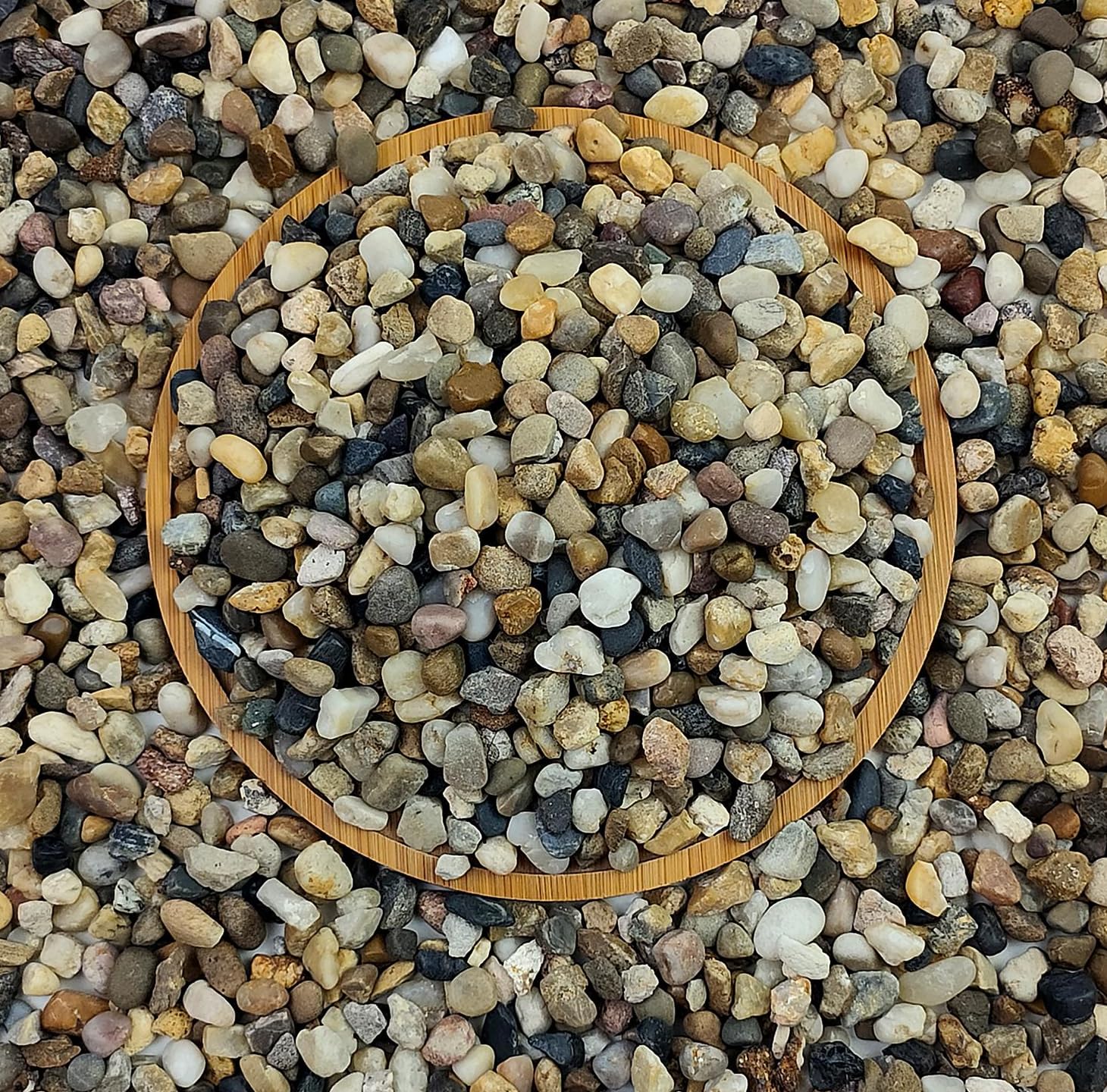
1. FANTIAN 20 lbs Natural Fish Tank Gravel
Our pick — over 4.5★ from 950+ verified ratings; the strongest balance of quality and price.
The gravel that keeps your water clear while mimicking a riverbed
You will notice water clarity first with this bed. The pebbles arrive dry-tumbled and smooth, so a quick 2–3 rinse cycle removes the dust and the tank stays clean — several owners call out that it doesn’t cloud the water at all, which is a rare compliment for gravel.
At 20 lbs in the bag, it fills a 10-gallon tank handsomely, though one owner notes that a single large bag may fall short if you’re trying to build deep slopes for planting. The 1/4-inch pieces work in tanks, terrariums, succulent pots, and even landscaping — the smooth polished look is what wins people over, with appearance drawing far more praise than any other trait.
Unlike brightly painted gravel, the natural mixed earth tones look more realistic and help small fish feel at home. The makers suggest washing it 2–3 times before it goes in so the surface is clean and smooth; do that and the fuzzy fungus-gnat interest some keepers reported tends to disappear.
Why owners love it
- Appearance is the standout — nearly 50 owners specifically praise how it looks
- Smooth, dry, polished pebbles with no wax or coating
- Versatile beyond tanks: succulents, vases, and garden beds all work
What to plan for
- One 20-lb bag may not cover deep planting slopes
- Some find the price steep for natural rock
Your best match: natural-looking tanks where you want easy vacuuming and zero water haze, plus a substrate that doubles as plant-top dressing.
Think twice if: you’re building a deep planted bed — the bag runs out faster than you’d expect.
2. YISZM Aquarium Sand 5 lbs Beige
Buttery-soft beige sand that bottom-dwellers can safely burrow into
The smooth, rounded grains are the headline here — exactly what corydoras and other soft-bellied fish need to root around without scraping themselves. Owner feedback tips strongly toward sand quality, with the fine texture and grain size earning repeat-purchase loyalty.
This 5-lb bag is noticeably lighter than the FANTIAN’s 20-lb loadwhich makes it an easy entry point for nano tanks or a small cory sand pit within a gravel layout. Be realistic about coverage, though: the review pages sum it up as “order larger” for anything beyond a modest project, since the bag disappears fast.
The catch with fine sand is rinsing. Beige batches have arrived dusty in spots, and the fine grains can cling to buckets and hoses — some owners say washing should happen outdoors, not in the house sink, to avoid clogging drains. Budget extra time for a thorough few washes before it goes in.
Where it shines
- Sand quality is the top praise — over 40 owners call it out
- Rounded, smooth grains protect sensitive fish barbels
- Works for shrimp tanks, vivariums, and terrariums
Where it asks patience
- Fine dust means several rinses and possibly a clogged sink
- 5 lbs stretches only so far — order up a size
Reach for it if: you keep bottom feeders or shrimp and want a soft, natural beige bed without a big upfront spend.
Look elsewhere if: you have a large tank — the 5-lb bag is starter-sized only.
3. Seachem Fluorite Black Sand Substrate 7.7lb
The finest, richest black sand for planted and shrimp tanks
Owners describe opening this bag and thinking it was powder — “the finest sand I have ever seen” is the recurring reaction. That extreme fineness is exactly why it suits planted tanks and shrimp colonies, where a soft, dense bed lets roots grip and tiny creatures forage safely.
Rinse discipline is non-negotiable here. The dust content is real, and anyone who skips the wash will watch the water go cloudy; the advice repeated across the reviews is to rinse in stages until the water runs clear, then let the filter polish off whatever remains within about a day.
It reads slightly more gray than pure black once submerged, but the effect is still dramatic against green plants and bright fish. As a premium Seachem product it’s built to last for the life of the tank, and it clears particles quickly once properly prepared — the trade-off is simply the extra rinsing effort up front.
Standout quality: the velvet-fine texture creates a planted-tank look that coarser sands can’t match, with water clearing within a day after proper rinsing.
Honest prep cost: superb for planted and shrimp setups, but you rinse, rinse, rinse first — this is not a pour-and-go sand.
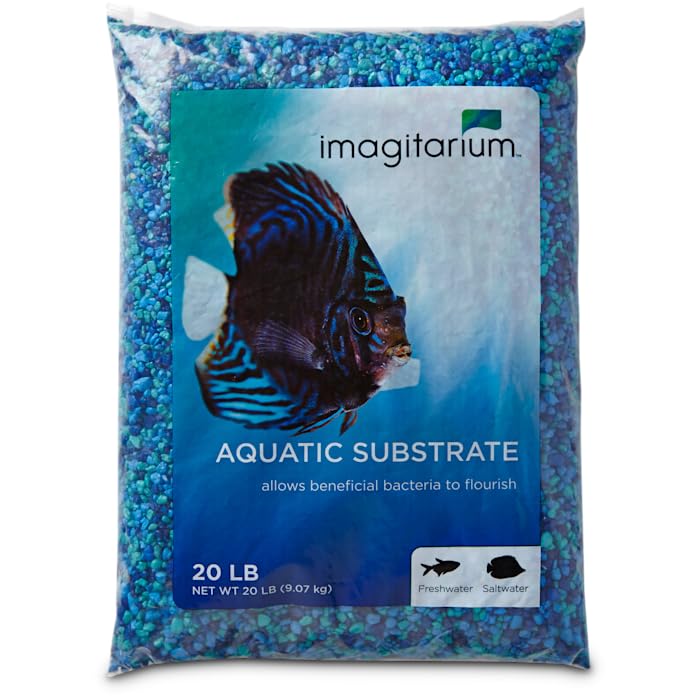
4. imagitarium by Petco Aquarium Gravel Blue Jean 20 lbs
Blue gravel that keeps its bold color for years, not months
Color retention is the story here. Buyers report the blue Jean shade staying vibrant even after several years of service in a running tank, which is the most common praise by a wide margin — the color outlasts typical painted gravel by a long shot.
The 20-lb bag, at the recommended 2 lbs per gallon, covers roughly a 10-gallon tank, and the dark blue tone adds depth while staying clearly decorative. Its porous surface hosts beneficial bacteria that break down waste, keeping the water column clear.
Rinsing is light — clean enough straight from the bag that some owners skip heavy washing — but a few note that paint chipping shows up in the last quarter of the bag, with some flecks floating when stirred. Treat it gently, avoid hard scrubbing, and it holds up well for years.
Long-haul color: the vibrant blue that stays true for years is the single biggest reason owners repurchase this over cheaper dyed gravel.
The soft spot: a little paint flecking can appear toward the bottom of the bag, so don’t rub the pebbles together during cleaning.
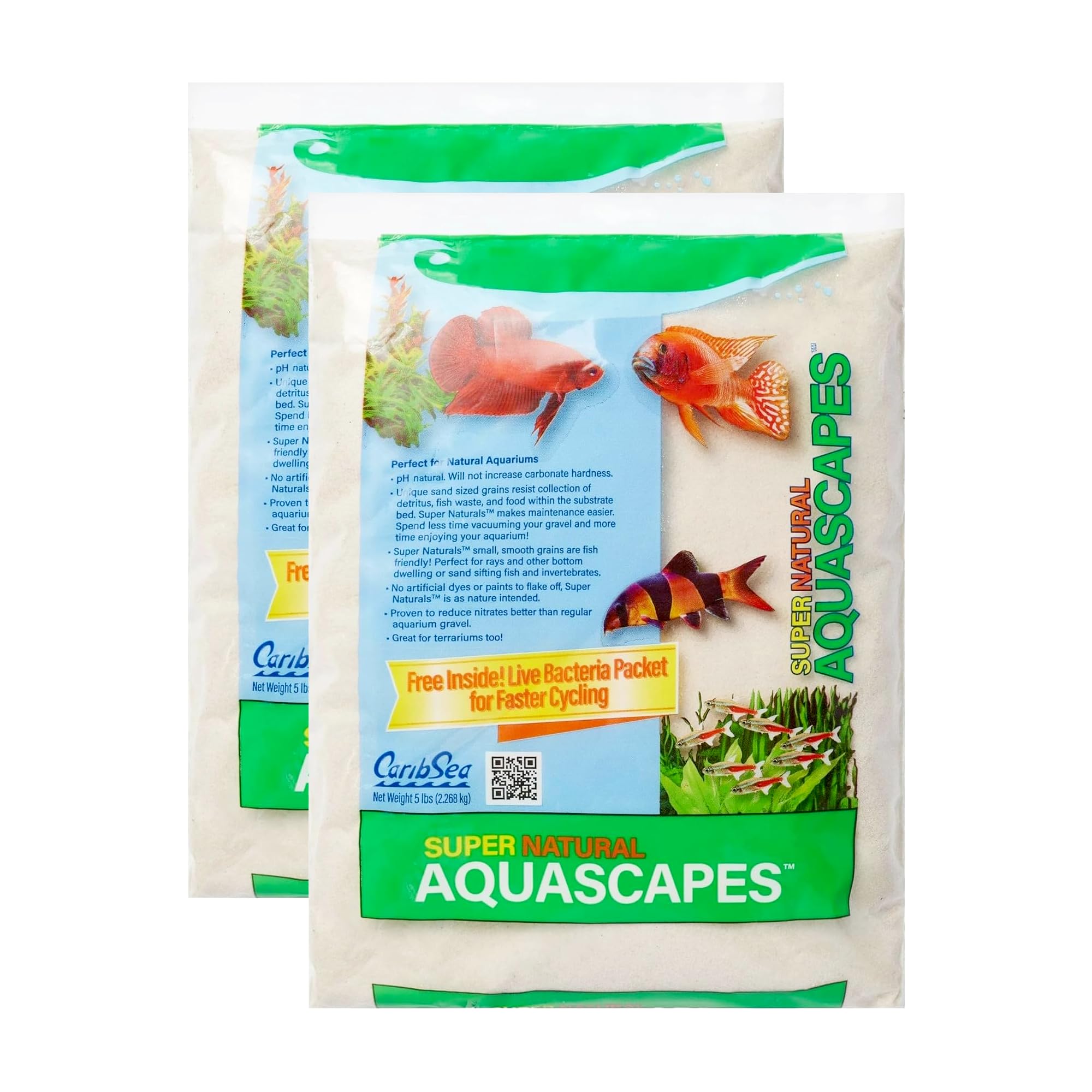
5. CaribSea Super Natural Moonlight Sand 5 lb (Pack of 2)
Moonlit white sand that cory catfish adore and ponds love equally
This sand is famous for one specific job: protecting catfish barbels. Its fine, rounded grains protect cory catfish barbels from the abrasion that sharp gravel causes.
The bright white, moonlit finish is genuinely dramatic in freshwater tanks, making tetras and angelfish pop against the pale bed. The two 5-lb bags together give you 10 lbs to work with, and the material rinses well, with debris staying on the surface for easy siphoning between changes.
Rinsing is still part of the deal — a few washes and the cloudiness lifts within a day. There’s a universal rule with this one: plan for at least 1 lb of sand per gallon for proper filtration and looks, so measure your tank before you buy and grab extra bags for anything big.
The hero trait: soft enough for corys and loaches to sift through safely, which is why keepers of sensitive bottom-dwellers call it essential.
Budget honesty: beautiful and fish-friendly, but you’ll likely need more than 10 lbs for anything past a 10-gallon tank.
6. imagitarium by Petco White Aquarium Sand 20 lbs

Pearly white sand that stays white and works double duty
This is the multi-tasker of the list. Owners use it in aquariums and then happily spread the leftovers across the front yard for leveling — it’s that versatile. The bright, pearly white color stays white over time, with a subtle shimmer that mimics a tropical riverbed.
The 20-lb bag is the heaviest white-sand option here, giving you real coverage for medium tanks without buying multiple bags. It’s ideal with carpeting plants and driftwood, which soften the brightness, and it’s routinely recommended for axolotls and other species that need a soft, clean bed.
One honest quirk: it’s not pure quartz sand. Owners describe it as a crushed coral or limestone material, which means it floats and clumps briefly on setup (settling within about a week) and it buffers water hardness and calcium. That’s a bonus for some fish and a real consideration for delicate planted tanks.
Why it earns fans: the white stays white, the bag is generous, and it doubles as a landscaping material — tough to top for versatility.
Know before you buy: as a crushed-coral style sand it buffers hardness, so it’s not the pick for blackwater or ultra-soft planted setups.
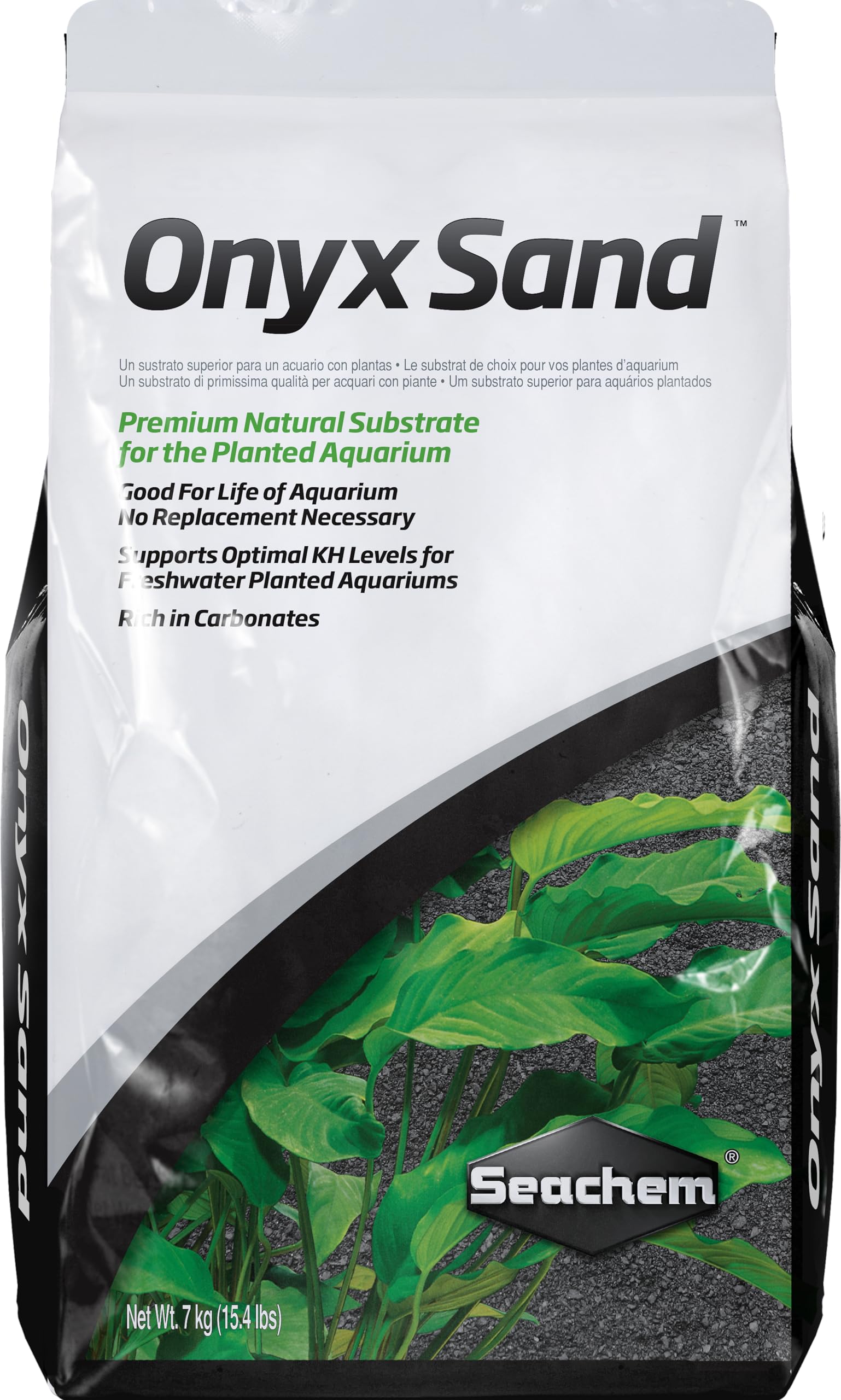
7. Seachem Onyx Sand 7 kg / 15.4 lbs
Porous premium sand built to raise hardness for cichlid tanks
Function first here: this is a specially fractured porous sand for reef and planted aquariums, with a slight buffering capacity that raises carbonate hardness quickly — owners watch their pH climb, which suits cichlids and African setups perfectly.
The texture lands between too-fine and too-coarse, which owners say is right for plants and for cory catfish. It works best alone as an integral bed but can mix with other gravels, and it’s not chemically coated or treated. The 15.4-lb bag is a solid mid-size buy, and the grain quality earns genuine praise.
The honest trade-off is dust and color. Expect a light ashy grey rather than the deep black the name suggests, and plan on serious rinsing — buckets of milky water, multiple washes, and steady patience before it stops clouding your tank. Sensitive bottom-dwellers may find the persistent dust stressful, so thorough prep is the price of admission.
Its real strength: the buffering capacity and porous structure make it a functional choice for cichlid and reef keepers who want more than decoration.
Who should pass: anyone wanting dust-free, true-black sand — this runs grey and asks for a long rinse routine.
8. Aqua Natural Aquarium Substrate Galaxy Sand 20lb

Silky black sand that literally sparkles as light hits each grain
The shimmer is the signature here. Each grain catches the light underwater, and owners describe the effect as smooth, soft, silky, and shiny — a dramatic black foundation that makes plants and hardscape pop. Appearance is the runaway top praise, with far more owners calling it out than any other trait.
It arrives cleaner than most sands, needing only minimal rinsing, and the grain size is even with no sharp edges — important for fish that sift the bed. Within about 24 hours of setup, most of the dust settles, and owners mention the color still looks new months later.
The 20-lb bag is a generous amount for aquascaping projects, and it’s sustainably sourced under license in the USA. Two cautions from the review pages: it runs more dark grey than jet black in some lighting, and a few owners find it too fine for their taste. If you want a deep, clean, sparkly bed, this delivers.
The wow factor: that light-catching shimmer on every grain is what makes this the most-praised visual sand here.
The fit check: gorgeous and easy to clean, but confirm you want a fine grain — it’s not the chunky look some aquascapers prefer.
9. LANDEN Thriva Aqua Soil Aquarium Substrate Black 5L

Active soil that grows carpet plants in about two weeks flat
This is the only active substrate here, feeding plant roots with minerals and trace elements. Instead of just decorating the bottom, the porous pellets feed plant roots with minerals and trace elements, releasing fertilizer slowly over time — owners watch carpet plants take off in about two weeks and every plant in the tank thrive.
No rinsing is required before use. The 3–5mm black pellets go straight from the 5L bag into the tank, with any cloudiness clearing quickly via the filter. It also suits shrimp and soft-water species by reproducing the mildly acidic conditions plants prefer.
Note: active soil can cause an ammonia spike in an established tank, so wait at least a week before adding fish or shrimp. A few floaters on fill are normal — scoop them out with a net. Budget for frequent small water changes in the first two weeks and your plants will reward you.
what separates it: genuine plant-fueling nutrients and a no-rinse setup — the easiest path to a lush, rooted planted tank.
The real caveat: watch for the ammonia release during the first weeks of cycling, especially in an already-stocked tank.
Understanding the Specs
Grain size and fish safety
Grain size is the single biggest safety factor. Fine sand, around the texture of powder, lets corydoras and other bottom feeders sift without scraping their barbels. Pea gravel around 1/4 inch is better for hardy community fish and much easier to vacuum, but it can be too rough for delicate species.
Active vs. inert substrate
Inert substrates — plain gravel and most sands — only provide surface area for beneficial bacteria. Active substrates like aqua soil release nutrients for plant roots and can soften or acidify water. If you grow rooted plants, active soil gives them a head start that inert materials physically cannot.
FAQ
How much substrate do I need for my tank?
Should I rinse substrate before adding it to the tank?
Will sand hurt my filter?
What is the difference between gravel and sand?
Is aquarium sand good for live plants?
Will colored gravel fade over time?
Can I mix different substrates together?
Why is my water cloudy after adding new substrate?
Final Thoughts: The Verdict
For most tanks, the aquarium substrate winner is the FANTIAN Pea Gravel because it balances natural looks, water clarity, and easy cleaning. If you keep plants, grab the LANDEN Thriva Aqua Soil for genuine nutrient-fed growth. And for soft-bellied catfish, the CaribSea Moonlight Sand is the one to reach for — its fine texture protects barbels while still looking sharp.
How We Picked
We do not accept paid placement. Every pick is matched to a real buyer and a real use-case; we do not hands-on test units.
Sources & Methodology
Specifications: manufacturer listings and product documentation. Review insights: verified customer reviews, as of August 2026. Pricing: not shown on this page (it changes often); check the current price via the retailer link.
As an Amazon Associate, Gadgets Feed earns from qualifying purchases. This does not affect which products we feature.