
When the mercury drops into the deep negative digits and the snow piles up, standard winter boots fail. You need a boot engineered specifically for arctic conditions — one that provides reliable insulation, a 100% waterproof barrier, and a sole compound that stays flexible and grippy on ice when the wind chill hits -40°F. The difference between a good cold-weather boot and a true arctic boot comes down to measurable specs: the insulation rating in grams or multi-layer construction, the neoprene thickness, and the outsole’s low-temperature performance.
I’m Min — the co-founder and writer behind Gadgets Feed. After spending many hours analyzing the technical specifications, multi-layer insulation systems, and polar-rated test data across the nine most promising models, this guide identifies the women’s arctic boots that actually deliver on their extreme-cold promises.
Whether you need to stay warm during hours of ice fishing, barn chores in sub-zero winds, or walking through deep snow drifts, finding the right pair starts with understanding what separates a fashion boot from a survival tool. best arctic boots for women share one defining trait — they are built with polar-rated insulation, sealed seams, and outsole rubber that refuses to freeze solid.
How To Choose The Best Arctic Boots For Women
Selecting an arctic boot is not the same as picking a casual winter shoe. The environment demands specific engineering that directly impacts safety and comfort. Focus on these factors before you buy.
Insulation System and Temperature Rating
Arctic boots rely on either a multi-layer fixed insulation or a removable inner boot system. The best models use a combination of neoprene, foam layers, and reflective membranes to trap heat. Look for a comfort range that dips well below your typical low — if you face -20°F, a boot rated to -40°F provides a safety margin for wind chill and inactivity.
Waterproofing and Materials
Seam-sealed waterproof construction is mandatory. Neoprene booties offer superior water resistance and flexibility compared to standard nylon or leather uppers. Genuine rubber overlays on the lower half provide durability and prevent moisture ingress from deep snow. Avoid boots that only claim water resistance — arctic conditions require 100% waterproof from top to bottom.
Traction on Ice and Snow
The outsole compound matters enormously at low temperatures. Standard rubber hardens and loses grip below freezing. Premium arctic boots use specialized compounds like Vibram Arctic Grip or Polar Rubber that remain pliable and maintain bite on glare ice. Look for deep, multi-directional lugs that self-clear mud and snow.
Fit and Sizing for Thick Socks
Arctic boots are designed to be worn with one or two pairs of thick wool socks. The internal volume must accommodate this without compression, which would restrict blood flow and accelerate cold feet. Most reviewers across every model in this guide report that sizing up by half to a full size is necessary. Boots with removable footbeds or liners offer additional room for customization.
Quick Comparison
On smaller screens, swipe sideways to see the full table.
| Model | Category | Best For | Key Spec | Amazon |
|---|---|---|---|---|
| MUCK Arctic Ice Tall + Vibram | Premium | Severe wet & extreme cold | 8mm Neoprene Bootie | Amazon |
| UGG Adirondack Boot XXV | Premium | Style meets arctic performance | Xerogel insulation to -32°C | Amazon |
| Baffin ICEFIELD Tall | Premium | Polar-rated extreme cold | Removable -100°C rated liner | Amazon |
| Dryshod Arctic Storm Hi | Premium | Barn chores & sub-zero work | 7-layer insulation system | Amazon |
| KEEN Greta Tall | Mid-Range | Waterproof hiker with insulation | 200g insulation, wide toe box | Amazon |
| THE NORTH FACE Thermoball Zip Up II | Mid-Range | Lightweight everyday winter | ThermoBall insulation, side zip | Amazon |
| SOREL Tivoli V Tall | Mid-Range | Fashionable city snow boot | Waterproof leather, removable liner | Amazon |
| Kamik Momentum 3 | Mid-Range | All-day cold weather comfort | HEAT-MX insulation, seam-sealed | Amazon |
| Columbia Minx IV | Budget | Value warmth for moderate cold | Sub-zero rated, soft fleece interior | Amazon |
In‑Depth Reviews
1. MUCK Women’s Arctic Ice Tall Boot + Vibram Arctic Grip A.T.
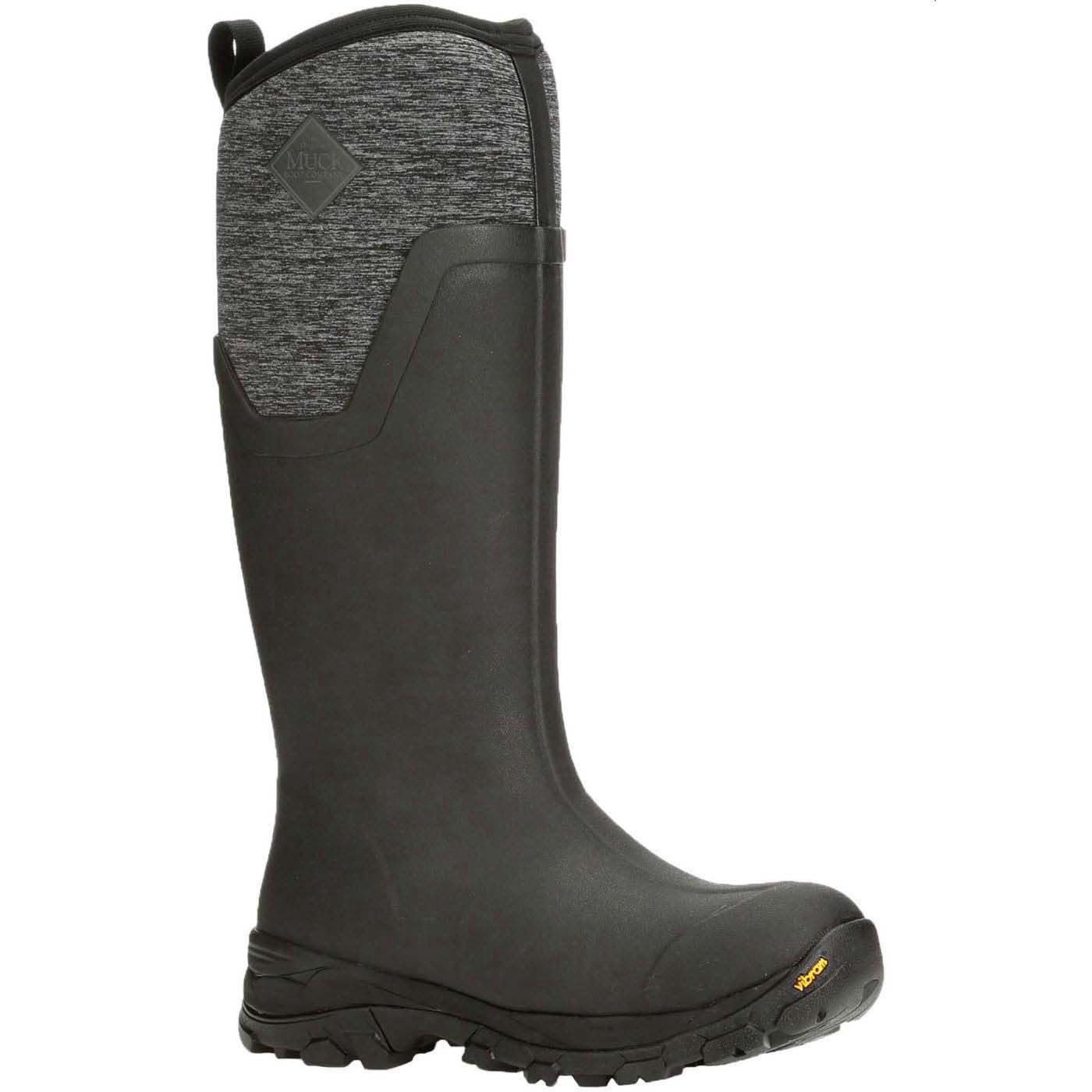
The MUCK Arctic Ice Tall represents the peak of cold-weather boot engineering. Its 8mm neoprene bootie provides a thermal barrier that few competitors can match, and the Vibram Arctic Grip outsole delivers the best traction on glare ice of any boot in this guide. The extended rubber coverage reaches high up the calf, preventing snow intrusion even when you post-hole through deep drifts. Multiple reviewers confirmed that this boot kept feet warm at -30°F with a single layer of wool socks.
The pull-on design with a reinforced heel kick makes entry and exit straightforward, though several users noted the shaft can feel tight around the calves. Sizing is a point of nuance — some reviewers sized down for a snug fit, while others sized up for thick socks. The boot is undeniably heavy at 4.5 pounds per pair, a trade-off for the thick neoprene and rubber armor. A removable footbed insert allows for aftermarket orthotics if the stock cushioning is insufficient.
Long-term durability is a strong point here; one reviewer reported their first pair lasted four consecutive winters of heavy barn use before needing replacement. The rubber outsole sheds mud and snow effectively, keeping the boot lighter on your feet as you walk. If your winters involve wet, slushy conditions combined with sub-zero temperatures, the MUCK Arctic Ice Tall is the most complete Arctic boot available.
Why it’s great
- 8mm neoprene bootie provides superior insulation and waterproofing.
- Vibram Arctic Grip outsole offers class-leading traction on pure ice.
- Proven four-year durability in heavy farm and ranch use.
Good to know
- Heavier than most at 4.5 pounds; not ideal for long-distance hiking.
- Calf shaft is tight for women with larger calves.
- Some users recommend sizing down, while others size up — try on first.
2. UGG Women’s Adirondack Boot XXV
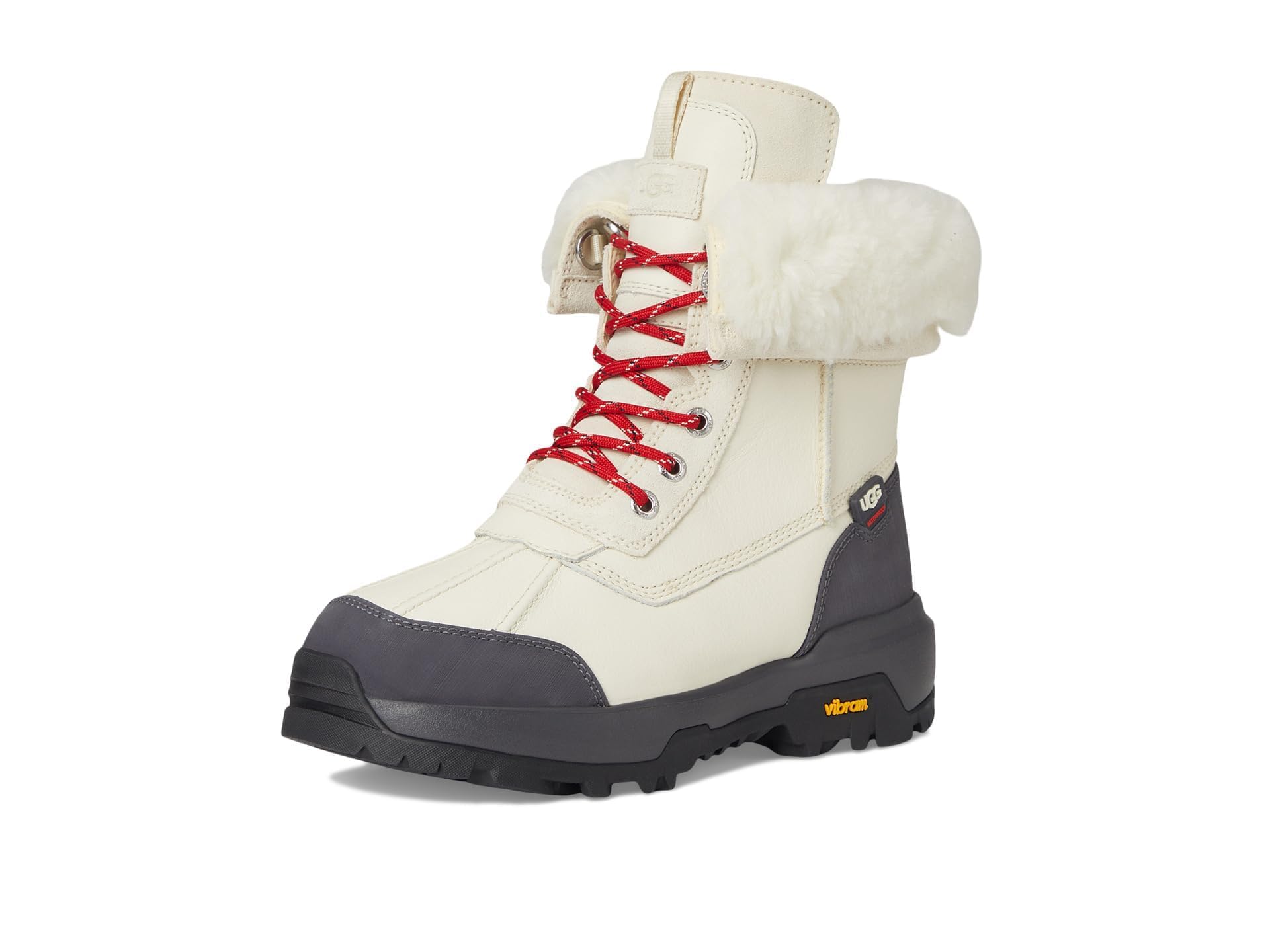
The UGG Adirondack Boot XXV celebrates 25 years of the Adirondack line with a thoughtful update that blends full-grain waterproof leather and suede with modern Xerogel insulation rated to -32°C (-25.6°F). This is the only premium lifestyle boot in the roundup that matches genuine heritage craftsmanship with scientifically validated cold-weather performance. The higher tongue height adds an extra layer of barrier against snow entry, a detail that matters when you step into deep powder.
Reviewers consistently praise the traction on snow, ice, and slush, noting that the outsole pattern grips well without needing additional cleats. The fit runs true to size, and the boot accommodates high arches comfortably. Several long-term fans are on their fourth pair, a testament to the build quality and the brand’s willingness to refresh the design with modern materials. The red laces are a subtle style touch that makes the boot stand out in a sea of black rubber.
The single consistent complaint involves the lacing system — threading and tightening the laces takes more effort than the typical pull-on or zippered boot. For those willing to spend the extra minute lacing up, the payoff is a snug, supportive fit that works for both city commutes and light snowshoeing. If you want arctic capability without sacrificing aesthetics, the Adirondack XXV is the clear choice.
Why it’s great
- Xerogel insulation is scientifically rated to -32°C with real-world validation.
- Waterproof genuine leather and suede upper with higher snow-protection collar.
- Proven multi-year durability across multiple iterations.
Good to know
- Lacing system requires more effort to tighten compared to zip or pull-on boots.
- Premium price point places it at the high end of the market.
- Not designed for extreme active use like running snowmobiles for hours.
3. Baffin Women’s ICEFIELD Tall Waterproof Polar-Rated Snow Boots
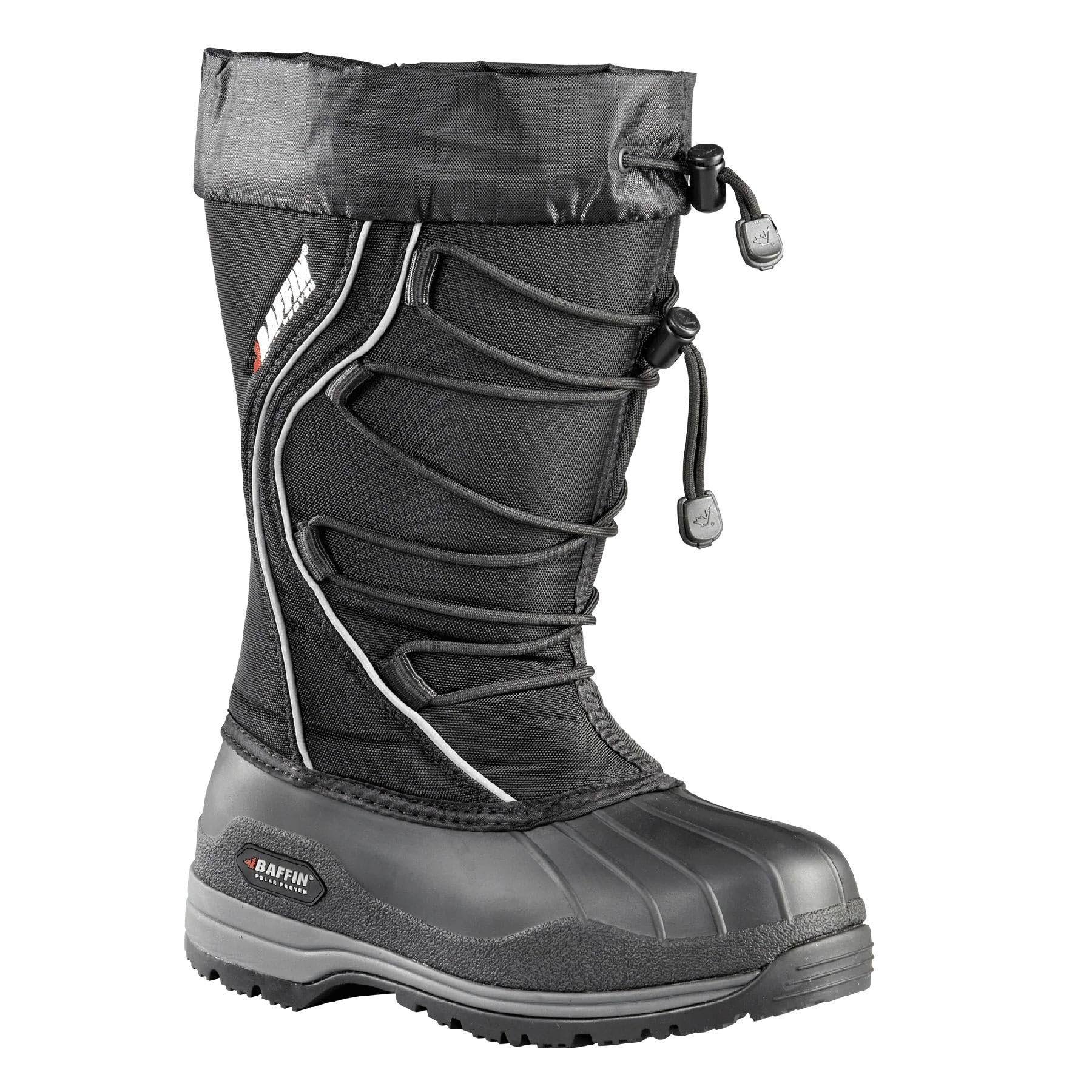
The Baffin ICEFIELD Tall is the only boot in this guide field-tested at both the North and South Poles, carrying a polar rating that gives it the highest theoretical temperature tolerance of any model here. Its secret is the multi-layer removable inner boot: a Comfort-Fit liner with B-Tek foam structure, dual B-Tek Heat layers for thermal loft, a breathable Thermaplush lining, and a Vapourized Aluminum Membrane that reflects radiant heat back toward your foot. The result is a boot that ice fishermen report keeps their feet warm while sitting stationary on the ice in negative Fahrenheit conditions.
The outer shell is a wind-resistant nylon upper with a drawstring locking collar that seals out snow, plus an Arctic Rubber base that stays flexible in sub-zero temperatures instead of hardening into a stiff shell. The Polar Rubber outsole uses a waffle-comb footbed to trap warm air and a double aluminum insole that reflects heat. At 4 pounds per pair, it is not the lightest option, but the weight is distributed well and the removable liner makes drying and cleaning simple.
Some reviewers noted that the toe area can feel narrow, even after sizing up, which may limit the thickness of the socks you can comfortably wear. The drawstring collar and side-to-side toggle lacing provide a secure fit, but users with slender calves found it hard to achieve a tight seal around the ankle and shin. For expedition-level cold where you need a proven polar pedigree, the Baffin ICEFIELD is the benchmark.
Why it’s great
- Field-tested at the North and South Poles with a removable -100°C rated liner.
- Multi-layer insulation system with reflective aluminum membrane.
- Arctic Rubber outsole stays flexible and grippy in extreme sub-zero cold.
Good to know
- Toe box can be narrow even with sizing up; check your foot width.
- Slender calves may struggle to get a snug fit around the ankle.
- Not ideal for extended walking due to the stiff construction and weight.
4. Dryshod Arctic Storm Hi Extreme Cold Conditions Women’s Winter Boot

The Dryshod Arctic Storm Hi is engineered specifically for women who work outdoors in the coldest conditions — barn chores, feeding livestock, and facility maintenance in single-digit and sub-zero wind chills. Its construction uses a 5.5mm neoprene bootie reinforced with 2.5mm DENSOPRENE XD foam, 2mm airmesh, and 2mm warm fleece lining, totaling seven distinct layers of protection with a comfort range from -50°F to 65°F. This is the highest layer-count in the guide, translating to real warmth for stationary work in extreme cold.
The DS1 two-piece outsole features a high-traction molded rubber base with an EVA cold-blocking midsole that insulates your foot from the frozen ground. Genuine natural rubber overlays — not PVC, PU, or TPR — wrap the lower boot for durability and flexibility. Reviewers in Wisconsin and Maine reported that these boots kept their toes warm during hours of barn work in single digits, and the wide shaft accommodates easy tucking of work pants. The roll-down calf pipe allows for a customized fit, and the HydroKote water-repellent treatment causes water to bead off the nylon outer instantly.
Several reviewers mentioned that the boot is initially stiff but loosens up quickly after a few wears. The pull tab is the one area some question for long-term durability, though the reinforced heel tab aids removal effectively. For the money, the Dryshod delivers more layers of insulation per dollar than any other premium arctic boot in this comparison, making it the top choice for prolonged outdoor labor in sub-zero conditions.
Why it’s great
- Seven-layer insulation system with a comfort range down to -50°F.
- Genuine natural rubber overlays for superior durability and waterproofing.
- Wide shaft and roll-down calf pipe for easy pants tucking and fit adjustment.
Good to know
- Initial stiffness requires a brief break-in period.
- Pull tab may not be as durable as the rest of the boot construction.
- Heavier than standard snow boots; best for stationary work over hiking.
5. KEEN Greta Tall Boot Waterproof

The KEEN Greta Tall is built on the brand’s traditionally wider footwear form, making it the best option in this guide for women who need extra room in the forefoot or have bunions. It combines a waterproof leather upper with 200 grams of insulation, a tall quilted collar for snow protection, and a cold-weather traction outsole that handles icy trails and slushy town streets with confidence. One reviewer reported hiking comfortably in 15°F Alaska temperatures with warm socks, noting good arch support and a smooth gait.
The side zipper is a key convenience feature — it allows for quick entry and exit without fighting with laces, and the laces themselves stay tied well enough that you can treat the boot as a slip-on after the initial setup. The plaid design option adds a touch of visual warmth that stands out against the plain black and gray boots that dominate the category. Multiple reviewers praised the boot’s ability to keep feet warm and dry after five-plus hours in 30°F snow and mud.
The most consistent criticism targets the zipper hardware, which some describe as small and wimpy relative to the hefty boot construction. Long-term durability reports are mixed — one reviewer replacing a 19-year-old pair of KEENs noted that the new boot’s stitching and sole attachment didn’t match the older pair’s build quality. For the price, the Greta Tall is a capable mid-range arctic boot that prioritizes roomy fit and convenience over expedition-grade toughness.
Why it’s great
- KEEN’s traditionally wider toe box accommodates bunions and thick socks.
- Side zipper enables quick on-and-off without unlacing.
- Proven warmth and waterproofing for multi-hour hikes in sub-freezing conditions.
Good to know
- Zipper hardware feels undersized for the boot’s overall heft.
- Some reports of stitching and sole separation quality variance.
- Insulation level (200g) is lower than premium multi-layer boots.
6. THE NORTH FACE Women’s Thermoball Progressive Zip Up II Snow Boot

The North Face Thermoball Progressive Zip Up II rethinks what an arctic boot can feel like on the foot. At a weight comparable to a heavy hiking sneaker, this boot uses ThermoBall synthetic insulation that mimics down’s loft-to-warmth ratio while retaining its insulating properties even when wet. The rubber outsole provides reliable traction on wet grass and packed snow, and the zip-up design with a bungee lace system makes entry and exit almost effortless.
Reviewers in snowy New Hampshire report that their feet stay warm and dry through full days outdoors, and multiple users describe the boot as feeling like you are wearing sneakers rather than a bulky winter boot. The boot runs true to size for most, though a few narrow-footed users found the toe box restrictive. The side zipper is sturdy and well-protected from snow ingress, a common failure point on lesser zippered boots.
The primary limitation is temperature range. This is not a boot designed for extended exposure to -20°F or extreme polar conditions. It performs excellently for everyday winter wear, commuting, and moderate outdoor activity in the teens and twenties Fahrenheit. For those who prioritize lightweight comfort and easy on-off over maximum cold-weather endurance, the Thermoball Zip Up is an excellent mid-range choice that sacrifices nothing in day-to-day usability.
Why it’s great
- Exceptionally lightweight design that feels like sneakers on the foot.
- ThermoBall insulation stays warm even when wet.
- Side zip and bungee system for fast, tool-free entry and exit.
Good to know
- Not rated for extreme polar cold; best for temperatures in the teens and above.
- Narrow fit for some foot shapes; may not suit wide feet.
- Less durable than all-rubber or heavy neoprene boots for rugged use.
7. SOREL Women’s Tivoli V Tall Waterproof Boot
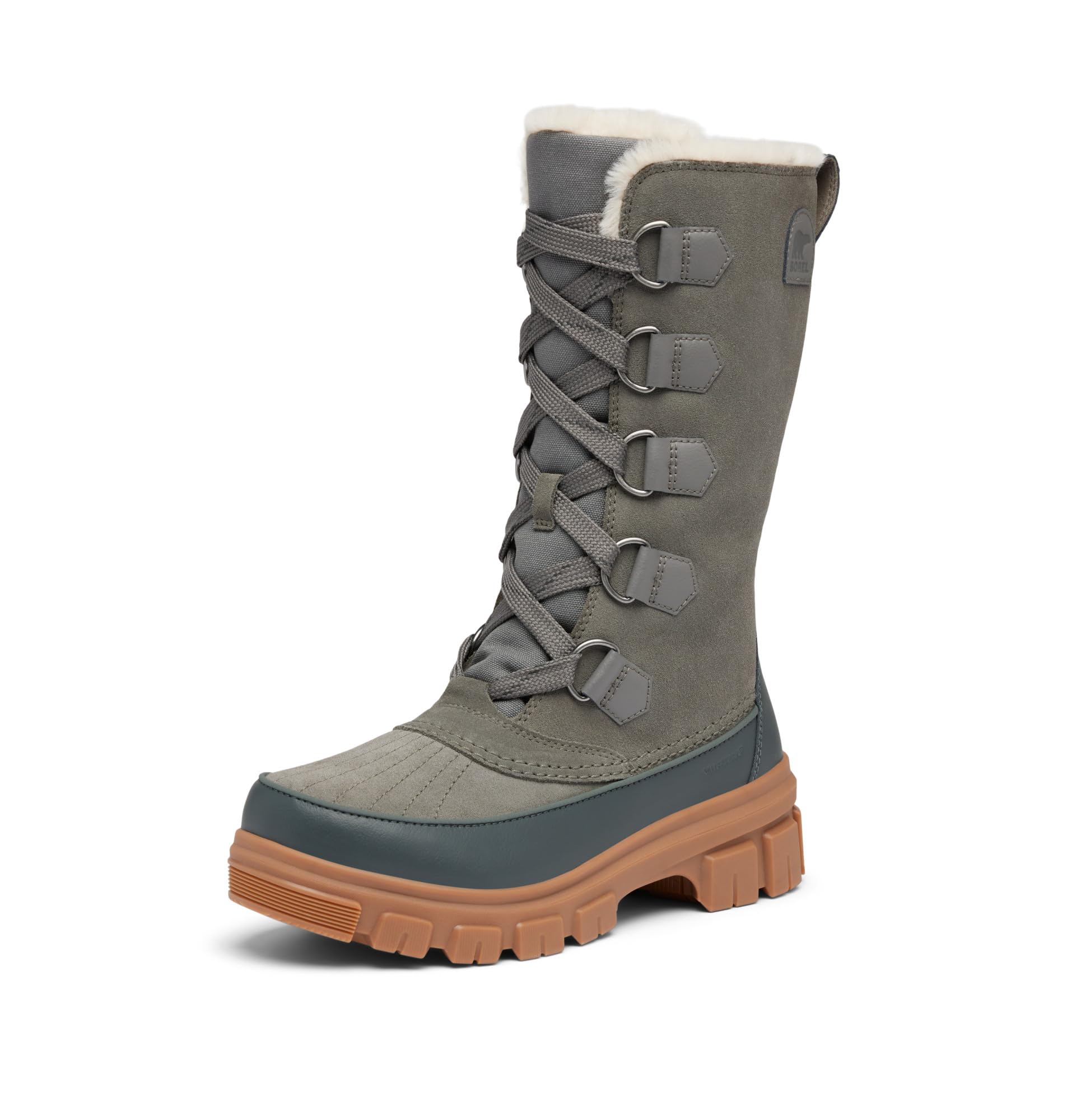
The SOREL Tivoli V Tall has earned a reputation among reviewers as the pair they reach for season after season. It combines a waterproof leather and textile upper with a removable inner liner that provides warmth into the teens Fahrenheit. The thick, multi-directional lugs handle urban snow and packed trails well, and the boot’s height — about mid-calf — offers solid coverage for walking through deep slush without restricting movement.
Reviewers consistently mention the laces as a standout detail: they are thick enough that they do not freeze solid in cold temperatures, a minor but significant quality-of-life improvement when you are lacing up in a freezing car or garage. The boot runs true to size and is orthotic-friendly, a benefit for women who rely on custom insoles for arch support. One reviewer reported that their pair lasted over ten years, making the Tivoli V one of the best value propositions in the mid-range tier when measured by cost-per-wear.
The boot’s weakness is its temperature ceiling. The removable liner provides adequate warmth for daily winter use into the teens and low single digits, but it is not engineered for the extreme sub-zero exposures that the premium neoprene and polar-rated boots handle. Some users noted ankle rub when laced tightly, which was resolved by looser lacing or moleskin. For a stylish, durable, and comfortable city-ready arctic boot, the SOREL Tivoli V Tall is a proven classic.
Why it’s great
- Thick, non-freezing laces that remain flexible in cold weather.
- Orthotic-friendly removable liner with reported 10-year durability.
- Waterproof leather upper with strong snow and slush protection.
Good to know
- Removable liner limits extreme cold performance compared to fixed insulation.
- Ankle may rub when laces are cinched tight.
- Not designed for extended activity in sub-zero temperatures below 0°F.
8. Kamik Momentum 3 Insulated Snow Boots
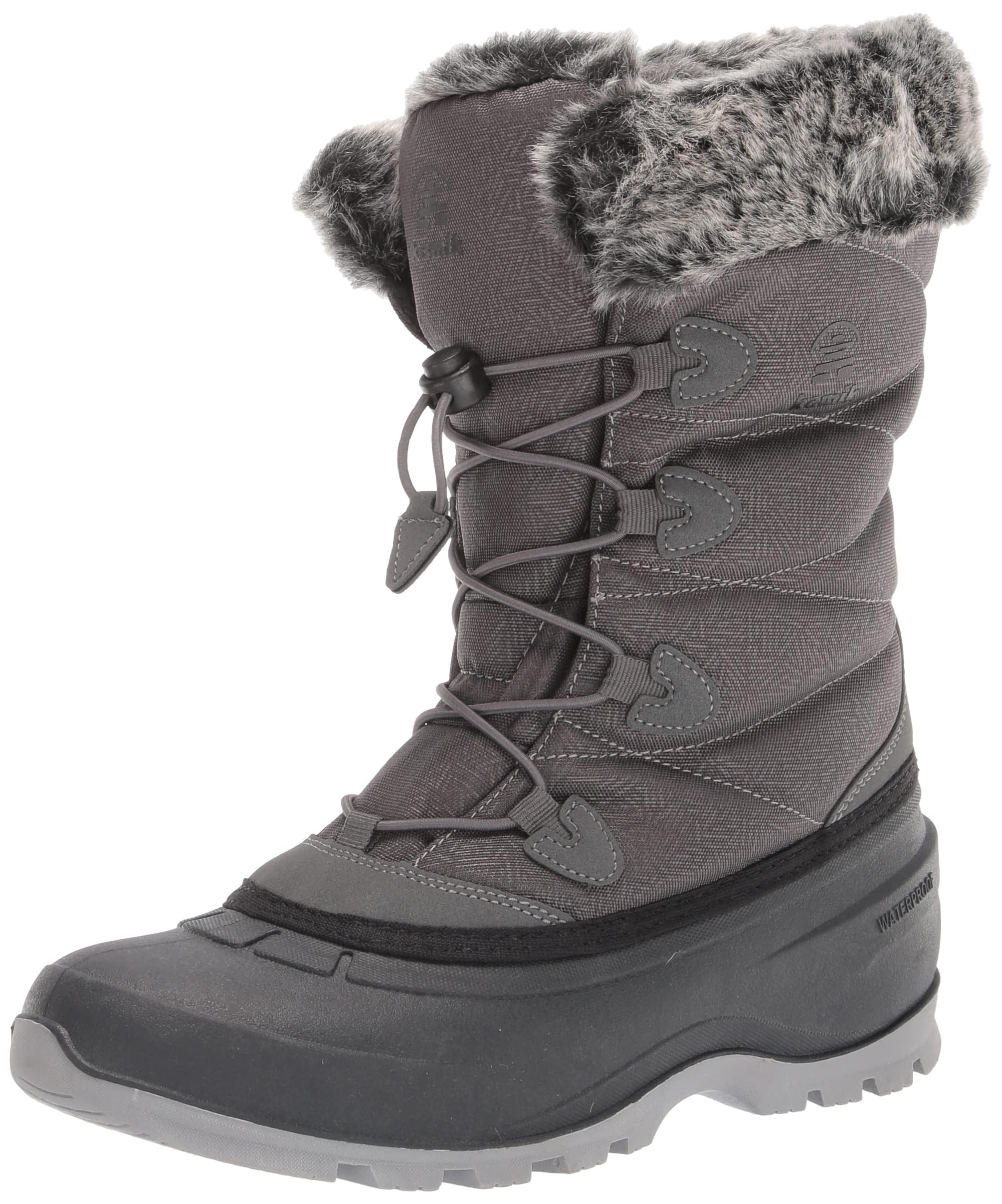
The Kamik Momentum 3 delivers a quality-to-price ratio that punches well above its mid-range positioning. The HEAT-MX insulation system provides all-day warmth that reviewers tested in below-freezing weather for six-plus hours without cold feet. The waterproof, seam-sealed construction keeps moisture out in wet snow and slush, and the elastic lace system with a drawstring closure makes the boot easy to put on and take off with gloved hands.
Reviewers consistently note that the boot runs small and recommend sizing up half to a full size, especially for those planning to wear medium or thick wool socks. The fur lining extends all the way to the toes, a detail that prevents the cold-floor sensation that some boots create when only the shaft is insulated. The thick rubber outsole provides impressive traction on ice and uneven ground, according to multiple verified purchases.
The most significant concern involves long-term durability. One reviewer reported that the seam came undone after four months of light use, allowing water ingress. Other users had no such issues and praised the boot’s comfort and warmth. While the value is exceptional for the first season, the Kamik may not offer the multi-year lifespan of the premium rubber and neoprene boots in this guide. For a budget-conscious shopper who needs reliable cold-weather performance for one or two winters, the Momentum 3 is a strong pick.
Why it’s great
- Excellent warmth-to-price ratio with HEAT-MX insulation and full-length fur lining.
- Elastic lacing and drawstring closure enable quick, one-handed operation.
- Strong outsole traction on ice and uneven winter terrain.
Good to know
- Runs small; sizing up by half to full size is almost mandatory.
- Mixed durability reports — some units show seam failure within months.
- Minimal arch support; consider aftermarket insoles for all-day wear.
9. Columbia Minx IV
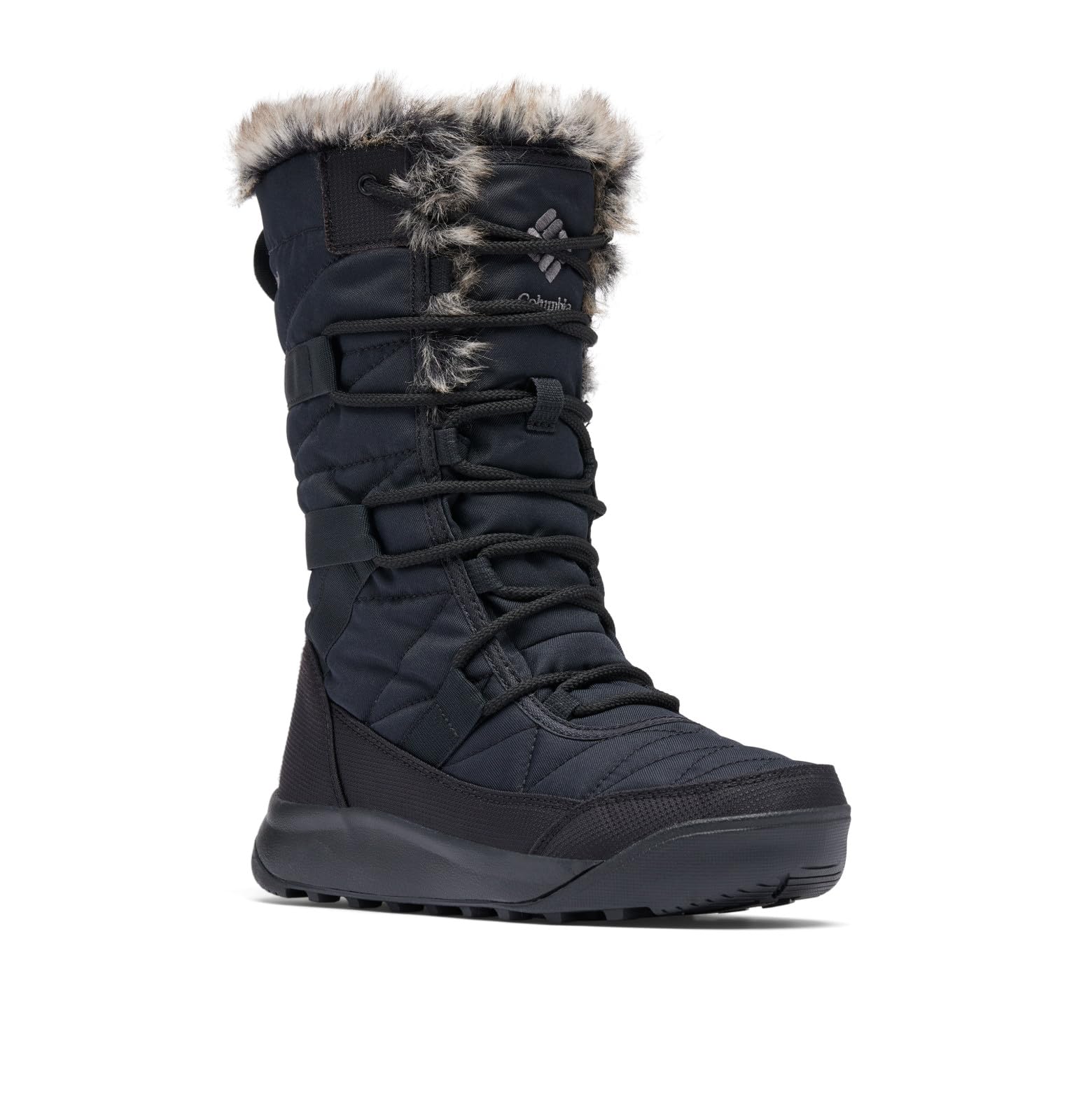
The Columbia Minx IV proves that entry-level pricing does not have to mean entry-level warmth. This boot features a soft fleece interior that testers describe as extremely warm — almost too warm for daily indoor-to-car transitions — and a waterproof shell that handles snow and slush without leaking. The mid-calf height provides adequate coverage for moderate snow depths, and the rubber outsole offers acceptable traction on packed snow.
Reviewers unanimously agree that the boot runs narrow. Several women with bunions reported toe numbness that resolved as the material stretched, but the consensus is to order the wide width or size up by half a size if you plan to wear thick socks. The laces are short, and some users found the outsole slippery on pure ice, a limitation that is common at this price point. For conditions where the ground is snow-covered but not pure glare ice, the Minx IV performs admirably.
The trade-off for the low price is engineering depth. The Minx IV relies on a single fleece liner rather than a multi-layer insulation system, meaning its effective temperature range tops out in the single digits rather than the deep negatives. It is not a boot for standing still in -30°F for hours. For the woman who needs a warm, stylish cold-weather boot for daily errands and dog walks in a typical northern winter, the Minx IV is the most cost-effective choice in this guide.
Why it’s great
- Extremely warm fleece interior that punches above its price class.
- Waterproof shell keeps feet dry in snow and slush.
- Stylish design with positive reviews across fit and warmth.
Good to know
- Narrow fit requires ordering wide or sizing up for thick socks.
- Sole is slippery on pure ice; ice cleats recommended for icy conditions.
- Single-layer insulation limits extreme cold performance to single digits.
FAQ
How much should I size up for arctic boots worn with thick wool socks?
Can I wear arctic boots for hiking or snowshoeing?
How do I prevent my toes from getting cold in extreme sub-zero temperatures?
What is the best way to dry arctic boots after exposure to snow and slush?
Final Thoughts: The Verdict
For most users, the best arctic boots for women winner is the MUCK Arctic Ice Tall because its 8mm neoprene bootie and Vibram Arctic Grip outsole deliver the highest combined warmth, waterproofing, and ice traction in this comparison. If you want a stylish boot that still performs in arctic temperatures down to -32°C, grab the UGG Adirondack Boot XXV. And for extreme polar-rated protection where you need a proven multi-layer removable liner system, nothing beats the Baffin ICEFIELD Tall.