
Our readers keep the lights on and my morning glass full of iced black tea. As an Amazon Associate, I earn from qualifying purchases.
Specs are compiled from manufacturer listings and verified buyer reviews and can change over time — please confirm the key details on the product page before buying.
When the temperature drops and you step into a freezing puddle, a standard rain boot does not cut it. Your feet go numb, the rubber gets stiff, and walking on ice is treacherous. You need a boot that stays flexible in the cold, grips slippery ground, and keeps your feet warm for hours. This guide sorts through the specs and buyer reports to find which arctic rubber boots actually do the job in real winter conditions.
I’m Min — the founder and writer behind Gadgets Feed. This guide is built by comparing the manufacturers’ published specifications and the patterns across verified customer reviews, so you get each pick’s real strengths and trade-offs instead of marketing spin.
After digging into insulation thickness, rubber durability, sole grip, and real-world feedback on warmth and fit, these are the arctic rubber boots worth your money this winter.
Quick Picks
- MUCK Women’s Arctic Ice Tall Boot + Vibram Arctic Grip A.T. — Best Overall
- TIDEWE Rubber Hunting Boots, Next Camo G2 — Premium Pick
- HunThor Rubber Work Boots, Puncture-Proof with Steel Toe & Shank — Best for Work
- Kamik Men’s Forester — Best Value
- HISEA Rubber Work Boots for Men — Versatile Pick
- Trudave Rubber Boots for Women with Steel Shank — Women’s Pick
How To Choose The Best Arctic Rubber Boots
Not all insulated rubber boots handle the same cold. A boot that works at 30 degrees will leave you shivering at 10 degrees. Here are the three specs that separate a true arctic performer from a glorified rain boot.
Insulation Type and Thickness
Insulation keeps your foot warm when you are standing still. Look at the neoprene thickness in millimeters (mm) — 6mm is the starter for serious cold, with 7mm and 8mm trapping more heat. Some boots use a removable felt liner instead of built-in neoprene; felt traps heat when dry but feels bulky. Others use synthetic insulation like 3M Thinsulate (measuring in grams, like 800g), which is thinner for the same warmth. Your choice depends on if you want flexibility or maximum warmth in extreme temps.
Sole Traction on Ice and Snow
Standard rubber lugs work on mud and grass but slip on hard-packed snow and ice. The best choice for icy conditions is a Vibram Arctic Grip sole, which uses a rubber compound that grips wet ice. For less money, look for deep, multi-directional lugs in soft rubber that stays pliable in the cold. A steel shank (a rigid metal strip in the midsole) adds support on uneven ground and stops the boot from bending too much on sharp edges.
Waterproofing and Calf Fit
100% waterproof construction is non-negotiable — you need rubber or neoprene that blocks moisture from puddles, slush, and snowmelt. A 17-inch tall boot shaft keeps you dry in deeper snow. An adjustable calf gusset (a fabric panel with a strap) lets you seal out snow and debris, which is critical if you are walking through deep drifts. A boot that is loose around the calf lets cold air in, which kills the insulation.
Quick Comparison
| Model | Best For | Insulation | Weight | Safety Features | Amazon |
|---|---|---|---|---|---|
| MUCK Women’s Arctic Ice Tall | Ultimate Ice Traction | 8mm Neoprene (5mm upper) | 4.5 lbs (pair) | Vibram Arctic Grip Sole | $98.80$123.50Limited time dealAmazon |
| TIDEWE Next Camo G2 | Extreme Cold Hunting | 7mm Neoprene + 800g | — | Adjustable Cuff, Steel Shank | $119.99Amazon |
| HunThor Rubber Work Boots | Workplace Durability | 3M 800g Thinsulate | 4.41 lbs (pair) | Steel Toe, Puncture-Proof, Steel Shank | from $84.99Amazon |
| Kamik Men’s Forester | Budget All-Around Warmth | Removable Felt Liner | — | Lug Soles, Cinch Top | $62.38$79.99Amazon |
| HISEA Rubber Work Boots | Versatile Wet-Weather Value | Neoprene (not specified) | — | Steel Shank, Adjustable Calf | $66.49$86.99Amazon |
| Trudave Women’s Rubber Boots | All-Season Farm & Garden | 6mm Neoprene | — | Steel Shank, Anti-Slip Sole | $67.99Amazon |
In‑Depth Reviews
1. MUCK Women’s Arctic Ice Tall Boot + Vibram Arctic Grip A.T.

The Vibram Arctic Grip sole and 8mm neoprene make this the safest warm boot on ice you can buy.
Your feet stay warm and planted even on sheer ice. The boot delivers this with an 8mm neoprene bootie (stepping down to 5mm in the upper) that traps heat well, and a Vibram Arctic Grip A.T. outsole (a rubber sole with special fibers to grip wet ice). One buyer reports the boot is “very warm even for 30 below zero weather when worn with wool socks” — the kind of real-world warmth most boots cannot back up. At 4.5 pounds for the pair, these are not light, but a reviewer who walks on unplowed sidewalks in the Adirondack Mountains says the tread gives her confidence not to fall. The 17-inch shaft height and 100% waterproof build keep you dry in deep slush. Compared to the TIDEWE below, the MUCK’s Vibram sole gives it a clear edge on glare ice, though you pay extra for that grip.
The calf shaft runs snug, so if you have larger calves or plan to tuck in heavy pants, try them on first or size up. One 75-year-old reviewer who cleans stalls and shovels snow in them called them “just the perfect winter boot.”
Why It Dominates
- Vibram Arctic Grip sole grips sheet ice without needing bolt-on cleats
- 8mm neoprene keeps feet warm in sub-zero temps, buyers confirm in -30°F
- 100% rubber waterproofing for deep snow and slush
The One Drawback
- Calf fit is snug — may be too tight for larger calves or thick pants
- Heavier than most at 4.5 lbs, less ideal for driving
Best for anyone who walks on ice daily: If your winter involves unplowed sidewalks, icy farm lanes, or long hours on frozen ground, the Vibram sole and 8mm insulation make this the safest, warmest boot here.
The honest limit: The snug calf and 4.5-lb weight can be a dealbreaker for wider legs or driving.
2. TIDEWE Rubber Hunting Boots, Next Camo G2

Heavy 7mm neoprene plus 800g of extra insulation makes this the warmest choice for sitting still in extreme cold.
If you sit for hours in a deer blind at single-digit temps, this boot is for you. It has 7mm neoprene lining plus 800g of added Thinsulate (a thin synthetic fiber insulation) for the highest warmth rating in this list. One reviewer who previously froze in uninsulated boots said they hunted “for multiple hours in single digit temps without the first hint of being cold.” The boot shaft has adjustable buckle straps to snug the calf, sealing out snow. The joint between rubber and neoprene bends naturally when you walk, avoiding the stiff feel of some competitors. A steel shank (a metal strip in the midsole) adds support on uneven ground. Compared to the MUCK above, the TIDEWE has heavier insulation and a more adjustable fit for a lower cost, but it lacks the Vibram ice-grip sole.
Buyers report the boots run about a half-size large, so sizing down is smart. The Next Camo G2 pattern is popular with hunters, but it also works for farm chores or shoveling. Some reviewers mention a rubber smell from the start that goes away after airing out.
What Makes It a Standout
- 7mm neoprene plus 800g insulation gives the warmest combo in this guide
- Adjustable calf straps seal out snow and let you dial in the fit
- Flexible rubber-to-neoprene join makes walking more comfortable
What It Lacks
- Standard lug sole, not a dedicated ice-grip compound like Vibram Arctic Grip
- Initial rubber smell reported by buyers, though it fades
Ideal for stationary cold: Hunters, ice fishers, and anyone who stands still in extreme cold will love the 800g insulation and adjustable shaft.
The trade-off you should know: The tread works on mud and snow but slides on pure ice — you may need strap-on cleats for glare ice.
3. HunThor Rubber Work Boots, Puncture-Proof with Steel Toe & Shank

Steel-toe safety plus 800g Thinsulate insulation at a manageable 4.41 lbs for wet, cold workplaces.
If your job demands steel-toe protection in cold, wet conditions, this is the boot. It has a steel toe and a puncture-proof sole with a steel shank, plus 3M 800g Thinsulate for warmth — all at 4.41 pounds per pair. One buyer whose husband works at a seafood packing company in freezers called them “excellent… exceed expectations in every category,” even comparing them well to Red Wing boots. The rubber exterior resists oil and acid, and the deep tread grips wet floors and icy pavement. The back gusset with a cinch strap tightens the shaft against your calf, holding warmth in and slush out. At 800g Thinsulate, it matches the TIDEWE on insulation but adds the safety features TIDEWE does not have.
Some owners mention the boots run one or two sizes large, so check the sizing chart. A few also report superficial discoloration on the rubber from manufacturing. The steel toe adds heft, but for anyone who needs ANSI-level protection in the cold, few options at this price tier do more.
The Jobsite Advantages
- Steel toe and puncture-proof sole meet workplace safety standards
- 3M 800g Thinsulate gives warm, low-bulk insulation for full shifts
- Oil and acid resistant rubber for demanding work environments
The Jobsite Caveats
- Runs large — size down using the insole measurement chart
- Some units have surface discoloration or glue residue on the rubber
Made for safety-minded workers: If your job needs steel-toe boots in wet cold, this is the clear winner with 800g Thinsulate and puncture protection.
One thing to check: The sizing inconsistency means you should measure your foot and compare to the manufacturer’s insole length chart before ordering.
4. Kamik Men’s Forester
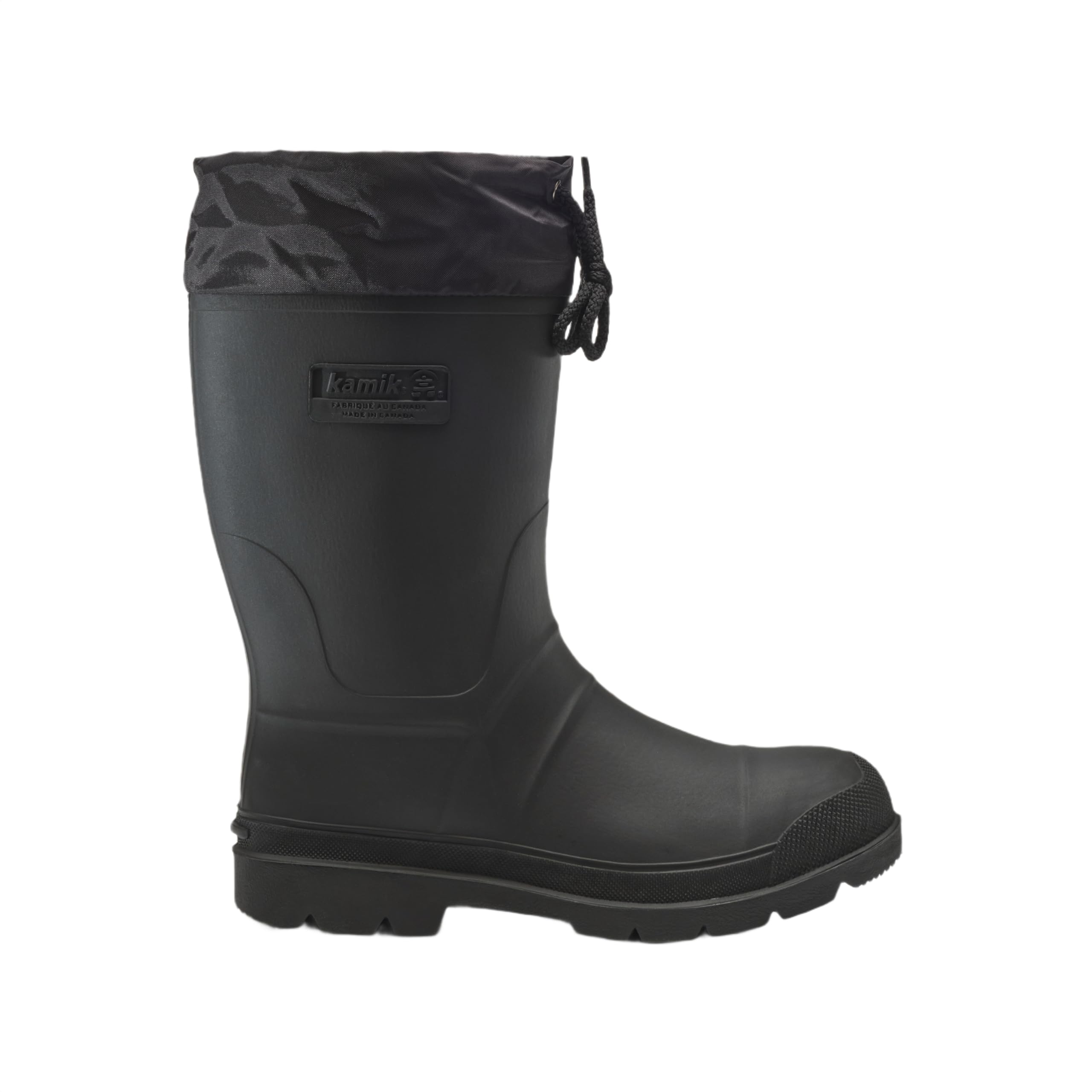
A removable felt liner that you can dry between wears makes this budget boot a five-year workhorse.
This boot has been a farm and snow-country staple for years. Its secret is the thick removable felt liner — you pull it out to dry between wears, which keeps you warm on multi-day trips. One buyer wrote: “I snow blowed for 4-6 hours in them and was not cold at all… Great Boots!!” The 100% waterproof rubber shell and oil/acid resistant outsole make it a workhorse, and the cinch strap at the top keeps snow out. The deep lug soles grip snow and mud, though they are not made for ice. Unlike the built-in neoprene of the MUCK or TIDEWE, the Kamik liner can be removed and dried if it gets damp from sweat. Sizing is true to the chart, with enough width for EEE feet. One owner says a previous pair lasted five years of daily winter use.
The catch is the break-in period: several customers note the rubber feels stiff and fits oddly at first, but softens after a couple of weeks. It also lacks a safety toe or puncture protection, so it is not for construction sites.
Why It’s a Value Icon
- Removable felt liner dries between wears, extending warmth on multi-day trips
- Buyers confirm 4-6 hours of warmth in snow at a fraction of premium boot prices
- Durable rubber and lug sole with a track record of lasting 5+ years
The Practical Trade-Off
- Break-in period: stiff rubber feels uncomfortable for the first week or two
- No steel toe or puncture protection, limits it to farm/chore use
Reach for this if you need a durable chore boot on a budget: The removable liner and proven five-year lifespan make it the best value for light farm work and daily winter wear.
Look elsewhere for instant comfort or workplace safety: The stiff feel at first and lack of safety features mean it is not a one-size-fits-all boot.
5. HISEA Rubber Work Boots for Men
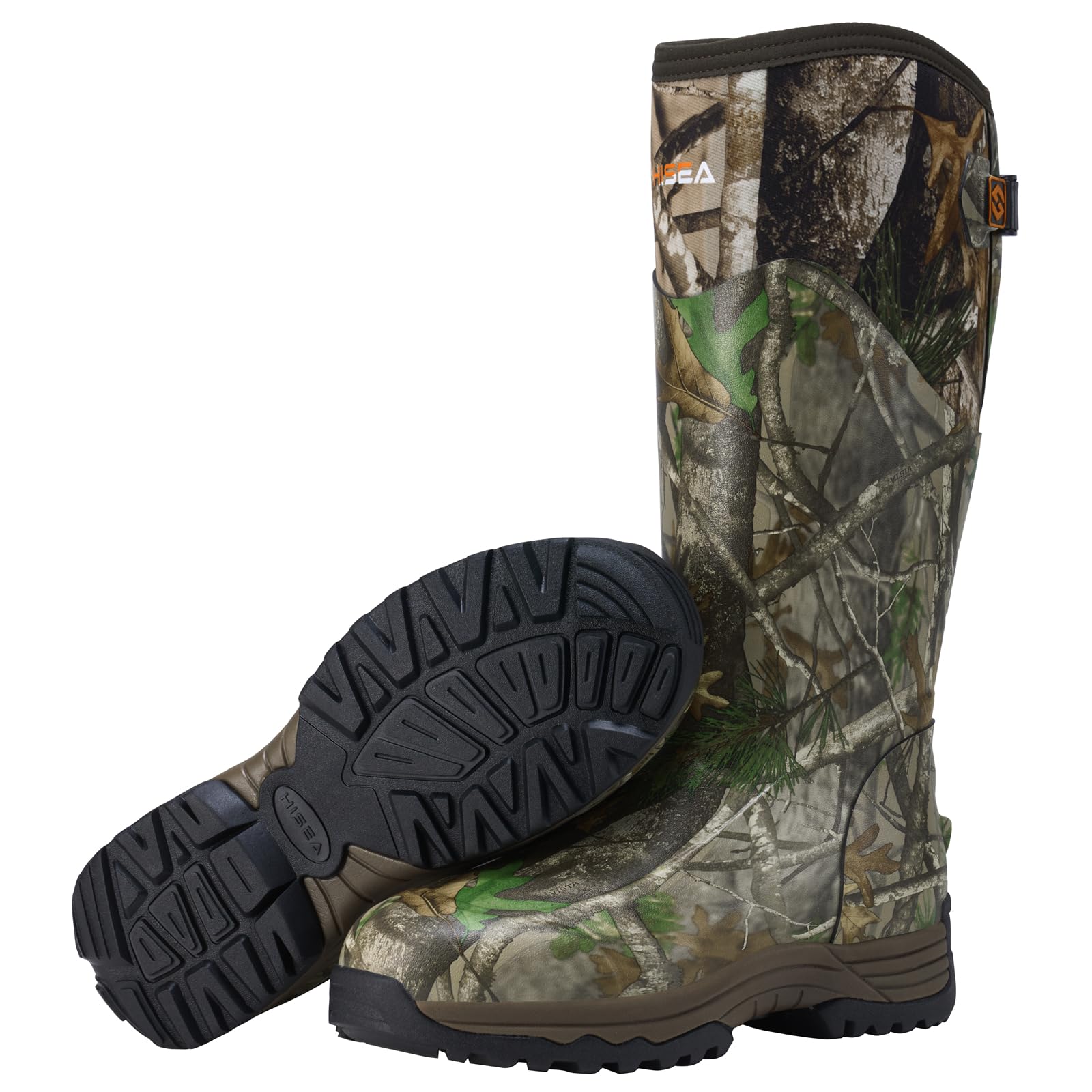
A steel shank and adjustable calf fit bridge the gap between rain boot and winter boot, but only down to about 35°F.
These are a solid middle-ground option for fall-through-spring use. The neoprene and rubber construction is 100% waterproof, and the steel shank gives arch support on uneven ground. The back gussets with cinch buckles let you adjust the calf fit — a feature usually on pricier boots. A buyer who works on a crab boat says they lasted a full season. But the true arctic test is warmth: the neoprene insulation has no thickness listed, and one hunter in Pennsylvania says “at temperatures of about 35 degrees Fahrenheit my toes begin to get too uncomfortable.” That puts its cold limit well above the Kamik or TIDEWE. If your winters stay in the 20s and above, this boot offers good value. The adjustable calf and lighter weight also make it easier to move in than the heavier MUCK.
The brand’s lifetime warranty on manufacturing defects adds confidence. However, the boot lacks a safety toe, so it is not for jobsites that need steel-toe protection.
Where It Shines
- Adjustable calf gusset with cinch buckles for a custom fit on different leg shapes
- Steel shank provides solid arch support for all-day wear on uneven ground
- Lifetime warranty from the manufacturer adds long-term value
Where It Falls Short
- Limited insulation — reviewers point out cold toes below 35°F, so it is not for arctic cold
- No safety toe, limiting it to non-occupational settings
Best for milder wet winters: If your coldest mornings stay above freezing and you need an adjustable calf fit, this is a comfortable mid-range option.
Not for single-digit cold: The insulation is simply not thick enough for the arctic conditions that define this category.
6. Trudave Rubber Boots for Women with Steel Shank
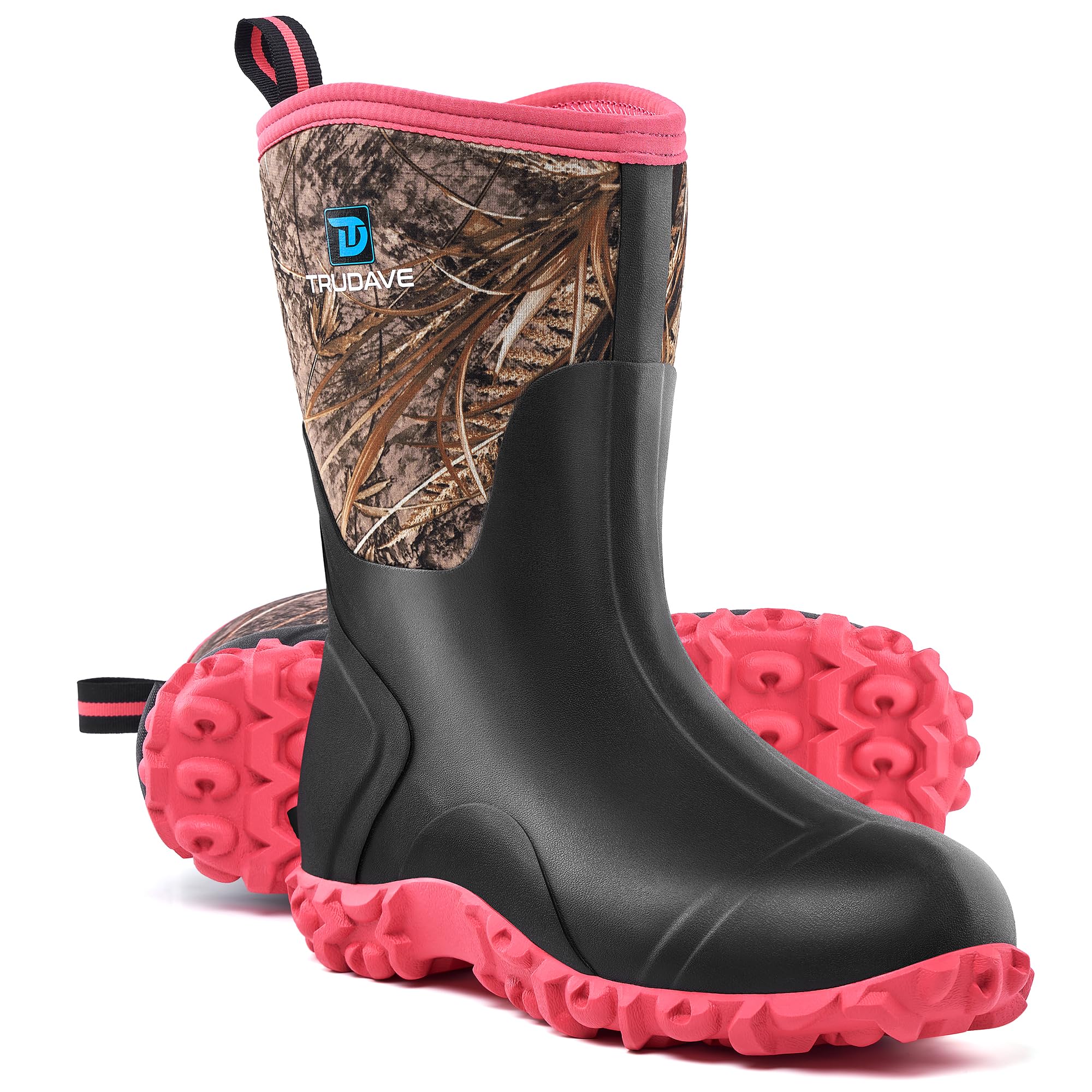
A women’s-specific size with 6mm neoprene that keeps feet warm in snow, though daily use may reveal sole weakness.
This boot is built for women who need cold-weather performance without buying a men’s boot and sizing down. The 6mm neoprene lining keeps feet warm — one reviewer noted “I was in tons of snow and feet never got cold or wet at all.” The steel shank adds support for shoveling or walking on rocky ground, and the anti-slip outsole with deep tread grips mud and packed snow. Compared to the MUCK Arctic Ice, the Trudave is a more budget-friendly choice for lighter winter needs. It lacks the Vibram ice sole but has a comfortable fit with easy entry — reviewers praise the pull tab and heel step-on tab for getting them on and off. The 100% waterproof build means you can hose them off after a messy day.
Be aware of one issue: multiple three-month updates note the sole can start separating from the rubber upper with heavy daily use. Shoe glue can fix it, but it is worth knowing if you plan to wear them hard every day.
What Fits Right
- 6mm neoprene that buyers confirm keeps feet warm in snow
- Steel shank gives solid arch and foot support for standing work
- Easy on/off design with pull tabs and heel step-on tab
What to Watch
- Sole separation reported after ~3 months of daily heavy use — may need shoe glue
- Color options (pink, teal) are limited; black costs extra in some variants
Reach for this if you are a woman who needs a warm boot for barn chores and snow: The women’s-specific sizing and 6mm neoprene give real cold-weather comfort at an accessible price.
Look elsewhere if you need daily industrial durability: The sole separation issue suggests it is better for moderate use than punishing daily labor.
Understanding the Specs
Neoprene Thickness (5mm vs 6mm vs 7mm vs 8mm)
Neoprene is a synthetic rubber that traps body heat. The thickness, in millimeters, decides how much cold it blocks. An 8mm neoprene bootie (like the MUCK) feels bulkier and less flexible than a 5mm one. For standing still in arctic cold (hunting, ice fishing), 7mm or 8mm is best. For active chores where walking keeps you warm, 6mm is usually fine and more comfortable.
Vibram Arctic Grip vs Standard Lug Soles
Standard rubber lug soles work on mud and loose dirt but slip on clear ice. Vibram Arctic Grip is a rubber compound that uses microscopic fibers to grip wet ice — the most effective ice traction in a boot sole without spikes. Boots without it (like TIDEWE or Trudave) rely on deep tread, which helps on snow but slides on glare ice.
FAQ
How long do arctic rubber boots keep your feet warm in extreme cold?
Can I wear arctic rubber boots for ice fishing or do I need special boots?
How do I know which size to order for a thick sock fit?
What is the difference between neoprene and Thinsulate insulation in boots?
Are steel shanks important in arctic rubber boots?
How do I clean and maintain arctic rubber boots?
Will a boot with a steel toe keep my feet colder?
Can I use these boots for hiking in deep snow?
Do I need to apply a waterproofing treatment to new rubber boots?
What is the best way to break in stiff rubber winter boots?
Final Thoughts: The Verdict
For the majority of shoppers, the arctic rubber boots winner is the MUCK Women’s Arctic Ice Tall Boot because the Vibram Arctic Grip sole and 8mm neoprene deliver the best ice traction and deep cold warmth. If you need maximum stationary warmth for hunting in single-digit temps, go for the TIDEWE Next Camo G2. And for a budget farm and chore boot with a five-year track record, the Kamik Men’s Forester is still the best value.
How We Picked
We do not accept paid placement. Every pick is matched to a real buyer and a real use-case; we do not hands-on test units.
Sources & Methodology
Specifications: manufacturer listings and product documentation. Review insights: verified customer reviews, as of July 2026. Pricing: not shown on this page (it changes often); check the current price via the retailer link.
As an Amazon Associate, Gadgets Feed earns from qualifying purchases. This does not affect which products we feature.
Product prices and availability are accurate as of the date/time indicated and are subject to change. Any price and availability information displayed on Amazon at the time of purchase will apply to the purchase of this product. As an Amazon Associate I earn from qualifying purchases.
CERTAIN CONTENT THAT APPEARS ON THIS SITE COMES FROM AMAZON. THIS CONTENT IS PROVIDED "AS IS" AND IS SUBJECT TO CHANGE OR REMOVAL AT ANY TIME.
Amazon and the Amazon logo are trademarks of Amazon.com, Inc. or its affiliates.