
Our readers keep the lights on and my morning glass full of iced black tea. As an Amazon Associate, I earn from qualifying purchases.
Specs are compiled from manufacturer listings and verified buyer reviews and can change over time — please confirm the key details on the product page before buying.
Standing in the middle of a blizzard with frozen toes is not a memory you want to repeat. An arctic snow boot needs to do three things perfectly: keep your feet bone-dry, hold heat in when the thermometer plunges below zero, and give you a grip that stops a slip on glare ice. The wrong pair fails on at least one of those — and that failure means a ruined day outdoors, whether you are hunting, working a farm, or just clearing the driveway.
I’m Min — the founder and writer behind Gadgets Feed. This guide is built by comparing the manufacturers’ published specifications and the patterns across verified customer reviews, so you get each pick’s real strengths and trade-offs instead of marketing spin.
After digging through the specs and thousands of owner experiences, these are the arctic snow boots that actually deliver on their extreme-cold promises.
Our Picks at a Glance


How To Choose The Best Arctic Snow Boots
Buying a boot rated for arctic conditions means you are already facing serious cold. The choice is not about style — it is about survival. You need to match the boot’s insulation, waterproofing, and traction to the lowest temperature you will actually encounter, not the one on the box.
Comfort Rating: The Real Number That Matters
A boot’s “comfort range” is the temperature range the manufacturer guarantees your feet will stay warm in while you are active. A boot rated to -40°F is overkill for a 20°F day, but it is essential if you are standing still in -20°F wind. Always pick a rating at least 10 degrees lower than your coldest expected conditions.
Neoprene Thickness and Insulation Layers
Neoprene is the rubbery material that traps body heat while staying flexible. Thicker neoprene — like 8 mm versus 5 mm — holds more heat and adjusts to the shape of your foot. Some boots stack multiple layers (foam, fleece, airmesh) to create a thermal barrier. More layers generally mean more warmth, but also more bulk.
Outsole and Traction on Ice
Snow is slippery, but wet ice is a different beast. Standard rubber lugs can slide on smooth ice. Look for outsoles with specialized compounds made for wet ice grip, such as Vibram Arctic Grip. The tread pattern also matters: deeper, widely spaced lugs shed mud and snow better than tight, shallow ones.
Fit and Calf Clearance
An arctic boot is useless if it lets cold air in at the top. A snug fit around the calf, often called a “stretch-fit topline”, seals warmth in. If you have athletic calves or plan to tuck pants in, check the maximum calf circumference stated in the specs. A boot that is too loose will let snow in; one that is too tight will cut circulation.
Quick Comparison
| Model | Best For | Comfort Range | Neoprene Thickness | Insulation Type | Amazon |
|---|---|---|---|---|---|
| MUCK Arctic Pro-u★ Best Overall | Extreme cold / Hunting | -60°F to 30°F | 8 mm | Fleece + thermal foam | Amazon |
| MUCK Arctic Sport II TallCrowd Favorite | All-purpose cold / Farm | -40°F to 40°F | 5 mm | Fleece lining | Amazon |
| MUCK Arctic Ice MidIce Grip Specialist | Ice traction / Sport | -40°F to 40°F | 5 mm | Fleece + CR Flex-Foam | Amazon |
| MUCK Arctic Excursion Ankle | Shallow snow / Yard work | -40°F to 40°F | 5 mm | Fleece lining | Amazon |
| Sorel Joan of Arctic | Style + warmth / City | -25°F to 32°F | — | Removable recycled felt | Amazon |
| KEEN Revel IV High Polar | Wide feet / Hiking | -40°F | — | 400G insulation | Amazon |
| Dryshod Arctic Storm Hi Women’s | Barn / Extreme cold | -50°F to 65°F | 5.5 mm + 2.5 mm foam | 7-layer system | Amazon |
| Dryshod Arctic Storm Mid Men’s | Tall guys / Versatile cold | — | — | Multi-layer | Amazon |
| Baffin Crossfire | Hunting / Long sit | Tundra Rated | — | Removable memory foam | Amazon |
| Sorel Glacier Xt | Search & Rescue / Deep cold | — | — | Multi-layer | Amazon |
In‑Depth Reviews
1. MUCK Men’s Arctic Pro-u Industrial Boots
Our pick — over 4.5★ from 5,500+ verified ratings; the strongest balance of quality and price.
The warmest Muck boot on the market, built for the coldest days on earth.
This boot earns its reputation with a comfort range that stretches from -60°F all the way up to 30°F. That -60°F floor is not marketing fluff — it comes from real construction: an 8 mm neoprene bootie (sister models use 5 mm) that molds to your foot’s shape and traps heat, plus a fleece lining and a 2 mm thermal foam layer under the footbed. The stretch-fit Comfort Topline seals the top so cold air cannot sneak in. Buyers report it keeps feet “excellent warmth in -19°F with wind,” which is exactly the scenario that kills lesser boots.
The Bob-Tracker outsole bites into snow and mud with an aggressive tread, and the double reinforcement at the instep, heel, and Achilles means this thing holds up to rough job sites. The only real friction owners note is the effort required to pull them off — the snug fit that keeps heat in also makes removal a tug-of-war after a sweaty day. And a few experienced snowshoers point out the lack of a heel wedge, which would make strap retention easier.
The warmest, period: The 682 owners who single out warmth are not exaggerating — this is the boot to reach for when the forecast says -30°F and you have to work outdoors all day. If you need the absolute best cold-weather protection in this list, this is it.
One honest trade-off: The snug calf fit makes taking them off a chore, especially with sweaty feet. Plan for a few extra seconds per boot.
Choose this for: subzero work shifts, ice fishing, extended hunting in deep cold — anywhere your toes cannot afford to get cold.
Think twice if: you need easy on-and-off multiple times a day, or if your calves are on the larger side.
2. MUCK Women’s Arctic Sport II Tall Boot
The go-to tall boot that balances warmth, price, and everyday usability.
With over 5,000 ratings and a 4.6-star average, this is the most-loved women’s arctic boot for a simple reason: it does everything well while staying affordable. The 5 mm neoprene bootie and fleece lining earn it a -40°F comfort rating, and the aggressive outsole provides real traction on snow and ice. Owners confirm it is “warm in single digits with wool socks” and that the tall shaft keeps snow out even in 22-inch drifts.
The fit is a standout — the tapered opening works well for long, skinny calves, and the stretch-fit topline prevents snow entry without feeling restrictive. An oyster farmer who wears these daily for work calls them “the Best” — waterproof, warm, flexible, and durable enough to last through tough conditions. The one recurring note is that the boot liner is not sewn in and can pull out when you remove your foot; several owners solved this with a dab of fabric glue.
Versatile warmth: 464 owners praise its warmth, and 351 call out the quality. It handles everything from city slush to Vermont farm work.
A small fix needed: The loose liner is a known quirk — expect to glue it down on day one for a low-maintenance experience.
Best for: women who need a single boot for daily winter wear, barn chores, and weekend snow play.
Skip if: you have very wide calves and need a wider calf circumference.
3. MUCK Women’s Arctic Ice Mid Boot + Vibram Arctic Grip A.T.
The same warmth as the Sport II, but with a sole that laughs at wet ice.
This boot shares the same 5 mm neoprene, fleece lining, and -40°F comfort rating as the Arctic Sport II, but it swaps the standard outsole for a Vibram Arctic Grip All Terrain outsole with an XS Trek Evo compound. That matters because wet ice is the most dangerous surface in winter — and standard rubber lugs can slide right across it. The Vibram compound is specifically formulated to grip wet ice, giving you a level of confidence the standard boot does not offer. Owners confirm no slipping on ice and report “walking in 22 inches of snow was a breeze.”
The mid height (12.2 inches) is shorter than the tall Sport II, which makes it easier to drive in and less bulky for hiking. The bioDEWIX antimicrobial footbed keeps odor down, and the pull-tab makes entry smooth. The main concern from the data is fit — the fit is marked as mixed in reviews, with some finding it snug and others needing to size up for thick socks. One owner had a pair that leaked after four months, but the overwhelming majority report solid durability.
Ice confidence: 36 owners highlight the quality, and 33 praise the warmth. The extra grip on wet ice is the key differentiator.
Fit varies: Check your sizing carefully. Some buyers need to go up a half size for the right fit with wool socks.
Reach for this if: you walk on icy driveways, sidewalks, or frozen ponds every day and need the best grip possible.
Look elsewhere if: you prioritize a tall shaft for deep snow — this mid height may let snow in over the top.
4. MUCK Men’s Arctic Excursion Ankle Boots

The low-cut arctic boot for shallow snow and quick slip-on convenience.
Not every winter day requires a tall boot up to your knee. For quick trips to the mailbox, shoveling a sidewalk, or walking the dog in slush, the Arctic Excursion’s ankle height is a blessing. It still packs a -40°F comfort rating, with 5 mm neoprene and a fleece lining, plus an EVA midsole for cushioned all-day wear. The rubber pod outsole grips slippery surfaces, and owners confirm it is warm enough for 10°F weather with a single pair of socks.
The biggest upside is how easy they are to get on and off — the pull tabs and flexible neoprene make entry nearly hands-free. But the ankle height has a trade-off: it sits at about 5 inches tall, so it lets in snow and debris if you step into a deep drift. Durability is a mixed point in the reviews, with 316 mentions of it. Some owners mention the sole separating after a few months of heavy use, though the same number — 531 — praise the overall quality. The manufacturer addressed one broken pull strap complaint quickly with a replacement.
Quick on, quick off: 189 owners call out the ease of use. It is the perfect boot for errands and yard work where you are in and out of the cold.
Not for deep snow: The low shaft means snow spills in if you step deeper than ankle height. Keep this one for pavement and shallow slush.
Use it for: everyday winter errands, construction sites, and hunting stands where you do not need a tall boot.
Pass on it if: you regularly walk through 6-plus inches of snow — you will need a taller shaft.
5. Sorel Womens Joan of Arctic Waterproof Boots
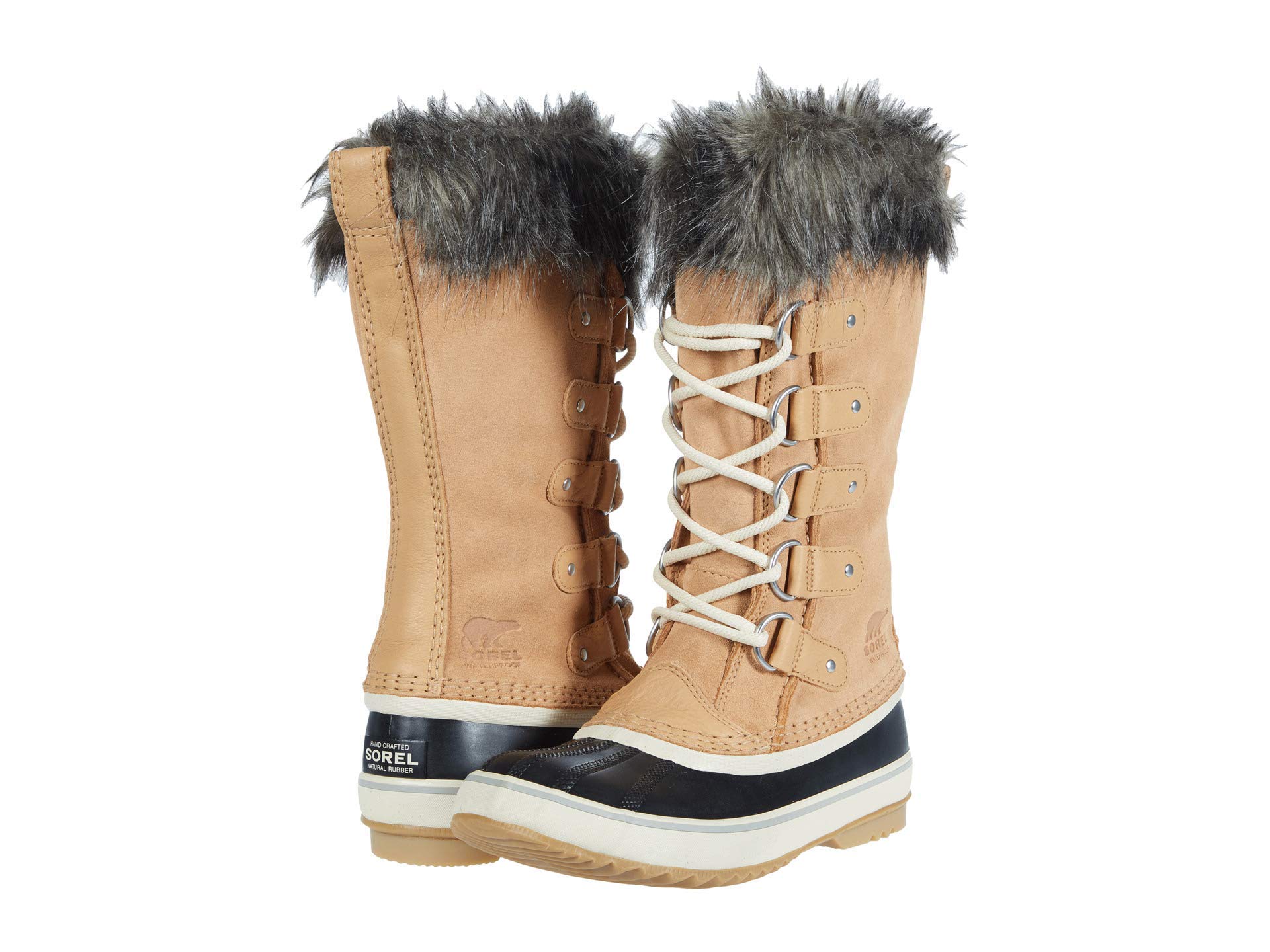
The iconic boot that proves arctic warmth does not have to look clunky.
Sorel’s Joan of Arctic is as much a fashion statement as a winter tool. The seam-sealed waterproof construction and handcrafted vulcanized rubber outsole deliver reliable wet-surface traction, while the removable recycled felt inner boot keeps feet warm down to -25°F. Owners love that it handles farm chores and a date night equally well — “super cute, really warm, you can do farm chores, go hunting, wear on a date.” The removable liner is a practical touch: you can pull it out to dry overnight, extending the boot’s life.
The flip side is weight and fit. At over 3 pounds per boot, these are undeniably heavy and bulky — the weight is the most common negative mention. The fit is also polarizing: 600 owners mention fit, and Amazon marks it as mixed. Many say the boot runs small and recommend sizing up a half to full size, especially if you wear thick socks. Some owners with narrow calves find the shaft too wide, causing the boot to slide down. The durability gets mixed marks too; some report the rubber cracking after a few seasons, though others say a pair lasted 30 years.
Cute and capable: 478 owners praise the appearance, and 590 confirm the warmth. It is the most versatile option here for moving from snow to social settings.
Heavy and fit-fickle: The weight is a real factor for all-day wear. Sizing up is nearly mandatory if you wear thick socks.
Pick this if: you want a single boot for cold commutes, shopping, and casual outdoor time that also looks great.
skip it if: you need to cover long distances on foot or have narrow calves that the wide shaft cannot hold.
6. KEEN Revel IV High Polar
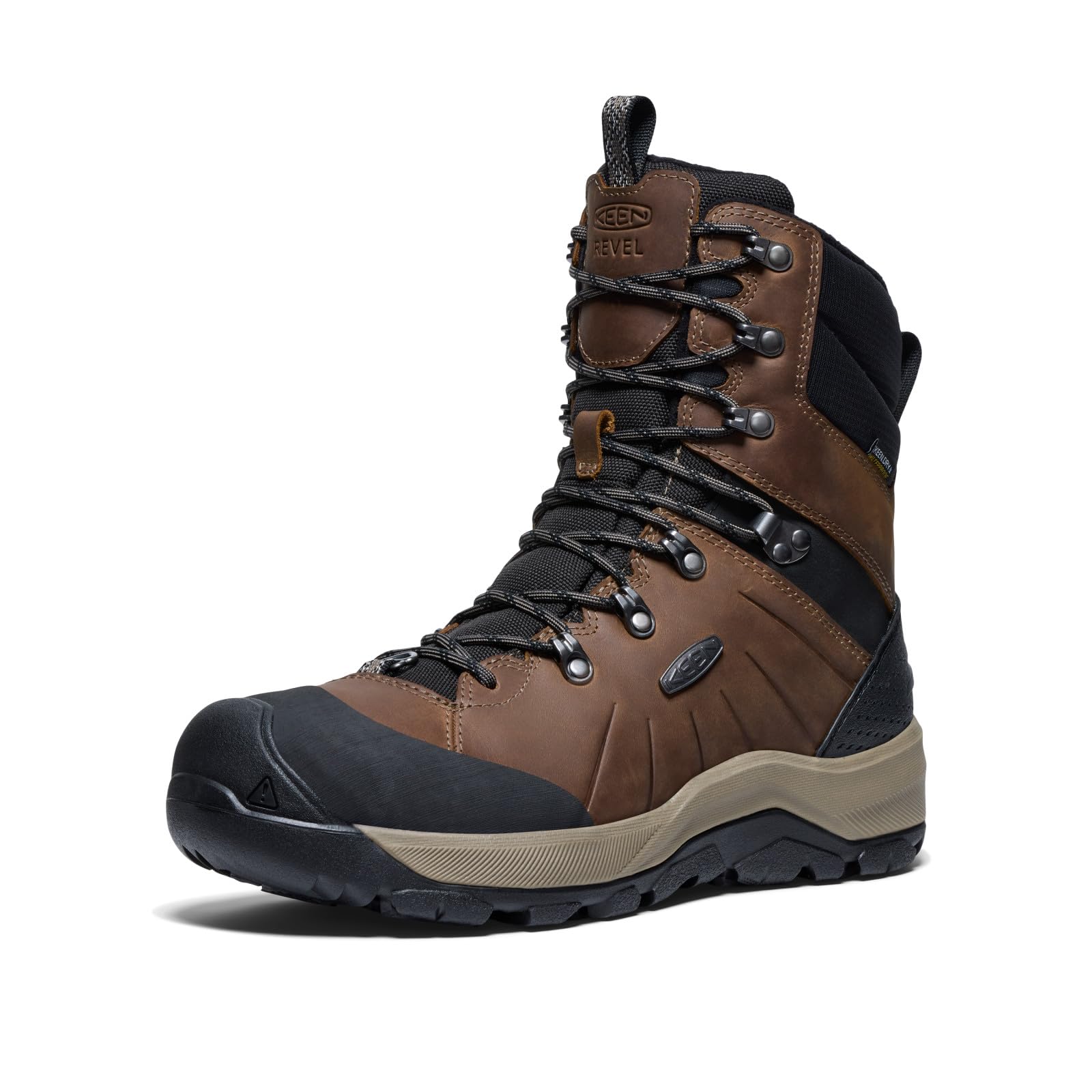
The hiking-inspired boot that fits wide feet straight from the start.
KEEN builds its footwear on a traditional wider form, and the Revel IV High Polar is no exception. For anyone with wide feet or bunions who dreads the break-in period on new boots, this one is a relief — customers note an “excellent fit for wide feet from the start, no break-in.” The 400G insulation and waterproof leather-and-mesh upper earn it a -40°F rating, and the tread is designed for snow and ice. One owner confirmed the boots kept his feet warm and dry at -2°F with wool socks.
The Polar outsole offers solid traction on slick surfaces, tested on a two-week backpacking trip across slippery creeks. The fit is the main variable here: while wide-footed owners love it, those with narrow feet find the boot too roomy. Warmth is also marked as mixed in the reviews — 43 owners mention it, and the split is between those who find it very warm while active and those who say toes get chilly when sitting still. The insulation is 400G, not the 200G some listings mistakenly claim, but it is not designed for hours of static ice fishing.
Wide-foot comfort: 40 owners call out the comfort, and 41 note the quality. The generous toe box is the standout trait.
Better moving than sitting: Warm enough for active winter wear, but toes may cool off if you are standing still for long stretches.
Best for: men with wide feet who need a warm, comfortable, waterproof boot for daily winter wear and hiking.
Not for: ice fishing or stationary outdoor work where you need the boots to keep you warm without generating body heat.
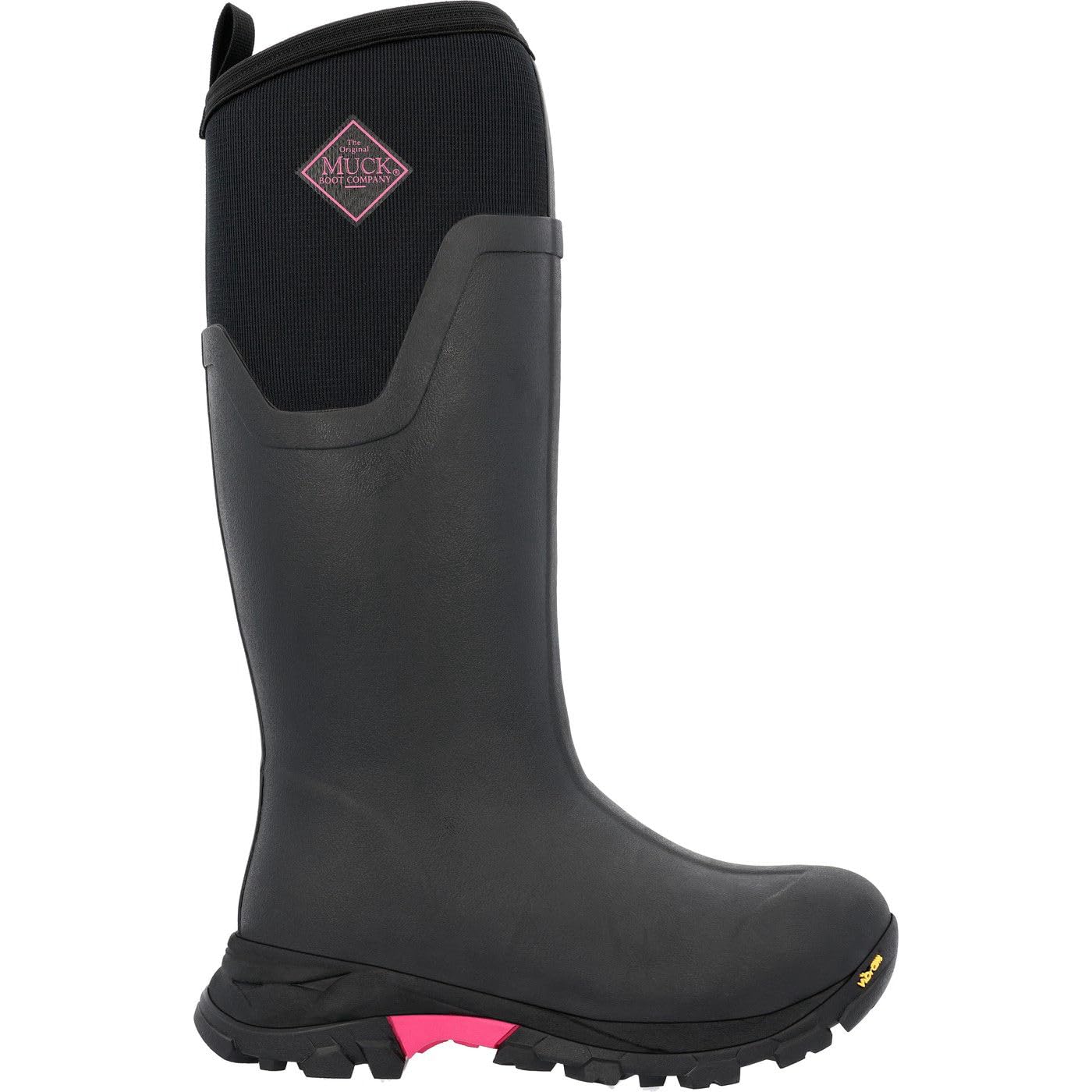
7. Dryshod Arctic Storm Hi Extreme Cold Conditions Women’s Winter Boot

Seven layers of insulation in a boot that is lighter than it looks.
Dryshod packs this boot with a 5.5 mm bootie, 2.5 mm DENSOPRENE XD foam, 2 mm airmesh, and 2 mm warm fleece lining, plus an EVA cold-blocking midsole — seven layers total. The result is a -50°F comfort rating that rivals the MUCK Arctic Pro-u, but in a package that owners describe as “shorter and lighter than the Muck Arctic Ice.” The DS1 Premium outsole uses natural rubber with inner lugs for maximum any-angle grip and outer lugs for lateral support, and the lug design sheds mud automatically. An owner who wears these daily for six months of outdoor work confirms they have held up through mud, ice, snow, and rain.
The boot is 100% waterproof with Hydrokote water-repellent treatment on the nylon exterior, so water rolls off and the textile does not ice up. It weighs only 16 ounces, which is dramatically lighter than most boots at this warmth level. The fit is true to size according to most owners, but Amazon marks the fit as mixed — one owner noted the size 9 was slightly too big with no half sizes available. The generous heel kick and roll-down calf pipe make on-and-off easy, but the boot needs a short break-in period before the stiffness goes away.
Lighter than expected: At 16 ounces and a -50°F rating, this boot outperforms pricier rivals. 72 owners highlight the warmth.
Sizing nuance: The lack of half sizes means some owners end up between sizes. If you are right on the line, consider sizing up for thick socks.
Pick this for: women who need extreme-cold protection in a boot that does not weigh them down — perfect for barn work and long outdoor shifts.
Pass if: you have very narrow feet and struggle with boots that feel too spacious.
8. Dryshod Arctic Storm Winter Boot Mid-Calf Height Men’s
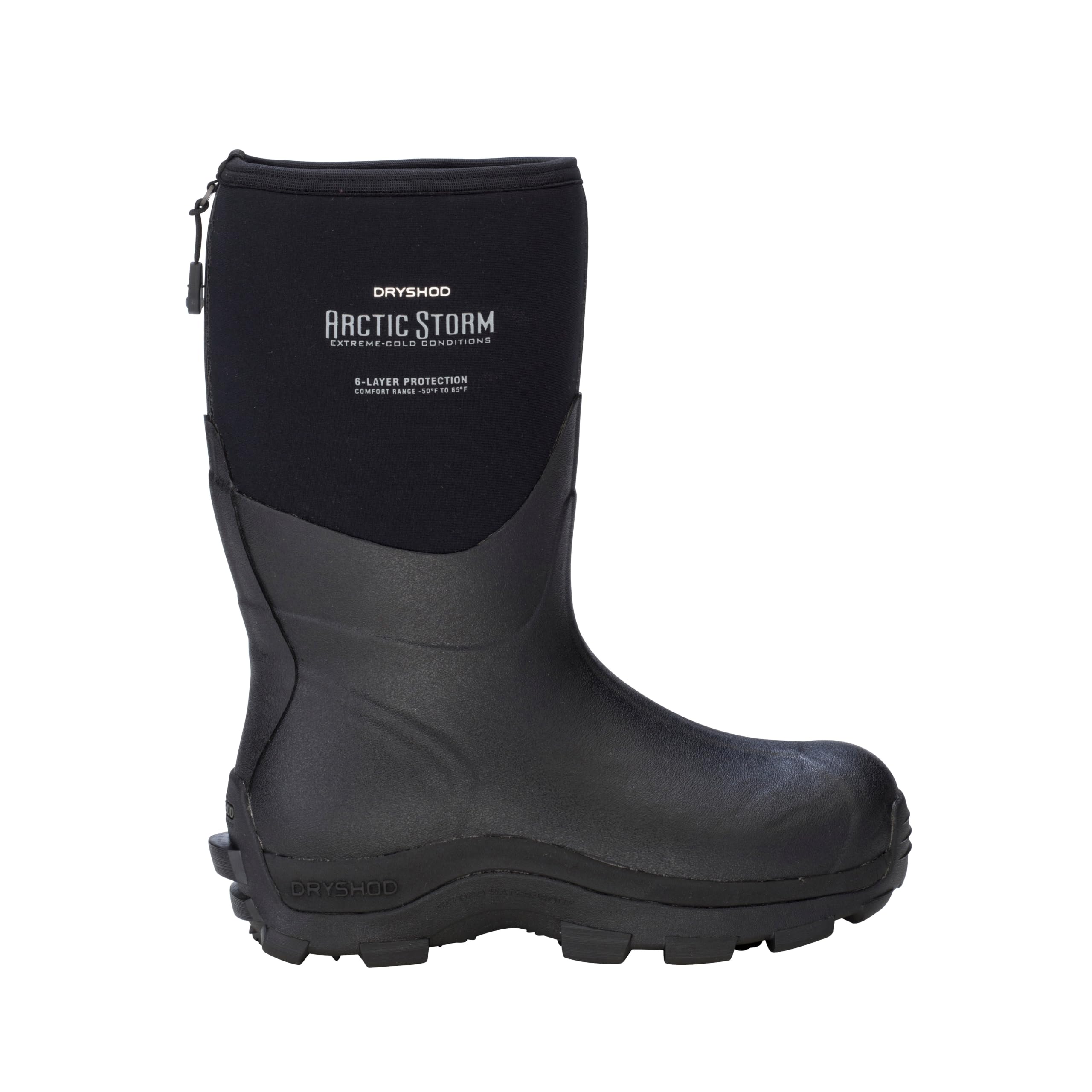
A men’s boot built tall enough for tall guys and warm enough for -50°F mornings.
Following the same insulation philosophy as the women’s Arctic Storm Hi, this men’s version offers the same multi-layer construction and 100% waterproof build. Reviewers point out it is “warm, dry, and has good traction on snow or ice,” and one verified buyer specifically noted that it fits a size 16 wide very well — a relief for men who struggle to find arctic boots in extended sizes. The boot is also noted to be tall enough for a tall guy, covering the calf fully to keep snow out.
The pull-on design with a generous heel kick makes entry and removal easy, and owners consistently praise the ease of use. Traction on ice is excellent, and the mid-calf height is versatile enough for both deep snow and daily wear. The main limitations are the price point, which is on the premium side, and the lack of half sizes, which means some owners have to choose between a slightly loose or slightly snug fit.
Tall-friendly: 16 owners note the quality, and 13 highlight the warmth. The extended sizing is a rare and welcome feature.
No half sizes: If you are between sizes, the boot may be slightly too big or too snug for your liking.
Best for: tall men with large feet who need a reliable, warm, easy-on boot for winter work or play.
Skip if: you are on a tight budget — this boot is an investment, and there are more affordable options that still go to -40°F.
9. Baffin Men’s CROSSFIRE Waterproof Insulated Winter Hunting Boots
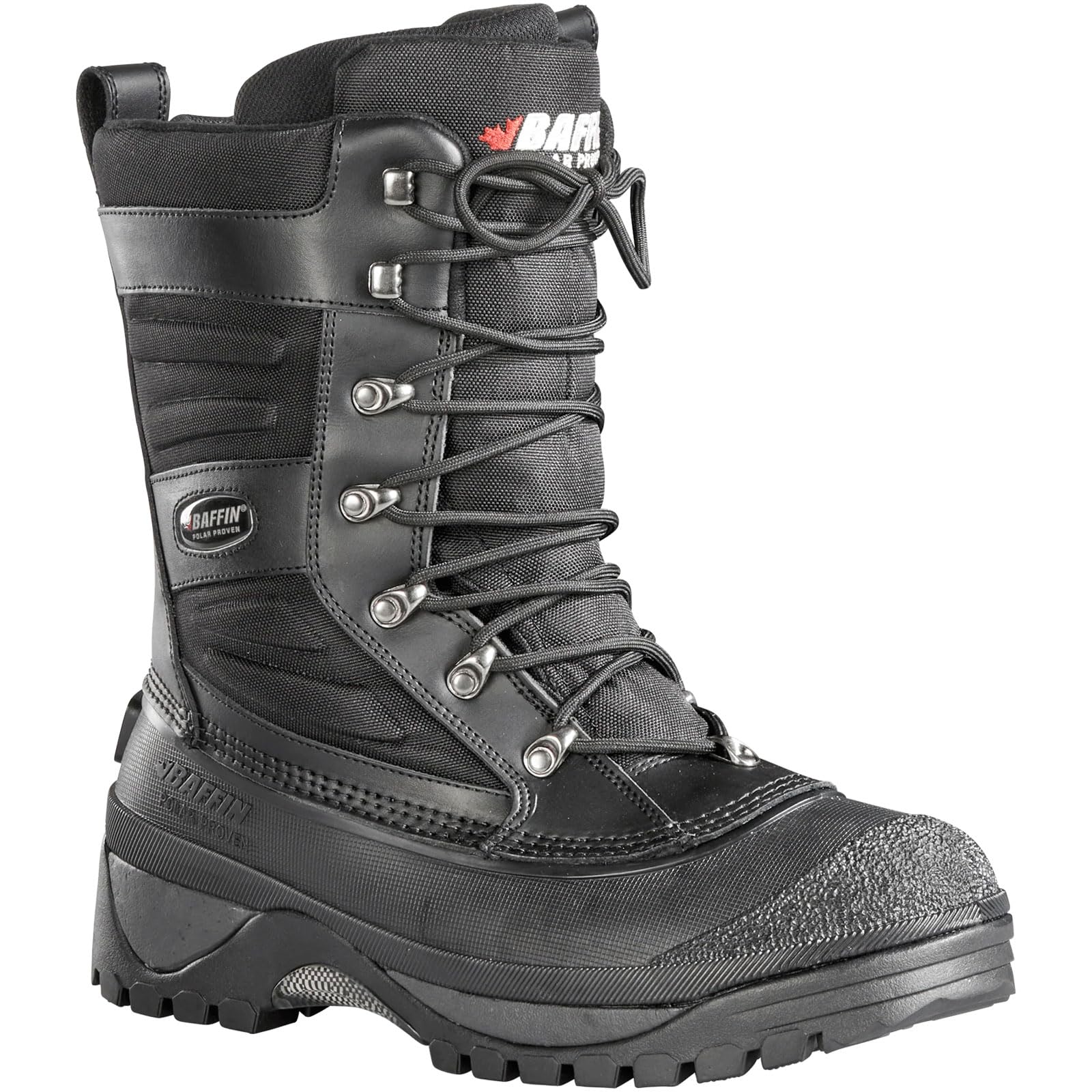
A Tundra-rated hunter that is surprisingly light on the feet.
Baffin’s Crossfire is built for hunters who need to cover ground without feeling like they are lifting bricks. The boot uses a removable memory foam liner that breaks in after two wears and provides squishy underfoot comfort. The Polar Rubber outsole delivers excellent traction on ice, and owners confirm the boot is warm in subzero temperatures — one user tested it successfully in -18°F while ice fishing. The tall leather-and-nylon upper with a speed-lace front fastening system makes it easy to get in and out of quickly.
The warmth is the star here — 31 owners call it out positively — and the lightweight construction makes a difference on long days. But the design has quirks. The tongue is open at the top, which means slush can enter if you step into deep snow; several owners recommend gaiters for serious snow work. The fit is also mixed: 37 owners mention fit, and Amazon marks it as mixed. Some say it runs true to size; others insist you must size up for thick socks. The laces are also short, and the boot lacks a D-ring for gaiters.
Light and warm: 31 owners praise the warmth, and 30 note the quality. The removable liner is a nice touch for drying.
Slush gap: The open tongue design means this is not a deep-snow boot without gaiters. Keep it for packed trails and hunting stands.
Choose this if: you need a lightweight, warm boot for hunting, ice fishing, or short outdoor stints in subzero temps.
Think twice if: you plan to posthole through deep, unpacked snow — the tongue will let moisture in.
10. Sorel Glacier Xt
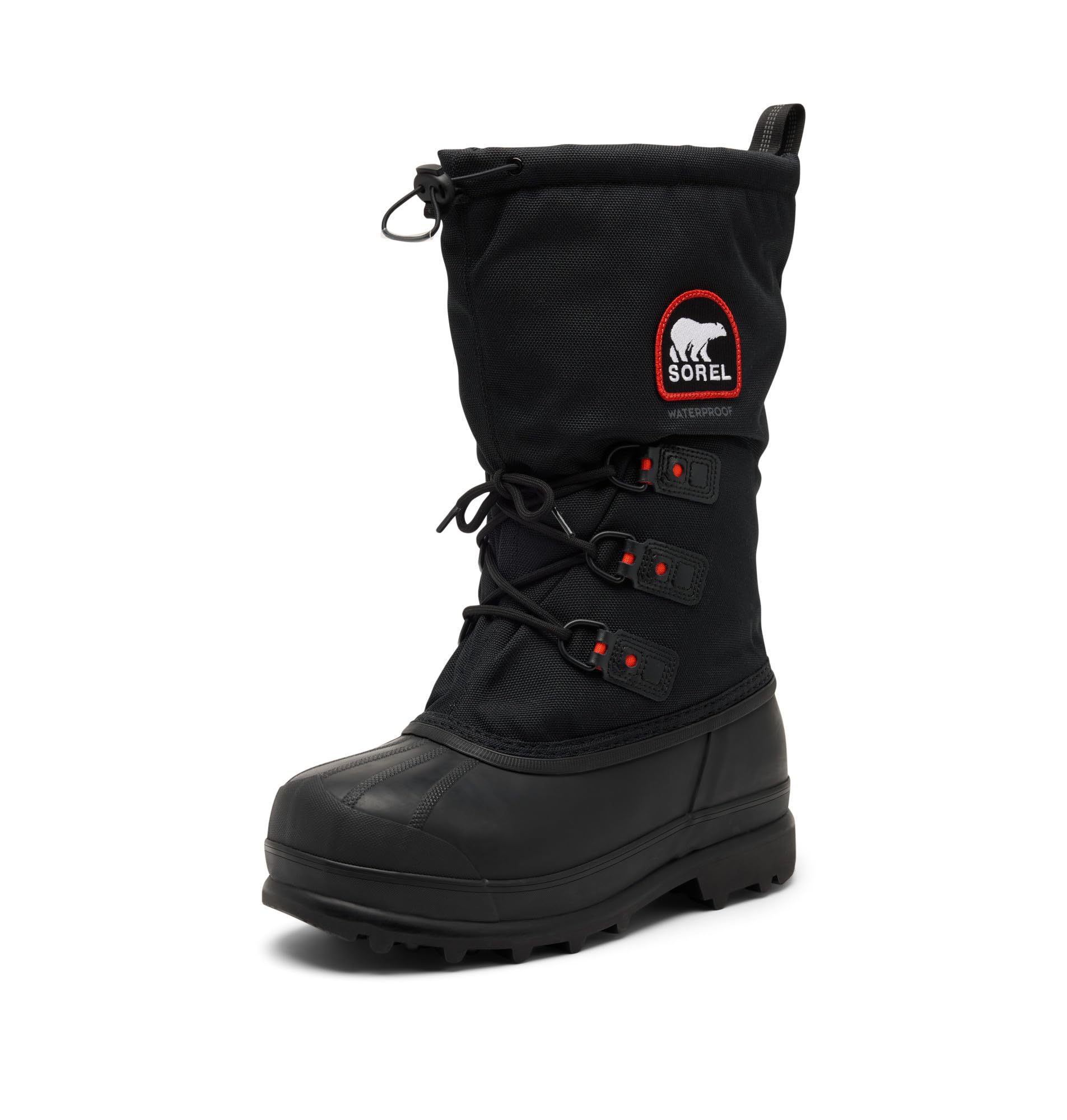
The warmest boots one Search and Rescue member has ever worn — period.
When a Search and Rescue professional calls a boot “the warmest I have ever worn,” you pay attention. The Sorel Glacier Xt is built for the absolute worst weather, and owners who have worn it in -7°F conditions confirm it keeps feet warm and dry even during long stationary periods. The boot uses a multi-layer insulation system and a captive tongue design that makes entry easier than traditional lace-up boots. One ice fisher in Minnesota tested it on a frozen lake and reported feet stayed dry the whole time.
The trade-off is weight and bulk. Multiple owners describe it as “very heavy” and “bulky,” with one noting it feels like wearing a wooden boot. The weight is a real consideration if you plan to walk long distances; it is better suited for standing posts, ice fishing, or short commutes in extreme cold. The fit runs slightly small, and there are no half sizes — one owner who normally wears a 7.5 found the size 8 perfect, while another found the size 10 too tight with a thin sock. Sizing up is the safe bet.
Serious warmth: Owners in -7°F and on frozen lakes swear by these. The insulation is no joke.
Polar bear-level bulk: This is not a hiking boot. It is a stationary cold-weather fortress. If you need to walk miles, look at a lighter option.
Pick this for: Search and Rescue, ice fishing, standing guard duty, or any scenario where you are stationary in extreme cold for hours.
pass on it if: you plan to hike or walk more than a mile — the weight will wear you out.
Understanding the Specs
Comfort Range
This number is the low-end temperature at which your feet will stay comfortable while you are active — walking, shoveling, or working. A boot rated to -40°F is engineered for that temperature; at -50°F you might feel cold. Always buy a boot rated at least 10 degrees colder than your worst expected conditions.
Neoprene Thickness
Neoprene is the stretchy, insulating material in the bootie. Thicker neoprene (8 mm) traps more heat than thinner (5 mm) but also feels stiffer. The thickness also helps the boot mold to your foot’s shape, which reduces blisters and improves comfort over long days.
Outsole Traction
The rubber compound and tread pattern on the bottom of the boot determine grip. Standard rubber lugs work well on snow and mud but can slide on wet ice. Specialized compounds like Vibram Arctic Grip are designed specifically to grip wet ice. Deeper, spaced-out lugs also shed mud better than tight, shallow ones.
Calf Fit
For tall boots, the fit around your calf is as important as the fit around your foot. A loose calf lets cold air and snow in; a tight calf cuts circulation. Many boots list a “max calf circumference” — measure your calf at its widest point (with pants tucked in) and compare it to the spec before buying.
FAQ
How much warmer is an 8 mm neoprene boot compared to a 5 mm boot?
Will these boots fit my calf if I have athletic legs?
Can I wear these boots in temperatures above freezing?
How do I clean and maintain arctic snow boots?
Are arctic snow boots good for ice fishing?
How long do these boots typically last?
Do I need to size up for thick wool socks?
What does “comfort range” actually mean in real life?
Can I use these boots for snowshoeing or hiking in deep snow?
Are these boots suitable for people with wide feet?
Final Thoughts: The Verdict
For most people, the arctic snow boots winner is the MUCK Men’s Arctic Pro-u because it offers the lowest cold rating on the list (-60°F), the thickest neoprene (8 mm), and the highest owner trust with 4.7 stars from a massive vote of confidence. If you want a versatile tall boot that balances warmth and value, grab the MUCK Women’s Arctic Sport II Tall. And for the absolute best ice grip for icy walkways and frozen ponds, the MUCK Arctic Ice Mid with Vibram Arctic Grip is the one to reach for.
How We Picked
We do not accept paid placement. Every pick is matched to a real buyer and a real use-case; we do not hands-on test units.
Sources & Methodology
Specifications: manufacturer listings and product documentation. Review insights: verified customer reviews, as of July 2026. Pricing: not shown on this page (it changes often); check the current price via the retailer link.
As an Amazon Associate, Gadgets Feed earns from qualifying purchases. This does not affect which products we feature.