
Freezing rain, biting wind, and sub-zero temperatures demand gear that functions as a system, not just a single thick jacket. The difference between shivering through a patrol or working comfortably in the cold comes down to how well your clothing layers trap heat, sheds moisture, and blocks the elements. For anyone operating in extreme cold, the choice of a proper layering system is a life-or-death decision.
I’m Min — the co-founder and writer behind Gadgets Feed. I’ve spent countless hours cross-referencing military specifications, insulation ratings, and fabric technologies from current ECWCS Gen III standards to legacy extreme-weather designs to compile this guide.
This guide breaks down the essential components of a true military-grade cold weather system, helping you select the right balance of insulation, moisture management, and durability for your mission. This is the most comprehensive look at the current market for army cold weather clothing available anywhere.
How To Choose The Best Army Cold Weather Clothing
Army cold weather clothing is not about a single garment; it’s a layered system. The U.S. Army’s Extended Cold Weather Clothing System (ECWCS) breaks this down into seven levels. Understanding how these layers work together is the first step. A Level 7 parka worn over a cotton t-shirt will still leave you cold because cotton traps moisture against your skin. You need a synergistic system where each layer handles a specific job: moisture wicking, insulation, and environmental protection.
Understand the ECWCS Layering System
The ECWCS Gen III system is the gold standard. Level I is a lightweight silk-weight base layer for wicking. Level II is the mid-weight grid fleece base layer, ideal for active use in sub-freezing conditions. Level III is a fleece jacket for additional insulation. Level IV is a wind shirt. Level V is a soft-shell jacket. Level VI is a waterproof, breathable hard shell. Level VII is the extreme cold weather insulation parka or trousers. When shopping, identify which level a product fills and how it integrates with your existing layers. A standalone jacket that claims to replace the entire system is a red flag.
Prioritize Insulation Type and Weight
Not all insulation is created equal. The two major types you will encounter are continuous filament synthetics like PrimaLoft and Climashield Apex, and high-loft polyester fills like RefrigiFill. PrimaLoft Sport and Climashield Apex are the standards for military-grade extreme cold. They are hydrophobic, meaning they maintain warmth even when wet, and they have an excellent warmth-to-weight ratio. High-loft fills like RefrigiFill are heavier and bulkier but offer a higher comfort rating at a lower cost, making them ideal for stationary use in extreme cold, such as at a guard post, but less suitable for high-movement activities like patrolling.
Assess Water and Wind Resistance
Wind strips heat away from your body faster than cold air alone. A true military-grade system must have a windproof shell, either integrated into the outer layer or as a separate Level IV garment. Water resistance is equally critical; getting wet from rain, melting snow, or internal sweat is a direct path to hypothermia. Look for outer shells with a durable water repellent (DWR) finish and taped or sealed seams. For a hard shell jacket like the ECWCS Level VI, a fully waterproof and breathable membrane such as Advanta or Gore-Tex is non-negotiable for anything but the driest cold conditions.
Evaluate Durability and Mobility
Military gear is subjected to constant abrasion, snagging, and heavy loads from body armor and rucksacks. A 400-denier nylon shell is significantly more resistant to tears and punctures than a standard polyester softshell. However, durability can come at the cost of mobility. Look for articulated elbows, gusseted shoulders, and a longer back tail to allow for a full range of motion while keeping drafts out. Reinforced knees and elbows, as well as brass rivets at stress points, are hallmarks of a garment designed for serious field use.
Quick Comparison
On smaller screens, swipe sideways to see the full table.
| Model | Category | Best For | Key Spec | Amazon |
|---|---|---|---|---|
| Helikon-Tex Level 7 Jacket | Premium Insulated Parka | Extreme cold with high mobility | 100 g/m² Climashield Apex insulation | Amazon |
| Tru-Spec ECWCS Gen2 H2O Proof Parka | Waterproof Shell (Level VI) | Moderate weather with layering | 100% Nylon with Advanta inner lining | Amazon |
| ECWCS PrimaLoft Level 7 Trousers | Insulated Trousers (Level VII) | Stationary extreme cold | PrimaLoft Sport bonded insulation | Amazon |
| Rothco ECWCS Gen III Level II Set | Mid-Weight Base Layer | Active cold-weather base layer | Bi-component grid fleece fabric | Amazon |
| RefrigiWear Iron-Tuff Polar Jacket | Extreme Cold Work Jacket | Stationary work in severe cold | 1.25 oz RefrigiFill insulation | Amazon |
In‑Depth Reviews
1. Helikon-Tex Men Level 7 Jacket

The Helikon-Tex Level 7 Jacket is the gold standard for a reason: it uses Climashield Apex insulation at 100 g/m² in the body and 67 g/m² in the hood. This continuous filament insulation is the same technology trusted by the US military for extreme cold, and it retains thermal performance even when wet. The shell features YKK zippers, a full front wind flap with chin guard, and a helmet-compatible hood that adjusts without requiring you to remove your gloves.
This jacket excels as the top insulation layer in a system. The pocket layout is exceptional, with two micro-fleece lined chest pockets with device slots, an internal dry pocket for documents, and mesh side pockets inside for drying wet gloves or a beanie. It also packs down small into an included compression sack, making it travel-ready for any deployment or backcountry mission. It is lightweight and compressible without sacrificing the warmth needed for arctic conditions.
One important watch-out for US customers is sizing: the jacket fits more snugly than US-issued gear, so ordering one size up is strongly recommended to accommodate the necessary base and mid-layers underneath. The dual-direction zipper is a great feature for mobility but the zipper pull can sometimes be finicky to engage. Once on, the warmth is profound without the bulk of a traditional heavy parka, making it ideal for active use in severe cold.
Why it’s great
- Premium Climashield Apex insulation is warm even when wet
- Very compressible with included stuff sack
- Excellent pocket layout for mission-critical items
Good to know
- Runs small; order one size up for proper layering
- Zipper engagement can be tricky on the first uses
2. Tru-Spec Men’s Outerwear Series H2O Proof Gen2 ECWCS Breathable Parka
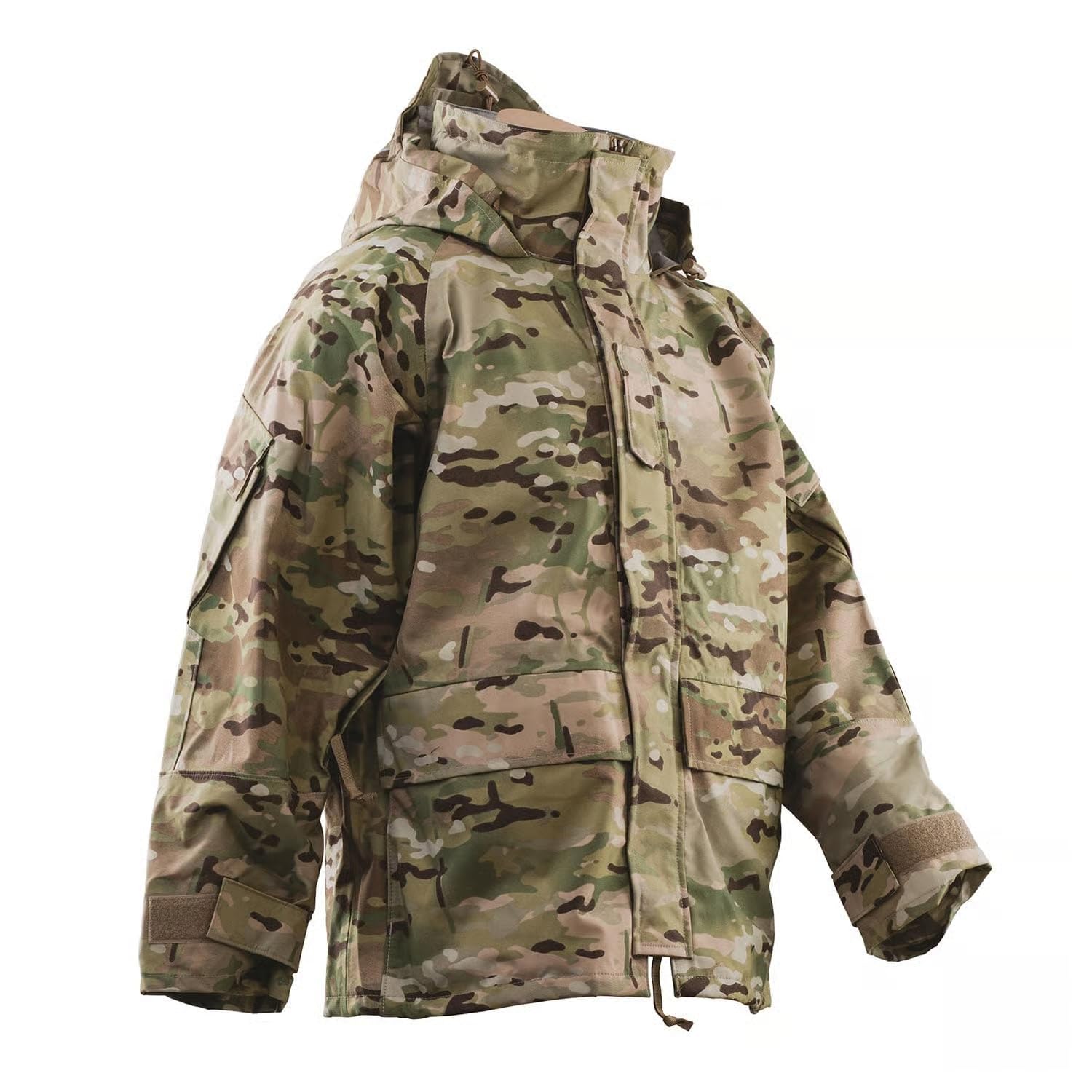
The Tru-Spec Gen2 H2O Proof Parka is designed to fill the Level VI role in the ECWCS system, providing a lightweight, fully waterproof and windproof barrier over your insulation layers. The shell is constructed from a 3-layer breathable Nylon with an Advanta inner lining and bemis-taped seams, delivering a reliable defense against rain and snow. It is cut generously to fit easily over a Level 7 jacket or a fleece mid-layer without restricting movement.
This parka is packed with mission-specific features. The non-freezing two-way zipper is protected by a double storm flap. Zippered underarm ventilation openings allow you to dump heat quickly during high-output activity, preventing moisture buildup from the inside. The stowable hood tucks away into the collar, and the drawcord adjusts the waist to seal out cold drafts. Pocket layout includes sleeve pockets, a hidden map pocket, and hand-warmer pockets, with reinforced elbows for added durability.
A key consideration is that this is a pure shell; it provides zero insulation on its own. You must pair it with a proper insulation layer like the Level 7 jacket or a fleece for use in extreme cold. Some users note the hood can be oversized, blocking peripheral vision when turned sideways, and the liner attachment zippers are not compatible with the Gen III liner system. For the price, it offers exceptional weather protection that rivals or exceeds issued Gore-Tex.
Why it’s great
- Fully waterproof and windproof with taped seams
- Underarm vents for active temperature regulation
- Generous cut fits easily over multiple insulation layers
Good to know
- Requires additional insulation layers for extreme cold
- Hood design may reduce side visibility
3. ECWCS Primaloft Level 7 GEN III Trousers

Your legs are often the most neglected part of a cold-weather system, and the Level 7 PrimaLoft Trousers are the answer. These pants use PrimaLoft Sport thermal bonded high-loft insulation, which provides excellent warmth even when wet. The outer shell is water-resistant, and the trousers feature a nylon-reinforced knee area that resists abrasion when kneeling or working in the field. The full-length side zippers are a godsend — they allow you to don and doff the pants over boots and other layers without undressing completely.
The trousers have an elastic waist with provisions for suspenders, which is a practical detail because the pants are heavy and a belt alone can cause them to slide down. The quick-access feature of the side zips is invaluable for adjusting layers or accessing base layers during rest breaks. These trousers are designed as the top insulation layer for the lower body, and they are overwhelmingly warm. Many users report them being almost too warm for any kind of physical activity, making them ideal for stationary guard duty, sitting in a vehicle, or extreme cold environments where you are not generating much body heat.
A significant drawback is that there are no belt loops, which means you must rely on the elastic and suspenders to keep them up. The waist can slip down under the weight of the insulation if you are moving. They are also quite bulky, making them less suitable for packing in a small bag. For static operations in severe cold, however, they are unmatched for lower-body warmth.
Why it’s great
- PrimaLoft Sport insulation retains warmth when wet
- Full-length side zippers for easy on/off over boots
- Nylon reinforced knees for increased durability
Good to know
- No belt loops; requires suspenders to stay in place
- Very warm, not ideal for high-output activity
4. Rothco ECWCS Gen III Mid-Weight Underwear Top & Bottom Set

The Rothco ECWCS Gen III Level II set is the foundation of an effective layering system. Constructed from bi-component grid fleece, this base layer is designed to wick moisture away from your skin while trapping air in the grid pattern for insulation. The zip collar on the top allows it to be worn as a mock turtleneck, sealing in warmth around your neck without needing a separate gaiter. The long back tail provides extra coverage when bending over, and the thumb holes keep the sleeves down under your next layer.
This is a Level II garment, meaning it’s intended for active use in temperatures near freezing and below. It provides a substantial amount of warmth on its own, but its true magic is in the layering system. When worn under a Level III fleece and a Level VII parka, this grid fleece keeps you dry and warm in extreme cold. The fabric is breathable, which prevents the clammy feeling of cotton or cheaper synthetic base layers. Many users who have worn issued ECWCS confirm that this set works exactly like their military-issued pair.
Be prepared for the correct fit. This set runs slightly large in the torso. The bottoms have a notably baggy crotch area, which is a common complaint, though it does allow for excellent mobility and doesn’t restrict movement during squats or lunges. It also needs substantial layering above it to be effective for prolonged static time below 20°F. As a base layer for active patrolling, it is outstanding and durable, with no reported fraying of the seams.
Why it’s great
- Bi-component grid fleece wicks moisture efficiently
- Zip collar and thumb holes for practical integration
- Matches issued ECWCS performance and durability
Good to know
- Runs slightly large, especially in the crotch area
- Requires multiple layers above it for static extreme cold
5. RefrigiWear Men’s Iron-Tuff Polar Jacket
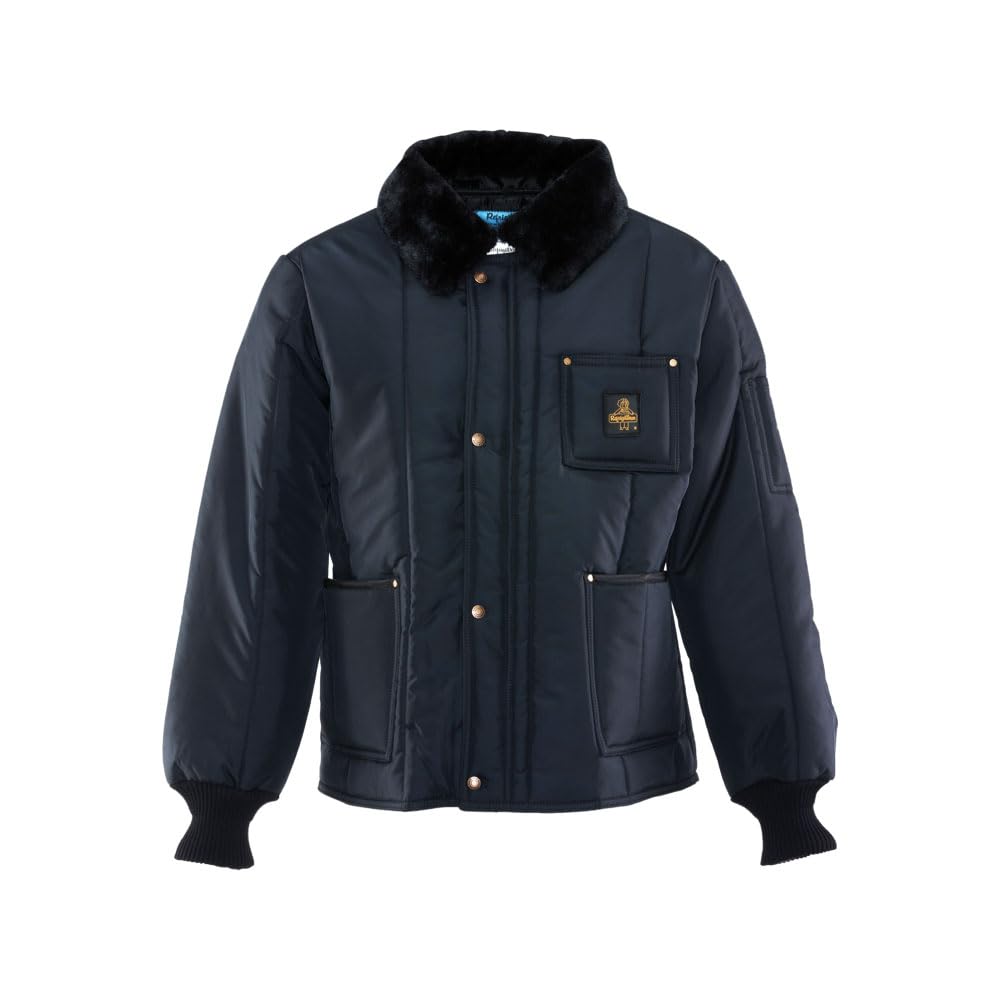
The RefrigiWear Iron-Tuff Polar Jacket is a workhorse, not a tactical garment. It is built around an extremely high comfort rating of -50°F, achieved through 1.25 oz. of RefrigiFill polyester insulation and a 400-denier nylon shell. This is the kind of jacket you choose for prolonged static exposure in industrial freezers or outdoor guard posts where you aren’t generating significant body heat. The shell features a storm flap with bound seams, brass rivets at stress points, and a stand-up collar to block the wind.
This jacket is noticeably heavier and bulkier than the other options in this guide. The trade-off for the -50°F rating is significant: you lose the compressibility and low-profile fit of the Helikon-Tex Level 7. The pocket layout is utilitarian with four pockets including hand-warmer, sleeve, and internal storage. The waist-length cut is practical for work but offers less torso coverage than a parka-style jacket designed for layering. The water-repellent finish is effective against light snow and mist, but it is not a fully waterproof shell.
Where this jacket excels is in value and brutal simplicity. For a fraction of the cost of a Climashield or PrimaLoft jacket, you get a piece of gear that will keep you warm in conditions that would be dangerous in lesser clothing. It is not designed to be a part of a modular system; it is a standalone defensive layer for extreme cold. The quality is superior for its price point, with consistent reports of it performing admirably in teens and below with wind gusts.
Why it’s great
- Exceptional -50°F warmth for stationary use
- Durable 400-denier shell with reinforced stress points
- Superior value for extreme cold performance
Good to know
- Heavy and bulky; not compressible for packs
- Not designed for active use or integrated layering
FAQ
What does ECWCS Gen III Level 2 mean for a base layer?
Can I use a standard civilian cold weather jacket instead of Army cold weather clothing?
How important is the water resistance of the outer shell?
Final Thoughts: The Verdict
For most users, the army cold weather clothing winner is the Helikon-Tex Level 7 Jacket because it delivers the exact Climashield Apex insulation the military trusts, in a compressible, well-organized package that excels as the top insulation layer in the ECWCS system. If you require a waterproof shell to protect your insulation layers from the elements, the Tru-Spec ECWCS Gen2 H2O Proof Parka is the perfect companion. And for static operations or situations demanding uncompromising lower-body warmth, nothing beats the ECWCS PrimaLoft Level 7 Trousers.