
The difference between a good meal and a great one often comes down to a single ingredient — a dash of something that wakes up your palate. In Asian cuisines, that ingredient is rarely a simple vinegar-based table sauce. It’s a fermented, aromatic, ingredient-driven condiment that delivers heat, umami, and a memory of place: yuzu from Japan, gochujang from Korea, chili crisp from Sichuan, sambal from Malaysia.
I’m Min — the co-founder and writer behind Gadgets Feed. I’ve spent over a thousand hours poring over ingredient lists, fermentation methods, regional sourcing, and customer feedback from thousands of verified buyers to understand exactly what defines a top-tier Asian hot sauce.
This guide cuts through the grocery aisle noise to find the real flavor benchmarks — the ones worth keeping on your counter. Whether you want citrusy heat, deep fermented funk, or a crunchy chili oil, we’ve found the best asian hot sauce for your kitchen.
How To Choose The Best Asian Hot Sauce
Not all Asian hot sauces are built the same. A sauce that’s brilliant for Korean BBQ marinades will ruin a delicate sushi roll. Before you buy, understand the fundamental differences in base ingredients, fermentation style, and intended use — they determine everything about how the sauce behaves on food.
Fermentation Base & Ingredient Purity
The soul of any quality Asian hot sauce is its fermentation. Traditional gochujang relies on meju soybean powder and a long aging process to build umami. A proper yuzu kosho uses fresh citrus zest and green chili fermented with salt. Avoid sauces that list corn syrup, wheat flour, or cheap rice syrup as primary thickeners — these are fillers that mask a lack of fermentation depth. Look for pastes with short, recognizable ingredient lists where the first ingredient is a specific chili variety, not sugar or water.
Heat Profile vs. Flavor Complexity
Scoville units are almost meaningless here. A sambal made with bird’s eye chili might hit hard but offer little else, while a well-made gochujang at a lower heat level delivers layers of sweetness, funk, and fermented richness. The best Asian hot sauces balance heat with acidity or sweetness — they make you take another bite, not gasp for water. Read reviews for phrases like “well-rounded heat” or “sneaky spice” versus “just hot.”
Texture & Application Compatibility
Chili crisps and crunchy oils are designed for finishing — spooned over eggs, dumplings, or noodles for texture. Gochujang and sambal are cooking pastes meant to be dissolved into marinades, stews, or stir-fries. A yuzu kosho works as both a raw condiment and a finishing touch on grilled proteins. If you primarily cook, prioritize pastes; if you love a finishing drizzle, go for crisp or oil-based sauces.
Quick Comparison
On smaller screens, swipe sideways to see the full table.
| Model | Category | Best For | Key Spec | Amazon |
|---|---|---|---|---|
| Bokksu Yuzu Hot Sauce | Yuzu Kosho | Citrus tang on fish & grilled meats | 3.2 oz; Japanese yuzu & togarashi blend | Amazon |
| FLYBYJING Duo | Sichuan Chili Crisp | Crunchy, tingly finishing oil | 12 oz (2-pack); Erjingtiao peppers & Sichuan peppercorns | Amazon |
| Muso Hot Yuzu Sauce | Yuzu Kosho | Authentic citrus kick on sushi & noodles | 3.2 oz; premium Japanese yuzu & chili | Amazon |
| Lucky Foods Seoul Gochujang | Gochujang | Korean BBQ marinade & dipping sauce | 15.8 oz; balanced sweet-spicy paste | Amazon |
| Auria’s Sambal | Sambal | Concentrated stir-fry & marinade base | 8 oz; handmade with Makrut lime & shrimp paste | Amazon |
| Lee Kum Kee Chili Garlic Sauce | Chili Garlic | Savory, garlicky all-purpose cooking sauce | 26 oz; chili & garlic blend with umami | Amazon |
| Thank-you Gochujang | Sugar-Free Gochujang | Keto-friendly Korean cooking & BBQ | 8.81 oz; allulose-sweetened, wheat-free, meju base | Amazon |
In‑Depth Reviews
1. Bokksu Yuzu Hot Sauce
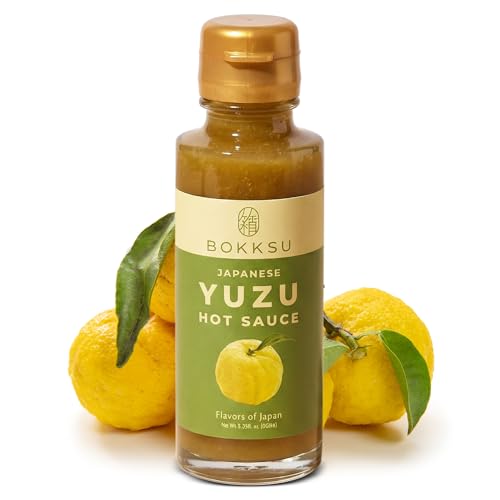
This sauce hits a rare trifecta: it is genuinely versatile, uses authentic Japanese ingredients, and brings a citrusy brightness that most hot sauces completely lack. Made in Japan with a blend of salt, rice vinegar, togarashi pepper, and real yuzu pepper, Bokksu’s yuzu hot sauce delivers a tangy kick that pairs beautifully with white fish, grilled chicken, oysters, and even tacos. The heat is moderate but present, never overwhelming the citrus notes.
Customer feedback highlights its utility as a Trader Joe’s yuzu sauce replacement — multiple verified buyers specifically mention using it on fish, in marinades, and as a quesadilla ingredient. At 3.2 ounces, the bottle is compact but the flavor concentration means a little goes a long way. The sauce arrives well-packed in bubble wrap, a small but appreciated detail for a glass bottle.
The main limitation is the short ingredient list — there’s no added thickener or preservative, which means the texture is thin and watery compared to gochujang or sambal. It’s best used as a finishing sauce or marinade component rather than a dipping paste. If you want a bright, zesty, versatile hot sauce that works across cuisines, this is the one to buy.
Why it’s great
- Authentic Japanese yuzu and togarashi blend
- Versatile on fish, meat, tacos, and grain bowls
- Well-loved as a Trader Joe’s replacement
Good to know
- Thin, watery texture — not a paste
- Small 3.2 oz bottle
2. FLYBYJING Original & Sweet + Spicy Duo
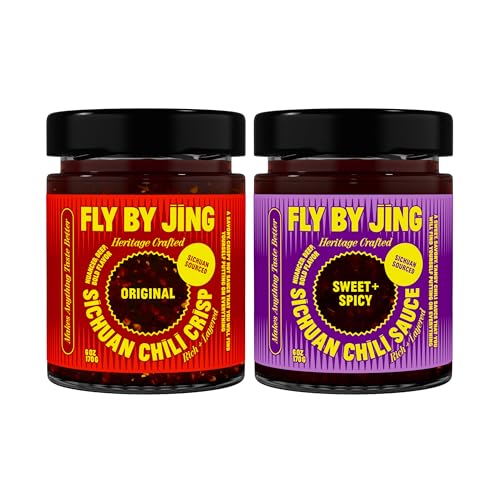
Created by James Beard Award–winning chef Jing Gao, FLYBYJING brings real Sichuan provenance to your kitchen. The Original Chili Crisp is built on fragrant Erjingtiao chili peppers and tingly Sichuan peppercorns, with crunchy garlic and shallots suspended in non-GMO cold-pressed oil. The Sweet + Spicy sauce adds a tangy, slightly sweeter profile that works as a direct substitute for sriracha in any application.
Verified buyers consistently call this sauce “addictive” and “the best way to enhance any Asian dish.” The texture is a clean, satisfying crunch — not muddy or overwhelmed by oil. It’s been featured in the New York Times, Food & Wine, and Saveur for good reason: the flavor depth comes from heirloom ingredients, not artificial smoke or added MSG. The duo pack gives you both the classic crisp and the sweeter variant, covering finishing and cooking needs.
A few users note minor leakage during shipping and wish the jar contained more solid chili pieces relative to oil. The crunch-to-oil ratio hovers around 75–85% solids depending on the batch. Still, for anyone seeking a versatile, restaurant-quality chili crisp that’s vegan and clean-label, FLYBYJING is the benchmark.
Why it’s great
- Heirloom Sichuan peppers for authentic tingle
- Clean crunch with garlic and shallots
- Covers both cooking and finishing use cases
Good to know
- Minor shipping leakage reported occasionally
- Solids-to-oil ratio varies slightly per batch
3. Muso From Japan Hot Yuzu Sauce
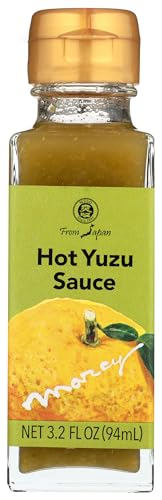
Muso’s Hot Yuzu Sauce is the gold standard for anyone who loved Trader Joe’s discontinued yuzu hot sauce. Made with premium yuzu citrus and chili, this sauce delivers a balanced, zesty kick that elevates sushi, noodles, grilled veggies, and eggs without overpowering them. The citrus flavor is the star — bright, clean, and recognizably Japanese — with the heat playing a supporting role.
Verified buyers rave about its versatility, using it on everything from asada burritos to grilled chicken. Multiple reviewers note it tastes identical to the Trader Joe’s version but at a premium price point. The 3.2 oz bottle is small, but the flavor is concentrated enough that a few drops transform a dish. The sauce arrives well-protected in bubble wrap, preventing breakage during transit.
The main drawback is cost: at roughly three times the price of the original TJ’s sauce per ounce, it’s a luxury purchase for yuzu enthusiasts. The thin consistency also means it’s not suitable as a dip or paste — it’s strictly a finishing sauce or marinade component. If you value that specific Trader Joe’s flavor and are willing to pay for it, Muso delivers.
Why it’s great
- Spot-on Trader Joe’s yuzu sauce replacement
- Bright, authentic Japanese citrus flavor
- Versatile on sushi, noodles, eggs, and meats
Good to know
- Premium price per ounce
- Thin liquid — not a dipping paste
4. Lucky Foods Seoul Gochujang
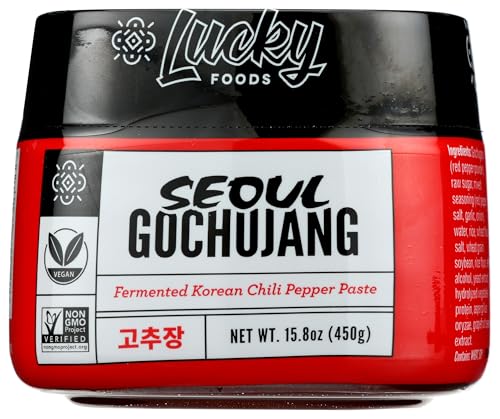
Lucky Foods’ Seoul Gochujang is a reliable, affordable entry into Korean chili paste. At 15.8 ounces, it offers a generous quantity for frequent cooking. The flavor profile leans sweeter than traditional gochujang, with a mild heat that’s accessible to most palates. It works beautifully as a base for Korean BBQ chicken, bibimbap sauce, or mixed with sugar and sesame oil for a quick marinade.
Customer reviews praise its ease of use and balanced flavor. One verified buyer describes it as a “flavor bomb” that’s not super spicy but packed with depth. The ingredient list avoids hydrogenated fats and high-fructose corn syrup, aligning with clean-label expectations. The paste consistency is thick and spreadable, ideal for mixing into sauces or spreading directly onto proteins.
Some reviewers note it lacks the depth of traditional Korean brands available at H Mart, and the twist-off lid can get messy with paste buildup. Additionally, the sweetness level is higher than authentic gochujang, which may put off purists. For home cooks who want a convenient, widely available gochujang that doesn’t require a trip to a Korean grocery, Lucky Foods is a solid choice.
Why it’s great
- Large 15.8 oz tub at a great value
- Balanced sweet-spicy heat for everyday cooking
- No hydrogenated fats or HFCS
Good to know
- Sweetness level higher than traditional gochujang
- Twist-off lid can get messy
5. Auria’s Malaysian Kitchen Sambal
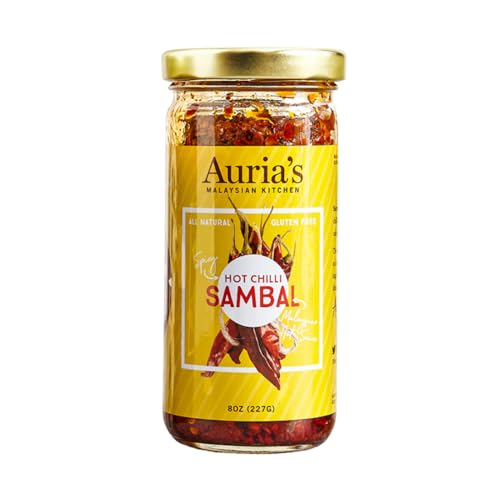
Auria’s Sambal brings authentic Malaysian flavor in a small-batch, handmade jar from NYC. This sambal is built on fresh chilies, Makrut lime leaves, and Malacca-sourced fermented shrimp paste, delivering a complex, aromatic heat that stands out from generic chili pastes. The flavor is concentrated — a little truly goes a long way. It works as a stir-fry base, a marinade for vegetables or meat, or a finishing spoonful added after cooking.
Verified buyers describe it as “delicious” and “the perfect amount of spicy.” The shrimp paste adds a deep umami funk that distinguishes it from Korean or Chinese chili sauces. It’s particularly good in noodle dishes, soups, and grilled proteins where you want a concentrated hit of savory heat. The 8 oz jar is a practical size given the intensity of the flavor.
A few customers wish it was spicier and had a more pronounced shrimp paste presence — some find the chili flavor dominates. The paste is thick but not as smooth as a gochujang; it has a rustic, chunkier texture from the fresh aromatics. If you want a pure Malaysian sambal with real belacan (shrimp paste) character, this small-batch option delivers authenticity that mass-produced sauces can’t match.
Why it’s great
- Authentic Malaysian recipe with Makrut lime and shrimp paste
- Small-batch handmade in NYC
- Concentrated flavor — a little goes a long way
Good to know
- Could be spicier for heat seekers
- Rustier texture, not a smooth paste
6. Lee Kum Kee Chili Garlic Sauce
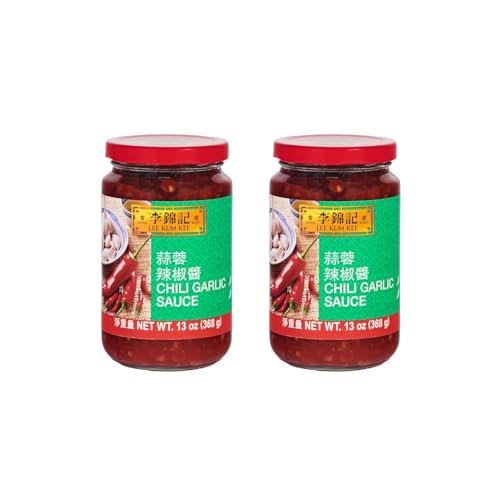
Lee Kum Kee is a household name in Chinese cooking, and this Chili Garlic Sauce is a staple for a reason. It’s a savory, garlicky, mildly spicy sauce made from a carefully blended mix of chili peppers and garlic. The flavor is well-rounded — garlic-forward with a tangy, salty base that adds instant umami to stir-fries, marinades, noodle dishes, and dipping sauces. At 26 ounces in a 2-pack, this is the most generous quantity in our roundup by a wide margin.
Verified buyers consistently call it “excellent value” and note it lasts for months even with regular use. It works across cuisines — one reviewer uses it in spaghetti sauce, another in traditional Sichuan cooking. The heat is mild and accessible, making it a safe choice for households with varying spice tolerance. The sauce is ready to use straight from the jar, no chopping or prep required.
The main caveat is salt content — several reviewers warn it’s salty enough that you should adjust your seasoning when using it as a cooking base. It’s not designed for the complex fermentation depth of gochujang or the citrus brightness of yuzu sauce. It’s a workhorse condiment: reliable, affordable, and broadly useful, but not a flavor revelation. Ideal for everyday cooking on a budget.
Why it’s great
- Massive 26 oz total volume — best value per ounce
- Savory, garlicky profile works across cuisines
- Ready-to-use cooking base
Good to know
- High sodium content — adjust seasoning
- Mild heat, not for serious spice seekers
7. Thank-you Gochujang Sugar-Free
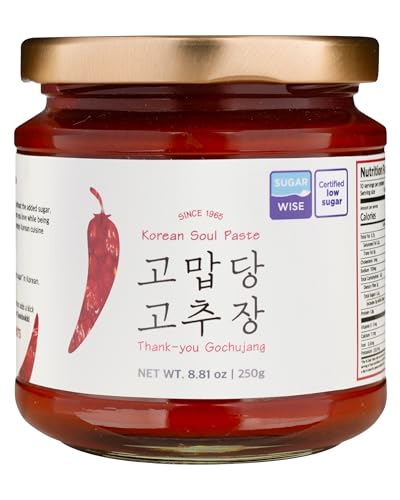
Thank-you Gochujang is a rare find: a sugar-free, wheat-free, keto-friendly Korean chili paste that doesn’t sacrifice flavor. Standard gochujang packs 8–9g of sugar per serving from corn syrup and rice syrup. This version uses liquid allulose (a natural sweetener from figs and raisins) instead, with only 0.4g total sugar and 23 calories per serving. It’s certified low-sugar and low-calorie on the label. The fermentation base uses traditional meju soybean powder instead of wheat flour or rice flour, making it suitable for gluten-free and keto diets.
Verified buyers on restrictive diets love this product. One reviewer calls it “absolutely fantastic and sugar-free,” while another, allergic to rice and gluten, calls it a “happy alternative.” The flavor is described as slightly different from traditional gochujang — the allulose sweetener changes the sweetness profile — but still genuinely tasty. It works perfectly in bibimbap, tteokbokki, Korean BBQ marinades, and spicy mayo.
The main complaint is the small jar size (8.81 oz) relative to the premium price. Some users also note the paste has a slightly thinner consistency than traditional gochujang. It’s not the most authentic gochujang experience, but for anyone on a low-carb, gluten-free, or sugar-free diet who craves Korean flavors without the metabolic cost, this is the best option available.
Why it’s great
- Zero added sugar, only 0.4g total sugar per serving
- No wheat flour or rice flour — meju soybean base
- Keto-friendly and gluten-free
Good to know
- Small 8.81 oz jar at a premium price
- Different sweetness profile from traditional gochujang
FAQ
What’s the difference between gochujang and sambal?
Is yuzu hot sauce actually hot?
How long does an opened jar of gochujang last?
Can I use chili crisp as a cooking sauce?
Final Thoughts: The Verdict
For most users, the best asian hot sauce winner is the Bokksu Yuzu Hot Sauce because it delivers a genuinely versatile, authentic Japanese citrus heat that works on everything from fish to tacos without overwhelming the dish. If you want crunchy, tingly Sichuan flavor for finishing, grab the FLYBYJING Duo. And for deep Korean BBQ marinades on a budget, nothing beats the Lucky Foods Seoul Gochujang.