
An At Home Food Allergy Test offers a direct path to identifying the specific foods your body is reacting to, bypassing the lengthy wait times and multiple visits often required by traditional clinical settings. The best kits provide lab-grade analysis, screening dozens to hundreds of potential triggers from a simple finger-prick or hair sample collected in your own kitchen.
I’m Min — the co-founder and writer behind Gadgets Feed. I specialize in analyzing the technical specifications, lab certification standards (CLIA, ELISA), and scientific methodologies used by direct-to-consumer health testing brands to separate useful diagnostic tools from wellness trends.
This buying guide compares seven leading kits on trigger count, test methodology (IgE vs. IgG), turnaround time, and clinical validity to help you choose the right best at home food allergy test for your specific health needs.
How To Choose The Best At Home Food Allergy Test
With test panels ranging from 44 to over 1,500 items and sample methods involving either blood or hair, the key differentiators are the laboratory methodology, the certification behind it, and whether the kit targets true IgE allergies or broader IgG sensitivities. Understanding these distinctions is critical before you purchase.
IgE vs. IgG: The Scientific Divide
An IgE test (like Verisana’s 44-food panel) measures the antibody associated with immediate, often severe allergic reactions — hives, anaphylaxis, swelling. An IgG test (like Everlywell or AllergyHero) indicates a slower, delayed immune response linked to chronic symptoms such as bloating, fatigue, and brain fog. Choosing the wrong one for your symptoms will yield misleading results.
Lab Certification and Sample Type
Look for CLIA-certified labs, which meet federal quality standards. A finger-prick blood sample (used by Everlywell, Verisana, AllergyHero) is the gold standard for both IgE and IgG analysis because it directly measures antibodies in your bloodstream. Hair sample tests (5Strands, UCARI) are convenient and painless but measure bio-electrical responses to nutrient absorption, not immune reactions, and are generally considered less clinically rigorous for specific allergy diagnosis.
Trigger Count vs. Actionable Reporting
A kit that screens 295 triggers is only useful if the results clearly rank reactivity (none/low/moderate/high) and provide guidance for an elimination diet. The best reports include downloadable data you can share with your primary care physician or allergist for follow-up care. Avoid kits that offer a simple “yes/no” list without context on how to adjust your diet.
Quick Comparison
On smaller screens, swipe sideways to see the full table.
| Model | Category | Best For | Key Spec | Amazon |
|---|---|---|---|---|
| Everlywell Food Sensitivity Test | IgG (Sensitivity) | Actionable elimination diet | 96 foods tested | Amazon |
| AllergyHero (295 Triggers) | IgE (Allergy) | Comprehensive family screening | 295 triggers tested | Amazon |
| AllergyHero (286 Foods) | IgG (Sensitivity) | Detailed protein-level breakdown | 286 foods tested | Amazon |
| Verisana Food Allergy Test | IgE (Allergy) | True allergy confirmation | 44 foods tested | Amazon |
| Verisana Food Sensitivity (240) | IgG (Sensitivity) | Broad sensitivity mapping | 240 foods tested | Amazon |
| UCARI Personal Sensitivity Profiling | Bio-Electric (Hair) | Broad holistic lifestyle screening | 1,500+ items screened | Amazon |
| 5Strands Nutrition Test | Bio-Electric (Hair) | Nutrient absorption insight | 112 nutrients tested | Amazon |
In‑Depth Reviews
1. Everlywell Food Sensitivity Test
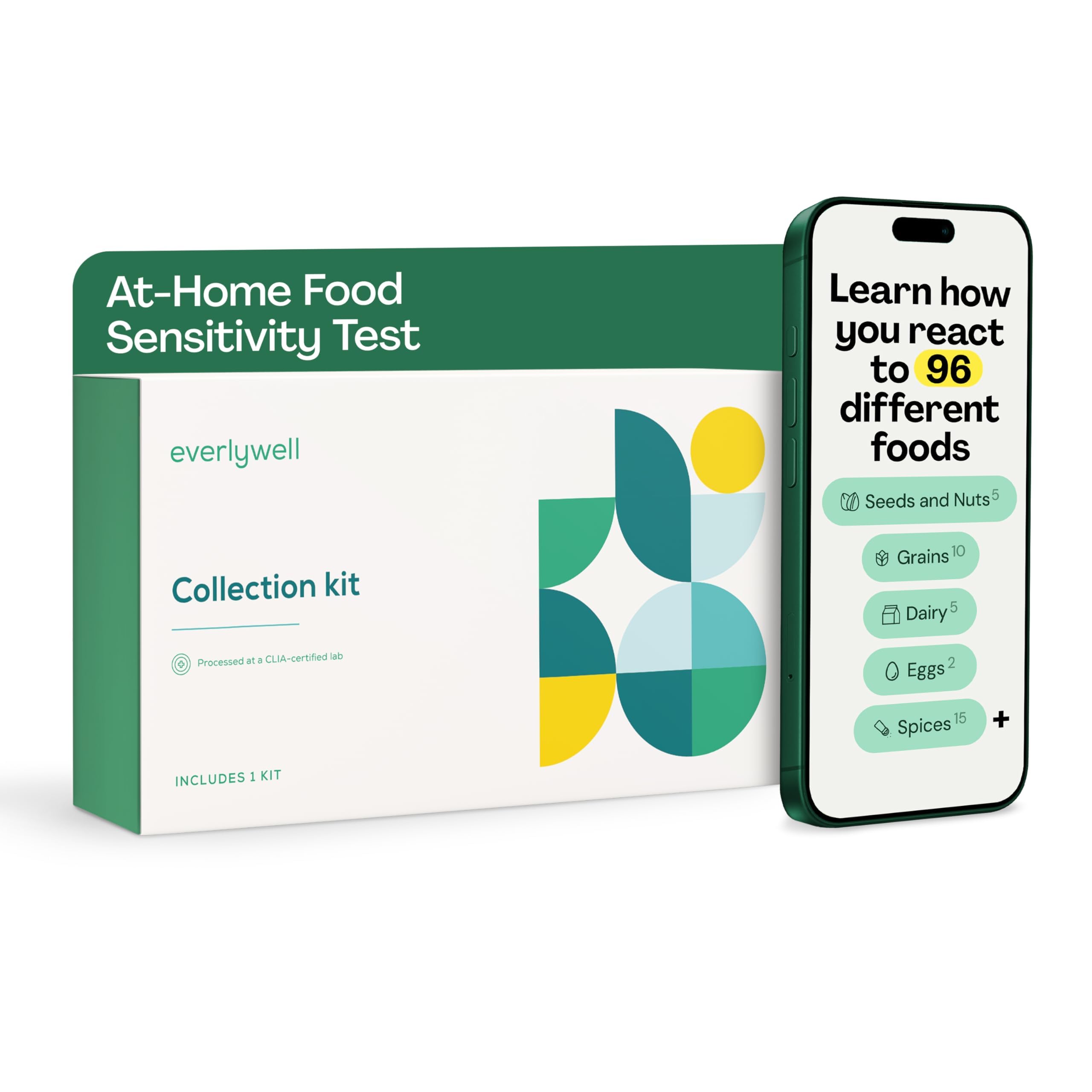
The Everlywell kit uses a finger-prick blood sample to measure IgG antibody reactivity across 96 common foods, from dairy and gluten to shellfish and specific vegetables. Its CLIA-certified lab analysis and physician-reviewed results provide a level of clinical credibility that sets it apart from bio-electric hair tests. With turnaround times of 3–5 business days after the lab receives your sample, you get a clear, ranked report that directly supports an elimination diet strategy.
Customer reports consistently highlight that the test confirmed long-suspected triggers — wheat for migraines, cow’s milk for bloating, and yeast for psoriasis. The easy-to-read color-coded dashboard lets you see moderate and high reactivity at a glance, which simplifies sharing the results with a doctor. Many users note that eliminating the highest-ranked foods produced noticeable symptom relief within two weeks.
Be aware that this is an IgG sensitivity test, not an IgE allergy test for immediate anaphylactic reactions. Some users reported rejected samples due to insufficient blood, and customer service response times can be slow in those instances. The kit is also unavailable in New York, and it is priced for those who want certified lab rigor over a higher trigger count.
Why it’s great
- CLIA-certified lab ensures clinically backed, reproducible results
- Physician-reviewed report translates reactivity into actionable elimination guidance
- Fast digital turnaround (3–5 business days) supports quick dietary adjustments
Good to know
- 96-food panel is narrower than competitors offering 200+ triggers
- Requires a finger-prick blood sample, which some users find uncomfortable
- Not available in New York state
2. AllergyHero Comprehensive Food and Environmental Allergy Test (295 Triggers)
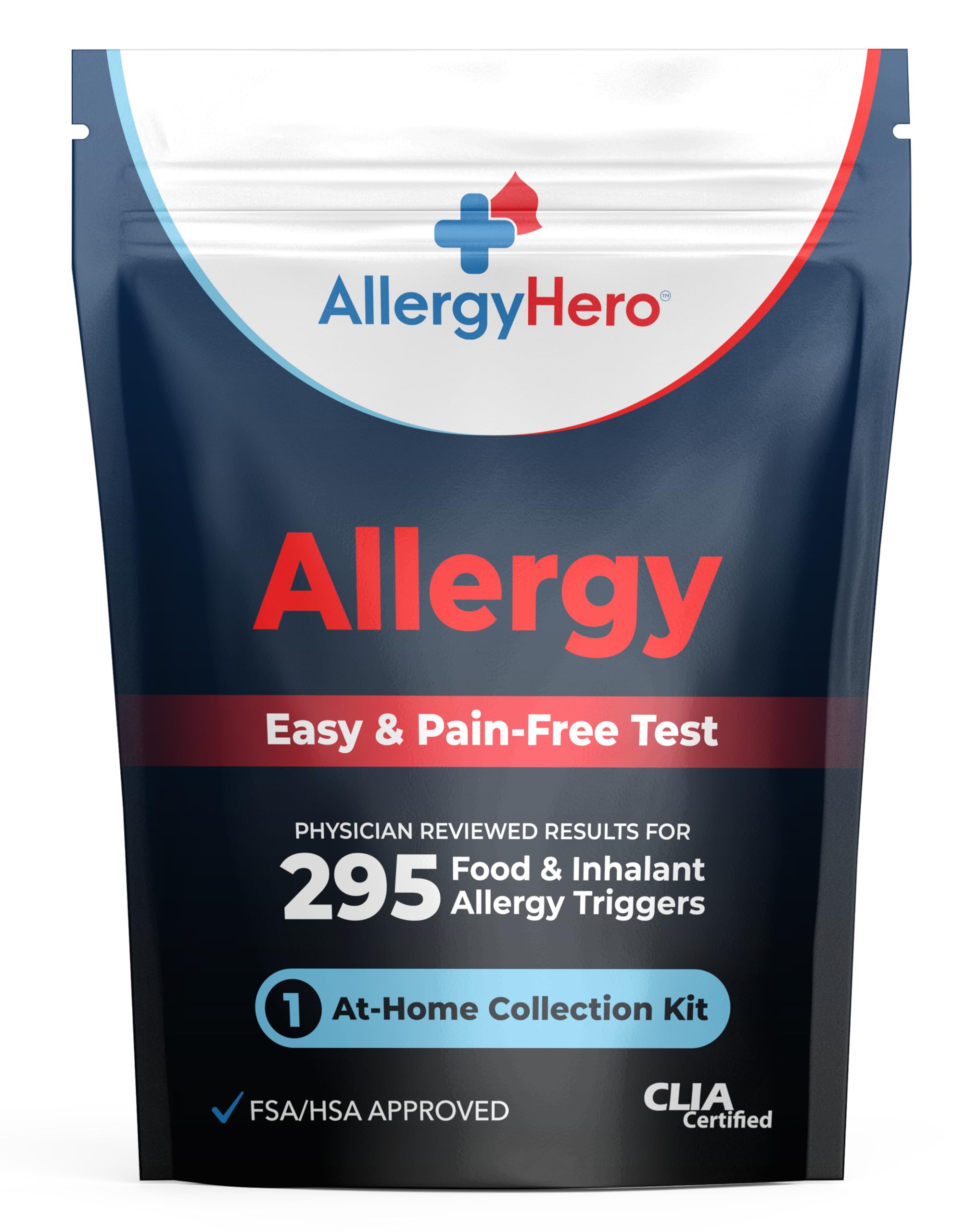
The AllergyHero 295-trigger kit is the most comprehensive IgE allergy test on this list, screening for food allergens, food beverages, pet dander, pollen, and common inhalants from a simple finger-prick sample. It is designed for both adults and children, and the report includes cross-reactivity explanations — oral allergy syndrome, for instance — which is rare among at-home kits. This makes it particularly useful for families trying to narrow down triggers for chronic hives, stomach aches, or respiratory symptoms without repeated clinic visits.
Customer feedback reveals success stories where the test identified a rare adult-acquired milk allergy causing anaphylaxis and a dairy sensitivity causing intermittent abdominal pain in a child. Users praise the painless blood collection and the fast digital report, which arrives within days. The report breaks down severity from none to high, providing a clear starting point for elimination or avoidance.
The primary drawback is cost, as it sits at the higher end of the market. A small number of users reported zero allergies detected, which may be due to sample handling delays or the fact that some true allergies are not IgE-mediated. Because it is an IgE test, it will not detect delayed food sensitivities — buyers must be certain they are looking for immediate allergic reactions.
Why it’s great
- Screens 295 IgE triggers including environmental allergens, not just food
- Designed for both adults and children, making it a true family test
- Includes cross-reactivity explanations to help clarify complex reactions
Good to know
- Does not detect IgG-mediated food sensitivities
- Results can be inconclusive if the sample is delayed in transit
- Premium pricing may be a barrier for single-symptom investigation
3. AllergyHero Comprehensive Food Sensitivity Test (286 Foods)

The IgG counterpart to AllergyHero’s environmental allergy kit, this test covers 286 foods and beverages, and its reporting stands out for breaking down individual proteins within common trigger foods. For example, milk is separated into casein, whey, and other fractions, and eggs are split into whites and yolks. This level of granularity allows for a more precise elimination diet — a user might find they react only to egg whites, not whole eggs, or to A1 casein but not A2.
User experiences confirm the reporting depth makes a difference. One customer with bloating and digestive discomfort discovered high sensitivity to specific egg and dairy proteins, and after three weeks of targeted elimination, their long-standing gut issues resolved. The test is praised as painless and the instructions as extremely clear, making it accessible for first-time users. Results are typically delivered within 3–5 business days via a secure portal.
The limitation is that IgG tests measure exposure, not necessarily true intolerance. A high IgG result to a food you eat frequently is normal and may not indicate a problem. Some users found the results confusing when they contradicted known reactions, and a few reported the test missed foods they knew caused issues. It is a powerful guidance tool, not a replacement for a medically supervised elimination diet.
Why it’s great
- Breaks down foods into individual proteins for ultra-specific dietary insight
- Painless finger-prick collection with clear video instructions
- Fast digital results in 2–5 business days
Good to know
- IgG results can be skewed by high consumption of a food (false positive)
- Does not test for IgE-mediated anaphylactic allergies
- Some users found the report lacked direct guidance on portion sizes or rotation
4. Verisana Food Allergy Test – 44 Foods
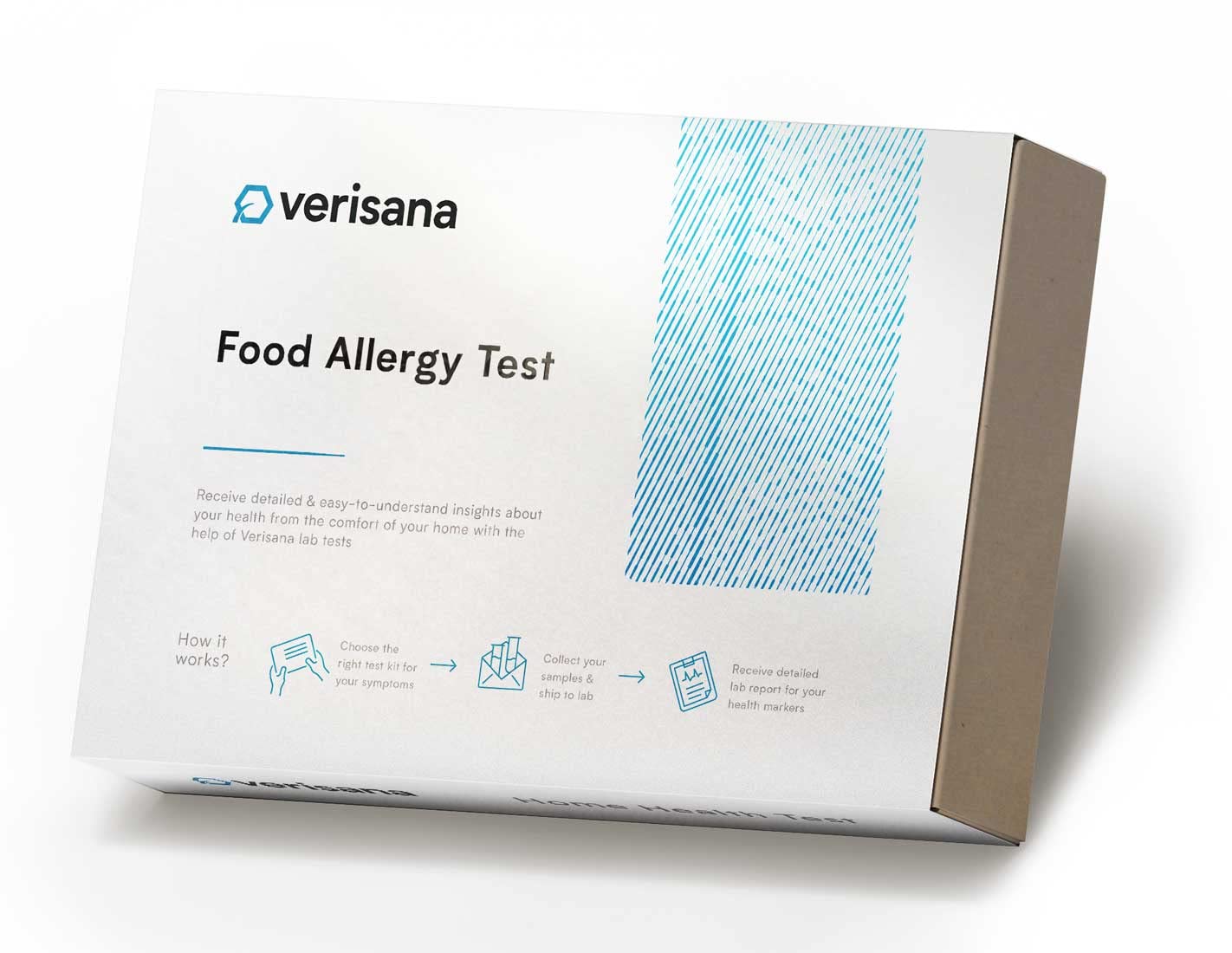
Verisana’s IgE test uses quantitative ELISA analysis — the same laboratory methodology used in clinical diagnostic labs — to measure specific IgE antibodies against 44 common foods, including dairy, meat, fish, grains, fruits, vegetables, and nuts. This is a real allergy test for immediate reactions, not a sensitivity screen. The kit includes pre-paid return postage and is processed in a CLIA-certified lab, with results returned within a few weeks.
Reviewers consistently praise the professionalism of the kit: fast shipping, clear instructions, and easy sample collection. One user discovered a hazelnut allergy while on vacation and was able to confirm it quickly from home. Another called it one of the best all-in-one allergy tests on the market after trying other ineffective kits. The quantitative nature of the report gives you actual numerical values for each food, making it easy to track changes over time.
The trade-off is the 44-food panel is the smallest on this list, so it may miss less common triggers. It is also unavailable in New York, New Jersey, Rhode Island, and Maryland. Because it is an IgE test, it will not help if your symptoms are delayed-onset (IBS, fatigue, brain fog) — you need Verisana’s 240-food IgG test for that. But for fast, lab-verified answers about true allergic reactions, this kit is hard to beat.
Why it’s great
- Uses clinical-grade quantitative ELISA for reliable IgE measurement
- CLIA-certified lab with physician review for clinical credibility
- Includes pre-paid return postage and clear, beginner-friendly instructions
Good to know
- 44-food panel is narrow — may miss less common allergens
- Not available in NY, NJ, RI, or MD
- Results take up to 2–3 weeks, slower than some competitors
5. Verisana Food Sensitivity Complete Test (240 Foods)
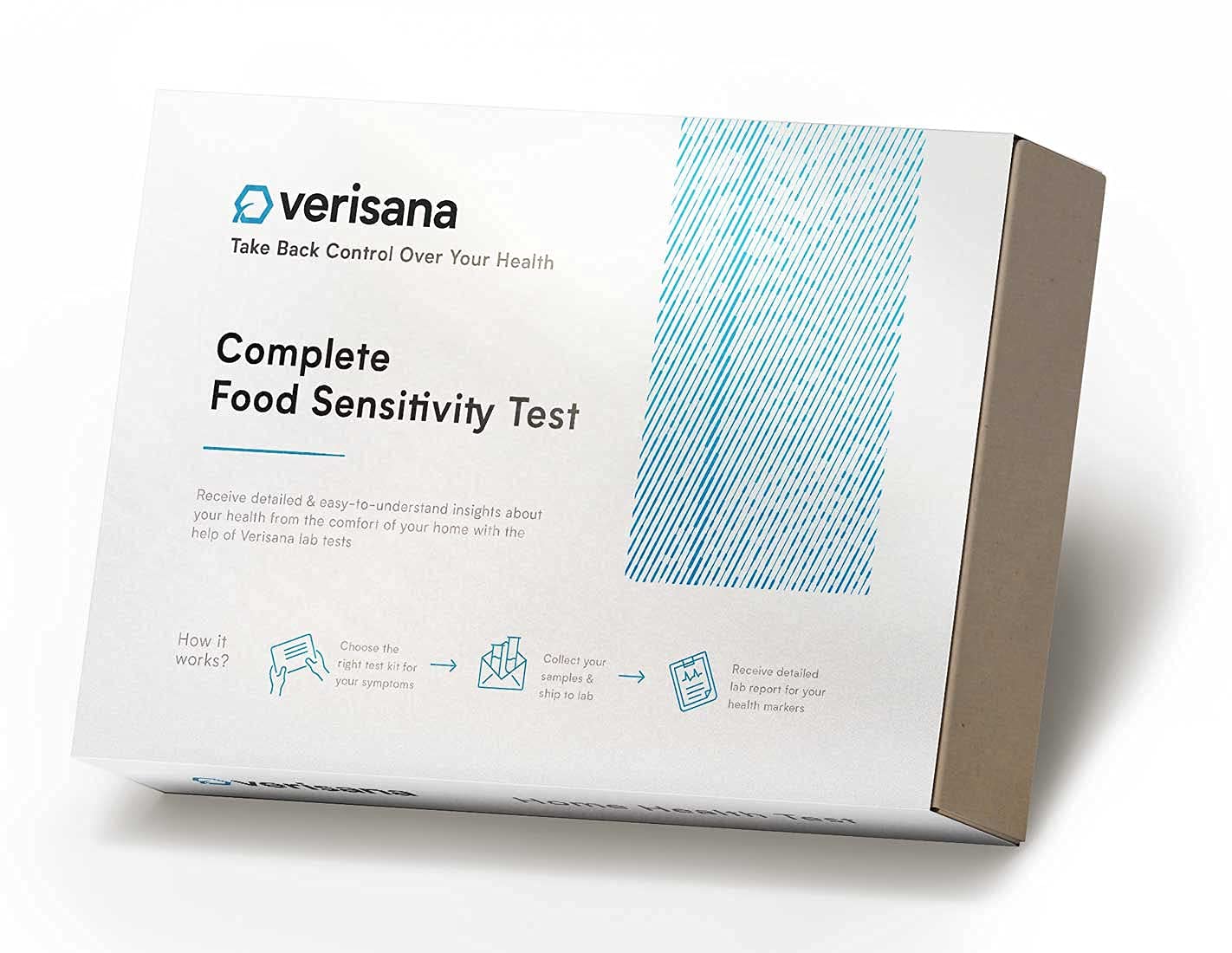
Verisana’s 240-food IgG test is the sister product to the 44-food IgE kit, designed for users with chronic, non-anaphylactic symptoms like bloating, fatigue, and brain fog. It uses a finger-prick blood sample analyzed by a CLIA-certified lab, with results reviewed by an independent board-certified physician. The report covers a wide range of foods including grains, dairy, meats, seafood, fruits, vegetables, herbs, and spices, making it one of the broadest IgG panels available.
Users highlight the ease of use — from the well-organized kit to the straightforward sample collection and quick turnaround. One reviewer described it as a “game-changer” for tailoring nutrition after years of unexplained issues. Others appreciated the clear, easy-to-understand report that helped them identify previously unknown triggers like mozzarella cheese and high candida reactivity. The report allows you to easily share the data with your primary care physician.
The main limitation is that IgG testing has inherent subjectivity — antibodies to foods you eat often can produce false positives. Some users expressed frustration that the test required a blood sample when they expected a saliva test, though this is clearly documented. It is also excluded from the same New York, New Jersey, Rhode Island, and Maryland markets. At the premium end of the market, this is for buyers committed to a deep dietary overhaul.
Why it’s great
- 240-food panel is one of the broadest IgG screens available
- CLIA-certified lab with independent physician review
- Results are clear and easy to share with a healthcare provider
Good to know
- IgG false positives are common — high reactivity to daily foods is normal
- Not available in NY, NJ, RI, or MD
- Requires a finger-prick blood sample, not saliva
6. UCARI Personal Sensitivity Profiling Test (1,500+ Items)

The UCARI test offers the highest item count on this list — 1,500+ foods, additives, skincare ingredients, and environmental factors — using a simple, painless hair sample. This is not an allergy test; UCARI explicitly markets it as a “personal sensitivity profiling” tool for general wellness insight. The report arrives in about two business days and is color-coded, making it easy to start an elimination-style nutrition plan. The non-invasive collection is ideal for families, with kits suitable for both adults and children.
Customers report practical success stories: one user discovered a severe potato intolerance that explained persistent eye irritation, while another confirmed that their dog’s diet issues were caused by beef, not chicken. The sheer breadth of the screening means you might uncover triggers you never considered — but it also means you may receive results for obscure items (kumquat, soy sprouts) that are not part of your regular diet. The report includes guidance on elimination, but it is not a substitute for a clinical diagnosis.
The main criticism is scientific validity: because it uses bio-electric hair analysis rather than antibody measurement, its results are not comparable to IgE or IgG blood tests. Some users found the results contradicted known allergies or were too vague to act upon. For a mid-range investment, you get an enormous data set, but the trade-off is a less rigorous methodology than CLIA-certified blood kits.
Why it’s great
- Massive 1,500+ item screening covers food, additives, and environmental triggers
- Painless hair sample collection — no needles or blood required
- Fast 2-day digital report turnaround after lab receives sample
Good to know
- Not an allergy test — uses bio-electric hair analysis, not antibody measurement
- Results may include irrelevant items not part of a normal diet
- Some users report contradictions with known allergies or medical tests
7. 5Strands Nutrition Test (112 Items)
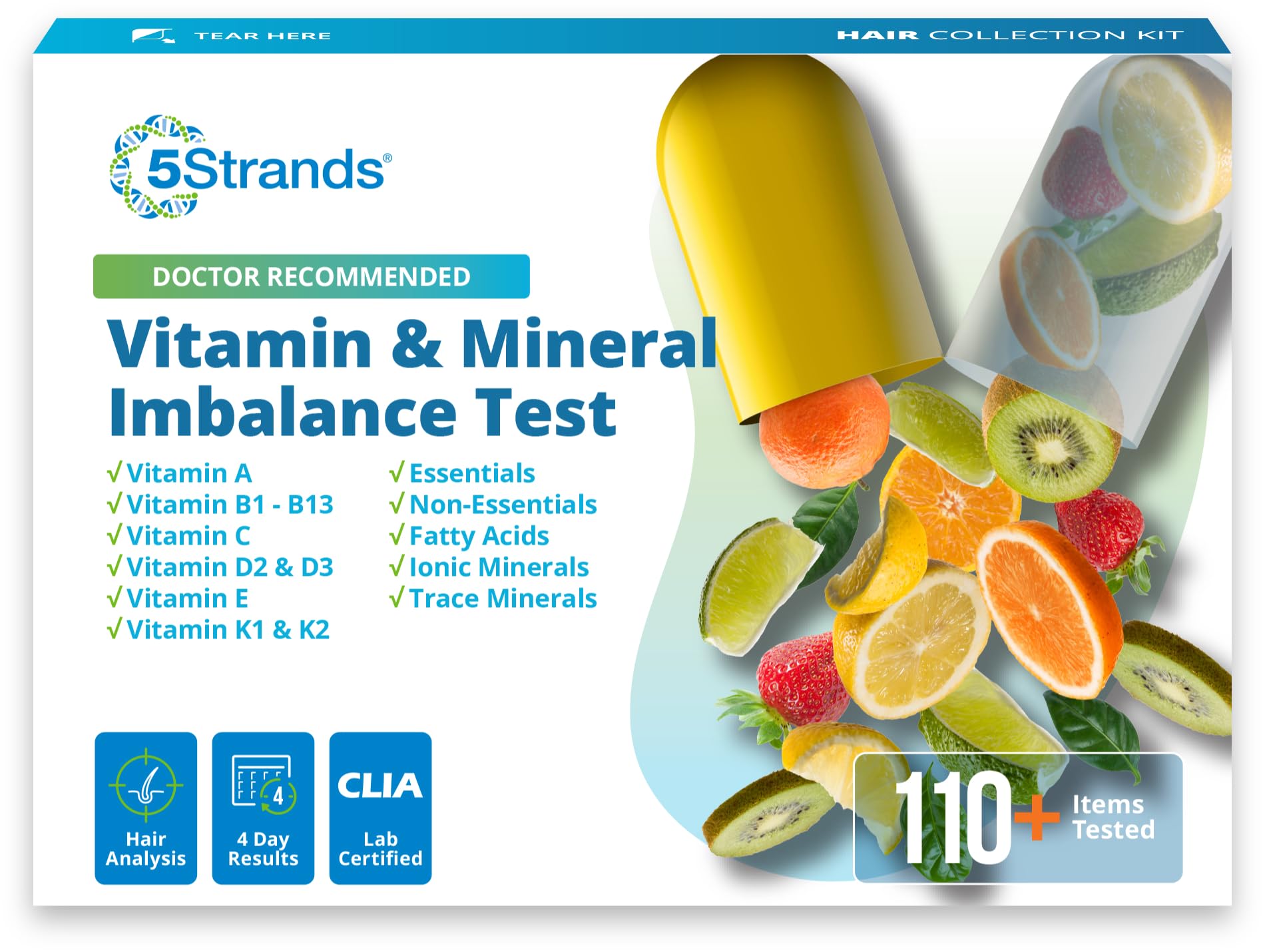
The 5Strands test is unique on this list: it does not measure allergies or sensitivities directly. Instead, it analyzes your hair sample for bio-electrical responses to 112 vitamins, minerals, amino acids, and fatty acids, flagging nutrients your body may not be absorbing properly. It is a nutritional optimization tool, not an immune-response test. The process is simple — collect 10–15 strands of hair, mail in the prepaid envelope, and get results via email or the mobile app in about 4 days.
Users love the convenience and the detailed report that organizes each nutrient into four response levels. One customer with low energy and grey hair confirmed a B12 deficiency that doctors had missed. Another found the test helped them tailor their diet for long-haul travel nutrition. The kit is trusted by over 345,000 customers and includes a double-scan lab process for accuracy. It is also one of the most affordable kits available, making it a low-risk entry point into at-home testing.
The significant caveat is accuracy. Several customers report discrepancies between 5Strands results and clinical blood work — one user with severe vitamin D deficiency received a “no issue” result from 5Strands, while a blood test showed critical deficiency. This reinforces that the test is a screening tool, not a medical diagnostic. It will not tell you if you are allergic to peanuts or shellfish; it will tell you if your body may be struggling to absorb iron or magnesium.
Why it’s great
- Tests 112 nutrients for absorption, not just food reactivity
- Painless hair sample collection with fast 4-day digital results
- Budget-friendly price makes it a low-barrier starting point
Good to know
- Not an allergy or sensitivity test — measures nutrient absorption via hair bio-electric response
- Results can conflict with clinical blood work (false negatives reported)
- Does not test for IgE or IgG immune reactions to specific foods
FAQ
Can an at-home food allergy test replace seeing an allergist?
Why do some at-home tests use hair samples instead of blood?
How many foods should a good at-home allergy test screen?
Final Thoughts: The Verdict
For most users, the best at home food allergy test is the Everlywell Food Sensitivity Test because it combines CLIA-certified lab rigor, an actionable 96-food panel, and physician-reviewed reports that support a clear elimination diet plan. If you need to test for immediate IgE allergic reactions, grab the AllergyHero Comprehensive Allergy Test (295 Triggers). And for a budget-friendly general health screening to check nutrient absorption without needles, nothing beats the 5Strands Nutrition Test.