
Our readers keep the lights on and my morning glass full of iced black tea. As an Amazon Associate, I earn from qualifying purchases.
Specs are compiled from manufacturer listings and verified buyer reviews and can change over time — please confirm the key details on the product page before buying.
The right pair of hiking shoes separates a day of easy miles from one spent nursing sore feet and fighting for grip. Across the 9 models here, the standout is the Merrell Moab 3 — the bestselling hiker in the world, and a shoe that owners have trusted long enough to buy a sixth or seventh pair. The biggest mistake new hikers make is grabbing a running shoe with a smooth sole, so this guide focuses on real trail traction, waterproofing, and cushioning that lasts.
I’m Min — the founder and writer behind Gadgets Feed. This guide is built by comparing the manufacturers’ published specifications and the patterns across verified customer reviews, so you get each pick’s real strengths and trade-offs instead of marketing spin.
From heavy-duty boots to featherweight trail runners, these are the best athletic hiking shoes for every kind of trail and foot.
Our Picks at a Glance
How To Choose The Best Athletic Hiking Shoes
Athletic hiking shoes sit between a stiff boot and a road running shoe. You want the grip and protection for trails, but you also want the light weight and flexibility for all-day comfort. The three things that decide which pair works for you are the outsole, the fit, and how much cushioning your feet need.
Outsole grip matters most on loose or wet ground
Look at the rubber pattern on the bottom before anything else. Deeper lugs (the rubber teeth) bite into mud and loose dirt, so you don’t slide on descents. A shoe like the Lone Peak 8 uses a MaxTrac outsole, while the Speedcross is famous for grip that holds on slick rock. If your trails are mostly dry and packed, a shallower tread will still work fine.
Fit and toe box width change everything on long miles
Your feet swell on a hike, and they slide forward on descents. A roomier toe box, like the FootShape design from Altra or the wider KEEN form, lets toes spread naturally and reduces rubbing. If you have narrow feet, a glove-like fit from Salomon will feel more secure. There is no universal right answer — it depends on your foot shape.
Waterproofing is a trade-off with breathability
Shoes with a waterproof lining, like KEEN.DRY or CLIMAPROOF, keep your feet dry in rain and stream crossings, along with the afternoon heat. They do not breathe like a mesh trail runner does, so your feet may get sweaty on warm summer hikes. Decide based on your local climate and the season you hike most.
Quick Comparison
| Model | Best For | Weight | Waterproof | Outsole Grip | Amazon |
|---|---|---|---|---|---|
| Merrell Moab 3★ Best Overall | All-purpose comfort | 3.06 lb | Partial | Vibram | Amazon |
| ASICS Gel-Venture 11Best Value | Wide feet value | 1.44 lb | No | Molded rubber | Amazon |
| New Balance Garoé V2Everyday Versatile | Everyday versatility | — | No | AT Tread | Amazon |
| Adidas Terrex Tracefinder 2 | Weather protection | 2.43 lb | Yes | Lugged all-direction | Amazon |
| Altra Lone Peak 8 | Wide toe box zero drop | 11.15 oz | No | MaxTrac | Amazon |
| Brooks Cascadia 19 | Rocky terrain stability | 10.7 oz | No | Super grippy tread | Amazon |
| New Balance Hierro V9 | Plush trail cushioning | 2.1 lb | No | Vibram Megagrip | Amazon |
| Salomon Speedcross | Slick rock grip | 262 g | No | 5 mm lugs | Amazon |
| KEEN Targhee 4 Low | Durable waterproof | — | Yes | All-terrain | Amazon |
In‑Depth Reviews
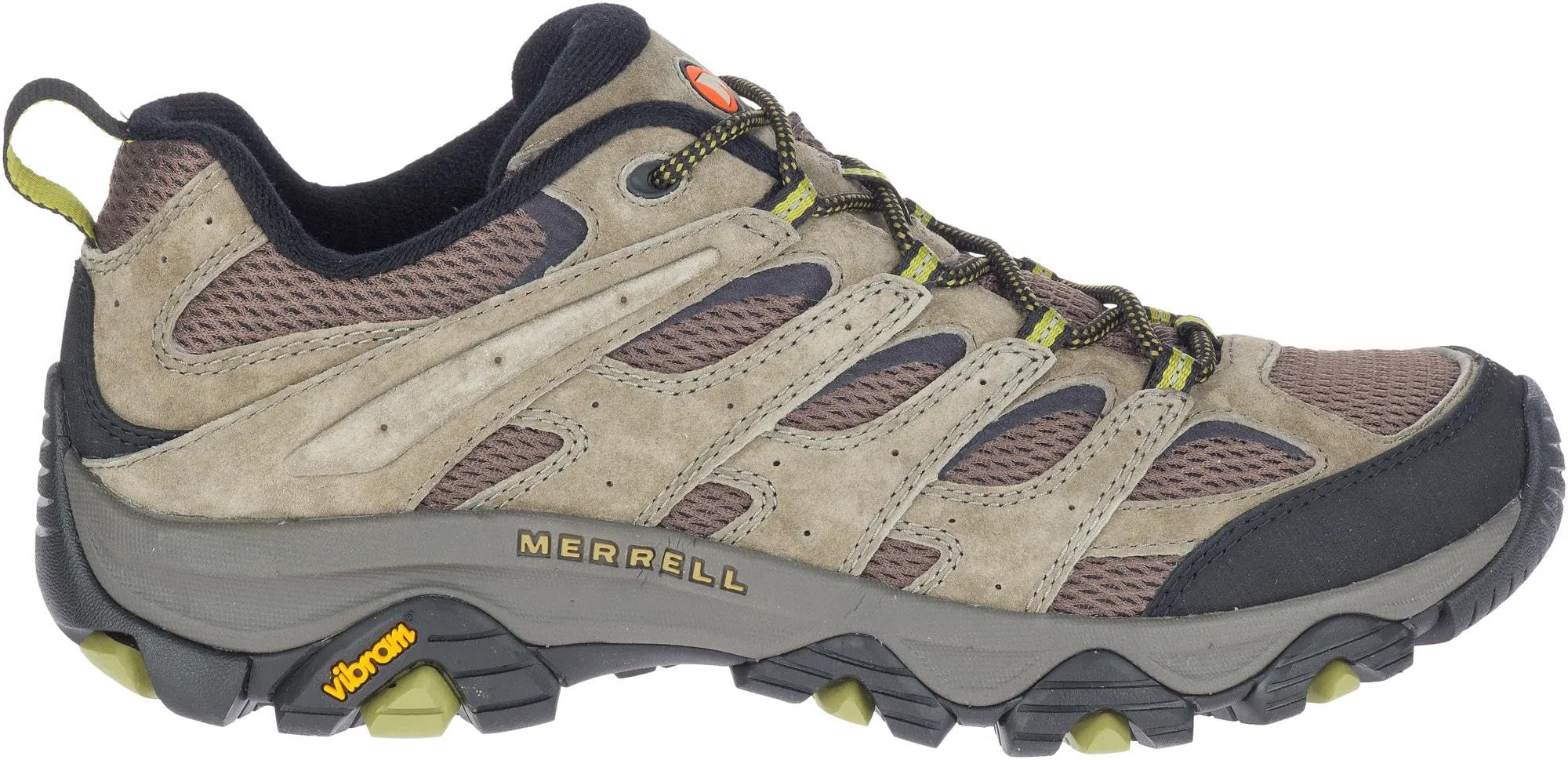
1. Merrell Men’s Moab 3 Hiking Shoe
Our pick — over 4.5★ from 14,500+ verified ratings; the strongest balance of quality and price.
The world’s bestselling hiker, trusted for over a decade and bought again and again.
This is the shoe that 20 million people have used to step outdoors, and version 3 adds a supportive insole, a softer cushioned midsole, and a grippier Vibram outsole. The comfort is the first thing buyers report — feet feel great straight from the start with no break-in period and no blisters. One hiker even reported “feet good after 7.62 mi/1200 ft gain,” which sums up what the support does on a real climb.
At 3.06 pounds, this is noticeably heavier than the featherweight trail runners on this list, yet owners still wear it daily. The construction holds up over years, with one buyer on their sixth or seventh pair and another saying the sole wears well across multiple pairs. The water resistance covers the bottom inch of the shoe, so expect protection from light rain and wet grass rather than full stream crossings.
The qualities buyers mention most are comfort and build quality — over a thousand owners praise each — and the fit runs true to size, though a few suggest ordering up if you like a roomier toe. The one recurring note is that the laces loosen easily and may need a double knot.
Why it wins: Out-of-the-box comfort and proven durability on any trail, at a price that makes it an easy daily wearer too.
Keep in mind: The laces slip, and full waterproofing stops at the lower inch of the shoe.
Reach for this if: you want one dependable shoe for hiking, walking, and everyday wear without fuss.
Look elsewhere if: you need a true deep-stream waterproof boot or you want the lightest possible trail runner.
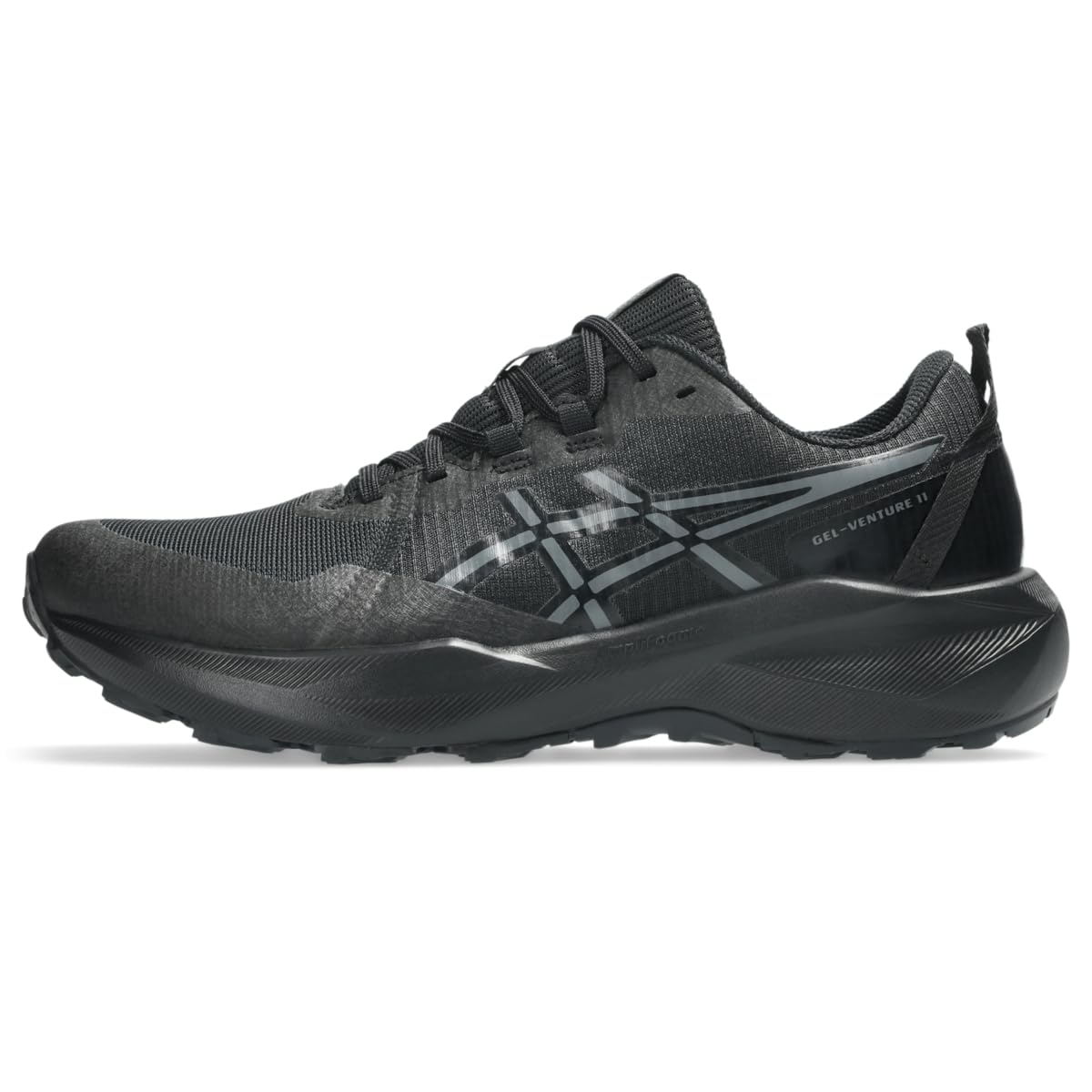
2. ASICS Men’s Gel-Venture 11 Trail Running Shoes
A dependable trail shoe that treats wide feet right without emptying your wallet.
Weighing just 1.44 pounds, this is the featherweight of the list and disappears on your foot compared to the 3.06-pound Merrell above. The AMPLIFOAM PLUS midsole sits 2mm higher for better impact absorption, and the Rearfoot GEL technology cushions each heel strike. For hikers with wider feet, the 4E fit earns genuine loyalty — one owner wore their first pair out after five years and came straight back for a second.
The traction gets steady praise too, with a thick tread that grips well on trails and gravel. While it is built as a running shoe, owners use it hiking and walking on varied surfaces daily. The OrthoLite Hybrid Max Lite sockliner manages moisture and adds breathability, so hot-weather treks stay more comfortable.
The fit usually runs true to size, though a handful of owners mention it runs slightly large, and one size 14B owner found heel slippage after a design change. The comfort and quality lead the owner feedback, and the value is hard to argue with for a shoe that handles both the trail and the sidewalk.
What owners love
- Extremely comfortable with solid arch support
- Very light at 1.44 pounds
- Thick tread grips well on trails
Worth checking
- Fit runs slightly large for some
- Occasional heel slippage in larger narrow sizes
Best for: wide-footed hikers who want a light, comfortable shoe for trails and daily walking at a budget-friendly price.
skip it if: you need waterproofing on wet trails or you want a stiffer, more protective hiker.
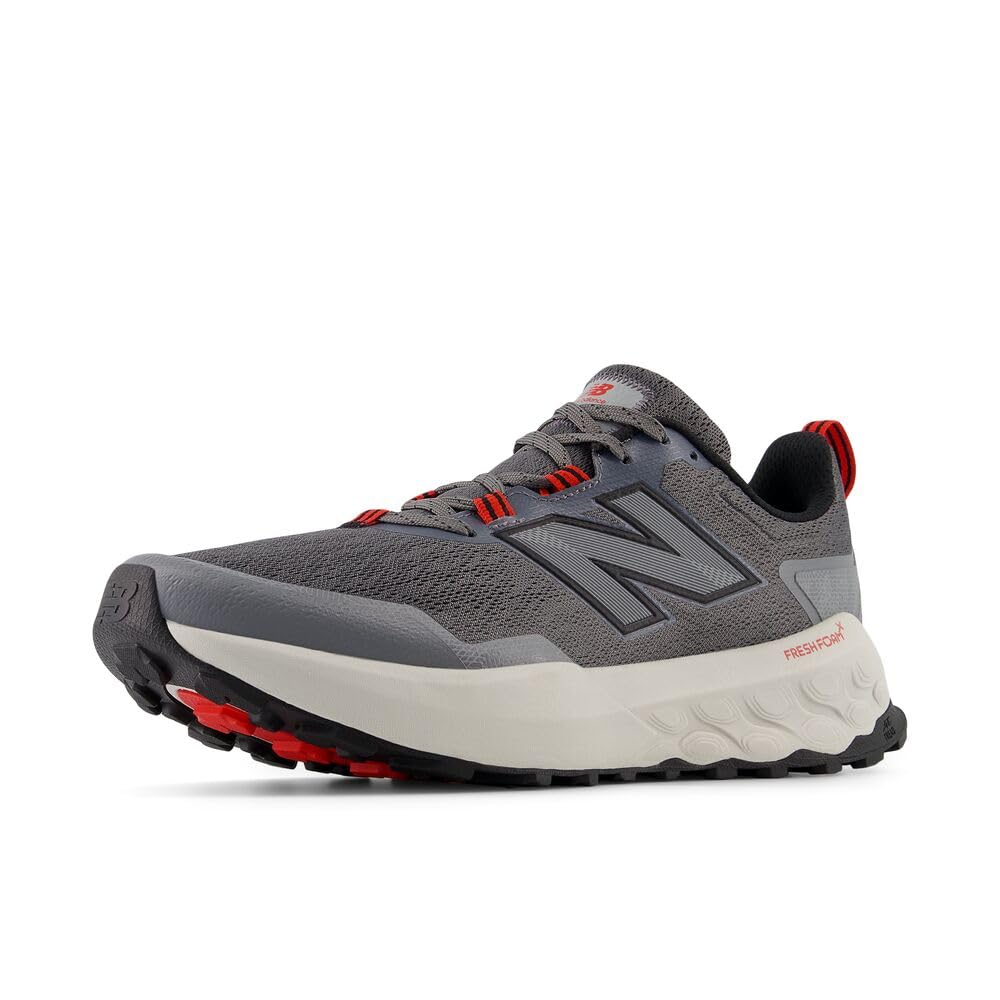
3. New Balance Men’s Fresh Foam X Garoé V2 Trail Running Shoe
A soft, lightweight runner that moves from trail to yard work without missing a step.
The ultra-soft Fresh Foam midsole is the defining feature here, giving you plush landings whether you are on packed trail or pavement. The AT Tread outsole adds traction for activities on and off the road, which is why owners use it for everything from daily wear to mowing the lawn. One loyal buyer has worn them daily, putting at least 700 miles on the first pair before buying a second.
You can order your usual US size and expect a correct fit, so no guesswork if you already know your New Balance size. Owners praise the quality and fit, and the smooth overlays (smooth panels that avoid stitching) add support without creating pressure points. However, the cushioning splits opinion — some love the soft feel, others find it too squishy, and the toe box runs tighter than other New Balance models, so consider sizing up if you have wide feet.
If you have a wider foot, the snugger toe box may begin to hurt after a while on longer hikes, so this suits narrow-to-average feet best. Durability also gets mixed feedback, with one owner on their tenth pair saying they wear out fairly quickly. For casual trail use and everyday comfort, it is a strong mid-range pick.
What wins people over: A genuinely soft, light cushioning feel that works on and off the trail at a fair price.
The trade-off: The toe box is tight for wide feet, and the plush foam is not everyone’s preference.
Pick this if: you want one soft, versatile shoe for light trails and daily comfort.
Think twice if: you have wide feet, want serious ankle protection, or hike rocky terrain regularly.
4. Adidas Mens Terrex Tracefinder 2 Climaproof Trail Running

A waterproof trail shoe that shrugs off storms while keeping your feet from overheating.
The CLIMAPROOF design is the headline here — it locks out rain with waterproof materials while letting sweat escape, so wet weather hikes do not end with soggy, clammy feet. At 2.43 pounds it is a middleweight, heavier than the 1.44-pound ASICS above, but the durable build and lugged outsole give all-direction grip that owners trust on slippery ground. One buyer has purchased it four times for work, praising the durability, waterproofing, and slip resistance for all-day wear.
The LIGHTMOTION midsole delivers step-in comfort through varied terrain, and the fit runs true to size for most owners, including those with slightly wide feet. The construction earns consistent praise, with one loyal buyer still using an older Terrex pair that is over 3 years old, the soles worn down but nothing else failing.
Feedback on fit is split — the majority find it true to size, while a few report it fits small and tight, so ordering your usual size with a return plan in mind is smart. No real downsides emerge beyond delivery delays some buyers hit.
The standout: Genuine waterproofing paired with breathability, so you stay dry in a downpour without cooking your feet.
One caveat: A minority of buyers find the fit runs small, so plan on a possible exchange.
Reach for this if: you hike in rain, mud, or wet grass and want weather protection in a lightweight trail shoe.
Look elsewhere if: you prefer a roomier toe box or you are after the lightest possible trail runner.
5. ALTRA Women’s Lone Peak 8 Trail Running Shoe
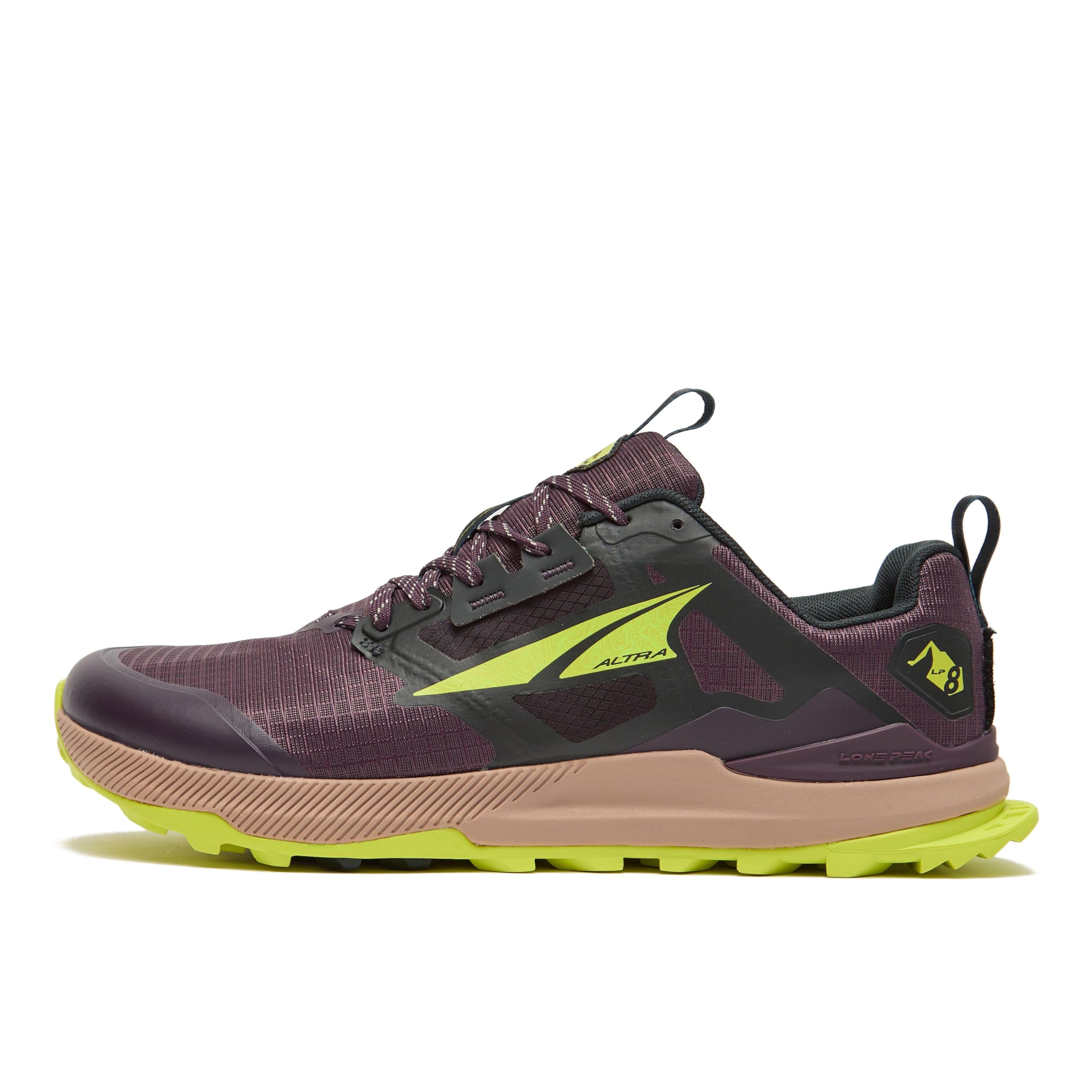
The hiker with the roomiest toe box, letting your feet spread naturally on every step.
This 11.15 oz trail shoe is built around Altra’s FootShape toe box, which gives your toes space to move freely and sit naturally, so long descents do not end with pinched or rubbing toes. The zero drop platform keeps your heel and forefoot at an equal distance from the ground, encouraging better alignment and a natural, low-impact stride. Owners with plantar fasciitis report real relief — one rates it 10/10 against other major brands and says 10 days on their feet brought no pain in the feet, knees, or hips.
The MaxTrac outsole delivers the sticky underfoot grip that trail runners depend on, and the TrailClaw canted lugs add traction right beneath the metatarsals. The ripstop mesh upper holds up on rocky trails while staying breathable, and the wide toe box handles swelling on long days. The comfort and fit lead owner feedback by a wide margin, with many on their sixth or seventh pair.
Sizing is the quirk to watch — some find true to size, others find it inconsistent, so it is one shoe worth trying on first. Owners note it is not waterproof, and the zero drop takes a short adjustment period if you are used to a raised heel.
Why owners stay loyal
- Roomy toe box eliminates rubbing and blisters
- Zero drop encourages natural foot movement
- Stellar grip on loose dirt and rocks
Before you buy
- Sizing is inconsistent between some sizes
- Zero drop needs a break-in period for new users
Best for: hikers with wide feet, bunions, or plantar fasciitis who want natural foot movement and excellent grip.
pass on it if: you want waterproofing, a cushioned heel, or a shoe that fits the same in every size.
6. Brooks Men’s Cascadia 19 Mountain Trail Running Shoe
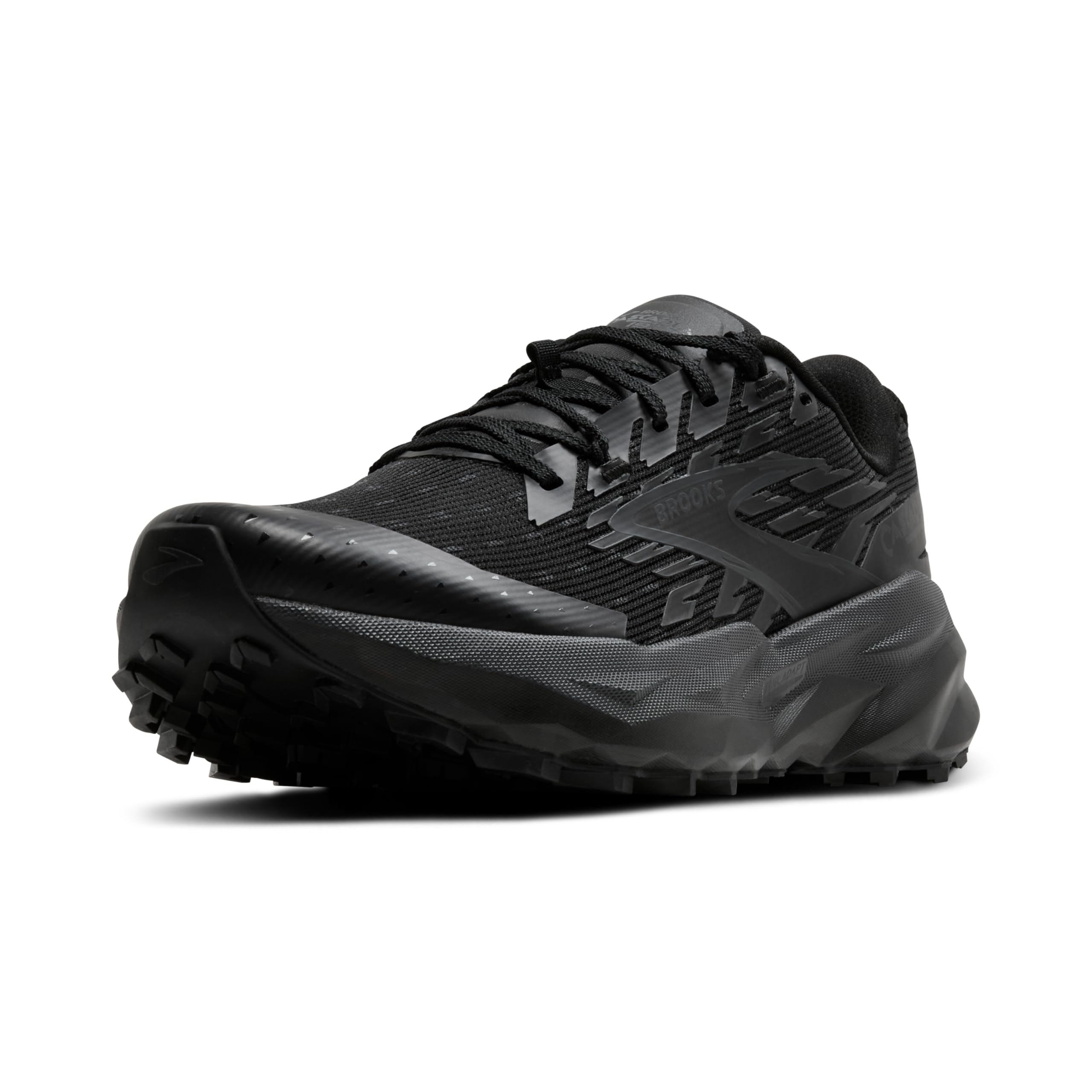
The mountain trail specialist, soft and protective with grip that owns rocky ground.
Weighing 10.7 oz with a 6mm midsole drop, this Brooks is built for all-terrain trail running and rocky hikes, and the super grippy tread is the first thing owners mention. The wide stable platform resists ankle rolling on uneven ground, and the soft yet protective cushioning earned one owner a completed 50K race with the shoe still going strong after 150 miles. It is a favorite among Appalachian Trail thru-hikers who want the protection of a boot without the weight.
The fit runs true to size with a wider toe box, and the light, breathable upper keeps feet cool while the thick sole absorbs impact. Owners also note it works well as a daily shoe in bad weather, thanks to the reliable wet traction. The comfort and fit dominate feedback, with traction and versatility close behind.
Durability earns mixed remarks — most find it holds up, though a few wish the lugs were more aggressive for extreme mud. The midsole sits on the softer side, so if you prefer a firmer ride for running, this leans toward hiking comfort instead. If you do not like how restrictive hiking boots feel, this is the athletic alternative.
Why it stands out: A super grippy, stable platform that conquers rocky trails while keeping feet comfortable all day.
The catch: Lugs could be more aggressive for deep mud, and durability feedback is mixed.
Pick this if: rocky mountain trails and long backpacking days are your norm and you want boot-level protection without the bulk.
Think twice if: you run mainly in thick mud or you prefer a firmer, more responsive midsole.
7. New Balance Men’s Fresh Foam X Hierro V9 | Trail Running Shoes
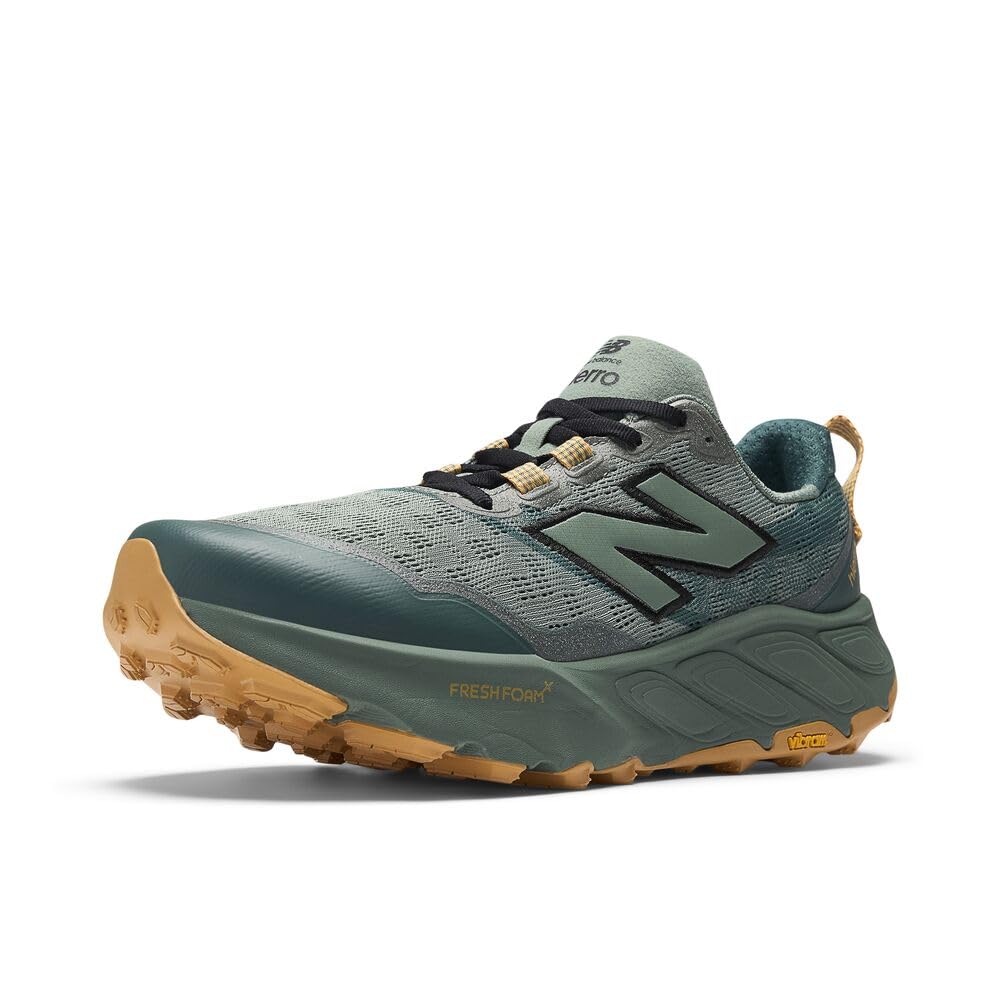
A plush, rock-absorbing trail shoe with Vibram Megagrip that holds on wet ground.
The dual-density Fresh Foam X midsole gives you plush comfort with a stable underfoot feel, and the Vibram Megagrip outsole with deeper 6mm lugs delivers superior traction on both wet and dry terrain. The Toe Protect technology shields your feet from rocks and roots, while the breathable knit upper with a gusseted tongue keeps trail debris out without trapping heat. Customers note no slipping on Utah hikes and praise the way the soles absorb rocks and roots.
At 2.1 pounds, this is a substantial shoe that prioritizes cushioning and gait over bare-bones lightness. The comfort and quality lead owner feedback, with one buyer noting it helps with knee pain and others calling it trail worthy thanks to the large toe box and secure ankle hold. The sole design rocks your foot forward, which promotes less heel striking.
The fit is the main point of disagreement — many find it runs small with a tight toe box and recommend sizing up half a size, so this suits narrow-to-average feet best. Some owners find the padding insufficient for their needs, while others love the plush feel. For adventure terrain with demanding grip, this is a strong premium choice.
The high points
- Excellent Vibram Megagrip on wet and dry trails
- Plush cushioning absorbs rocks and roots
- Toe Protect shields from debris
The details to note
- Runs small — a tight toe box means sizing up is wise
- Heavier than most trail runners
Reach for this if: you want maximum cushioning and reliable wet grip on rugged, rocky terrain.
Look elsewhere if: you have wide feet, want a light shoe, or prefer a closer, more precise fit.
8. Salomon Women’s Speedcross Trail Running Shoes
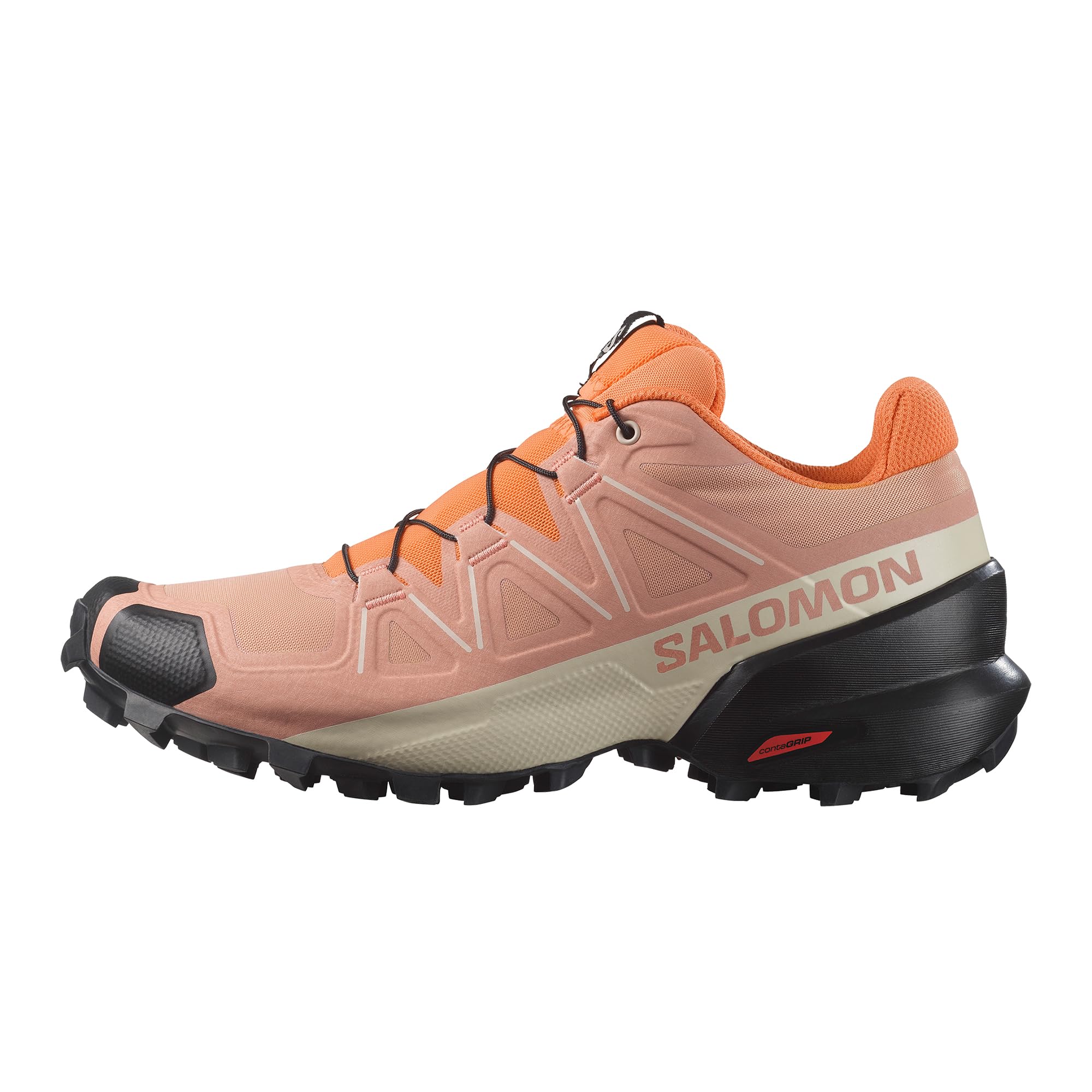
The grip specialist that holds firm on slick rock and steep, loose climbs.
At 262 g with 5mm lugs underfoot, this Salomon is engineered for grip, and the feedback confirms it — owners say they do not slip on the challenging slick rock climbs they tackle. The glove-like fit is the other defining trait, hugging narrow feet securely with a roomy toe box that still allows swelling on long days. One hiker called a 20-mile hike a success, reporting no blisters and minimal fatigue.
The breathable material keeps feet cool, and the rubber studs on the sole grip everything from muddy creek crossings to paved walking trails. The comfort and fit lead feedback, with arch support and traction close behind, and owners find the quality justifies the premium price. The shoe wipes clean easily, dries fast, and holds no odor even after wet, muddy miles.
Sizing runs true to size with room for thicker socks, though a few buyers recommend ordering half a size up. It is not waterproof, so wet grass and light rain are fine but deep puddles are not. For narrow-to-average feet that want a secure, grippy feel on rocky and mixed terrain, this is a top-tier pick.
The defining feature: Aggressive 5mm lugs and a glove-like fit that deliver confidence on slick rock and loose gravel.
The honest limit: No waterproofing, and the secure fit suits narrow to average feet best.
Best for: hikers with narrow feet who tackle slick rock, steep slopes, and mixed terrain and want a secure, grippy fit.
it’s not for you if: you need waterproofing or you have wide feet that need a roomier toe box.
9. KEEN Men’s Targhee 4 Low Height Durable Comfortable Waterproof Hiking Shoes

A waterproof hiker built on a wider form, comfortable from day one and made for years of use.
The KEEN.DRY waterproof lining (a breathable membrane that blocks water) keeps your feet dry through rain and wet trails, and the wider fit is what loyal owners keep coming back to — one fan of over 20 years still rates it excellent. The durable direct-attach construction (where the sole is bonded directly to the upper) and super-resilient cushioning mean this shoe holds up season after season, with one buyer keeping their first pair for rough work while buying more for hiking. Reviewers point out it is comfortable straight from the start with no break-in period.
Built on KEEN’s traditional wider form, the generous toe box accommodates wide feet and flat arches comfortably, and the adjustable laces let you dial in a custom fit. The all-terrain traction grips everything from concrete to trail surfaces, making it a solid choice for daily winter and rain wear as well as hiking. The comfort and quality lead owner feedback by a wide margin.
Sizing opinions are mixed — most find it true to size, while a few say it runs a bit large, so trying on is worth it if you are between sizes. The round laces tend to slip and need double-tying, and one owner found the ankle seam too firm for their foot. For three-season hiking in wet weather with a roomy, durable fit, this is a premium pick that earns its place.
The strong points
- Genuine KEEN.DRY waterproofing for wet trails
- Wide toe box suits wide feet and flat arches
- Highly durable construction for years of wear
Watch out for
- Round laces slip and need double-tying
- Runs slightly large for some buyers
Pick this if: you want a waterproof, durable hiker with a wide toe box for wet three-season trails and daily wear.
Think twice if: you have narrow feet, prefer a light trail runner, or dislike adjusting laces frequently.
Understanding the Specs
Outsole Grip and Lug Depth
The rubber pattern on the bottom is what keeps you upright on loose dirt and wet rock. Deeper lugs bite into mud, while shallower treads handle packed trails. The Salomon Speedcross uses 5mm lugs for serious grip, the New Balance Hierro V9 uses Vibram Megagrip with 6mm lugs, and the Altra Lone Peak 8 uses MaxTrac. A shoe with a flat road-running sole will slip the moment the trail gets steep or slick.
Waterproof vs. Breathable
A waterproof lining like KEEN.DRY or CLIMAPROOF blocks rain and stream water but traps heat, so your feet may sweat on warm days. A breathable mesh upper keeps feet cool and dries fast but lets water in. Match this to your climate — the Adidas Terrex Tracefinder 2 and KEEN Targhee 4 handle wet weather, while the Salomon Speedcross and Altra Lone Peak 8 stay cooler but are not waterproof.
Zero Drop and Cushioning
Zero drop means your heel and forefoot sit at the same height, encouraging a natural midfoot strike and better alignment, like the Altra Lone Peak 8. Cushioning ranges from plush (New Balance Fresh Foam X Hierro V9) to firm. Softer foam absorbs impact but can feel unstable on rocky ground, while firmer shoes give more ground feel and control. Your preference here decides how your feet feel after a long day.
Toe Box Width and Fit
A wide toe box, like the KEEN wider form and Altra FootShape, lets toes spread naturally and prevents rubbing on descents. A narrow fit, like the Salomon glove-like feel, keeps feet secure but can pinch wider feet. There is no universal best — your foot shape is the deciding factor. Try on or order a size you can return if you are between widths.
Weight
Every pound on your foot adds up over miles. The 1.44-pound ASICS Gel-Venture 11 feels featherlight, while the 3.06-pound Merrell Moab 3 is heavier but more substantial. Lighter shoes tire you less but offer less protection, while heavier shoes feel sturdier on rough ground. Decide based on whether you prioritize speed and fatigue or durability and support.
Arch Support and Stability
Arch support keeps your foot stable and reduces strain on long hikes, which is why it is a top mention for shoes like the Brooks Cascadia 19 and ASICS Gel-Venture 11. Stability features, like the Brooks wide platform, resist ankle rolling on uneven terrain. If you have flat feet or high arches, look for a shoe that owners with your foot type describe as comfortable.
FAQ
What is the difference between a hiking shoe and a trail running shoe?
Should I size up or down for hiking shoes?
Are waterproof hiking shoes worth it?
What does zero drop mean in hiking shoes?
How long should a pair of hiking shoes last?
Can I use trail running shoes for everyday walking?
What is the best hiking shoe for wide feet?
Are these shoes good for plantar fasciitis?
What is the best athletic hiking shoe for rocky terrain?
Final Thoughts: The Verdict
For most people, the athletic hiking shoes winner is the Merrell Moab 3 because it combines out-of-the-box comfort, proven durability, and all-purpose versatility at a price that makes it an easy daily wearer too. If you want waterproofing for wet trails, grab the KEEN Targhee 4 Low with its KEEN.DRY lining and wide toe box. And for the lightest, most foot-friendly feel, the Altra Lone Peak 8 offers zero drop and a roomy toe box that owners with foot pain swear by.
How We Picked
We do not accept paid placement. Every pick is matched to a real buyer and a real use-case; we do not hands-on test units.
Sources & Methodology
Specifications: manufacturer listings and product documentation. Review insights: verified customer reviews, as of August 2026. Pricing: not shown on this page (it changes often); check the current price via the retailer link.
As an Amazon Associate, Gadgets Feed earns from qualifying purchases. This does not affect which products we feature.