
Your feet take thousands of steps on unforgiving concrete, oily kitchen tiles, or warehouse floors—yet most “safety” shoes feel like strapping bricks to your ankles. The challenge is finding a pair that delivers genuine impact protection, slip resistance, and all-day comfort without the bulk of steel or a heavy price tag. The solution lies in the new generation of athletic metal free lightweight work shoes, where composite toes and advanced foams replace steel and leather, shaving pounds off your stride while keeping your toes safe.
I’m Min — the co-founder and writer behind Gadgets Feed. After hundreds of hours comparing toe cap materials, outsole rubber compounds, and midsole energy-return data across the leading industrial-shoe brands, I built this guide to cut through the marketing noise.
Whether you’re on your feet ten hours a day in a warehouse, kitchen, or construction site, finding the right pair means balancing protection, weight, and price. This guide breaks down the nine best options available so you can confidently choose your next pair of athletic metal free lightweight work shoes.
How To Choose The Best Athletic Metal Free Lightweight Work Shoes
The shift away from steel-toe boots is driven by one thing: weight. A metal-free work shoe with a composite toe can be two to three pounds lighter per pair than its steel-counterpart, and that difference adds up to serious fatigue reduction over a 60-hour week. But not every lightweight shoe delivers the same protection or durability. Here are the three factors to lock in before you buy.
Composite Toe Protection vs. Steel
A composite toe cap—made from materials like fiberglass, carbon fiber, or Kevlar—meets the same ASTM F2413-18 impact and compression standards as steel (I/75 and C/75) without the weight penalty or thermal conductivity. This means your toes stay protected in cold warehouses or hot rooftops, and you won’t set off metal detectors. The trade-off: composite caps are slightly thicker than steel, so check that the shoe’s volume matches your foot shape, especially if you have a wide forefoot.
Outsole Traction: SRC vs. Mark II
Slip resistance is measured by two main standards. SRC (the highest European standard) tests traction on ceramic tile with both soap and oil, making it ideal for kitchens and hospitals. The Mark II standard is more common in the US and uses a diluted soap solution on a vinyl composite tile. Either way, look for an outsole compound that mentions oil, heat, or chemical resistance (like PUMA’s HRO rubber or KEEN’s oil-resistant rubber) because warehouse and kitchen floors accumulate contamination that general rubber can’t handle.
Midsole Cushioning and Arch Support
All-day comfort comes from the midsole material, not the insole you can swap. Look for energy-return foams—like New Balance’s Fresh Foam, Skechers’ Air-Cooled Memory Foam, or PUMA’s IMPULSE.FOAM—that absorb impact and return some energy with each step. For flat feet or plantar fasciitis, a shoe with a rigid shank or built-in arch support (like the ARIAT Outpace) will outperform any shoe that relies on an aftermarket insole to fix a flat base.
Quick Comparison
On smaller screens, swipe sideways to see the full table.
| Model | Category | Best For | Key Spec | Amazon |
|---|---|---|---|---|
| New Balance Composite Toe Fresh Foam | Mid-Range | All-day warehouse & delivery | Fresh Foam midsole, 3.48 lb | Amazon |
| ARIA T Outpace Composite Toe | Premium | Long shifts on concrete | Built-in arch support, zero break-in | Amazon |
| PUMA Velocity 2.0 Industrial | Premium | High-heat & static environments | 572°F HRO outsole, 55% energy return | Amazon |
| KEEN Utility Overton | Premium | Durable everyday wear & style | 3-year lifespan, wide toe box | Amazon |
| KEEN Utility Kenton Mid | Premium | Automotive & oily shop floors | Oil-resistant rubber, wide toe box | Amazon |
| Skechers Hands Free Slip-ins Tilido | Mid-Range | Freezer & quick on/off needs | Hands-free slip-in design, 1.4 lb | Amazon |
| Reebok Work Fusion Flexweave | Mid-Range | Roofing & metal surfaces | Composite toe, 8.4 oz per shoe | Amazon |
| Timberland PRO Setra Low | Mid-Range | Easing sore legs from heavy boots | Low-profile comp toe, 22 oz | Amazon |
| Skechers Glide-Step Pro Slip-ins | Budget | Plantar fasciitis & foot pain | Air-Cooled Memory Foam, slip-resistant | Amazon |
In‑Depth Reviews
1. New Balance Men’s Composite Toe Cremorne Fresh Foam Work Shoes

The New Balance Cremorne blends the brand’s running-shoe DNA with a composite toe, delivering a work shoe that feels startlingly athletic from the first step. The Fresh Foam midsole provides plush cushioning without sagging over 12-hour warehouse shifts, and the mesh-and-leather upper breathes better than standard work-boot materials. At under 3.5 pounds per pair, it’s one of the lightest composite-toe options at this protection level.
Several HVAC and delivery pros report significant reductions in foot and knee fatigue after switching from traditional boots. The one consistent note: the shoe runs roughly a half to full size large, so ordering down is critical—especially if you have narrow feet. The heel wedge design makes removal easy, and the dark brown/black palette hides scuffs from light duty.
For anyone wanting sneaker-like comfort with certified toe protection, the Cremorne is the benchmark. The outsole provides reliable grip on concrete and wood surfaces, though it lacks the dedicated oil/chemical resistance needed for greasy kitchen or shop floors.
Why it’s great
- Fresh Foam delivers running-shoe cushioning for all-day wear
- Extremely lightweight for a composite toe shoe
- Breathable upper reduces sweaty feet in warm environments
Good to know
- Runs 0.5-1 size large; order down
- Laces can be squeaky and don’t tighten smoothly
- Not suited for oily or chemically wet floors
2. ARIAT Outpace Composite Toe Safety Shoe

Ariat is known for equestrian and ranch footwear, so it’s no surprise the Outpace builds in genuine arch support—a rare find in the composite toe category. The outsole grips aggressively on wet and oily concrete, earning praise from workers who spend nine-plus hours on slick surfaces. The shoe requires zero break-in; multiple users report walking out of the box with no hotspots or blisters.
The trade-off is durability of the foam midsole: the padding compresses noticeably after 8-10 months of daily use, though the shoe remains structurally sound. The laces also need double knotting to stay tied during long shifts. For flat feet or plantar fasciitis sufferers, this shoe’s built-in support eliminates the need for aftermarket insoles—a major advantage over flatter competitors.
If your work day involves continuous standing or walking on concrete, the Outpace’s combination of arch support and traction makes it a true premium option that justifies its position in the higher tier.
Why it’s great
- Excellent arch support for flat feet without aftermarket insoles
- Superior traction on wet and oily concrete
- Zero break-in period; comfortable from the first wear
Good to know
- Midsole padding wears out after 8-10 months
- Laces require double knotting to stay secure
- Not a high-top design; lacks ankle support
3. PUMA Men’s Velocity 2.0 Black Industrial Shoe

PUMA’s Velocity 2.0 proves that industrial safety shoes can borrow heavily from performance running technology. The IMPULSE.FOAM midsole returns up to 55% of each step’s energy, reducing fatigue during seven- to fifteen-mile walking days on scaffolding. The fiberglass composite toe is lighter and more thermally insulating than steel, and the TPU torsion element in the midsole adds stability on uneven surfaces.
The 572°F heat-resistant HRO outsole sets this shoe apart for jobs involving hot surfaces or sparks, while the quick-lacing system makes adjustments fast—though some users felt the stock insole was lacking and upgraded to a gel aftermarket version. Speed laces are secure and easy to use, and the leather-and-TPU construction holds up well against abrasion.
For static-dissipative environments or high-heat conditions, the Velocity 2.0 is unmatched in this list. The outsole wears faster than some competitors, but the overall energy return and heat protection make it a specialist’s pick that general work shoes can’t match.
Why it’s great
- 572°F heat-resistant outsole for hot-surface work
- 55% energy return from IMPULSE.FOAM reduces walking fatigue
- Static dissipative and metal-free throughout
Good to know
- Stock insole lacks support for many users
- Outsole tread wears faster than Ariat or KEEN
- Half sizes should size up; narrow fit for wide feet
4. KEEN Utility Overton
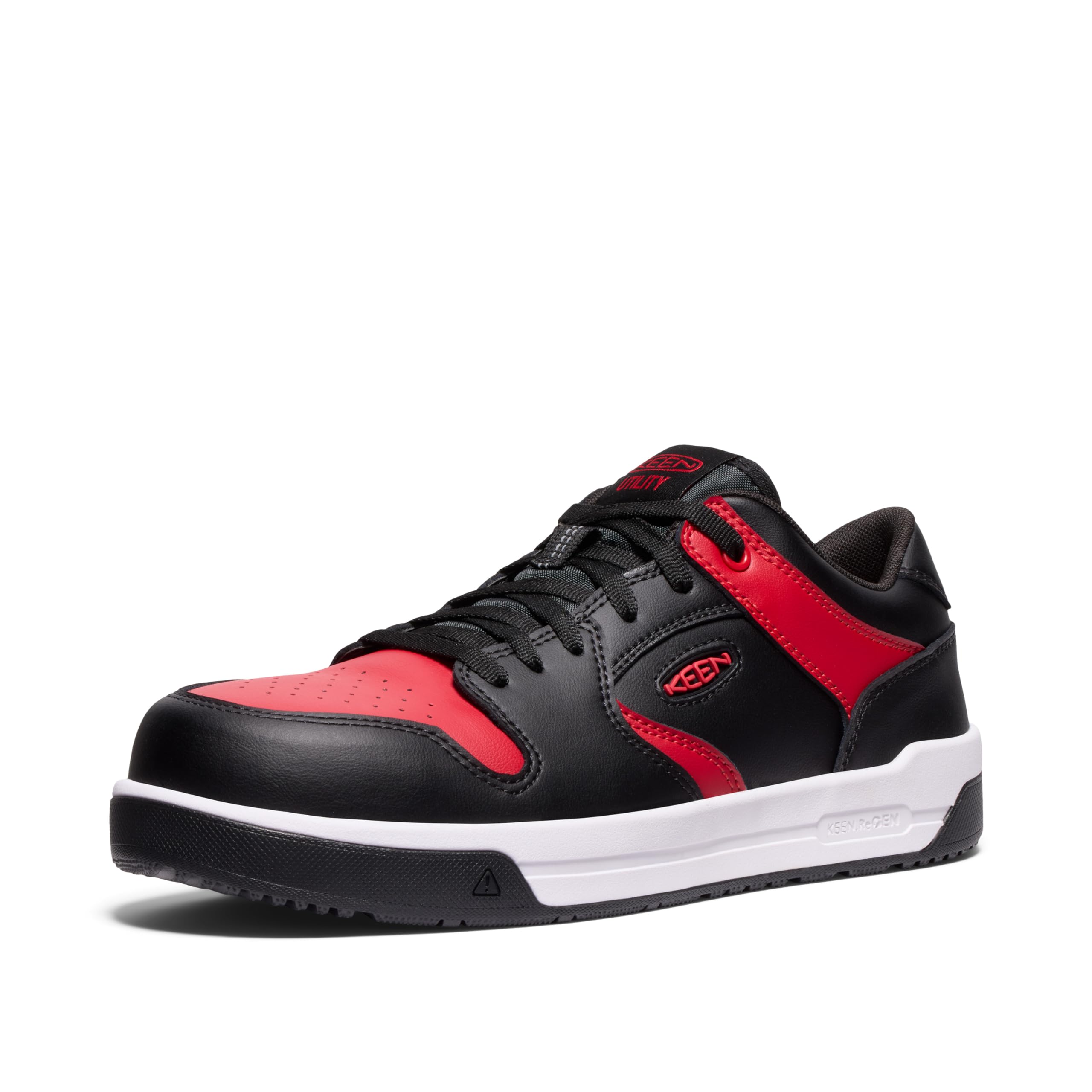
The KEEN Utility Overton is the rare work shoe that customers buy for both job sites and casual wear—testament to its sneaker-like feel and clean silhouette. The composite toe doesn’t compress the forefoot thanks to KEEN’s signature wide toe box, which prevents the pinching common in narrower safety shoes. Grocery managers and delivery drivers report a lifespan of three years per pair, far exceeding the typical 12-18 month replacement cycle of budget options.
The shoe runs slightly small compared to other KEEN models; users with wider feet found the 11.5 wide was the correct fit compared to an 11 wide in other KEEN styles. The outsole provides good grip but isn’t the most aggressive on slick surfaces. Several reviewers commented that the shoes look good enough to wear off the clock, blurring the line between safety equipment and everyday footwear.
If durability and a roomy toe box are your top priorities, the Overton delivers exceptional longevity. The more relaxed fit means it’s not the best choice for extremely narrow feet, and the slip resistance is adequate but not best-in-class for wet kitchen floors.
Why it’s great
- Often lasts 3 years with daily use
- Wide toe box prevents forefoot cramping
- Stylish enough for casual wear
Good to know
- Runs slightly small; consider going up half a size
- Slip resistance is moderate, not SRC-rated
- Not ideal for very narrow feet
5. KEEN Utility Kenton Mid (Comp Toe)

KEEN’s Kenton Mid is purpose-built for automotive shops and other environments where oil-slicked concrete is a daily hazard. The outsole rubber resists oil and chemical damage, and the tread pattern grips smooth, contaminated floors without picking up stones. Like other KEEN Utility shoes, the toe box is generous, giving toes room to splay naturally—a major comfort advantage over narrower composite toe designs.
The mid-height cut offers more ankle coverage than low-top work shoes, though it’s not a full boot. The one significant drawback: these shoes are not waterproof, and water seeps through the sole edge quickly in wet conditions. Multiple buyers confirmed they bought a second pair after the first wore out, and one automotive tech reported wearing the same pair for two years before replacement.
For mechanics, machinists, or anyone working around petroleum-based fluids, the Kenton Mid’s oil resistance and durable construction make it the specialist choice in this lineup.
Why it’s great
- Oil-resistant rubber outsole ideal for automotive shops
- Wide toe box prevents foot cramping
- Mid-cut offers light ankle support
Good to know
- Not waterproof; water seeps in at the sole edge
- Firmer cushioning than New Balance Fresh Foam
- Slightly heavier than low-top competitors
6. Skechers Men’s Hands Free Slip-ins Tilido Fletchit Comp Toe

Skechers’ Hands Free Slip-ins technology uses a reinforced heel panel that collapses under weight and springs back, allowing you to step in and out without bending over or touching the shoe. The Tilido Fletchit pairs this convenience with a composite toe cap and a lightweight build (1.4 pounds per shoe). Freezer workers reported the shoe held up well in -20°F conditions, and the slip-on design is a major timesaver in environments where boots are donned and removed multiple times per shift.
The caveat is the insole: several users found it less supportive than other Skechers models and recommended upgrading to a thicker aftermarket insole. The slip-on fit also felt slightly loose to some, though that’s inherent to the design. The composite toe protected one user’s toes from an 80-pound drop, confirming the cap meets ASTM standards without adding bulk.
If speed of entry is critical—whether for food service, cold storage, or logistics—this Skechers model delivers unmatched convenience in a safety shoe.
Why it’s great
- Genuinely hands-free; no bending required to put on or remove
- Very lightweight at 1.4 lb per shoe
- Composite toe withstands high-impact drops
Good to know
- Stock insole lacks support; plan to replace it
- Slip-on design can feel slightly loose
- Not heavy-duty enough for extreme construction work
7. Reebok Work Fusion Flexweave Work Composite Toe Men’s Oxford
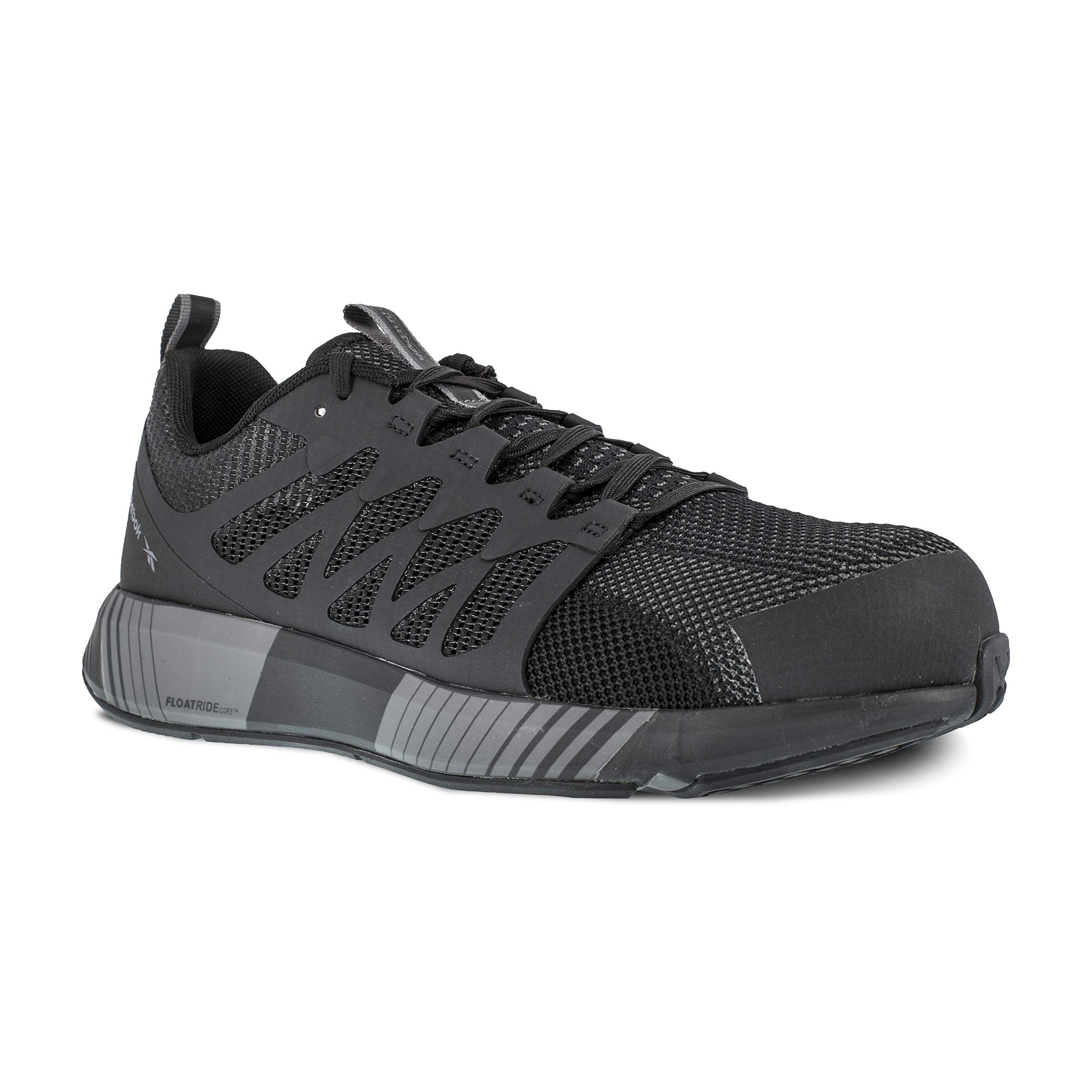
Reebok’s Flexweave Composite Toe Oxford has been a consistent choice for six years, and for good reason: it’s one of the lightest composite toe shoes on the market at just 8.4 ounces per shoe. The Flexweave upper is woven for breathability and flex, while the composite toe provides ASTM-rated protection. Roofing workers reported good grip on metal surfaces, though caution is needed with dusty or pollen-covered panels.
The main friction point is getting the shoe on—the opening is narrow and the weave doesn’t stretch much, making entry difficult for high-volume feet. Once on, the comfort is solid for 10-hour shifts on concrete, but the lack of slip resistance means this isn’t a kitchen shoe. One loyal buyer has worn only this model for six years, citing the perfect fit for their foot shape.
If you need a featherlight composite toe for dry, slip-free work environments like woodworking or assembly lines, the Flexweave delivers proven value at a budget-friendly price point.
Why it’s great
- Extremely lightweight at 8.4 oz per shoe
- Breathable Flexweave upper reduces foot sweat
- Proven longevity; some users have worn the same model for years
Good to know
- Narrow opening makes the shoe hard to put on
- No slip resistance; avoid wet or oily floors
- Not suitable for wide feet or thick socks during break-in
8. Timberland PRO Men’s Setra Low Comp Toe Work Shoes
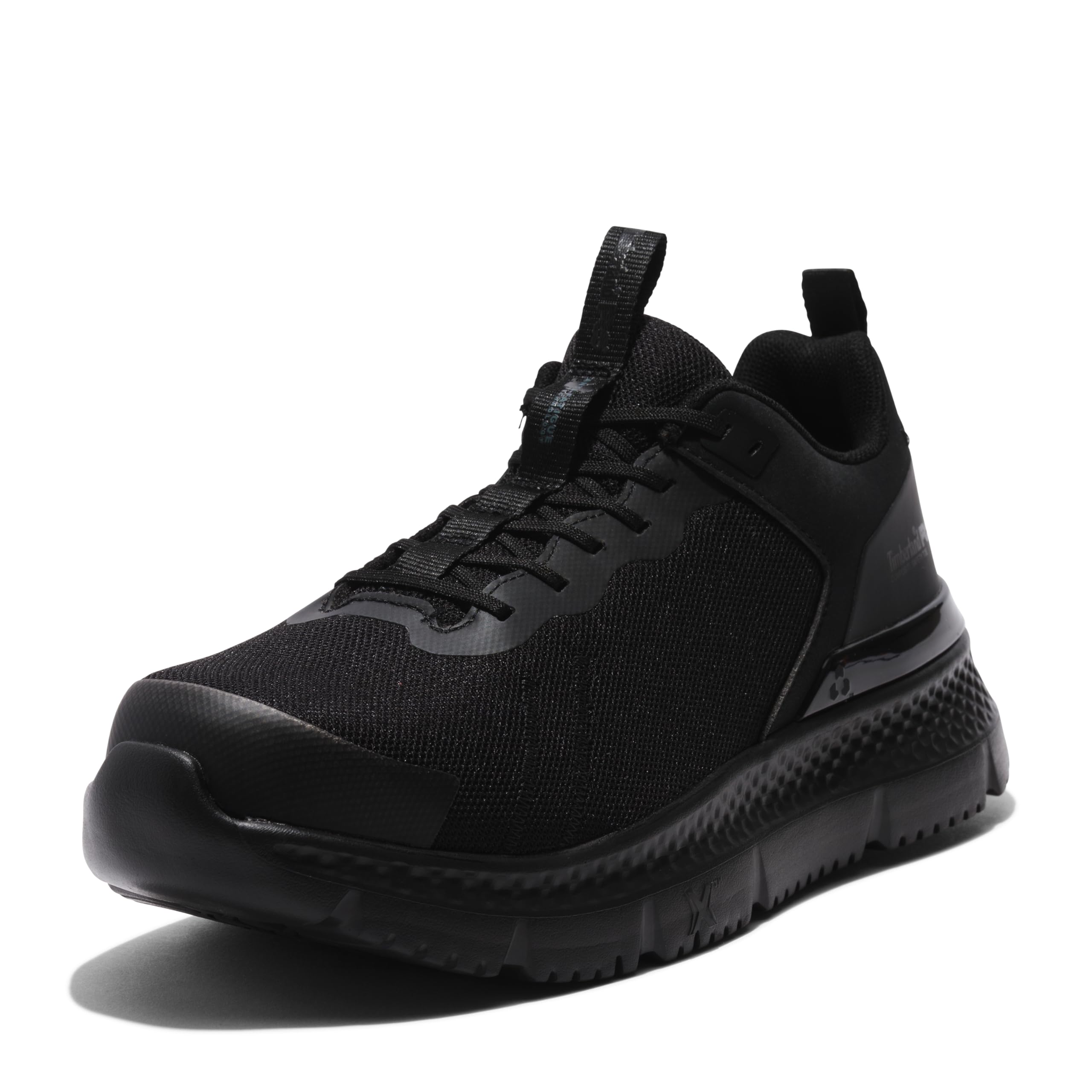
The Timberland PRO Setra Low was specifically chosen by one reviewer for a diabetic husband who was struggling with heavy steel-toe boots. The composite toe keeps protection intact while shedding significant weight—roughly 22 ounces per shoe versus 30+ ounces in a typical steel toe. The result is noticeably less leg soreness at the end of the day, especially for workers transitioning from traditional boots.
Durability is solid over three months of use, but the shoe runs very narrow; those with wider feet reported uncomfortable tightness on the sides. The heel also caused blistering when worn with short socks, so taller socks are essential. The outsole cushioning is less supportive than the premium options in this list, making it more suitable for moderate walking distances rather than extreme mileage.
For anyone needing to break free from heavy steel-toe boots without sacrificing safety certification, the Setra Low offers a transitional weight reduction that can make a real difference in after-work fatigue.
Why it’s great
- Significantly lighter than steel-toe boots
- Reliable composite toe protection
- True to size for narrow-to-medium feet
Good to know
- Very narrow fit; uncomfortable for wide feet
- Heel rubs with short socks; causes blisters
- Less supportive than higher-tier competitors
9. Skechers Men’s Slip-Resistant Glide-Step Pro Slip-ins Work Sneakers
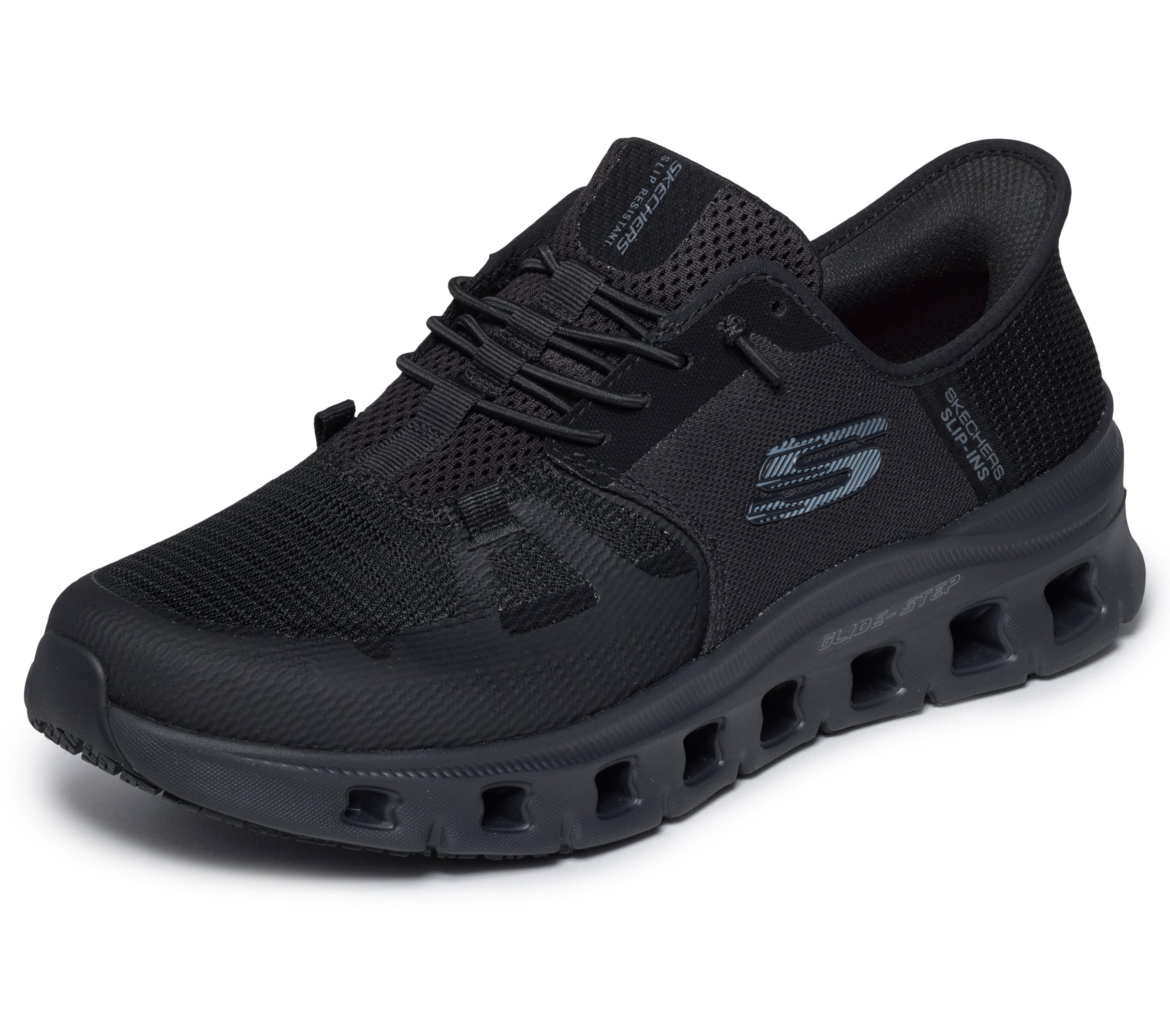
The Glide-Step Pro is Skechers’ answer to plantar fasciitis, metatarsalgia, and bone spurs in a single work shoe. The Air-Cooled Memory Foam insole provides excellent shock absorption, and the rolling Glide-Step geometry reduces impact on the heel and forefoot. The hands-free slip-in design is a bonus for anyone who struggles to bend over, and the water-repellent finish handles light moisture on the job.
However, the slip resistance is inconsistent: while the outsole grips well on dry surfaces, some users reported it became slippery on restaurant kitchen floors due to the foam chunk in the middle of the sole. The shoes hold up well after a month of use, and warehouse workers noted a huge reduction in back and knee pain since switching from traditional boots. The black colorway is surprisingly dressy and can pass for oxfords in less formal settings.
For the budget-conscious buyer dealing with chronic foot pain, the Glide-Step Pro delivers targeted relief at a price that undercuts most composite toe options. Just be aware of its limitations on greasy or wet kitchen surfaces.
Why it’s great
- Excellent cushioning for plantar fasciitis and heel pain
- Hands-free slip-in design is easy for seniors and workers
- Water-repellent upper handles light moisture
Good to know
- Slippery on wet or greasy restaurant floors
- No composite toe; not safety-rated for impact
- Cushioning may feel too soft for some users
FAQ
How much lighter are composite toe shoes than steel toe?
Can I wear composite toe shoes through metal detectors?
Final Thoughts: The Verdict
For most users, the athletic metal free lightweight work shoes winner is the New Balance Composite Toe Fresh Foam Cremorne because it delivers genuine running-shoe cushioning with ASTM-rated toe protection at a palatable weight. If you need built-in arch support for flat feet, grab the ARIA T Outpace. And for high-heat environments or static-dissipative requirements, nothing beats the PUMA Velocity 2.0 Industrial.