
If a bunion is pressing against the side of your shoe with every step, you already know the pain isn’t just cosmetic — it alters your gait, limits your workout options, and makes even a brisk walk feel like a chore. The right shoe can eliminate that lateral pressure, giving your forefoot enough space to let the bunion sit comfortably inside the upper rather than being mashed against a seam.
I’m Min — the co-founder and writer behind Gadgets Feed. I spent dozens of hours cross-referencing toe-box width measurements, drop heights, insole compatibility, and real bunion-specific feedback across nine distinct models to isolate the ones that genuinely relieve forefoot compression without sacrificing the stability or cushioning that athletic performance demands.
After analyzing every spec and customer report, I’ve narrowed the field to the models that prove you don’t have to choose between foot health and athletic function. This is the definitive guide to the best athletic shoes for bunions available right now.
How To Choose The Best Athletic Shoes For Bunions
Bunion relief starts with geometry — specifically the shape and volume of the toe box. A shoe that merely advertises “wide” may still taper aggressively at the big toe, crushing the bunion against the lateral wall. You need a last that mirrors the natural splay of your foot, not a wide version of a pointed design. Beyond width, the drop height and midsole stack influence how much pressure transfers to the metatarsal head during push-off, which directly impacts bunion pain.
Toe-Box Shape Versus Simple Width
Many brands offer wide widths, but the internal volume near the big toe joint remains unchanged. Shoe lasts that use an anatomical or “FootShape” design widen specifically at the metatarsal heads, giving the bunion room to sit without touching the upper. A shoe that is merely wide overall may still pinch at the bunion site if the toe box is pointed or tapered. Look for models explicitly described as “wide toe box” or “anatomical toe box” rather than just “wide.”
Drop Height and Forefoot Load
The heel-to-toe drop, measured in millimeters, changes where your foot strikes the ground. Higher drops (10-12mm) shift load toward the heel, which can reduce forefoot pressure for some bunion sufferers. Zero-drop or low-drop shoes (0-5mm) encourage a more natural midfoot or forefoot strike, but they also put more direct force through the metatarsal heads. A mid-range drop of 6-8mm often provides a balanced compromise between natural gait and pressure relief.
Upper Material and Seam Placement
Rigid overlays, plastic heel counters, or decorative stitching that runs across the bunion site can dig into the joint and cause irritation even inside a spacious toe box. Stretchable materials — knit mesh, engineered mesh, or elastic panels — conform to the bunion without creating a pressure point. No-sew overlays and seamless interiors reduce friction, especially during longer runs or walks where repetitive rubbing can cause inflammation.
Insole and Orthotic Compatibility
Removable insoles are critical for bunion relief because they let you swap in custom orthotics that offload the bunion or add a metatarsal pad. A shoe with extra depth — at least one or two removable layers — provides the vertical space needed for prescription inserts without raising the foot too high inside the heel cup. Models with multiple insole options (firm arch support, cushion, spacers) offer the most flexibility for tuning fit.
Quick Comparison
On smaller screens, swipe sideways to see the full table.
| Model | Category | Best For | Key Spec | Amazon |
|---|---|---|---|---|
| ALTRA Women’s Torin 8 | Road Running | Ultra-wide toe box with zero drop | FootShape toe box, 30mm stack | Amazon |
| Topo Athletic Ultraventure 4 | Trail Running | 5mm drop with max cushion | 35/30mm stack, ZipFoam midsole | Amazon |
| ALTRA Men’s Torin 7 | Road Running | Zero drop with plush EGO MAX foam | FootShape fit, Balanced Cushioning | Amazon |
| Orthofeet Tilos Hands-Free | Walking/Casual | Customizable orthotic system | Ortho-Cushion insole, stretch upper | Amazon |
| Orthofeet Women’s Francis | Walking/Casual | Slip-on with arch booster | Stretch upper, removable insole | Amazon |
| Brooks Ghost Max Suede/Leather | Neutral Running | High-cushion with 6mm drop | 328g weight, suede/leather upper | Amazon |
| FLUX FOOTWEAR Adapt Runner | Barefoot/Minimal | Zero-drop with flexible sole | Wide toe box, machine washable | Amazon |
| OrthoComfoot Women’s Running Shoe | Orthopedic Casual | Budget-friendly wide fit | X-wide option, arch support | Amazon |
| ALTRA Men’s Lone Peak 9 | Trail Running | Roomiest toe box with trail grip | 25mm stack, MaxTrac outsole | Amazon |
In-Depth Reviews
1. ALTRA Women’s Torin 8 Road Running Shoe
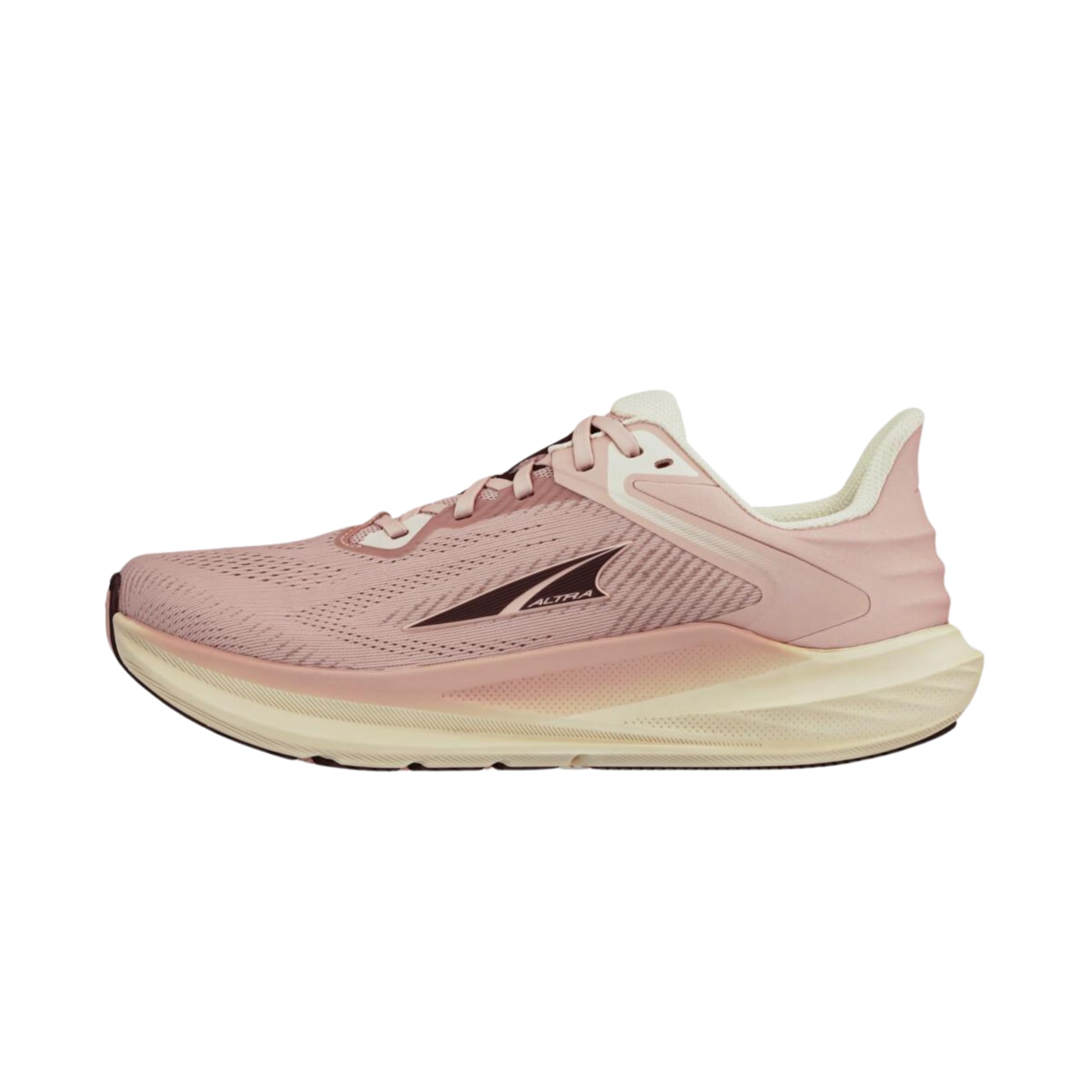
The Torin 8’s FootShape toe box is arguably the most bunion-friendly design on the market — it widens specifically at the metatarsal heads rather than just adding volume across the whole foot. This anatomical shaping allows the big toe joint to sit completely inside the shoe without any lateral pressure, even during toe-off. The 30mm stack of Altra EGO MAX foam delivers a plush, responsive ride that absorbs shock effectively without feeling mushy.
Multiple customer reports note that this shoe accommodates Morton’s neuroma and bunions without any break-in period, thanks to the zero-drop platform that reduces forefoot torque during the gait cycle. The breathable Jacquard mesh upper uses no-sew overlays, eliminating the internal seams that commonly irritate bony prominences. At just 8.4 ounces per shoe, the weight is impressively low for a max-cushion trainer.
The molded heel collar provides a secure lockdown that prevents heel slip, which is crucial when you’re wearing the shoe all day. Reviewers consistently mention that the Torin 8 works straight out of the box — no blistering, no hot spots, and no adjustment period. For runners and walkers who need both space and plushness, this is the most well-rounded option available.
Why it’s great
- FootShape toe box eliminates lateral bunion pressure
- Zero-drop platform reduces forefoot joint stress
- Lightweight at 8.4 oz despite max cushion
Good to know
- Premium pricing in the mid-range tier
- Not ideal for those needing arch support from the insole
2. Topo Athletic Women’s Ultraventure 4
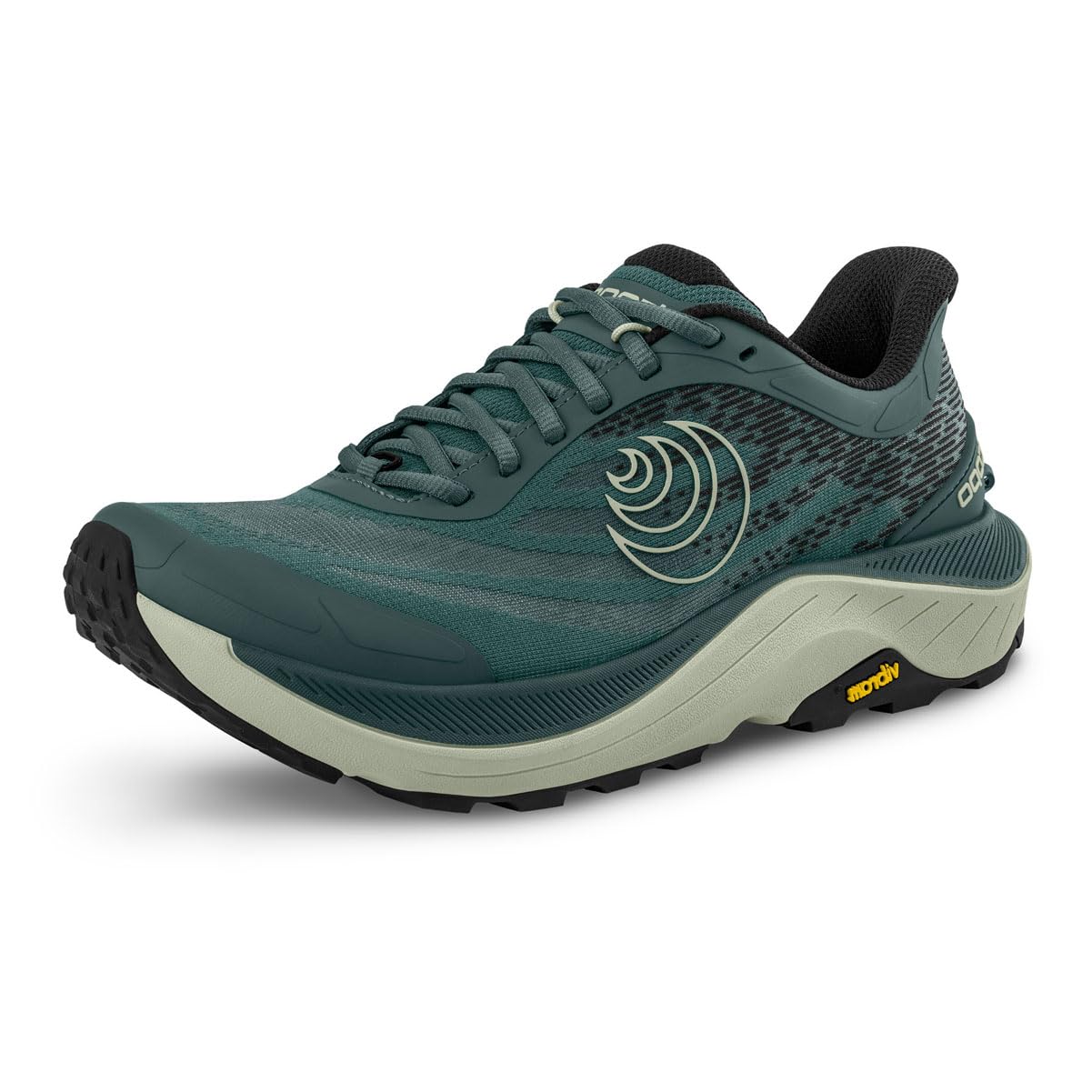
The Ultraventure 4 uses a 35mm heel / 30mm forefoot stack with a 5mm drop, a configuration that provides ample cushion for long trail miles while keeping the metatarsal heads at a slightly elevated angle compared to zero-drop shoes. The anatomical toe box is wide enough to allow full toe splay, and multiple bunion sufferers in the reviews specifically mention that their podiatrist recommended this brand for bunion relief.
The ZipFoam midsole is noticeably springier than standard EVA, providing more rebound over the life of the shoe — a benefit for runners who log significant weekly mileage. The Vibram XS Trek EVO outsole delivers excellent traction on loose dirt and wet rock, making this a genuine trail performer rather than a road shoe dressed in lugged rubber. The recycled mesh upper includes strategically placed PU print for structure without creating rigid pressure points over the bunion.
One reviewer reported that the Ultraventure 4 accommodates custom cork orthotics without raising the heel too high inside the cup, preserving stability. The snug midfoot and heel pocket contrast with the spacious forefoot, ensuring that the shoe doesn’t slide around even when the toe box is generous. For trail runners and hikers with bunions, this is the most capable option.
Why it’s great
- Wide toe box recommended by podiatrists for bunions
- Vibram XS Trek EVO outsole for technical terrain
- Springy ZipFoam midsole retains rebound over high mileage
Good to know
- Mesh upper shows wear relatively quickly
- 5mm drop may not suit pure zero-drop fans
3. ALTRA Men’s Torin 7 Road Running Shoe
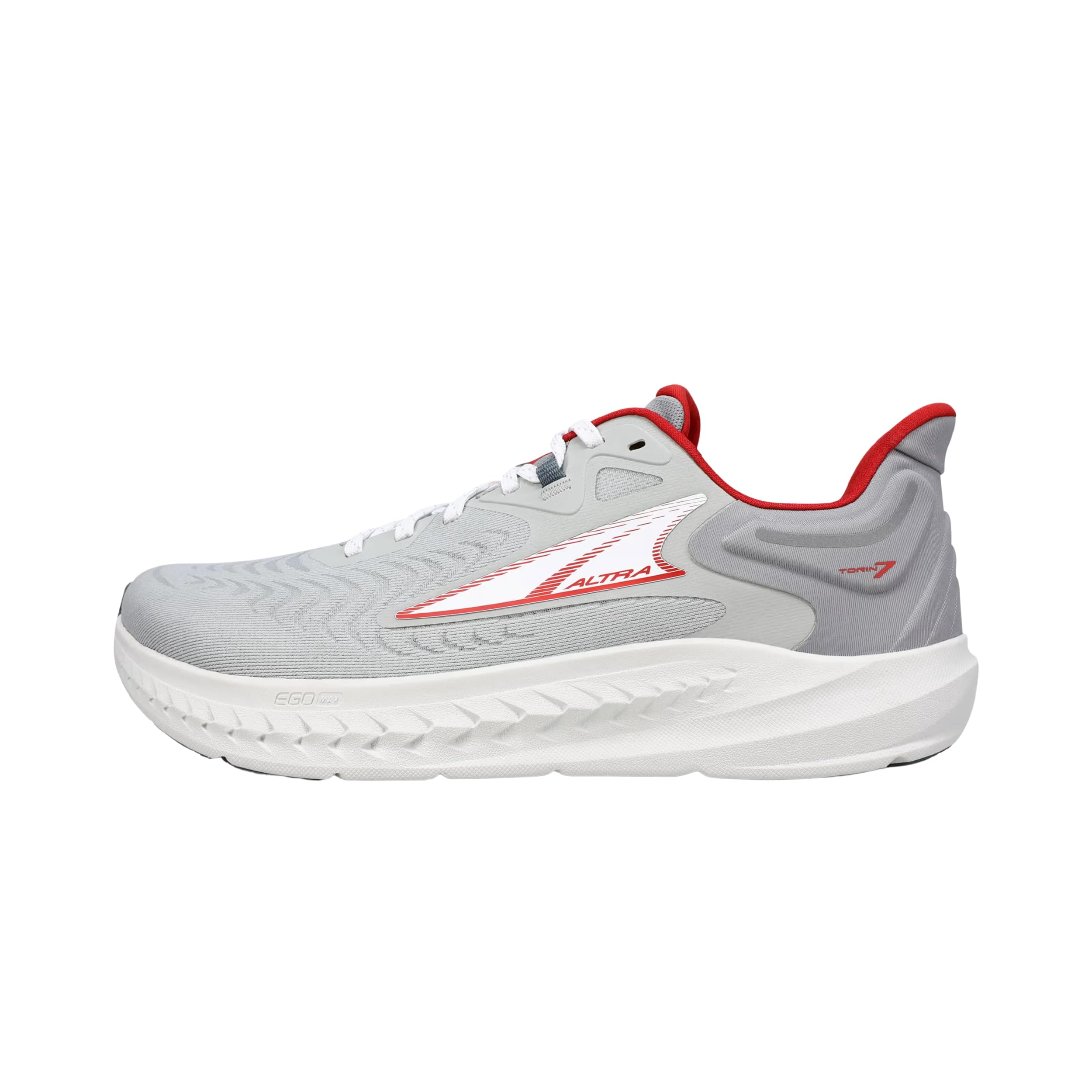
The Torin 7 shares the same FootShape toe box philosophy as the Torin 8, with a slightly more forgiving midsole compound that many runners find ideal for recovery days and long slow runs. The 28mm stack is two millimeters thinner than the Torin 8, but the EGO MAX foam provides excellent bounce and energy return that rivals higher-stack competitors. Reviewers transitioning from brands like Asics and Brooks note that the wide toe box eliminated the toe squeezing that previously caused knee issues.
The engineered mesh upper is breathable and uses an evolved molded heel collar for a secure fit that prevents heel lift — a common problem in shoes with wide toe boxes. The Balanced Cushioning platform (29mm heel / 29mm forefoot) promotes natural alignment and reduces the joint impact that can exacerbate bunion inflammation. Multiple reviews mention zero break-in time and immediate comfort for both walking and running.
One notable detail: reviewers with narrow heels found that the standard FootShape fit works well because the midfoot and heel are snug even when the forefoot is spacious. The outsole uses durable rubber that holds up well for 300-400 miles of road running. This is an excellent choice for runners who want the anatomical toe box without the higher price tag of the Torin 8.
Why it’s great
- FootShape toe box eliminates toe squeezing
- EGO MAX foam provides soft yet responsive cushion
- Zero break-in period for most users
Good to know
- EGO MAX foam may feel too soft for speed work
- Not available in wide width (standard is already wide)
4. Orthofeet Men’s Orthopedic Tilos Hands-Free Sneaker
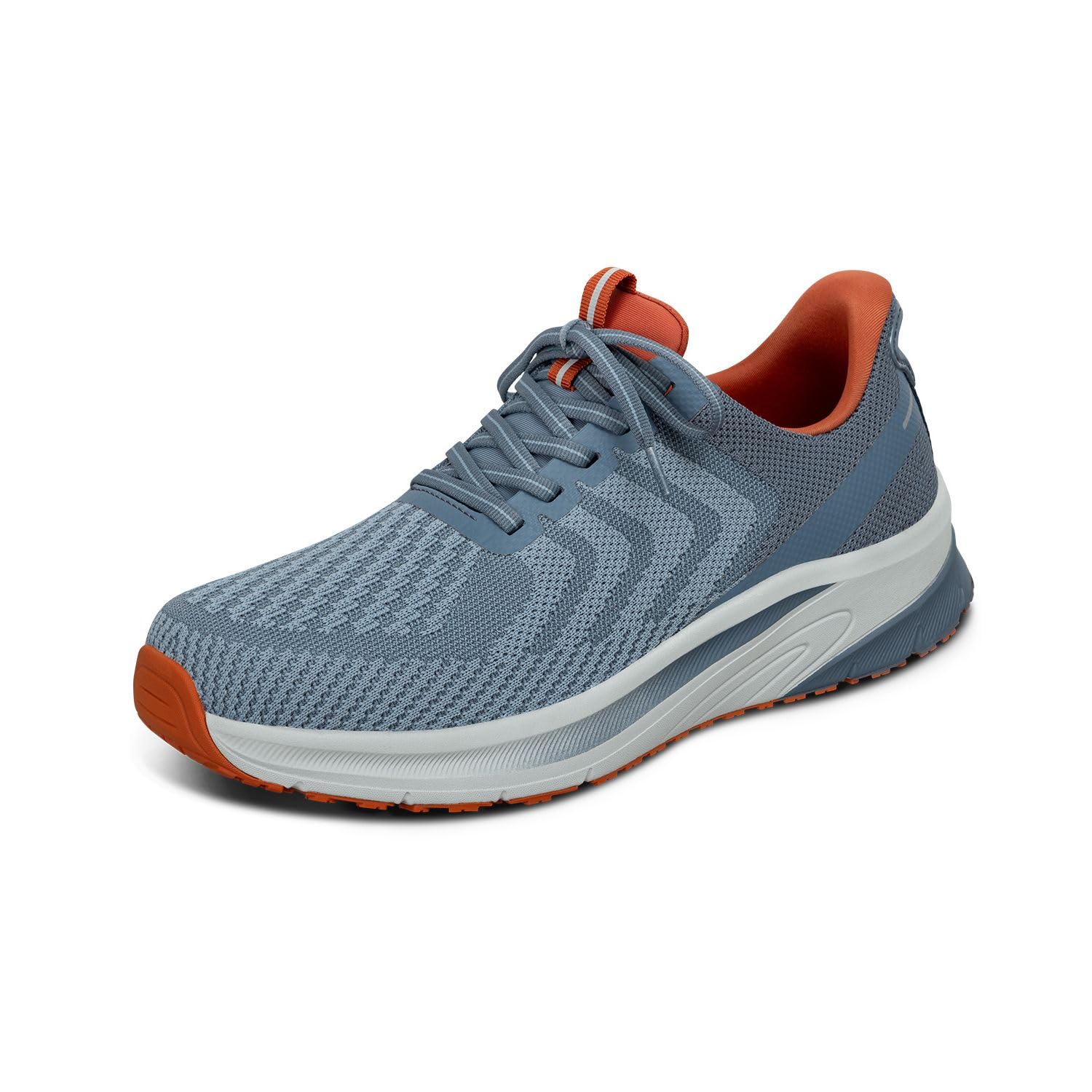
Orthofeet’s Tilos sneaker stands out for its fully customizable Ortho-Cushion System, which includes multiple insole layers, arch boosters, and fitting spacers that let you dial in the exact level of support and volume your bunion requires. The water-repellent stretch upper conforms to the shape of your foot without creating lateral pressure, and the hands-free slip-on design eliminates the need to bend over — a significant benefit for anyone with mobility concerns.
A 76-year-old reviewer called this the best money spent in years, noting pain-free walking after just one week. Nurses and other professionals who stand all day report dramatic, immediate relief from foot and back pain. The built-in orthotic support is substantial, with four different insert combinations included in the box. The shoe also accommodates custom prescription orthotics thanks to the removable insole and extra depth.
The trade-off is styling — the Tilos looks more like a medical shoe than a lifestyle sneaker, though the design has improved over previous Orthofeet models. The outsole is slip-resistant but not designed for trail running or high-intensity workouts. For daily walking, standing, and casual wear, this is arguably the most effective bunion relief you can buy in a single shoe package.
Why it’s great
- Fully customizable orthotic system with multiple inserts
- Stretch upper eliminates lateral bunion pressure
- Hands-free slip-on design for easy entry
Good to know
- Styling is more medical than athletic
- Not suitable for trail running or intense sports
5. Orthofeet Women’s Orthopedic Francis Sneaker

The Francis sneaker from Orthofeet is a no-tie walking shoe that prioritizes ease of use and forefoot comfort. The stretch upper wraps around bunions without digging in, and the roomy toe box provides enough volume for a metatarsal pad or bunion sleeve. The Ortho-Cushion System includes a removable insole with multiple layers of cushioning and arch support, plus spacers that let you fine-tune the width.
A customer with bone spurs reported that this shoe was comfortable after a short break-in period, and another reviewer with wide forefeet and narrow heels noted that the fit was customizable enough to accommodate both conditions. The slip-resistant outsole provides solid traction on wet surfaces, making it practical for everyday errands and light walking. The styling is more modern than traditional orthopedic footwear, with clean lines and minimal detailing.
One potential issue: the insoles are somewhat difficult to remove, though it is doable with patience. The shoe runs slightly long, so ordering down half a size may work for some. After about 18 months of use, one reviewer reported a squeaking noise developing. For women seeking a slip-on walking shoe that doesn’t scream “medical device,” the Francis delivers solid bunion accommodation in a discreet package.
Why it’s great
- Stretch upper conforms to bunions without pressure
- Customizable insole system with spacers and arch boosters
- Slip-resistant outsole for wet surfaces
Good to know
- Insoles are difficult to remove initially
- May develop squeaking after prolonged use
6. Brooks Men’s Ghost Max Suede/Leather Shoe

The Ghost Max is not a wide-toe-box shoe by design, but its soft suede and leather upper has enough give to accommodate mild bunions without creating the rigid pressure points that hard mesh or synthetic overlays can cause. The 6mm drop is a balanced middle ground that reduces forefoot load compared to zero-drop shoes, which can be beneficial for bunion sufferers whose joints are irritated by high forefoot pressure during toe-off.
Brooks’ DNA LOFT v3 cushioning provides exceptional shock absorption — a nurse working 17,000 steps per day reported a 90% reduction in joint pain frequency and severity. The thick soles and plush midsole effectively dampen impact through the metatarsal heads, which is where bunion pain often originates. The shoe weighs 11.6 ounces, which is substantial but typical for a max-cushion trainer.
One significant consideration: the Ghost Max runs a full size small, so ordering up is essential. The toe box is not particularly wide, so those with severe or large bunions may find the forefoot area insufficiently roomy. However, for mild bunions where the primary complaint is shock and impact rather than lateral compression, this shoe delivers serious relief.
Why it’s great
- DNA LOFT v3 cushioning reduces joint impact significantly
- 6mm drop balances forefoot load effectively
- Soft suede/leather upper minimizes rigid pressure points
Good to know
- Runs a full size small; order up
- Toe box is not especially wide for severe bunions
7. FLUX FOOTWEAR Adapt Runner Barefoot Shoe
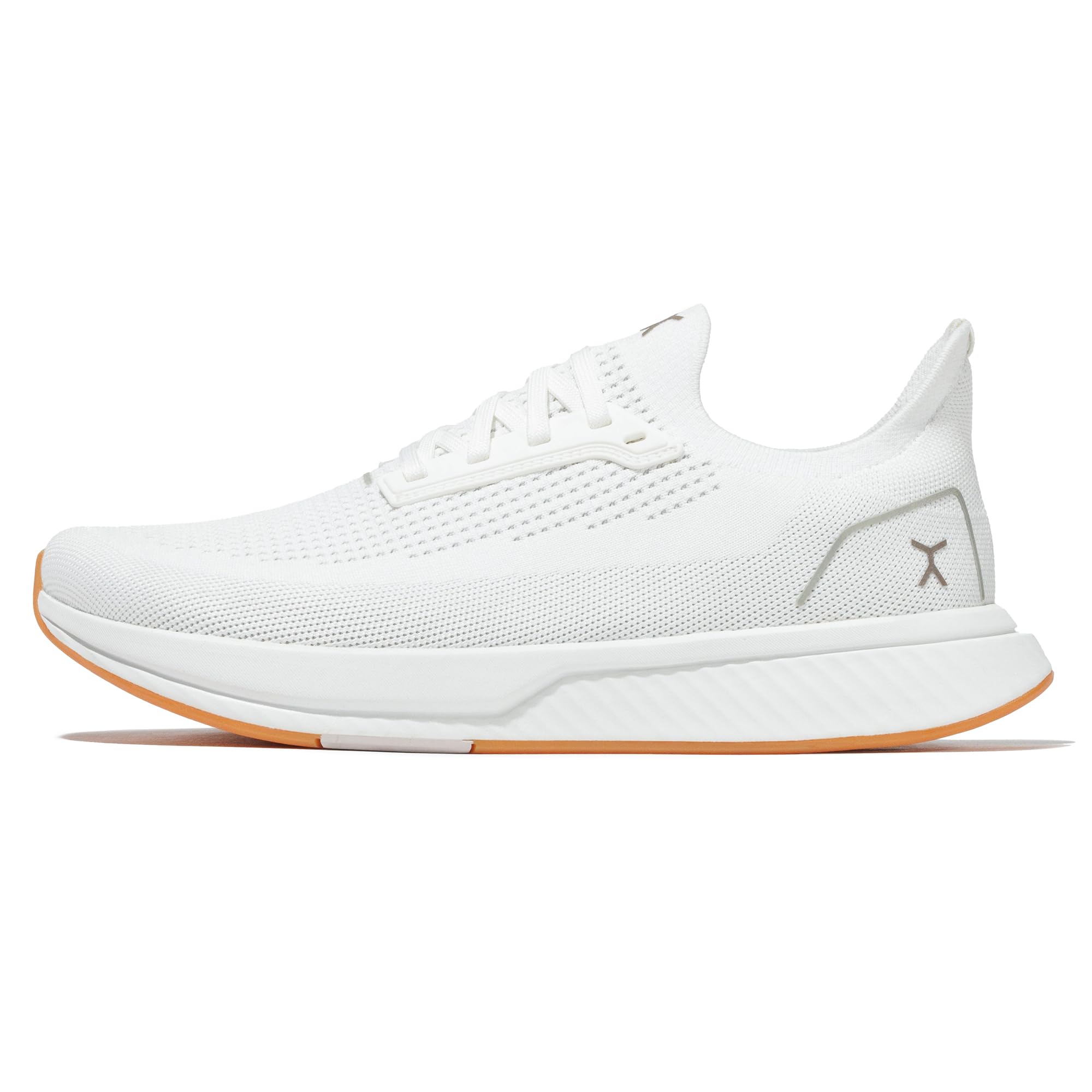
The Adapt Runner from FLUX FOOTWEAR is a barefoot-style shoe that uses a zero-drop platform and a wide toe box to let the foot function as naturally as possible. The thin, flexible sole provides ground feedback that some runners find therapeutic for bunion pain because it allows the foot to move through its full range of motion without constraint. The wide toe box is genuinely spacious, with no taper at the big toe.
Users transitioning from traditional shoes need a gradual break-in period — the zero-drop stack and lack of arch support can cause calf and Achilles strain if adopted too quickly. One reviewer noted ankle collapse issues initially, which resolved after replacing the insoles with a firmer pair. The shoe is machine-washable, which is a practical bonus for sweaty workouts or trail use.
The sizing is inconsistent — most reviewers recommend going up half a size, and some went up a full size. The Adapt Runner runs small in length despite the generous toe box. For those already accustomed to minimalist footwear or willing to adapt, this shoe provides exceptional toe splay and bunion room, though the lack of cushion means it won’t suit everyone’s tolerance for impact.
Why it’s great
- Wide toe box allows full natural toe splay
- Zero-drop platform promotes natural foot function
- Machine-washable for easy maintenance
Good to know
- Requires gradual break-in for barefoot adaptation
- Runs small in length; size up half to full size
8. OrthoComfoot Women’s Orthopedic Running Shoe
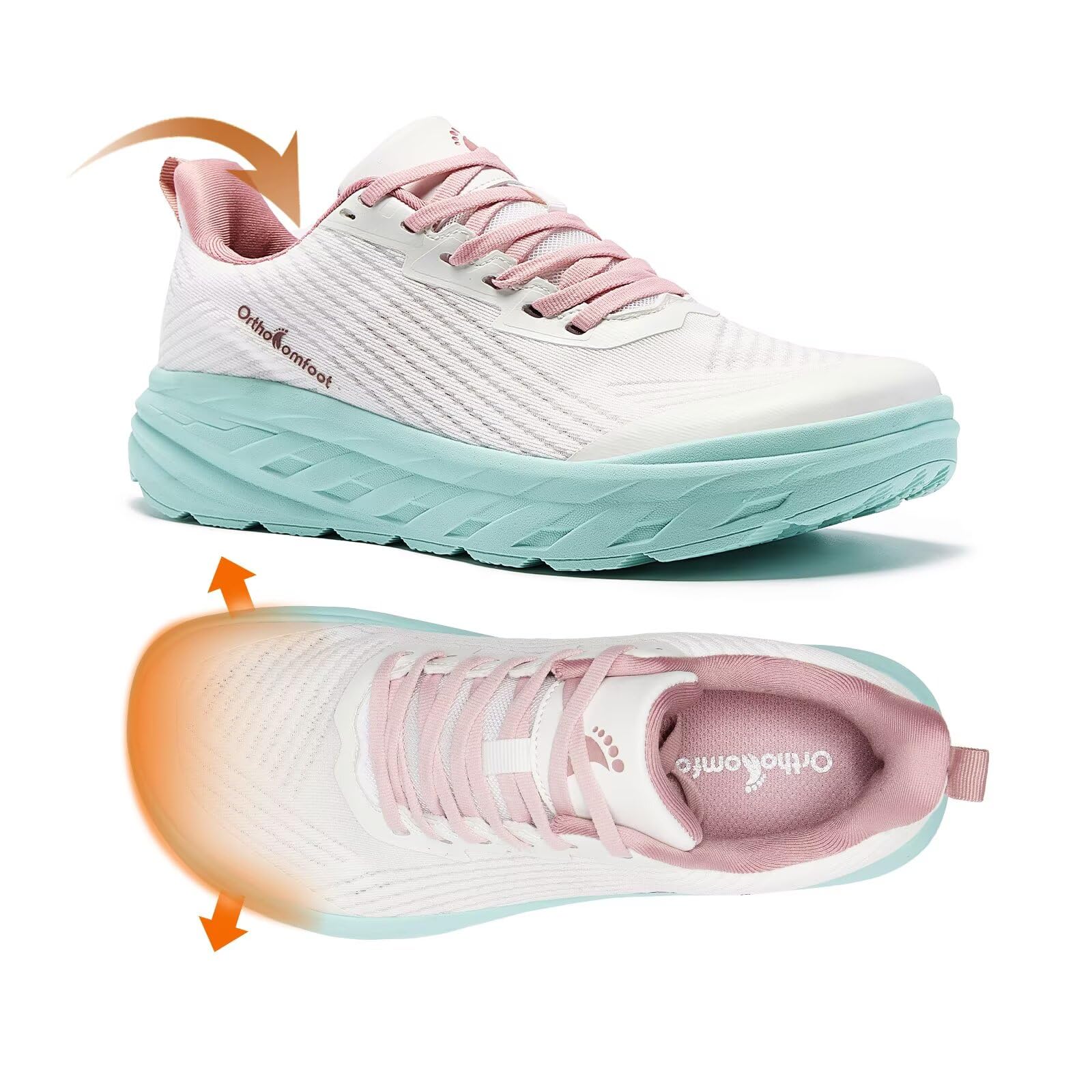
The OrthoComfoot running shoe is an entry-level orthopedic sneaker that packs impressive width options — including X-wide that accommodates 4E feet — at a budget-friendly price point. The wide toe box is genuinely roomy, with enough space for bunion pads, custom orthotics, or toe spacers. The cushioned insole provides decent arch support that a customer with plantar fasciitis found comparable to quality aftermarket insoles.
A critical flaw emerged from customer feedback: a plastic reinforcement piece on top of the toe box can dig into bunions during extended wear. This design element creates a rigid ridge that presses against the bunion site, causing pain in shoes that otherwise fit well. The same reviewer noted that the shoe is well-made with beautiful color options, but the toe overlay makes it unsuitable for bunion sufferers during long periods of use.
For short errands, casual wear, or users whose bunions are mild and located lower on the foot, the OrthoComfoot may still work. The X-wide truly fits extra-wide feet, and the arch support helps with overall foot alignment. However, the plastic toe reinforcement is a dealbreaker for anyone whose bunion sits high enough to contact that ridge. Consider this a budget option with a specific fit constraint.
Why it’s great
- X-wide option fits 4E feet comfortably
- Good arch support comparable to quality insoles
- Wide toe box accommodates bunion pads and orthotics
Good to know
- Plastic toe reinforcement can dig into high bunions
- Durability over extended use is unverified
9. ALTRA Men’s Lone Peak 9 Trail Running Shoe
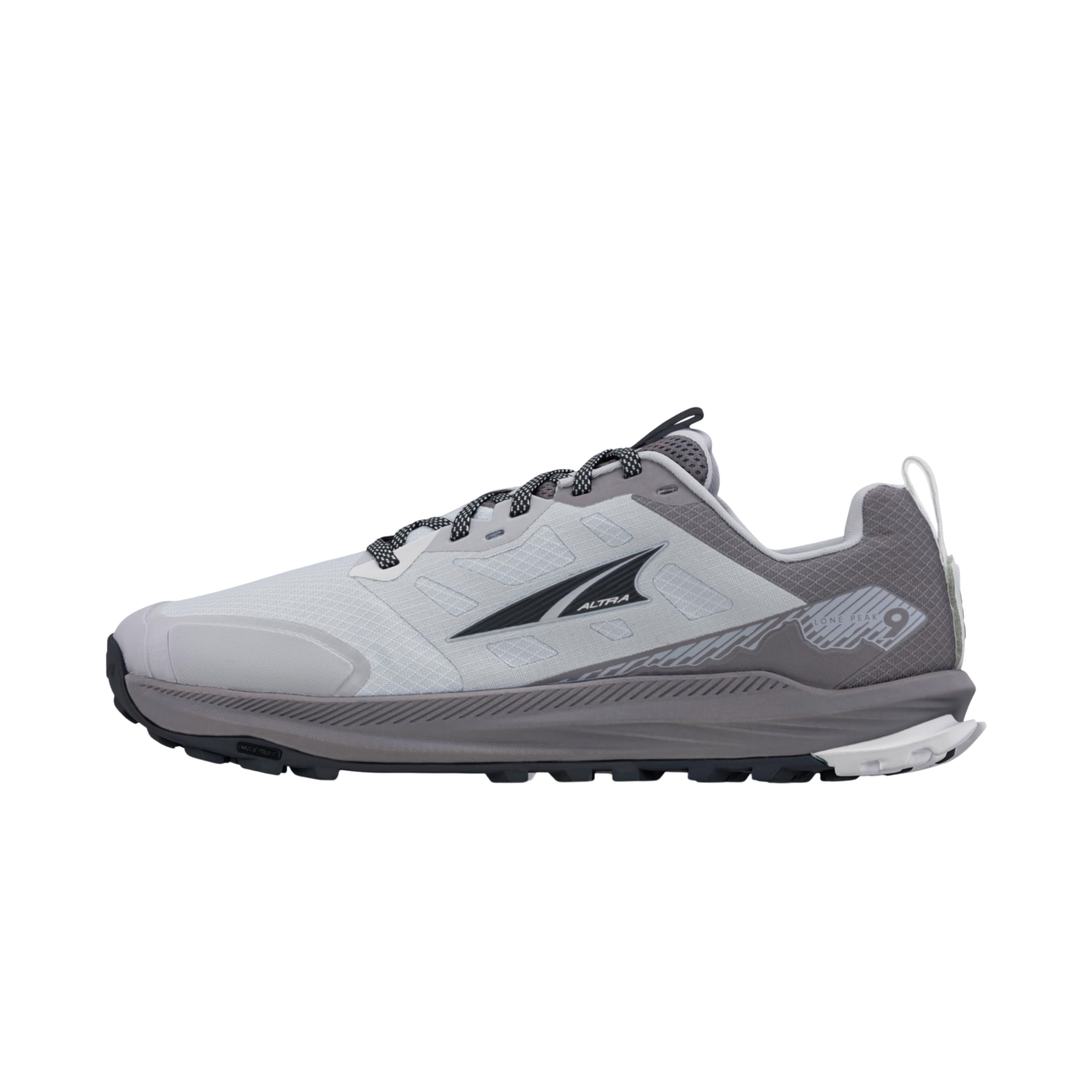
The Lone Peak 9 is the trail-running icon from Altra, featuring the brand’s widest FootShape toe box — the Original fit — which is even roomier than the Standard fit found on the Torin series. This gives your toes maximum splay and eliminates any lateral pressure on the bunion. The zero-drop platform keeps the foot in a neutral position, and the 25mm stack provides moderate cushion that balances ground feel with protection from sharp rocks.
The MaxTrac outsole delivers excellent grip on mud, loose rock, and wet surfaces, making this a genuine performer for technical trail running and hiking. A reviewer planning to wear them to Machu Picchu specifically called out the stability and the ability to fit orthopedic arch supports inside. The breathable ripstop mesh upper is durable and uses no-sew overlays that avoid creating pressure points over the bunion.
One sizing nuance: the Lone Peak 9 runs slightly large, and reviewers with wide feet recommend ordering the standard width or sizing down half a size rather than opting for the wide version. The shoe works well with thick hiking socks, and the Stoneguard insert provides underfoot protection from trail debris. For trail runners and hikers who prioritize toe room above all else, the Lone Peak 9 is the gold standard.
Why it’s great
- Widest FootShape toe box for maximum bunion relief
- MaxTrac outsole provides exceptional trail grip
- Zero-drop platform promotes natural gait on uneven terrain
Good to know
- Runs slightly large; consider sizing down half
- Moderate cushion may feel firm for road running
FAQ
Can I wear zero-drop shoes if I have a bunion?
Should I size up in athletic shoes for bunions?
What shoe features reduce bunion pain during running?
Final Thoughts: The Verdict
For most users, the best athletic shoes for bunions winner is the ALTRA Women’s Torin 8 because its FootShape toe box provides the most effective anatomical relief without sacrificing cushion or performance. If you want maximum customization with a medical-grade orthotic system, grab the Orthofeet Tilos Hands-Free. And for trail runners who need serious grip and the widest possible toe box, nothing beats the ALTRA Lone Peak 9.