
That inward roll of the ankle with every stride isn’t just a quirk of your gait; it’s a biomechanical pattern that can lead to shin splints, plantar fasciitis, and nagging knee pain if your footwear doesn’t actively counteract it. The right stability shoe uses a combination of denser foam, medial posts, or a wider base to literally guide your foot through a more neutral motion, turning a damaging pronation cycle into a safe, efficient stride.
I’m Min — the co-founder and writer behind Gadgets Feed. I’ve spent countless hours analyzing stability chassis designs, foam densities, and heel-to-toe drops to pinpoint exactly which constructions provide real correction versus simple cushioning that masks the problem.
After comparing medial post placements, arch support rigidity, and outsole durability across nine candidates, this guide delivers the most thorough analysis of the best athletic shoes for overpronation available today.
How To Choose The Best Athletic Shoes For Overpronation
Overpronation means your foot rolls inward excessively upon landing, flattening the arch and stressing the ankle, shin, and knee. A true stability shoe must provide structural resistance to that inward roll — not just a cushioned footbed. Focus on the stability features, not the branding or colorway, when making your decision.
Medial Post vs. Guide Rails vs. Dual-Density Foam
The medial post is a harder piece of foam or plastic embedded in the midsole’s inner side to block the foot from rolling inward. Guide rails (found on Brooks GTS models) wrap around the heel and extend upward to cradle the foot, providing a more adaptive correction. Dual-density foam uses two different foam compressions — firmer on the medial side — to create a gradient of support. For severe overpronation, a traditional medial post is the most direct corrective tool; for mild to moderate pronation, guide rails offer a less intrusive, more comfortable ride.
Heel-to-Toe Drop and Stack Height
A lower drop (4mm to 8mm) encourages a midfoot or forefoot strike, which can reduce the braking force that exacerbates pronation. A higher drop (10mm to 12mm) shifts impact back toward the heel, which some runners with tight calves or who heel-strike prefer. Stack height is the total foam underfoot — taller stacks (30mm+) provide maximum cushioning and shock absorption but can feel less stable without a pronounced medial post. Balanced options for overpronation typically sit around 8mm to 10mm drop with a 25-35mm stack.
Upper Construction and Lacing System
The upper must lock the heel in place without causing pressure points. A structured heel counter (the stiff cup at the back) prevents heel slippage, which destabilizes the foot on every stride. Flat laces distribute tension evenly across the instep, while stretchy or unstructured mesh uppers can allow the foot to slide inside the shoe — counteracting the stability below. Look for a secure heel fit and a lacing system that lets you dial in tension across the midfoot.
Quick Comparison
On smaller screens, swipe sideways to see the full table.
| Model | Category | Best For | Key Spec | Amazon |
|---|---|---|---|---|
| ASICS GT-2000 14 (Women’s) | Stability | Daily training & long runs | 10mm drop, LITETRUSS medial support | Amazon |
| Brooks Glycerin GTS 23 (Women’s) | Supportive Neutral | Maximum cushion & knee support | 10mm drop, GuideRails holistic support | Amazon |
| ALTRA Paradigm 8 (Women’s) | Zero-Drop Stability | Natural foot position & wide toe box | 0mm drop, GuideRail inner wall | Amazon |
| Saucony Guide 18 (Men’s) | Lightweight Stability | Speed work & daily miles | 8mm drop, Center Path Technology | Amazon |
| Saucony Hurricane 24 (Women’s) | Maximum Stability | Recovery runs & injury protection | 8mm drop, bathtub foam chassis | Amazon |
| Saucony Hurricane 24 (Men’s) | Maximum Cushion | Ultra-long distance & flat feet | 8mm drop, Center Path Technology | Amazon |
| New Balance Fresh Foam X Vongo V6 (Women’s) | Soft Stability | All-day standing & walking | 8mm drop, fresh foam X density gradation | Amazon |
| Saucony Omni 22 (Women’s) | Classic Stabilty | Reliable overpronation control & value | 8mm drop, medial post stability | Amazon |
| ASICS GT-1000 14 (Men’s) | Entry Stability | Budget-friendly correction & general use | 10mm drop, LITETRUSS technology | Amazon |
In‑Depth Reviews
1. ASICS Women’s GT-2000 14 Running Shoes
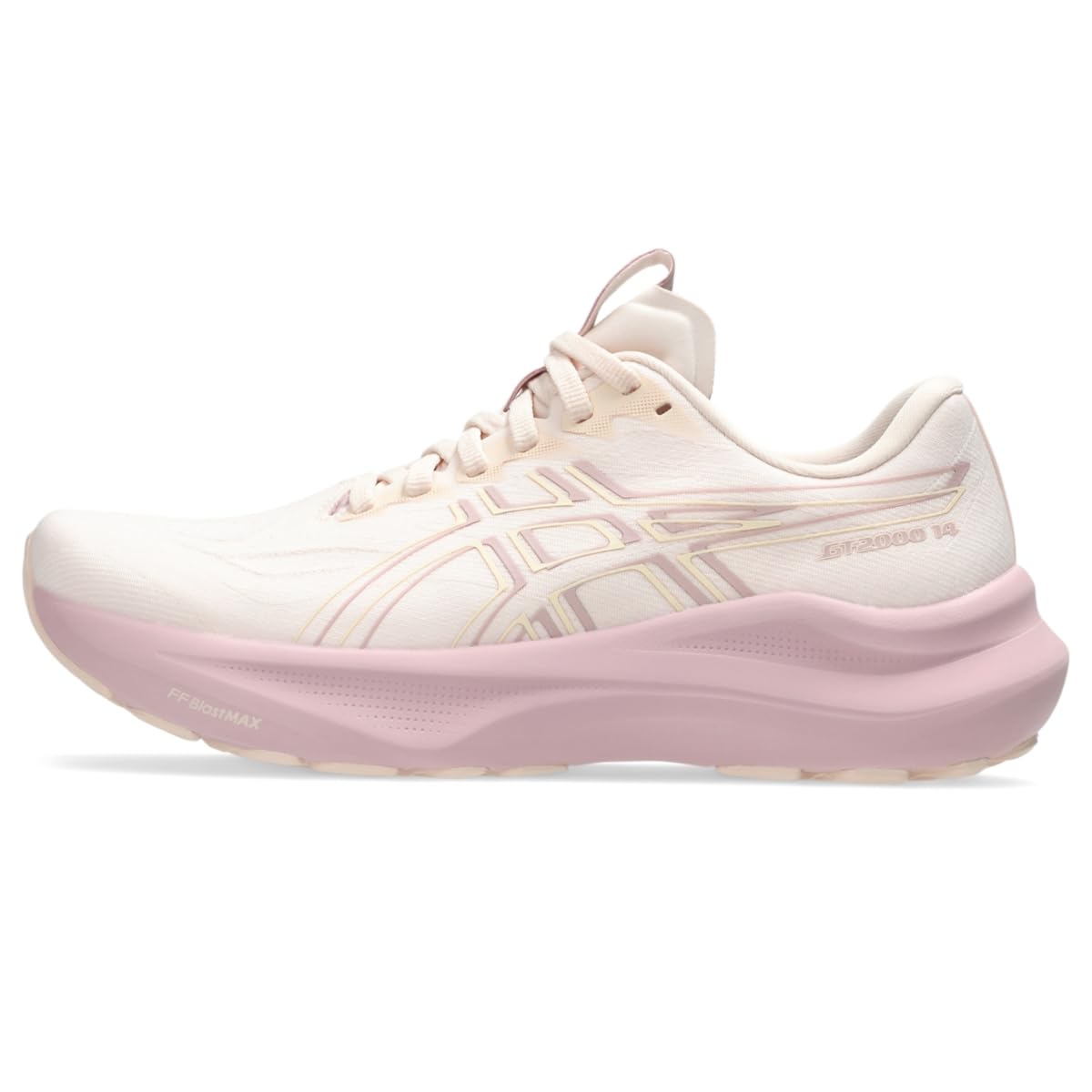
The GT-2000 14 continues ASICS’ long legacy of stability running shoes, but the 14th iteration refines the LITETRUSS medial support system to be less intrusive while still actively blocking overpronation. The 10mm heel drop works well for heel-strikers, and the FlyteFoam Blast+ midsole delivers a balanced ride that is soft enough for recovery runs yet responsive enough for daily training. Runners with flat feet or hypermobility report that the shoe provides exceptional squishy cushion without causing foot fatigue — a rare balance in the stability category.
The upper is engineered mesh that offers decent breathability while still locking the heel firmly in place. Several reviews specifically note the shoe as a go-to for half-marathon distances and daily walking, with excellent support for pronated ankles and flat arches.
The main trade-off is that the GT-2000 14 is not designed for speed workouts or racing — its 10mm drop and conservative foam stack prioritize protection over propulsion. Some users on the heavier side may push past the LITETRUSS density on steep downhill sections, but for the vast majority of runners needing moderate overpronation correction, this is the most versatile daily trainer available.
Why it’s great
- LITETRUSS provides non-intrusive yet effective pronation correction
- FlyteFoam Blast+ offers a soft, responsive ride perfect for long runs
- Zero break-in period and true-to-size fit across wide foot shapes
Good to know
- Not built for speed or racing — the weight and drop favor protection
- Colorways are minimal; limited vibrant options in some sizes
2. Brooks Women’s Glycerin GTS 23 Supportive Running Shoe
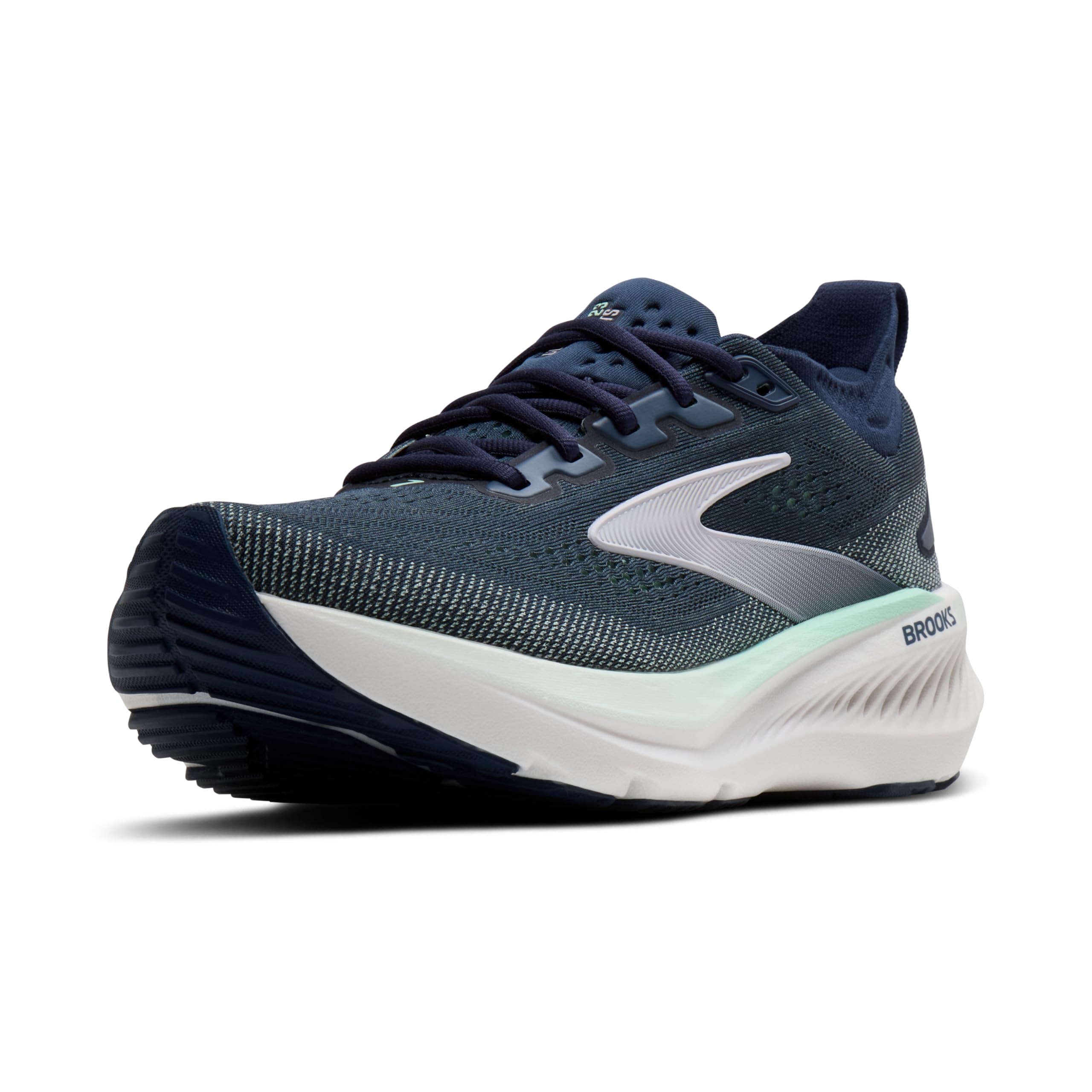
The Glycerin GTS 23 is Brooks’ plush stability offering, combining the brand’s DNA LOFT v3 cushioning with the GuideRails holistic support system. Unlike a traditional medial post that blocks motion at the midsole, GuideRails cradle the heel and knee, allowing the foot to move naturally within a safe range — ideal for runners whose overpronation is linked to knee misalignment. The 10mm drop and generous 35mm heel stack make this one of the most cushioned stability shoes on the market, without feeling like you’re sinking into marshmallow.
Users with wide feet and plantarfasciitis praise the ample toe box, which eliminates blistering on long walks, and the bouncy, responsive feel underfoot that doesn’t go flat after hundreds of miles. Several reviews note that the shoe holds up exceptionally well after multiple half-marathons, with the outsole and upper showing minimal wear. The wide width option in several colors is a standout feature for those who need extra room without sacrificing stability.
The premium price tag puts the Glycerin GTS 23 firmly in the high-end segment, and some users report that the toe and heel area can rub during very long walking days (9k+ steps). If your budget allows and your overpronation is mild enough that you don’t need a rigid medial post, the Glycerin GTS 23 offers the most luxurious ride in the stability category.
Why it’s great
- GuideRails support the knee and heel for holistic stability
- DNA LOFT v3 provides maximum cushion without sacrificing responsiveness
- Roomy toe box eliminates blisters, even on long walks and runs
Good to know
- Premium price point — better suited for those willing to invest heavily
- Some toe and heel rubbing reported on extremely high-mileage days
3. ALTRA Women’s Paradigm 8 Road Running Shoe
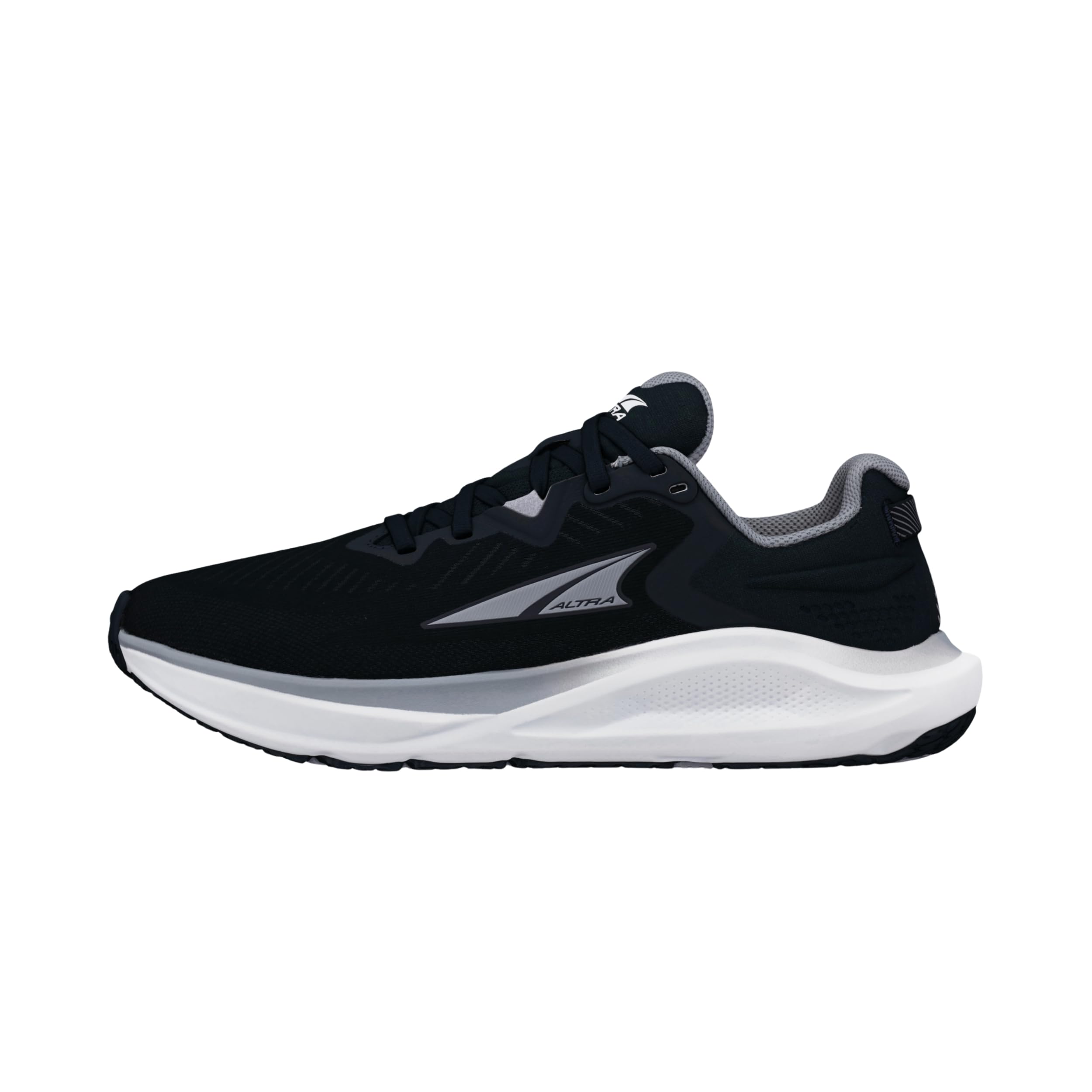
The ALTRA Paradigm 8 takes a fundamentally different approach to overpronation: instead of a medial post, it uses a zero-drop platform (0mm heel-to-toe offset) combined with ALTRA’s signature FootShape toe box that allows toes to splay naturally. The stability comes via an inner GuideRail wall that runs along the medial side, cradling the arch without forcing the foot into an artificial position. This is a game-changer for runners whose pronation is worsened by high-drop shoes that shift impact to the heel and exacerbate inward roll.
Users recovering from knee arthritis, bursitis, and hip pain report remarkable relief after switching to the Paradigm 8 — one reviewer completed a 28,000-step day at Disneyland with no pain the following day. The removable insole accommodates custom orthotics, and the wide toe box is a lifesaver for bunions or neuromas. The cushioning is firm enough to feel stable but soft enough to absorb road shock without bottoming out.
The catch is that zero-drop shoes require an adaptation period for runners accustomed to a high-heel drop. Users transitioning from a 10mm drop shoe may experience calf tightness for the first few weeks. Additionally, some longtime ALTRA fans feel the Paradigm 8’s toe box is narrower than previous versions — a dealbreaker for those who loved the Paradigm 6’s foot-shaped fit.
Why it’s great
- Zero-drop platform encourages natural midfoot strike, reduces pronation torque
- Wide toe box allows splay, ideal for bunions and neuromas
- Removable insole accommodates custom orthotics for severe pronation
Good to know
- Zero drop requires a transition period — expect calf tightness initially
- Some users find the toe box narrower than the Paradigm 6
4. Saucony Men’s Guide 18 Sneaker
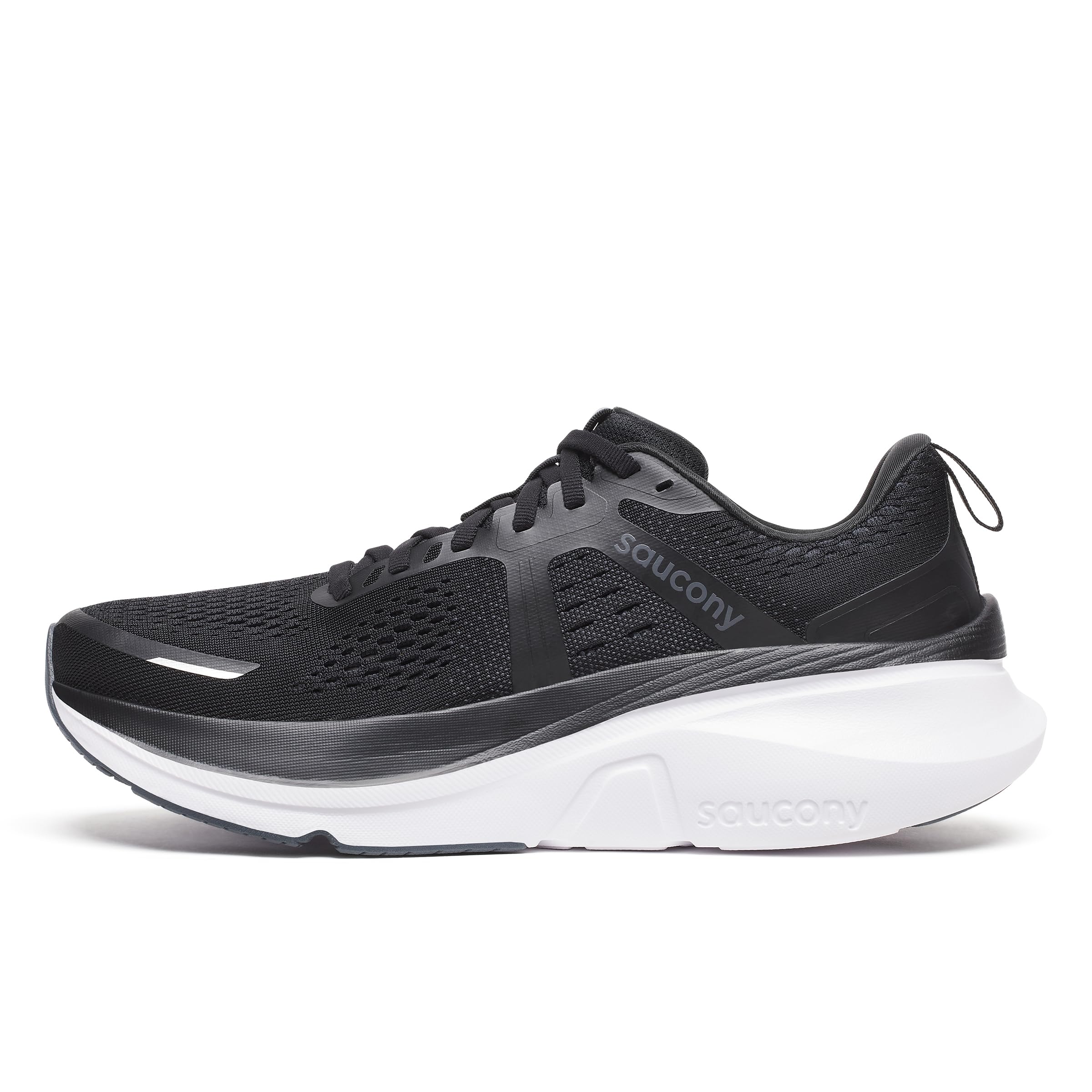
The Guide 18 from Saucony is broadly considered the lightest stability shoe in the brand’s lineup, making it a compelling option for runners who want pronation control without the weight of a traditional stability tank. The 8mm drop and Center Path Technology use a combination of a medial post and a wider platform to guide the foot through a neutral path, but the foam density is tuned to feel more responsive than plush. The result is a shoe that can handle daily miles and even light speed work without feeling like a burden.
Long-time Saucony users upgrading from the Guide 14 or 15 note that the 18 is narrower in the toe box and lacks the hard plastic insert found in earlier models — a design choice that reduces weight but may reduce rigidity for severe pronators. Runners with mild to moderate overpronation and flat feet find the arch support adequate for all-day standing and walking on hard surfaces, while those needing maximum correction may want to pair it with an insert. The outsole rubber shows dirt quickly but holds up well over hundreds of miles.
Owners report that the Guide 18 feels like “walking on clouds” with no impact at heel strike, a testament to how far lightweight stability foam has come. It is not ideal for long runs beyond 15 miles for heavier runners, as the reduced foam stack can lead to a firmer feel late in the run. For daily training and casual use, the Guide 18 offers a rare combination of low weight and legitimate stability.
Why it’s great
- One of the lightest stability shoes available at under 10oz
- Center Path Technology provides non-intrusive guidance for mild to moderate pronation
- Responsive foam works well for daily miles and steady runs
Good to know
- Narrower toe box than previous Guide generations
- Lacks a stiff plastic medial post — less suitable for severe overpronation
5. Saucony Women’s Hurricane 24 Sneaker
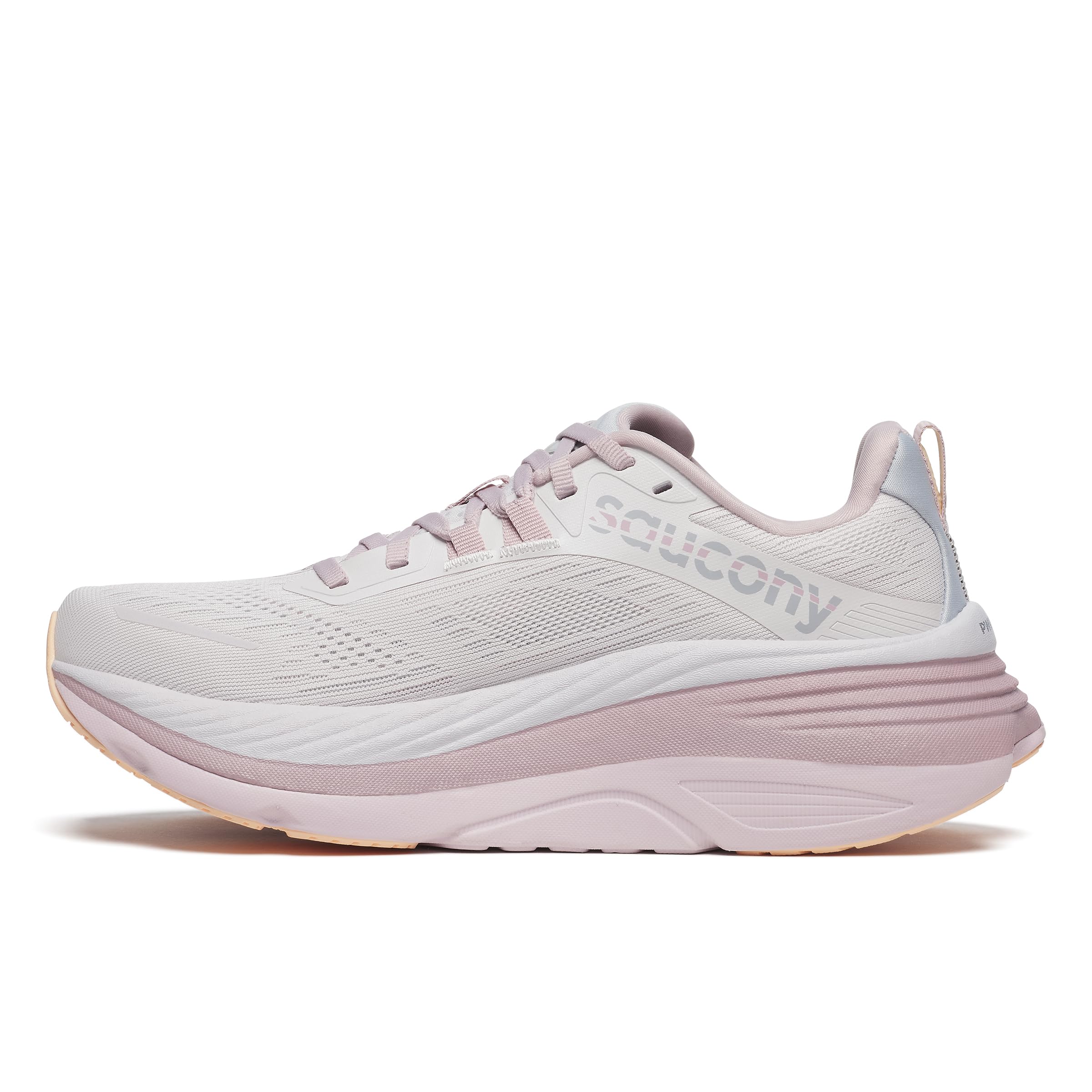
The Hurricane 24 is Saucony’s max-cushion stability shoe, designed for runners who need serious protection without a harsh ride. The 8mm drop and Center Path Technology work alongside a unique “bathtub” foam chassis that wraps the heel and extends medially — creating a broad, stable platform that cradles the foot on every landing. The PWRRUN PB foam (a Pebax-based supercritical foam) delivers an energetic return that makes the high stack height feel bouncy rather than dead, a significant upgrade from earlier Hurricane models.
Users with plantar fasciitis, patellar tendonitis, and flat feet report that the Hurricane 24 provides cloud-like cushioning for their feet and knees, making it an excellent choice for recovery runs and long, slow distance. The aggressive toe rocker combined with the wide platform allows for a smooth transition through the gait cycle, even at slower paces. One owner purchased three additional pairs after experiencing dramatic pain relief.
The shoe is heavier than the Guide 18 — something to be aware of if you like to pick up the pace. Some users note inconsistent build quality between Vietnam and China production runs, with one pair feeling narrower and more comfortable than another. If your priority is maximum cushioning and stability for injury prevention rather than speed, the Hurricane 24 is the right choice.
Why it’s great
- PWRRUN PB foam provides a bouncy, energetic ride despite high stack height
- Bathtub chassis offers a wide, stable base for severe overpronators
- Aggressive toe rocker smooths transition for heel-strikers and walkers
Good to know
- Noticeably heavier — not suitable for speed workouts or racing
- Inconsistent sizing reported between different manufacturing origins
6. Saucony Men’s Hurricane 24 Sneaker
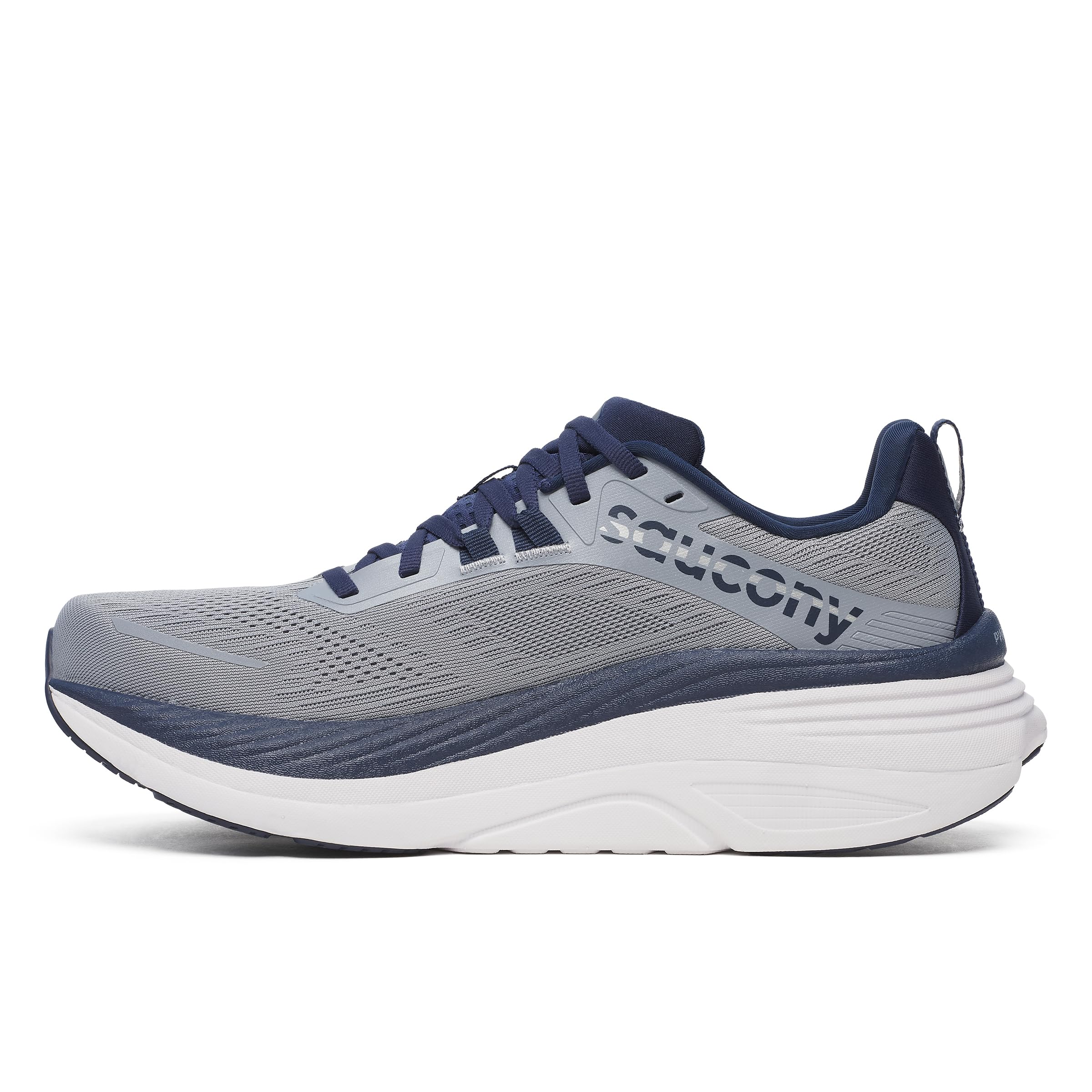
The men’s version of the Hurricane 24 shares the same design philosophy as the women’s — maximum cushioning with non-intrusive stability. The dual-cushioning approach combines a softer top layer for step-in comfort with a firmer bottom layer for durability and support. The bathtub chassis is also present here, providing a wide landing platform that guides the foot through a neutral path without a hard medial post. Runners running 20+ miles in zone 2 report the Hurricane 24 as their go-to shoe, with excellent durability over a full year of use.
Men with flat feet and a history of shin splints or knee pain find the shoe’s generous midsole volume forgiving, and the roomy forefoot and toe box allow for natural foot swell on long runs. The shoe can also double as an excellent walking shoe for those who stand or walk all day on hard floors — the cushioning softens every impact without feeling marshmallowy or unstable. Several users note that the shoe is half the price of comparable Hoka or ASICS models, making it a standout value in the max-cushion stability segment.
On the downside, the Hurricane 24 is decidedly not a speed shoe; its weight and foam stack make it feel sluggish at faster paces. Build quality inconsistencies mirror the women’s version, with some pairs feeling slightly different in fit. It also runs slightly long and roomy, so sizing down half a size may be necessary for a snug fit. For ultra-distance runners and those recovering from injury, this is a top pick.
Why it’s great
- Exceptional durability — holds up well over hundreds of miles
- Dual-layer cushioning offers plush comfort without instability
- Excellent value compared to max-cushion competitors from Hoka and ASICS
Good to know
- Heavy and slow — not designed for speed or interval training
- Fit can be inconsistent; may require sizing down half a size
7. New Balance Women’s Fresh Foam X Vongo V6
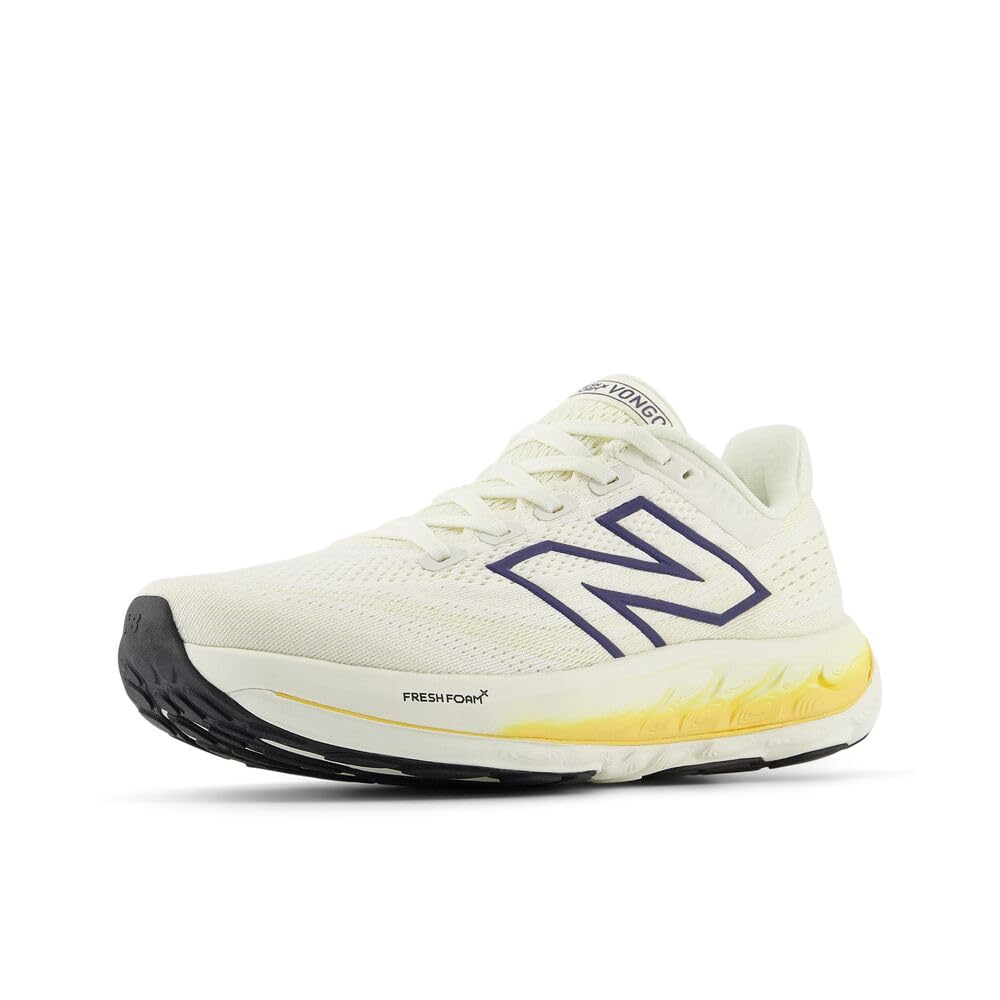
The Fresh Foam X Vongo V6 takes a softer approach to stability than many competitors. Instead of a rigid medial post, New Balance uses a density-graded Fresh Foam X midsole — firmer on the medial side, softer on the lateral side — to create a stable platform that gently resists inward roll. The 8mm drop and generous foam volume make the Vongo V6 feel more like a supportive neutral shoe than a traditional stability model, which appeals to runners who find medial posts too aggressive.
Users on their feet for 12-hour nursing shifts report that the Vongo V6 requires no break-in time and provides noticeable relief from overpronation-related foot fatigue. The wide fit option accommodates custom orthotics, and the soft but not marshmallow-like insole provides a plush step-in feel that lasts all day. Owners with back pain notice a marked improvement in spinal alignment after switching to the Vongo V6 from older shoes with worn-out support.
The Vongo V6 is not designed for heavy mileage or intense running — the soft foam can feel unstable at faster paces or on uneven terrain. Some users report that the fit runs slightly small in the regular width, so sizing up half a size may be required for a comfortable fit. For walking, everyday wear, and light jogging, the Vongo V6 is a solid, comfortable choice for moderate overpronation.
Why it’s great
- Density-graded Fresh Foam X provides gentle stability without a hard post
- Zero break-in time — comfortable for all-day standing out of the box
- Wide fit accommodates orthotics and swollen feet
Good to know
- Soft foam can feel unstable at faster paces or on uneven ground
- Runs slightly small in regular width — consider sizing up half a size
8. Saucony Women’s Omni 22 Sneaker
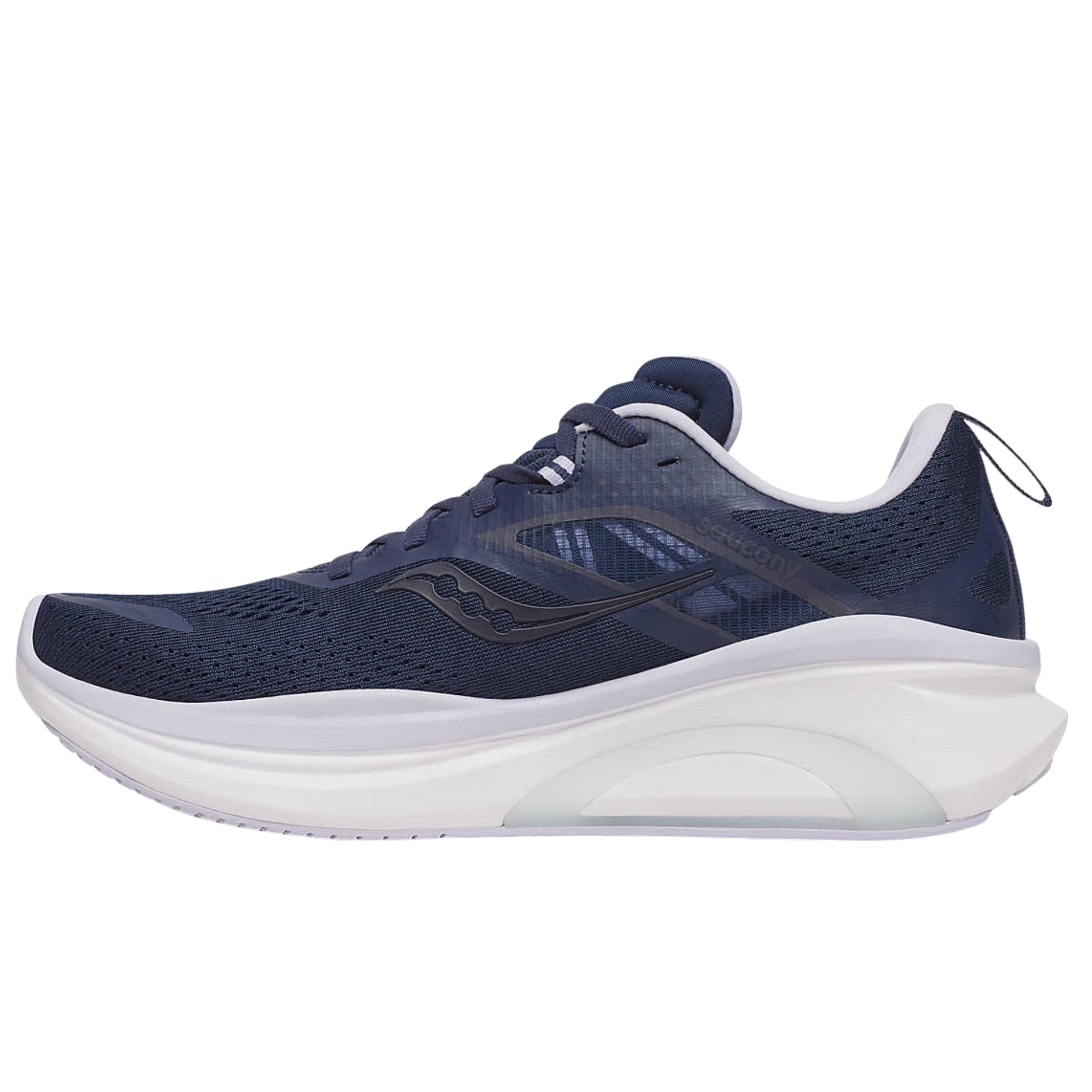
The Omni 22 is Saucony’s most traditional stability running shoe, relying on a firm medial post embedded in the midsole to directly block overpronation. This is the kind of shoe that provides definitive, no-nonsense correction for runners who know they need a hard stop against inward roll. The 8mm heel drop and PWRRUN foam midsole offer a balanced ride that is neither too soft nor too firm, making the Omni 22 a reliable daily trainer for consistent performance.
Users with ankle fusion, knee arthritis, and high arches appreciate the Omni 22’s durable construction and true-to-size fit. The shoe also offers a wide width option, and owners report that the toe box provides more space than other brands — a plus for those with wider feet. One reviewer wore the Omni 22 to a three-day conference with extensive walking and experienced no foot pain, crediting the shoe’s excellent arch support and cushioning.
There is a risk when ordering Omni 22 — some customers have reported receiving used or dirty shoes from third-party sellers. The color options can also look dated (one reviewer described the turquoise as having a “dated look”). For those who want a straightforward, moderately-priced stability shoe with a proven medial post, the Omni 22 is a solid, reliable choice that won’t break the bank.
Why it’s great
- Traditional medial post provides definitive overpronation correction
- True-to-size fit with wide width option and roomy toe box
- Durable construction holds up well to daily wear
Good to know
- Third-party sellers may send used or incorrect items — buy from a reliable seller
- Colorways can look dated and limited
9. ASICS Men’s GT-1000 14 Running Shoes
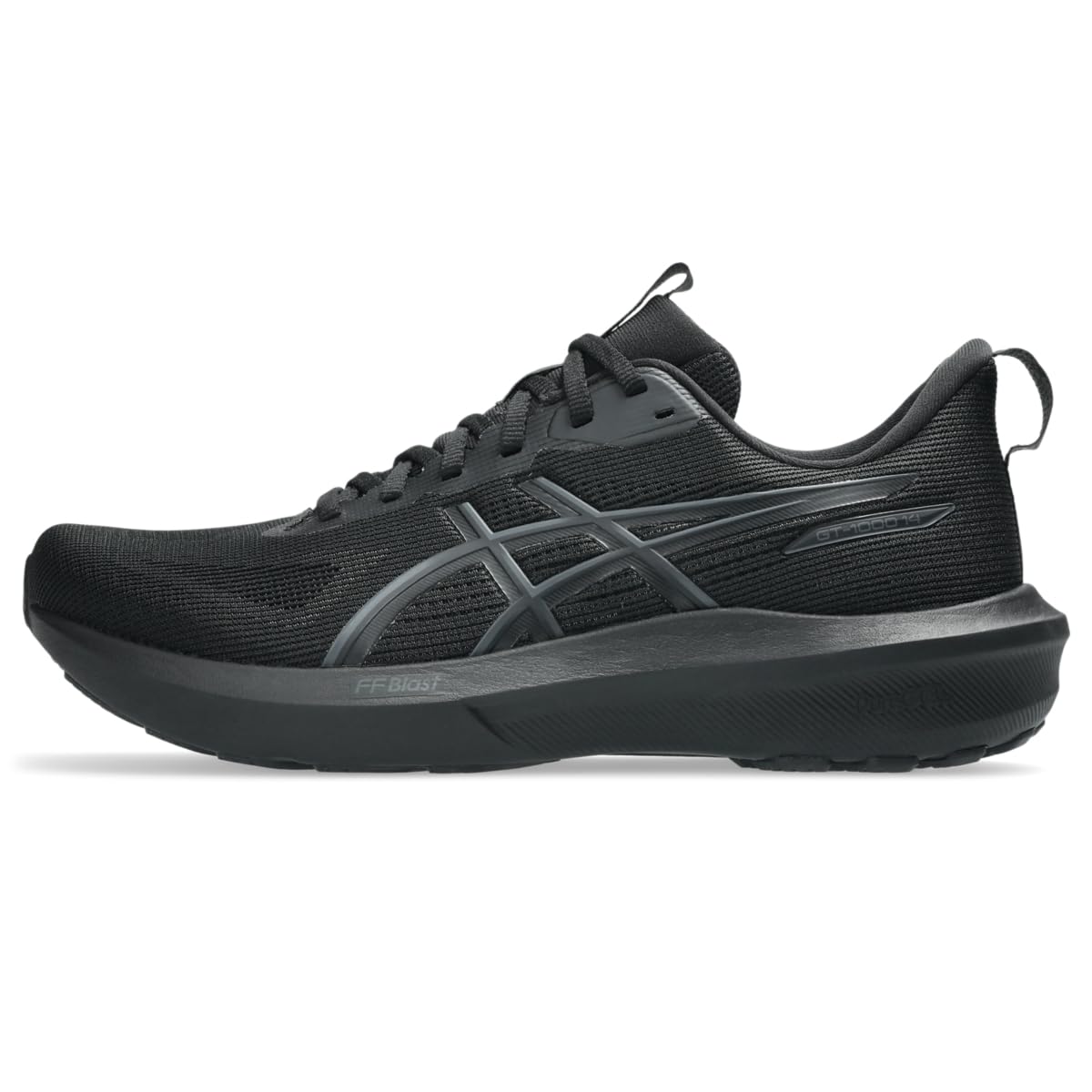
The GT-1000 14 is ASICS’ entry-level stability shoe, offering LITETRUSS technology — a less dense, lighter version of the DuoMax support system — to provide moderate overpronation correction at a budget-friendly price point. The 10mm drop and Amplifoam midsole deliver a cushioned but not mushy ride that works well for general fitness walking, cross-country training, and casual running. The engineered mesh upper is lightweight and breathable, making it a comfortable choice for warmer weather or track use.
Users with neuropathy and foot pain report noticeable relief after switching to the GT-1000 14, citing the great arch support and cushy soles that reduce pain during work shifts. The extra-wide option (4E) is a standout feature for those who need maximum room — reviews confirm the wide fit is genuinely roomy with no pinched toes. One user switched from the more expensive GT-2000 after 15 years and found the GT-1000 14 to be even more cushioned and comfortable, saving roughly in the process.
The GT-1000 14 is not intended for serious distance running or heavy pronation — the LITETRUSS structure is less aggressive than the GT-2000’s DuoMax, and the Amplifoam midsole lacks the energy return of FlyteFoam Blast+. For walkers, casual runners, and those on a budget who still need genuine stability, the GT-1000 14 delivers excellent value without sacrificing the core correction features.
Why it’s great
- LITETRUSS provides effective stability at a budget-friendly price point
- Extra-wide (4E) option offers genuine room for wide feet without pinching
- Lightweight and breathable upper ideal for warm weather and track use
Good to know
- Less aggressive correction than the GT-2000 — not for severe pronation
- Amplifoam lacks the energy return of higher-end ASICS foams
FAQ
Can I use custom orthotics in a stability shoe for overpronation?
What is the difference between a stability shoe and a motion-control shoe?
Final Thoughts: The Verdict
For most users, the best athletic shoes for overpronation winner is the ASICS GT-2000 14 because it offers the most balanced blend of lightweight LITETRUSS stability, soft FlyteFoam Blast+ cushioning, and a proven 10mm drop that works for daily training and long runs alike. If you want maximum cushion and knee support via GuideRails, grab the Brooks Glycerin GTS 23. And for a zero-drop, natural foot position with a wide toe box that allows your toes to splay and stabilize on their own, nothing beats the ALTRA Paradigm 8.