
Our readers keep the lights on and my morning glass full of iced black tea. As an Amazon Associate, I earn from qualifying purchases.
Specs are compiled from manufacturer listings and verified buyer reviews and can change over time — please confirm the key details on the product page before buying.
The shoe that decides whether your run feels easy or punishing is rarely the flashiest one on the shelf — it is the one whose cushioning matches how your foot lands. Get that wrong and every landing sends shock straight up through your knees. Get it right and the cushioning disappears into the background of your run. Below are nine running shoes that real runners keep coming back to, sorted by what each one genuinely does best, from a daily trainer that swallows pavement to a speed shoe built for tempo days.
I’m Min — the founder and writer behind Gadgets Feed. This guide is built by comparing the manufacturers’ published specifications and the patterns across verified customer reviews, so you get each pick’s real strengths and trade-offs instead of marketing spin.
You will see how foam type, heel cushioning and fit width change the feel of a run, and which of these shoes fits your own stride. The shortlist below covers nine running shoes, each matched to a specific stride and surface.
Our Picks at a Glance
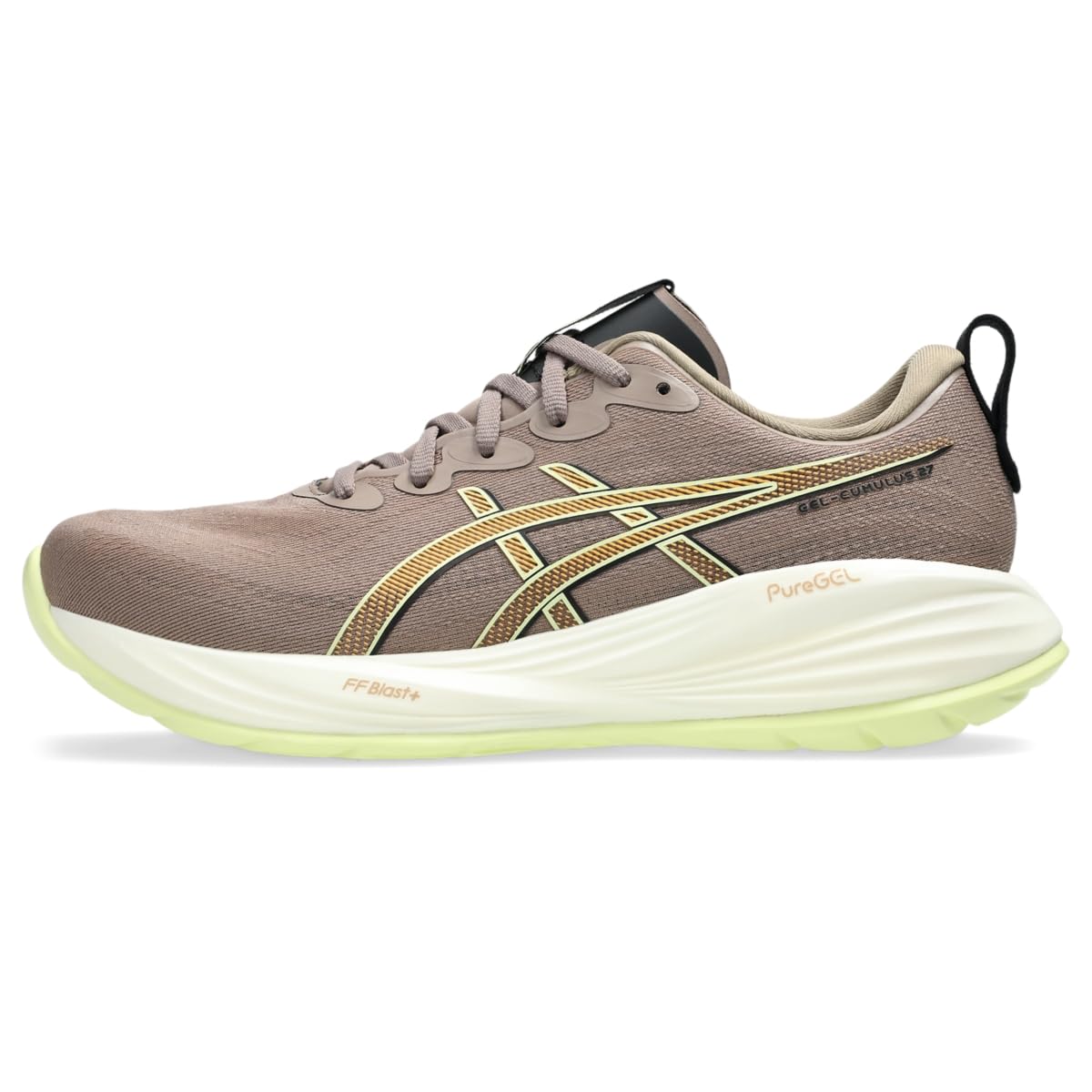
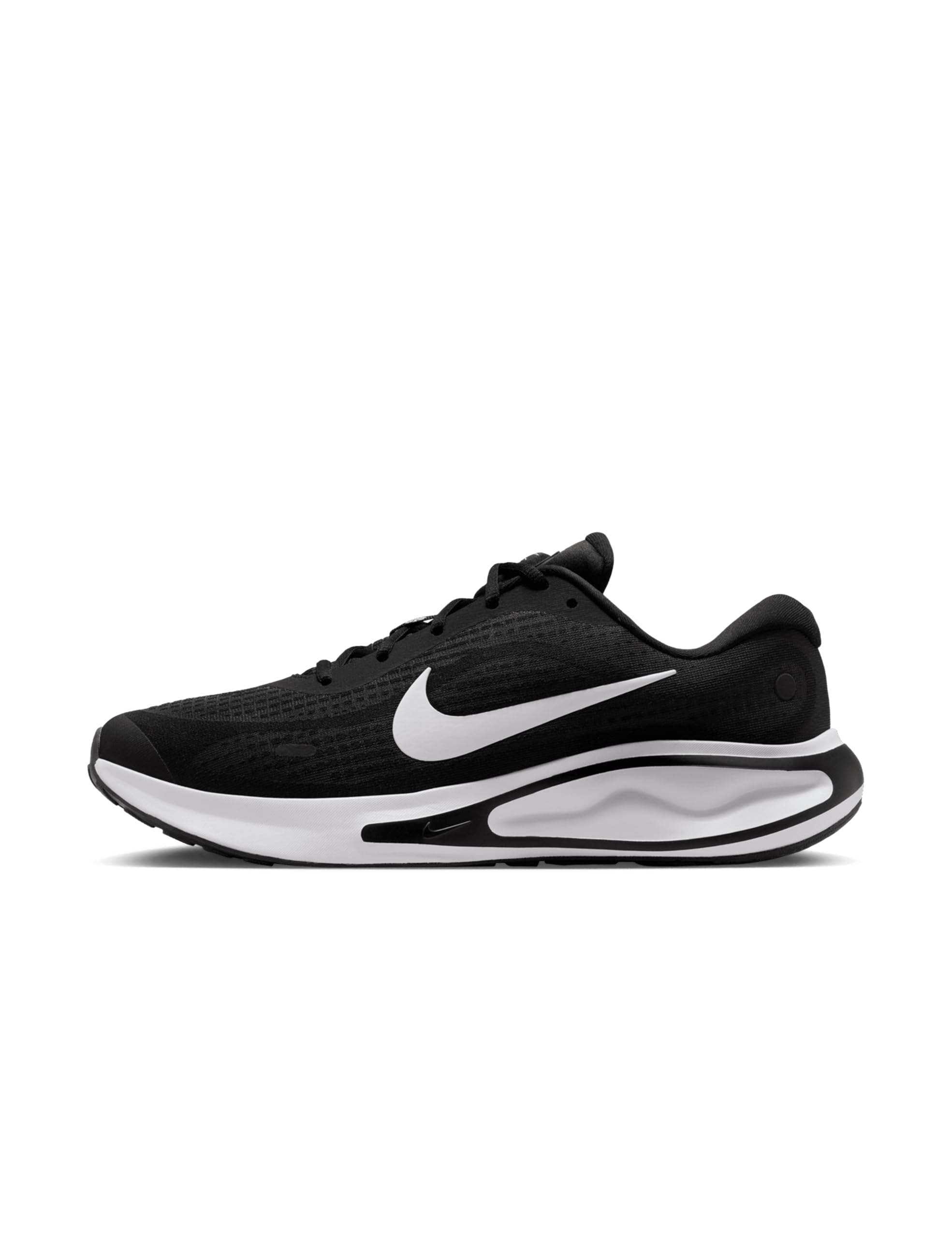

How To Choose The Best Athletic Shoes For Running
A running shoe is not one product — it is a stack of decisions about foam, fit and upper. The quickest way to choose well is to match those decisions to how you actually run, not to how a marketing page describes the shoe.
Start with the cushioning level
Heel cushioning (the soft padding under your heel) is what takes the sting out of each landing. A soft, deep-cushioned shoe like the ASICS Gel-Nimbus 28 suits long, easy miles where you want to feel protected. A flatter, more responsive shoe suits shorter faster efforts.
Match the foam to your stride
Midsole foam (the springy layer between your foot and the outsole) is where a running shoe earns its price. Fresh Foam, FuelFoam Plus and Nitro-style foams all return energy differently, so try to feel the shoe underfoot or read what owners say about the ride before committing.
Get the fit width right first
Fit is the single most common reason a good shoe gets returned. Some shoes run narrow, some offer a wider width, and some come true to size with extra toe room. If you have wide feet, look for a shoe that names a wider width rather than sizing up blindly.
Decide where the shoe will live
A treadmill shoe, a road shoe and a gym cross-trainer are not the same build. Rubber outsoles with grip suit pavement and gym floors, while a lighter upper helps on longer sessions. Pick the shoe that matches the surface you will actually use it on.
Weigh durability against comfort
Softer shoes often trade some outsole life for a plush ride. If you run high mileage, check whether the model is known to hold up over months of training, not just the first few weeks.
Quick Comparison
| Model | Best For | Cushioning Focus | Key Build Feature | Fit Note | Amazon |
|---|---|---|---|---|---|
| ASICS Gel-Cumulus 27★ Best Overall | Daily cushioned trainer | PureGEL + FF BLAST PLUS | FluidRide outsole | True to size, extra toe room | Amazon |
| Nike Journey RunStylish Everyday | Style-first road runner | Heel cushioning | Engineered mesh upper | Some say runs small | Amazon |
| Nike Quest 6Top Performer | Versatile training and everyday wear | Increased midsole height | Midfoot band | True to size | Amazon |
| adidas Runfalcon 6 | Budget everyday runner | — | Lightweight build | Perfect fit | Amazon |
| Reebok Energen Run 4 | Breathable gym and road cross-trainer | FuelFoam Plus midsole | Engineered mesh upper | Runs narrow for some | Amazon |
| New Balance Fresh Foam 680 V9 | Wide-foot daily trainer | Fresh Foam midsole | Molded engineered mesh upper | 2E width available | Amazon |
| New Balance Fresh Foam X 880 V15 | Structured support daily runner | Fresh Foam X midsole | Structured engineered mesh upper | Wider width | Amazon |
| ASICS Gel-Nimbus 28 | Premium long-mile cushioning | Cloudlike heel cushioning | Underpronation support | Mixed fit feedback | Amazon |
| Saucony Endorphin Speed 5 | Tempo and speed sessions | Cushioned walking support | Lightweight up-tempo build | Strong fit feedback | Amazon |
In‑Depth Reviews
1. ASICS Men’s Gel-Cumulus 27 Running Shoes
Our pick — 4.5+★ from 950+ verified ratings; the strongest balance of quality and price.
A daily trainer that soaks up pavement without turning your stride to mush.
The Gel-Cumulus 27’s defining trick is its PureGEL (a soft gel insert that soaks up landing impact) paired with an FF BLAST PLUS foam midsole, the bouncy layer between your foot and the road. Together that means the shoe swallows the shock of each step but still returns some bounce, so long runs feel smoother instead of dead. A FluidRide outsole rounds out the package. This is the crowd favorite here — 4.5+ stars across 900+ ratings — and it is the safest first pick if you are not sure what your stride wants.
What wins people over is the sheer quality and comfort of the build, and it earns its keep across walking and jogging alike. Fit runs true to size with a little extra room at the toes, which matters if your feet swell on warmer runs. Heel stability is another strong point, so if you have ever felt your heel slide during a stride, this one holds firm.
The honest caveat is longevity. Comfort this plush can wear down over time, and the durability picture here is genuinely split. If you put in serious weekly mileage, keep an eye on the outsole rather than assuming it will outlast a firmer trainer. For runners logging moderate weekly mileage, the PureGEL and FF BLAST PLUS combo keeps easy days comfortable.
Why it takes the top spot
- PureGEL shock absorption that softens joint impact with every landing
- FF BLAST PLUS foam gives a cushioned yet responsive ride
- True to size with extra toe room for a relaxed fit
- Excellent heel stability keeps the foot locked through the stride
Where it asks for care
- Durability feedback is mixed — softer foams can wear faster
- High-mileage runners may outpace the outsole life
Best for: the runner who wants one comfortable shoe for most days and does not want to overthink foam science.
Think twice if: you log heavy weekly mileage and need a firmer, longer-wearing outsole.
2. Nike Men’s Journey Run Road Running Shoes
A road shoe with heel cushioning and an engineered mesh upper that owners wear well past the run.
Ask owners what sold them and appearance keeps coming up — this is a shoe people are happy to be seen in. But the Journey Run earns its spot on more than looks. An engineered mesh upper (a woven top panel that breathes and hugs the foot) keeps your foot secure, and a rubber outsole with grippy traction holds the road through your miles.
Cushioning is the other story. Extra padding in the heel, plus a soft tongue and collar, makes this a shoe you can stay in for hours — buyers report days where they wear them 12 hours straight without complaint. The heel feels pillowy underfoot on slow easy runs.
The catch is sizing. Some find the Journey Run true to size, others say it runs small, so try before you commit to a length. The styling is also the headline feature here, which means if you want maximum foam innovation, the ASICS Gel-Nimbus 28 goes further on pure cushioning. For everyday style plus comfort though, this is a solid pick.
What lands well: The appearance and comfort combo is the draw, backed by heel cushioning that makes long days on your feet easy.
The sizing question: Feedback splits between true to size and running small, so check the length advice before you buy.
Choose this one when: you want a good-looking road shoe for all-day wear as much as for runs.
Look past it if: you need deep premium cushioning for long-distance training — the Nimbus 28 outguns it there.
3. Nike Men’s Quest 6 Running Shoes
Tight laces, locked-in foot — the Quest 6 rewards runners who like a secure ride.
The Quest 6 is built around a midfoot band, a strap that pulls snug against your midfoot the tighter you cinch your laces. That means a more locked-in feel through the middle of your stride, which suits runners who dislike any side-to-side slip. A taller midsole raises you up a little for a softer, more responsive ride, and the outsole traction keeps your feet gripped to the pavement.
Owners like how easily this shoe pulls double duty. It handles training runs but is comfortable enough that it quietly becomes an everyday shoe too. Quality is the trait it is most praised for, with comfort close behind, and one all-day wearer reports no discomfort even after hours in them.
Where it falls short is durability — that feedback is genuinely mixed, and a couple of long-term runners mention the outsole giving out ahead of schedule. Weigh that against how versatile it is. If you want a single shoe for training and daily wear, the Quest 6 makes a strong case.
Strongest trait: The midfoot band and grippy outsole make for a secure, planted feel on pavement.
Fair warning: Long-term durability draws mixed notes, so heavy mileage may shorten its life.
Best fit for: someone who wants one shoe that trains and doubles as everyday wear.
Skip if: long-term outsole life is your number one priority.
4. New Balance Men’s Fresh Foam 680 V9 Running Sneakers

The daily trainer built with wide feet in mind, at a weight you can forget about.
At just 9.7 ounces, the 680 V9 stays light enough for daily training without giving up structure — compare that to the bigger 880 V15, whose package ships at 3 pounds. The Fresh Foam midsole, made with approximately 3% bio-based content, delivers soft, responsive cushioning that absorbs impact and returns energy on every stride. A molded engineered mesh upper keeps air moving so your feet stay cool on hot runs.
The standout for a lot of runners is the fit. A perfect 2E width (a wider-than-standard fit) accommodates broader feet, and the length runs true to size. Arch support gets consistent praise, and the integrated rubber outsole grips roads, sidewalks and gym floors equally well. Lace-up closure lets you dial in the snugness.
Durability is the one spot that draws mixed notes, so it is worth watching the outsole if you run high mileage. Otherwise this is the pick for anyone whose main frustration with running shoes is that they never come wide enough.
The real selling points
- 2E width for feet that always feel pinched in standard shoes
- Fresh Foam midsole returns energy on every stride
- Light 9.7-ounce build for daily training
- Molded engineered mesh upper keeps feet cool
What to keep in mind
- Durability feedback is mixed over the long term
- Not the deepest cushioning on this list
Made for: wide-footed runners who are tired of squeezing into narrow shoes.
Keep hunting if: you need maximum cushioning depth for long distances.
5. adidas Men’s Runfalcon 6
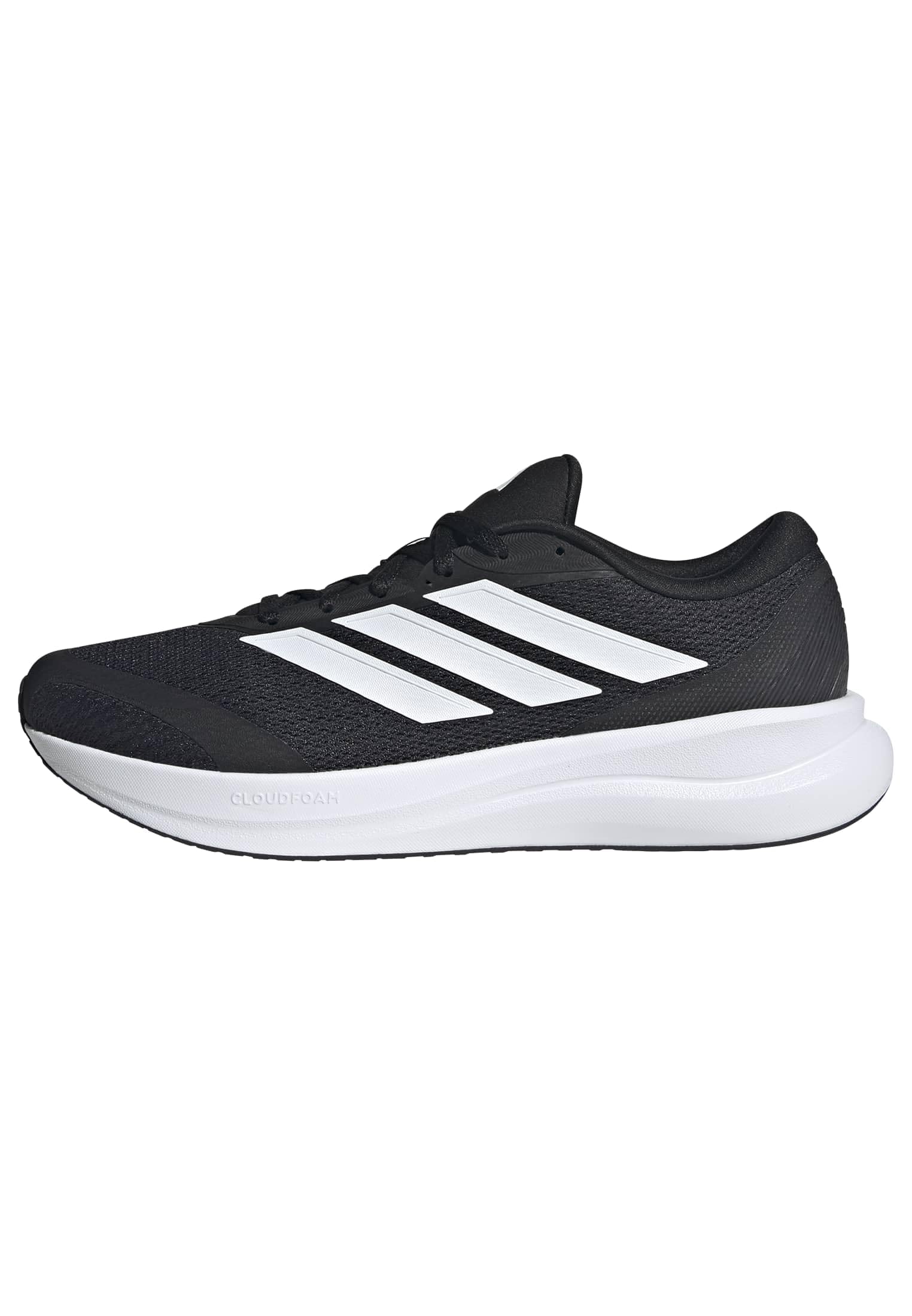
An entry-level runner that punches well above its price tag on light days.
The Runfalcon 6 is the simplest shoe here, and that is part of its appeal. It is built light and styled clean, and owners like how it slips easily into walks and lighter workouts rather than demanding to be a dedicated race shoe. Quality is the aspect it is praised for most, and the fit lands right for most people who try it.
It is a shoe best treated as an everyday casual runner — great for a morning jog, a walk, or knocking around on your feet. If your running is serious and high-mileage, the ASICS Gel-Cumulus 27 offers far more cushioning depth and support. But for a first pair or a second pair for light days, the Runfalcon 6 is a budget-friendly entry point that does not look or feel cheap.
Value read: A light, good-looking shoe that suits walks and light workouts without costing much.
Where it caps out: It is not built for heavy training mileage or deep cushioning demands.
Worth grabbing if: you want an affordable, light shoe for casual runs and everyday wear.
Pass if: you need a dedicated high-mileage trainer with serious cushioning.
6. Reebok Energen Run 4 Running Shoes for Men

The breathable all-rounder that stretches a light budget across gym days and road miles.
The Energen Run 4 leads on airflow. An engineered mesh upper makes it one of the airier running sneakers here, so your feet stay cool on a treadmill session or a long walk. Underfoot, a FuelFoam Plus midsole adds springy, cushioned responsiveness, and a Pulsion foam insole by Insite softens the landing to fight fatigue over the course of a workout.
Owners praise the quality and comfort heavily, and the shoe earns its keep across running, walking, gym and general workouts. A rubber outsole holds traction on streets, tracks and gym mats alike, so you can switch surfaces without changing shoes. It is available in black, white, navy or grey across a solid size range.
The trade-off is fit. Some runners find the Energen Run 4 a touch tight and narrow, so if you have wider feet, size carefully or look to the New Balance 680 V9’s 2E width instead. Cushioning feedback is also mixed, meaning it is not the plushest shoe for long distances.
What shines: Breathable mesh upper plus springy FuelFoam Plus make it a versatile gym-and-road shoe.
Watch the fit: A narrow cut means wide-footed runners should size up or look elsewhere.
Right for you if: you want one breathable shoe for gym, treadmill and light road runs on a budget.
Move on if: you need a wide fit or deep cushioning for long distances.
7. New Balance Men’s Fresh Foam X 880 V15
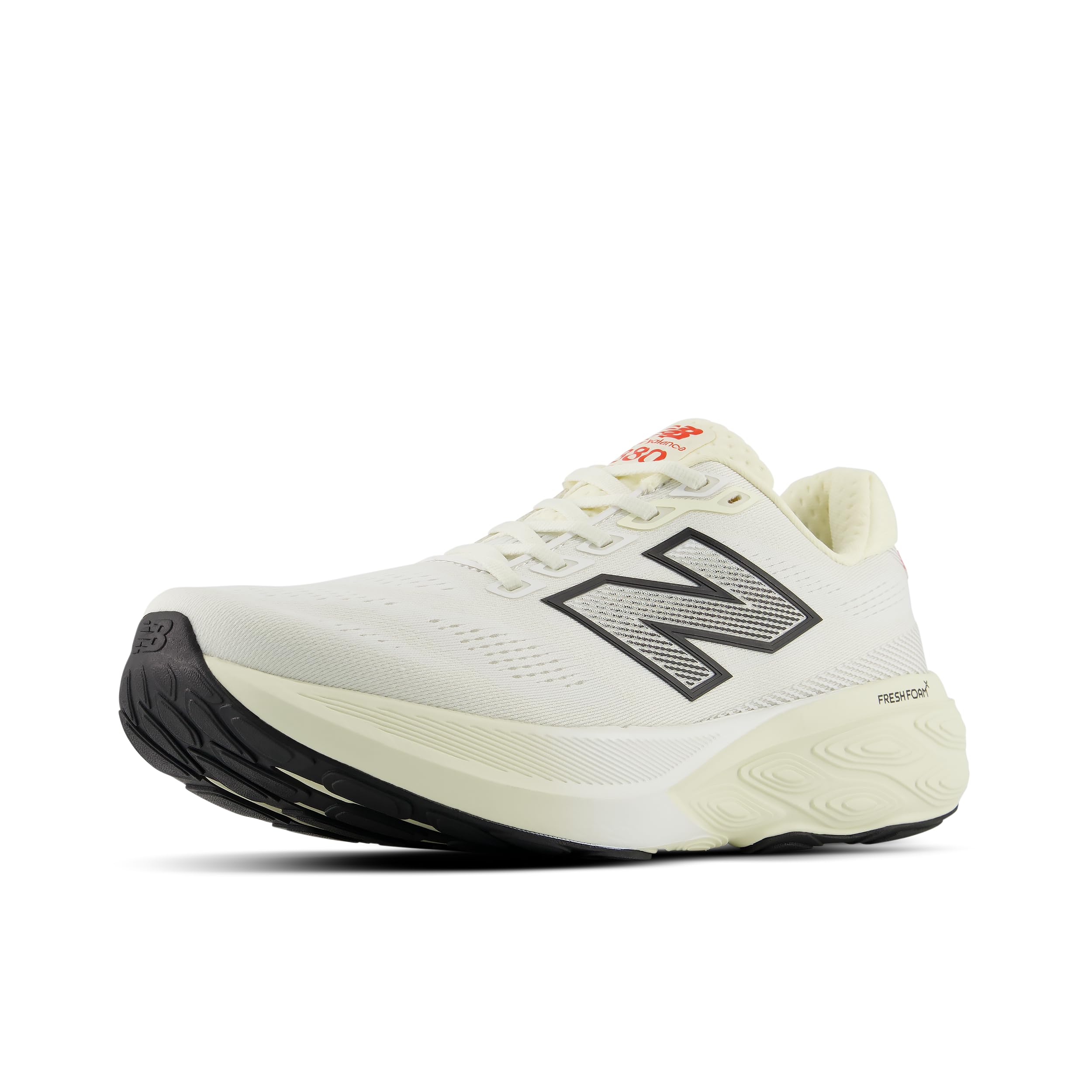
The structured daily runner for feet that need a little more hold than float.
Where the 680 V9 goes wide and light, the 880 V15 goes structured. A reinforced engineered mesh upper holds the foot more firmly, and a Fresh Foam X midsole delivers cushioned comfort rounded out for everyday road miles. Owners especially praise the arch support and a wider width that accommodates different foot types — one runner notes the cushioning stays comfortable without feeling unstable underfoot.
It is a versatile shoe too, comfortable enough to walk in after your run. Compare it to its sibling in the lineup, the 680 V9: its package ships at 14 x 9 x 5 inches against the 680’s 12.8 x 8.6 x 4.8 inches, so expect a slightly bulkier build for that supported feel. Quality and fit are its loudest strengths.
Fair warning: durability draws mixed notes and comfort views split, so not everyone finds it the plush ride of their dreams. Runners who want a firm, supportive structure over a soft marshmallow feel will get on with it better.
Where it earns its keep
- Fresh Foam X midsole for cushioned daily road miles
- Structured upper gives extra support and hold
- Wider width accommodates more foot shapes
- Great arch support noted by owners
The honest catch
- Comfort feedback is mixed — it is not the softest ride
- Durability notes are split over the long haul
Pick it if: you want a structured, supportive trainer for daily road miles and wider feet.
skip it if: you chase a super-soft, marshmallow feel underfoot.
8. ASICS Men’s Gel-Nimbus 28 Running Shoes
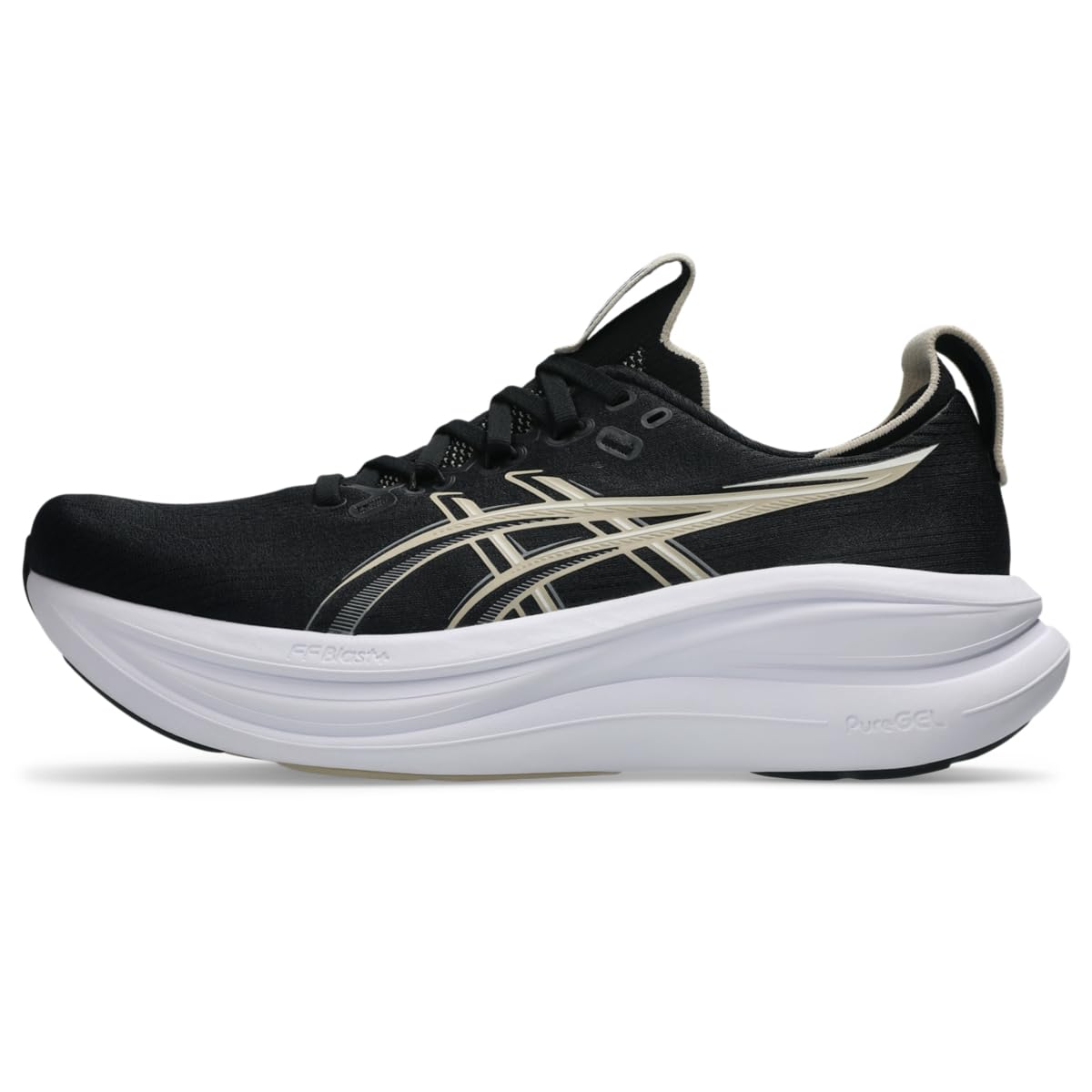
The plushest shoe here, with heel-focused cushioning tuned for outer-heel strikers on long easy miles.
The Gel-Nimbus 28 is the plushest shoe in this lineup, built for runners who want soft, cushioned comfort that lasts over distance. That cushioning is focused in the heel area, soaking up impact where your foot lands first. It is also tuned for underpronation — a stride where the outer heel strikes first and needs extra shock absorption — so it suits a runner whose feet roll outward.
Owners describe the comfort warmly, including runs with no knee or lower-back complaint, and the stability and heel cushioning get steady praise. It is versatile too — comfortable enough for running, walking and all-day wear. The maker also notes the shoe’s carbon footprint is 27% lower than the industry average.
The honest catch is fit. Feedback on sizing is mixed, and some find it needs careful sizing to bed in right. Value views and durability notes also split, which is a lot of reassurance to weigh at the premium end of the list. If comfort is your absolute priority over everything, this is the premium ride.
The headline: Deep, cloudlike heel cushioning tuned for outer-heel strikers who want maximum shock absorption.
The trade-off: Sizing feedback is mixed, so nail your fit before committing to this premium shoe.
Ideal for: runners who want maximum cushioning and support for long easy miles.
Think first if: you prefer a firmer, more responsive ride or need a guaranteed true-to-size fit.
9. Saucony Men’s Endorphin Speed 5 Sneaker
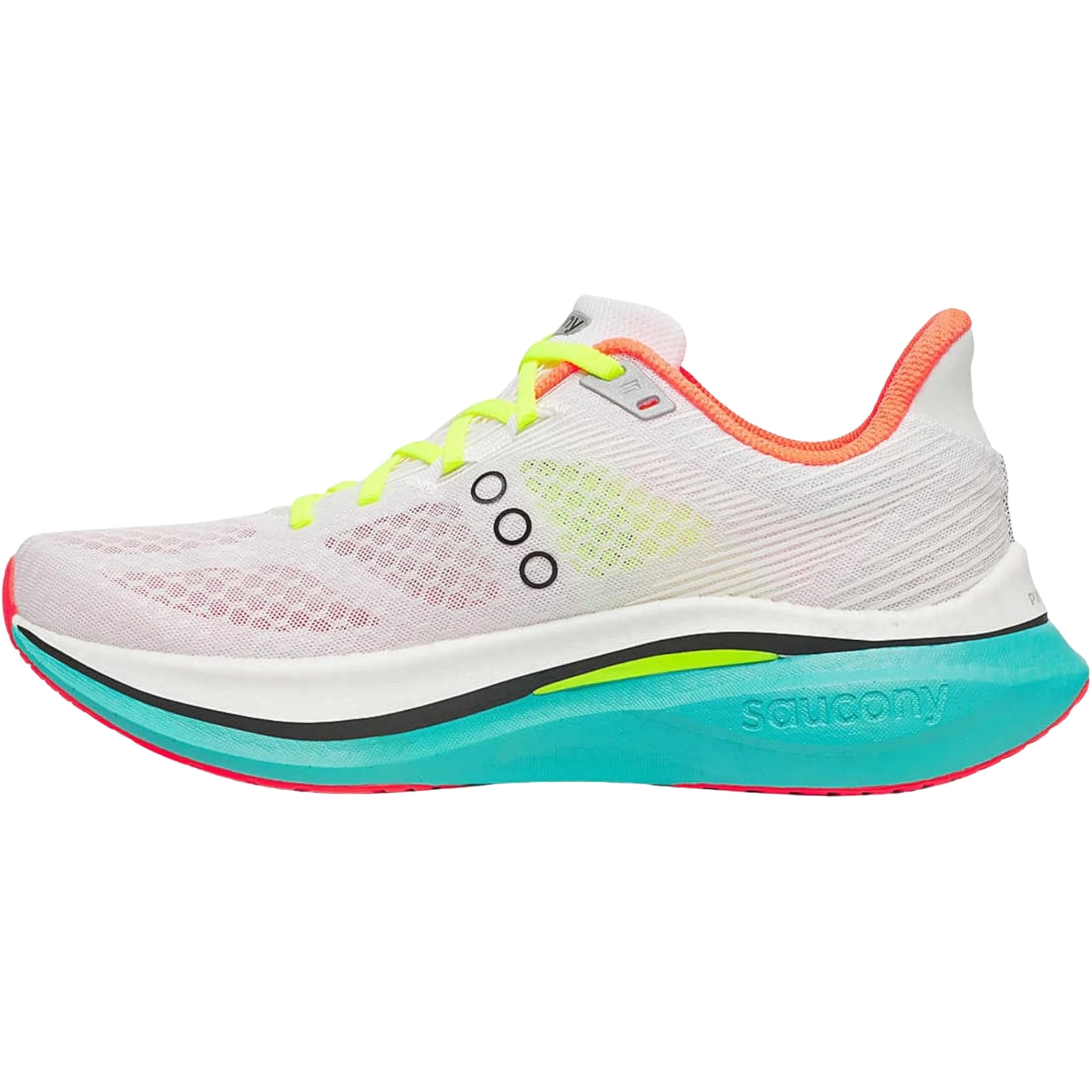
A lightweight up-tempo shoe for tempo runs and longer moderate efforts at pace.
The Endorphin Speed 5 was designed as an up-tempo shoe, and owners use it well beyond that. One runner notes it is great for long distance and tempo runs, so it manages both speed sessions and longer moderate training. It is described as incredibly light, which matters when you are pushing the pace on the last stretch of a workout.
Comfort holds up too. Owners say their legs and hips feel good after runs, and the shoe delivers good cushioning while walking, plus solid stability and support. Fit is its most-praised trait, so runners tend to find it lands where they expect.
The trade-off is durability and speed feedback, both of which draw mixed notes, and it is not the shoe for easy recovery days where a soft cushion dominates. For tempo efforts and race-day pace, this is the shoe that wants to go fast.
Fast-day machine: Light, stable and comfortable enough for tempo runs and long-distance efforts alike.
Fair balancing note: Durability draws mixed feedback, so treat it as a performance shoe, not a high-mileage workhorse.
Built for: runners chasing a fast, light shoe for tempo and speed work.
Not the one if: you want a plush easy-day cushion shoe or maximum outsole longevity.
Understanding the Specs
Midsole Foam and Cushioning
The midsole is the springy layer between your foot and the pavement, and its foam decides how a run feels. A soft foam like PureGEL or Fresh Foam soaks up impact for a plush long-mile ride. A firmer, more responsive midsole returns more energy on faster runs. Match the foam to the run you do most — deep cushioning for easy daily miles, responsive foam for tempo days.
Upper and Fit Width
The upper is the woven panel that wraps your foot. An engineered mesh upper breathes well and holds the foot, while a structured or reinforced upper adds hold. Fit width matters as much as length — a 2E width suits broader feet that feel pinched in standard shoes. Always check whether a shoe runs tight, true to size, or offers extra toe room before you buy.
FAQ
How often should I replace running shoes?
Should running shoes be tight or roomy?
Do I need different shoes for treadmill and road running?
What does underpronation support mean?
Are wide running shoes available for broad feet?
Is a lighter shoe always better for running?
Can I use running shoes for the gym as well?
How do I know if a running shoe fits properly?
Final Thoughts: The Verdict
For most runners, the ethletic shoes for running winner is the ASICS Gel-Cumulus 27 because its PureGEL and FF BLAST PLUS midsole deliver cushioned comfort that works across walking and jogging without much thought. If you want the plushest long-mile ride and a stable, cloudlike feel, grab the ASICS Gel-Nimbus 28. And for tempo days and finishing sprints, the Saucony Endorphin Speed 5 is the one to reach for.
The one reminder worth keeping: a 4.5+ star shoe with 900+ ratings almost always earns that score for a reason, so start with the shoe that matches the run you actually do most, not the one with the biggest marketing claim. A weight of 9.7 ounces and a wide 2E fit can matter more to your daily run than any pricier redesign.
How We Picked
We do not accept paid placement. Every pick is matched to a real buyer and a real use-case; we do not hands-on test units.
Sources & Methodology
Specifications: manufacturer listings and product documentation. Review insights: verified customer reviews, as of November 2026. Pricing: not shown on this page (it changes often); check the current price via the retailer link.
As an Amazon Associate, Gadgets Feed earns from qualifying purchases. This does not affect which products we feature.