
Our readers keep the lights on and my morning glass full of iced black tea. As an Amazon Associate, I earn from qualifying purchases.
Specs are compiled from manufacturer listings and verified buyer reviews and can change over time — please confirm the key details on the product page before buying.
If your attic traps heat and your roof deck sweats every winter, a strip of plastic or cardboard called a baffle (a chute that keeps insulation away from the roof edge so air can flow) usually fixes it. The right one depends on your rafter bay width (the clear gap between roof beams), not a brand name. The short answer: measure that gap first, then buy the baffle built for that width with a real air channel behind it. Every pick below is grouped by rafter bay width.
I’m Min — the founder and writer behind Gadgets Feed. This guide is built by comparing the manufacturers’ published specifications and the patterns across verified customer reviews, so you get each pick’s real strengths and trade-offs instead of marketing spin.
You will see the difference between a baffle that simply holds insulation back and one that keeps a full channel open from soffit to ridge. Read on for the practical breakdown of attic baffles, from rafter width and channel depth to how each one survives a real install.
Our Picks at a Glance


How To Choose The Best Attic Baffles
A baffle does one physical job: it holds insulation away from the underside of the roof deck so outside air can travel from the soffit vent up to the ridge. Get the width wrong and it will not sit flush. Get the length wrong and it will not reach past the first layer of insulation. Those two measurements decide more than any brand on the shelf.
Match the width to your rafter bay
Rafters are framed on either 16-inch or 24-inch centers, and the clear space between them — the bay — is narrower than the spacing itself. A chute built for a 16-inch bay typically lists an install width around 14.5 inches, while a 24-inch baffle is meant for the wider gap. Measure the inside face of one rafter to the inside face of the next across several bays. Older framing is rarely identical, so pick the size that fits the majority and plan to trim the rest.
Look for a real air channel, not just a sheet
A flat piece of material pressed to the deck blocks the very airflow it is supposed to protect. The baffle needs a raised channel — the SmartBaffle line specifies a 2-inch air channel — so a continuous path stays open after the insulation is blown or rolled in. Corrugated and convolute designs hold that shape under weight; a thin flat sheet does not.
Consider material and how you will fasten it
Polyethylene and ABS bounce back after a rough install and resist moisture. Cardboard chutes are light and cut fast along perforated edges, but they crush if you lean on them. Stapling is the standard method, and some products ship with nails or accept a pneumatic nail gun. Whatever you choose, the baffle must be fastened before insulation covers it, so plan your access to the soffit end first.
Quick Comparison
| Model | Best For | Rafter Fit | Count Per Pack | Material | Amazon |
|---|---|---|---|---|---|
| SmartBaffle 24★ Best Overall | Wide 24-inch bays | 24″ on-center | 30 | Polyethylene | Amazon |
| ADO Durovent 22″ x 48″ Rafter VentSingle-Vent Fix | Single-vent top-ups | 22″L x 48″W | 1 | Plastic | Amazon |
| Cardboard Attic BafflesBudget Bundle | Budget 16-inch runs | 16″ on-center (14.5″ install width) | 50 | Cardboard | Amazon |
| Lo-Omniroll 14-1/2in x 30ft | Long continuous runs | 14-1/2″ wide roll | 1 roll (30 ft) | Plastic | Amazon |
| SmartBaffle 16 | Standard 16-inch bays | 16″ on-center | 36 | Polyethylene | Amazon |
| Durovent UDV2248 Pack of 70 | Full-attic jobs | 22″L x 48″W | 70 | Plastic | Amazon |
| Durovent Foam Rafter Vent | Crack-resistant installs | 14″ and 22″ options | 70 | ABS | Amazon |
| Durovent with Baffle Channel | One-step retrofits | 46.8″ package length | 1 | — | Amazon |
In‑Depth Reviews
1. SmartBaffle 24 Insulation Baffle – 30 pieces
Our pick — 4.5+★ from 60+ verified ratings; the strongest balance of quality and price.
The widest bay on the list gets a chute built exactly for it, with a full 2-inch channel behind it.
If your attic was framed on 24-inch centers, most baffles on a hardware shelf will not reach both rafters without a fight. This one is cut for that bay and covers 6.63 square feet per piece, so the run from soffit to the first truss closes in fewer pieces. Each unit measures 36 inches long by 26.5 inches wide at 0.13 inches thick — wide enough to span the bay and long enough to clear the first layer of blown insulation.
The material is polyethylene, which is the reason this baffle survives a rough install. It bends around a nail or a truss plate instead of splitting. Owners describe it as flexible enough to work around obstacles, and the durability and quality comments dominate the feedback — this is what wins people over, not the color or the packaging. Thirty pieces per box at 37 pounds total means one person can carry the bundle up a ladder without a helper.
The honest catch is price: polyethylene costs more than cardboard. Value is the one recurring split in the feedback, with plenty of buyers considering it money well spent and a fair share finding it steep next to cardboard. That is a fair read — the extra money buys a chute that will not tear when a contractor drags a hose across it. The SmartBaffle 16 is the same construction for narrower bays, so if your rafters are closer together, that is the better fit.
What earns the top slot
- Purpose-built for 24-inch on-center bays with a 2-inch air channel
- 6.63 square feet of coverage per baffle cuts the piece count
- Polyethylene flexes around obstacles instead of cracking
- 30 pieces at 37 pounds total — one-person carry
Where it asks more of you
- Premium-tier spend compared with cardboard chutes
- Only worth the extra if your framing is genuinely 24-inch
Buy it when: your bays measure 24 inches on center and you want a baffle that outlasts the insulation around it.
Think again when: your rafters are 16-inch — the SmartBaffle 16 fits that bay without trimming.
2. ADO Products UDV2248 Durovent 22″ x 48″ Rafter Vent
One vent, one bay, one quick fix — this is the piece you grab when a single chute got crushed.
Not every job is a whole attic. If one baffle tore loose or a soffit vent got buried, buying a box of thirty is wasted material. This Durovent ships as a single 22-inch by 48-inch plastic vent that mounts flush against the deck on a plate mount. The 48-inch width spans a wide bay, and the 22-inch length is enough to get past the first insulation layer in a shallow heel.
What keeps it in the conversation is simplicity. Buyers consistently call it easy to install, and value is the trait that gets singled out most — a fair verdict for a piece this cheap to buy one at a time. It is a plain plastic sheet, listed from 2008, with fasteners and hooks in the box. There is no corrugated channel engineered into the description, so treat it as a straightforward deflector rather than a formed chute.
That is also the limit worth knowing before you order a stack. The single-unit listing does not scale — if you are doing a full attic, the Durovent UDV2248 pack of 70 is the same family of vent and carries 70 pieces against this one. For a repair, though, one piece is exactly right.
Quick read: a no-fuss single vent for repairs and small bays, backed by consistent praise for easy fitting and fair value.
Reach for this if: you need one replacement chute for a wide bay and do not want a box of spares.
Look elsewhere if: you are outfitting an entire attic — the 70-pack is built for that scale.
3. Cardboard Attic Baffles for 16″ On-Center Rafters – Bundle of 50
Fifty chutes for a full 16-inch attic run, cut fast along perforated edges.
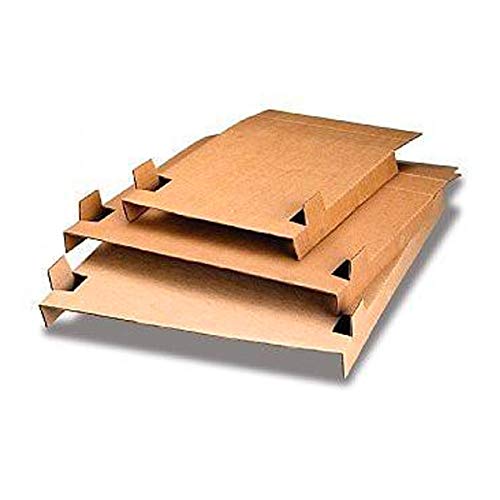
Cardboard gets a bad reputation it does not fully deserve. These are cut for 16-inch on-center rafters with a 14.5-inch install width, so they drop into a standard bay without trimming. They run 23 inches long and arrive as a bundle of 50 — enough to cover a full attic without a second order. The brown chutes weigh very little, which makes hauling the bundle up a ladder and positioning each one a one-hand job.
The perforated edges are the practical detail here. You tear or fold along the line when a bay runs a little narrow, which saves a box-cutter pass on every single piece. Feedback centers on functionality and material in equal measure — the chutes do the job and the board stock holds together well enough to staple without splitting.
What you give up is toughness: at 0.01 inches thick, they dent far more easily than polyethylene. At 0.01 inches thick they are dramatically thinner than the polyethylene SmartBaffle 16 at 0.13 inches, so a hose dragged hard across the run can dent one. None of that matters if they are stapled and immediately covered. It matters a lot if your insulation crew is rough.
Best fit: a full 16-inch bay attic on a tight budget where the chutes go in and get buried right away.
Not the one: high-traffic attics where equipment gets dragged across the baffles after install.
4. Lo-Omniroll 14-1/2in x 30ft Black

One continuous 30-foot coil instead of thirty separate chutes — roll it out and staple as you go.
Piece-by-piece baffles slow you down because every one needs positioning, squaring, and two staples. This is a 14-1/2-inch wide plastic roll that feeds out to 30 feet, so you position once and work along the bay. The convolute design rolls up small and springs back into shape, and its incurved profile is what lets it flex without collapsing flat against the deck.
There are cut lines at one-foot intervals, which is the detail that keeps scrap low. Mark the length you need at a truss and slice there rather than guessing. It installs with a pneumatic nail gun or a hammer, and two coils of 1-3/4-inch nails come in the box so you are not hunting fasteners mid-job.
The trade-off is handling: a 30-foot coil is awkward to manage in a low attic. A 30-foot coil is awkward in a low attic with a shallow roof pitch, and it wants two hands to keep tension while you fasten. If your bays are irregular, that flexibility helps; if you only need three baffles, this is far more material than the job calls for.
The case for the coil: fewer seams, less positioning, and one-foot cut marks mean a long bay run goes up in a fraction of the stop-start of individual chutes.
Choose the roll if: you have a long, straight run of 14-1/2-inch bays and want continuity without joins.
Pass if: you are patching a handful of bays — individual chutes are the simpler buy.
5. SmartBaffle 16 Attic Insulation Baffle – 36 pieces
The 16-inch bay workhorse, with 36 chutes and the same 2-inch channel as the 24-inch version.
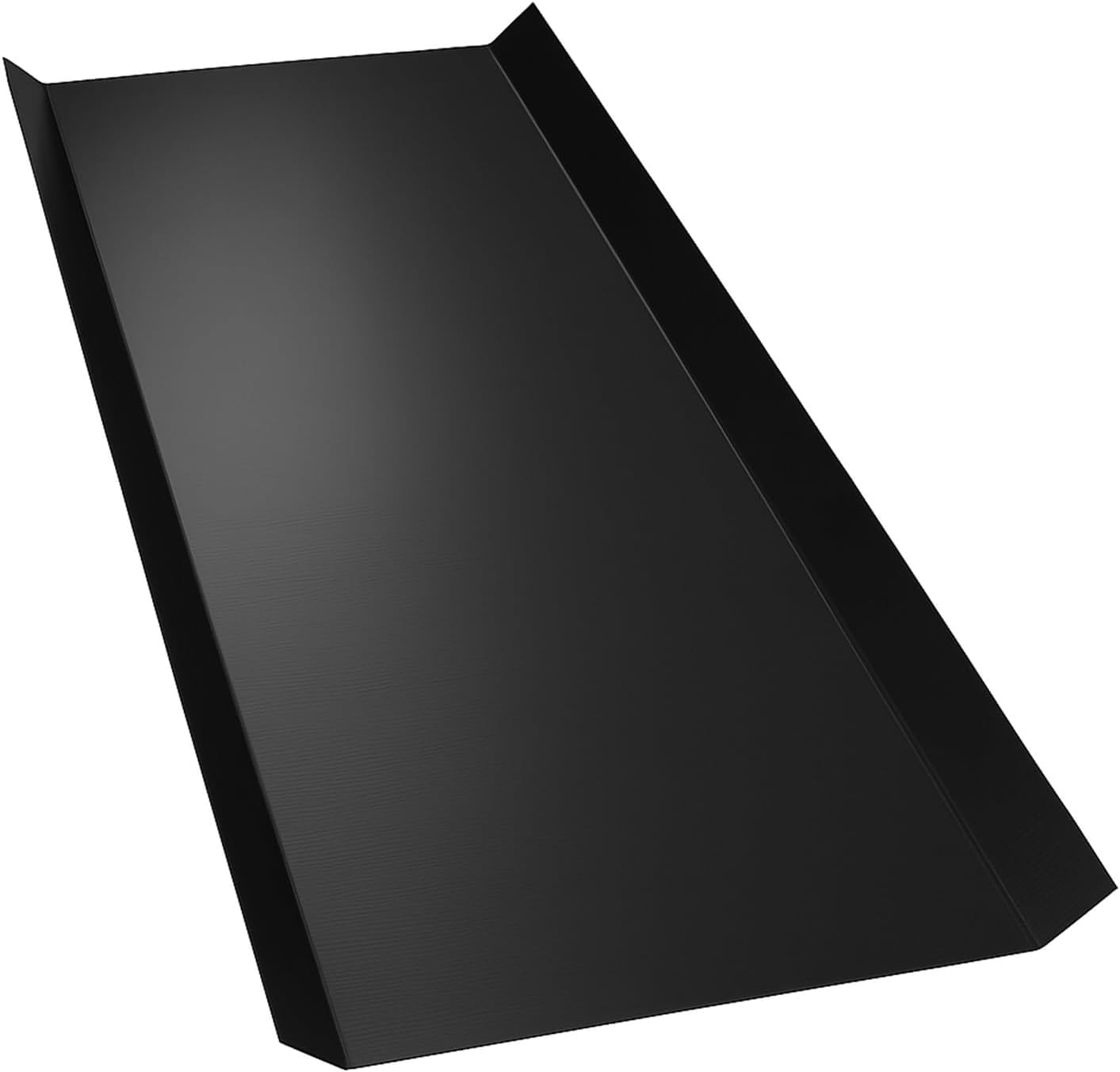
Most homes are framed on 16-inch centers, which makes this the more common bay on the list — and there are 36 baffles in the box to cover it. Each one is 36 inches long with a 2-inch air channel built in, so the path from soffit to ridge stays open once insulation is packed against it. Coverage runs 4.00 square feet per piece, and the polyethylene is 0.13 inches thick.
What people notice first is how solid it feels in the hand. Feedback describes it as more rigid than the big-box version and notes the double-wall corrugated plastic. Sturdiness and installation both come up repeatedly alongside quality — this is a baffle you can press into a tight bay and staple without it bowing. The 32-pound box is manageable for one person.
The catch is the same one that dogs its wider sibling: you pay more for polyethylene that will not crush, and that only pays off if the chutes stay exposed to a rough install. It also carries a slightly lower score than the 24-inch version, so if your bays run wide, that one holds the advantage. For a standard 16-inch attic, this is the straightforward answer.
What stands out: a 2-inch formed channel in a rigid polyethylene body — it holds shape under blown insulation where thin sheets flatten.
Worth noting: premium-tier spend for a consumable material, so buy it for attics that get worked in.
The pick for: 16-inch on-center framing where you want a channel that stays open under a deep insulation blanket.
Skip the upgrade if: the chutes will be covered immediately and never touched again — cardboard handles that.
6. Durovent UDV2248 Rafter Ventilator Pack of 70

Seventy vents at 48 inches wide — this is a full-attic quantity buy, not a repair kit.
Quantity is the entire argument here. Seventy pieces against the single 22-inch Durovent vent is a 70-to-1 difference in pieces per order. Each vent measures 22 inches long by 48 inches wide by 1 inch high and weighs just 4.8 ounces, so the whole bundle stays light enough to move around an attic by hand. The 48-inch width spans a wide bay, and the 22-inch length clears the first insulation layer.
The features are built for volume work. There is a wide nailing flange and a center strut, both aimed at getting a vent seated and fastened quickly. A perforated center line lets you snap the vent to the length you need instead of trimming with a knife. ADO positions it as an economical way to meet energy code requirements for air flow, which is a sensible framing for a full retrofit.
The honest limit is that this is a broad, flat plastic vent listed at 1 inch high, so it relies on that shallow height for airflow rather than a deep formed channel. On a shallow heel that matters. On a standard attic doing a full run, the piece count and light weight win the day.
Made for: outfitting a whole attic where 70 wide vents at 4.8 ounces each lets one person finish the run.
Wrong tool for: a shallow heel or a single-bay repair, where the depth and quantity both overshoot the job.
7. UDV2248 Durovent Foam Attic Rafter Vent (Pack of 70)

ABS instead of plain plastic, in a 70-piece pack that shrugs off cracking and warping.
Most baffles in this price band are styrene or polyethylene. This Durovent is molded from ABS, a tougher plastic that resists the cracking and warping ordinary vents pick up as roof temperatures swing. It comes as a pack of 70 and is offered in multiple sizes, including 14-inch and 22-inch rafter vents, so you can size it to your bay spacing rather than force one width everywhere.
The install story is simple: the lightweight build goes in fast between rafters, and ADO positions it for both new construction and retrofit work. It is compatible with most roofing materials and works as a soffit baffle to keep the airflow path clear. Feedback keeps its verdicts short and favorable — it works fairly well and the value holds up. Functionality and value are the two traits that get called out most.
One thing to weigh: the listing does not spell out a formed channel depth the way the SmartBaffle line does with its 2-inch spec. If a deep, engineered channel is your priority, the SmartBaffle picks state that number plainly. If you want a tough, cheap-to-buy-in-bulk vent that resists cracking, this delivers.
Why it holds its place: ABS construction at a bulk quantity is the combination that matters in a hot attic, and the multi-size range means you can fit 14-inch or 22-inch bays without compromise.
Right for: buyers who want a full-attic quantity in a plastic that will not crack as the roof heats and cools.
Second look if: you specifically want a stated, deep air channel — the SmartBaffle 24 spells out 2 inches.
8. Durovent with Baffle Attic Vent Channel

Built to skip the blocking step, so a retrofit goes up in one motion instead of three.
Retrofit work is where baffles get fiddly, because a standard chute often needs blocking material added behind it to hold position. This Durovent is designed as a one-step install that eliminates the extra blocking, which saves an entire pass through a cramped attic. It is water resistant, blocking moisture and wind from pushing into the attic space, and the easy positioning and stapling is meant to handle a wide range of heel heights.
The single-unit packaging makes it a repair and patch buy rather than an attic-wide order, and it arrives as one piece with a 46.8-inch package length. ADO calls it the most economical way to ventilate while keeping wind and rain out — a positioning claim, not a measured spec. Set against the SmartBaffle 24, which gives you 30 baffles with a 2-inch channel, this is the piece you buy one at a time.
The trade-off is missing specs: no channel depth or coverage figure is listed. Unlike the SmartBaffle listings, the description here does not state a channel depth or a coverage figure, so if you need hard numbers before you buy, the specifications are thinner. For a straightforward patch on a retrofit, the one-step design is the whole reason to pick it.
Built for: retrofit patches where skipping the blocking step saves a second trip into the attic.
Not ideal for: buyers who want a stated channel depth and coverage number before ordering.
Understanding the Specs
Rafter Bay Fit (16-inch vs 24-inch)
Rafters are framed on centers — the distance from the middle of one rafter to the middle of the next. The clear space between them is what the baffle has to span, and it is always narrower than the center spacing. A chute built for a 16-inch bay lists an install width around 14.5 inches, while a 24-inch baffle spans the wider gap. Measure across several bays because older framing varies. Buying the right width is the difference between a flush staple line and a baffle that keeps popping loose.
Air Channel Depth
The channel is the gap between the baffle and the roof deck that outside air travels through. A flat sheet pressed to the deck seals that path; a formed chute keeps it open. A 2-inch channel, as the SmartBaffle line specifies, leaves room for air to move even after insulation is packed against the baffle. Thickness and channel depth are different numbers — thickness tells you how the material survives, and channel depth tells you how well the baffle vents.
Count Per Pack and Coverage
Baffles come in bundles sized to the job. A single vent suits a patch, a roll covers a long continuous run, and boxes of 30, 36, 50, or 70 cover a full attic. Coverage per piece tells you how much of the run one baffle handles — the SmartBaffle 24 lists 6.63 square feet and the SmartBaffle 16 lists 4.00 square feet. Multiply by count to see whether one order finishes the job.
Material: Polyethylene, ABS, Cardboard
Polyethylene and ABS bend and recover, which matters when a crew drags an insulation hose across a run. Cardboard is light, cuts fast along perforated edges, and crushes under weight. None of this changes how the baffle vents — it changes how long it lasts and whether it needs replacing after the install. Match the material to how much abuse the chutes will see once covered.
FAQ
How do I know if I need 16-inch or 24-inch attic baffles?
Where exactly should the baffle sit between the soffit and the ridge?
Can I install attic baffles from inside the attic or do I need to pull the roof?
Will a corrugated plastic baffle crush under blown insulation?
Is the Lo-Omniroll worth it over individual baffles?
How many baffles do I need for my attic?
Do attic baffles matter if my soffit vents are blocked?
What is the difference between the Durovent 22-inch vent and the SmartBaffle 24?
Can I staple the baffle to the rafter rather than the roof deck?
Does a baffle fix a hot attic on its own?
Final Thoughts: The Verdict
For most people reading this, the winner is the SmartBaffle 24 because it does the one job a baffle has: it keeps a built-in 2-inch air channel open in a polyethylene body (a sturdy plastic shell) sized for 24-inch bays, with 30 pieces per order. If your framing is 16-inch on center (rafters spaced 16 inches apart), the SmartBaffle 16 is the same construction in the width you actually need. And for a full-attic quantity buy on a tighter budget, the Cardboard Attic Baffles bundle puts 50 chutes in a 16-inch bay for the least outlay.
Measure a bay before you order anything. Width and channel depth decide whether the baffle sits flush and vents properly — the rest is materials and quantity.
How We Picked
We do not accept paid placement. Every pick is matched to a real buyer and a real use-case; we do not hands-on test units.
Sources & Methodology
Specifications: manufacturer listings and product documentation. Review insights: verified customer reviews, as of November 2026. Pricing: not shown on this page (it changes often); check the current price via the retailer link.
As an Amazon Associate, Gadgets Feed earns from qualifying purchases. This does not affect which products we feature.