
Our readers keep the lights on and my morning glass full of iced black tea. As an Amazon Associate, I earn from qualifying purchases.
Specs are compiled from manufacturer listings and verified buyer reviews and can change over time — please confirm the key details on the product page before buying.
You cut a piece, soap it up, squeegee it, and hope it looks good tomorrow. But pick the wrong VLT — that stands for Visible Light Transmission, the percentage of light the film lets through — and you are either squinting at night or baking in a greenhouse. You want a cabin that stays cool, looks sharp, and lets you see clearly after dark without getting a ticket. This guide cuts through the haze to land on the auto tint film that actually delivers on heat rejection and install sanity.
I’m Min — the founder and writer behind Gadgets Feed. This guide is built by comparing the manufacturers’ published specifications and the patterns across verified customer reviews, so you get each pick’s real strengths and trade-offs instead of marketing spin.
Every film here has been matched against real-world complaints about bubble-prone adhesive, tricky shrinking, and night-time glare to build a shortlist of the best options for protecting your interior and your confidence. This is your straightforward playbook for finding the best auto tint film for your specific car, skill level, and budget.
Quick Picks
- True Line Automotive Custom Size Precut Window Tint — Custom Fit
- United Window Tint 20 in 100’Ft Nano Carbon Film 2Ply Charcoal 20% VLT — Bulk Value
- 2Ply Premium Window Tint Film for Car 24in x 25ft (25% VLT) — Best Mid-Price
- IAQWE 20% VLT Ceramic Car Window Tint Film 20 in x 20 ft Roll — Signal Safe
- Greenfilm 20% Static Cling Window Tint for Home and Automotive Use (36″ x 82″) — No Glue
- ARANA 5% VLT 20″×20FT Ceramic Car Window Tint Film — Budget Dark
How To Choose The Best Auto Tint Film
Picking a window tint goes deeper than just the shade you like. The wrong choice can make night driving dangerous, get you a fix-it ticket, or peel off in a few months. Focus on these key factors first.
VLT — The Number That Matters Most
VLT stands for Visible Light Transmission — the percentage of visible light the film lets through. A 5% VLT film blocks 95% of light, giving you that limo-dark look that is illegal for front windows in most states. A 35% VLT lets more light through and is the typical legal limit for front-side windows in many places. Match the VLT to your state laws and your driving habits.
Film Material: Ceramic vs Dyed vs Carbon
Ceramic films use nano-ceramic particles to block infrared heat without metal, so they do not interfere with GPS or cell signals. Dyed films are cheaper but absorb heat rather than reject it, which can lead to bubbling over time. Carbon films sit in the middle, offering good heat rejection and a matte finish that does not fade to purple.
Installation Method: Bulk Roll vs Precut Kit
A bulk roll gives you raw material you cut and heat-shrink yourself — cheaper per foot, but steep learning curve. A precut kit is die-cut for your exact car model and basically peel-and-stick. Beginners almost always get better results with a precut kit, while pros buy rolls.
Quick Comparison
On smaller screens, swipe sideways to see the full table.
| Model | Best For | VLT Options | Material | Size / Coverage | Amazon |
|---|---|---|---|---|---|
| True Line Precut Kit | Easy custom fit | User-selectable | PET/PVC/Vinyl | Full Kit (all side + back windows) | $59.99Amazon |
| United Window Tint 100ft | High-volume / multiple cars | 20% VLT | Nano Carbon (2Ply PET) | 20 in x 100 ft | $70.00Amazon |
| 2Ply Premium 24in x 25ft | Best value mid-range roll | 25% VLT | PET (2 Ply) | 24 in x 25 ft | $30.00Amazon |
| IAQWE 20% Ceramic Roll | Signal-friendly ceramic | 20% VLT (also 5/15/35/50/70) | Ceramic | 20 in x 20 ft | $20.49$23.99Amazon |
| Greenfilm Static Cling | Renter / no-glue install | 20% VLT | Vinyl (Static Cling) | 36 in x 82 in | $39.99Amazon |
| ARANA 5% Ceramic Roll | Budget privacy / dark look | 5% VLT | Ceramic | 20 in x 20 ft | $20.39$21.99PrimeAmazon |
In Depth Reviews
1. True Line Automotive Custom Size Precut Window Tint
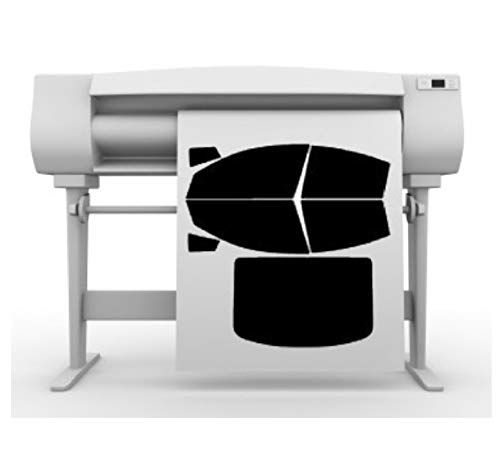
Die-cut to your car model so you skip the hardest part of tinting — trimming curves.
The True Line kit saves you from wrestling a bulk roll over a rear curve. You give the maker your car’s make and model, and they send you a “Full Kit” pre-cut for all side and back windows. The strong adhesive is designed, per the manufacturer, to stay on for decades unless manually removed. Owners specifically mention the kit fit their 2023 Honda CR-V side windows well, though the rear windshield was still tricky. A first-time tinter noted the cuts fit their 2007 Avalon spot-on but trapped some hairs because the surface marks fast. Customer service is a standout — one buyer whose film tore received a free replacement quickly.
The downside is that the film scratches easily during install. You are also locked into one VLT shade at purchase time, and the film itself is softer and more prone to scratching than a thicker ceramic roll like the IAQWE.
Hands-down winner for: Anyone who wants a professional-looking finish on their first try and values a manufacturer that stands behind the product when you mess up.
The trade-off is: You are locked into one specific VLT shade at purchase time, and the film itself is softer and more prone to scratching than a thicker ceramic roll.
2. United Window Tint 20 in 100’Ft Nano Carbon Film 2Ply Charcoal 20% VLT
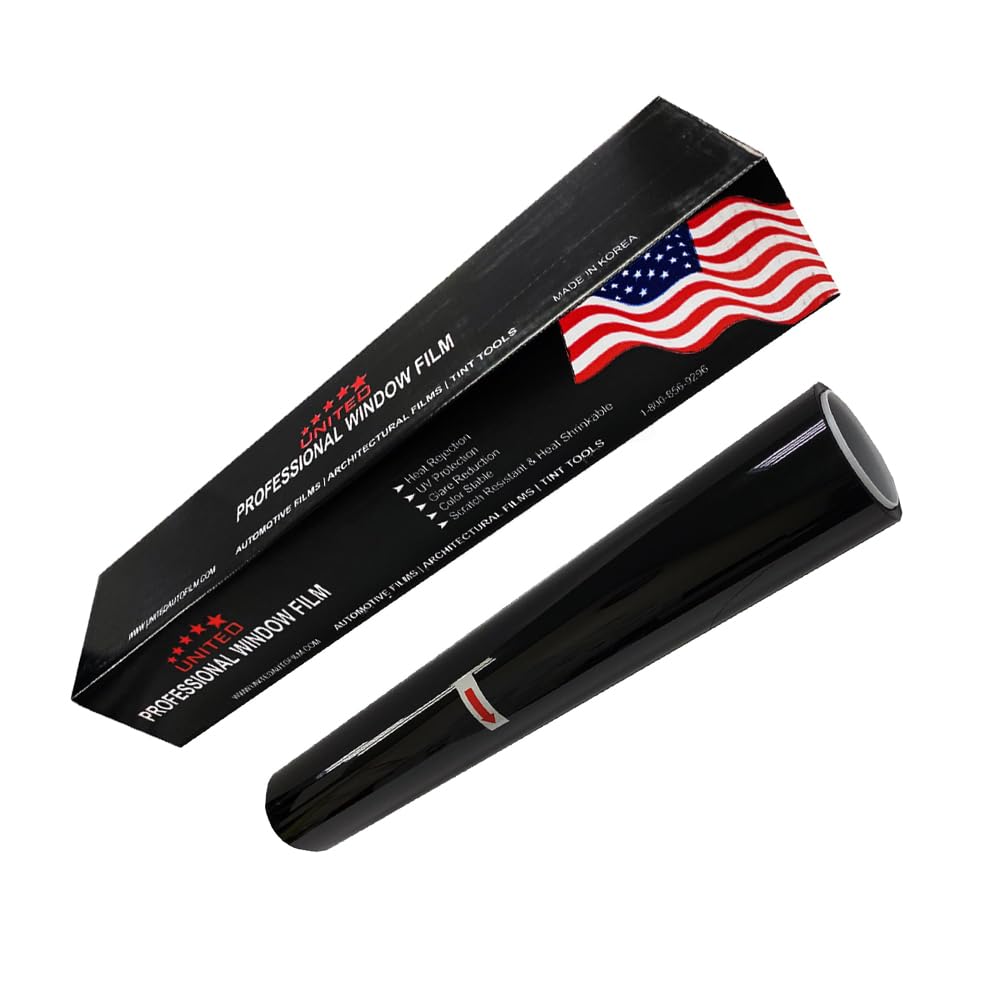
One-hundred-foot roll that covers multiple cars or the entire house without running out halfway.
If you are tinting more than one vehicle or have home windows in the mix, this 100-foot (20 inches x 100 feet) nano carbon film from United is the most economical buy in the list. It uses 2Ply clear polyester (PET) construction — non-dyed, so it will never turn purple — and offers lifetime color stability. Buyers report it is slightly thinner than retail brands like Gila but does not crease easily, cuts and bubbles out cleanly, and works well on flat glass surfaces like house windows and screen doors.
One reviewer noted the adhesive is strong and lasts long, but warned that using too much soap in the slip solution made one piece shift when wiped with a towel right after install — easy to avoid once you know. Another owner called it “life changing” for reducing outside heat and light at home. For anyone comparing the True Line kit, this United roll gives you far more material but demands strong heat-shrinking skills for complex rear glass curves — it is not a beginner’s first-timer roll.
Decisive for: Enthusiasts who need a huge continuous sheet for multiple projects or large home windows and want a film that holds its color for the life of the car.
The downside is: You need strong heat-shrinking skills for complex rear glass curves — this is not a beginner’s first-timer roll.
3. 2Ply Premium Window Tint Film for Car 24in x 25ft (25% VLT)
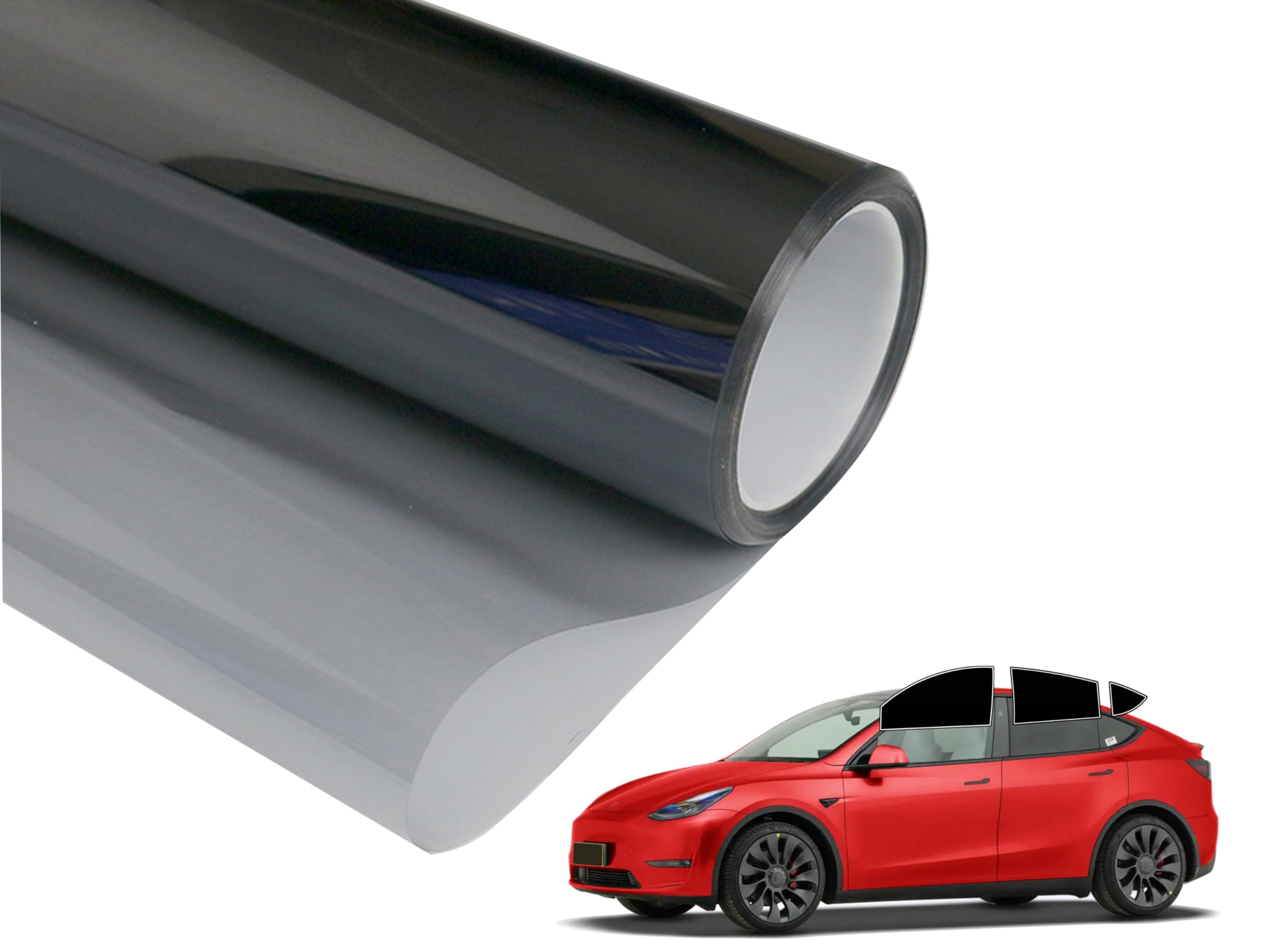
A 24-inch-wide roll that gives you more horizontal coverage than typical 20-inch films.
The 2Ply Premium roll comes in at 24 inches wide by 25 feet long — that extra width (24″L x 300″W is the actual roll dimension) means fewer seams on wider rear windows. The 25% VLT is the darkest legal limit in many states, and buyers confirm the darkness is accurate and consistent. One reviewer with a Chevy Equinox reported the 36x20ft roll covered the side and rear windows with enough left over for mistakes — they noted 25ft is a safe recommendation for first-timers who might waste some.
But there is a real split in the reviews: some say it is great stuff for the price and easy to shrink with a heat gun, while others found the film very thin. When heated to shrink on a curve, it crinkled and wanted to rip instead of laying flat. The “2Ply” label raised expectations of a thick-feeling film that did not match reality for that group. The tape trick — using tape to separate the liner from the film — helps, and more soap in the water improves sliding but extends drying time. If you need a thick, forgiving film for heavily curved rear windshields, the IAQWE ceramic handles those shapes better.
What owners liked
- Accurate 25% darkness that matches legal limits
- Heat-shrinkable with basic tools
- Seller responsive to shipping issues
Where it falls short
- Thinner construction than many expected from “2Ply”
- Prone to crinkling and tearing on severe curves
Reach for this if: You are on a budget, comfortable with a heat gun, and want a wide roll for a single sedan or small SUV.
Look elsewhere if: You need a thick, forgiving film for heavily curved rear windshields — the IAQWE ceramic above handles those shapes better.
4. IAQWE 20% VLT Ceramic Car Window Tint Film 20 in x 20 ft Roll
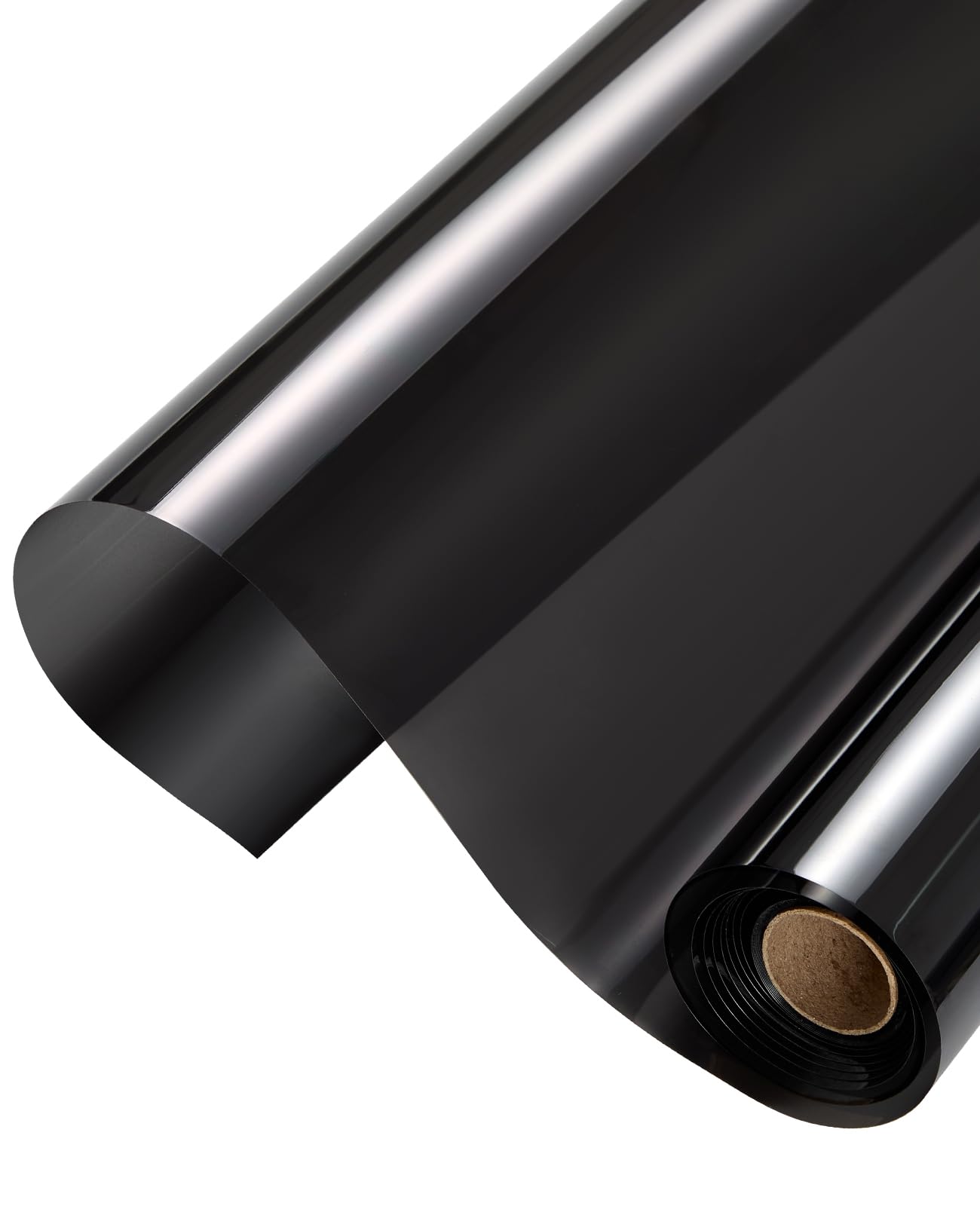
Nano-ceramic construction that blocks infrared heat without killing your GPS or phone signal.
Ceramic tint is the premium pick for a reason — it tackles solar heat without using metal particles that can interfere with radios and navigation. The IAQWE is a 20 x 20 ft roll of true ceramic film with a stated 99% UV protection. Owners mention it performs like higher-end brands at a fraction of the price, with one buyer saying the 35% version was “crisp” with zero haze. The adhesive, though described as weaker than pro-grade films, bonds well enough for basic daily use, and the film cuts easily without excessive thickness.
The trade-off is the learning curve. One first-time tinter reported the install took 5 hours due to the thin film tearing easily with dull blades, and the instructions were confusing about whether to apply to the inside or outside of the glass. Buyers recommend having a heat gun, soapy water, and a plastic squeegee handy. Unlike the True Line precut kit, this roll requires you to cut every piece yourself, which adds time but lets you choose any VLT shade from 5% to 70%.
What it nails: Heat rejection without signal interference — perfect for anyone who uses a dash cam, GPS, or phone mount on the windshield.
The real-world catch: The thinner ceramic layer demands patience and sharp tools during install; dull blades cause tearing.
5. Greenfilm 20% Static Cling Window Tint for Home and Automotive Use (36″ x 82″)

Adhesive-free cling film that peels off in seconds, leaving zero sticky residue behind.
If you rent your home or lease your car and cannot permanently alter the windows, Greenfilm’s static cling is the only ethical choice in this list. It uses no glue — it sticks via static electricity to smooth glass. The 36″ x 82″ sheet (20.5 square feet) is larger than a typical car window roll, making it more suited for home side windows or RV use. The maker says it blocks up to 55% of infrared heat and 96% of harmful UV rays, and buyers in Florida confirm it dramatically cuts solar rays and adds daytime privacy.
The downside is optical clarity. Because there is no adhesive to hold the film perfectly flat against the glass, several buyers describe the view through it as blurry — one said it is “better for privacy than clarity” and recommended it mainly for garage windows where you do not look through often. The film is also thick and easy to handle, and does not require a heat gun even on curved windows. This is a different trade-off from the IAQWE ceramic: you give up signal safety for zero-commitment flexibility.
Best for: Renters, dorm dwellers, or anyone who wants temporary heat control without a permanent commitment — and does not mind trading some clarity for that flexibility.
Not for: The driver’s side window — the slight blur can be distracting at highway speeds.
6. ARANA 5% VLT 20″×20FT Ceramic Car Window Tint Film
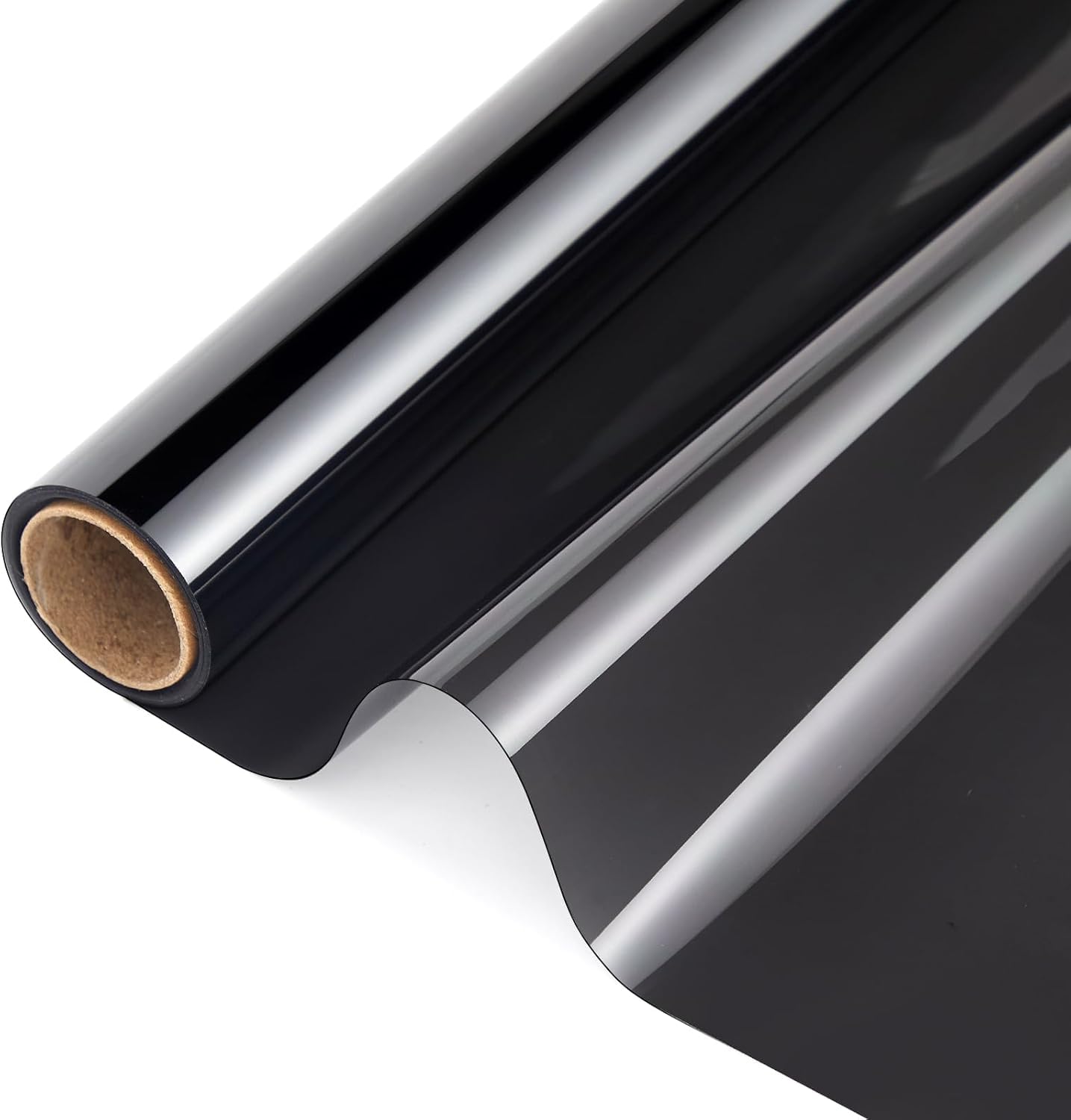
Limo-dark 5% VLT ceramic film at a near-commodity price — but install is a workout.
At just over twenty dollars for a 20 x 20 ft roll, ARANA brings nano-ceramic technology to the very entry-level of the market. The 5% VLT is the darkest option in this guide — light transmission is so low that the film appears almost black from outside. Customers note it effectively reduces solar heat gain and blocks UV, with one owner saying the 15% version improved cabin comfort noticeably. The ceramic construction means no signal interference for your phone or GPS, which is rare at this price point.
The reason it sits last is the install difficulty. A reviewer who bought the 5% VLT described it plainly: “Decent 3% tint, thick and hard to maneuver.” They called it a “PITA to install” and stressed that it requires generous soap spray and a heat gun to conform to curves. Another first-timer noted it took several tries before getting it right, and the film is stiff enough that mistakes are hard to fix once the liner is removed. Unlike the True Line kit, this roll gives you no pre-cut shape — you are on your own for every curve.
The appeal
- True ceramic at a budget price
- Very dark, maximum daytime privacy
- Bubble-free adhesive once it bonds
The struggle
- Thick and unforgiving on complex curves
- Night visibility is compromised — illegal for front windows in most places
Only buy this if: You want the darkest possible rear-window look on a tight budget and have patience with a heat gun.
Avoid it if: This is your first tint job — the stiffness will frustrate you, and the 5% darkness makes night driving on side mirrors genuinely dangerous.
Understanding the Specs
VLT — Visible Light Transmission
This is the percentage of visible light the film lets through the window. A lower number means a darker tint. 5% VLT = very dark (limo style), 35% VLT = moderate shade (legal in many states for front windows), 70% VLT = nearly clear. Check your state’s legal limit before buying — front-side windows usually have a higher allowed VLT than rear windows.
Ceramic vs Dyed vs Carbon
Ceramic films use nano-sized ceramic particles to block infrared heat without metals, so they do not interfere with radio, GPS, or phone signals. Dyed films absorb heat through color layers but can fade to purple and bubble over time. Carbon films use carbon particles for a matte finish that stays color-stable and offers heat rejection between dyed and ceramic. For signal-sensitive drivers, ceramic is the best choice.
UV Protection
Almost all modern window films block at least 99% of UVA and UVB rays. This protects your skin from sun damage during long drives and prevents your car’s dashboard and upholstery from fading and cracking. Even budget films like the ARANA include this protection.
Installation Type: Static Cling vs Adhesive
Static cling films (like the Greenfilm) stick via static electricity and can be removed and reapplied without residue — ideal for renters or leased cars. Adhesive films use a pressure-sensitive glue that bonds permanently once applied; removal usually requires heat and scraping. Choose static cling for flexibility, adhesive for a permanent, smooth finish.
FAQ
What VLT percentage is legal for car windows in my state?
Will ceramic tint interfere with my phone GPS or radio signal?
How long does car window tint last?
Can I apply tint over factory-tinted glass?
Do I need a heat gun to install car window tint?
Is a precut kit easier than cutting from a roll?
What does “scratch-resistant” mean on a window film?
Can I use car window tint on house windows?
How does static cling tint stay on without adhesive?
Will window tint make my car hotter in the winter?
Final Thoughts: The Verdict
For most buyers, the best auto tint film winner is the True Line Automotive Precut Kit because it removes the hardest step — trimming — and delivers a clean, custom fit on the first try, backed by responsive customer service. If you want the absolute best heat rejection without losing phone signal, grab the IAQWE Ceramic Roll. And for renters or temporary setups where zero residue is the law, the standout is the Greenfilm Static Cling.
How We Picked
We do not accept paid placement, and we did not hands-on test every unit. Instead, we match each pick to a real buyer and use-case by comparing the manufacturers’ published specifications against the patterns in verified customer reviews — so you get each pick’s real strengths and trade-offs instead of marketing copy.
Sources & Methodology
Specifications: manufacturer listings and product documentation. Review insights: verified customer reviews, as of July 2026. Pricing: not shown on this page (it changes often); check the current price via the retailer link.
As an Amazon Associate, Gadgets Feed earns from qualifying purchases. This does not affect which products we feature.
Product prices and availability are accurate as of the date/time indicated and are subject to change. Any price and availability information displayed on Amazon at the time of purchase will apply to the purchase of this product. As an Amazon Associate I earn from qualifying purchases.
CERTAIN CONTENT THAT APPEARS ON THIS SITE COMES FROM AMAZON. THIS CONTENT IS PROVIDED "AS IS" AND IS SUBJECT TO CHANGE OR REMOVAL AT ANY TIME.
Amazon and the Amazon logo are trademarks of Amazon.com, Inc. or its affiliates.