
Our readers keep the lights on and my morning glass full of iced black tea. As an Amazon Associate, I earn from qualifying purchases.
Specs are compiled from manufacturer listings and verified buyer reviews and can change over time — please confirm the key details on the product page before buying.
A whistling window and a door seal peeling away from the frame are the two most annoying things a car can do to you. One product fixes both: an auto weatherstrip adhesive that grabs rubber, vinyl, and metal and holds through rain, heat, and vibration. The right tube holds for years; the wrong one drips down your paint or lets go in a week. This guide sorts out which of the six picks here actually does the job.
I’m Min — the founder and writer behind Gadgets Feed. This guide is built by comparing the manufacturers’ published specifications and the patterns across verified customer reviews, so you get each pick’s real strengths and trade-offs instead of marketing spin.
Not every tube works the same way. Some cure in half an hour and some need a full day, and that difference changes how you plan your repair. Picking the right auto weatherstrip adhesive depends on matching the cure speed and bond type to your specific job.
Our Picks at a Glance
How To Choose The Best Auto Weatherstrip Adhesive
A weatherstrip adhesive is not the same as a general-purpose glue. It has to stick to rubber and vinyl without eating through them. It has to survive the inside of a hot car in summer. And it has to stay flexible enough to handle the constant vibration of a moving vehicle. Get those three right and your seal stays put. Get them wrong and you will be re-gluing the same strip within a month.
Match the Cure Time to Your Repair
Cure time is the clock you are working against. A fast-curing formula lets you apply, press, and walk away in half an hour. A slow-curing one forces you to tape everything down and wait a full day. On a vertical surface like a door frame, you need an adhesive thick enough to stay where you put it. The technical term is non-sag — it holds its shape instead of running down onto your paint. Thinner paste formulas work better on flat surfaces, where gravity is not fighting you.
Know the Difference Between an Adhesive and a Sealant
Some products are adhesives that set rock hard for a permanent bond. Others are flexible sealants that stay rubbery and move with the surface. Most weatherstrip jobs need an adhesive, because you want the strip locked in place. But if the area flexes a lot — like a trunk lid or a sliding channel — a formula that dries hard can crack over time. Read the product description carefully to see which type you are getting.
Surface Prep: Clean Rubber, Vinyl, and Metal First
No weatherstrip adhesive sticks to dirt, oil, or old glue residue. Wipe the surface with acetone or rubbing alcohol and let it dry before you apply anything. The old glue has to come off too — leftover residue blocks the new bond. Use disposable gloves and have rags ready. These products stain skin and are hard to remove once they set. Press the strip into place firmly, tape it down if needed, and give it the full cure time before you test it.
Quick Comparison
| Model | Best For | Volume | Full Cure Time | Container Type | Amazon |
|---|---|---|---|---|---|
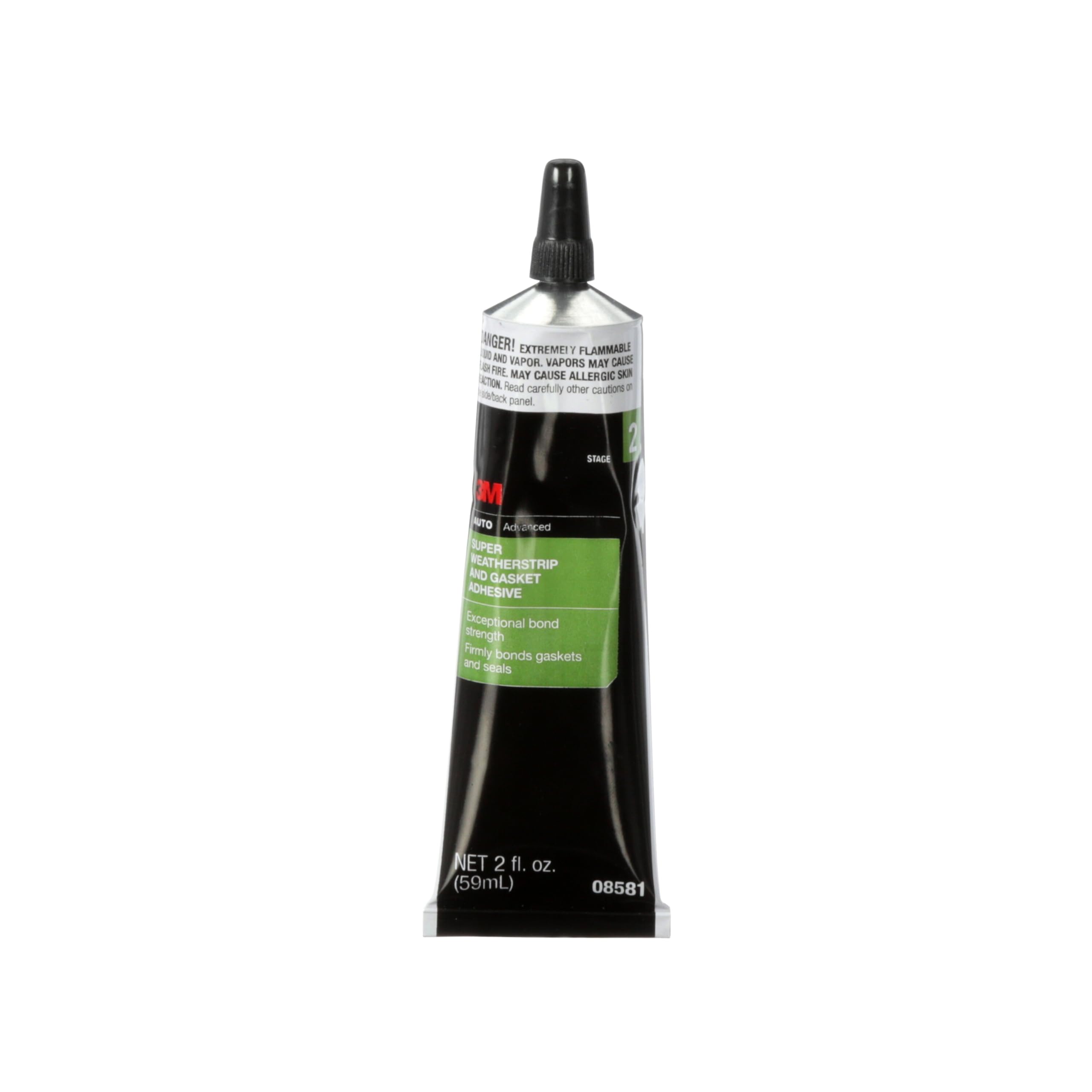
| 3M Super Weatherstrip and Gasket Adhesive★ Best Overall | Best Overall — all-purpose rubber bonding | 2 fl oz | 24 hours | Tube | Amazon |
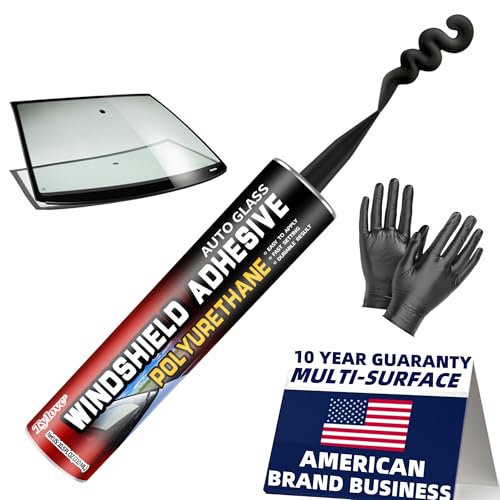
| Professional Strength Urethane Windshield SealantFastest Cure | Fastest cure — windshield and glass work | 10.5 oz | 0.5 hours | Cartridge | Amazon |
| Loctite 37532 Black Weatherstrip Adhesive | Door seals and automotive trim | 5 fl oz | 7 days | Tube | Amazon |
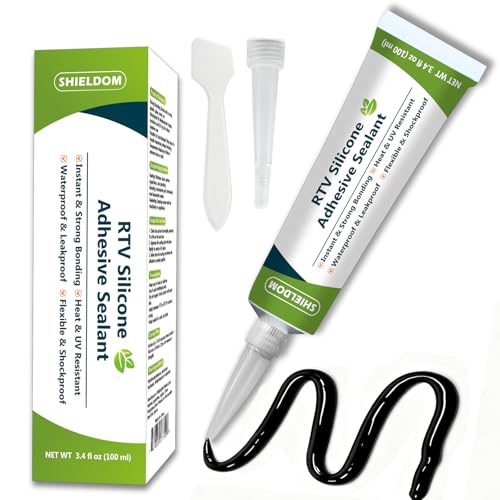
| SHIELDOM RTV Silicone Adhesive Sealant | Multi-surface household and auto use | 3.4 fl oz | 24 hours | Tube | Amazon |
| Car Glue Exterior 100ml | Budget-friendly exterior body repairs | 100 ml | 24 hours | Tube | Amazon |
| Automotive Adhesive 100ml — Car Trim Glue | Trim and molding repairs on a budget | 1.69 fl oz (2 × 50 ml) | 24 hours | Bottle | Amazon |
In‑Depth Reviews
1. 3M Super Weatherstrip and Gasket Adhesive, 08581, Black, 2 fl oz Tube
Our pick — over 4.5★ from 750+ verified ratings; the strongest balance of quality and price.
The tube that earns its reputation one loose rubber strip at a time
This 2 fl oz tube of black paste is the pick that handles almost any weatherstrip job on your car. It dries to a flexible, waterproof bond in 24 hours, and that flexibility is the whole point — weatherstripping moves. It flexes when you close a door, expands in heat, and contracts in cold. A brittle glue cracks under that stress; this one bends with it.
You can brush and spread it straight from the tube, so getting it onto the surface is simple. It resists oils, solvents, detergents, and temperature swings — a repair on a door seal or trunk molding holds through car washes and summer heat alike. The black color disappears against dark rubber, so the fix looks clean, not patched. It bonds to vinyl, metal, fabrics, and rubber — the four surfaces you will actually meet on a weatherstrip repair.
What wins people over is simply how reliably it works. Across owner feedback the recurring theme is that it grabs fast and stays grabbed — “bond like rock,” as buyers report, even on neglected rubber strips that other products gave up on. One 2019 Lincoln Navigator owner reattached door handle trim without pulling the panel. It held through rain, 90°F heat, and wind storms a month later. A trailer owner noted the thick, non-drip consistency spread cleanly. The trade-off is the short working time — you need to position your strip quickly and work in sections instead of coating the whole length at once. The glue also stains skin and clothing permanently once it sets, so wear disposable gloves.
What Stands Out
- Bonds to rubber, vinyl, metal, and fabric — covers every weatherstrip surface
- Flexible, waterproof cure that handles vibration and temperature swings
- Black paste blends invisibly against dark rubber seals
- 2 fl oz tube is enough for multiple small and mid-sized repairs
Worth Knowing
- Short working time means you must position the strip fast — work in sections
- Will stain hands and clothes permanently; wear disposable gloves
- Beginners may waste product learning the right spread technique
The do-it-all pick: This is the one to grab if you have a loose door seal, trunk molding, or any rubber strip that needs to stay put — the wide surface compatibility and flexible cure make it the safest default choice.
Reconsider if: You need a fast turnaround on a vertical panel where a 24-hour cure window is too long to tape and wait.
2. Professional Strength Urethane Windshield Sealant – Quick Curing, Weather Resistant Auto Glass Glue
Half-hour cure time that lets you finish the job and drive the same day
Full cure in 0.5 hours — that is 30 minutes — is what puts this urethane sealant at the top of the speed list. Compare that to the 24 hours the 3M above needs. The gap changes your whole workflow. Instead of taping a seal down overnight and hoping it holds, you apply, wait half an hour, and you are done. For vertical panels and overhead work, the non-sag urethane formula stays exactly where you put it. No dripping paint, no running adhesive, no mess to clean up.
The 10.5 oz cartridge includes disposable gloves and an ergonomic nozzle. It bonds to primed, painted, or bare metal. It reaches sandable hardness in just 30 minutes, so you can topcoat without waiting. Once cured it stays permanently flexible and watertight across a temperature range of -40°F to 200°F — so it expands and contracts with your vehicle instead of cracking. The maker states it meets or exceeds original equipment standards for windshield, backlight, and sidelight installations, covering sedans, trucks, SUVs, and campers.
Owners bring up the formula itself first — it is easy to control during installation, and the bond holds. That said, the drying time gets mixed feedback. Some find it cures rock solid in half an hour while others need it to sit longer, and leak-proofing results vary depending on surface prep. The tube can also get messy in a hurry if you are not careful with the nozzle, so have rags on hand. A DIY windshield installer reported saving compared to a shop, wiping the old sealer with acetone and setting the window with no primer needed — several months later, no leaks.
Where it wins: Nothing else here touches its 0.5-hour full cure. For windshield replacement, backlight work, or any vertical repair where gravity is your enemy, the no-sag urethane formula and 30-minute paint-ready time make it the practical choice over a slower-drying paste.
The honest trade-off: It is messier to apply than a thick paste. If you are not careful with the nozzle, surplus sealant spreads quickly. And because it is designed for glass and metal, it is not the best match for fabric or vinyl-backed surfaces where a dedicated weatherstrip adhesive is more appropriate.
Built for speed: Choose this when you need the repair finished and painted the same day — windshield, RV roof seams, or any overhead or vertical surface where a drippy adhesive would ruin your paint.
Not your tube if: You are reattaching fabric-backed trim or working on interior upholstery where a flexible, fabric-friendly adhesive is the better match.
3. SHIELDOM RTV Silicone Adhesive Sealant 100% Silicone Sealer All-Purpose Caulk
One tube that jumps between your car, kitchen, and bathroom without missing a beat
Fourteen surfaces on one 3.4 fl oz tube is what makes this SHIELDOM silicone the odd one out in this group. It is 100% silicone in black, starts hardening in 15 minutes, and reaches full cure in 24 hours. RTV stands for room-temperature vulcanizing — it cures at normal air temperature instead of needing heat, so you can use it straight off the shelf. It arrives with a caulk nozzle and a smoothing tool. The surface list is the longest here: glass, metal, aluminum, plastic, ceramic, tile, rubber, fiberglass, concrete, wood, PVC, stone, marble, and granite. Seal a window gap in the morning, reattach a loose car trim piece in the afternoon, same tube.
It maintains elasticity over time, which is what you want for a bond that has to accommodate movement and expansion. The squeeze tube gives you precise application into small gaps. The waterproof seal prevents leaks and protects against moisture damage, working both indoors and outdoors. It resists cracking and degradation over time. Three separate owners used it for three different jobs — window gaps against drafts and bugs, securing RV windows, and sealing baseboards against rodents — and all three reported it handled the task. One specifically noted it works great for slow-setting work where you need time to position.
Here is what you need to know before buying. It actually dries rock hard — one buyer described it as “more an adhesive than a silicone caulk,” a powerful adhesive that is not meant to be a flexible sealant. So if you need something that stays rubbery and bends with a flexing surface, this is not that. The other issue is the tube itself: the back end is not sealed properly, and under pressure the sealant can leak out the rear rather than through the nozzle. Several tubes have arrived with this flaw. It is also not economical for large areas since you will burn through multiple tubes.
Who it fits: Buy this if you want one product that handles auto trim, home sealing, and general gap-filling across a dozen surfaces. The 100% silicone formula and 15-minute initial hardening make it flexible enough for mixed projects around the house and garage.
The catch to plan around: It cures hard, not flexible, so do not use it where the surface needs to move. And check the tube’s back seal before you commit — a few have leaked under pressure. Clamping the back end or using it at low pressure helps.
Right for mixed-use repair kits: Best if you want a single silicone tube that handles automotive and household jobs — the 15-minute hardening and 14 listed surfaces cover more ground than any dedicated weatherstrip glue here.
Move on if: You need a flexible, rubbery sealant that bends with a moving surface, or you plan to cover a large area where multiple tubes would be needed.
4. Loctite 37532 Black Weatherstrip Adhesive Tube – 5 fl. oz.

The 5 fl oz workhorse built for door seals, trunk moldings, and vinyl tops
At 5 fl oz, this is the biggest tube in the group by volume, and that size is the point. A weatherstrip job on all four doors plus a trunk can eat through a small 2 fl oz tube fast. This Loctite formula is a rubber-based black adhesive that permanently bonds automotive weatherstripping. It handles cut gaskets, auto and van carpeting, door and trunk moldings, vinyl tops, fabric-backed vinyl upholstery, and headliners. It also resists gasoline, kerosene, antifreeze, and most solvents — a smarter choice near the engine bay or fuel lines, where other adhesives break down.
The black color blends with automotive weatherstripping, so repairs look factory-clean. Full cure takes 7 days, the longest in this lineup. For large surface areas that length works in your favor — grip strength builds up gradually instead of all at once. It applies as a liquid and wipes away easily while wet or slightly hardened, so you get a forgiving window to clean up excess. It works in cold conditions too: one owner re-stuck a door rubber strip in 35-40°F after a silicone product had already failed, and it set fast and bonded well.
Holding power is where this one earns its keep. The bond stays put even when temperatures climb — a BMW 650i owner glued down trunk weatherstrip in Southern California heat and reported no sign of weakening or peeling. The main thing to watch is surface preparation: it needs a good, clean surface to grip properly. And yes, it is made from chemicals, so do not lick your finger to smooth it out and then repeat with the same finger — as any experienced user will tell you.
Why It Earns Its Spot
- 5 fl oz is the largest volume here — covers multiple door and trunk seals in one tube
- Rubber-based formula resists gasoline, kerosene, antifreeze, and solvents
- Wipeable while wet or slightly hardened for easy cleanup
- Works in cold temperatures as low as 35-40°F
What to Plan For
- 7-day full cure is the longest here — plan your repair window accordingly
- Requires a thoroughly clean surface or the bond will not develop fully
- Liquid consistency can run on vertical surfaces if applied too thickly
The volume play: Reach for this when you have multiple seals to reattach and want enough product in one tube to finish them all without a second order — the solvent resistance is a bonus near fuel lines and engine components.
Think twice if: You need the repair done in a single afternoon — the 7-day cure means taping and waiting before you can fully test the bond.
5. Car Glue Exterior 100ml, Automotive Body Adhesive Sealant Black

A straightforward exterior body adhesive that does the job without overcomplicating it
One 100ml tube covers a simple gap, crack, or loose panel on your car’s exterior without fuss. The sealant is black, so it blends with dark automotive surfaces, and it is formulated to stand up to outdoor conditions. Full cure is 24 hours, the same as the 3M above, at a lower cost per tube. It bonds to metal, plastic, rubber, and vinyl — the four surfaces you meet most on exterior trim and body work.
The thick consistency is what most people notice first. It does not run like a thin liquid, so you can apply a bead, spread it with a paddle, and attach your part without everything dripping off. It holds immediately on contact and cures overnight. One owner reattached a loose car trim piece with little mess and reported it held firmly after a week. The maker describes it as strong enough for small repairs and light-duty weatherstrip work, and the fast-drying, heat-resistant formula gives it decent staying power in summer conditions.
Two things to know before buying. First, it is water-soluble while wet — that means easy cleanup before it cures, but also that you cannot rush the job or expose it to moisture prematurely. Second, the tube’s opening is large from the start, which dispenses more product than you might want. A smaller nozzle is included but easy to miss in the packaging. Long-term durability in direct sun and heavy weather is not something buyers can confirm yet — you are working on faith that the bond holds beyond a season. For light trim and body panel repairs, it gets the job done at a budget-friendly price point.
The budget call: If you have a small exterior repair and want to spend as little as possible, this 100ml tube handles it. The thick, non-drip consistency and immediate grab make it easy to work with for beginners who do not want to fight a runny adhesive.
Set your expectations: It is built for light and medium repairs. Heavier panels or high-stress body parts may need a stronger, more specialized product. And the oversized tube opening will waste product if you are not careful — check the box for the smaller nozzle before you start squeezing.
For small jobs on a tight budget: Pick this if you have a minor exterior gap or a loose panel and want a no-fuss adhesive that will not break the bank — the thick formula is forgiving for first-timers.
Look elsewhere when: You are bonding something that carries real load or faces constant flexing, where a higher-strength dedicated weatherstrip adhesive is the safer bet.
6. Automotive Adhesive 100ml, Car Trim Glue Silicone Sealant Black

Two tubes, a precision tip, and a five-minute head start on your repair
This LIKFCBOND adhesive sets in 5-10 minutes at room temperature and reaches full cure in 24 hours. That fast initial grab means you are not holding a strip in place for an hour waiting for it to stop sliding. You apply, press, tape if needed, and move on. It comes as two 50 ml tubes — a combined 1.69 fl oz — each with a pointed nozzle for precise application into narrow channels and gaps. It works on metal, plastic, vinyl, weather stripping, and vinyl tops.
That pointed nozzle is the standout feature. Weatherstripping jobs often involve tight channels where a fat tube opening makes a mess, and this one lets you lay a controlled bead exactly where you need it. It fills gaps well too, so you can address both the bond and any small voids in one pass. The formula is weatherproof, waterproof, cold resistant, and heat resistant — covering the full range of conditions a car exterior faces. A truck owner reattached peeling plastic molding by cleaning the area, applying the adhesive, holding it with painter’s tape, and pulling the tape the next morning to a perfect hold. Another repaired rubber seals on all four doors and the back latch of a Trailblazer and planned to buy it again.
The main gripe is tube size. It is smaller than some buyers expect because the fine print on the listing does not make the 50 ml per tube obvious. If you have a large area to cover, plan on using both tubes. Adhesion quality also depends heavily on surface prep — clean the area first or the bond will not develop properly. And this is messy stuff: wear rubber gloves, because it stains hands for days if you get it on your skin.
Why it works for trim work: The 5-10 minute initial cure and pointed nozzle make this the most controllable option for tight channels and narrow gaps. You spend less time holding parts in place and less product squeezed into the wrong spot. The cold-resistant and heat-resistant formula covers you year-round.
Plan for the volume: Two 50 ml tubes sound generous until you are covering four door seals — read the size carefully before you order, and buy enough if the job is large. Gloves are mandatory, not optional.
Made for tight channels: Choose this if precision matters more than volume — the pointed nozzle and 5-10 minute initial grab give you control on narrow trim channels that a fat-tipped tube would flood.
Skip if you need bulk: A full four-door seal replacement will need more than the two 50 ml tubes provide, so budget for a second order or pick a larger-volume option.
Understanding the Specs
Full Cure Time
This is the clock between applying the adhesive and the bond reaching full strength. A product that cures in 0.5 hours lets you finish the repair and move on the same day. A 24-hour cure means taping the strip in place overnight. The 7-day cure on some formulas is not a defect — it is a gradual build-up of grip strength suited to large surface areas. Match the cure time to how long you can realistically leave the repair undisturbed.
Container Type and Application Control
Adhesives come in tubes, cartridges, and bottles, and the container changes how precisely you can apply the product. A squeeze tube with a pointed nozzle lets you reach narrow weatherstrip channels without flooding the surrounding area. A cartridge suits larger jobs where you lay a continuous bead. A paste in a plain tube spreads with a brush or paddle for broad surfaces. Choose based on the shape of the repair, not just the volume of product.
FAQ
How long does auto weatherstrip adhesive take to cure?
Can I use silicone sealant instead of weatherstrip adhesive on my car?
Do I need to remove the old adhesive before applying new weatherstrip glue?
Will weatherstrip adhesive work on vinyl and plastic trim?
How do I stop the adhesive from dripping on vertical surfaces?
What temperature range can auto weatherstrip adhesive handle?
Is weatherstrip adhesive safe to use on car paint?
How much adhesive do I need for a full set of door seals?
Does weatherstrip adhesive work in cold weather?
What is the difference between an adhesive and a sealant?
Final Thoughts: The Verdict
For most weatherstrip repairs, the 3M Super Weatherstrip and Gasket Adhesive is the safest bet — its flexible, waterproof cure handles the vibration and temperature swings that kill weaker bonds. If your clock is the problem, the Professional Strength Urethane Windshield Sealant cures in 30 minutes and will not drip on vertical surfaces. And for the biggest tube that handles everything from door seals to vinyl tops in one purchase, the Loctite 37532 is the one to reach for. The 3M carries a 4.7 rating across 700+ owners, the longest track record here, so start there if you are unsure which job you are facing next.
How We Picked
We do not accept paid placement. Every pick is matched to a real buyer and a real use-case; we do not hands-on test units.
Sources & Methodology
Specifications: manufacturer listings and product documentation. Review insights: verified customer reviews, as of September 2026. Pricing: not shown on this page (it changes often); check the current price via the retailer link.
As an Amazon Associate, Gadgets Feed earns from qualifying purchases. This does not affect which products we feature.