
The first time you try to bed a length of paper tape by hand, you learn two things fast: your wrist is weaker than you thought, and an even mud layer is a mythical concept. An automatic drywall taper is the hardware solution to that problem — a tool that simultaneously dispenses compound and embeds tape onto flat seams and internal corners in a single pass, eliminating the pan-and-knife shuffle that eats hours from every job.
I’m Min — the co-founder and writer behind Gadgets Feed. I’ve spent countless hours tearing through technical specs and real-user reports to isolate the subtle differences in mud flow control, material durability, and cleaning convenience that separate a frustrating afternoon from a smooth, productive run.
Whether you are a solo finisher looking to cut your taping time in half or a crew lead equipping a team, the right best automatic drywall taper boils down to compound capacity, handle ergonomics, and how fast you can clean it when the mud starts to set.
How To Choose The Best Automatic Drywall Taper
An automatic drywall taper is a niche tool with a simple job: apply mud to the tape and press it onto the joint in one motion. The wrong choice can make the process messier or slower than doing it by hand. Focus on these three factors to sort the winners from the also-rans.
Mud Capacity and Fill Frequency
A larger reservoir means fewer trips back to the bucket, but more weight on your arm at the end of a long seam. Most tapers hold between 2.2 and 2.5 kg of compound. If you are working overhead on a ceiling, a lighter fill is easier to manage; if you are running flats solo, a bigger hopper keeps you moving longer. Check whether the tool has a flow gate or dial that lets you adjust mud output without stopping.
Build Material and Cleanup Architecture
ABS and polycarbonate bodies are lightweight, corrosion-proof, and cheap to replace, but they tend to crack if dropped from scaffolding. Aluminum bodies — especially anodized aircraft-grade — resist dents and drywall mud’s alkaline chemistry, but they cost more and feel heavier. A hinge that opens fully with quick-release clips matters more than the material itself because dried compound inside a narrow cavity turns a ten-minute cleanup into a forty-minute scrape session.
Handle Versatility and Corner Performance
Look for a tool that offers both a top handle and a side handle. The top handle is ideal for long flat runs where you want a straight pull; the side handle helps maintain control on vertical seams. If you need to handle internal corners, a double-ended applicator that flips from flat to corner mode without changing attachments saves significant time on every board.
Quick Comparison
On smaller screens, swipe sideways to see the full table.
| Model | Category | Best For | Key Spec | Amazon |
|---|---|---|---|---|
| DELKOhybrid | Mid-Range | Versatile home & pro use | 2.25 kg mud capacity / 500 ft tape | Amazon |
| Advance Equipment 4617 | Premium | Traditional banjo reliability | Stainless steel body / 500 ft tape | Amazon |
| ZÜNDER by Delko | Mid-Range | Flat & corner versatility | Double-ended applicator / 2.5 kg mud | Amazon |
| TapeTech Mud Dog | Mid-Range | Lightweight daily driver | Polycarbonate ABS / 500 ft tape | Amazon |
| Delko Zunder + Holster | Mid-Range | Mobile taping with belt carry | ABS body / 500 ft tape + holster | Amazon |
| Platinum Super Taper | Premium | Semi-automatic speed | Aluminum body / 18-inch length | Amazon |
| LEVEL5 5-311 Banjo | Premium | Commercial-grade durability | Aircraft-grade aluminum / 2.66 kg weight | Amazon |
| Marshalltown 798D | Premium | High-volume professional use | Aluminum body / DuraSoft handle | Amazon |
| LEVEL5 4-566 Flat Box | Premium | Finish coating after taping | 12-inch brass blade / 7-year warranty | Amazon |
In‑Depth Reviews
7. LEVEL5 5-311 Banjo
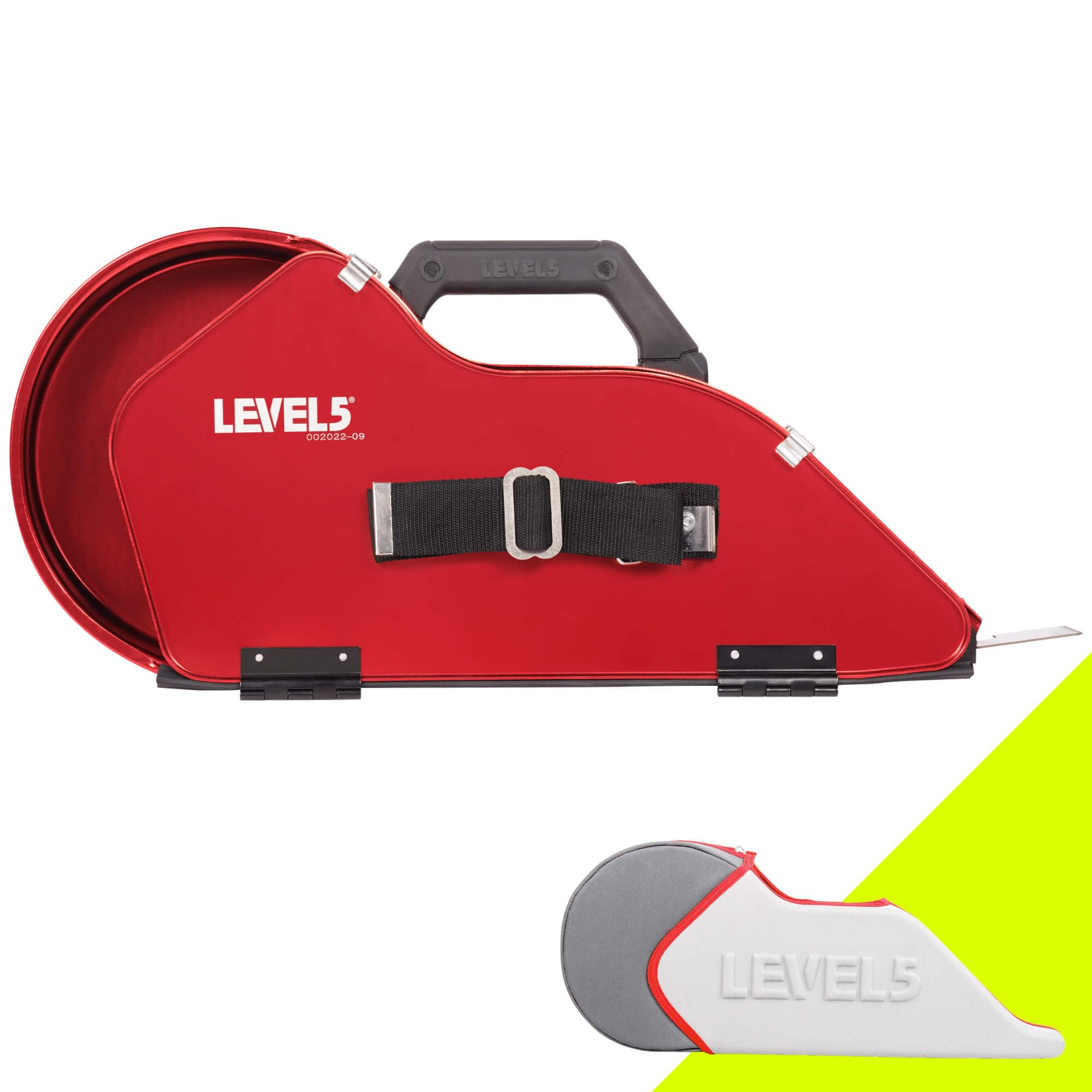
The LEVEL5 5-311 is built from aircraft-grade aluminum with an anodized surface that resists the corrosive nature of setting-type compound. At 2.66 kg empty, it is heavier than the polycarbonate options, but that weight translates to durability — it will not crack if it tips off a bucket. The integrated tape cutter built into the flow gate is a clever touch: you slice the tape without reaching for a knife.
The hinged cover opens wide, making quick work of cleaning hardened mud out of the internal channels. Users report that the mud flow adjustment is responsive, needing only minor tweaks to dial in the right consistency. The tool feels balanced when full, and the side handle gives good leverage for vertical seams. Some users note that reloading tape while mud is still inside can cause compound to drip onto the grip area.
If you plan to use this tool daily on a professional crew, the aluminum construction and easy disassembly justify the premium over budget banjos. The corrosion resistance alone saves hours of maintenance over a year of use.
Why it’s great
- Anodized aluminum body resists rust and mud buildup
- Hinged cover opens fully for fast cleaning
- Integrated tape cutter eliminates the need for a separate knife
Good to know
- Heavier than ABS banjos when full of mud
- Loading a new tape roll with mud inside can cause drips on the handle
- Some users find the mud flow gate design less intuitive
8. Marshalltown 798D TapeShooter

The Marshalltown TapeShooter is a staple on professional drywall crews for good reason. Its aluminum frame keeps the weight at 2.3 pounds, and the DuraSoft handle with an integrated thumb rest reduces fatigue during long runs. The latched door on the tape spool holder allows one-handed loading — a small convenience that adds up when you are refilling every forty feet or so.
The adjustable mud flow screw gives fine control over compound output, and the tool accommodates both right-handed and left-handed users by relocating the adjustable side handle. A hinged design makes the internal cavity accessible for cleaning, though the latch hardware that holds the mud hopper closed is riveted on and can fail after heavy use. Some owners have replaced the rivets with small bolts to extend the life of the unit.
Real-world reports show that experienced finishers can bed tape at roughly three times the speed of hand taping with this tool. The ability to adjust tension on the tape roll without backspin is a major time-saver, preventing the bird’s nests that plague cheaper banjos.
Why it’s great
- Lightweight aluminum frame reduces arm fatigue on long jobs
- DuraSoft handle with thumb rest improves comfort and control
- Tension-controlled wing nut prevents tape backspin
Good to know
- Latch rivets on the mud hopper can break under heavy use
- Only holds about 40 feet of tape per fill
- Some units ship with screws missing
1. DELKOhybrid

The DELKOhybrid combines features from the ZÜNDER and the DELKOtaper into a single tool at a price that undercuts most metal competitors. The double-ended Delko applicator attachment flips between flat and internal corner modes with a wrist flick.
The mud control dial is always accessible, allowing you to dial up or down the compound flow without stopping mid-run. The tool accepts tape rolls up to 500 feet and works with paper tape, FibaFuse, and KURT tape without modification. Two adjustable handles — one on the right side and one on top — give you options for different seam orientations and personal grip preference.
A few users report that the lid latch can fall off after a day of use, though the tool remains functional without it. The ABS body is easy to clean with speed clips that provide fast access to the interior, but it is not as impact-resistant as aluminum. For a remodeler looking to pay off the tool on the first job, this is the most practical entry point.
Why it’s great
- Double-ended applicator switches between flat and corner without changing attachments
- Mud control dial allows real-time flow adjustment
- Lightweight ABS body reduces strain during overhead work
Good to know
- ABS body is more prone to cracking if dropped from height
- Lid latch can detach after repeated use
- Compound capacity slightly lower than some competitors
3. ZÜNDER by Delko Tools

The ZÜNDER is marketed as the world’s best-selling taping tool, and its feature set explains the popularity. The double-ended Delko applicator handles both flat and internal corner joints without swapping parts. A single clip design gives fast access to the inside for loading and cleaning, and the two adjustable soft-grip handles accommodate right and left-handed users equally well.
With a compound capacity of 2.5 kg and the ability to hold a 500-foot tape roll, the ZÜNDER can cover a lot of linear feet before needing a refill. The flow adjustment dial is positioned for easy access during use. Users appreciate how well it beds paper tape, but some note that the tool is heavy when fully loaded — 1.3 kg empty plus 2.5 kg of mud makes for a 3.8 kg pull at the start of each run.
The polycarbonate ABS body is tough enough for regular job site use, though it is not indestructible. Several reports mention that a drop from scaffolding can crack the housing or break internal rollers. The lack of customer support from the manufacturer for replacement parts is a recurring complaint.
Why it’s great
- Double-ended applicator eliminates the need to switch heads for corners
- High 2.5 kg mud capacity reduces fill frequency
- Two handle positions offer flexibility for different grip styles
Good to know
- Heavy when fully loaded — around 3.8 kg total weight
- ABS body can crack if dropped from height
- Manufacturer support for replacement parts is limited
5. Delko Zunder + Holster

This combo packages the ZÜNDER banjo with the DELKOholster — a waterproof belt carrier that clips onto your tool belt. For anyone working on stilts or hopping between rooms, the holster keeps the taper within reach and prevents it from sitting on the floor where it can pick up debris. The ABS body of the ZÜNDER is the same unit sold separately, so performance is identical.
The holster is made from powder-coated material that resists mud absorption, and the comfort belt distributes the weight of the loaded banjo across your hips instead of pulling on your waist. Users on stilts report that the holster makes a significant difference in accessibility, allowing them to finish long seams without climbing down to retrieve the tool.
The main trade-off is the same as the standalone ZÜNDER: the ABS body is susceptible to impact damage, and the weight of a fully loaded tool on your belt adds to overall fatigue. If you already own a tool belt and work in multi-room layouts, the bundle is cheaper than buying the banjo and a third-party holster separately.
Why it’s great
- Waterproof holster keeps the tool clean and accessible on the belt
- Comfort belt distributes weight evenly for all-day wear
- Bundle saves money compared to buying components separately
Good to know
- Carrying a fully loaded banjo on your belt adds fatigue
- ABS banjo body is prone to cracking from drops
- Holster may not fit all tool belts without modification
4. TapeTech Mud Dog

The TapeTech Mud Dog is a straightforward banjo built from lightweight polycarbonate and ABS, making it one of the easiest tools to handle during long overhead sessions. It holds up to 500-foot tape rolls, and the transitional head works for both flats and corners without swapping attachments. An easy-install cutting blade trims the tape at the end of each seam.
The adjustable mud flow system gives decent control, though the tool’s smaller compound capacity means more frequent refills. Many users note that the lighter weight is a double-edged sword: it keeps your arms fresh, but you will stop to refill more often than with a larger hopper. The corner roller attachment is a highlight, helping to bed tape cleanly into inside corners without hand-wiping.
Build quality is adequate for amateur use and light professional work, but the plastic components feel less substantial than the aluminum-bodied options. The handle can become uncomfortable after extended use, and some users report that the grip shape causes finger fatigue on long runs. For a DIYer finishing a single room, however, the Mud Dog is a capable and affordable choice.
Why it’s great
- Lightweight polycarbonate/ABS body reduces arm fatigue
- Corner roller attachment improves internal corner taping
- Transitional head works for flats and corners without swapping
Good to know
- Smaller mud capacity requires more frequent refills
- Handle can cause finger fatigue during extended use
- Plastic components feel less durable than aluminum alternatives
6. Platinum Super Taper
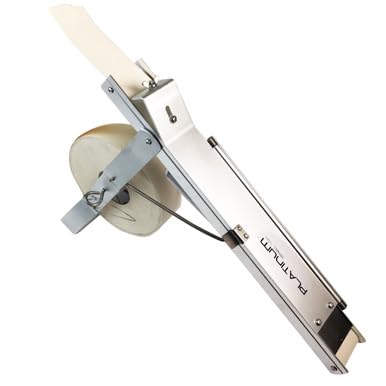
The Platinum Super Taper is a semi-automatic tool that changes the taping workflow: you run the tool along the seam and it applies mud and tape in one pass, similar to a banjo, but with a different internal mechanism that can lay down compound faster. The aluminum body is lightweight and the 18-inch length gives good reach for overhead work.
Experienced users report that the tool saves significant labor compared to hand taping or traditional banjo/bazooka setups, particularly on long flat seams. The mud application is consistent, and once you dial in the right compound consistency and roller tension, the results are smooth. The tool is easy to load and works with paper or fiber tape.
The biggest downside is the mess. Some units have arrived with faulty cable crimps or snapped wires during tightening. The tool requires patience to set up correctly, and beginners may find it frustrating until they develop a feel for the adjustment.
Why it’s great
- Semi-automatic design speeds up flat seam taping significantly
- Consistent mud application once settings are dialed in
- Lightweight aluminum body reduces shoulder strain
Good to know
- Messier than sealed banjo designs — compound splatters during use
- Cleaning is tedious, especially if mud hardens in internal cracks
- Some units have quality control issues with cable crimps and tightening hardware
2. Advance Equipment 4617
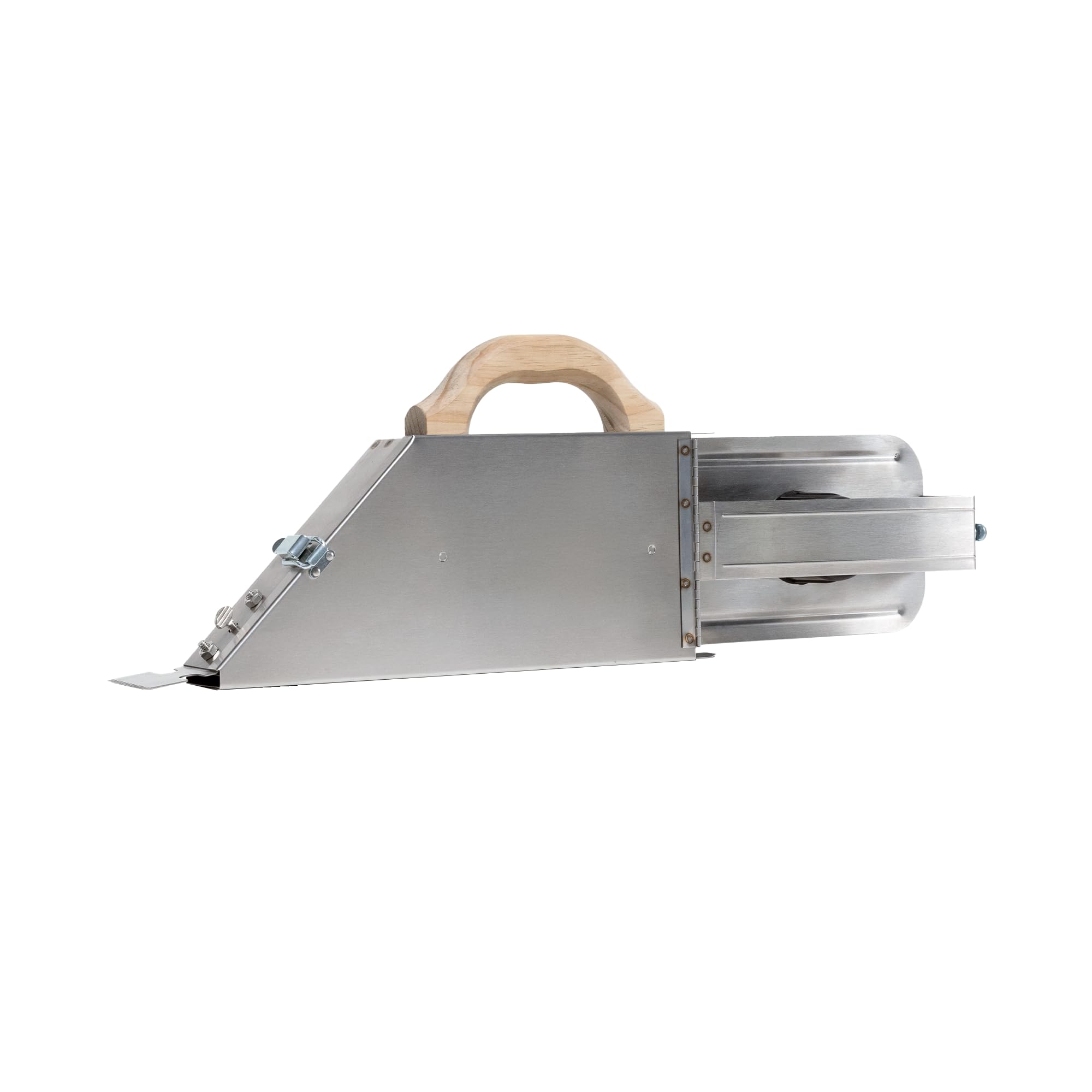
The Advance Equipment 4617 is a stainless steel banjo built to outlast the user. The all-metal construction eliminates the cracking concerns that plague ABS-based tapers, and the 500-foot tape capacity makes it suitable for large commercial jobs. The adjustable cutter and mud thumb screw give you granular control over mud flow and tape tension.
The wood handle and adjustable strap provide a comfortable grip that suits both right and left-handed users. The tension-controlled wing nut is designed to prevent tape backspin — a common frustration with cheaper banjos that waste tape and create snarls.
On the downside, the serrated cutting blade is not the easiest to use, and the metal construction makes the tool heavier than its plastic counterparts. Some users report that the tape bracket does not stay closed, causing the tape roll to pop out mid-run. The metal doors can feel flimsy, which is surprising given the otherwise robust build quality.
Why it’s great
- Stainless steel body is virtually indestructible on the job site
- Adjustable mud and tension controls give fine-grained precision
- US-based company support with available replacement parts
Good to know
- Heavier than ABS or aluminum banjos
- Serrated cutting blade is awkward to operate
- Some units have tape brackets that fail to stay closed
9. LEVEL5 4-566 Flat Box

While technically a flat finishing box rather than a tape-embedding banjo, the LEVEL5 4-566 is essential for anyone who wants to complete the entire drywall finishing process from tape to final coat. The 12-inch brass blade delivers an even layer of compound over taped joints, feathering the edges so they blend into the surrounding board.
The handle is made from aluminum, keeping the tool light enough for controlled overhead passes. The brass blade is flexible enough to apply the proper crown — the slight raised area over a joint that accounts for shrinkage during drying — for both first coat and final coat applications. A premium protective case is included for storage and transport.
The tool does have a tendency to leak compound from the sides if the settings are not precisely dialed in. It is a significant investment, but the 7-year warranty and pro-grade build quality mean it will likely outlast several seasons of heavy use. For a professional finisher, this box pays for itself in consistent results on every seam.
Why it’s great
- 12-inch brass blade provides even compound application with feathered edges
- Aluminum handle reduces fatigue during overhead finishing
- 7-year warranty and protective case add long-term value
Good to know
- Expensive compared to manual taping tools
- Can leak compound from sides if settings are not precise
- Not a taper — requires a separate banjo for the taping step
FAQ
Can an automatic drywall taper work with fiberglass mesh tape?
Is a semi-automatic taper faster than a standard banjo?
Do I need a special mud consistency for an automatic taper?
How often do I need to clean an automatic drywall taper during a job?
Final Thoughts: The Verdict
For most users, the best automatic drywall taper winner is the Marshalltown 798D TapeShooter because it combines lightweight aluminum construction with proven ergonomics and a fast, reliable taping mechanism that professionals trust. If you want the best value for money and need corner versatility, grab the DELKOhybrid. And for pure commercial-grade durability that will survive daily abuse on a busy crew, nothing beats the LEVEL5 5-311 Banjo with its anodized aircraft-grade aluminum body.