
Waking up to a solid slab of ice in your stock tank isn’t just an inconvenience — it’s a threat to your animals’ health. An automatic livestock waterer eliminates that morning chore, delivering a consistent, clean water supply whether you’re raising horses, cattle, chickens, or pigs. But choosing the wrong one means frozen lines, broken heaters, or water that stagnates.
I’m Min — the co-founder and writer behind Gadgets Feed. I’ve spent dozens of hours cross-referencing thermostatic performance, material durability, and gallon capacities across the most popular waterers on the market to find the units that actually survive a real winter.
It doesn’t matter if you’re protecting a 16-gallon heated bucket from sub-zero winds or installing a paddle-activated cast-iron basin for your stall; the right automatic livestock waterer saves you time, electricity, and health risks for your herd.
How To Choose The Best Automatic Livestock Waterer
Selecting the right waterer means matching your climate, animal size, and plumbing setup to the correct design. The biggest mistake buyers make is choosing a non-heated or under-powered unit for a deep-freeze region, or buying a gravity system that can’t keep up with thirsty livestock. Here are the critical factors to evaluate.
Heating Power and Thermostatic Control
A waterer’s wattage directly determines how low a temperature it can handle. Mid-range units often use 120W to 200W elements that activate around 35°F and deactivate near 60°F. For regions that see -10°F or lower, look for higher wattage (260W) or a unit with an insulated basin. Thermostatic control is non-negotiable — it prevents the unit from cooking water when it’s already liquid, saving electricity.
Material Durability and Corrosion Resistance
Polyethylene (plastic) buckets are lightweight and affordable, but they can crack in extreme cold if water freezes inside. Cast iron with a baked-on epoxy finish is heavier and more resistant to impact, but the coating can chip, leading to rust. Stainless steel bowls and paddles are ideal for high-use environments because they will not corrode. If you are mounting near a water line, the brass versus plastic valve construction also affects longevity.
Water Delivery Mechanism
Push-paddle waterers activate when an animal nudges the paddle, releasing fresh water directly into a bowl. Float-valve systems maintain a constant level in a reservoir, similar to a toilet tank. Gravity dispensers rely on an elevated barrel to create pressure. Paddle systems waste less water because there is no standing reservoir to evaporate or spill, while float valves ensure water is always available without the animal having to learn a physical trigger.
Quick Comparison
On smaller screens, swipe sideways to see the full table.
| Model | Category | Best For | Key Spec | Amazon |
|---|---|---|---|---|
| API 16 Gallon Heated Bucket 16HB | Heated Bucket | Large animals in extreme cold | 260W heating element | Amazon |
| Ritchie Omni Fount 2 Heated Waterer | Heated Fountain | Permanent stall/pasture install | R-7 polyurethane foam insulation | Amazon |
| Farm Innovators HT-200 16-Gallon Heated Tub | Heated Bucket | Replaceable heating element | 200W thermostatic heater | Amazon |
| Farm Innovators 3-Pack Flat Back Heated Bucket | Heated Bucket | Wall-mounted multi-stall setup | 120W each, anti-chew cord | Amazon |
| Little Giant Push-Paddle Stock Waterer | Paddle Valve | Fresh water on demand | Non-siphoning cast iron body | Amazon |
| Homcare Cast Iron Stock Waterer | Float Valve | Multiple species in one area | Brass float valve, 3L capacity | Amazon |
| Omlet Insulated Chicken Waterer | Gravity Dispenser | Poultry in hot/cold climates | 3-gallon, 99% light-blocking | Amazon |
| Trojan Gravity Flow Barrel Pig Waterer | Gravity Dispenser | Hogs with 55-gallon barrels | Heavy-duty metal trough | Amazon |
| Ritchie Watermatic 100 Insulated Waterer | Passive Fountain | Mild climates, optional heater | Non-gasketed one-piece body | Amazon |
In‑Depth Reviews
1. API 16 Gallon 260 Watt Heated Bucket 16HB

The API 16HB combines raw heating power with a massive 16-gallon capacity, making it the go-to heated bucket for horse stables and cattle pens in brutal winters. Its 260-watt element is significantly hotter than the standard 120W or 200W competitors, and the built-in thermostat kicks in below 32°F, keeping water ice-free even when the mercury drops into negative double digits.
The polyethylene resin body is remarkably tough — owners report surviving six winters in Northeastern Wisconsin with only a wooden windbreak. The bucket includes a grounded plug and a cord coil that reduces the risk of chewing damage, a common failure point for outdoor heated vessels. At nearly 10 pounds empty, it stays planted in the stall even when animals jostle it.
One frequent point of praise is the simplicity of the heating element: no floating de-icer to chew through, just a sealed bottom plate that warms the water. The only caveat is that if the power goes out during a deep freeze, the water can solidify and crack the plastic, so it demands a reliable electrical source or a backup plan.
Why it’s great
- 260W element handles sub-zero temps reliably
- 16-gallon capacity serves multiple large animals
- Durable polyethylene survives years of outdoor abuse
Good to know
- Not safe for use without constant power in extreme cold
- Bulkier and heavier than smaller heated buckets
2. Ritchie Omni Fount 2 Automatic Heated Cattle Waterer

The Ritchie Omni Fount 2 is the gold standard for a permanent in-ground or wall-mounted watering solution. Its polyurethane foam insulation provides an R-factor of 7 per inch, which means the water stays liquid with minimal power draw even when ambient temperatures hit -32°F. The heating element sits directly beneath a stainless steel trough, conducting heat efficiently into the water rather than wasting it on the surrounding air.
This unit is made in the USA and designed for easy maintenance — a large access panel lets you reach the heating components and waterline without digging up the entire installation. Owners note that horses learn the fountain quickly, especially if you drop a few apple slices in the trough to teach them where water comes out. The 28.3-liter (7.5-gallon) bowl is compact enough for a few horses but not a large herd.
Installation requires planning: you need a Ritchie thermal tube for frost-line protection and a dedicated electrical circuit without GFCI (which can nuisance-trip and leave your animals without water). Some users report having to wire a remote switch because a tripped GFCI at 3 AM can be catastrophic in a Wisconsin winter. This is a serious investment in both money and labor, but the reliability payoff is unmatched.
Why it’s great
- R-7 foam insulation works in extreme cold
- Stainless steel trough resists corrosion and rust
- Heating element is serviceable through large access door
Good to know
- Complex installation requires thermal tube and careful wiring
- High upfront cost compared to bucket heaters
3. Farm Innovators HT-200 16-Gallon Heated Tub
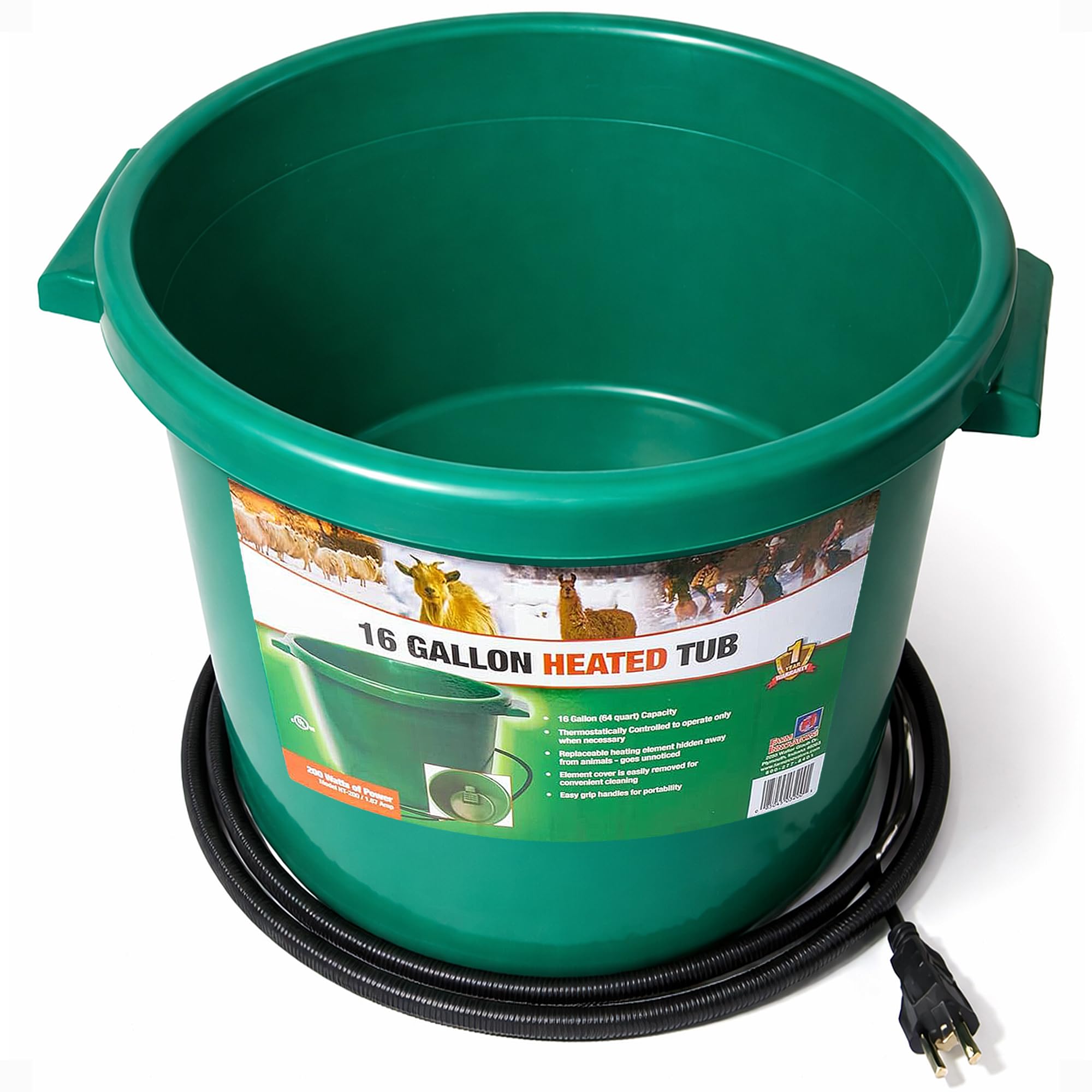
The Farm Innovators HT-200 hits the sweet spot between price, capacity, and repairability. The 200-watt thermostatic heater operates only when needed, turning on at 35°F and off at 60°F, which keeps your electric bill in check during milder winter days. The 16-gallon molded plastic bucket is large enough for horses, sheep, and calves, and the hidden element design prevents animals from pawing at the heating mechanism.
The standout feature here is the replaceable heating element. Most heated buckets become e-waste the moment the heater fails, but Farm Innovators engineered this unit so you can swap in a new element and keep the bucket in service. Owners running the unit near 0°F report it keeps a thin layer of ice from forming but does not warm the water — the water stays cold enough to drink, not warm enough to promote bacterial growth.
Some users have noted that the bucket is slightly smaller than a standard mineral tub, and a few have requested a leash hook to anchor the bucket to the stall wall to prevent tipping. But for a non-plumbed, portable heated waterer that can be carried by its easy-grip handles, the HT-200 is a reliable workhorse.
Why it’s great
- Replaceable heating element extends product lifespan
- 200W thermostat saves power by running only when needed
- 16-gallon capacity is versatile for multiple livestock species
Good to know
- Water may skim over in extreme sub-zero temps below -10°F
- Plastic bucket can tip if animals are rough
4. Farm Innovators 3-Pack Flat Back Heated Bucket

If you have multiple stalls or pens to supply, this three-pack of 5-gallon flat-back heated buckets delivers exceptional value. Each bucket runs on 120 watts with a thermostatic range of 35°F on, 60°F off — sufficient for areas that see occasional hard freezes but not prolonged sub-zero stretches. The flat-back design allows the bucket to sit flush against a wall, saving space and preventing animals from pushing it around.
Farm Innovators added smart touches: an anti-chew cord protector made of heavy-duty metal spring wrap, a reinforced bail with metal connectors, and a hideaway cord compartment that lets you store the cord neatly during the warmer months. The interior has measurement markings etched into the plastic, which is handy for mixing feed or electrolyte solutions directly in the bucket.
Customers in northern Florida reported that these buckets kept water tepid during a 4-day hard freeze while unheated buckets next to them froze solid. The metal handle is strong enough to withstand horses jostling the bucket while drinking. For barns with multiple animals, buying a three-pack at this price point makes more sense than purchasing single buckets individually.
Why it’s great
- Three buckets cover multiple stalls or pens
- Flat-back design prevents tipping and saves space
- Anti-chew cord protector adds durability
Good to know
- 120W may struggle in prolonged sub-zero climates
- Plastic bucket can crack if water freezes during power outage
5. Little Giant Push-Paddle Stock Waterer

The Little Giant Model 77 is practically an institution in the livestock world. Its heavy-duty cast iron body is coated with a tough black epoxy finish that resists corrosion, while the heavy-gauge stainless steel push paddle triggers the water valve. There are no floats to stick and no reservoirs to freeze — when an animal pushes the paddle, fresh water flows directly from the supply line into the bowl.
The non-siphoning valve prevents the water supply line from freezing even when the air temperature drops, because water isn’t sitting stagnant in the pipe. This makes it an excellent choice for unheated barns where you want to avoid pipe bursts. Many owners report these units lasting 20–30 years before needing replacement, and horses figure them out almost immediately.
The catch is water pressure sensitivity. If your supply pressure is too high, the paddle sprays water everywhere when pushed fully, which requires installing a pressure regulator. One user reported the water flow constricting when horses fully depressed the paddle, rendering the unit nearly useless. Proper inline pressure adjustment is essential for this waterer to function correctly.
Why it’s great
- Cast iron body lasts decades with minimal wear
- Non-siphoning valve protects supply line from freezing
- No electricity required for operation
Good to know
- Requires precise water pressure adjustment
- Paddle mechanism can be finicky with low input pressure
6. Homcare Automatic Cast Iron Stock Waterer
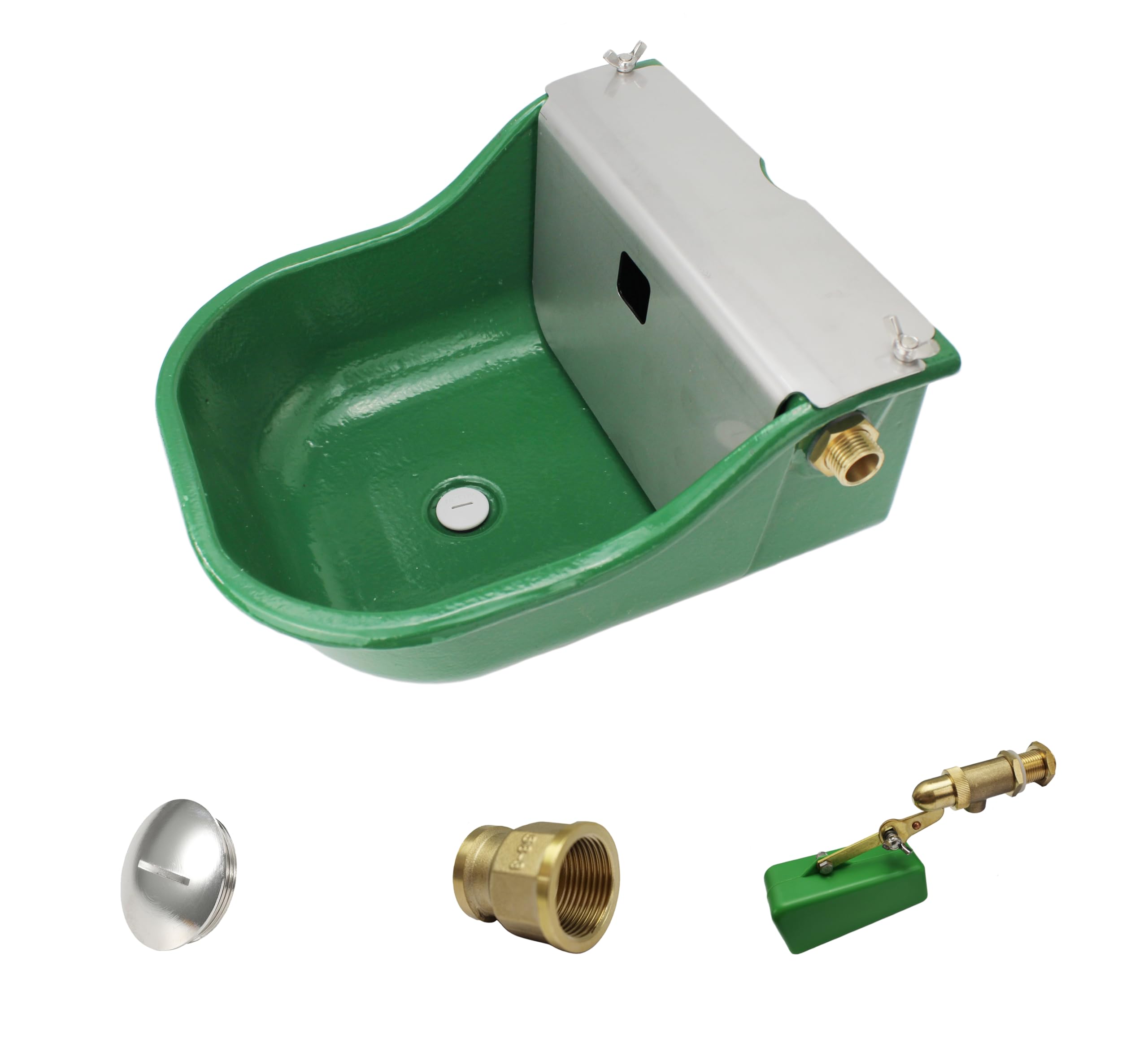
The Homcare waterer brings a brass float valve system to a cast iron body at a mid-range price, offering a reliable way to maintain a constant water level without electricity. The 3-liter (101.4-ounce) bowl is compact but serviceable for a few horses, cattle, or large dogs in a pen. The included 3/4″ GHT to 1/2″ NPT adapter makes hookup to standard garden hoses or threaded pipes straightforward.
The brass internal components are a major plus — brass float valves are far more durable than plastic alternatives and resist mineral buildup from hard water. The drainage hole at the bottom of the bowl simplifies cleaning by letting you flush out debris without removing the entire unit. Weighing 16 pounds, the cast iron body stays put and doesn’t shift when animals drink.
The main criticism is the paint quality. Several owners noted that the green powder coating is very thin and chips easily, exposing raw cast iron to moisture. Once the coating fails, rust develops quickly. A buyer who received the unit recommended immediately applying several coats of Rust-Oleum High Performance Enamel to protect the bowl. The brass valve itself, however, earns universal praise for its reliability.
Why it’s great
- Brass float valve is corrosion-resistant and durable
- Drainage hole simplifies cleaning and maintenance
- Heavy cast iron body resists tipping
Good to know
- Paint coating is thin and requires additional protection
- Small 3L bowl may need frequent refills with multiple animals
7. Omlet Insulated Chicken Waterer, 3 Gallon
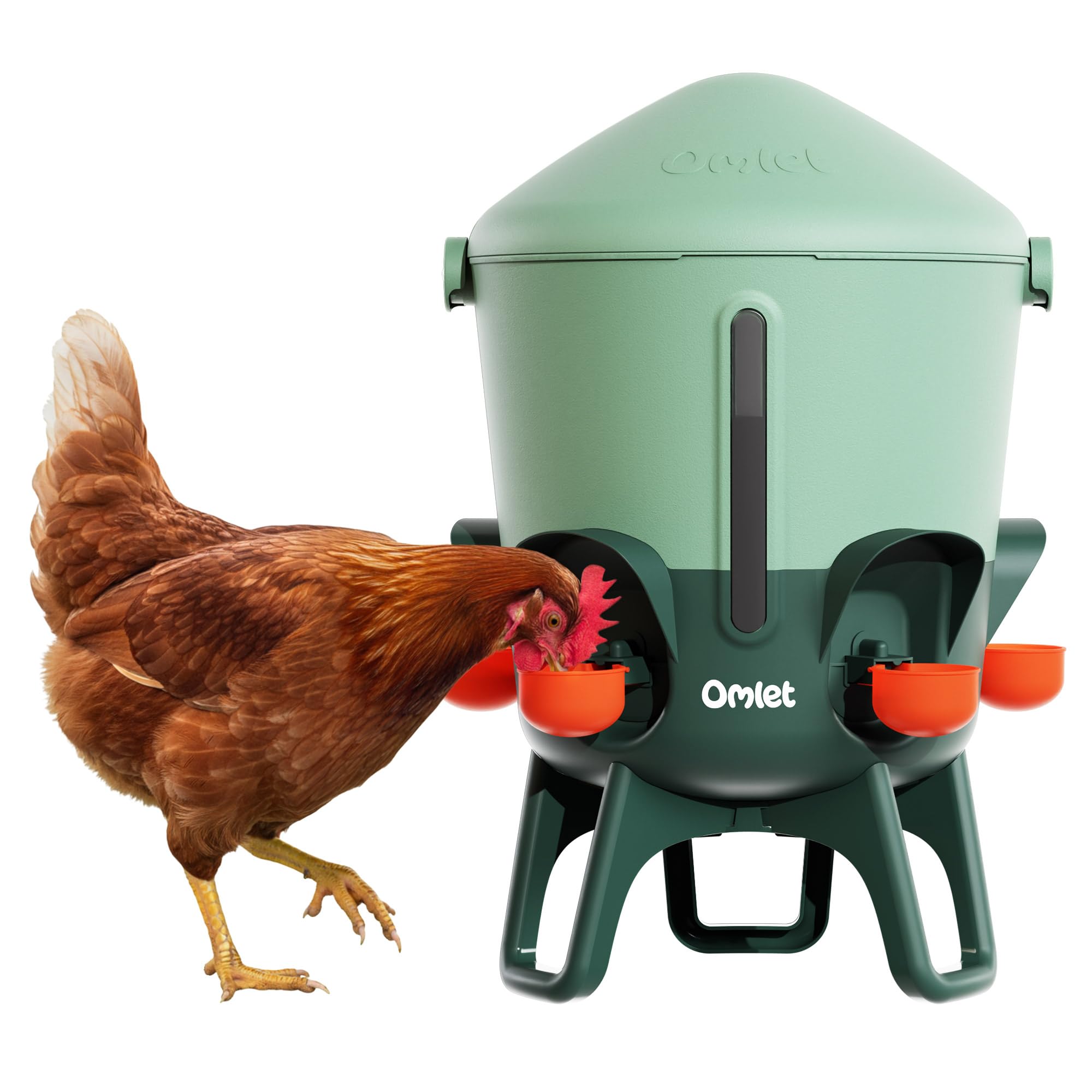
The Omlet waterer is a gravity-fed dispenser designed specifically for backyard poultry, but its engineering is sophisticated enough to deserve a spot in any multi-species guide. The insulated body keeps water cool in summer (blocking 99% of light to prevent algae growth) and helps prevent freezing in winter without any electricity. The BPA-free and UV-stable construction means it can sit in direct sun without becoming brittle.
The kit includes both cups and nipples, so you can choose the drinking method that your flock adapts to best. The raised legs keep the waterer off the ground, reducing contamination from bedding and dirt, and the domed lid prevents chickens from roosting on top (and pooping into the water). At 3 gallons, it serves up to 10 chickens comfortably, though larger flocks may need two units.
Owners in Arizona reported that the water stayed cold in 90°F heat without needing ice blocks, while users in cold climates found the insulation delayed freezing long enough for daytime drinking. The main trade-off is cost — this is a premium priced plastic poultry waterer, but the build quality and thoughtful design (easy assembly, no leakage, stable base) justify the expense for dedicated chicken keepers.
Why it’s great
- Insulated body moderates temperature in summer and winter
- Light-blocking design prevents algae and slime buildup
- Comes with both cups and nipples for flexible setup
Good to know
- Higher price per gallon than basic poultry waterers
- Cups can collect dust if placed in a messy coop environment
8. Trojan Gravity Flow Barrel Pig Waterer

The Trojan Gravity Flow Waterer is a purpose-built solution for hogs that attaches to a standard 55-gallon barrel, creating a low-maintenance watering station. The metal trough is designed to withstand aggressive behavior from sows and boars that would destroy a plastic bowl in minutes. The gravity-fed system requires no electricity or plumbing — just mount the unit to your barrel at the correct height, fill the barrel, and let physics do the rest.
Owners consistently report that it wastes far less water than traditional nipple waterers, which pigs tend to push and trigger obsessively. The single-piece metal construction has no internal mechanisms to jam or clog, which is critical when dealing with mucky hogs that love to play in mud. A small Iowa business even includes a handwritten thank-you card with every order, a nice touch for a product built for heavy farm use.
The installation can be tricky if you’re working alone — the instructions recommend having a second person or using duct tape to hold the unit in place while you fasten it to the barrel. But once installed, the pigs learn to use it quickly, and the water savings compared to a constantly dripping nipple are significant. For a simple, durable hog waterer that doesn’t rely on power, this is the clear choice.
Why it’s great
- Heavy-duty metal trough withstands aggressive hogs
- Gravity-fed system eliminates electric and plumbing costs
- Reduces water waste compared to nipple waterers
Good to know
- Installation is difficult to do solo
- Requires a separate 55-gallon barrel
9. Ritchie Watermatic 100 Insulated Waterer
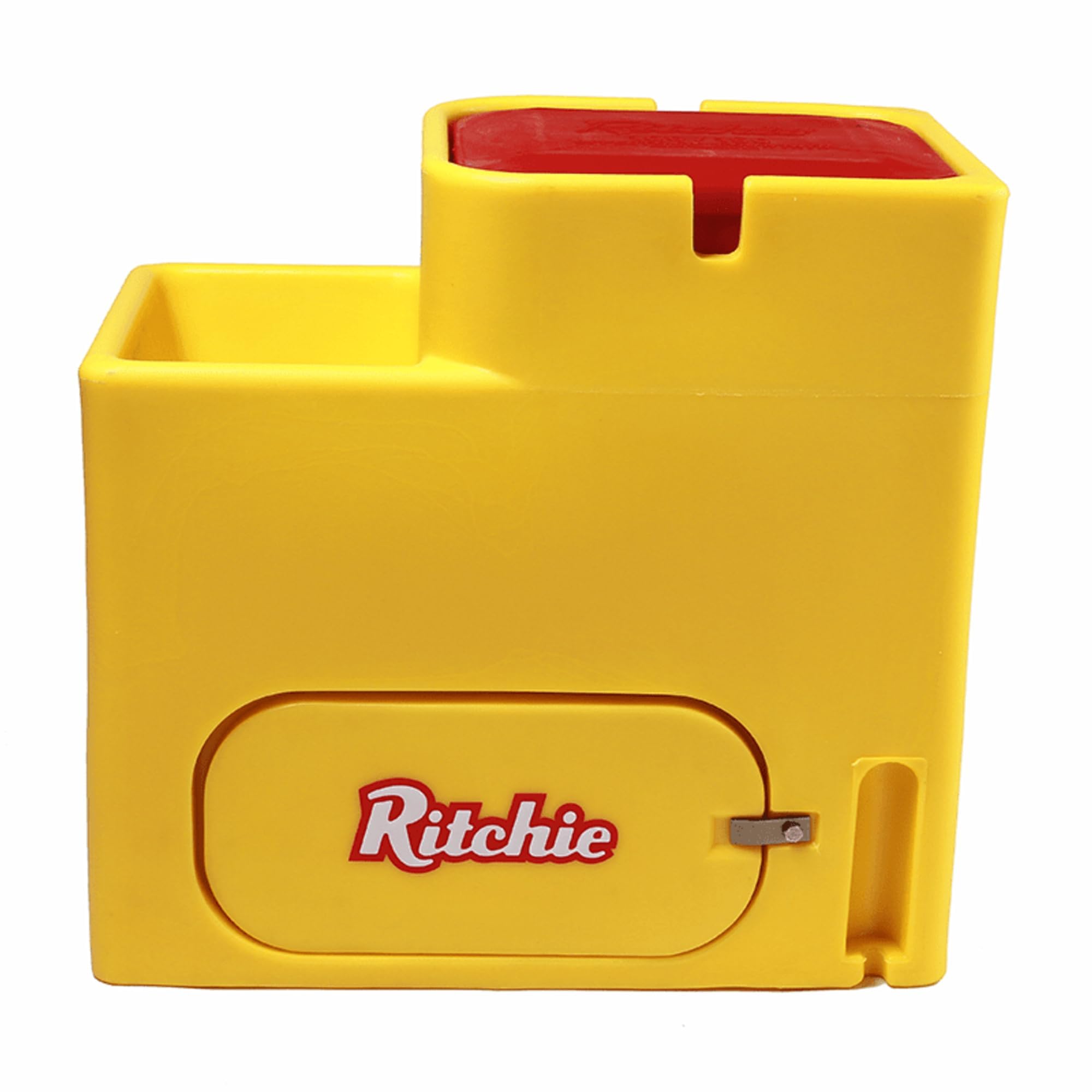
The Ritchie Watermatic 100 is a non-heated automatic waterer that relies entirely on its rugged, one-piece polyethylene body and residential insulation to prevent freezing. With no gaskets to crack or leak, it’s a low-maintenance solution for mild winter climates or for use in barns that maintain above-freezing temperatures. The yellow body features sloped surfaces that direct water toward a drain, making cleanout fast and easy.
This unit is designed for individual stalls or pens and works well attached to a standard garden hose or pipe. Its small footprint (24.5″ x 14″ x 23.5″) fits in tight spaces where a full-size trough won’t go. The optional heater can be added later if you move the waterer to a colder location, which provides flexibility if your setup changes.
The biggest risk with this purchase is misunderstanding the product description — it is explicitly NOT a heated waterer. Some buyers have mistakenly ordered this expecting an integrated heating element and incurred expensive return shipping when it failed to keep water thawed in sub-zero temperatures. If you live in a climate where temperatures drop below freezing for extended periods, plan to add insulation (users in northern Wisconsin wrap theirs and add a bird bath heater) or choose a heated model instead.
Why it’s great
- No gaskets means no leaks or seal failures
- Sloped interior surfaces drain completely for easy cleaning
- Compact size fits in tight stall corners
Good to know
- Not heated — will freeze in cold climates without modification
- Adding optional heater and extra insulation increases total cost
FAQ
What wattage do I need for a waterer in a harsh winter climate?
Can I use a push-paddle waterer without electricity?
Final Thoughts: The Verdict
For most users, the automatic livestock waterer winner is the API 16 Gallon Heated Bucket 16HB because its 260W heating element and massive 16-gallon capacity handle extreme cold better than any other portable option. If you want a permanent, insulated fountain for a stall or pasture, the Ritchie Omni Fount 2 delivers unmatched freeze protection. And for a simple, electric-free paddle system that lasts decades, nothing beats the Little Giant Push-Paddle Waterer.