
The difference between a professional-grade interior restoration and a sagging, peeling disappointment comes down to one decision: choosing the right automotive upholstery fabric for your specific panel. Door cards, headliners, and seat bolsters each demand a different balance of stretch, foam backing density, and surface grain. Grab the wrong material, and you will fight wrinkles, creases, or premature wear from the moment the adhesive cures.
I’m Min — the co-founder and writer behind Gadgets Feed. I have spent hundreds of hours analyzing material construction, foam backing thicknesses, UV resistance ratings, and real-user installation feedback across every tier of automotive upholstery fabric to separate the pro-grade winners from the frustrating duds.
Whether you are replacing a sagging headliner in a classic truck, re-covering boat seats, or refreshing worn door cards, this guide to the best automotive upholstery fabric on Amazon gives you the exact specs and real-world performance data to buy with confidence on the first try.
How To Choose The Best Automotive Upholstery Fabric
Automotive upholstery fabric is not a blanket category. The material that works beautifully on a headliner will fail on a seat bolster because of differences in stretch, abrasion resistance, and backing. Focus on three variables before you click buy.
Foam Backing Thickness and Density
For headliners, foam backing is non-negotiable. A 1/9-inch (roughly 3 mm) high-elastic polyurethane foam provides enough cushion to hide minor surface imperfections and offers mild acoustic dampening. Thicker 3/16-inch foam delivers superior sound absorption and a plush feel but requires more care during installation to avoid visible lumps. For door panels and vertical surfaces, thinner foam prevents bulge.
Double Rub Count and Material Face
The Wyzenbeek Double Rub test measures abrasion resistance. A rating of 100,000 Double Rubs marks heavy-duty commercial-grade vinyl suitable for seat facings and bolsters where constant friction occurs. Suede headliner fabrics typically do not carry a Double Rub number because they are not designed for high-contact rubbing. Match the face material — vinyl for seats and high-wear areas, suede or woven fabric for headliners and pillars.
UV and Moisture Resistance
Marine-grade vinyl is formulated with UV stabilizers to resist fading and embrittlement when exposed to direct sunlight through windshields or windows. Standard upholstery vinyl lacks this protection and can crack within a year of daily sun exposure. For convertible tops, boat interiors, or vehicles parked outdoors, marine-grade material is the only sensible choice.
Quick Comparison
On smaller screens, swipe sideways to see the full table.
| Model | Category | Best For | Key Spec | Amazon |
|---|---|---|---|---|
| Kefly Gray Suede Headliner Fabric | Suede Headliner | Premium interior transformation | 54″ x 60″, 1/9″ foam backing | Amazon |
| Bry-Tech Pleated Marine Vinyl | Pleated Vinyl | Classic boat and hot rod seats | 33 oz/linear yard, UV resistant | Amazon |
| Marine Vinyl Fabric Flexa Light Gray | Marine Vinyl | All-weather boat and auto seats | 54″ wide, 100% PVC face | Amazon |
| Meneng Marine Vinyl Black Grain | Marine Vinyl | High-abrasion seat reupholstery | 100,000 Double Rubs, 0.6mm thick | Amazon |
| WUJODOR Auto Suede Headliner | Suede Headliner | Sound-dampening roof replacement | 54″ x 60″, 3mm foam | Amazon |
| SARANDAVE Faux Leather Vinyl Cocoa | Faux Leather | Thick distressed vinyl for DIY | 54″ x 36″, thick vinyl | Amazon |
| SARANDAVE Headliner Fabric Beige | Fabric Headliner | Budget-friendly headliner repair | 60″ x 54″, 3/16″ foam | Amazon |
In‑Depth Reviews
1. Kefly Gray Suede Headliner Fabric
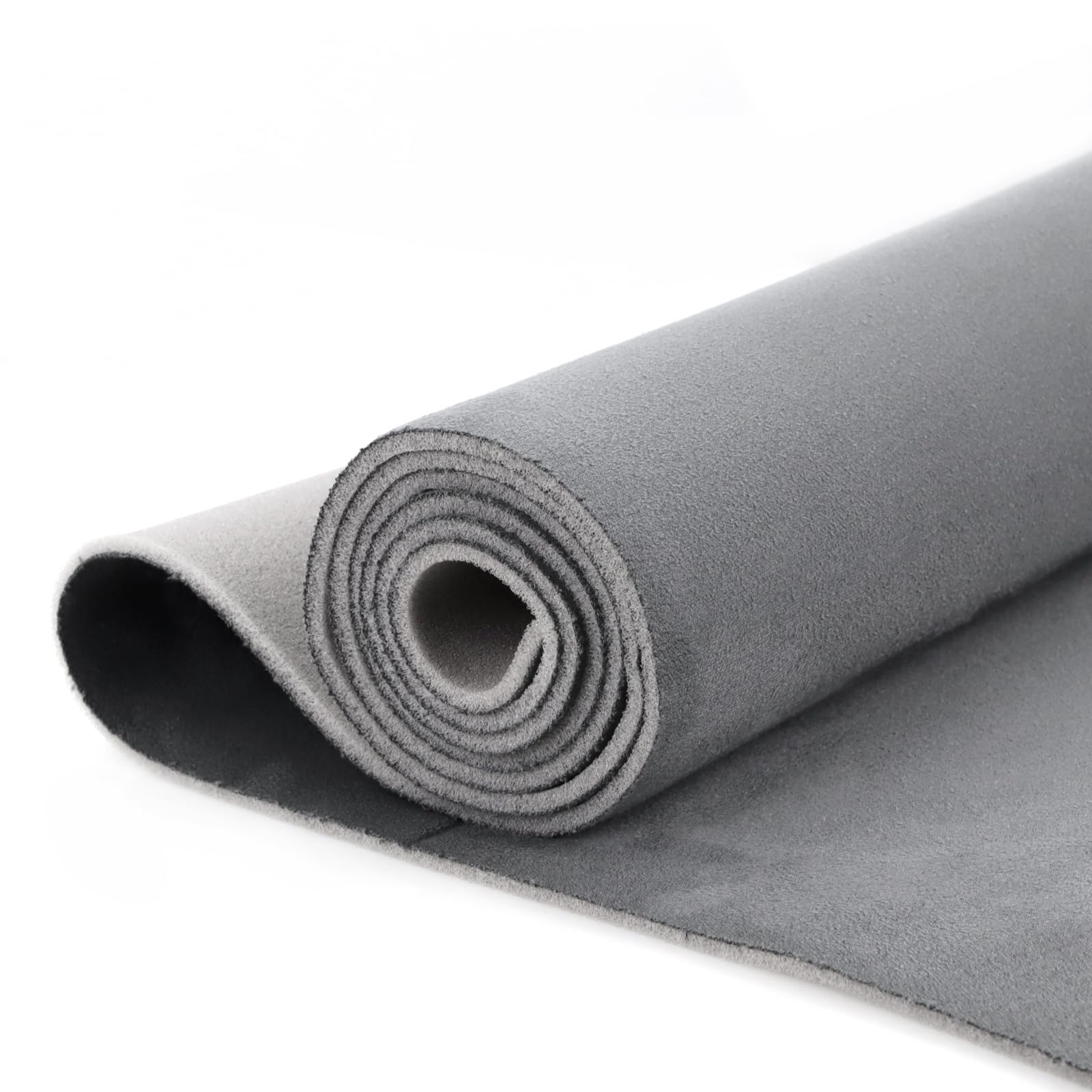
The Kefly suede headliner fabric hits the sweet spot of soft tactility and structural integrity for overhead installations. The synthetic suede face delivers a genuine Alcantara-like appearance without the matching cost, while the 1/9-inch high-elastic foam backing provides enough rigidity to resist sagging when applied with quality spray adhesive. Real-world users consistently report that the four-way stretch allows the material to contour around sunroof openings and dome light cutouts without puckering.
Flame-retardant construction adds a layer of safety that matters inside a vehicle cabin, especially for owners of classic cars lacking modern fire-suppression materials. The 54-inch by 60-inch footprint covers most single-cab truck headliners and smaller SUV roof panels in one piece, though owners of larger vehicles may need to splice two cuts. Customer reviews highlight that folding creases relax during installation with gentle heat and stretching, though one buyer flagged permanent creases from the folded delivery method as a deal-breaker for perfectionists.
Installation works best with a high-temperature spray adhesive and patience — rushing the smoothing process leaves visible imperfections that are difficult to reverse. For anyone aiming to elevate a tired interior to a modern, upscale look without paying a custom shop, this is the most rewarding option on the list.
Why it’s great
- Premium suede face indistinguishable from Alcantara at half the cost
- Four-way stretch eliminates puckering around complex roof contours
- Flame-retardant and sound-dampening for a safer, quieter cabin
Good to know
- Arrives folded; creases may be permanent if not relaxed with heat during install
- Splicing required for large SUV or van roofs
2. Bry-Tech Pleated Marine Vinyl Upholstery Fabric
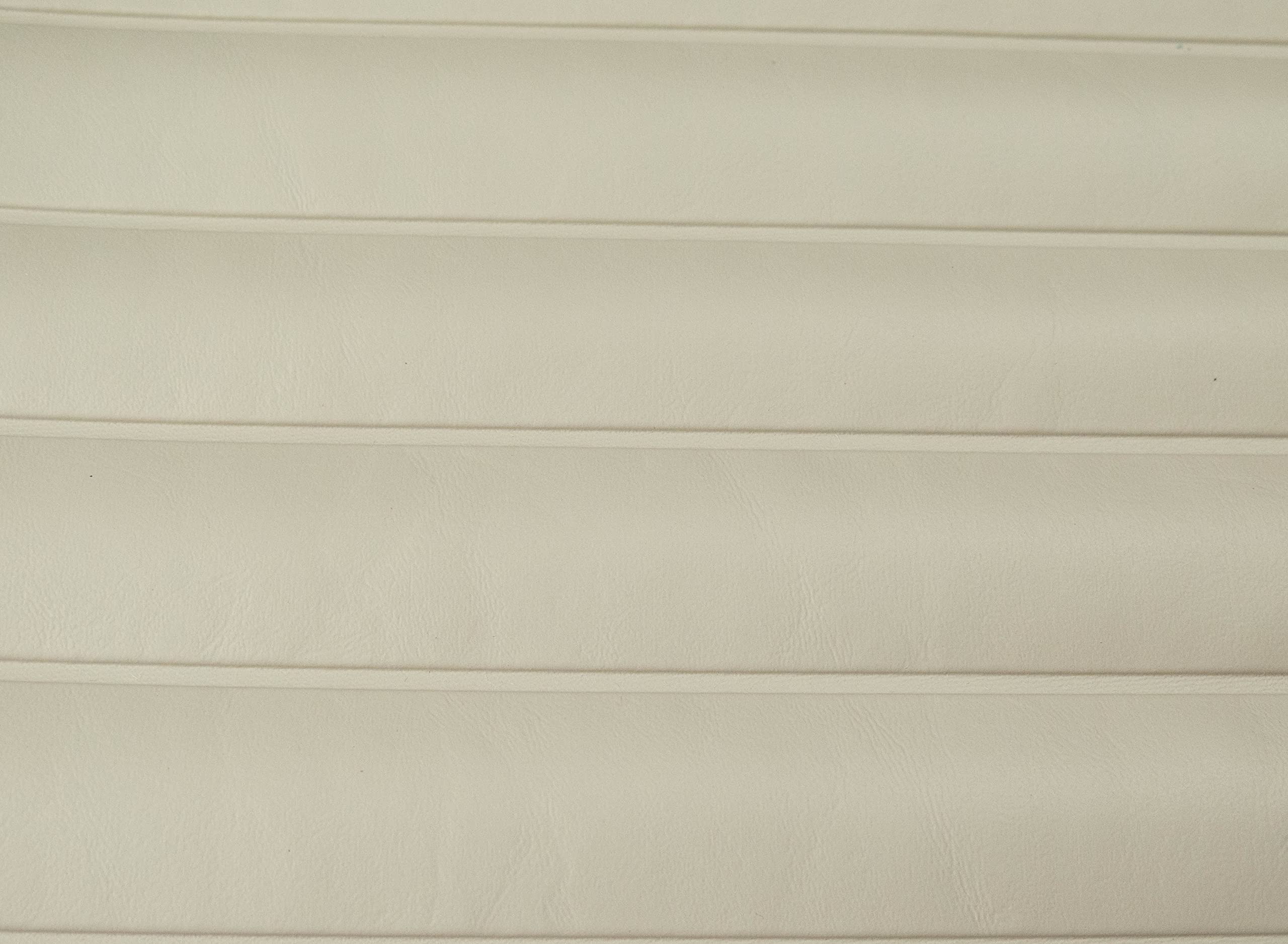
If you are restoring a classic boat, a vintage hot rod, or a VW bus interior, the pre-pleated look of this Bry-Tech marine vinyl saves hours of manual pleating labor. The 1.5-inch pleats are heat-set into the 33-ounce-per-linear-yard material, creating a rolled-and-pleated aesthetic that is notoriously difficult to achieve at home without specialized sewing equipment. The marine-grade vinyl face resists UV degradation, making it suitable for direct sunlight exposure through windshields and convertible tops.
The polyester knit backing provides dimensional stability during cutting and stapling. Real-world users have used it to recover Wise cockpit bolsters and DIY VW bus interior panels, reporting that the material sews cleanly without skipped stitches and that the pleat spacing remains consistent under tension. One caveat: the off-white shade is a soft cream rather than a bright white, so ordering a sample first is wise if you are matching existing panels.
At this premium tier, the value proposition hinges on whether you need the pre-pleated pattern. If you are doing flat panels or hidden surfaces, a smooth marine vinyl offers more flexibility for less. But for seat facings where the pleated look defines the character of the interior, this fabric is irreplaceable.
Why it’s great
- Pre-formed 1.5-inch pleats eliminate manual sewing for classic interiors
- 33 oz/yard commercial-grade weight resists sagging and tearing
- UV-resistant marine vinyl suitable for outdoor and direct-sunlight use
Good to know
- Off-white color is a warm cream, not bright white
- Premium pricing reflects specialized construction
3. Marine Vinyl Fabric Flexa Light Gray
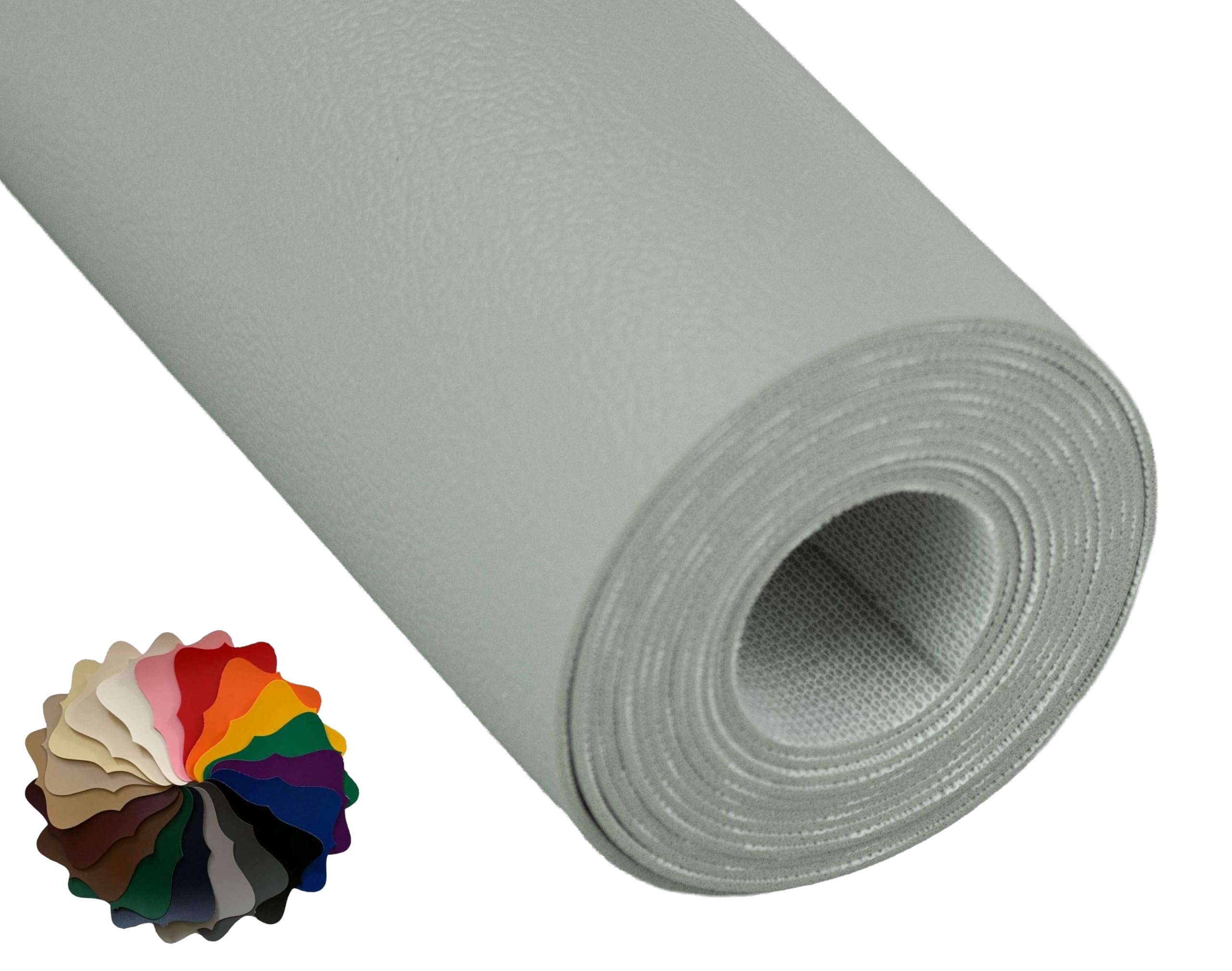
With over 50 color options and multiple texture finishes including Armadillo, Modern, and Leather-like, the Marine Vinyl Fabric Flexa line is the most customizable mid-range option on this list. The 100-percent PVC face bonded to a polyester knit backing delivers a balance of flexibility and tear strength that works equally well on boat seat cushions, dining chair seats, and automotive door panels. Real-world users praise the rich color depth and cleanability — a damp cloth restores the finish even after mud and sunscreen exposure.
The UV-resistant formulation prevents the embrittlement that plagues cheap vinyl after one summer of direct sun. The material cuts cleanly with standard scissors or a utility knife and staples smoothly without the vinyl tearing around the staple crown. One important packaging detail: smaller cuts ship folded, which creates creases that require heat or sunlight to relax, while larger cuts and premium listings ship rolled on a tube to prevent fold lines entirely.
For a DIYer tackling multiple projects — boat seats, bar stools, and auto interiors — this single fabric can serve all three without compromise. The 54-inch standard width provides generous coverage for most seat panels, though the product page notes that 72-inch widths are available only when specifically marked.
Why it’s great
- 50+ color and texture options for project-matching flexibility
- UV-resistant PVC face withstands outdoor sun exposure
- Cleans easily with a damp cloth after heavy use
Good to know
- Smaller cuts ship folded and may have temporary creases
- Texture and hand feel vary significantly between finish options
4. Meneng Marine Vinyl Black Grain

The Meneng black grain marine vinyl is the abrasion king of this roundup. Rated for 100,000 Double Rubs, this 0.6mm-thick PVC material is designed for high-contact surfaces like ATV seats, boat bolsters, and car seat facings that see constant entry and exit. The lichee grain texture provides a classy, non-slip surface that users with off-road vehicles specifically note improves grip when wet compared to smooth vinyl.
The knitted backing makes machine sewing straightforward — the fabric feeds evenly without the vinyl face sticking to the presser foot. Waterproof and UV-protected construction means it performs in open-cockpit boats and convertibles without fading or delaminating. Multiple reviewers successfully used it on ATV and golf cart seats, noting that the material stretched adequately to conform to compound curves without excessive force that would tear lesser vinyl.
The main trade-off at this price is the folded delivery method. The material arrives tightly folded, and users report needing to iron the creases from the backside with a low-heat iron or let the panel sit in sunlight for several hours. For the cost-conscious buyer who prioritizes durability over a wrinkle-free delivery experience, this is the best bang for the buck on the list.
Why it’s great
- 100,000 Double Rub rating equals heavy-duty commercial durability
- Lichee grain texture provides grip when wet on seats
- Knitted backing sews easily through standard home machines
Good to know
- Folded shipping leaves deep creases requiring ironing or sun treatment
- 0.6mm thickness feels firm, not plush
5. WUJODOR Auto Suede Headliner Fabric
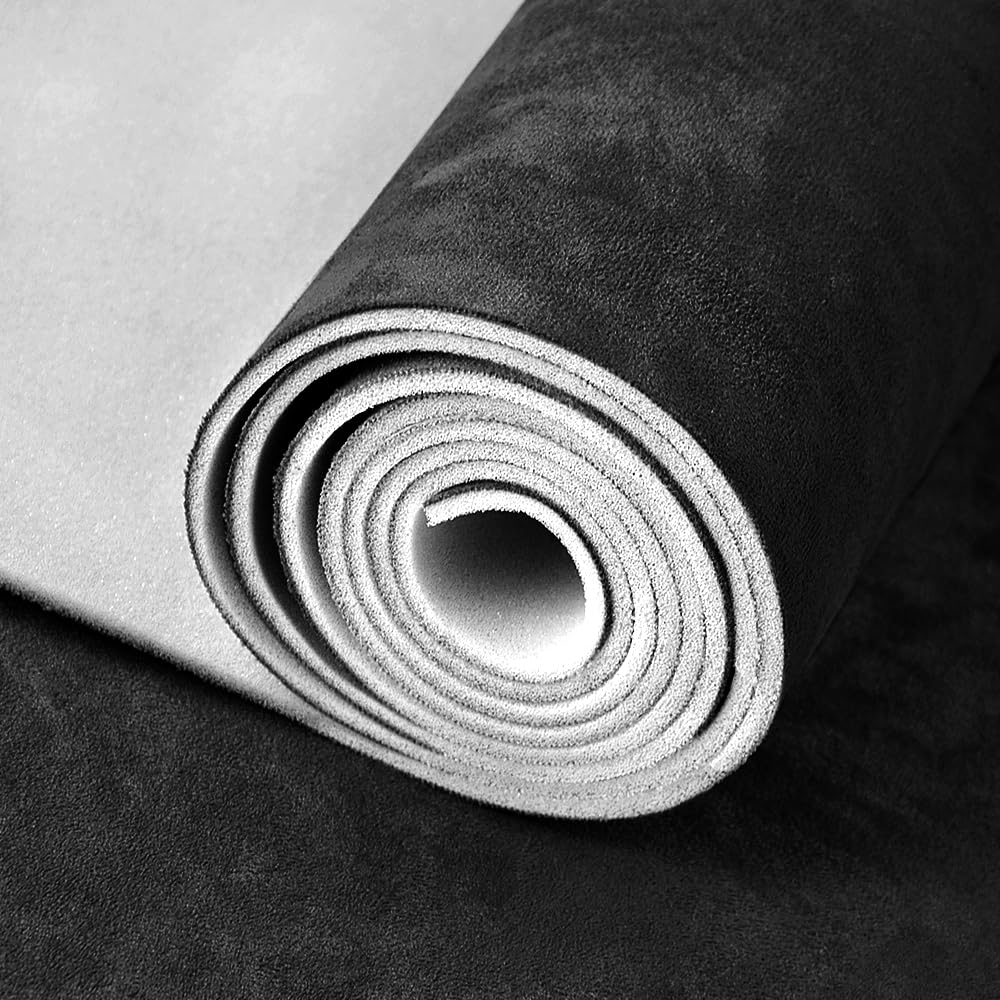
The WUJODOR suede headliner fabric targets the buyer who prioritizes acoustic comfort alongside aesthetics. The 3mm high-elastic polyurethane foam backing delivers measurable sound dampening and thermal insulation, making it a strong candidate for owners of older vehicles where road noise penetrates through a thin metal roof. The synthetic suede face has a napped texture that reviewers consistently compare to Alcantara in both appearance and hand feel.
Fire-retardant construction meets automotive safety standards, and the four-way stretch allows the material to conform around structural roof ribs and overhead console cutouts without tenting. Users installing it on Ford Bronco interiors report that the foam backing effectively hides minor surface rust pitting and previous headliner adhesive residue, saving the labor of sanding or filling. The main installation recommendation is to bond it with high-temperature spray adhesive and to work slowly from the center outward.
The 54-by-60-inch size fits most SUV and truck roofs in one piece, though larger vans require splicing. As with most headliner fabrics in this price tier, the material arrives folded, but reviewers note that careful ironing with a damp cloth over the foam side removes creases without damaging the suede face.
Why it’s great
- 3mm foam backing provides genuine acoustic and thermal insulation
- Alcantara-like suede face elevates interior appearance significantly
- Four-way stretch eliminates wrinkles around complex roof contours
Good to know
- Folded packaging may require ironing to remove creases
- Not suitable for high-wear seat surfaces
6. SARANDAVE Faux Leather Fabric Cocoa
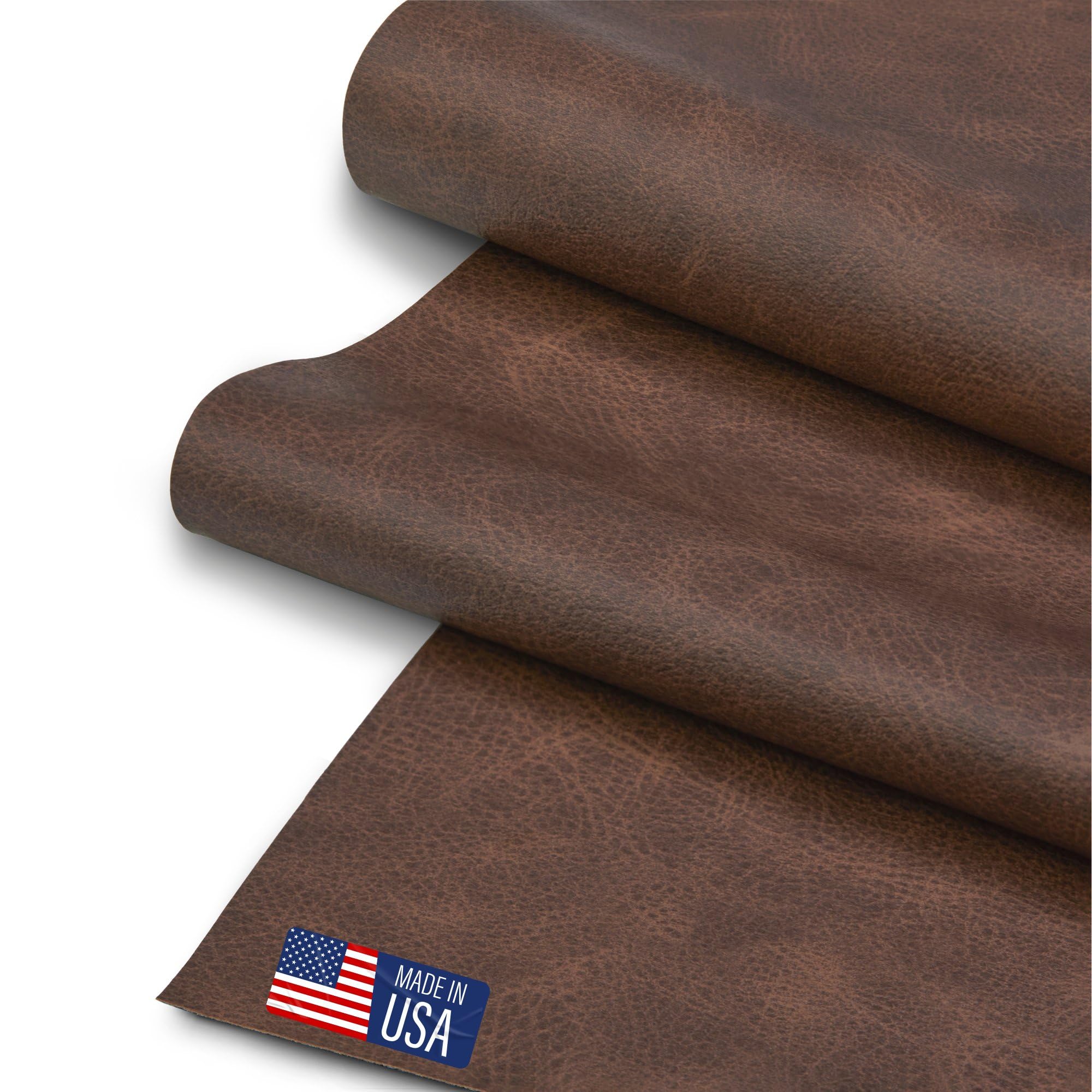
The SARANDAVE distressed faux leather occupies a unique niche on this list: it is a thick, pliable vinyl with a deliberately worn-in appearance that suits bar stools, headboards, and craft projects more than full vehicle interiors. Made in the USA, the material has a soft, matte hand feel without the plasticky shine common in budget vinyl. Multiple reviewers note it is significantly thicker than the factory upholstery they replaced on chairs, producing a more substantial finished panel.
The 54-by-36-inch yard cut is convenient for small to medium projects — one yard covers a standard dining chair seat or a pair of bar stools. The material sews cleanly through home machines and staples without tearing at the crown. A notable advantage reported by users: this vinyl has no chemical odor, which is rare in this category and important for enclosed-space installations.
This is not a headliner material. The lack of foam backing and the stiff hand make it unsuitable for overhead curves. But for accent panels, seat bases, and craft applications where a thick, distressed leather look is the goal, this fabric delivers at a very accessible entry point.
Why it’s great
- Thick, distressed appearance mimics aged leather convincingly
- Zero chemical odor, safe for enclosed interior use
- Made in the USA with consistent quality control
Good to know
- No foam backing, not suitable for headliners or vertical panels
- One-yard cut limits coverage for large seat banks
7. SARANDAVE Headliner Fabric Beige

The SARANDAVE beige headliner fabric is the most cost-effective entry point for a full roof replacement. Its 3/16-inch foam backing is thicker than the 1/9-inch foam found on most headliner fabrics in this class, providing superior sound absorption and a softer appearance when stretched across the roof panel. The 60-by-54-inch dimension offers extra length that helps cover the roof curvature from windshield to rear window without excessive stretching.
The woven fabric face has a classic automotive headliner texture that matches the OEM look of many 1990s and 2000s vehicles, making it a natural choice for owners restoring daily drivers rather than show cars. Reviewers note the material is wrinkle-resistant compared to suede alternatives and that the foam layer does not separate from the fabric face during glue application, a common failure point in ultra-budget headliner materials.
Installation is straightforward with standard headliner adhesive and an extendable roller. The material is thin enough to cut cleanly with a utility knife but requires careful handling to avoid tearing the foam backing if over-stretched. For a straightforward sagging-headliner fix on a budget, this fabric delivers functional results that look tidy without the premium price tag of suede options.
Why it’s great
- 3/16-inch foam backing absorbs more noise than thinner alternatives
- Wrinkle-resistant woven face matches OEM headliner texture
- Extra 60-inch length covers roof curvature without splicing
Good to know
- Foam backing is delicate if over-stretched during install
- Folded shipping may require careful ironing of creases
FAQ
Can I use marine vinyl on my car headliner?
How do I remove creases from folded upholstery fabric?
What spray adhesive works best for automotive headliner fabric?
Final Thoughts: The Verdict
For most users, the best automotive upholstery fabric winner is the Kefly Gray Suede Headliner Fabric because it combines Alcantara-level aesthetics with the foam backing and flame retardancy required for a proper headliner installation at a mid-range price. If you need maximum abrasion resistance for seat facings, grab the Meneng Marine Vinyl Black Grain with its 100,000 Double Rub rating. And for a classic pleated boat or hot rod interior transformation, nothing beats the Bry-Tech Pleated Marine Vinyl.