
Our readers keep the lights on and my morning glass full of iced black tea. As an Amazon Associate, I earn from qualifying purchases.
Specs are compiled from manufacturer listings and verified buyer reviews and can change over time — please confirm the key details on the product page before buying.
Your car’s headliner is drooping, the seats are stained, and the door panels look tired. Replacing that fabric is a job you can actually do yourself in a weekend, but only if you buy the right material the first time. The real fork in the road is suede-style headliner fabric versus vinyl faux leather, and this guide breaks down which one suits your project, your tools, and your patience.
I’m Min — the founder and writer behind Gadgets Feed. This guide is built by comparing the manufacturers’ published specifications and the patterns across verified customer reviews, so you get each pick’s real strengths and trade-offs instead of marketing spin.
The best automotive upholstery material for you depends on whether you value a soft, quiet cabin or a wipe-clean surface that shrugs off spills and sun.
Our Picks at a Glance


How To Choose The Best Automotive Upholstery Material
Before you click buy, you need to know what you’re covering. A sagging roof needs a fabric with foam backing to hide imperfections, while seat bolsters need a thicker, stretchable vinyl that won’t rip when you pull it tight. Matching the material to the job is the difference between a professional finish and a frustrating redo.
Foam Backing for Headliners
Headliner fabric almost always comes with a layer of foam glued to the back. That foam gives the material a soft, padded feel and helps it stick smoothly to the board. The foam also dampens road noise, keeping the cabin quieter at highway speeds. Pay attention to the thickness, because a thicker foam fills uneven surfaces better but can rub against a sunroof track.
Vinyl and Faux Leather for Seats and Panels
For seats, door panels, and anything that sees heavy contact, you want a waterproof, scratch-resistant surface. Vinyl faux leather wipes clean with a damp cloth and holds up to sun exposure. Look for a material with a bit of stretch so it forms around curves without puckering, and check the thickness in millimeters—thicker vinyl resists wear but is harder to fold and staple.
Do Not Ignore the Crease Problem
Almost every fabric sold by the yard ships folded, and those creases can be stubborn. Some materials relax with heat or sun exposure, while others hold permanent wrinkles. If your project is a flat panel, this matters less. If you’re covering a curved, contoured surface, choose a material known to smooth out or plan to use a steam iron carefully.
Quick Comparison
| Model | Best For | Material Type | Size | Foam Backing | Amazon |
|---|---|---|---|---|---|
| Babnecl Suede Headliner★ Best Overall | DIY Headliner Swaps | Suede Fabric | 98″ L x 60″ W | 1/9″ | Amazon |
| Butarfe Faux LeatherTop Performer | Seats & Panels | PU Faux Leather | 72″ L x 54″ W | None | Amazon |
| DAFUN Marine VinylBuilt for Harsh Use | Boats & Harsh Conditions | Marine Vinyl | 72″ L x 54″ W | None | Amazon |
| otoez Headliner Fabric | Sunroof Vehicles | Polyester Knit | 72″ L x 60″ W | 1/8″ | Amazon |
| DAFUN Retro Faux Leather | Furniture & Craft | PU Faux Leather | 72″ L x 54″ W | None | Amazon |
| MOTUKA Suede Headliner | Soft Touch & Formability | Micro-Suede | 79″ L x 60″ W | 3/16″ | Amazon |
| SARANDAVE Faux Leather | Sewing & Stapling | Faux Leather Vinyl | 54″ L x 36″ W | None | Amazon |
| ANMINY Vinyl Fabric | Boat Seats & Wipe-Clean | PU Leather Vinyl | 72″ L x 54″ W | Cotton Backing | Amazon |
| luvfabrics Quilted Vinyl | Door Panels & Headboards | Quilted Vinyl | 52″ W (per yard) | 3/8″ Quilted | Amazon |
In‑Depth Reviews
1. Babnecl Suede Auto Headliner Fabric
Our pick — over 4.5★ from 500+ verified ratings; the strongest balance of quality and price.
The go-to roll that turns a sagging roof into a shop savings story.
This is the material that owners of a Dodge Ram used for a full DIY headliner swap, and the math was simple: they saved versus paying a shop. The roll gives you 98 inches of length and a 60-inch width, which is a generous spread that covers most truck and SUV roofs with room to spare.
The 1/9-inch foam backing serves two purposes: it gives the surface a soft, luxurious touch and it absorbs sound, making the cabin quieter on the road. The brand packs this in a tube so the fabric arrives flat and smooth, saving you the battle of ironing out shipping creases. It’s a thoughtful detail that serious DIYers appreciate.
What wins people over here is the appearance—owners consistently call it beautiful and note it lays down nicely for a swap. The honest advice from the review pages: pair it with a 3M headliner adhesive and don’t over-saturate. The material is thinner than factory foam on some OEM boards, and it does show fingerprints, so keep a soft brush handy to groom the suede after handling.
What Owners Rave About
- Flat, smooth arrival thanks to tube packaging
- Foam backing softens the surface and dampens road noise
- Easy to work with for a first-time headliner job
Honest Trade-Offs
- Fingerprints show on the suede face until groomed
- Foam can be thinner than the original factory board
Reach for this if: you’re tackling a headliner on a truck, SUV, or RV and want a soft, quiet, professional result without the shop bill.
Look elsewhere if: your project is seats or door panels that need a wipe-clean, waterproof surface.
2. Butarfe Faux Leather 1.2mm Upholstery Fabric
A thick, soft-touch vinyl that handles auto interiors and dining chairs with equal grace.
Owners have used this on console covers, armrest pads, and full auto upholstery, and the verdict is that it holds up beautifully on cars but falls short on exterior marine work. That’s a useful line in the sand: it’s a vehicle-interior and furniture star, not a boat-deck material. The 1.2mm thickness gives it real body without feeling stiff.
It has a pebble grain texture that looks close to real leather, which is exactly what makes it so attractive for reupholstering chairs and bar stools. The waterproof coating means spills wipe off with a damp cloth, and the high-density cotton backing keeps it breathable. It cuts cleanly with scissors and sews easily by hand or machine.
The one honest wrinkle is the two-way stretch. It forms around gentle contours fine, but pulling it over sharp curves takes more effort. Durability gets a mixed read from owners—many find it tough, while a few flag seam-line tearing under heavy strain. For seat faces and panels that don’t flex constantly, it’s a strong, good-looking choice.
Solid all-rounder: a thick, waterproof faux leather that looks premium and handles seats, consoles, and chairs with confidence.
Know the limit: the two-way stretch makes tight contours a workout, and very heavy use can stress the seams.
3. DAFUN Marine Vinyl Faux Leather 0.9mm
A rugged, realistic-grain vinyl that shrugs off sun, staples, and daily use.
One owner restored a Freightliner Cascadia dashboard with this and reported months of daily use with no peeling, bubbling, or cracking. That’s the kind of durability you want from a marine-grade vinyl. The 0.9mm thickness and 54-inch width give you a solid working piece that takes staples without ripping.
It has a high surface density that resists abrasion and scratches, and the cotton velvet backing makes it soft and easy to wrap around seat shapes. The realistic grain is a big selling point—owners say it looks very close to the original factory finish. You can cut it with scissors without fraying, and a damp cloth cleans it up in seconds.
The thing to know is the color can run flatter than you expect, and it’s a one-way stretch, which makes curved items more challenging to cover. If your project has lots of contours, budget for extra patience. The crease issue from shipping is real but manageable—work it smooth as you staple.
Why It’s a Workhorse
- Marine-grade build withstands sun and harsh conditions
- Takes staples without tearing
- Realistic grain looks factory-fresh
Watch For
- One-way stretch complicates tight curves
- Color can be flatter than photos suggest
Grab this for: boat seats, dashboards, and any surface that faces constant sun and wear.
Pass on it if: you need a multi-directional stretch to cover deeply contoured seats.
4. otoez Headliner Fabric with 1/8″ Foam
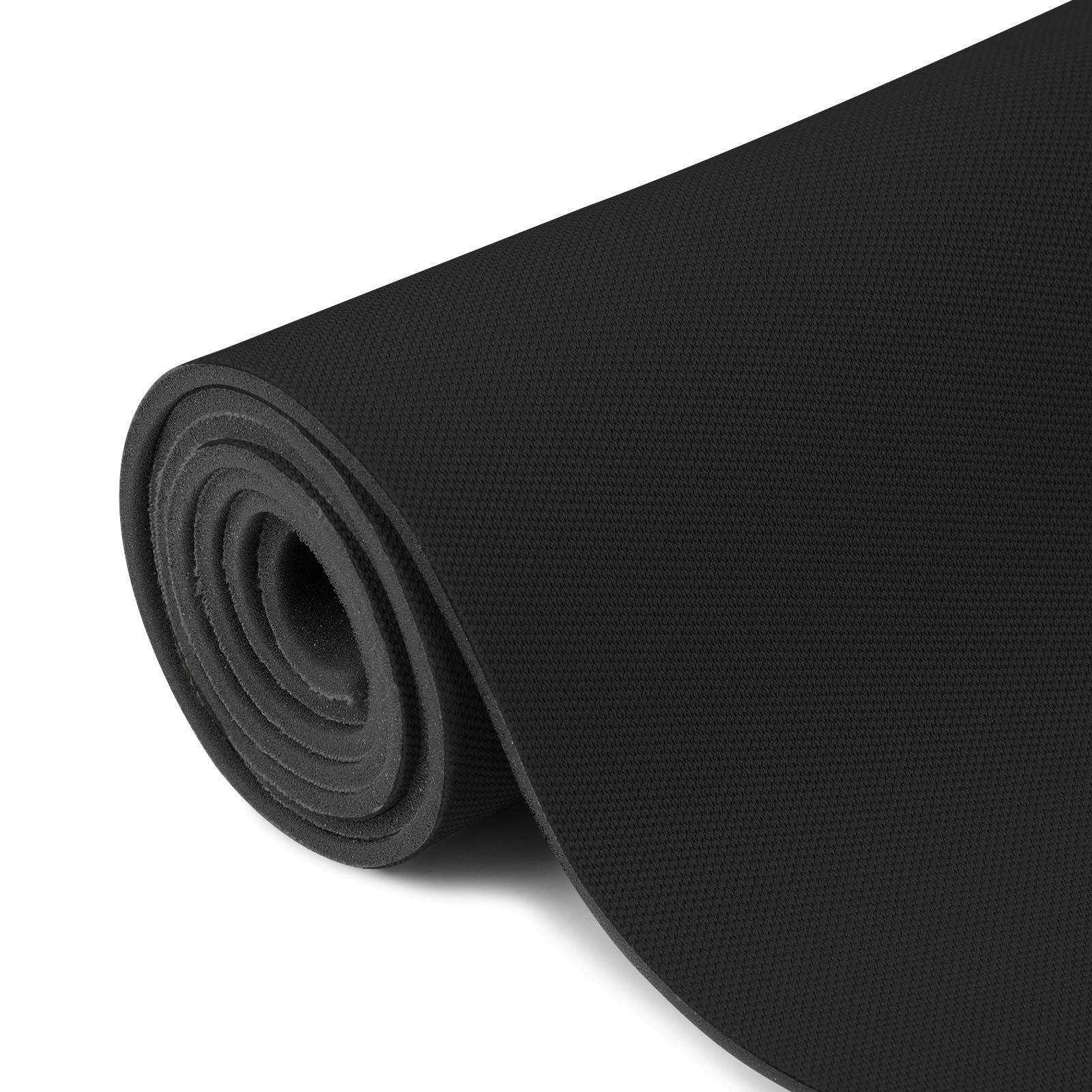
A 60-inch-wide polyester knit that made a 2006 Accord roof look brand new.
This material comes in a 60-inch width, which is a key advantage over narrower rolls when you’re covering a wide roof panel. It’s a 100% polyester flat knit with a 1/8-inch foam backing, giving you a soft, smooth surface that sews nicely and holds up well. It matched the interior of a 2010 Jaguar XF almost perfectly.
Owners rate the material quality extremely high, and the value is a recurring theme—especially compared to dealer quotes. The advice from experienced DIYers is to use a heavy cross-spray adhesive and work in sections, rolling the fabric from the center out. One owner’s first attempt failed from under-spraying, so don’t skimp on adhesive.
The recurring gripe is thickness: it’s actually thicker than some other brands, which sounds great until it causes rubbing issues around a sunroof. If your vehicle has a sunroof, measure the clearance carefully. Shipping creases are a known issue, but sun exposure and a steam iron handle them.
High-value headliner: a wide, quality polyester knit that restores interiors on the cheap—just bring patience and plenty of adhesive.
Check your sunroof: the generous foam thickness can rub against moving panels, so verify clearance first.
5. DAFUN Premium Faux Leather 1.2mm Distressed Bark

A thick, pliable PU leather with a retro distressed look that makes ottomans look brand new.
This is the quality-first pick for anyone who wants a textured, vintage look. The 1.2mm thickness is noticeably substantial, and owners describe it as thick with a solid backing and soft, pliable feel. It’s comfortable to work with, whether you’re reupholstering barstools or sewing bags and purses.
The distressed bark texture is the star—it looks like dappled, worn leather that adds character to furniture and car seats. It’s waterproof, so spills wipe off with a damp cloth, and the slight elasticity helps it conform to seat shapes. One owner used it on a bathroom bench and said it looked way better than the old upholstery.
Two honest notes from the review pages: the color can be way off from the photo—the khaki is described as a grey-green swamp mud, while the light brown is spot-on—so pick brown tones if you want accuracy. And there’s an initial chemical smell that dissipates within a day or two. Not a dealbreaker, but plan to air it out.
What Stands Out
- Thick 1.2mm build feels durable and premium
- Distressed bark texture looks like real worn leather
- Pliable and easy to cut, sew, or upholster
Heads Up
- Khaki color runs far from the product photo
- New-material chemical smell needs a day to air out
Choose this when: you want a characterful, distressed leather look for furniture or car seats and value thickness.
Be picky about: the color—stick to the brown tones that owners confirm match the photos.
6. MOTUKA Micro-Suede Headliner Fabric

A velvet-soft micro-suede with the thickest foam backing for a plush, quiet cabin.
This is the material for buyers who want a premium, velvet-like feel. The 3/16-inch foam backing is the thickest in this lineup, which means it fills surface imperfections beautifully and won’t deform easily during install. Owners describe it as looking like velvet and sticking nicely to the headliner board.
The micro-suede face is soft and strong, and it cuts cleanly and adheres well for a professional finish. It’s a versatile piece that works for automotive headliners, sunroof panels, door panels, and even boat seats. The size is a solid 79 inches long by 60 inches wide, enough for most sedans and trucks.
The honest catch is value for money—opinions split between a great buy and a waste of money, mostly depending on the crease situation. This ships folded, not rolled, and some owners wrestle with stubborn creases. The brand says laying it flat for a few hours makes them disappear, and heat during install smooths most of the rest.
Luxurious feel: a velvet-soft micro-suede with a thick 3/16-inch foam that installs like a dream on headliners.
Expect creases: folded shipping means you’ll spend time flattening it out before the glue goes on.
7. SARANDAVE Faux Leather 1 Yard Cut
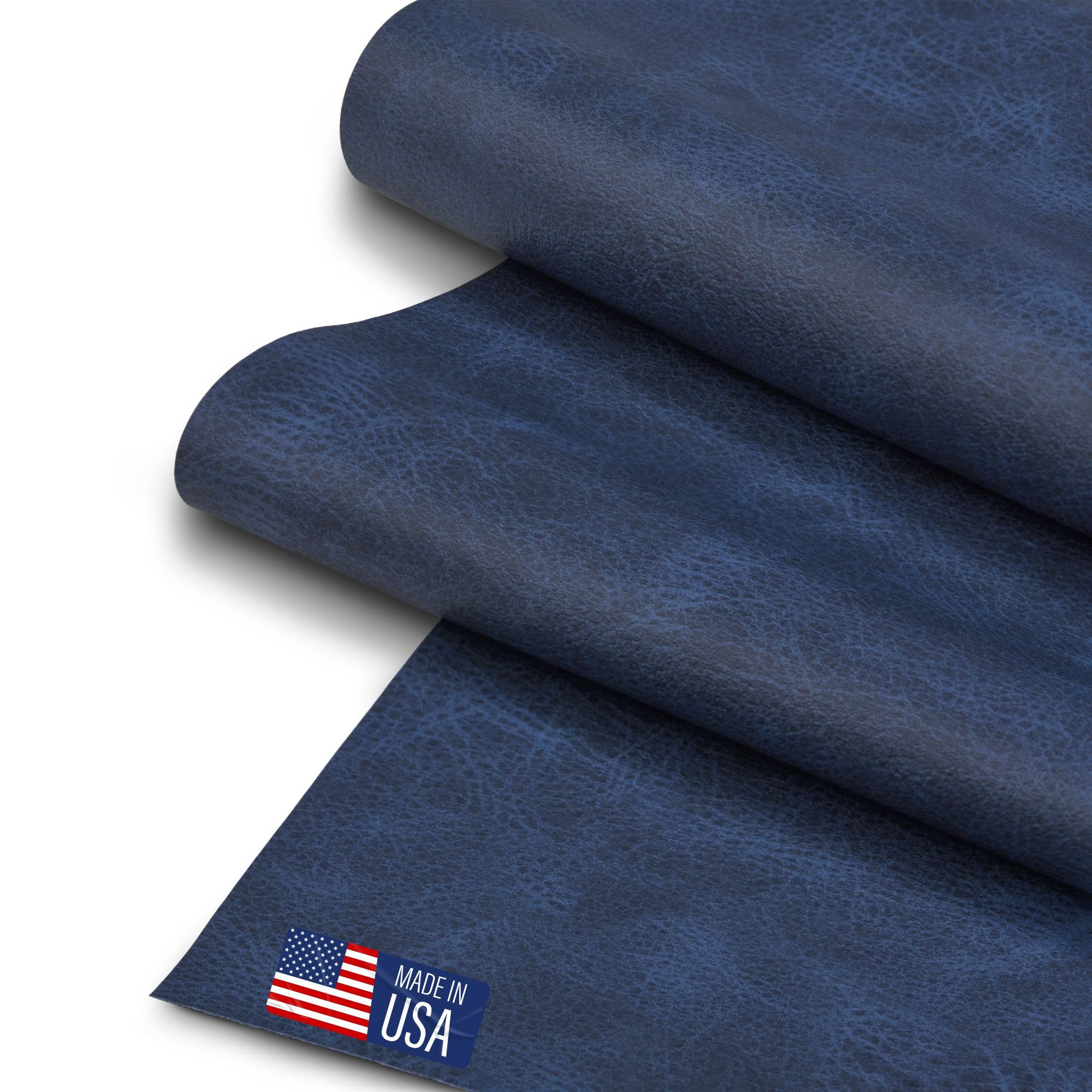
A thick, felt-soft faux leather that’s a joy to sew, staple, or stretch over stools.
Here’s the smallest footprint of the bunch—a single yard cut at 54 by 36 inches—but it’s the pound-for-pound favorite for crafters and small projects. Owners praise it as thick, soft, and much nicer than the original fabric on a chair they fixed up. It’s not slick at all, with a decent stretch that makes it forgiving to work with.
The felt-like texture is the thing everyone raves about, and the aged blue color is a consistent hit. It’s made in the USA, and it handles both sewing and stapling beautifully. One owner used it to redo bar stools and found it easy to cut and shape, with a rich appearance that impressed them.
The color and softness are the top praise items here, and value for money is a recurring positive. The only real quibble is durability—it’s hard to judge long-term wear from early use, and one owner held back a star for that exact reason. If you’re confident in your project’s lifespan, this is a delight to handle.
Why Crafters Love It
- Thick and soft with a felt-like, non-slick texture
- Cuts, sews, and staples with zero fuss
- Made in the USA with consistent color and quality
Keep In Mind
- Small 1-yard cut suits projects, not full seat sets
- Long-term durability is unproven in early reviews
Ideal for: small reupholstery jobs, tote bags, and anyone who wants luxurious-feeling material that’s easy to handle.
Not for: covering a full car interior—you’ll need to order multiple pieces and manage seams.
8. ANMINY Vinyl Fabric by the Yard
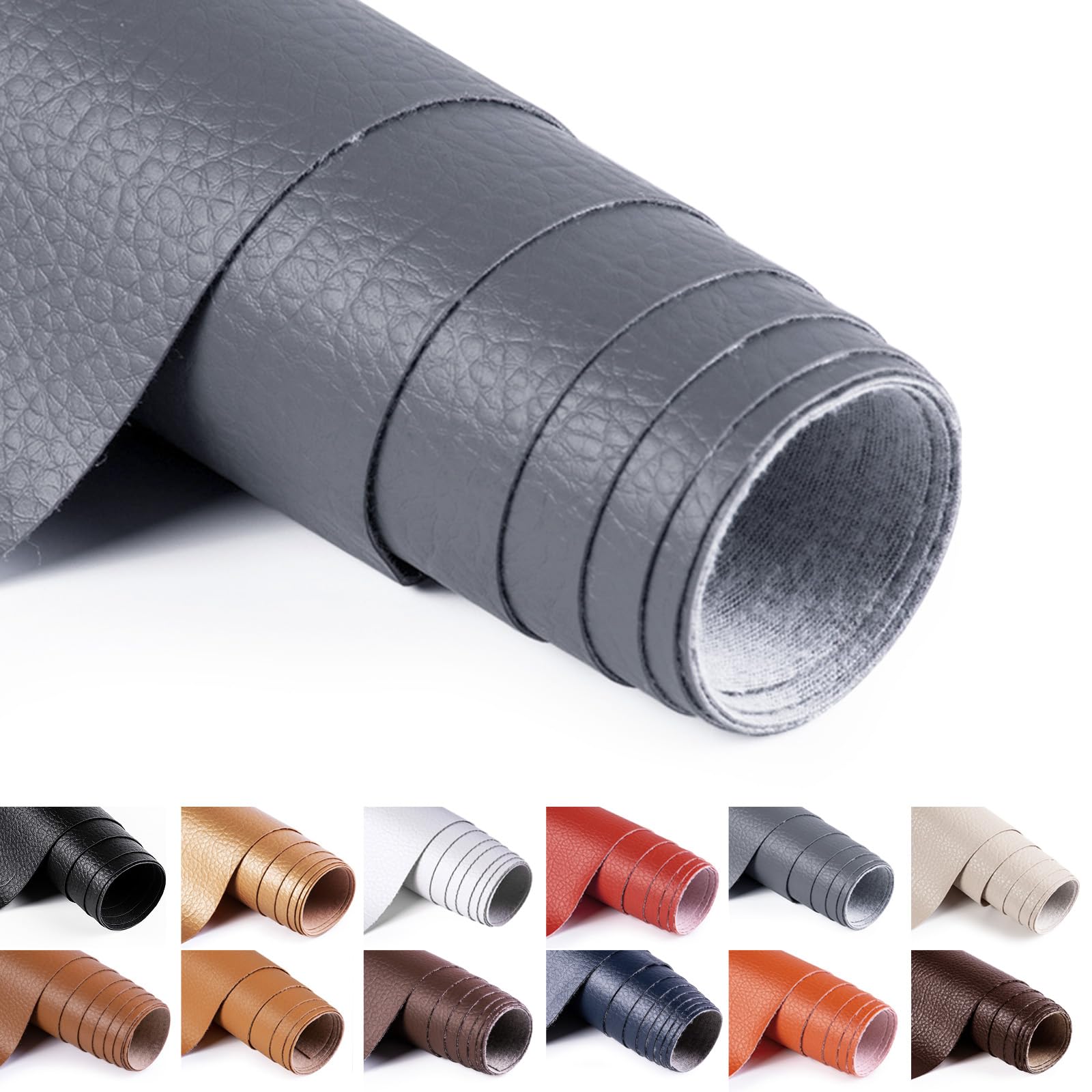
A scratch-resistant, waterproof PU vinyl that handled boat seats without breaking a sweat.
Buyers report this worked perfect for boat seats, and the reasons are clear: it’s a 0.7mm PU leather with a soft cotton backing that feels smooth while staying tough. The pebbled lychee grain texture adds a sophisticated, leather-like look that stands up to daily wear. At 1.04 kg for a 2-yard piece, it has a nice, heavy drape that feels substantial.
The scratch and UV-resistant coating is the standout feature—it resists scuffs and peeling, and the UV layer prevents fading from sun exposure. That makes it a smart choice for boats, RVs, and high-traffic areas. It’s also waterproof, so spills and stains wipe clean with a damp cloth, which parents and pet owners appreciate.
What wins people over is the material quality, but there’s a genuine catch: the durability read is mixed, with some owners finding it very durable and others reporting it tears easily. The bigger issue is creasing—it arrives folded, and the permanent folds and puckers can be a problem for upholstery projects like bar stools. The heavy drape makes it great for display tables and covers, less ideal for tight, contoured seats.
Best Qualities
- Scratch and UV resistant for outdoor durability
- Waterproof, wipe-clean surface ideal for boats
- Heavy, substantial feel with a nice drape
Watch For
- Permanent creases from folded shipping
- Mixed durability reports—some find it tears easily
Best for: budget-conscious projects on flat surfaces—boat seats, display tables, and covers where folds won’t matter.
Avoid if: you’re upholstering contoured bar stools that demand a smooth, crease-free finish.
9. luvfabrics Diamond Quilted Faux Leather

Pre-quilted diamond vinyl that gives door panels and headboards a custom, tailored look.
This is the pick when you want an instant, high-end aesthetic without doing the quilting yourself. The material features a 2 by 3-inch diamond pattern with a 3/8-inch quilted foam backing stitched to the vinyl. That’s a chunky, cushiony feel that owners describe as very cushiony and great-looking on a headliner.
It’s sold on a continuous piece rolled on a tube—never folded—which spares you the crease battle that plagues other options. The 52-inch width works for door panels, motorcycle seats, and headboards, and owners have used it successfully on a ’79 Toyota pickup and a motorcycle seat. One owner reported it looked as good as new after 3 years of use.
The value and appearance are the strongest points here, and it sews and staples easily for pull-tuck wraps. The honest note is to order extra: the width runs 52 inches, and you’ll want margin for error. Also, the thick 3/8-inch foam padding needs consideration for tight wraps—it adds bulk that can make clean corners trickier.
Statement material: pre-quilted diamond vinyl with cushiony 3/8-inch foam that looks custom and lasts.
Plan for bulk: the thick padding means tight wraps need extra care, and the 52-inch width demands careful measuring.
Understanding the Specs
Foam Backing Thickness
The foam backing on headliner fabric serves two key purposes. It softens the surface and dampens road noise for a quieter cabin. Thicker foam, like the 3/16-inch on the MOTUKA, hides imperfections better and feels plusher, but it can rub against a sunroof track. Thinner foam, like the 1/9-inch on the Babnecl, is easier to wrap and less likely to interfere with moving parts.
Material Thickness in Millimeters
For vinyl and faux leather, thickness is measured in millimeters. A 1.2mm material is noticeably more substantial than a 0.7mm one and will resist scratches and tears better. The trade-off is flexibility—thicker vinyl is harder to fold around tight curves and more difficult to staple. Match the thickness to the job: thin for flat covers, thick for seats and panels that take abuse.
FAQ
Can I really replace my own car headliner with these materials?
What is the difference between suede headliner fabric and vinyl faux leather?
How do I know how many yards of material I need?
Why is the fabric shipped folded and how do I get the creases out?
Is faux leather upholstery material waterproof?
What type of adhesive should I use for headliner fabric?
Is 1.2mm faux leather better than 0.7mm for car seats?
How long will automotive upholstery material last?
Will the color of the fabric match my car’s interior?
Can I sew and staple these materials, or do they need special tools?
Final Thoughts: The Verdict
For most buyers, the automotive upholstery material winner is the Babnecl Suede Headliner because it combines a generous 98 by 60-inch size, a soft noise-dampening foam backing, and flat tube packaging that makes DIY installs look professional. If you want a wipe-clean, scratch-resistant vinyl for seats or boat interiors, the DAFUN Marine Vinyl is the rugged pick. And for a pre-quilted, custom look on door panels or headboards, the luvfabrics Diamond Quilted Vinyl delivers instant style with proven longevity. Whichever you choose, measure twice, order extra, and bring patience to the adhesive stage—that’s the formula owners swear by.
How We Picked
We do not accept paid placement. Every pick is matched to a real buyer and a real use-case; we do not hands-on test units.
Sources & Methodology
Specifications: manufacturer listings and product documentation. Review insights: verified customer reviews, as of August 2026. Pricing: not shown on this page (it changes often); check the current price via the retailer link.
As an Amazon Associate, Gadgets Feed earns from qualifying purchases. This does not affect which products we feature.